Questões de Concurso
Sobre interpretação de texto | reading comprehension em inglês
Foram encontradas 12.687 questões


"The school was a second home for many of those children — not because it resembled one, but because they had no other safe place to be."
What is the author's main purpose in this sentence?
O texto seguinte servirá de base para responder à questão.
How World War Two changed how France eats
By June 1940, German forces had blitzed through France in just six weeks, leading more than half of the country to be occupied. As a result, French staples like cheese, bread and meat were soon rationed, and by 1942 some citizens were living on as few as 1,110 calories per day. Even after World War Two ended in 1945, access to food in France would continue to be regulated by the government until 1949.
Such austerity certainly had an impact on how the French ate during and just after the war. Yet, more than 80 years after Allied forces landed in Normandy to begin liberating the nation on D-Day (6 June 1944), few visitors realise that France's wartime occupation still echoes across the nation's culinary landscape.
In the decades following WW2, the French abandoned the staples that had got them through the tough times of occupation; familiar ingredients like root vegetables and even hearty pain de campagne (country bread) were so eschewed they were nearly forgotten. But as wartime associations have slowly faded from memory, a bevy of younger chefs and tastemakers are reviving the foods that once kept the French alive.
There aren't many French residents old enough to vividly recall life in wartime France today, and fewer still would deign to discuss it. Author Kitty Morse only discovered her great-grandparents' "Occupation diary and recipe book" after her own mother's death. Morse released them in 2022 in her book Bitter Sweet: A Wartime Journal and Heirloom Recipes from Occupied France.
"My mother never said any of this to me," she said.
Aline Pla was just nine years old in 1945 but, raised by small-town grocers in the south of France, she remembers more than others might. "You were only allowed a few grams of bread a day," she recalled. "Some [people] stopped smoking − especially those with kids. They preferred trading for food."
Such widespread lack gave rise to ersatz replacements: saccharine stood in for sugar; butter was supplanted by lard or margarine; and instead of coffee, people brewed roots or grains, like acorns, chickpeas or the barley Pla recalls villagers roasting at home. While many of these wartime brews faded from fashion, chicory coffee remained a staple, at least in northern France. Ricoré − a blend of chicory and instant coffee − has been on supermarket shelves since the 1950s. More recently, brands like Cherico are reimagining it for a new generation, marketing it as a climate-conscious, healthful alternative traditional coffee.
According to Patrick Rambourg, French culinary historian and author of Histoire de la Cuisine et de la Gastronomie Françaises, if chicory never wholly disappeared in France, it's in large part thanks to its flavour. "Chicory tastes good," he explained. "It doesn't necessarily make you think of periods of austerity."
Other products did, however, such as swedes and Jerusalem artichokes, which WW2 historian Fabrice Grenard asserted "were more reserved for animals before the war." The French were nevertheless forced to rely heavily on them once potato rationing began in November 1940, and after the war, these vegetables became almost "taboo", according to Rambourg. "My mother never cooked a swede in her life," added Morse.
Two generations later, however, Jerusalem artichokes, in particular, have surged to near-omnipresence in Paris, from the trendy small plates at Belleville wine bar Paloma to the classic chalkboard menu at bistro Le Bon Georges. Alongside parsnips, turnips and swedes, they're often self-awarely called "les legumes oubliés"("the forgotten vegetables") and, according to Léo Giorgis, chef-owner of L'Almanach Montmartre, French chefs have been remembering them for about 15 years.
"Now you see Jerusalem artichokes everywhere, [as well as] swedes [and] golden turnips," he said. As a chef dedicated to seasonal produce, Giorgis finds their return inspiring, especially in winter. "Without them, we're kind of stuck with cabbages and butternut squah."
According to Apollonia Poilâne, the third generation of her family to run the eponymous bakery Poilâne, founded in 1932, a similar shift took place with French bread. Before the war, she explained, white baguettes, which weren't subject to the same imposed prices as sourdough, surged to popularity on a marketplace rife with competition. But in August 1940, bread was one of the first products to be rationed, and soon, white bread was supplanted by darker-crumbed iterations bulked out with bran, chestnut, potato or buckwheat. The sale of fresh bread was forbidden by law, which some say was implemented specifically to reduce bread's palatability.
"I never knew white bread!" said Pla. When one went to eat at a friend's home during wartime, she recalled, "You brought your bread − your bread ration. Your own piece of bread."
Hunger for white bread surged post-war − so much so that while Poilâne's founder, Pierre Poilâne, persisted in producing the sourdoughs he so loved, his refusal to bake more modern loaves saw him ejected from bakery syndicates, according to his granddaughter, Apollonia. These days, however, the trend has come full circle: Baguette consumption fell 25% from 2015 to 2025, but the popularity of so-called "special" breads made with whole or heirloom grains is on the rise. "It's not bad that we're getting back to breads that are a bit less white," said Pla.
For Grenard, however, the most lasting impact the war left on French food culture was a no-waste mindset. "What remains after the war is more of a state of mind than culinary practices," he said. Rambourg agreed: "You know the value of food when you don't have any."
The French were forced to get creative with what they had. In France's south-eastern Ardèche department, Clément Faugier rebranded its sweetened chestnut paste as Génovitine, a name whose medical consonance made it easier to market as a fortifier and even prescribe. In the coastal Camargue region, local samphire suddenly stood in for green beans. Morse's great-grandfather foraged for wild mushrooms in the nearby Vosges mountains, and in cities, those with balconies planted their window boxes with carrots or leeks. Paris' public Jardin des Tuileries was even transformed into collective kitchen gardens.
According to Rambourg, this subsistence mindset "would affect the entire generation that lived through the war, and our parents, because they were the children of our grandparents, who knew the war."
As the need for these subsistence methods dissipated, French cuisine underwent another period of change. In 1963, the country welcomed its first Carrefour hypermarket, and large-scale supermarkets soon supplanted small shops. According to Grenard, this was partly due to "suspicion" following corruption during the German occupation, when some grocers inflated prices far past the norm, just because they could . "At the end of the war, consumers held real rancour against small shopkeepers," said Grenard. "In a supermarket, the prices are fixed."
Fast-forward eight decades, and some locals, now motivated by climate change are turning back to small, local grocers, such as the locavore Terroir d'Avenir shops dotting Paris. Others are reaching into the nation's past to resuscitate techniques like canning, preserving and foraging that saved many French residents during the war, according to Grenard. "The people that got by the best were the ones who had reserves."
Today, filling the larder with foraged food has become popular once again. In Kaysersberg, Alsace, chef Jérôme Jaegle of Alchémille puts this ancestral knowledge centre-stage by offering wild harvesting workshops culminating in a multi-course meal. And in Milly-la-Forêt, just outside Paris, François Thévenon highlights the foraging techniques he learned from his grandmother with classes teaching others how to seek out these edible plants themselves.
"After the war", he explained, "people wanted to reassure themselves that they wouldn't lack anything anymore." They turned, he said, to overconsumption, specifically of meat, which even his foraging grandmother ate every day, at every meal.
"You often hear when you ask older folk why they no longer eat wild plants, that it's because they don't have to," Thévenon said, who forages for wild plants because he believes it's good for his health and that of the planet.
According to Apollonia, the war didn't only change how France eats. "It probably changed the way the world eats," she asserted. Today, the techniques and philosophies that helped the French survive are slowly coming back to life.
https://www.bbc.com/travel/article/20250605-how-world-war-two-chang ed-the-french-diet
O texto seguinte servirá de base para responder à questão.
How World War Two changed how France eats
By June 1940, German forces had blitzed through France in just six weeks, leading more than half of the country to be occupied. As a result, French staples like cheese, bread and meat were soon rationed, and by 1942 some citizens were living on as few as 1,110 calories per day. Even after World War Two ended in 1945, access to food in France would continue to be regulated by the government until 1949.
Such austerity certainly had an impact on how the French ate during and just after the war. Yet, more than 80 years after Allied forces landed in Normandy to begin liberating the nation on D-Day (6 June 1944), few visitors realise that France's wartime occupation still echoes across the nation's culinary landscape.
In the decades following WW2, the French abandoned the staples that had got them through the tough times of occupation; familiar ingredients like root vegetables and even hearty pain de campagne (country bread) were so eschewed they were nearly forgotten. But as wartime associations have slowly faded from memory, a bevy of younger chefs and tastemakers are reviving the foods that once kept the French alive.
There aren't many French residents old enough to vividly recall life in wartime France today, and fewer still would deign to discuss it. Author Kitty Morse only discovered her great-grandparents' "Occupation diary and recipe book" after her own mother's death. Morse released them in 2022 in her book Bitter Sweet: A Wartime Journal and Heirloom Recipes from Occupied France.
"My mother never said any of this to me," she said.
Aline Pla was just nine years old in 1945 but, raised by small-town grocers in the south of France, she remembers more than others might. "You were only allowed a few grams of bread a day," she recalled. "Some [people] stopped smoking − especially those with kids. They preferred trading for food."
Such widespread lack gave rise to ersatz replacements: saccharine stood in for sugar; butter was supplanted by lard or margarine; and instead of coffee, people brewed roots or grains, like acorns, chickpeas or the barley Pla recalls villagers roasting at home. While many of these wartime brews faded from fashion, chicory coffee remained a staple, at least in northern France. Ricoré − a blend of chicory and instant coffee − has been on supermarket shelves since the 1950s. More recently, brands like Cherico are reimagining it for a new generation, marketing it as a climate-conscious, healthful alternative traditional coffee.
According to Patrick Rambourg, French culinary historian and author of Histoire de la Cuisine et de la Gastronomie Françaises, if chicory never wholly disappeared in France, it's in large part thanks to its flavour. "Chicory tastes good," he explained. "It doesn't necessarily make you think of periods of austerity."
Other products did, however, such as swedes and Jerusalem artichokes, which WW2 historian Fabrice Grenard asserted "were more reserved for animals before the war." The French were nevertheless forced to rely heavily on them once potato rationing began in November 1940, and after the war, these vegetables became almost "taboo", according to Rambourg. "My mother never cooked a swede in her life," added Morse.
Two generations later, however, Jerusalem artichokes, in particular, have surged to near-omnipresence in Paris, from the trendy small plates at Belleville wine bar Paloma to the classic chalkboard menu at bistro Le Bon Georges. Alongside parsnips, turnips and swedes, they're often self-awarely called "les legumes oubliés"("the forgotten vegetables") and, according to Léo Giorgis, chef-owner of L'Almanach Montmartre, French chefs have been remembering them for about 15 years.
"Now you see Jerusalem artichokes everywhere, [as well as] swedes [and] golden turnips," he said. As a chef dedicated to seasonal produce, Giorgis finds their return inspiring, especially in winter. "Without them, we're kind of stuck with cabbages and butternut squah."
According to Apollonia Poilâne, the third generation of her family to run the eponymous bakery Poilâne, founded in 1932, a similar shift took place with French bread. Before the war, she explained, white baguettes, which weren't subject to the same imposed prices as sourdough, surged to popularity on a marketplace rife with competition. But in August 1940, bread was one of the first products to be rationed, and soon, white bread was supplanted by darker-crumbed iterations bulked out with bran, chestnut, potato or buckwheat. The sale of fresh bread was forbidden by law, which some say was implemented specifically to reduce bread's palatability.
"I never knew white bread!" said Pla. When one went to eat at a friend's home during wartime, she recalled, "You brought your bread − your bread ration. Your own piece of bread."
Hunger for white bread surged post-war − so much so that while Poilâne's founder, Pierre Poilâne, persisted in producing the sourdoughs he so loved, his refusal to bake more modern loaves saw him ejected from bakery syndicates, according to his granddaughter, Apollonia. These days, however, the trend has come full circle: Baguette consumption fell 25% from 2015 to 2025, but the popularity of so-called "special" breads made with whole or heirloom grains is on the rise. "It's not bad that we're getting back to breads that are a bit less white," said Pla.
For Grenard, however, the most lasting impact the war left on French food culture was a no-waste mindset. "What remains after the war is more of a state of mind than culinary practices," he said. Rambourg agreed: "You know the value of food when you don't have any."
The French were forced to get creative with what they had. In France's south-eastern Ardèche department, Clément Faugier rebranded its sweetened chestnut paste as Génovitine, a name whose medical consonance made it easier to market as a fortifier and even prescribe. In the coastal Camargue region, local samphire suddenly stood in for green beans. Morse's great-grandfather foraged for wild mushrooms in the nearby Vosges mountains, and in cities, those with balconies planted their window boxes with carrots or leeks. Paris' public Jardin des Tuileries was even transformed into collective kitchen gardens.
According to Rambourg, this subsistence mindset "would affect the entire generation that lived through the war, and our parents, because they were the children of our grandparents, who knew the war."
As the need for these subsistence methods dissipated, French cuisine underwent another period of change. In 1963, the country welcomed its first Carrefour hypermarket, and large-scale supermarkets soon supplanted small shops. According to Grenard, this was partly due to "suspicion" following corruption during the German occupation, when some grocers inflated prices far past the norm, just because they could . "At the end of the war, consumers held real rancour against small shopkeepers," said Grenard. "In a supermarket, the prices are fixed."
Fast-forward eight decades, and some locals, now motivated by climate change are turning back to small, local grocers, such as the locavore Terroir d'Avenir shops dotting Paris. Others are reaching into the nation's past to resuscitate techniques like canning, preserving and foraging that saved many French residents during the war, according to Grenard. "The people that got by the best were the ones who had reserves."
Today, filling the larder with foraged food has become popular once again. In Kaysersberg, Alsace, chef Jérôme Jaegle of Alchémille puts this ancestral knowledge centre-stage by offering wild harvesting workshops culminating in a multi-course meal. And in Milly-la-Forêt, just outside Paris, François Thévenon highlights the foraging techniques he learned from his grandmother with classes teaching others how to seek out these edible plants themselves.
"After the war", he explained, "people wanted to reassure themselves that they wouldn't lack anything anymore." They turned, he said, to overconsumption, specifically of meat, which even his foraging grandmother ate every day, at every meal.
"You often hear when you ask older folk why they no longer eat wild plants, that it's because they don't have to," Thévenon said, who forages for wild plants because he believes it's good for his health and that of the planet.
According to Apollonia, the war didn't only change how France eats. "It probably changed the way the world eats," she asserted. Today, the techniques and philosophies that helped the French survive are slowly coming back to life.
https://www.bbc.com/travel/article/20250605-how-world-war-two-chang ed-the-french-diet
"According to Grenard, this was partly due to 'suspicion' following corruption during the German occupation, when some grocers inflated prices far past the norm."
What reading strategy allows the reader to understand that this behavior influenced post-war shopping habits?
O texto seguinte servirá de base para responder à questão.
How World War Two changed how France eats
By June 1940, German forces had blitzed through France in just six weeks, leading more than half of the country to be occupied. As a result, French staples like cheese, bread and meat were soon rationed, and by 1942 some citizens were living on as few as 1,110 calories per day. Even after World War Two ended in 1945, access to food in France would continue to be regulated by the government until 1949.
Such austerity certainly had an impact on how the French ate during and just after the war. Yet, more than 80 years after Allied forces landed in Normandy to begin liberating the nation on D-Day (6 June 1944), few visitors realise that France's wartime occupation still echoes across the nation's culinary landscape.
In the decades following WW2, the French abandoned the staples that had got them through the tough times of occupation; familiar ingredients like root vegetables and even hearty pain de campagne (country bread) were so eschewed they were nearly forgotten. But as wartime associations have slowly faded from memory, a bevy of younger chefs and tastemakers are reviving the foods that once kept the French alive.
There aren't many French residents old enough to vividly recall life in wartime France today, and fewer still would deign to discuss it. Author Kitty Morse only discovered her great-grandparents' "Occupation diary and recipe book" after her own mother's death. Morse released them in 2022 in her book Bitter Sweet: A Wartime Journal and Heirloom Recipes from Occupied France.
"My mother never said any of this to me," she said.
Aline Pla was just nine years old in 1945 but, raised by small-town grocers in the south of France, she remembers more than others might. "You were only allowed a few grams of bread a day," she recalled. "Some [people] stopped smoking − especially those with kids. They preferred trading for food."
Such widespread lack gave rise to ersatz replacements: saccharine stood in for sugar; butter was supplanted by lard or margarine; and instead of coffee, people brewed roots or grains, like acorns, chickpeas or the barley Pla recalls villagers roasting at home. While many of these wartime brews faded from fashion, chicory coffee remained a staple, at least in northern France. Ricoré − a blend of chicory and instant coffee − has been on supermarket shelves since the 1950s. More recently, brands like Cherico are reimagining it for a new generation, marketing it as a climate-conscious, healthful alternative traditional coffee.
According to Patrick Rambourg, French culinary historian and author of Histoire de la Cuisine et de la Gastronomie Françaises, if chicory never wholly disappeared in France, it's in large part thanks to its flavour. "Chicory tastes good," he explained. "It doesn't necessarily make you think of periods of austerity."
Other products did, however, such as swedes and Jerusalem artichokes, which WW2 historian Fabrice Grenard asserted "were more reserved for animals before the war." The French were nevertheless forced to rely heavily on them once potato rationing began in November 1940, and after the war, these vegetables became almost "taboo", according to Rambourg. "My mother never cooked a swede in her life," added Morse.
Two generations later, however, Jerusalem artichokes, in particular, have surged to near-omnipresence in Paris, from the trendy small plates at Belleville wine bar Paloma to the classic chalkboard menu at bistro Le Bon Georges. Alongside parsnips, turnips and swedes, they're often self-awarely called "les legumes oubliés"("the forgotten vegetables") and, according to Léo Giorgis, chef-owner of L'Almanach Montmartre, French chefs have been remembering them for about 15 years.
"Now you see Jerusalem artichokes everywhere, [as well as] swedes [and] golden turnips," he said. As a chef dedicated to seasonal produce, Giorgis finds their return inspiring, especially in winter. "Without them, we're kind of stuck with cabbages and butternut squah."
According to Apollonia Poilâne, the third generation of her family to run the eponymous bakery Poilâne, founded in 1932, a similar shift took place with French bread. Before the war, she explained, white baguettes, which weren't subject to the same imposed prices as sourdough, surged to popularity on a marketplace rife with competition. But in August 1940, bread was one of the first products to be rationed, and soon, white bread was supplanted by darker-crumbed iterations bulked out with bran, chestnut, potato or buckwheat. The sale of fresh bread was forbidden by law, which some say was implemented specifically to reduce bread's palatability.
"I never knew white bread!" said Pla. When one went to eat at a friend's home during wartime, she recalled, "You brought your bread − your bread ration. Your own piece of bread."
Hunger for white bread surged post-war − so much so that while Poilâne's founder, Pierre Poilâne, persisted in producing the sourdoughs he so loved, his refusal to bake more modern loaves saw him ejected from bakery syndicates, according to his granddaughter, Apollonia. These days, however, the trend has come full circle: Baguette consumption fell 25% from 2015 to 2025, but the popularity of so-called "special" breads made with whole or heirloom grains is on the rise. "It's not bad that we're getting back to breads that are a bit less white," said Pla.
For Grenard, however, the most lasting impact the war left on French food culture was a no-waste mindset. "What remains after the war is more of a state of mind than culinary practices," he said. Rambourg agreed: "You know the value of food when you don't have any."
The French were forced to get creative with what they had. In France's south-eastern Ardèche department, Clément Faugier rebranded its sweetened chestnut paste as Génovitine, a name whose medical consonance made it easier to market as a fortifier and even prescribe. In the coastal Camargue region, local samphire suddenly stood in for green beans. Morse's great-grandfather foraged for wild mushrooms in the nearby Vosges mountains, and in cities, those with balconies planted their window boxes with carrots or leeks. Paris' public Jardin des Tuileries was even transformed into collective kitchen gardens.
According to Rambourg, this subsistence mindset "would affect the entire generation that lived through the war, and our parents, because they were the children of our grandparents, who knew the war."
As the need for these subsistence methods dissipated, French cuisine underwent another period of change. In 1963, the country welcomed its first Carrefour hypermarket, and large-scale supermarkets soon supplanted small shops. According to Grenard, this was partly due to "suspicion" following corruption during the German occupation, when some grocers inflated prices far past the norm, just because they could . "At the end of the war, consumers held real rancour against small shopkeepers," said Grenard. "In a supermarket, the prices are fixed."
Fast-forward eight decades, and some locals, now motivated by climate change are turning back to small, local grocers, such as the locavore Terroir d'Avenir shops dotting Paris. Others are reaching into the nation's past to resuscitate techniques like canning, preserving and foraging that saved many French residents during the war, according to Grenard. "The people that got by the best were the ones who had reserves."
Today, filling the larder with foraged food has become popular once again. In Kaysersberg, Alsace, chef Jérôme Jaegle of Alchémille puts this ancestral knowledge centre-stage by offering wild harvesting workshops culminating in a multi-course meal. And in Milly-la-Forêt, just outside Paris, François Thévenon highlights the foraging techniques he learned from his grandmother with classes teaching others how to seek out these edible plants themselves.
"After the war", he explained, "people wanted to reassure themselves that they wouldn't lack anything anymore." They turned, he said, to overconsumption, specifically of meat, which even his foraging grandmother ate every day, at every meal.
"You often hear when you ask older folk why they no longer eat wild plants, that it's because they don't have to," Thévenon said, who forages for wild plants because he believes it's good for his health and that of the planet.
According to Apollonia, the war didn't only change how France eats. "It probably changed the way the world eats," she asserted. Today, the techniques and philosophies that helped the French survive are slowly coming back to life.
https://www.bbc.com/travel/article/20250605-how-world-war-two-chang ed-the-french-diet
"Some [people] stopped smoking − especially those with kids. They preferred trading for food."
From the context, what can be inferred about the relationship between smoking and food during the war?
O texto seguinte servirá de base para responder à questão.
How World War Two changed how France eats
By June 1940, German forces had blitzed through France in just six weeks, leading more than half of the country to be occupied. As a result, French staples like cheese, bread and meat were soon rationed, and by 1942 some citizens were living on as few as 1,110 calories per day. Even after World War Two ended in 1945, access to food in France would continue to be regulated by the government until 1949.
Such austerity certainly had an impact on how the French ate during and just after the war. Yet, more than 80 years after Allied forces landed in Normandy to begin liberating the nation on D-Day (6 June 1944), few visitors realise that France's wartime occupation still echoes across the nation's culinary landscape.
In the decades following WW2, the French abandoned the staples that had got them through the tough times of occupation; familiar ingredients like root vegetables and even hearty pain de campagne (country bread) were so eschewed they were nearly forgotten. But as wartime associations have slowly faded from memory, a bevy of younger chefs and tastemakers are reviving the foods that once kept the French alive.
There aren't many French residents old enough to vividly recall life in wartime France today, and fewer still would deign to discuss it. Author Kitty Morse only discovered her great-grandparents' "Occupation diary and recipe book" after her own mother's death. Morse released them in 2022 in her book Bitter Sweet: A Wartime Journal and Heirloom Recipes from Occupied France.
"My mother never said any of this to me," she said.
Aline Pla was just nine years old in 1945 but, raised by small-town grocers in the south of France, she remembers more than others might. "You were only allowed a few grams of bread a day," she recalled. "Some [people] stopped smoking − especially those with kids. They preferred trading for food."
Such widespread lack gave rise to ersatz replacements: saccharine stood in for sugar; butter was supplanted by lard or margarine; and instead of coffee, people brewed roots or grains, like acorns, chickpeas or the barley Pla recalls villagers roasting at home. While many of these wartime brews faded from fashion, chicory coffee remained a staple, at least in northern France. Ricoré − a blend of chicory and instant coffee − has been on supermarket shelves since the 1950s. More recently, brands like Cherico are reimagining it for a new generation, marketing it as a climate-conscious, healthful alternative traditional coffee.
According to Patrick Rambourg, French culinary historian and author of Histoire de la Cuisine et de la Gastronomie Françaises, if chicory never wholly disappeared in France, it's in large part thanks to its flavour. "Chicory tastes good," he explained. "It doesn't necessarily make you think of periods of austerity."
Other products did, however, such as swedes and Jerusalem artichokes, which WW2 historian Fabrice Grenard asserted "were more reserved for animals before the war." The French were nevertheless forced to rely heavily on them once potato rationing began in November 1940, and after the war, these vegetables became almost "taboo", according to Rambourg. "My mother never cooked a swede in her life," added Morse.
Two generations later, however, Jerusalem artichokes, in particular, have surged to near-omnipresence in Paris, from the trendy small plates at Belleville wine bar Paloma to the classic chalkboard menu at bistro Le Bon Georges. Alongside parsnips, turnips and swedes, they're often self-awarely called "les legumes oubliés"("the forgotten vegetables") and, according to Léo Giorgis, chef-owner of L'Almanach Montmartre, French chefs have been remembering them for about 15 years.
"Now you see Jerusalem artichokes everywhere, [as well as] swedes [and] golden turnips," he said. As a chef dedicated to seasonal produce, Giorgis finds their return inspiring, especially in winter. "Without them, we're kind of stuck with cabbages and butternut squah."
According to Apollonia Poilâne, the third generation of her family to run the eponymous bakery Poilâne, founded in 1932, a similar shift took place with French bread. Before the war, she explained, white baguettes, which weren't subject to the same imposed prices as sourdough, surged to popularity on a marketplace rife with competition. But in August 1940, bread was one of the first products to be rationed, and soon, white bread was supplanted by darker-crumbed iterations bulked out with bran, chestnut, potato or buckwheat. The sale of fresh bread was forbidden by law, which some say was implemented specifically to reduce bread's palatability.
"I never knew white bread!" said Pla. When one went to eat at a friend's home during wartime, she recalled, "You brought your bread − your bread ration. Your own piece of bread."
Hunger for white bread surged post-war − so much so that while Poilâne's founder, Pierre Poilâne, persisted in producing the sourdoughs he so loved, his refusal to bake more modern loaves saw him ejected from bakery syndicates, according to his granddaughter, Apollonia. These days, however, the trend has come full circle: Baguette consumption fell 25% from 2015 to 2025, but the popularity of so-called "special" breads made with whole or heirloom grains is on the rise. "It's not bad that we're getting back to breads that are a bit less white," said Pla.
For Grenard, however, the most lasting impact the war left on French food culture was a no-waste mindset. "What remains after the war is more of a state of mind than culinary practices," he said. Rambourg agreed: "You know the value of food when you don't have any."
The French were forced to get creative with what they had. In France's south-eastern Ardèche department, Clément Faugier rebranded its sweetened chestnut paste as Génovitine, a name whose medical consonance made it easier to market as a fortifier and even prescribe. In the coastal Camargue region, local samphire suddenly stood in for green beans. Morse's great-grandfather foraged for wild mushrooms in the nearby Vosges mountains, and in cities, those with balconies planted their window boxes with carrots or leeks. Paris' public Jardin des Tuileries was even transformed into collective kitchen gardens.
According to Rambourg, this subsistence mindset "would affect the entire generation that lived through the war, and our parents, because they were the children of our grandparents, who knew the war."
As the need for these subsistence methods dissipated, French cuisine underwent another period of change. In 1963, the country welcomed its first Carrefour hypermarket, and large-scale supermarkets soon supplanted small shops. According to Grenard, this was partly due to "suspicion" following corruption during the German occupation, when some grocers inflated prices far past the norm, just because they could . "At the end of the war, consumers held real rancour against small shopkeepers," said Grenard. "In a supermarket, the prices are fixed."
Fast-forward eight decades, and some locals, now motivated by climate change are turning back to small, local grocers, such as the locavore Terroir d'Avenir shops dotting Paris. Others are reaching into the nation's past to resuscitate techniques like canning, preserving and foraging that saved many French residents during the war, according to Grenard. "The people that got by the best were the ones who had reserves."
Today, filling the larder with foraged food has become popular once again. In Kaysersberg, Alsace, chef Jérôme Jaegle of Alchémille puts this ancestral knowledge centre-stage by offering wild harvesting workshops culminating in a multi-course meal. And in Milly-la-Forêt, just outside Paris, François Thévenon highlights the foraging techniques he learned from his grandmother with classes teaching others how to seek out these edible plants themselves.
"After the war", he explained, "people wanted to reassure themselves that they wouldn't lack anything anymore." They turned, he said, to overconsumption, specifically of meat, which even his foraging grandmother ate every day, at every meal.
"You often hear when you ask older folk why they no longer eat wild plants, that it's because they don't have to," Thévenon said, who forages for wild plants because he believes it's good for his health and that of the planet.
According to Apollonia, the war didn't only change how France eats. "It probably changed the way the world eats," she asserted. Today, the techniques and philosophies that helped the French survive are slowly coming back to life.
https://www.bbc.com/travel/article/20250605-how-world-war-two-chang ed-the-french-diet
O texto seguinte servirá de base para responder à questão.
How World War Two changed how France eats
By June 1940, German forces had blitzed through France in just six weeks, leading more than half of the country to be occupied. As a result, French staples like cheese, bread and meat were soon rationed, and by 1942 some citizens were living on as few as 1,110 calories per day. Even after World War Two ended in 1945, access to food in France would continue to be regulated by the government until 1949.
Such austerity certainly had an impact on how the French ate during and just after the war. Yet, more than 80 years after Allied forces landed in Normandy to begin liberating the nation on D-Day (6 June 1944), few visitors realise that France's wartime occupation still echoes across the nation's culinary landscape.
In the decades following WW2, the French abandoned the staples that had got them through the tough times of occupation; familiar ingredients like root vegetables and even hearty pain de campagne (country bread) were so eschewed they were nearly forgotten. But as wartime associations have slowly faded from memory, a bevy of younger chefs and tastemakers are reviving the foods that once kept the French alive.
There aren't many French residents old enough to vividly recall life in wartime France today, and fewer still would deign to discuss it. Author Kitty Morse only discovered her great-grandparents' "Occupation diary and recipe book" after her own mother's death. Morse released them in 2022 in her book Bitter Sweet: A Wartime Journal and Heirloom Recipes from Occupied France.
"My mother never said any of this to me," she said.
Aline Pla was just nine years old in 1945 but, raised by small-town grocers in the south of France, she remembers more than others might. "You were only allowed a few grams of bread a day," she recalled. "Some [people] stopped smoking − especially those with kids. They preferred trading for food."
Such widespread lack gave rise to ersatz replacements: saccharine stood in for sugar; butter was supplanted by lard or margarine; and instead of coffee, people brewed roots or grains, like acorns, chickpeas or the barley Pla recalls villagers roasting at home. While many of these wartime brews faded from fashion, chicory coffee remained a staple, at least in northern France. Ricoré − a blend of chicory and instant coffee − has been on supermarket shelves since the 1950s. More recently, brands like Cherico are reimagining it for a new generation, marketing it as a climate-conscious, healthful alternative traditional coffee.
According to Patrick Rambourg, French culinary historian and author of Histoire de la Cuisine et de la Gastronomie Françaises, if chicory never wholly disappeared in France, it's in large part thanks to its flavour. "Chicory tastes good," he explained. "It doesn't necessarily make you think of periods of austerity."
Other products did, however, such as swedes and Jerusalem artichokes, which WW2 historian Fabrice Grenard asserted "were more reserved for animals before the war." The French were nevertheless forced to rely heavily on them once potato rationing began in November 1940, and after the war, these vegetables became almost "taboo", according to Rambourg. "My mother never cooked a swede in her life," added Morse.
Two generations later, however, Jerusalem artichokes, in particular, have surged to near-omnipresence in Paris, from the trendy small plates at Belleville wine bar Paloma to the classic chalkboard menu at bistro Le Bon Georges. Alongside parsnips, turnips and swedes, they're often self-awarely called "les legumes oubliés"("the forgotten vegetables") and, according to Léo Giorgis, chef-owner of L'Almanach Montmartre, French chefs have been remembering them for about 15 years.
"Now you see Jerusalem artichokes everywhere, [as well as] swedes [and] golden turnips," he said. As a chef dedicated to seasonal produce, Giorgis finds their return inspiring, especially in winter. "Without them, we're kind of stuck with cabbages and butternut squah."
According to Apollonia Poilâne, the third generation of her family to run the eponymous bakery Poilâne, founded in 1932, a similar shift took place with French bread. Before the war, she explained, white baguettes, which weren't subject to the same imposed prices as sourdough, surged to popularity on a marketplace rife with competition. But in August 1940, bread was one of the first products to be rationed, and soon, white bread was supplanted by darker-crumbed iterations bulked out with bran, chestnut, potato or buckwheat. The sale of fresh bread was forbidden by law, which some say was implemented specifically to reduce bread's palatability.
"I never knew white bread!" said Pla. When one went to eat at a friend's home during wartime, she recalled, "You brought your bread − your bread ration. Your own piece of bread."
Hunger for white bread surged post-war − so much so that while Poilâne's founder, Pierre Poilâne, persisted in producing the sourdoughs he so loved, his refusal to bake more modern loaves saw him ejected from bakery syndicates, according to his granddaughter, Apollonia. These days, however, the trend has come full circle: Baguette consumption fell 25% from 2015 to 2025, but the popularity of so-called "special" breads made with whole or heirloom grains is on the rise. "It's not bad that we're getting back to breads that are a bit less white," said Pla.
For Grenard, however, the most lasting impact the war left on French food culture was a no-waste mindset. "What remains after the war is more of a state of mind than culinary practices," he said. Rambourg agreed: "You know the value of food when you don't have any."
The French were forced to get creative with what they had. In France's south-eastern Ardèche department, Clément Faugier rebranded its sweetened chestnut paste as Génovitine, a name whose medical consonance made it easier to market as a fortifier and even prescribe. In the coastal Camargue region, local samphire suddenly stood in for green beans. Morse's great-grandfather foraged for wild mushrooms in the nearby Vosges mountains, and in cities, those with balconies planted their window boxes with carrots or leeks. Paris' public Jardin des Tuileries was even transformed into collective kitchen gardens.
According to Rambourg, this subsistence mindset "would affect the entire generation that lived through the war, and our parents, because they were the children of our grandparents, who knew the war."
As the need for these subsistence methods dissipated, French cuisine underwent another period of change. In 1963, the country welcomed its first Carrefour hypermarket, and large-scale supermarkets soon supplanted small shops. According to Grenard, this was partly due to "suspicion" following corruption during the German occupation, when some grocers inflated prices far past the norm, just because they could . "At the end of the war, consumers held real rancour against small shopkeepers," said Grenard. "In a supermarket, the prices are fixed."
Fast-forward eight decades, and some locals, now motivated by climate change are turning back to small, local grocers, such as the locavore Terroir d'Avenir shops dotting Paris. Others are reaching into the nation's past to resuscitate techniques like canning, preserving and foraging that saved many French residents during the war, according to Grenard. "The people that got by the best were the ones who had reserves."
Today, filling the larder with foraged food has become popular once again. In Kaysersberg, Alsace, chef Jérôme Jaegle of Alchémille puts this ancestral knowledge centre-stage by offering wild harvesting workshops culminating in a multi-course meal. And in Milly-la-Forêt, just outside Paris, François Thévenon highlights the foraging techniques he learned from his grandmother with classes teaching others how to seek out these edible plants themselves.
"After the war", he explained, "people wanted to reassure themselves that they wouldn't lack anything anymore." They turned, he said, to overconsumption, specifically of meat, which even his foraging grandmother ate every day, at every meal.
"You often hear when you ask older folk why they no longer eat wild plants, that it's because they don't have to," Thévenon said, who forages for wild plants because he believes it's good for his health and that of the planet.
According to Apollonia, the war didn't only change how France eats. "It probably changed the way the world eats," she asserted. Today, the techniques and philosophies that helped the French survive are slowly coming back to life.
https://www.bbc.com/travel/article/20250605-how-world-war-two-chang ed-the-french-diet
"Others are reaching into the nation's past to resuscitate techniques like canning, preserving and foraging..."
What does the phrasal verb "reach into" mean in this sentence?
O texto V refere-se às questão.
TEXTO V - Cartoon by Brian Crane – "Pickles"
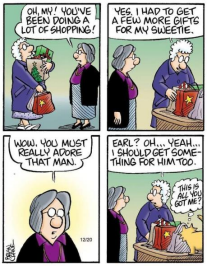
O texto V refere-se às questão.
TEXTO V - Cartoon by Brian Crane – "Pickles"
O texto IV refere-se à questão.
Texto IV

O texto IV refere-se à questão.
Texto IV

 Conheça nossos planos