Questões de Concurso Público CIJUN - SP 2023 para Analista de Segurança da Informação Pleno (LGPD)
Foram encontradas 50 questões


Ano: 2023
Banca:
VUNESP
Órgão:
CIJUN - SP
Provas:
VUNESP - 2023 - CIJUN - SP - Analista de Segurança da Informação Pleno (LGPD)
|
VUNESP - 2023 - CIJUN - SP - Analista de TI Junior (Desenvolvedor .NET) |
VUNESP - 2023 - CIJUN - SP - Analista de TI Junior (Geoprocessamento) |
VUNESP - 2023 - CIJUN - SP - Analista de TI Junior (Sites e Portas) |
VUNESP - 2023 - CIJUN - SP - Analista de TI Junior (Mobile) |
VUNESP - 2023 - CIJUN - SP - Arquiteto de Sistemas Pleno (Desenvolvimento de Sistemas) |
Q4197696
Inglês
Texto associado
Leia o texto para responder à questão.
Information Security (InfoSec) defined
Information security, often abbreviated InfoSec, is a set
of security procedures and tools that broadly protect sensitive
enterprise information from misuse, unauthorized access,
disruption, or destruction. InfoSec encompasses physical and
environmental security, access control, and cybersecurity. It
often includes technologies like cloud access security brokers
(CASB), deception tools, endpoint detection and response
(EDR), and security testing for DevOps (DevSecOps), among
others.
Key elements of information security
InfoSec comprises a range of security tools, solutions,
and processes that keep enterprise information secure across
devices and locations, helping to protect against cyberattacks
or other disruptive events.
• Application security - Policies, procedures, tools, and best
practices enacted to protect applications and their data.w
• Cloud security - Policies, procedures, tools, and best
practices enacted to protect all aspects of the cloud,
including systems, data, applications, and infrastructure.
• Cryptography - An algorithm-based method of securing
communication meant to ensure only intended recipients
of a specific message can view and decipher it.
• Disaster recovery - A method to reestablish functional
technological systems in the wake of an event like a
natural disaster, cyberattack, or another disruptive event.
• Incident response - An organization’s plan for responding
to, remediating, and managing the aftermath of a
cyberattack, data breach, or another disruptive event.
• Infrastructure security - Security that encompasses
an organization’s entire technological infrastructure,
including both hardware and software systems.
• Vulnerability management - The process an organization
takes to identify, assess, and remediate vulnerabilities in
its endpoints, software, and systems.
Three pillars of information security: the CIA triad
Confidentiality, integrity, and availability make up the
cornerstones of strong information protection, creating the
basis for an enterprise’s security infrastructure. The CIA
triad offers these three concepts as guiding principles for
implementing an InfoSec plan.
Confidentiality
Privacy is a major component of InfoSec, and
organizations should enact measures that allow only
authorized users access to information. Data encryption,
multi-factor authentication, and data loss prevention are
some of the tools enterprises can employ to help ensure
data confidentiality.
Integrity
Enterprises must maintain data’s integrity across its
entire lifecycle. Enterprises with strong InfoSec will recognize
the importance of accurate, reliable data, and permit no
unauthorized user to access, alter, or otherwise interfere with
it. Tools like file permissions, identity management, and user
access controls help ensure data integrity.
Availability
InfoSec involves consistently maintaining physical
hardware and regularly completing system upgrades to
guarantee that authorized users have dependable, consistent
access to data as they need it.
(www.microsoft.com/en-ww/security/business/security-101/
what-is-information-security-infosec#:~:text=Information%20
security%2C%20often%20abbreviated%20(InfoSec,access%2C%20
disruption%2C%20or%20destruction. Adaptado.)
According to the definition of Information Security provided
in the first part of the text, the aim of InfoSec is to
Ano: 2023
Banca:
VUNESP
Órgão:
CIJUN - SP
Provas:
VUNESP - 2023 - CIJUN - SP - Analista de Segurança da Informação Pleno (LGPD)
|
VUNESP - 2023 - CIJUN - SP - Analista de TI Junior (Desenvolvedor .NET) |
VUNESP - 2023 - CIJUN - SP - Analista de TI Junior (Geoprocessamento) |
VUNESP - 2023 - CIJUN - SP - Analista de TI Junior (Sites e Portas) |
VUNESP - 2023 - CIJUN - SP - Analista de TI Junior (Mobile) |
VUNESP - 2023 - CIJUN - SP - Arquiteto de Sistemas Pleno (Desenvolvimento de Sistemas) |
Q4197697
Inglês
Texto associado
Leia o texto para responder à questão.
Information Security (InfoSec) defined
Information security, often abbreviated InfoSec, is a set
of security procedures and tools that broadly protect sensitive
enterprise information from misuse, unauthorized access,
disruption, or destruction. InfoSec encompasses physical and
environmental security, access control, and cybersecurity. It
often includes technologies like cloud access security brokers
(CASB), deception tools, endpoint detection and response
(EDR), and security testing for DevOps (DevSecOps), among
others.
Key elements of information security
InfoSec comprises a range of security tools, solutions,
and processes that keep enterprise information secure across
devices and locations, helping to protect against cyberattacks
or other disruptive events.
• Application security - Policies, procedures, tools, and best
practices enacted to protect applications and their data.w
• Cloud security - Policies, procedures, tools, and best
practices enacted to protect all aspects of the cloud,
including systems, data, applications, and infrastructure.
• Cryptography - An algorithm-based method of securing
communication meant to ensure only intended recipients
of a specific message can view and decipher it.
• Disaster recovery - A method to reestablish functional
technological systems in the wake of an event like a
natural disaster, cyberattack, or another disruptive event.
• Incident response - An organization’s plan for responding
to, remediating, and managing the aftermath of a
cyberattack, data breach, or another disruptive event.
• Infrastructure security - Security that encompasses
an organization’s entire technological infrastructure,
including both hardware and software systems.
• Vulnerability management - The process an organization
takes to identify, assess, and remediate vulnerabilities in
its endpoints, software, and systems.
Three pillars of information security: the CIA triad
Confidentiality, integrity, and availability make up the
cornerstones of strong information protection, creating the
basis for an enterprise’s security infrastructure. The CIA
triad offers these three concepts as guiding principles for
implementing an InfoSec plan.
Confidentiality
Privacy is a major component of InfoSec, and
organizations should enact measures that allow only
authorized users access to information. Data encryption,
multi-factor authentication, and data loss prevention are
some of the tools enterprises can employ to help ensure
data confidentiality.
Integrity
Enterprises must maintain data’s integrity across its
entire lifecycle. Enterprises with strong InfoSec will recognize
the importance of accurate, reliable data, and permit no
unauthorized user to access, alter, or otherwise interfere with
it. Tools like file permissions, identity management, and user
access controls help ensure data integrity.
Availability
InfoSec involves consistently maintaining physical
hardware and regularly completing system upgrades to
guarantee that authorized users have dependable, consistent
access to data as they need it.
(www.microsoft.com/en-ww/security/business/security-101/
what-is-information-security-infosec#:~:text=Information%20
security%2C%20often%20abbreviated%20(InfoSec,access%2C%20
disruption%2C%20or%20destruction. Adaptado.)
No trecho da primeira parte do texto “It often includes
technologies like cloud access security brokers (CASB),
deception tools, endpoint detection and response (EDR),
and security testing for DevOps (DevSecOps), among
others”, o termo destacado em negrito indica
Ano: 2023
Banca:
VUNESP
Órgão:
CIJUN - SP
Provas:
VUNESP - 2023 - CIJUN - SP - Analista de Segurança da Informação Pleno (LGPD)
|
VUNESP - 2023 - CIJUN - SP - Analista de TI Junior (Desenvolvedor .NET) |
VUNESP - 2023 - CIJUN - SP - Analista de TI Junior (Geoprocessamento) |
VUNESP - 2023 - CIJUN - SP - Analista de TI Junior (Sites e Portas) |
VUNESP - 2023 - CIJUN - SP - Analista de TI Junior (Mobile) |
VUNESP - 2023 - CIJUN - SP - Arquiteto de Sistemas Pleno (Desenvolvimento de Sistemas) |
Q4197698
Inglês
Texto associado
Leia o texto para responder à questão.
Information Security (InfoSec) defined
Information security, often abbreviated InfoSec, is a set
of security procedures and tools that broadly protect sensitive
enterprise information from misuse, unauthorized access,
disruption, or destruction. InfoSec encompasses physical and
environmental security, access control, and cybersecurity. It
often includes technologies like cloud access security brokers
(CASB), deception tools, endpoint detection and response
(EDR), and security testing for DevOps (DevSecOps), among
others.
Key elements of information security
InfoSec comprises a range of security tools, solutions,
and processes that keep enterprise information secure across
devices and locations, helping to protect against cyberattacks
or other disruptive events.
• Application security - Policies, procedures, tools, and best
practices enacted to protect applications and their data.w
• Cloud security - Policies, procedures, tools, and best
practices enacted to protect all aspects of the cloud,
including systems, data, applications, and infrastructure.
• Cryptography - An algorithm-based method of securing
communication meant to ensure only intended recipients
of a specific message can view and decipher it.
• Disaster recovery - A method to reestablish functional
technological systems in the wake of an event like a
natural disaster, cyberattack, or another disruptive event.
• Incident response - An organization’s plan for responding
to, remediating, and managing the aftermath of a
cyberattack, data breach, or another disruptive event.
• Infrastructure security - Security that encompasses
an organization’s entire technological infrastructure,
including both hardware and software systems.
• Vulnerability management - The process an organization
takes to identify, assess, and remediate vulnerabilities in
its endpoints, software, and systems.
Three pillars of information security: the CIA triad
Confidentiality, integrity, and availability make up the
cornerstones of strong information protection, creating the
basis for an enterprise’s security infrastructure. The CIA
triad offers these three concepts as guiding principles for
implementing an InfoSec plan.
Confidentiality
Privacy is a major component of InfoSec, and
organizations should enact measures that allow only
authorized users access to information. Data encryption,
multi-factor authentication, and data loss prevention are
some of the tools enterprises can employ to help ensure
data confidentiality.
Integrity
Enterprises must maintain data’s integrity across its
entire lifecycle. Enterprises with strong InfoSec will recognize
the importance of accurate, reliable data, and permit no
unauthorized user to access, alter, or otherwise interfere with
it. Tools like file permissions, identity management, and user
access controls help ensure data integrity.
Availability
InfoSec involves consistently maintaining physical
hardware and regularly completing system upgrades to
guarantee that authorized users have dependable, consistent
access to data as they need it.
(www.microsoft.com/en-ww/security/business/security-101/
what-is-information-security-infosec#:~:text=Information%20
security%2C%20often%20abbreviated%20(InfoSec,access%2C%20
disruption%2C%20or%20destruction. Adaptado.)
In the excerpt from the first part of the text “It often includes
technologies”, the word in bold refers to
Ano: 2023
Banca:
VUNESP
Órgão:
CIJUN - SP
Provas:
VUNESP - 2023 - CIJUN - SP - Analista de Segurança da Informação Pleno (LGPD)
|
VUNESP - 2023 - CIJUN - SP - Analista de TI Junior (Desenvolvedor .NET) |
VUNESP - 2023 - CIJUN - SP - Analista de TI Junior (Geoprocessamento) |
VUNESP - 2023 - CIJUN - SP - Analista de TI Junior (Sites e Portas) |
VUNESP - 2023 - CIJUN - SP - Analista de TI Junior (Mobile) |
VUNESP - 2023 - CIJUN - SP - Arquiteto de Sistemas Pleno (Desenvolvimento de Sistemas) |
Q4197699
Inglês
Texto associado
Leia o texto para responder à questão.
Information Security (InfoSec) defined
Information security, often abbreviated InfoSec, is a set
of security procedures and tools that broadly protect sensitive
enterprise information from misuse, unauthorized access,
disruption, or destruction. InfoSec encompasses physical and
environmental security, access control, and cybersecurity. It
often includes technologies like cloud access security brokers
(CASB), deception tools, endpoint detection and response
(EDR), and security testing for DevOps (DevSecOps), among
others.
Key elements of information security
InfoSec comprises a range of security tools, solutions,
and processes that keep enterprise information secure across
devices and locations, helping to protect against cyberattacks
or other disruptive events.
• Application security - Policies, procedures, tools, and best
practices enacted to protect applications and their data.w
• Cloud security - Policies, procedures, tools, and best
practices enacted to protect all aspects of the cloud,
including systems, data, applications, and infrastructure.
• Cryptography - An algorithm-based method of securing
communication meant to ensure only intended recipients
of a specific message can view and decipher it.
• Disaster recovery - A method to reestablish functional
technological systems in the wake of an event like a
natural disaster, cyberattack, or another disruptive event.
• Incident response - An organization’s plan for responding
to, remediating, and managing the aftermath of a
cyberattack, data breach, or another disruptive event.
• Infrastructure security - Security that encompasses
an organization’s entire technological infrastructure,
including both hardware and software systems.
• Vulnerability management - The process an organization
takes to identify, assess, and remediate vulnerabilities in
its endpoints, software, and systems.
Three pillars of information security: the CIA triad
Confidentiality, integrity, and availability make up the
cornerstones of strong information protection, creating the
basis for an enterprise’s security infrastructure. The CIA
triad offers these three concepts as guiding principles for
implementing an InfoSec plan.
Confidentiality
Privacy is a major component of InfoSec, and
organizations should enact measures that allow only
authorized users access to information. Data encryption,
multi-factor authentication, and data loss prevention are
some of the tools enterprises can employ to help ensure
data confidentiality.
Integrity
Enterprises must maintain data’s integrity across its
entire lifecycle. Enterprises with strong InfoSec will recognize
the importance of accurate, reliable data, and permit no
unauthorized user to access, alter, or otherwise interfere with
it. Tools like file permissions, identity management, and user
access controls help ensure data integrity.
Availability
InfoSec involves consistently maintaining physical
hardware and regularly completing system upgrades to
guarantee that authorized users have dependable, consistent
access to data as they need it.
(www.microsoft.com/en-ww/security/business/security-101/
what-is-information-security-infosec#:~:text=Information%20
security%2C%20often%20abbreviated%20(InfoSec,access%2C%20
disruption%2C%20or%20destruction. Adaptado.)
Leia a parte do texto Key elements of information security para responder à questão.
No texto, os elementos chave de Segurança da Informação que mencionam explicitamente o uso de políticas são
Ano: 2023
Banca:
VUNESP
Órgão:
CIJUN - SP
Provas:
VUNESP - 2023 - CIJUN - SP - Analista de Segurança da Informação Pleno (LGPD)
|
VUNESP - 2023 - CIJUN - SP - Analista de TI Junior (Desenvolvedor .NET) |
VUNESP - 2023 - CIJUN - SP - Analista de TI Junior (Geoprocessamento) |
VUNESP - 2023 - CIJUN - SP - Analista de TI Junior (Sites e Portas) |
VUNESP - 2023 - CIJUN - SP - Analista de TI Junior (Mobile) |
VUNESP - 2023 - CIJUN - SP - Arquiteto de Sistemas Pleno (Desenvolvimento de Sistemas) |
Q4197700
Inglês
Texto associado
Leia o texto para responder à questão.
Information Security (InfoSec) defined
Information security, often abbreviated InfoSec, is a set
of security procedures and tools that broadly protect sensitive
enterprise information from misuse, unauthorized access,
disruption, or destruction. InfoSec encompasses physical and
environmental security, access control, and cybersecurity. It
often includes technologies like cloud access security brokers
(CASB), deception tools, endpoint detection and response
(EDR), and security testing for DevOps (DevSecOps), among
others.
Key elements of information security
InfoSec comprises a range of security tools, solutions,
and processes that keep enterprise information secure across
devices and locations, helping to protect against cyberattacks
or other disruptive events.
• Application security - Policies, procedures, tools, and best
practices enacted to protect applications and their data.w
• Cloud security - Policies, procedures, tools, and best
practices enacted to protect all aspects of the cloud,
including systems, data, applications, and infrastructure.
• Cryptography - An algorithm-based method of securing
communication meant to ensure only intended recipients
of a specific message can view and decipher it.
• Disaster recovery - A method to reestablish functional
technological systems in the wake of an event like a
natural disaster, cyberattack, or another disruptive event.
• Incident response - An organization’s plan for responding
to, remediating, and managing the aftermath of a
cyberattack, data breach, or another disruptive event.
• Infrastructure security - Security that encompasses
an organization’s entire technological infrastructure,
including both hardware and software systems.
• Vulnerability management - The process an organization
takes to identify, assess, and remediate vulnerabilities in
its endpoints, software, and systems.
Three pillars of information security: the CIA triad
Confidentiality, integrity, and availability make up the
cornerstones of strong information protection, creating the
basis for an enterprise’s security infrastructure. The CIA
triad offers these three concepts as guiding principles for
implementing an InfoSec plan.
Confidentiality
Privacy is a major component of InfoSec, and
organizations should enact measures that allow only
authorized users access to information. Data encryption,
multi-factor authentication, and data loss prevention are
some of the tools enterprises can employ to help ensure
data confidentiality.
Integrity
Enterprises must maintain data’s integrity across its
entire lifecycle. Enterprises with strong InfoSec will recognize
the importance of accurate, reliable data, and permit no
unauthorized user to access, alter, or otherwise interfere with
it. Tools like file permissions, identity management, and user
access controls help ensure data integrity.
Availability
InfoSec involves consistently maintaining physical
hardware and regularly completing system upgrades to
guarantee that authorized users have dependable, consistent
access to data as they need it.
(www.microsoft.com/en-ww/security/business/security-101/
what-is-information-security-infosec#:~:text=Information%20
security%2C%20often%20abbreviated%20(InfoSec,access%2C%20
disruption%2C%20or%20destruction. Adaptado.)
Leia a parte do texto Key elements of information security para responder à questão.
Os termos que evidenciam a diferença entre os objetivos de “Disaster recovery” e de “Incident response” são, respectivamente,
Os termos que evidenciam a diferença entre os objetivos de “Disaster recovery” e de “Incident response” são, respectivamente,
Ano: 2023
Banca:
VUNESP
Órgão:
CIJUN - SP
Provas:
VUNESP - 2023 - CIJUN - SP - Analista de Segurança da Informação Pleno (LGPD)
|
VUNESP - 2023 - CIJUN - SP - Analista de TI Junior (Desenvolvedor .NET) |
VUNESP - 2023 - CIJUN - SP - Analista de TI Junior (Geoprocessamento) |
VUNESP - 2023 - CIJUN - SP - Analista de TI Junior (Sites e Portas) |
VUNESP - 2023 - CIJUN - SP - Analista de TI Junior (Mobile) |
VUNESP - 2023 - CIJUN - SP - Arquiteto de Sistemas Pleno (Desenvolvimento de Sistemas) |
Q4197701
Inglês
Texto associado
Leia o texto para responder à questão.
Information Security (InfoSec) defined
Information security, often abbreviated InfoSec, is a set
of security procedures and tools that broadly protect sensitive
enterprise information from misuse, unauthorized access,
disruption, or destruction. InfoSec encompasses physical and
environmental security, access control, and cybersecurity. It
often includes technologies like cloud access security brokers
(CASB), deception tools, endpoint detection and response
(EDR), and security testing for DevOps (DevSecOps), among
others.
Key elements of information security
InfoSec comprises a range of security tools, solutions,
and processes that keep enterprise information secure across
devices and locations, helping to protect against cyberattacks
or other disruptive events.
• Application security - Policies, procedures, tools, and best
practices enacted to protect applications and their data.w
• Cloud security - Policies, procedures, tools, and best
practices enacted to protect all aspects of the cloud,
including systems, data, applications, and infrastructure.
• Cryptography - An algorithm-based method of securing
communication meant to ensure only intended recipients
of a specific message can view and decipher it.
• Disaster recovery - A method to reestablish functional
technological systems in the wake of an event like a
natural disaster, cyberattack, or another disruptive event.
• Incident response - An organization’s plan for responding
to, remediating, and managing the aftermath of a
cyberattack, data breach, or another disruptive event.
• Infrastructure security - Security that encompasses
an organization’s entire technological infrastructure,
including both hardware and software systems.
• Vulnerability management - The process an organization
takes to identify, assess, and remediate vulnerabilities in
its endpoints, software, and systems.
Three pillars of information security: the CIA triad
Confidentiality, integrity, and availability make up the
cornerstones of strong information protection, creating the
basis for an enterprise’s security infrastructure. The CIA
triad offers these three concepts as guiding principles for
implementing an InfoSec plan.
Confidentiality
Privacy is a major component of InfoSec, and
organizations should enact measures that allow only
authorized users access to information. Data encryption,
multi-factor authentication, and data loss prevention are
some of the tools enterprises can employ to help ensure
data confidentiality.
Integrity
Enterprises must maintain data’s integrity across its
entire lifecycle. Enterprises with strong InfoSec will recognize
the importance of accurate, reliable data, and permit no
unauthorized user to access, alter, or otherwise interfere with
it. Tools like file permissions, identity management, and user
access controls help ensure data integrity.
Availability
InfoSec involves consistently maintaining physical
hardware and regularly completing system upgrades to
guarantee that authorized users have dependable, consistent
access to data as they need it.
(www.microsoft.com/en-ww/security/business/security-101/
what-is-information-security-infosec#:~:text=Information%20
security%2C%20often%20abbreviated%20(InfoSec,access%2C%20
disruption%2C%20or%20destruction. Adaptado.)
Leia a parte do texto Key elements of information security para responder à questão.
No item “Incident response”, o termo “aftermath” equivale,
em português, a
Ano: 2023
Banca:
VUNESP
Órgão:
CIJUN - SP
Provas:
VUNESP - 2023 - CIJUN - SP - Analista de Segurança da Informação Pleno (LGPD)
|
VUNESP - 2023 - CIJUN - SP - Analista de TI Junior (Desenvolvedor .NET) |
VUNESP - 2023 - CIJUN - SP - Analista de TI Junior (Geoprocessamento) |
VUNESP - 2023 - CIJUN - SP - Analista de TI Junior (Sites e Portas) |
VUNESP - 2023 - CIJUN - SP - Analista de TI Junior (Mobile) |
VUNESP - 2023 - CIJUN - SP - Arquiteto de Sistemas Pleno (Desenvolvimento de Sistemas) |
Q4197702
Inglês
Texto associado
Leia o texto para responder à questão.
Information Security (InfoSec) defined
Information security, often abbreviated InfoSec, is a set
of security procedures and tools that broadly protect sensitive
enterprise information from misuse, unauthorized access,
disruption, or destruction. InfoSec encompasses physical and
environmental security, access control, and cybersecurity. It
often includes technologies like cloud access security brokers
(CASB), deception tools, endpoint detection and response
(EDR), and security testing for DevOps (DevSecOps), among
others.
Key elements of information security
InfoSec comprises a range of security tools, solutions,
and processes that keep enterprise information secure across
devices and locations, helping to protect against cyberattacks
or other disruptive events.
• Application security - Policies, procedures, tools, and best
practices enacted to protect applications and their data.w
• Cloud security - Policies, procedures, tools, and best
practices enacted to protect all aspects of the cloud,
including systems, data, applications, and infrastructure.
• Cryptography - An algorithm-based method of securing
communication meant to ensure only intended recipients
of a specific message can view and decipher it.
• Disaster recovery - A method to reestablish functional
technological systems in the wake of an event like a
natural disaster, cyberattack, or another disruptive event.
• Incident response - An organization’s plan for responding
to, remediating, and managing the aftermath of a
cyberattack, data breach, or another disruptive event.
• Infrastructure security - Security that encompasses
an organization’s entire technological infrastructure,
including both hardware and software systems.
• Vulnerability management - The process an organization
takes to identify, assess, and remediate vulnerabilities in
its endpoints, software, and systems.
Three pillars of information security: the CIA triad
Confidentiality, integrity, and availability make up the
cornerstones of strong information protection, creating the
basis for an enterprise’s security infrastructure. The CIA
triad offers these three concepts as guiding principles for
implementing an InfoSec plan.
Confidentiality
Privacy is a major component of InfoSec, and
organizations should enact measures that allow only
authorized users access to information. Data encryption,
multi-factor authentication, and data loss prevention are
some of the tools enterprises can employ to help ensure
data confidentiality.
Integrity
Enterprises must maintain data’s integrity across its
entire lifecycle. Enterprises with strong InfoSec will recognize
the importance of accurate, reliable data, and permit no
unauthorized user to access, alter, or otherwise interfere with
it. Tools like file permissions, identity management, and user
access controls help ensure data integrity.
Availability
InfoSec involves consistently maintaining physical
hardware and regularly completing system upgrades to
guarantee that authorized users have dependable, consistent
access to data as they need it.
(www.microsoft.com/en-ww/security/business/security-101/
what-is-information-security-infosec#:~:text=Information%20
security%2C%20often%20abbreviated%20(InfoSec,access%2C%20
disruption%2C%20or%20destruction. Adaptado.)
Leia a parte do texto Three pillars of information security: the CIA triad para responder à questão.
No trecho do item Confidentiality “organizations should enact measures”, o termo destacado em negrito pode ser substituído, sem alteração de sentido, por
No trecho do item Confidentiality “organizations should enact measures”, o termo destacado em negrito pode ser substituído, sem alteração de sentido, por
Ano: 2023
Banca:
VUNESP
Órgão:
CIJUN - SP
Provas:
VUNESP - 2023 - CIJUN - SP - Analista de Segurança da Informação Pleno (LGPD)
|
VUNESP - 2023 - CIJUN - SP - Analista de TI Junior (Desenvolvedor .NET) |
VUNESP - 2023 - CIJUN - SP - Analista de TI Junior (Geoprocessamento) |
VUNESP - 2023 - CIJUN - SP - Analista de TI Junior (Sites e Portas) |
VUNESP - 2023 - CIJUN - SP - Analista de TI Junior (Mobile) |
VUNESP - 2023 - CIJUN - SP - Arquiteto de Sistemas Pleno (Desenvolvimento de Sistemas) |
Q4197703
Inglês
Texto associado
Leia o texto para responder à questão.
Information Security (InfoSec) defined
Information security, often abbreviated InfoSec, is a set
of security procedures and tools that broadly protect sensitive
enterprise information from misuse, unauthorized access,
disruption, or destruction. InfoSec encompasses physical and
environmental security, access control, and cybersecurity. It
often includes technologies like cloud access security brokers
(CASB), deception tools, endpoint detection and response
(EDR), and security testing for DevOps (DevSecOps), among
others.
Key elements of information security
InfoSec comprises a range of security tools, solutions,
and processes that keep enterprise information secure across
devices and locations, helping to protect against cyberattacks
or other disruptive events.
• Application security - Policies, procedures, tools, and best
practices enacted to protect applications and their data.w
• Cloud security - Policies, procedures, tools, and best
practices enacted to protect all aspects of the cloud,
including systems, data, applications, and infrastructure.
• Cryptography - An algorithm-based method of securing
communication meant to ensure only intended recipients
of a specific message can view and decipher it.
• Disaster recovery - A method to reestablish functional
technological systems in the wake of an event like a
natural disaster, cyberattack, or another disruptive event.
• Incident response - An organization’s plan for responding
to, remediating, and managing the aftermath of a
cyberattack, data breach, or another disruptive event.
• Infrastructure security - Security that encompasses
an organization’s entire technological infrastructure,
including both hardware and software systems.
• Vulnerability management - The process an organization
takes to identify, assess, and remediate vulnerabilities in
its endpoints, software, and systems.
Three pillars of information security: the CIA triad
Confidentiality, integrity, and availability make up the
cornerstones of strong information protection, creating the
basis for an enterprise’s security infrastructure. The CIA
triad offers these three concepts as guiding principles for
implementing an InfoSec plan.
Confidentiality
Privacy is a major component of InfoSec, and
organizations should enact measures that allow only
authorized users access to information. Data encryption,
multi-factor authentication, and data loss prevention are
some of the tools enterprises can employ to help ensure
data confidentiality.
Integrity
Enterprises must maintain data’s integrity across its
entire lifecycle. Enterprises with strong InfoSec will recognize
the importance of accurate, reliable data, and permit no
unauthorized user to access, alter, or otherwise interfere with
it. Tools like file permissions, identity management, and user
access controls help ensure data integrity.
Availability
InfoSec involves consistently maintaining physical
hardware and regularly completing system upgrades to
guarantee that authorized users have dependable, consistent
access to data as they need it.
(www.microsoft.com/en-ww/security/business/security-101/
what-is-information-security-infosec#:~:text=Information%20
security%2C%20often%20abbreviated%20(InfoSec,access%2C%20
disruption%2C%20or%20destruction. Adaptado.)
Leia a parte do texto Three pillars of information security: the CIA triad para responder à questão.
O(s) item(ns) que destaca(m) a necessidade de permissão de acesso a dados apenas aos usuários autorizados são
O(s) item(ns) que destaca(m) a necessidade de permissão de acesso a dados apenas aos usuários autorizados são
Ano: 2023
Banca:
VUNESP
Órgão:
CIJUN - SP
Provas:
VUNESP - 2023 - CIJUN - SP - Analista de Segurança da Informação Pleno (LGPD)
|
VUNESP - 2023 - CIJUN - SP - Analista de TI Junior (Desenvolvedor .NET) |
VUNESP - 2023 - CIJUN - SP - Analista de TI Junior (Geoprocessamento) |
VUNESP - 2023 - CIJUN - SP - Analista de TI Junior (Sites e Portas) |
VUNESP - 2023 - CIJUN - SP - Analista de TI Junior (Mobile) |
VUNESP - 2023 - CIJUN - SP - Arquiteto de Sistemas Pleno (Desenvolvimento de Sistemas) |
Q4197704
Inglês
Texto associado
Leia o texto para responder à questão.
Information Security (InfoSec) defined
Information security, often abbreviated InfoSec, is a set
of security procedures and tools that broadly protect sensitive
enterprise information from misuse, unauthorized access,
disruption, or destruction. InfoSec encompasses physical and
environmental security, access control, and cybersecurity. It
often includes technologies like cloud access security brokers
(CASB), deception tools, endpoint detection and response
(EDR), and security testing for DevOps (DevSecOps), among
others.
Key elements of information security
InfoSec comprises a range of security tools, solutions,
and processes that keep enterprise information secure across
devices and locations, helping to protect against cyberattacks
or other disruptive events.
• Application security - Policies, procedures, tools, and best
practices enacted to protect applications and their data.w
• Cloud security - Policies, procedures, tools, and best
practices enacted to protect all aspects of the cloud,
including systems, data, applications, and infrastructure.
• Cryptography - An algorithm-based method of securing
communication meant to ensure only intended recipients
of a specific message can view and decipher it.
• Disaster recovery - A method to reestablish functional
technological systems in the wake of an event like a
natural disaster, cyberattack, or another disruptive event.
• Incident response - An organization’s plan for responding
to, remediating, and managing the aftermath of a
cyberattack, data breach, or another disruptive event.
• Infrastructure security - Security that encompasses
an organization’s entire technological infrastructure,
including both hardware and software systems.
• Vulnerability management - The process an organization
takes to identify, assess, and remediate vulnerabilities in
its endpoints, software, and systems.
Three pillars of information security: the CIA triad
Confidentiality, integrity, and availability make up the
cornerstones of strong information protection, creating the
basis for an enterprise’s security infrastructure. The CIA
triad offers these three concepts as guiding principles for
implementing an InfoSec plan.
Confidentiality
Privacy is a major component of InfoSec, and
organizations should enact measures that allow only
authorized users access to information. Data encryption,
multi-factor authentication, and data loss prevention are
some of the tools enterprises can employ to help ensure
data confidentiality.
Integrity
Enterprises must maintain data’s integrity across its
entire lifecycle. Enterprises with strong InfoSec will recognize
the importance of accurate, reliable data, and permit no
unauthorized user to access, alter, or otherwise interfere with
it. Tools like file permissions, identity management, and user
access controls help ensure data integrity.
Availability
InfoSec involves consistently maintaining physical
hardware and regularly completing system upgrades to
guarantee that authorized users have dependable, consistent
access to data as they need it.
(www.microsoft.com/en-ww/security/business/security-101/
what-is-information-security-infosec#:~:text=Information%20
security%2C%20often%20abbreviated%20(InfoSec,access%2C%20
disruption%2C%20or%20destruction. Adaptado.)
Leia a parte do texto Three pillars of information security: the CIA triad para responder à questão.
No trecho do item Availability “authorized users have dependable, consistent access to data as they need it”, o termo destacado em negrito pode ser substituído, sem alteração de sentido, po
No trecho do item Availability “authorized users have dependable, consistent access to data as they need it”, o termo destacado em negrito pode ser substituído, sem alteração de sentido, po
Ano: 2023
Banca:
VUNESP
Órgão:
CIJUN - SP
Provas:
VUNESP - 2023 - CIJUN - SP - Analista de Segurança da Informação Pleno (LGPD)
|
VUNESP - 2023 - CIJUN - SP - Analista de TI Junior (Desenvolvedor .NET) |
VUNESP - 2023 - CIJUN - SP - Analista de TI Junior (Geoprocessamento) |
VUNESP - 2023 - CIJUN - SP - Analista de TI Junior (Sites e Portas) |
VUNESP - 2023 - CIJUN - SP - Analista de TI Junior (Mobile) |
VUNESP - 2023 - CIJUN - SP - Arquiteto de Sistemas Pleno (Desenvolvimento de Sistemas) |
Q4197705
Inglês
Texto associado
Leia o texto para responder à questão.
Information Security (InfoSec) defined
Information security, often abbreviated InfoSec, is a set
of security procedures and tools that broadly protect sensitive
enterprise information from misuse, unauthorized access,
disruption, or destruction. InfoSec encompasses physical and
environmental security, access control, and cybersecurity. It
often includes technologies like cloud access security brokers
(CASB), deception tools, endpoint detection and response
(EDR), and security testing for DevOps (DevSecOps), among
others.
Key elements of information security
InfoSec comprises a range of security tools, solutions,
and processes that keep enterprise information secure across
devices and locations, helping to protect against cyberattacks
or other disruptive events.
• Application security - Policies, procedures, tools, and best
practices enacted to protect applications and their data.w
• Cloud security - Policies, procedures, tools, and best
practices enacted to protect all aspects of the cloud,
including systems, data, applications, and infrastructure.
• Cryptography - An algorithm-based method of securing
communication meant to ensure only intended recipients
of a specific message can view and decipher it.
• Disaster recovery - A method to reestablish functional
technological systems in the wake of an event like a
natural disaster, cyberattack, or another disruptive event.
• Incident response - An organization’s plan for responding
to, remediating, and managing the aftermath of a
cyberattack, data breach, or another disruptive event.
• Infrastructure security - Security that encompasses
an organization’s entire technological infrastructure,
including both hardware and software systems.
• Vulnerability management - The process an organization
takes to identify, assess, and remediate vulnerabilities in
its endpoints, software, and systems.
Three pillars of information security: the CIA triad
Confidentiality, integrity, and availability make up the
cornerstones of strong information protection, creating the
basis for an enterprise’s security infrastructure. The CIA
triad offers these three concepts as guiding principles for
implementing an InfoSec plan.
Confidentiality
Privacy is a major component of InfoSec, and
organizations should enact measures that allow only
authorized users access to information. Data encryption,
multi-factor authentication, and data loss prevention are
some of the tools enterprises can employ to help ensure
data confidentiality.
Integrity
Enterprises must maintain data’s integrity across its
entire lifecycle. Enterprises with strong InfoSec will recognize
the importance of accurate, reliable data, and permit no
unauthorized user to access, alter, or otherwise interfere with
it. Tools like file permissions, identity management, and user
access controls help ensure data integrity.
Availability
InfoSec involves consistently maintaining physical
hardware and regularly completing system upgrades to
guarantee that authorized users have dependable, consistent
access to data as they need it.
(www.microsoft.com/en-ww/security/business/security-101/
what-is-information-security-infosec#:~:text=Information%20
security%2C%20often%20abbreviated%20(InfoSec,access%2C%20
disruption%2C%20or%20destruction. Adaptado.)
Leia a parte do texto Three pillars of information security: the CIA triad para responder à questão.
De acordo com a parte do texto Three pillars of information security: the CIA triard, é correto afirmar que:
De acordo com a parte do texto Three pillars of information security: the CIA triard, é correto afirmar que:
Ano: 2023
Banca:
VUNESP
Órgão:
CIJUN - SP
Prova:
VUNESP - 2023 - CIJUN - SP - Analista de Segurança da Informação Pleno (LGPD) |
Q4197706
Noções de Informática
O Explorador de Arquivos é um dos recursos mais importantes do sistema operacional Windows. Assinale
a afirmação correta relacionada com o Acesso Rápido
do Explorador de Arquivos, considerando-se a versão
Windows 10.
Ano: 2023
Banca:
VUNESP
Órgão:
CIJUN - SP
Prova:
VUNESP - 2023 - CIJUN - SP - Analista de Segurança da Informação Pleno (LGPD) |
Q4197707
Noções de Informática
A planilha a seguir foi editada no MS-Excel 2016 (versão em português).
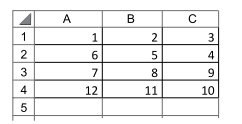
Na sequência, aplicou-se a fórmula
=OU(SOMA(A1:B2)>SOMA(B2:C3);A4>(A3+A2))
na célula A5 dessa planilha. Como resultado, foi apresentado nessa célula:
Ano: 2023
Banca:
VUNESP
Órgão:
CIJUN - SP
Prova:
VUNESP - 2023 - CIJUN - SP - Analista de Segurança da Informação Pleno (LGPD) |
Q4197708
Direito Administrativo
Com base nas noções sobre a estrutura orgânica da
Administração Pública, é correto afirmar que
Ano: 2023
Banca:
VUNESP
Órgão:
CIJUN - SP
Prova:
VUNESP - 2023 - CIJUN - SP - Analista de Segurança da Informação Pleno (LGPD) |
Q4197709
Direito Administrativo
O dever da Administração de conceder tratamento isonômico entre os particulares, salvo nas hipóteses em que o
tratamento diferenciado visa promover a igualdade material, está diretamente associado ao princípio da
Ano: 2023
Banca:
VUNESP
Órgão:
CIJUN - SP
Prova:
VUNESP - 2023 - CIJUN - SP - Analista de Segurança da Informação Pleno (LGPD) |
Q4197710
Direito Digital
A LGPD (Lei Geral de Proteção de Dados – Lei
no
13.709/2018) descreve a utilização de medidas técnicas e administrativas aptas a proteger os dados pessoais
de acessos não autorizados e de situações acidentais ou
ilícitas de destruição, perda, alteração, comunicação ou
difusão. Sobre o conceito apresentado, é correto afirmar
que se trata de
Ano: 2023
Banca:
VUNESP
Órgão:
CIJUN - SP
Prova:
VUNESP - 2023 - CIJUN - SP - Analista de Segurança da Informação Pleno (LGPD) |
Q4197711
Direito Digital
Referente ao relatório de impacto à proteção de dados pessoais, conforme previsto na LGPD (Lei Geral
de Proteção de Dados – Lei no 13.709/2018), é correto
afirmar que
Ano: 2023
Banca:
VUNESP
Órgão:
CIJUN - SP
Prova:
VUNESP - 2023 - CIJUN - SP - Analista de Segurança da Informação Pleno (LGPD) |
Q4197712
Direito Digital
A LGPD (Lei Geral de Proteção de Dados – Lei
no
13.709/2018) determina que o controlador deverá comunicar à ANPD e ao titular a ocorrência de incidente de
segurança que possa acarretar risco ou dano relevante
aos titulares. É correto afirmar que a comunicação
Ano: 2023
Banca:
VUNESP
Órgão:
CIJUN - SP
Prova:
VUNESP - 2023 - CIJUN - SP - Analista de Segurança da Informação Pleno (LGPD) |
Q4197713
Direito Digital
Os controladores e operadores, no âmbito de suas competências, poderão formular regras de boas práticas e de
governança que estabeleçam as condições de organização, funcionamento, procedimentos, normas de segurança, padrões técnicos, ações educativas, mecanismos
internos de supervisão e de mitigação de riscos e dentre
outros aspectos relacionados ao tratamento de dados
pessoais. A respeito desse tema, a LGPD (Lei Geral de
Proteção de Dados – Lei no
13.709/2018) ainda prevê:
Ano: 2023
Banca:
VUNESP
Órgão:
CIJUN - SP
Prova:
VUNESP - 2023 - CIJUN - SP - Analista de Segurança da Informação Pleno (LGPD) |
Q4197714
Segurança da Informação
É correto afirmar o que tipo de ataque em redes de computadores conhecido como DNS spoofing, de forma resumida, consiste em
Ano: 2023
Banca:
VUNESP
Órgão:
CIJUN - SP
Prova:
VUNESP - 2023 - CIJUN - SP - Analista de Segurança da Informação Pleno (LGPD) |
Q4197715
Noções de Informática
No sistema operacional Windows 11, o comando do
prompt de comandos que tem a capacidade de criar uma
conta de usuário é:

 Conheça nossos planos