Foram encontradas 33.781 questões
Resolva questões gratuitamente!
Junte-se a mais de 4 milhões de concurseiros!


Os resultados (seis réplicas) obtidos a partir de uma determinação da concentração de um analito em uma amostra são mostrados na Tabela abaixo.

Com base nesses dados e nas fórmulas a seguir, marque a alternativa CORRETA:
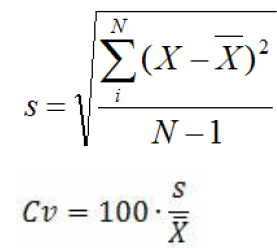
Respectivamente, os valores da média aritmética e do coeficiente de variação dessa
série de dados são:
Sabe-se que a Constituição da República Federativa do Brasil (CRFB), promulgada em 5 de outubro de 1988, alinha-se à Declaração Universal dos Direitos Humanos (DUDH), adotada e proclamada Assembléia Geral das Nações Unidas, em 10 de dezembro de 1948. Considerando que a DUDH e a CRFB coincidem em múltiplos princípios que têm como objetivo a proteção do ser humano. Analise as alternativas abaixo e, ao final, responda o que se pede.
I - Sobre o direito de propriedade, previsto, tanto na DUDH quanto na CRFB, no sistema jurídico brasileiro, trata-se de um direito fundamental do indivíduo, mas, dentro do que prevê a CRFB, o Estado, poderá fazer uso da propriedade particular.
II - A DUDH estabelece que todo ser humano tem direito à vida, à liberdade e à segurança pessoal. Tal princípio é literalmente mantido no ordenamento jurídico brasileiro, a começar pela CRFB, a Lei Maior, por não admitir pena de morte, qualquer que seja a motivação.
III - A DUDH afirma que toda pessoa, vítima de perseguição, tem o direito de procurar e de gozar asilo em outros países. Paralelamente, a CRFB tem como um dos fundamentos a concessão de asilo político.
Marque a alternativa CORRETA.
Tempo de Escolher
“Um homem não é grande pelo que faz, mas pelo que renuncia.”
(Albert Schweitzer)
Muitos amigos leitores têm solicitado minha opinião acerca de qual rumo dar às suas carreiras. Alguns apreciam seu trabalho, mas não a empresa onde estão. Outros admiram a harmonia conquistada, mas não têm qualquer prazer no exercício de suas atividades. Uns recebem propostas para mudar de emprego, financeiramente desfavoráveis, porém desafiadoras. Outros têm diante de si um vasto leque de opções, muitas coisas por fazer, mas não conseguem abraçar a tudo.
Todas estas pessoas têm algo em comum: a necessidade premente de escolhas. Lembro-me de Clarice Lispector: “Entre o sim e o não, só existe um caminho: escolher”.
Acredito que quase todas as pessoas passam ao longo de sua trajetória pelo “dilema da virada”. Um momento especial em que uma decisão específica e irrevogável tem que ser tomada apenas porque a vida não pode continuar como está. Algumas pessoas passam por isso aos 15 anos, outras, aos 50. Algumas talvez nunca tomem esta decisão, e outras o façam várias vezes no decorrer de sua existência.
Fazer escolhas implica renunciar a alguns desejos para viabilizar outros. Você troca segurança por desafio, dinheiro por satisfação, o pouco certo ao muito duvidoso. Assim, uma companhia que lhe oferece estabilidade com apatia pode dar lugar a uma dotada de instabilidade com ousadia. Analogamente, a aventura de uma vida de solteiro pode ceder espaço ao conforto de um casamento.
Prazer e Vocação
Os anos ensinaram-me algumas lições. A primeira delas vem de Leonardo da Vinci que dizia: “A sabedoria da vida não está em fazer aquilo que se gosta, mas em gostar daquilo que se faz”. Sempre imaginei que fosse o contrário. Porém, refletindo, passei a compreender que quando estimamos aquilo que fazemos, podemos nos sentir completos, satisfeitos e plenos, ao passo que se apenas procurarmos fazer o que gostamos, sempre estaremos numa busca insaciável, porque o que gostamos hoje não será o mesmo que prezaremos amanhã.
Todavia, é indiscutível a importância de alinhar o prazer às nossas aptidões. Encontrar o talento que reside dentro de cada um de nós ao que chamamos vocação. Oriunda do latim vocatione, e traduzida literalmente por “chamado”, simboliza uma espécie de predestinação imanente a cada pessoa, algo revestido de certa magia e divindade. Uma voz imaginária que soa latente, capaz de converter advogados em músicos, fazer engenheiros virarem suco. É um lugar no tempo e no espaço onde a felicidade tem sua morada.
Escolhas são feitas com base em nossas preferências. E aí torno a recorrer à etimologia para descobrir que o verbo “preferir” vem do latim praeferere e significa “levar à frente”. Parece-me uma indicação clara de que nossas escolhas devem ser feitas com os olhos no futuro, no uso de nosso livre-arbítrio.
O mundo corporativo nos reserva muitas armadilhas. Trocar de empresa ou mudar de atribuição, por exemplo, são convites permanentes. O problema de recusá- los é passar o resto da vida se perguntando: “O que teria acontecido se eu tivesse aceitado?”. Prefiro não carregar comigo o benefício da dúvida. Por isso, opto por assumir riscos calculados e seguir adiante. Somos livres para escolher, porém prisioneiros das consequências.
Para aqueles insatisfeitos com seu ambiente de trabalho, uma alternativa à mudança de empresa é postular a melhoria do ambiente interno atual. Dialogar e apresentar propostas são um bom caminho. De nada adianta assumir uma postura defensiva e crítica. Lembre-se de que as pessoas não estão contra você, mas a favor delas.
Por fim, combata a mediocridade em todas as suas vertentes. A mediocridade de trabalhos desconectados com sua vocação, de empresas que não lhe valorizam, de relacionamentos falidos. Sob este aspecto, como diria Tolstoi, “Não se pode ser bom pela metade”. Meias-palavras, meias-verdades, mentiras inteiras, meio caminho para o fim.
Os gregos não escreviam obituários. Quando um homem morria, faziam uma pergunta: “Ele viveu com paixão?”.
QUAL SERIA A RESPOSTA PARA VOCÊ?
COELHO, Tom. Disponível em http://www.guiarh.com.br. Acesso em: 15 out. 2016
Tempo de Escolher
“Um homem não é grande pelo que faz, mas pelo que renuncia.”
(Albert Schweitzer)
Muitos amigos leitores têm solicitado minha opinião acerca de qual rumo dar às suas carreiras. Alguns apreciam seu trabalho, mas não a empresa onde estão. Outros admiram a harmonia conquistada, mas não têm qualquer prazer no exercício de suas atividades. Uns recebem propostas para mudar de emprego, financeiramente desfavoráveis, porém desafiadoras. Outros têm diante de si um vasto leque de opções, muitas coisas por fazer, mas não conseguem abraçar a tudo.
Todas estas pessoas têm algo em comum: a necessidade premente de escolhas. Lembro-me de Clarice Lispector: “Entre o sim e o não, só existe um caminho: escolher”.
Acredito que quase todas as pessoas passam ao longo de sua trajetória pelo “dilema da virada”. Um momento especial em que uma decisão específica e irrevogável tem que ser tomada apenas porque a vida não pode continuar como está. Algumas pessoas passam por isso aos 15 anos, outras, aos 50. Algumas talvez nunca tomem esta decisão, e outras o façam várias vezes no decorrer de sua existência.
Fazer escolhas implica renunciar a alguns desejos para viabilizar outros. Você troca segurança por desafio, dinheiro por satisfação, o pouco certo ao muito duvidoso. Assim, uma companhia que lhe oferece estabilidade com apatia pode dar lugar a uma dotada de instabilidade com ousadia. Analogamente, a aventura de uma vida de solteiro pode ceder espaço ao conforto de um casamento.
Prazer e Vocação
Os anos ensinaram-me algumas lições. A primeira delas vem de Leonardo da Vinci que dizia: “A sabedoria da vida não está em fazer aquilo que se gosta, mas em gostar daquilo que se faz”. Sempre imaginei que fosse o contrário. Porém, refletindo, passei a compreender que quando estimamos aquilo que fazemos, podemos nos sentir completos, satisfeitos e plenos, ao passo que se apenas procurarmos fazer o que gostamos, sempre estaremos numa busca insaciável, porque o que gostamos hoje não será o mesmo que prezaremos amanhã.
Todavia, é indiscutível a importância de alinhar o prazer às nossas aptidões. Encontrar o talento que reside dentro de cada um de nós ao que chamamos vocação. Oriunda do latim vocatione, e traduzida literalmente por “chamado”, simboliza uma espécie de predestinação imanente a cada pessoa, algo revestido de certa magia e divindade. Uma voz imaginária que soa latente, capaz de converter advogados em músicos, fazer engenheiros virarem suco. É um lugar no tempo e no espaço onde a felicidade tem sua morada.
Escolhas são feitas com base em nossas preferências. E aí torno a recorrer à etimologia para descobrir que o verbo “preferir” vem do latim praeferere e significa “levar à frente”. Parece-me uma indicação clara de que nossas escolhas devem ser feitas com os olhos no futuro, no uso de nosso livre-arbítrio.
O mundo corporativo nos reserva muitas armadilhas. Trocar de empresa ou mudar de atribuição, por exemplo, são convites permanentes. O problema de recusá- los é passar o resto da vida se perguntando: “O que teria acontecido se eu tivesse aceitado?”. Prefiro não carregar comigo o benefício da dúvida. Por isso, opto por assumir riscos calculados e seguir adiante. Somos livres para escolher, porém prisioneiros das consequências.
Para aqueles insatisfeitos com seu ambiente de trabalho, uma alternativa à mudança de empresa é postular a melhoria do ambiente interno atual. Dialogar e apresentar propostas são um bom caminho. De nada adianta assumir uma postura defensiva e crítica. Lembre-se de que as pessoas não estão contra você, mas a favor delas.
Por fim, combata a mediocridade em todas as suas vertentes. A mediocridade de trabalhos desconectados com sua vocação, de empresas que não lhe valorizam, de relacionamentos falidos. Sob este aspecto, como diria Tolstoi, “Não se pode ser bom pela metade”. Meias-palavras, meias-verdades, mentiras inteiras, meio caminho para o fim.
Os gregos não escreviam obituários. Quando um homem morria, faziam uma pergunta: “Ele viveu com paixão?”.
QUAL SERIA A RESPOSTA PARA VOCÊ?
COELHO, Tom. Disponível em http://www.guiarh.com.br. Acesso em: 15 out. 2016
Tempo de Escolher
“Um homem não é grande pelo que faz, mas pelo que renuncia.”
(Albert Schweitzer)
Muitos amigos leitores têm solicitado minha opinião acerca de qual rumo dar às suas carreiras. Alguns apreciam seu trabalho, mas não a empresa onde estão. Outros admiram a harmonia conquistada, mas não têm qualquer prazer no exercício de suas atividades. Uns recebem propostas para mudar de emprego, financeiramente desfavoráveis, porém desafiadoras. Outros têm diante de si um vasto leque de opções, muitas coisas por fazer, mas não conseguem abraçar a tudo.
Todas estas pessoas têm algo em comum: a necessidade premente de escolhas. Lembro-me de Clarice Lispector: “Entre o sim e o não, só existe um caminho: escolher”.
Acredito que quase todas as pessoas passam ao longo de sua trajetória pelo “dilema da virada”. Um momento especial em que uma decisão específica e irrevogável tem que ser tomada apenas porque a vida não pode continuar como está. Algumas pessoas passam por isso aos 15 anos, outras, aos 50. Algumas talvez nunca tomem esta decisão, e outras o façam várias vezes no decorrer de sua existência.
Fazer escolhas implica renunciar a alguns desejos para viabilizar outros. Você troca segurança por desafio, dinheiro por satisfação, o pouco certo ao muito duvidoso. Assim, uma companhia que lhe oferece estabilidade com apatia pode dar lugar a uma dotada de instabilidade com ousadia. Analogamente, a aventura de uma vida de solteiro pode ceder espaço ao conforto de um casamento.
Prazer e Vocação
Os anos ensinaram-me algumas lições. A primeira delas vem de Leonardo da Vinci que dizia: “A sabedoria da vida não está em fazer aquilo que se gosta, mas em gostar daquilo que se faz”. Sempre imaginei que fosse o contrário. Porém, refletindo, passei a compreender que quando estimamos aquilo que fazemos, podemos nos sentir completos, satisfeitos e plenos, ao passo que se apenas procurarmos fazer o que gostamos, sempre estaremos numa busca insaciável, porque o que gostamos hoje não será o mesmo que prezaremos amanhã.
Todavia, é indiscutível a importância de alinhar o prazer às nossas aptidões. Encontrar o talento que reside dentro de cada um de nós ao que chamamos vocação. Oriunda do latim vocatione, e traduzida literalmente por “chamado”, simboliza uma espécie de predestinação imanente a cada pessoa, algo revestido de certa magia e divindade. Uma voz imaginária que soa latente, capaz de converter advogados em músicos, fazer engenheiros virarem suco. É um lugar no tempo e no espaço onde a felicidade tem sua morada.
Escolhas são feitas com base em nossas preferências. E aí torno a recorrer à etimologia para descobrir que o verbo “preferir” vem do latim praeferere e significa “levar à frente”. Parece-me uma indicação clara de que nossas escolhas devem ser feitas com os olhos no futuro, no uso de nosso livre-arbítrio.
O mundo corporativo nos reserva muitas armadilhas. Trocar de empresa ou mudar de atribuição, por exemplo, são convites permanentes. O problema de recusá- los é passar o resto da vida se perguntando: “O que teria acontecido se eu tivesse aceitado?”. Prefiro não carregar comigo o benefício da dúvida. Por isso, opto por assumir riscos calculados e seguir adiante. Somos livres para escolher, porém prisioneiros das consequências.
Para aqueles insatisfeitos com seu ambiente de trabalho, uma alternativa à mudança de empresa é postular a melhoria do ambiente interno atual. Dialogar e apresentar propostas são um bom caminho. De nada adianta assumir uma postura defensiva e crítica. Lembre-se de que as pessoas não estão contra você, mas a favor delas.
Por fim, combata a mediocridade em todas as suas vertentes. A mediocridade de trabalhos desconectados com sua vocação, de empresas que não lhe valorizam, de relacionamentos falidos. Sob este aspecto, como diria Tolstoi, “Não se pode ser bom pela metade”. Meias-palavras, meias-verdades, mentiras inteiras, meio caminho para o fim.
Os gregos não escreviam obituários. Quando um homem morria, faziam uma pergunta: “Ele viveu com paixão?”.
QUAL SERIA A RESPOSTA PARA VOCÊ?
COELHO, Tom. Disponível em http://www.guiarh.com.br. Acesso em: 15 out. 2016
Tempo de Escolher
“Um homem não é grande pelo que faz, mas pelo que renuncia.”
(Albert Schweitzer)
Muitos amigos leitores têm solicitado minha opinião acerca de qual rumo dar às suas carreiras. Alguns apreciam seu trabalho, mas não a empresa onde estão. Outros admiram a harmonia conquistada, mas não têm qualquer prazer no exercício de suas atividades. Uns recebem propostas para mudar de emprego, financeiramente desfavoráveis, porém desafiadoras. Outros têm diante de si um vasto leque de opções, muitas coisas por fazer, mas não conseguem abraçar a tudo.
Todas estas pessoas têm algo em comum: a necessidade premente de escolhas. Lembro-me de Clarice Lispector: “Entre o sim e o não, só existe um caminho: escolher”.
Acredito que quase todas as pessoas passam ao longo de sua trajetória pelo “dilema da virada”. Um momento especial em que uma decisão específica e irrevogável tem que ser tomada apenas porque a vida não pode continuar como está. Algumas pessoas passam por isso aos 15 anos, outras, aos 50. Algumas talvez nunca tomem esta decisão, e outras o façam várias vezes no decorrer de sua existência.
Fazer escolhas implica renunciar a alguns desejos para viabilizar outros. Você troca segurança por desafio, dinheiro por satisfação, o pouco certo ao muito duvidoso. Assim, uma companhia que lhe oferece estabilidade com apatia pode dar lugar a uma dotada de instabilidade com ousadia. Analogamente, a aventura de uma vida de solteiro pode ceder espaço ao conforto de um casamento.
Prazer e Vocação
Os anos ensinaram-me algumas lições. A primeira delas vem de Leonardo da Vinci que dizia: “A sabedoria da vida não está em fazer aquilo que se gosta, mas em gostar daquilo que se faz”. Sempre imaginei que fosse o contrário. Porém, refletindo, passei a compreender que quando estimamos aquilo que fazemos, podemos nos sentir completos, satisfeitos e plenos, ao passo que se apenas procurarmos fazer o que gostamos, sempre estaremos numa busca insaciável, porque o que gostamos hoje não será o mesmo que prezaremos amanhã.
Todavia, é indiscutível a importância de alinhar o prazer às nossas aptidões. Encontrar o talento que reside dentro de cada um de nós ao que chamamos vocação. Oriunda do latim vocatione, e traduzida literalmente por “chamado”, simboliza uma espécie de predestinação imanente a cada pessoa, algo revestido de certa magia e divindade. Uma voz imaginária que soa latente, capaz de converter advogados em músicos, fazer engenheiros virarem suco. É um lugar no tempo e no espaço onde a felicidade tem sua morada.
Escolhas são feitas com base em nossas preferências. E aí torno a recorrer à etimologia para descobrir que o verbo “preferir” vem do latim praeferere e significa “levar à frente”. Parece-me uma indicação clara de que nossas escolhas devem ser feitas com os olhos no futuro, no uso de nosso livre-arbítrio.
O mundo corporativo nos reserva muitas armadilhas. Trocar de empresa ou mudar de atribuição, por exemplo, são convites permanentes. O problema de recusá- los é passar o resto da vida se perguntando: “O que teria acontecido se eu tivesse aceitado?”. Prefiro não carregar comigo o benefício da dúvida. Por isso, opto por assumir riscos calculados e seguir adiante. Somos livres para escolher, porém prisioneiros das consequências.
Para aqueles insatisfeitos com seu ambiente de trabalho, uma alternativa à mudança de empresa é postular a melhoria do ambiente interno atual. Dialogar e apresentar propostas são um bom caminho. De nada adianta assumir uma postura defensiva e crítica. Lembre-se de que as pessoas não estão contra você, mas a favor delas.
Por fim, combata a mediocridade em todas as suas vertentes. A mediocridade de trabalhos desconectados com sua vocação, de empresas que não lhe valorizam, de relacionamentos falidos. Sob este aspecto, como diria Tolstoi, “Não se pode ser bom pela metade”. Meias-palavras, meias-verdades, mentiras inteiras, meio caminho para o fim.
Os gregos não escreviam obituários. Quando um homem morria, faziam uma pergunta: “Ele viveu com paixão?”.
QUAL SERIA A RESPOSTA PARA VOCÊ?
COELHO, Tom. Disponível em http://www.guiarh.com.br. Acesso em: 15 out. 2016
Tempo de Escolher
“Um homem não é grande pelo que faz, mas pelo que renuncia.”
(Albert Schweitzer)
Muitos amigos leitores têm solicitado minha opinião acerca de qual rumo dar às suas carreiras. Alguns apreciam seu trabalho, mas não a empresa onde estão. Outros admiram a harmonia conquistada, mas não têm qualquer prazer no exercício de suas atividades. Uns recebem propostas para mudar de emprego, financeiramente desfavoráveis, porém desafiadoras. Outros têm diante de si um vasto leque de opções, muitas coisas por fazer, mas não conseguem abraçar a tudo.
Todas estas pessoas têm algo em comum: a necessidade premente de escolhas. Lembro-me de Clarice Lispector: “Entre o sim e o não, só existe um caminho: escolher”.
Acredito que quase todas as pessoas passam ao longo de sua trajetória pelo “dilema da virada”. Um momento especial em que uma decisão específica e irrevogável tem que ser tomada apenas porque a vida não pode continuar como está. Algumas pessoas passam por isso aos 15 anos, outras, aos 50. Algumas talvez nunca tomem esta decisão, e outras o façam várias vezes no decorrer de sua existência.
Fazer escolhas implica renunciar a alguns desejos para viabilizar outros. Você troca segurança por desafio, dinheiro por satisfação, o pouco certo ao muito duvidoso. Assim, uma companhia que lhe oferece estabilidade com apatia pode dar lugar a uma dotada de instabilidade com ousadia. Analogamente, a aventura de uma vida de solteiro pode ceder espaço ao conforto de um casamento.
Prazer e Vocação
Os anos ensinaram-me algumas lições. A primeira delas vem de Leonardo da Vinci que dizia: “A sabedoria da vida não está em fazer aquilo que se gosta, mas em gostar daquilo que se faz”. Sempre imaginei que fosse o contrário. Porém, refletindo, passei a compreender que quando estimamos aquilo que fazemos, podemos nos sentir completos, satisfeitos e plenos, ao passo que se apenas procurarmos fazer o que gostamos, sempre estaremos numa busca insaciável, porque o que gostamos hoje não será o mesmo que prezaremos amanhã.
Todavia, é indiscutível a importância de alinhar o prazer às nossas aptidões. Encontrar o talento que reside dentro de cada um de nós ao que chamamos vocação. Oriunda do latim vocatione, e traduzida literalmente por “chamado”, simboliza uma espécie de predestinação imanente a cada pessoa, algo revestido de certa magia e divindade. Uma voz imaginária que soa latente, capaz de converter advogados em músicos, fazer engenheiros virarem suco. É um lugar no tempo e no espaço onde a felicidade tem sua morada.
Escolhas são feitas com base em nossas preferências. E aí torno a recorrer à etimologia para descobrir que o verbo “preferir” vem do latim praeferere e significa “levar à frente”. Parece-me uma indicação clara de que nossas escolhas devem ser feitas com os olhos no futuro, no uso de nosso livre-arbítrio.
O mundo corporativo nos reserva muitas armadilhas. Trocar de empresa ou mudar de atribuição, por exemplo, são convites permanentes. O problema de recusá- los é passar o resto da vida se perguntando: “O que teria acontecido se eu tivesse aceitado?”. Prefiro não carregar comigo o benefício da dúvida. Por isso, opto por assumir riscos calculados e seguir adiante. Somos livres para escolher, porém prisioneiros das consequências.
Para aqueles insatisfeitos com seu ambiente de trabalho, uma alternativa à mudança de empresa é postular a melhoria do ambiente interno atual. Dialogar e apresentar propostas são um bom caminho. De nada adianta assumir uma postura defensiva e crítica. Lembre-se de que as pessoas não estão contra você, mas a favor delas.
Por fim, combata a mediocridade em todas as suas vertentes. A mediocridade de trabalhos desconectados com sua vocação, de empresas que não lhe valorizam, de relacionamentos falidos. Sob este aspecto, como diria Tolstoi, “Não se pode ser bom pela metade”. Meias-palavras, meias-verdades, mentiras inteiras, meio caminho para o fim.
Os gregos não escreviam obituários. Quando um homem morria, faziam uma pergunta: “Ele viveu com paixão?”.
QUAL SERIA A RESPOSTA PARA VOCÊ?
COELHO, Tom. Disponível em http://www.guiarh.com.br. Acesso em: 15 out. 2016
Tempo de Escolher
“Um homem não é grande pelo que faz, mas pelo que renuncia.”
(Albert Schweitzer)
Muitos amigos leitores têm solicitado minha opinião acerca de qual rumo dar às suas carreiras. Alguns apreciam seu trabalho, mas não a empresa onde estão. Outros admiram a harmonia conquistada, mas não têm qualquer prazer no exercício de suas atividades. Uns recebem propostas para mudar de emprego, financeiramente desfavoráveis, porém desafiadoras. Outros têm diante de si um vasto leque de opções, muitas coisas por fazer, mas não conseguem abraçar a tudo.
Todas estas pessoas têm algo em comum: a necessidade premente de escolhas. Lembro-me de Clarice Lispector: “Entre o sim e o não, só existe um caminho: escolher”.
Acredito que quase todas as pessoas passam ao longo de sua trajetória pelo “dilema da virada”. Um momento especial em que uma decisão específica e irrevogável tem que ser tomada apenas porque a vida não pode continuar como está. Algumas pessoas passam por isso aos 15 anos, outras, aos 50. Algumas talvez nunca tomem esta decisão, e outras o façam várias vezes no decorrer de sua existência.
Fazer escolhas implica renunciar a alguns desejos para viabilizar outros. Você troca segurança por desafio, dinheiro por satisfação, o pouco certo ao muito duvidoso. Assim, uma companhia que lhe oferece estabilidade com apatia pode dar lugar a uma dotada de instabilidade com ousadia. Analogamente, a aventura de uma vida de solteiro pode ceder espaço ao conforto de um casamento.
Prazer e Vocação
Os anos ensinaram-me algumas lições. A primeira delas vem de Leonardo da Vinci que dizia: “A sabedoria da vida não está em fazer aquilo que se gosta, mas em gostar daquilo que se faz”. Sempre imaginei que fosse o contrário. Porém, refletindo, passei a compreender que quando estimamos aquilo que fazemos, podemos nos sentir completos, satisfeitos e plenos, ao passo que se apenas procurarmos fazer o que gostamos, sempre estaremos numa busca insaciável, porque o que gostamos hoje não será o mesmo que prezaremos amanhã.
Todavia, é indiscutível a importância de alinhar o prazer às nossas aptidões. Encontrar o talento que reside dentro de cada um de nós ao que chamamos vocação. Oriunda do latim vocatione, e traduzida literalmente por “chamado”, simboliza uma espécie de predestinação imanente a cada pessoa, algo revestido de certa magia e divindade. Uma voz imaginária que soa latente, capaz de converter advogados em músicos, fazer engenheiros virarem suco. É um lugar no tempo e no espaço onde a felicidade tem sua morada.
Escolhas são feitas com base em nossas preferências. E aí torno a recorrer à etimologia para descobrir que o verbo “preferir” vem do latim praeferere e significa “levar à frente”. Parece-me uma indicação clara de que nossas escolhas devem ser feitas com os olhos no futuro, no uso de nosso livre-arbítrio.
O mundo corporativo nos reserva muitas armadilhas. Trocar de empresa ou mudar de atribuição, por exemplo, são convites permanentes. O problema de recusá- los é passar o resto da vida se perguntando: “O que teria acontecido se eu tivesse aceitado?”. Prefiro não carregar comigo o benefício da dúvida. Por isso, opto por assumir riscos calculados e seguir adiante. Somos livres para escolher, porém prisioneiros das consequências.
Para aqueles insatisfeitos com seu ambiente de trabalho, uma alternativa à mudança de empresa é postular a melhoria do ambiente interno atual. Dialogar e apresentar propostas são um bom caminho. De nada adianta assumir uma postura defensiva e crítica. Lembre-se de que as pessoas não estão contra você, mas a favor delas.
Por fim, combata a mediocridade em todas as suas vertentes. A mediocridade de trabalhos desconectados com sua vocação, de empresas que não lhe valorizam, de relacionamentos falidos. Sob este aspecto, como diria Tolstoi, “Não se pode ser bom pela metade”. Meias-palavras, meias-verdades, mentiras inteiras, meio caminho para o fim.
Os gregos não escreviam obituários. Quando um homem morria, faziam uma pergunta: “Ele viveu com paixão?”.
QUAL SERIA A RESPOSTA PARA VOCÊ?
COELHO, Tom. Disponível em http://www.guiarh.com.br. Acesso em: 15 out. 2016
Six things I learned from riding in a Google self-driving car
1 - Human beings are terrible drivers.
We drink. We doze. We text. In the US, 30,000 people die from automobile accidents every year. Traffic crashes are the primary cause of death worldwide for people aged 15-24, and during a crash, 40% of drivers never even hit the brakes. We’re flawed organisms, barreling around at high speeds in vessels covered in glass, metal, distraction, and death. This is one of Google’s “moonshots” – to remove human error from a job which, for the past hundred years, has been entirely human.
2 - Google self-driving cars are timid.
The car we rode in did not strike me as dangerous. It drove slowly and deliberately, and I got the impression that it’s more likely to annoy other drivers than to harm them. In the early versions they tested on closed courses, the vehicles were programmed to be highly aggressive. Apparently during these tests, which involved obstacle courses full of traffic cones and inflatable crash-test objects, there were a lot of screeching brakes, roaring engines and terrified interns.
3 - They’re cute.
Google’s new fleet was intentionally designed to look adorable. Our brains are hardwired to treat inanimate (or animate) objects with greater care, caution, and reverence when they resemble a living thing. By turning self-driving cars into an adorable Skynet Marshmallow Bumper Bots, Google hopes to spiritually disarm other drivers. I also suspect the cuteness is used to quell some of the road rage that might emerge from being stuck behind one of these things. They’re intended as moderate-distance couriers, not openroad warriors, so their max speed is 25 miles per hour.
4 - It’s not done and it’s not perfect.
Some of the scenarios autonomous vehicles have the most trouble with are the same human beings have the most trouble with, such as traversing four-way stops or handling a yellow light. The cars use a mixture of 3D laser-mapping, GPS, and radar to analyze and interpret their surroundings, and the latest versions are fully electric with a range of about 100 miles. Despite the advantages over a human being in certain scenarios, however, these cars still aren’t ready for the real world. They can’t drive in the snow or heavy rain, and there’s a variety of complex situations they do not process well, such as passing through a construction zone. Google is hoping that, eventually, the cars will be able to handle all of this as well (or better) than a human could.
5 - I want this technology to succeed, like… yesterday.
I’m biased. Earlier this year my mom had a stroke. It damaged the visual cortex of her brain, and her vision was impaired to the point that she’ll probably never drive again. This reduced her from a fully-functional, independent human being with a career and a buzzing social life into someone who is homebound, disabled, and powerless. When discussing self-driving cars, people tend to ask many superficial questions. They ignore that 45% of disabled people in the US still work. They ignore that 95% of a car’s lifetime is spent parked. They ignore how this technology could transform the lives of the elderly, or eradicate the need for parking lots or garages or gas stations. They dismiss the entire concept because they don’t think a computer could ever be as good at merging on the freeway as they are. They ignore the great, big, beautiful picture: that this technology could make our lives so much better.
6 - It wasn’t an exhilarating ride, and that’s a good thing.
Riding in a self-driving car is not the cybernetic thrill ride one might expect. The car drives like a person, and after a few minutes you forget that you’re being driven autonomously. You forget that a robot is differentiating cars from pedestrians from mopeds from raccoons. You forget that millions of photons are being fired from a laser and interpreting, processing, and reacting to the hand signals of a cyclist. You forget that instead of an organic brain, which has had millions of years to evolve the cognitive ability to fumble its way through a four-way stop, you’re being piloted by an artificial one, which was birthed in less than a decade. The unfortunate part of something this transformative is the inevitable, ardent stupidity which is going to erupt from the general public. Even if in a few years self-driving cars are proven to be ten times safer than human-operated cars, all it’s going to take is one tragic accident and the public is going to lose their minds. There will be outrage. There will be politicizing. There will be hashtags. I say look at the bigger picture. All the self-driving cars currently on the road learn from one another, and possess 40 years of driving experience. And this technology is still in its infancy.
(Adapted from:: <http://theoatmeal.com/blog/google_self_driving_car>
Six things I learned from riding in a Google self-driving car
1 - Human beings are terrible drivers.
We drink. We doze. We text. In the US, 30,000 people die from automobile accidents every year. Traffic crashes are the primary cause of death worldwide for people aged 15-24, and during a crash, 40% of drivers never even hit the brakes. We’re flawed organisms, barreling around at high speeds in vessels covered in glass, metal, distraction, and death. This is one of Google’s “moonshots” – to remove human error from a job which, for the past hundred years, has been entirely human.
2 - Google self-driving cars are timid.
The car we rode in did not strike me as dangerous. It drove slowly and deliberately, and I got the impression that it’s more likely to annoy other drivers than to harm them. In the early versions they tested on closed courses, the vehicles were programmed to be highly aggressive. Apparently during these tests, which involved obstacle courses full of traffic cones and inflatable crash-test objects, there were a lot of screeching brakes, roaring engines and terrified interns.
3 - They’re cute.
Google’s new fleet was intentionally designed to look adorable. Our brains are hardwired to treat inanimate (or animate) objects with greater care, caution, and reverence when they resemble a living thing. By turning self-driving cars into an adorable Skynet Marshmallow Bumper Bots, Google hopes to spiritually disarm other drivers. I also suspect the cuteness is used to quell some of the road rage that might emerge from being stuck behind one of these things. They’re intended as moderate-distance couriers, not openroad warriors, so their max speed is 25 miles per hour.
4 - It’s not done and it’s not perfect.
Some of the scenarios autonomous vehicles have the most trouble with are the same human beings have the most trouble with, such as traversing four-way stops or handling a yellow light. The cars use a mixture of 3D laser-mapping, GPS, and radar to analyze and interpret their surroundings, and the latest versions are fully electric with a range of about 100 miles. Despite the advantages over a human being in certain scenarios, however, these cars still aren’t ready for the real world. They can’t drive in the snow or heavy rain, and there’s a variety of complex situations they do not process well, such as passing through a construction zone. Google is hoping that, eventually, the cars will be able to handle all of this as well (or better) than a human could.
5 - I want this technology to succeed, like… yesterday.
I’m biased. Earlier this year my mom had a stroke. It damaged the visual cortex of her brain, and her vision was impaired to the point that she’ll probably never drive again. This reduced her from a fully-functional, independent human being with a career and a buzzing social life into someone who is homebound, disabled, and powerless. When discussing self-driving cars, people tend to ask many superficial questions. They ignore that 45% of disabled people in the US still work. They ignore that 95% of a car’s lifetime is spent parked. They ignore how this technology could transform the lives of the elderly, or eradicate the need for parking lots or garages or gas stations. They dismiss the entire concept because they don’t think a computer could ever be as good at merging on the freeway as they are. They ignore the great, big, beautiful picture: that this technology could make our lives so much better.
6 - It wasn’t an exhilarating ride, and that’s a good thing.
Riding in a self-driving car is not the cybernetic thrill ride one might expect. The car drives like a person, and after a few minutes you forget that you’re being driven autonomously. You forget that a robot is differentiating cars from pedestrians from mopeds from raccoons. You forget that millions of photons are being fired from a laser and interpreting, processing, and reacting to the hand signals of a cyclist. You forget that instead of an organic brain, which has had millions of years to evolve the cognitive ability to fumble its way through a four-way stop, you’re being piloted by an artificial one, which was birthed in less than a decade. The unfortunate part of something this transformative is the inevitable, ardent stupidity which is going to erupt from the general public. Even if in a few years self-driving cars are proven to be ten times safer than human-operated cars, all it’s going to take is one tragic accident and the public is going to lose their minds. There will be outrage. There will be politicizing. There will be hashtags. I say look at the bigger picture. All the self-driving cars currently on the road learn from one another, and possess 40 years of driving experience. And this technology is still in its infancy.
(Adapted from:: <http://theoatmeal.com/blog/google_self_driving_car>
Six things I learned from riding in a Google self-driving car
1 - Human beings are terrible drivers.
We drink. We doze. We text. In the US, 30,000 people die from automobile accidents every year. Traffic crashes are the primary cause of death worldwide for people aged 15-24, and during a crash, 40% of drivers never even hit the brakes. We’re flawed organisms, barreling around at high speeds in vessels covered in glass, metal, distraction, and death. This is one of Google’s “moonshots” – to remove human error from a job which, for the past hundred years, has been entirely human.
2 - Google self-driving cars are timid.
The car we rode in did not strike me as dangerous. It drove slowly and deliberately, and I got the impression that it’s more likely to annoy other drivers than to harm them. In the early versions they tested on closed courses, the vehicles were programmed to be highly aggressive. Apparently during these tests, which involved obstacle courses full of traffic cones and inflatable crash-test objects, there were a lot of screeching brakes, roaring engines and terrified interns.
3 - They’re cute.
Google’s new fleet was intentionally designed to look adorable. Our brains are hardwired to treat inanimate (or animate) objects with greater care, caution, and reverence when they resemble a living thing. By turning self-driving cars into an adorable Skynet Marshmallow Bumper Bots, Google hopes to spiritually disarm other drivers. I also suspect the cuteness is used to quell some of the road rage that might emerge from being stuck behind one of these things. They’re intended as moderate-distance couriers, not openroad warriors, so their max speed is 25 miles per hour.
4 - It’s not done and it’s not perfect.
Some of the scenarios autonomous vehicles have the most trouble with are the same human beings have the most trouble with, such as traversing four-way stops or handling a yellow light. The cars use a mixture of 3D laser-mapping, GPS, and radar to analyze and interpret their surroundings, and the latest versions are fully electric with a range of about 100 miles. Despite the advantages over a human being in certain scenarios, however, these cars still aren’t ready for the real world. They can’t drive in the snow or heavy rain, and there’s a variety of complex situations they do not process well, such as passing through a construction zone. Google is hoping that, eventually, the cars will be able to handle all of this as well (or better) than a human could.
5 - I want this technology to succeed, like… yesterday.
I’m biased. Earlier this year my mom had a stroke. It damaged the visual cortex of her brain, and her vision was impaired to the point that she’ll probably never drive again. This reduced her from a fully-functional, independent human being with a career and a buzzing social life into someone who is homebound, disabled, and powerless. When discussing self-driving cars, people tend to ask many superficial questions. They ignore that 45% of disabled people in the US still work. They ignore that 95% of a car’s lifetime is spent parked. They ignore how this technology could transform the lives of the elderly, or eradicate the need for parking lots or garages or gas stations. They dismiss the entire concept because they don’t think a computer could ever be as good at merging on the freeway as they are. They ignore the great, big, beautiful picture: that this technology could make our lives so much better.
6 - It wasn’t an exhilarating ride, and that’s a good thing.
Riding in a self-driving car is not the cybernetic thrill ride one might expect. The car drives like a person, and after a few minutes you forget that you’re being driven autonomously. You forget that a robot is differentiating cars from pedestrians from mopeds from raccoons. You forget that millions of photons are being fired from a laser and interpreting, processing, and reacting to the hand signals of a cyclist. You forget that instead of an organic brain, which has had millions of years to evolve the cognitive ability to fumble its way through a four-way stop, you’re being piloted by an artificial one, which was birthed in less than a decade. The unfortunate part of something this transformative is the inevitable, ardent stupidity which is going to erupt from the general public. Even if in a few years self-driving cars are proven to be ten times safer than human-operated cars, all it’s going to take is one tragic accident and the public is going to lose their minds. There will be outrage. There will be politicizing. There will be hashtags. I say look at the bigger picture. All the self-driving cars currently on the road learn from one another, and possess 40 years of driving experience. And this technology is still in its infancy.
(Adapted from:: <http://theoatmeal.com/blog/google_self_driving_car>
Six things I learned from riding in a Google self-driving car
1 - Human beings are terrible drivers.
We drink. We doze. We text. In the US, 30,000 people die from automobile accidents every year. Traffic crashes are the primary cause of death worldwide for people aged 15-24, and during a crash, 40% of drivers never even hit the brakes. We’re flawed organisms, barreling around at high speeds in vessels covered in glass, metal, distraction, and death. This is one of Google’s “moonshots” – to remove human error from a job which, for the past hundred years, has been entirely human.
2 - Google self-driving cars are timid.
The car we rode in did not strike me as dangerous. It drove slowly and deliberately, and I got the impression that it’s more likely to annoy other drivers than to harm them. In the early versions they tested on closed courses, the vehicles were programmed to be highly aggressive. Apparently during these tests, which involved obstacle courses full of traffic cones and inflatable crash-test objects, there were a lot of screeching brakes, roaring engines and terrified interns.
3 - They’re cute.
Google’s new fleet was intentionally designed to look adorable. Our brains are hardwired to treat inanimate (or animate) objects with greater care, caution, and reverence when they resemble a living thing. By turning self-driving cars into an adorable Skynet Marshmallow Bumper Bots, Google hopes to spiritually disarm other drivers. I also suspect the cuteness is used to quell some of the road rage that might emerge from being stuck behind one of these things. They’re intended as moderate-distance couriers, not openroad warriors, so their max speed is 25 miles per hour.
4 - It’s not done and it’s not perfect.
Some of the scenarios autonomous vehicles have the most trouble with are the same human beings have the most trouble with, such as traversing four-way stops or handling a yellow light. The cars use a mixture of 3D laser-mapping, GPS, and radar to analyze and interpret their surroundings, and the latest versions are fully electric with a range of about 100 miles. Despite the advantages over a human being in certain scenarios, however, these cars still aren’t ready for the real world. They can’t drive in the snow or heavy rain, and there’s a variety of complex situations they do not process well, such as passing through a construction zone. Google is hoping that, eventually, the cars will be able to handle all of this as well (or better) than a human could.
5 - I want this technology to succeed, like… yesterday.
I’m biased. Earlier this year my mom had a stroke. It damaged the visual cortex of her brain, and her vision was impaired to the point that she’ll probably never drive again. This reduced her from a fully-functional, independent human being with a career and a buzzing social life into someone who is homebound, disabled, and powerless. When discussing self-driving cars, people tend to ask many superficial questions. They ignore that 45% of disabled people in the US still work. They ignore that 95% of a car’s lifetime is spent parked. They ignore how this technology could transform the lives of the elderly, or eradicate the need for parking lots or garages or gas stations. They dismiss the entire concept because they don’t think a computer could ever be as good at merging on the freeway as they are. They ignore the great, big, beautiful picture: that this technology could make our lives so much better.
6 - It wasn’t an exhilarating ride, and that’s a good thing.
Riding in a self-driving car is not the cybernetic thrill ride one might expect. The car drives like a person, and after a few minutes you forget that you’re being driven autonomously. You forget that a robot is differentiating cars from pedestrians from mopeds from raccoons. You forget that millions of photons are being fired from a laser and interpreting, processing, and reacting to the hand signals of a cyclist. You forget that instead of an organic brain, which has had millions of years to evolve the cognitive ability to fumble its way through a four-way stop, you’re being piloted by an artificial one, which was birthed in less than a decade. The unfortunate part of something this transformative is the inevitable, ardent stupidity which is going to erupt from the general public. Even if in a few years self-driving cars are proven to be ten times safer than human-operated cars, all it’s going to take is one tragic accident and the public is going to lose their minds. There will be outrage. There will be politicizing. There will be hashtags. I say look at the bigger picture. All the self-driving cars currently on the road learn from one another, and possess 40 years of driving experience. And this technology is still in its infancy.
(Adapted from:: <http://theoatmeal.com/blog/google_self_driving_car>
Six things I learned from riding in a Google self-driving car
1 - Human beings are terrible drivers.
We drink. We doze. We text. In the US, 30,000 people die from automobile accidents every year. Traffic crashes are the primary cause of death worldwide for people aged 15-24, and during a crash, 40% of drivers never even hit the brakes. We’re flawed organisms, barreling around at high speeds in vessels covered in glass, metal, distraction, and death. This is one of Google’s “moonshots” – to remove human error from a job which, for the past hundred years, has been entirely human.
2 - Google self-driving cars are timid.
The car we rode in did not strike me as dangerous. It drove slowly and deliberately, and I got the impression that it’s more likely to annoy other drivers than to harm them. In the early versions they tested on closed courses, the vehicles were programmed to be highly aggressive. Apparently during these tests, which involved obstacle courses full of traffic cones and inflatable crash-test objects, there were a lot of screeching brakes, roaring engines and terrified interns.
3 - They’re cute.
Google’s new fleet was intentionally designed to look adorable. Our brains are hardwired to treat inanimate (or animate) objects with greater care, caution, and reverence when they resemble a living thing. By turning self-driving cars into an adorable Skynet Marshmallow Bumper Bots, Google hopes to spiritually disarm other drivers. I also suspect the cuteness is used to quell some of the road rage that might emerge from being stuck behind one of these things. They’re intended as moderate-distance couriers, not openroad warriors, so their max speed is 25 miles per hour.
4 - It’s not done and it’s not perfect.
Some of the scenarios autonomous vehicles have the most trouble with are the same human beings have the most trouble with, such as traversing four-way stops or handling a yellow light. The cars use a mixture of 3D laser-mapping, GPS, and radar to analyze and interpret their surroundings, and the latest versions are fully electric with a range of about 100 miles. Despite the advantages over a human being in certain scenarios, however, these cars still aren’t ready for the real world. They can’t drive in the snow or heavy rain, and there’s a variety of complex situations they do not process well, such as passing through a construction zone. Google is hoping that, eventually, the cars will be able to handle all of this as well (or better) than a human could.
5 - I want this technology to succeed, like… yesterday.
I’m biased. Earlier this year my mom had a stroke. It damaged the visual cortex of her brain, and her vision was impaired to the point that she’ll probably never drive again. This reduced her from a fully-functional, independent human being with a career and a buzzing social life into someone who is homebound, disabled, and powerless. When discussing self-driving cars, people tend to ask many superficial questions. They ignore that 45% of disabled people in the US still work. They ignore that 95% of a car’s lifetime is spent parked. They ignore how this technology could transform the lives of the elderly, or eradicate the need for parking lots or garages or gas stations. They dismiss the entire concept because they don’t think a computer could ever be as good at merging on the freeway as they are. They ignore the great, big, beautiful picture: that this technology could make our lives so much better.
6 - It wasn’t an exhilarating ride, and that’s a good thing.
Riding in a self-driving car is not the cybernetic thrill ride one might expect. The car drives like a person, and after a few minutes you forget that you’re being driven autonomously. You forget that a robot is differentiating cars from pedestrians from mopeds from raccoons. You forget that millions of photons are being fired from a laser and interpreting, processing, and reacting to the hand signals of a cyclist. You forget that instead of an organic brain, which has had millions of years to evolve the cognitive ability to fumble its way through a four-way stop, you’re being piloted by an artificial one, which was birthed in less than a decade. The unfortunate part of something this transformative is the inevitable, ardent stupidity which is going to erupt from the general public. Even if in a few years self-driving cars are proven to be ten times safer than human-operated cars, all it’s going to take is one tragic accident and the public is going to lose their minds. There will be outrage. There will be politicizing. There will be hashtags. I say look at the bigger picture. All the self-driving cars currently on the road learn from one another, and possess 40 years of driving experience. And this technology is still in its infancy.
(Adapted from:: <http://theoatmeal.com/blog/google_self_driving_car>
Six things I learned from riding in a Google self-driving car
1 - Human beings are terrible drivers.
We drink. We doze. We text. In the US, 30,000 people die from automobile accidents every year. Traffic crashes are the primary cause of death worldwide for people aged 15-24, and during a crash, 40% of drivers never even hit the brakes. We’re flawed organisms, barreling around at high speeds in vessels covered in glass, metal, distraction, and death. This is one of Google’s “moonshots” – to remove human error from a job which, for the past hundred years, has been entirely human.
2 - Google self-driving cars are timid.
The car we rode in did not strike me as dangerous. It drove slowly and deliberately, and I got the impression that it’s more likely to annoy other drivers than to harm them. In the early versions they tested on closed courses, the vehicles were programmed to be highly aggressive. Apparently during these tests, which involved obstacle courses full of traffic cones and inflatable crash-test objects, there were a lot of screeching brakes, roaring engines and terrified interns.
3 - They’re cute.
Google’s new fleet was intentionally designed to look adorable. Our brains are hardwired to treat inanimate (or animate) objects with greater care, caution, and reverence when they resemble a living thing. By turning self-driving cars into an adorable Skynet Marshmallow Bumper Bots, Google hopes to spiritually disarm other drivers. I also suspect the cuteness is used to quell some of the road rage that might emerge from being stuck behind one of these things. They’re intended as moderate-distance couriers, not openroad warriors, so their max speed is 25 miles per hour.
4 - It’s not done and it’s not perfect.
Some of the scenarios autonomous vehicles have the most trouble with are the same human beings have the most trouble with, such as traversing four-way stops or handling a yellow light. The cars use a mixture of 3D laser-mapping, GPS, and radar to analyze and interpret their surroundings, and the latest versions are fully electric with a range of about 100 miles. Despite the advantages over a human being in certain scenarios, however, these cars still aren’t ready for the real world. They can’t drive in the snow or heavy rain, and there’s a variety of complex situations they do not process well, such as passing through a construction zone. Google is hoping that, eventually, the cars will be able to handle all of this as well (or better) than a human could.
5 - I want this technology to succeed, like… yesterday.
I’m biased. Earlier this year my mom had a stroke. It damaged the visual cortex of her brain, and her vision was impaired to the point that she’ll probably never drive again. This reduced her from a fully-functional, independent human being with a career and a buzzing social life into someone who is homebound, disabled, and powerless. When discussing self-driving cars, people tend to ask many superficial questions. They ignore that 45% of disabled people in the US still work. They ignore that 95% of a car’s lifetime is spent parked. They ignore how this technology could transform the lives of the elderly, or eradicate the need for parking lots or garages or gas stations. They dismiss the entire concept because they don’t think a computer could ever be as good at merging on the freeway as they are. They ignore the great, big, beautiful picture: that this technology could make our lives so much better.
6 - It wasn’t an exhilarating ride, and that’s a good thing.
Riding in a self-driving car is not the cybernetic thrill ride one might expect. The car drives like a person, and after a few minutes you forget that you’re being driven autonomously. You forget that a robot is differentiating cars from pedestrians from mopeds from raccoons. You forget that millions of photons are being fired from a laser and interpreting, processing, and reacting to the hand signals of a cyclist. You forget that instead of an organic brain, which has had millions of years to evolve the cognitive ability to fumble its way through a four-way stop, you’re being piloted by an artificial one, which was birthed in less than a decade. The unfortunate part of something this transformative is the inevitable, ardent stupidity which is going to erupt from the general public. Even if in a few years self-driving cars are proven to be ten times safer than human-operated cars, all it’s going to take is one tragic accident and the public is going to lose their minds. There will be outrage. There will be politicizing. There will be hashtags. I say look at the bigger picture. All the self-driving cars currently on the road learn from one another, and possess 40 years of driving experience. And this technology is still in its infancy.
(Adapted from:: <http://theoatmeal.com/blog/google_self_driving_car>
Six things I learned from riding in a Google self-driving car
1 - Human beings are terrible drivers.
We drink. We doze. We text. In the US, 30,000 people die from automobile accidents every year. Traffic crashes are the primary cause of death worldwide for people aged 15-24, and during a crash, 40% of drivers never even hit the brakes. We’re flawed organisms, barreling around at high speeds in vessels covered in glass, metal, distraction, and death. This is one of Google’s “moonshots” – to remove human error from a job which, for the past hundred years, has been entirely human.
2 - Google self-driving cars are timid.
The car we rode in did not strike me as dangerous. It drove slowly and deliberately, and I got the impression that it’s more likely to annoy other drivers than to harm them. In the early versions they tested on closed courses, the vehicles were programmed to be highly aggressive. Apparently during these tests, which involved obstacle courses full of traffic cones and inflatable crash-test objects, there were a lot of screeching brakes, roaring engines and terrified interns.
3 - They’re cute.
Google’s new fleet was intentionally designed to look adorable. Our brains are hardwired to treat inanimate (or animate) objects with greater care, caution, and reverence when they resemble a living thing. By turning self-driving cars into an adorable Skynet Marshmallow Bumper Bots, Google hopes to spiritually disarm other drivers. I also suspect the cuteness is used to quell some of the road rage that might emerge from being stuck behind one of these things. They’re intended as moderate-distance couriers, not openroad warriors, so their max speed is 25 miles per hour.
4 - It’s not done and it’s not perfect.
Some of the scenarios autonomous vehicles have the most trouble with are the same human beings have the most trouble with, such as traversing four-way stops or handling a yellow light. The cars use a mixture of 3D laser-mapping, GPS, and radar to analyze and interpret their surroundings, and the latest versions are fully electric with a range of about 100 miles. Despite the advantages over a human being in certain scenarios, however, these cars still aren’t ready for the real world. They can’t drive in the snow or heavy rain, and there’s a variety of complex situations they do not process well, such as passing through a construction zone. Google is hoping that, eventually, the cars will be able to handle all of this as well (or better) than a human could.
5 - I want this technology to succeed, like… yesterday.
I’m biased. Earlier this year my mom had a stroke. It damaged the visual cortex of her brain, and her vision was impaired to the point that she’ll probably never drive again. This reduced her from a fully-functional, independent human being with a career and a buzzing social life into someone who is homebound, disabled, and powerless. When discussing self-driving cars, people tend to ask many superficial questions. They ignore that 45% of disabled people in the US still work. They ignore that 95% of a car’s lifetime is spent parked. They ignore how this technology could transform the lives of the elderly, or eradicate the need for parking lots or garages or gas stations. They dismiss the entire concept because they don’t think a computer could ever be as good at merging on the freeway as they are. They ignore the great, big, beautiful picture: that this technology could make our lives so much better.
6 - It wasn’t an exhilarating ride, and that’s a good thing.
Riding in a self-driving car is not the cybernetic thrill ride one might expect. The car drives like a person, and after a few minutes you forget that you’re being driven autonomously. You forget that a robot is differentiating cars from pedestrians from mopeds from raccoons. You forget that millions of photons are being fired from a laser and interpreting, processing, and reacting to the hand signals of a cyclist. You forget that instead of an organic brain, which has had millions of years to evolve the cognitive ability to fumble its way through a four-way stop, you’re being piloted by an artificial one, which was birthed in less than a decade. The unfortunate part of something this transformative is the inevitable, ardent stupidity which is going to erupt from the general public. Even if in a few years self-driving cars are proven to be ten times safer than human-operated cars, all it’s going to take is one tragic accident and the public is going to lose their minds. There will be outrage. There will be politicizing. There will be hashtags. I say look at the bigger picture. All the self-driving cars currently on the road learn from one another, and possess 40 years of driving experience. And this technology is still in its infancy.
(Adapted from:: <http://theoatmeal.com/blog/google_self_driving_car>
1. Drinking before driving. 2. Sending a written message while driving. 3. Sleeping for a short period of time. 4. Hitting the brakes. 5. Speeding up.
According to the text, some human mistakes that happen before or during a car accident are:
 Conheça nossos planos