Selecionar segmento
Estude com questões de diferentes segmentos
Atenção: Isso limpará todos os campos já preenchidos no filtro!
Foram encontradas 30.983 questões
Resolva questões gratuitamente!
Junte-se a mais de 4 milhões de concurseiros!


Ano: 2026
Banca:
Avança SP
Órgão:
Prefeitura de Ubatuba - SP
Prova:
Avança SP - 2026 - Prefeitura de Ubatuba - SP - Professor da Educação Básica II - Inglês |
Q4247245
Inglês
Texto associado
Read the text to answer question.
Using Machine Learning to Develop
Personalized Vaccines for Cancer
Yale researchers have developed a machine
learning model, called Immunostruct, that can
help scientists create more personalized
vaccines, including vaccines for cancer. They
described the tool in Nature Machine
Intelligence along with findings from applying
it to cancer and immunology data.
When a potential threat, such as a virus
or tumor, arises in our body, our immune cells
recognize peptides---essentially short
proteins---on the surface of the invader and
mount a defensive response. This small region
that the immune system interacts with is known
as an epitope.
Epitope-based vaccines are an emerging
technology that contain specific peptides in
order to trigger immune responses that
precisely target particular diseases. Ongoing
studies show that these vaccines are a
promising potential immunotherapy for a range
of cancers including melanomas, breast
cancers, and glioblastomas. Researchers are
also investigating whether these vaccines could
more effectively combat new variants of
infectious diseases.
To develop these vaccines, scientists
can use models that help them predict which
peptides are most likely to trigger a strong immune response to a particular antigen. A
limitation of many of these models, the
researchers say, is that they treat peptides as a
one-dimensional sequence of amino acids, not
the three-dimensional, active structures that
they are.
Now, Yale researchers have created a
model that also incorporates structural and
biochemical properties of peptides. In the new
study, they show that the multimodal model is
more effective at identifying peptide candidates
than its predecessors.
"Cancer is extremely heterogeneous---which often makes it very hard to treat
effectively," says Kevin B. Givechian, PhD, an
MD-PhD student at Yale and co-first author on
the study. “We have built a deep-learning model
that integrates more information than had
previously been combined to help us improve
the identification of vaccine targets that
stimulate people's immune system against their
own tumor. Doing so would enable a more
effective and less toxic method of treatment."
ВАCKMAN, Isabella. Using Machine Learning to
Develop Personalized Vaccines for Cancer. Yale School
of Medicine, 24 fev. 2026. Acesso em: 28 june. 2026.
In the sentence "Cancer is extremely
heterogeneous," the adjective heterogeneous
suggests that cancer is:
Ano: 2026
Banca:
Avança SP
Órgão:
Prefeitura de Ubatuba - SP
Prova:
Avança SP - 2026 - Prefeitura de Ubatuba - SP - Professor da Educação Básica II - Inglês |
Q4247244
Inglês
Texto associado
Read the text to answer question.
Using Machine Learning to Develop
Personalized Vaccines for Cancer
Yale researchers have developed a machine
learning model, called Immunostruct, that can
help scientists create more personalized
vaccines, including vaccines for cancer. They
described the tool in Nature Machine
Intelligence along with findings from applying
it to cancer and immunology data.
When a potential threat, such as a virus
or tumor, arises in our body, our immune cells
recognize peptides---essentially short
proteins---on the surface of the invader and
mount a defensive response. This small region
that the immune system interacts with is known
as an epitope.
Epitope-based vaccines are an emerging
technology that contain specific peptides in
order to trigger immune responses that
precisely target particular diseases. Ongoing
studies show that these vaccines are a
promising potential immunotherapy for a range
of cancers including melanomas, breast
cancers, and glioblastomas. Researchers are
also investigating whether these vaccines could
more effectively combat new variants of
infectious diseases.
To develop these vaccines, scientists
can use models that help them predict which
peptides are most likely to trigger a strong immune response to a particular antigen. A
limitation of many of these models, the
researchers say, is that they treat peptides as a
one-dimensional sequence of amino acids, not
the three-dimensional, active structures that
they are.
Now, Yale researchers have created a
model that also incorporates structural and
biochemical properties of peptides. In the new
study, they show that the multimodal model is
more effective at identifying peptide candidates
than its predecessors.
"Cancer is extremely heterogeneous---which often makes it very hard to treat
effectively," says Kevin B. Givechian, PhD, an
MD-PhD student at Yale and co-first author on
the study. “We have built a deep-learning model
that integrates more information than had
previously been combined to help us improve
the identification of vaccine targets that
stimulate people's immune system against their
own tumor. Doing so would enable a more
effective and less toxic method of treatment."
ВАCKMAN, Isabella. Using Machine Learning to
Develop Personalized Vaccines for Cancer. Yale School
of Medicine, 24 fev. 2026. Acesso em: 28 june. 2026.
In the excerpt "our immune cells recognize
peptides... and mount a defensive response," the
word "mount" could be replaced, without
changing its meaning, by:
Ano: 2026
Banca:
Avança SP
Órgão:
Prefeitura de Ubatuba - SP
Prova:
Avança SP - 2026 - Prefeitura de Ubatuba - SP - Professor da Educação Básica II - Inglês |
Q4247243
Inglês
Texto associado
Read the text to answer question.
Using Machine Learning to Develop
Personalized Vaccines for Cancer
Yale researchers have developed a machine
learning model, called Immunostruct, that can
help scientists create more personalized
vaccines, including vaccines for cancer. They
described the tool in Nature Machine
Intelligence along with findings from applying
it to cancer and immunology data.
When a potential threat, such as a virus
or tumor, arises in our body, our immune cells
recognize peptides---essentially short
proteins---on the surface of the invader and
mount a defensive response. This small region
that the immune system interacts with is known
as an epitope.
Epitope-based vaccines are an emerging
technology that contain specific peptides in
order to trigger immune responses that
precisely target particular diseases. Ongoing
studies show that these vaccines are a
promising potential immunotherapy for a range
of cancers including melanomas, breast
cancers, and glioblastomas. Researchers are
also investigating whether these vaccines could
more effectively combat new variants of
infectious diseases.
To develop these vaccines, scientists
can use models that help them predict which
peptides are most likely to trigger a strong immune response to a particular antigen. A
limitation of many of these models, the
researchers say, is that they treat peptides as a
one-dimensional sequence of amino acids, not
the three-dimensional, active structures that
they are.
Now, Yale researchers have created a
model that also incorporates structural and
biochemical properties of peptides. In the new
study, they show that the multimodal model is
more effective at identifying peptide candidates
than its predecessors.
"Cancer is extremely heterogeneous---which often makes it very hard to treat
effectively," says Kevin B. Givechian, PhD, an
MD-PhD student at Yale and co-first author on
the study. “We have built a deep-learning model
that integrates more information than had
previously been combined to help us improve
the identification of vaccine targets that
stimulate people's immune system against their
own tumor. Doing so would enable a more
effective and less toxic method of treatment."
ВАCKMAN, Isabella. Using Machine Learning to
Develop Personalized Vaccines for Cancer. Yale School
of Medicine, 24 fev. 2026. Acesso em: 28 june. 2026.
According to the text, the main purpose of
Immunostruct is to help scientists:
Ano: 2026
Banca:
Avança SP
Órgão:
Prefeitura de Ubatuba - SP
Provas:
Avança SP - 2026 - Prefeitura de Ubatuba - SP - Professor da Educação Básica II - Geografia
|
Avança SP - 2026 - Prefeitura de Ubatuba - SP - Professor da Educação Básica II - Inglês |
Avança SP - 2026 - Prefeitura de Ubatuba - SP - Professor da Educação Básica II - Matemática |
Q4246857
Pedagogia
Segundo as Diretrizes Nacionais da Educação
em Direitos Humanos, qual é a forma como será
abordado o método de aplicação das ações para
a Educação para os Direitos Humanos?
Ano: 2026
Banca:
Avança SP
Órgão:
Prefeitura de Ubatuba - SP
Provas:
Avança SP - 2026 - Prefeitura de Ubatuba - SP - Professor da Educação Básica II - Geografia
|
Avança SP - 2026 - Prefeitura de Ubatuba - SP - Professor da Educação Básica II - Inglês |
Avança SP - 2026 - Prefeitura de Ubatuba - SP - Professor da Educação Básica II - Matemática |
Q4246856
Pedagogia
O Decreto nº 12.686/2025 institui como
objetivo da Política Nacional de Educação
Especial Inclusiva o seguinte:
Ano: 2026
Banca:
Avança SP
Órgão:
Prefeitura de Ubatuba - SP
Provas:
Avança SP - 2026 - Prefeitura de Ubatuba - SP - Professor da Educação Básica II - Geografia
|
Avança SP - 2026 - Prefeitura de Ubatuba - SP - Professor da Educação Básica II - Inglês |
Avança SP - 2026 - Prefeitura de Ubatuba - SP - Professor da Educação Básica II - Matemática |
Q4246855
Pedagogia
A Lei de Diretrizes e Bases da Educação
Nacional (Lei nº 9.394/1996) dispõe sobre a
organização, participação e trabalho coletivo na
escola. Os estabelecimentos de ensino terão as
incumbências abaixo descritas, EXCETO uma:
Ano: 2026
Banca:
Avança SP
Órgão:
Prefeitura de Ubatuba - SP
Provas:
Avança SP - 2026 - Prefeitura de Ubatuba - SP - Professor da Educação Básica II - Geografia
|
Avança SP - 2026 - Prefeitura de Ubatuba - SP - Professor da Educação Básica II - Inglês |
Avança SP - 2026 - Prefeitura de Ubatuba - SP - Professor da Educação Básica II - Matemática |
Q4246854
Pedagogia
O conjunto de competências, habilidades e
conhecimentos necessários ao pleno exercício
da cidadania digital na contemporaneidade é a
definição de:
Ano: 2026
Banca:
Avança SP
Órgão:
Prefeitura de Ubatuba - SP
Provas:
Avança SP - 2026 - Prefeitura de Ubatuba - SP - Professor da Educação Básica II - Geografia
|
Avança SP - 2026 - Prefeitura de Ubatuba - SP - Professor da Educação Básica II - Inglês |
Avança SP - 2026 - Prefeitura de Ubatuba - SP - Professor da Educação Básica II - Matemática |
Q4246853
Pedagogia
O currículo é a concretização, a viabilização das
intenções e orientações expressas no projeto
pedagógico. De acordo com a obra Educação
Escolar: políticas, estrutura e organização, о
currículo ocorre em, pelo menos, três tipos de
manifestações: currículo formal, currículo real
e currículo oculto. Assinale a alternativa correta
a respeito dos tipos de currículo.
Ano: 2026
Banca:
Avança SP
Órgão:
Prefeitura de Ubatuba - SP
Provas:
Avança SP - 2026 - Prefeitura de Ubatuba - SP - Professor da Educação Básica II - Geografia
|
Avança SP - 2026 - Prefeitura de Ubatuba - SP - Professor da Educação Básica II - Inglês |
Avança SP - 2026 - Prefeitura de Ubatuba - SP - Professor da Educação Básica II - Matemática |
Avança SP - 2026 - Prefeitura de Ubatuba - SP - Fonoaudiólogo |
Q4246847
Português
Assinale a alternativa cujos elementos
preenchem corretamente as lacunas abaixo, na
mesma ordem, de acordo com a norma-padrão:
- Para _________ chegar a tempo à exposição, vai ser necessário madrugar.
- Para ________, prestigiar tão renomado evento vai ser um prazer.
- Não havia nenhum desacerto entre ________ e ela; só que não deu certo nossa relação.
- Traga para _______ avaliar todos os quadros da sua coleção.
- Para _________ chegar a tempo à exposição, vai ser necessário madrugar.
- Para ________, prestigiar tão renomado evento vai ser um prazer.
- Não havia nenhum desacerto entre ________ e ela; só que não deu certo nossa relação.
- Traga para _______ avaliar todos os quadros da sua coleção.
Ano: 2026
Banca:
Avança SP
Órgão:
Prefeitura de Ubatuba - SP
Provas:
Avança SP - 2026 - Prefeitura de Ubatuba - SP - Professor da Educação Básica II - Geografia
|
Avança SP - 2026 - Prefeitura de Ubatuba - SP - Professor da Educação Básica II - Inglês |
Avança SP - 2026 - Prefeitura de Ubatuba - SP - Professor da Educação Básica II - Matemática |
Avança SP - 2026 - Prefeitura de Ubatuba - SP - Fonoaudiólogo |
Q4246846
Redação Oficial
Em relação aos pronomes de tratamento na
redação oficial, é correto afirmar que:
Ano: 2026
Banca:
Avança SP
Órgão:
Prefeitura de Ubatuba - SP
Provas:
Avança SP - 2026 - Prefeitura de Ubatuba - SP - Professor da Educação Básica II - Geografia
|
Avança SP - 2026 - Prefeitura de Ubatuba - SP - Professor da Educação Básica II - Inglês |
Avança SP - 2026 - Prefeitura de Ubatuba - SP - Professor da Educação Básica II - Matemática |
Avança SP - 2026 - Prefeitura de Ubatuba - SP - Fonoaudiólogo |
Q4246845
Redação Oficial
Assinale a alternativa cuja palavra destacada
produz ambiguidade na sentença, ficando о
enunciado, portanto, desaconselhável pelas
normas da redação oficial.
Ano: 2026
Banca:
Avança SP
Órgão:
Prefeitura de Ubatuba - SP
Provas:
Avança SP - 2026 - Prefeitura de Ubatuba - SP - Professor da Educação Básica II - Geografia
|
Avança SP - 2026 - Prefeitura de Ubatuba - SP - Professor da Educação Básica II - Inglês |
Avança SP - 2026 - Prefeitura de Ubatuba - SP - Professor da Educação Básica II - Matemática |
Avança SP - 2026 - Prefeitura de Ubatuba - SP - Fonoaudiólogo |
Q4246844
Português
Assinale a alternativa cuja palavra destacada
apresenta natureza adverbial, indicando uma
circunstância da ação verbal.
Ano: 2026
Banca:
Avança SP
Órgão:
Prefeitura de Ubatuba - SP
Provas:
Avança SP - 2026 - Prefeitura de Ubatuba - SP - Professor da Educação Básica II - Geografia
|
Avança SP - 2026 - Prefeitura de Ubatuba - SP - Professor da Educação Básica II - Inglês |
Avança SP - 2026 - Prefeitura de Ubatuba - SP - Professor da Educação Básica II - Matemática |
Avança SP - 2026 - Prefeitura de Ubatuba - SP - Fonoaudiólogo |
Q4246843
Português
"Na festa ___________ família." muitos entes queridos da família."
Assinale a alternativa em que qualquer uma das duas formas verbais apresentadas preenche corretamente a lacuna do enunciado acima.
Assinale a alternativa em que qualquer uma das duas formas verbais apresentadas preenche corretamente a lacuna do enunciado acima.
Ano: 2026
Banca:
Avança SP
Órgão:
Prefeitura de Ubatuba - SP
Provas:
Avança SP - 2026 - Prefeitura de Ubatuba - SP - Professor da Educação Básica II - Geografia
|
Avança SP - 2026 - Prefeitura de Ubatuba - SP - Professor da Educação Básica II - Inglês |
Avança SP - 2026 - Prefeitura de Ubatuba - SP - Professor da Educação Básica II - Matemática |
Avança SP - 2026 - Prefeitura de Ubatuba - SP - Fonoaudiólogo |
Q4246842
Português
Assinale a alternativa em que todas as palavras
estão grafadas de acordo com as normas
vigentes em Língua Portuguesa.
Ano: 2026
Banca:
Avança SP
Órgão:
Prefeitura de Ubatuba - SP
Provas:
Avança SP - 2026 - Prefeitura de Ubatuba - SP - Professor da Educação Básica II - Geografia
|
Avança SP - 2026 - Prefeitura de Ubatuba - SP - Professor da Educação Básica II - Inglês |
Avança SP - 2026 - Prefeitura de Ubatuba - SP - Professor da Educação Básica II - Matemática |
Avança SP - 2026 - Prefeitura de Ubatuba - SP - Fonoaudiólogo |
Q4246841
Português
Assinale a alternativa cujos elementos
preenchem corretamente as lacunas a seguir, de
acordo com a colocação pronominal prevista
pela norma-padrão.
- _________ os lápis que estão na mesa, aos quais _______ durante a nossa conversa.
- Jamais ________ uma desfeita dessa; peço que isso não ___________.
- _________ os lápis que estão na mesa, aos quais _______ durante a nossa conversa.
- Jamais ________ uma desfeita dessa; peço que isso não ___________.
Ano: 2026
Banca:
Avança SP
Órgão:
Prefeitura de Ubatuba - SP
Provas:
Avança SP - 2026 - Prefeitura de Ubatuba - SP - Professor da Educação Básica II - Geografia
|
Avança SP - 2026 - Prefeitura de Ubatuba - SP - Professor da Educação Básica II - Inglês |
Avança SP - 2026 - Prefeitura de Ubatuba - SP - Professor da Educação Básica II - Matemática |
Avança SP - 2026 - Prefeitura de Ubatuba - SP - Fonoaudiólogo |
Q4246840
Português
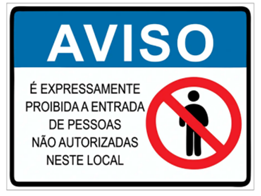
TACOLADO. Placa de sinalização pessoas autorizadas. Disponível <https://www.tacolado.com.br/placa-de-sinalizacaopessoas-nao-autorizadas/>.
Assinale a alternativa cuja forma reescrita do texto utilizado na placa acima se encontra totalmente correta.
Ano: 2026
Banca:
Avança SP
Órgão:
Prefeitura de Ubatuba - SP
Provas:
Avança SP - 2026 - Prefeitura de Ubatuba - SP - Professor da Educação Básica II - Geografia
|
Avança SP - 2026 - Prefeitura de Ubatuba - SP - Professor da Educação Básica II - Inglês |
Avança SP - 2026 - Prefeitura de Ubatuba - SP - Professor da Educação Básica II - Matemática |
Avança SP - 2026 - Prefeitura de Ubatuba - SP - Fonoaudiólogo |
Q4246839
Português
"Agora, já aos 70 anos, o que eu realmente
aprendi foi aquilo que eu não sabia aos 21: não
adianta esperar pela resposta quando não se tem
a pergunta certa." (Pedro Bandeira)
Assinale a alternativa que apresenta uma análise correta da palavra destacada no período acima.
Assinale a alternativa que apresenta uma análise correta da palavra destacada no período acima.
Ano: 2026
Banca:
Avança SP
Órgão:
Prefeitura de Ubatuba - SP
Provas:
Avança SP - 2026 - Prefeitura de Ubatuba - SP - Professor da Educação Básica II - Geografia
|
Avança SP - 2026 - Prefeitura de Ubatuba - SP - Professor da Educação Básica II - Inglês |
Avança SP - 2026 - Prefeitura de Ubatuba - SP - Professor da Educação Básica II - Matemática |
Avança SP - 2026 - Prefeitura de Ubatuba - SP - Fonoaudiólogo |
Q4246838
Português
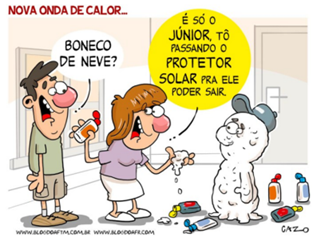
CAZO. Nova onda de calor. Disponível em <https://blogdoaftm.com.br/charge-nova-onda-decalor/>.
A expressão “pra ele poder sair”", empregada na fala da personagem na charge acima, tem o sentido de _____________ e pode ser reescrita como "_____________".
Assinale a alternativa cujos elementos preenchem corretamente as lacunas acima, na mesma ordem.
Ano: 2026
Banca:
Avança SP
Órgão:
Prefeitura de Ubatuba - SP
Provas:
Avança SP - 2026 - Prefeitura de Ubatuba - SP - Professor da Educação Básica II - Geografia
|
Avança SP - 2026 - Prefeitura de Ubatuba - SP - Professor da Educação Básica II - Inglês |
Avança SP - 2026 - Prefeitura de Ubatuba - SP - Professor da Educação Básica II - Matemática |
Avança SP - 2026 - Prefeitura de Ubatuba - SP - Fonoaudiólogo |
Q4246837
Português
Assinale a alternativa cujo elemento destacado
estabelece referência exofórica, isto é, remete a
algo que está fora do enunciado.
Ano: 2026
Banca:
Avança SP
Órgão:
Prefeitura de Ubatuba - SP
Provas:
Avança SP - 2026 - Prefeitura de Ubatuba - SP - Professor da Educação Básica II - Geografia
|
Avança SP - 2026 - Prefeitura de Ubatuba - SP - Professor da Educação Básica II - Inglês |
Avança SP - 2026 - Prefeitura de Ubatuba - SP - Professor da Educação Básica II - Matemática |
Avança SP - 2026 - Prefeitura de Ubatuba - SP - Fonoaudiólogo |
Q4246836
Português
Assinale a alternativa cujos elementos
preenchem corretamente as lacunas a seguir, na
mesma ordem:
- Tudo aconteceu ____ custa de muito esforçо, graças ____ tentativa de anular ____ decisão da assembleia.
- Pouco _____ pouco, os convidados foram se acostumando ____ luminosidade do local.
- Dirijo-me ____ vocês com um objetivo muito simples: declarar minha adesão ____ causa desse grupo.
- Tudo aconteceu ____ custa de muito esforçо, graças ____ tentativa de anular ____ decisão da assembleia.
- Pouco _____ pouco, os convidados foram se acostumando ____ luminosidade do local.
- Dirijo-me ____ vocês com um objetivo muito simples: declarar minha adesão ____ causa desse grupo.

 Conheça nossos planos