Questões Militares Sobre hidrologia na engenharia ambiental e sanitária em engenharia ambiental e sanitária

Foram encontradas 145.346 questões

Q4231858 Inglês

Read text III to answer question


Cross-country skiing: "It means everything. It's the whole

universe to me," says Bruna Moura


At the age of 31, Brazilian Bruna Moura realized her Olympic dream. 74th in the sprint qualifier and 99th in the individual skate, far from the top places, she was nonetheless greeted by a standing ovation at the finish. "I've been waiting for this for so long," she told Sportbladet after the sprint qualifier. "It means everything. It's the whole universe to me."


For the Olympic debut, the Brazilian slipped a photo of her best friend, who died suddenly of a pulmonary embolism, under her wetsuit. "We spoke one day. The next day, she was gone... It's still difficult... She said she'd be there when I realized my dream. It was my way of having her by my side."


More than just a result, Milan/Cortina marks the culmination of a lifetime of fighting. "We did it," she concludes.


Adapted from https://www.nordicmag.info/en/2026-olympics-cross-country-skiing-accident-heart-surgery-illness-and-mourning-brazils-bruna-moura-sees-her-olympic-dream-through-to-the-end-0212/

How was Moura received by the audience when she arrived at the finish line?
Alternativas
Q4231857 Inglês

Read text III to answer question


Cross-country skiing: "It means everything. It's the whole

universe to me," says Bruna Moura


At the age of 31, Brazilian Bruna Moura realized her Olympic dream. 74th in the sprint qualifier and 99th in the individual skate, far from the top places, she was nonetheless greeted by a standing ovation at the finish. "I've been waiting for this for so long," she told Sportbladet after the sprint qualifier. "It means everything. It's the whole universe to me."


For the Olympic debut, the Brazilian slipped a photo of her best friend, who died suddenly of a pulmonary embolism, under her wetsuit. "We spoke one day. The next day, she was gone... It's still difficult... She said she'd be there when I realized my dream. It was my way of having her by my side."


More than just a result, Milan/Cortina marks the culmination of a lifetime of fighting. "We did it," she concludes.


Adapted from https://www.nordicmag.info/en/2026-olympics-cross-country-skiing-accident-heart-surgery-illness-and-mourning-brazils-bruna-moura-sees-her-olympic-dream-through-to-the-end-0212/

How could Bruna have her best friend by her side at the Olympics?
Alternativas
Q4231856 Inglês

Read text II to answer question.


Bruna Moura nearly died trying to get to the Olympics. Now

she's back on her skis.


By Nic Zaccardi


Published February 23, 2023


Back in 2011, Moura, then 17, was a promising mountain biker. She was coached by an Olympian, competed on the junior World Cup circuit and strove to represent Brazil at the 2016 Rio Games. But a medical exam revealed a heart condition that required surgery and, ultimately, led her to cross-country skiing. The winter sport became more appealing for a few reasons.


During her recovery, Brazilian sports officials gifted her equipment for roller skiing, which cross-country skiers use for summer training. She took to it. It was also difficult to get sponsors back to return to mountain biking. Plus, her mountain bike coach was actually a two-sport Olympian, switching back and forth between mountain bike and cross-country skiing.


In 2015, Moura competed at the world junior championship in biathlon. Later that year, she entered her first international race in cross-country skiing, where Olympic qualifying is slightly easier for non-traditional winter sports nations.


She competed in her first world championship in cross-country skiing in 2017 and by January 2022 was in contention for the second and last Brazil women's Olympic berth. At the last qualifying event in Switzerland, she finished her race and called her partner, Dutchman Pascal Luiten, who tracked the live results and told her she earned the Beijing Olympic spot. "I started crying and jumping," Moura said. "It was really, really, let's say a fantastic day."


Two days later, Moura tested positive for COVID-19 with symptoms that were not life-threatening. She quarantined in Austria for 10 days and changed her itinerary to get from Europe to China. On Jan. 27th, she could leave. She booked a van through a car service to take her, and her ski equipment, about four hours north to Munich, where she planned to stay a few nights before flying to Beijing. Moura woke up around 5 a.m. to wipe down the room in the house where she quarantined. The van arrived at 7. She learned from text messages that the driver was a Russian named Yevgeny who lived in Berlin.


She remembers details about that morning that altered their estimated arrival time. Yevgeny at first parked behind the house, but she needed him to be in the front where her three large bags were. The GPS had to correct after they took the wrong street leaving the Austrian town.


Yevgeny drove fast enough that Moura became afraid and instinctively looked for the seatbelt. She said that, growing up in Brazil, she always made sure that everybody had their belts on before starting the car. On this morning, she did not initially follow her own advice. Minutes into the trip, she looked at the loose belt and thought: "Do I wear it, or not because the way he's driving?" she recalled a year later. "Maybe if I do not wear it, I have time to react, open the door and jump. That's crazy thoughts of course. But that's what I thought at the moment. Then I put it on and tried to sleep."


About an hour later, Moura woke up. The van was still. "I was scared," she said. "I opened my eye, and I remember thinking to myself, 'You were sleeping. You are waking up now.'... I saw so many people around me, and I did not understand anything because I did not remember anything when I saw them. I got scared, like what the hell is happening here? And then all the pain started, and it was hard to breathe."


Images showed the van up against a guard rail. The windshield and everything below it was mangled, the van's insides and one tire spilled into the side of a two-lane road. On the other side of the road, a large truck lay on its side.


A medical helicopter took Moura to a hospital. She broke an arm in three places, had three broken ribs, lung damage and a broken left foot. When she was stabilized, they brought her to a room. She remembers an old woman entered and told her what had happened, a few hours after the accident. "Until then, I didn't know anything," Moura said. "You had a collision with a truck," Moura was told. "There was nothing to do for the driver. He died with the impact."


After two surgeries, she was discharged the next week and taken 11 hours by ambulance taxi to the Netherlands, where she lives with Luiten. They rented a hospital bed and put it in the living room. The first night was the worst. "All night it was just moaning from pain," said Luiten, who slept on a couch in the room. "That did not stop until the morning." She was prescribed stronger medication the next day. That's about the time the Olympics began. "I wanted to watch it," she said. "At first, it was not easy. The Opening Ceremony was like a punch in my face."


Luiten said they watched the Games on TV all day every day. "It was mostly a matter of trying to enjoy the fact that people were visiting her, caring about her, and there were sports to watch as a distraction," he said. "Trying to get her mind off the pain, especially at night."


She spent most of her time in bed for those first three weeks, the rest in a wheelchair. She began walking, first with crutches, and then, two months after the accident, on her own. By August, she began roller skiing again. She was determined to ski on snow, though her foot still hurt. "I was already aiming at 2026," she said. "Yeah, it hurts like hell now, but it will not stay like this forever."


Also that summer, she began working at a bike shop and then taking kickboxing classes. Co-workers learned her story and set up a Gofundme page to aid with the costs of becoming an international athlete again.


In the fall, Moura ran for the first time since the accident. Late last month, she skied on snow for the first time in a year. Then two weeks ago, she traveled back to Austria, to the same place where she quarantined a year ago. On a bus, she passed by the site of the accident and shared the video on her Instagram story. The 2026 Winter Olympic cross-country skiing races will be about 50 miles south of where last year's tragedy occurred.


Moura said she asks herself daily why she continues this pursuit, which began as a mountain biker more than a decade ago. "When I decided to become an athlete, I decided that I wanted to get to the highest I could," she said. "When you are an athlete, the highest you can get is the Olympics."


Adapted from https://www.nbcsports.com/olympics/news/bruna-moura-cross-country-skiing-brazil

It is correct to state that Moura:
Alternativas
Q4231855 Inglês

Read text II to answer question.


Bruna Moura nearly died trying to get to the Olympics. Now

she's back on her skis.


By Nic Zaccardi


Published February 23, 2023


Back in 2011, Moura, then 17, was a promising mountain biker. She was coached by an Olympian, competed on the junior World Cup circuit and strove to represent Brazil at the 2016 Rio Games. But a medical exam revealed a heart condition that required surgery and, ultimately, led her to cross-country skiing. The winter sport became more appealing for a few reasons.


During her recovery, Brazilian sports officials gifted her equipment for roller skiing, which cross-country skiers use for summer training. She took to it. It was also difficult to get sponsors back to return to mountain biking. Plus, her mountain bike coach was actually a two-sport Olympian, switching back and forth between mountain bike and cross-country skiing.


In 2015, Moura competed at the world junior championship in biathlon. Later that year, she entered her first international race in cross-country skiing, where Olympic qualifying is slightly easier for non-traditional winter sports nations.


She competed in her first world championship in cross-country skiing in 2017 and by January 2022 was in contention for the second and last Brazil women's Olympic berth. At the last qualifying event in Switzerland, she finished her race and called her partner, Dutchman Pascal Luiten, who tracked the live results and told her she earned the Beijing Olympic spot. "I started crying and jumping," Moura said. "It was really, really, let's say a fantastic day."


Two days later, Moura tested positive for COVID-19 with symptoms that were not life-threatening. She quarantined in Austria for 10 days and changed her itinerary to get from Europe to China. On Jan. 27th, she could leave. She booked a van through a car service to take her, and her ski equipment, about four hours north to Munich, where she planned to stay a few nights before flying to Beijing. Moura woke up around 5 a.m. to wipe down the room in the house where she quarantined. The van arrived at 7. She learned from text messages that the driver was a Russian named Yevgeny who lived in Berlin.


She remembers details about that morning that altered their estimated arrival time. Yevgeny at first parked behind the house, but she needed him to be in the front where her three large bags were. The GPS had to correct after they took the wrong street leaving the Austrian town.


Yevgeny drove fast enough that Moura became afraid and instinctively looked for the seatbelt. She said that, growing up in Brazil, she always made sure that everybody had their belts on before starting the car. On this morning, she did not initially follow her own advice. Minutes into the trip, she looked at the loose belt and thought: "Do I wear it, or not because the way he's driving?" she recalled a year later. "Maybe if I do not wear it, I have time to react, open the door and jump. That's crazy thoughts of course. But that's what I thought at the moment. Then I put it on and tried to sleep."


About an hour later, Moura woke up. The van was still. "I was scared," she said. "I opened my eye, and I remember thinking to myself, 'You were sleeping. You are waking up now.'... I saw so many people around me, and I did not understand anything because I did not remember anything when I saw them. I got scared, like what the hell is happening here? And then all the pain started, and it was hard to breathe."


Images showed the van up against a guard rail. The windshield and everything below it was mangled, the van's insides and one tire spilled into the side of a two-lane road. On the other side of the road, a large truck lay on its side.


A medical helicopter took Moura to a hospital. She broke an arm in three places, had three broken ribs, lung damage and a broken left foot. When she was stabilized, they brought her to a room. She remembers an old woman entered and told her what had happened, a few hours after the accident. "Until then, I didn't know anything," Moura said. "You had a collision with a truck," Moura was told. "There was nothing to do for the driver. He died with the impact."


After two surgeries, she was discharged the next week and taken 11 hours by ambulance taxi to the Netherlands, where she lives with Luiten. They rented a hospital bed and put it in the living room. The first night was the worst. "All night it was just moaning from pain," said Luiten, who slept on a couch in the room. "That did not stop until the morning." She was prescribed stronger medication the next day. That's about the time the Olympics began. "I wanted to watch it," she said. "At first, it was not easy. The Opening Ceremony was like a punch in my face."


Luiten said they watched the Games on TV all day every day. "It was mostly a matter of trying to enjoy the fact that people were visiting her, caring about her, and there were sports to watch as a distraction," he said. "Trying to get her mind off the pain, especially at night."


She spent most of her time in bed for those first three weeks, the rest in a wheelchair. She began walking, first with crutches, and then, two months after the accident, on her own. By August, she began roller skiing again. She was determined to ski on snow, though her foot still hurt. "I was already aiming at 2026," she said. "Yeah, it hurts like hell now, but it will not stay like this forever."


Also that summer, she began working at a bike shop and then taking kickboxing classes. Co-workers learned her story and set up a Gofundme page to aid with the costs of becoming an international athlete again.


In the fall, Moura ran for the first time since the accident. Late last month, she skied on snow for the first time in a year. Then two weeks ago, she traveled back to Austria, to the same place where she quarantined a year ago. On a bus, she passed by the site of the accident and shared the video on her Instagram story. The 2026 Winter Olympic cross-country skiing races will be about 50 miles south of where last year's tragedy occurred.


Moura said she asks herself daily why she continues this pursuit, which began as a mountain biker more than a decade ago. "When I decided to become an athlete, I decided that I wanted to get to the highest I could," she said. "When you are an athlete, the highest you can get is the Olympics."


Adapted from https://www.nbcsports.com/olympics/news/bruna-moura-cross-country-skiing-brazil

Say if the statements below are true (T) or false (F) about the athlete Bruna Moura and then mark the correct option.


( ) She tested positive for COVID-19 shortly before the 2022 Olympics.


( ) She represented Brazil at the 2016 Rio Games, racing cross-country skiing.


( ) She had an accident in 2022, in which her coach did not survive.


( ) She was not wearing a seat belt when the car accident happened.

Alternativas
Q4231854 Inglês

Read text II to answer question.


Bruna Moura nearly died trying to get to the Olympics. Now

she's back on her skis.


By Nic Zaccardi


Published February 23, 2023


Back in 2011, Moura, then 17, was a promising mountain biker. She was coached by an Olympian, competed on the junior World Cup circuit and strove to represent Brazil at the 2016 Rio Games. But a medical exam revealed a heart condition that required surgery and, ultimately, led her to cross-country skiing. The winter sport became more appealing for a few reasons.


During her recovery, Brazilian sports officials gifted her equipment for roller skiing, which cross-country skiers use for summer training. She took to it. It was also difficult to get sponsors back to return to mountain biking. Plus, her mountain bike coach was actually a two-sport Olympian, switching back and forth between mountain bike and cross-country skiing.


In 2015, Moura competed at the world junior championship in biathlon. Later that year, she entered her first international race in cross-country skiing, where Olympic qualifying is slightly easier for non-traditional winter sports nations.


She competed in her first world championship in cross-country skiing in 2017 and by January 2022 was in contention for the second and last Brazil women's Olympic berth. At the last qualifying event in Switzerland, she finished her race and called her partner, Dutchman Pascal Luiten, who tracked the live results and told her she earned the Beijing Olympic spot. "I started crying and jumping," Moura said. "It was really, really, let's say a fantastic day."


Two days later, Moura tested positive for COVID-19 with symptoms that were not life-threatening. She quarantined in Austria for 10 days and changed her itinerary to get from Europe to China. On Jan. 27th, she could leave. She booked a van through a car service to take her, and her ski equipment, about four hours north to Munich, where she planned to stay a few nights before flying to Beijing. Moura woke up around 5 a.m. to wipe down the room in the house where she quarantined. The van arrived at 7. She learned from text messages that the driver was a Russian named Yevgeny who lived in Berlin.


She remembers details about that morning that altered their estimated arrival time. Yevgeny at first parked behind the house, but she needed him to be in the front where her three large bags were. The GPS had to correct after they took the wrong street leaving the Austrian town.


Yevgeny drove fast enough that Moura became afraid and instinctively looked for the seatbelt. She said that, growing up in Brazil, she always made sure that everybody had their belts on before starting the car. On this morning, she did not initially follow her own advice. Minutes into the trip, she looked at the loose belt and thought: "Do I wear it, or not because the way he's driving?" she recalled a year later. "Maybe if I do not wear it, I have time to react, open the door and jump. That's crazy thoughts of course. But that's what I thought at the moment. Then I put it on and tried to sleep."


About an hour later, Moura woke up. The van was still. "I was scared," she said. "I opened my eye, and I remember thinking to myself, 'You were sleeping. You are waking up now.'... I saw so many people around me, and I did not understand anything because I did not remember anything when I saw them. I got scared, like what the hell is happening here? And then all the pain started, and it was hard to breathe."


Images showed the van up against a guard rail. The windshield and everything below it was mangled, the van's insides and one tire spilled into the side of a two-lane road. On the other side of the road, a large truck lay on its side.


A medical helicopter took Moura to a hospital. She broke an arm in three places, had three broken ribs, lung damage and a broken left foot. When she was stabilized, they brought her to a room. She remembers an old woman entered and told her what had happened, a few hours after the accident. "Until then, I didn't know anything," Moura said. "You had a collision with a truck," Moura was told. "There was nothing to do for the driver. He died with the impact."


After two surgeries, she was discharged the next week and taken 11 hours by ambulance taxi to the Netherlands, where she lives with Luiten. They rented a hospital bed and put it in the living room. The first night was the worst. "All night it was just moaning from pain," said Luiten, who slept on a couch in the room. "That did not stop until the morning." She was prescribed stronger medication the next day. That's about the time the Olympics began. "I wanted to watch it," she said. "At first, it was not easy. The Opening Ceremony was like a punch in my face."


Luiten said they watched the Games on TV all day every day. "It was mostly a matter of trying to enjoy the fact that people were visiting her, caring about her, and there were sports to watch as a distraction," he said. "Trying to get her mind off the pain, especially at night."


She spent most of her time in bed for those first three weeks, the rest in a wheelchair. She began walking, first with crutches, and then, two months after the accident, on her own. By August, she began roller skiing again. She was determined to ski on snow, though her foot still hurt. "I was already aiming at 2026," she said. "Yeah, it hurts like hell now, but it will not stay like this forever."


Also that summer, she began working at a bike shop and then taking kickboxing classes. Co-workers learned her story and set up a Gofundme page to aid with the costs of becoming an international athlete again.


In the fall, Moura ran for the first time since the accident. Late last month, she skied on snow for the first time in a year. Then two weeks ago, she traveled back to Austria, to the same place where she quarantined a year ago. On a bus, she passed by the site of the accident and shared the video on her Instagram story. The 2026 Winter Olympic cross-country skiing races will be about 50 miles south of where last year's tragedy occurred.


Moura said she asks herself daily why she continues this pursuit, which began as a mountain biker more than a decade ago. "When I decided to become an athlete, I decided that I wanted to get to the highest I could," she said. "When you are an athlete, the highest you can get is the Olympics."


Adapted from https://www.nbcsports.com/olympics/news/bruna-moura-cross-country-skiing-brazil

All statements are correct about the text EXCEPT:
Alternativas
Q4231853 Inglês

Read text II to answer question.


Bruna Moura nearly died trying to get to the Olympics. Now

she's back on her skis.


By Nic Zaccardi


Published February 23, 2023


Back in 2011, Moura, then 17, was a promising mountain biker. She was coached by an Olympian, competed on the junior World Cup circuit and strove to represent Brazil at the 2016 Rio Games. But a medical exam revealed a heart condition that required surgery and, ultimately, led her to cross-country skiing. The winter sport became more appealing for a few reasons.


During her recovery, Brazilian sports officials gifted her equipment for roller skiing, which cross-country skiers use for summer training. She took to it. It was also difficult to get sponsors back to return to mountain biking. Plus, her mountain bike coach was actually a two-sport Olympian, switching back and forth between mountain bike and cross-country skiing.


In 2015, Moura competed at the world junior championship in biathlon. Later that year, she entered her first international race in cross-country skiing, where Olympic qualifying is slightly easier for non-traditional winter sports nations.


She competed in her first world championship in cross-country skiing in 2017 and by January 2022 was in contention for the second and last Brazil women's Olympic berth. At the last qualifying event in Switzerland, she finished her race and called her partner, Dutchman Pascal Luiten, who tracked the live results and told her she earned the Beijing Olympic spot. "I started crying and jumping," Moura said. "It was really, really, let's say a fantastic day."


Two days later, Moura tested positive for COVID-19 with symptoms that were not life-threatening. She quarantined in Austria for 10 days and changed her itinerary to get from Europe to China. On Jan. 27th, she could leave. She booked a van through a car service to take her, and her ski equipment, about four hours north to Munich, where she planned to stay a few nights before flying to Beijing. Moura woke up around 5 a.m. to wipe down the room in the house where she quarantined. The van arrived at 7. She learned from text messages that the driver was a Russian named Yevgeny who lived in Berlin.


She remembers details about that morning that altered their estimated arrival time. Yevgeny at first parked behind the house, but she needed him to be in the front where her three large bags were. The GPS had to correct after they took the wrong street leaving the Austrian town.


Yevgeny drove fast enough that Moura became afraid and instinctively looked for the seatbelt. She said that, growing up in Brazil, she always made sure that everybody had their belts on before starting the car. On this morning, she did not initially follow her own advice. Minutes into the trip, she looked at the loose belt and thought: "Do I wear it, or not because the way he's driving?" she recalled a year later. "Maybe if I do not wear it, I have time to react, open the door and jump. That's crazy thoughts of course. But that's what I thought at the moment. Then I put it on and tried to sleep."


About an hour later, Moura woke up. The van was still. "I was scared," she said. "I opened my eye, and I remember thinking to myself, 'You were sleeping. You are waking up now.'... I saw so many people around me, and I did not understand anything because I did not remember anything when I saw them. I got scared, like what the hell is happening here? And then all the pain started, and it was hard to breathe."


Images showed the van up against a guard rail. The windshield and everything below it was mangled, the van's insides and one tire spilled into the side of a two-lane road. On the other side of the road, a large truck lay on its side.


A medical helicopter took Moura to a hospital. She broke an arm in three places, had three broken ribs, lung damage and a broken left foot. When she was stabilized, they brought her to a room. She remembers an old woman entered and told her what had happened, a few hours after the accident. "Until then, I didn't know anything," Moura said. "You had a collision with a truck," Moura was told. "There was nothing to do for the driver. He died with the impact."


After two surgeries, she was discharged the next week and taken 11 hours by ambulance taxi to the Netherlands, where she lives with Luiten. They rented a hospital bed and put it in the living room. The first night was the worst. "All night it was just moaning from pain," said Luiten, who slept on a couch in the room. "That did not stop until the morning." She was prescribed stronger medication the next day. That's about the time the Olympics began. "I wanted to watch it," she said. "At first, it was not easy. The Opening Ceremony was like a punch in my face."


Luiten said they watched the Games on TV all day every day. "It was mostly a matter of trying to enjoy the fact that people were visiting her, caring about her, and there were sports to watch as a distraction," he said. "Trying to get her mind off the pain, especially at night."


She spent most of her time in bed for those first three weeks, the rest in a wheelchair. She began walking, first with crutches, and then, two months after the accident, on her own. By August, she began roller skiing again. She was determined to ski on snow, though her foot still hurt. "I was already aiming at 2026," she said. "Yeah, it hurts like hell now, but it will not stay like this forever."


Also that summer, she began working at a bike shop and then taking kickboxing classes. Co-workers learned her story and set up a Gofundme page to aid with the costs of becoming an international athlete again.


In the fall, Moura ran for the first time since the accident. Late last month, she skied on snow for the first time in a year. Then two weeks ago, she traveled back to Austria, to the same place where she quarantined a year ago. On a bus, she passed by the site of the accident and shared the video on her Instagram story. The 2026 Winter Olympic cross-country skiing races will be about 50 miles south of where last year's tragedy occurred.


Moura said she asks herself daily why she continues this pursuit, which began as a mountain biker more than a decade ago. "When I decided to become an athlete, I decided that I wanted to get to the highest I could," she said. "When you are an athlete, the highest you can get is the Olympics."


Adapted from https://www.nbcsports.com/olympics/news/bruna-moura-cross-country-skiing-brazil

Mark the option in which the bare infinitive and past participle forms, in parenthesis, of the underlined verbs are correct, respectively.
Alternativas
Q4231852 Inglês

Read text II to answer question.


Bruna Moura nearly died trying to get to the Olympics. Now

she's back on her skis.


By Nic Zaccardi


Published February 23, 2023


Back in 2011, Moura, then 17, was a promising mountain biker. She was coached by an Olympian, competed on the junior World Cup circuit and strove to represent Brazil at the 2016 Rio Games. But a medical exam revealed a heart condition that required surgery and, ultimately, led her to cross-country skiing. The winter sport became more appealing for a few reasons.


During her recovery, Brazilian sports officials gifted her equipment for roller skiing, which cross-country skiers use for summer training. She took to it. It was also difficult to get sponsors back to return to mountain biking. Plus, her mountain bike coach was actually a two-sport Olympian, switching back and forth between mountain bike and cross-country skiing.


In 2015, Moura competed at the world junior championship in biathlon. Later that year, she entered her first international race in cross-country skiing, where Olympic qualifying is slightly easier for non-traditional winter sports nations.


She competed in her first world championship in cross-country skiing in 2017 and by January 2022 was in contention for the second and last Brazil women's Olympic berth. At the last qualifying event in Switzerland, she finished her race and called her partner, Dutchman Pascal Luiten, who tracked the live results and told her she earned the Beijing Olympic spot. "I started crying and jumping," Moura said. "It was really, really, let's say a fantastic day."


Two days later, Moura tested positive for COVID-19 with symptoms that were not life-threatening. She quarantined in Austria for 10 days and changed her itinerary to get from Europe to China. On Jan. 27th, she could leave. She booked a van through a car service to take her, and her ski equipment, about four hours north to Munich, where she planned to stay a few nights before flying to Beijing. Moura woke up around 5 a.m. to wipe down the room in the house where she quarantined. The van arrived at 7. She learned from text messages that the driver was a Russian named Yevgeny who lived in Berlin.


She remembers details about that morning that altered their estimated arrival time. Yevgeny at first parked behind the house, but she needed him to be in the front where her three large bags were. The GPS had to correct after they took the wrong street leaving the Austrian town.


Yevgeny drove fast enough that Moura became afraid and instinctively looked for the seatbelt. She said that, growing up in Brazil, she always made sure that everybody had their belts on before starting the car. On this morning, she did not initially follow her own advice. Minutes into the trip, she looked at the loose belt and thought: "Do I wear it, or not because the way he's driving?" she recalled a year later. "Maybe if I do not wear it, I have time to react, open the door and jump. That's crazy thoughts of course. But that's what I thought at the moment. Then I put it on and tried to sleep."


About an hour later, Moura woke up. The van was still. "I was scared," she said. "I opened my eye, and I remember thinking to myself, 'You were sleeping. You are waking up now.'... I saw so many people around me, and I did not understand anything because I did not remember anything when I saw them. I got scared, like what the hell is happening here? And then all the pain started, and it was hard to breathe."


Images showed the van up against a guard rail. The windshield and everything below it was mangled, the van's insides and one tire spilled into the side of a two-lane road. On the other side of the road, a large truck lay on its side.


A medical helicopter took Moura to a hospital. She broke an arm in three places, had three broken ribs, lung damage and a broken left foot. When she was stabilized, they brought her to a room. She remembers an old woman entered and told her what had happened, a few hours after the accident. "Until then, I didn't know anything," Moura said. "You had a collision with a truck," Moura was told. "There was nothing to do for the driver. He died with the impact."


After two surgeries, she was discharged the next week and taken 11 hours by ambulance taxi to the Netherlands, where she lives with Luiten. They rented a hospital bed and put it in the living room. The first night was the worst. "All night it was just moaning from pain," said Luiten, who slept on a couch in the room. "That did not stop until the morning." She was prescribed stronger medication the next day. That's about the time the Olympics began. "I wanted to watch it," she said. "At first, it was not easy. The Opening Ceremony was like a punch in my face."


Luiten said they watched the Games on TV all day every day. "It was mostly a matter of trying to enjoy the fact that people were visiting her, caring about her, and there were sports to watch as a distraction," he said. "Trying to get her mind off the pain, especially at night."


She spent most of her time in bed for those first three weeks, the rest in a wheelchair. She began walking, first with crutches, and then, two months after the accident, on her own. By August, she began roller skiing again. She was determined to ski on snow, though her foot still hurt. "I was already aiming at 2026," she said. "Yeah, it hurts like hell now, but it will not stay like this forever."


Also that summer, she began working at a bike shop and then taking kickboxing classes. Co-workers learned her story and set up a Gofundme page to aid with the costs of becoming an international athlete again.


In the fall, Moura ran for the first time since the accident. Late last month, she skied on snow for the first time in a year. Then two weeks ago, she traveled back to Austria, to the same place where she quarantined a year ago. On a bus, she passed by the site of the accident and shared the video on her Instagram story. The 2026 Winter Olympic cross-country skiing races will be about 50 miles south of where last year's tragedy occurred.


Moura said she asks herself daily why she continues this pursuit, which began as a mountain biker more than a decade ago. "When I decided to become an athlete, I decided that I wanted to get to the highest I could," she said. "When you are an athlete, the highest you can get is the Olympics."


Adapted from https://www.nbcsports.com/olympics/news/bruna-moura-cross-country-skiing-brazil

Which sentence extracted from the text contains an adjective in the comparative degree?
Alternativas
Q4231851 Inglês

Read text II to answer question.


Bruna Moura nearly died trying to get to the Olympics. Now

she's back on her skis.


By Nic Zaccardi


Published February 23, 2023


Back in 2011, Moura, then 17, was a promising mountain biker. She was coached by an Olympian, competed on the junior World Cup circuit and strove to represent Brazil at the 2016 Rio Games. But a medical exam revealed a heart condition that required surgery and, ultimately, led her to cross-country skiing. The winter sport became more appealing for a few reasons.


During her recovery, Brazilian sports officials gifted her equipment for roller skiing, which cross-country skiers use for summer training. She took to it. It was also difficult to get sponsors back to return to mountain biking. Plus, her mountain bike coach was actually a two-sport Olympian, switching back and forth between mountain bike and cross-country skiing.


In 2015, Moura competed at the world junior championship in biathlon. Later that year, she entered her first international race in cross-country skiing, where Olympic qualifying is slightly easier for non-traditional winter sports nations.


She competed in her first world championship in cross-country skiing in 2017 and by January 2022 was in contention for the second and last Brazil women's Olympic berth. At the last qualifying event in Switzerland, she finished her race and called her partner, Dutchman Pascal Luiten, who tracked the live results and told her she earned the Beijing Olympic spot. "I started crying and jumping," Moura said. "It was really, really, let's say a fantastic day."


Two days later, Moura tested positive for COVID-19 with symptoms that were not life-threatening. She quarantined in Austria for 10 days and changed her itinerary to get from Europe to China. On Jan. 27th, she could leave. She booked a van through a car service to take her, and her ski equipment, about four hours north to Munich, where she planned to stay a few nights before flying to Beijing. Moura woke up around 5 a.m. to wipe down the room in the house where she quarantined. The van arrived at 7. She learned from text messages that the driver was a Russian named Yevgeny who lived in Berlin.


She remembers details about that morning that altered their estimated arrival time. Yevgeny at first parked behind the house, but she needed him to be in the front where her three large bags were. The GPS had to correct after they took the wrong street leaving the Austrian town.


Yevgeny drove fast enough that Moura became afraid and instinctively looked for the seatbelt. She said that, growing up in Brazil, she always made sure that everybody had their belts on before starting the car. On this morning, she did not initially follow her own advice. Minutes into the trip, she looked at the loose belt and thought: "Do I wear it, or not because the way he's driving?" she recalled a year later. "Maybe if I do not wear it, I have time to react, open the door and jump. That's crazy thoughts of course. But that's what I thought at the moment. Then I put it on and tried to sleep."


About an hour later, Moura woke up. The van was still. "I was scared," she said. "I opened my eye, and I remember thinking to myself, 'You were sleeping. You are waking up now.'... I saw so many people around me, and I did not understand anything because I did not remember anything when I saw them. I got scared, like what the hell is happening here? And then all the pain started, and it was hard to breathe."


Images showed the van up against a guard rail. The windshield and everything below it was mangled, the van's insides and one tire spilled into the side of a two-lane road. On the other side of the road, a large truck lay on its side.


A medical helicopter took Moura to a hospital. She broke an arm in three places, had three broken ribs, lung damage and a broken left foot. When she was stabilized, they brought her to a room. She remembers an old woman entered and told her what had happened, a few hours after the accident. "Until then, I didn't know anything," Moura said. "You had a collision with a truck," Moura was told. "There was nothing to do for the driver. He died with the impact."


After two surgeries, she was discharged the next week and taken 11 hours by ambulance taxi to the Netherlands, where she lives with Luiten. They rented a hospital bed and put it in the living room. The first night was the worst. "All night it was just moaning from pain," said Luiten, who slept on a couch in the room. "That did not stop until the morning." She was prescribed stronger medication the next day. That's about the time the Olympics began. "I wanted to watch it," she said. "At first, it was not easy. The Opening Ceremony was like a punch in my face."


Luiten said they watched the Games on TV all day every day. "It was mostly a matter of trying to enjoy the fact that people were visiting her, caring about her, and there were sports to watch as a distraction," he said. "Trying to get her mind off the pain, especially at night."


She spent most of her time in bed for those first three weeks, the rest in a wheelchair. She began walking, first with crutches, and then, two months after the accident, on her own. By August, she began roller skiing again. She was determined to ski on snow, though her foot still hurt. "I was already aiming at 2026," she said. "Yeah, it hurts like hell now, but it will not stay like this forever."


Also that summer, she began working at a bike shop and then taking kickboxing classes. Co-workers learned her story and set up a Gofundme page to aid with the costs of becoming an international athlete again.


In the fall, Moura ran for the first time since the accident. Late last month, she skied on snow for the first time in a year. Then two weeks ago, she traveled back to Austria, to the same place where she quarantined a year ago. On a bus, she passed by the site of the accident and shared the video on her Instagram story. The 2026 Winter Olympic cross-country skiing races will be about 50 miles south of where last year's tragedy occurred.


Moura said she asks herself daily why she continues this pursuit, which began as a mountain biker more than a decade ago. "When I decided to become an athlete, I decided that I wanted to get to the highest I could," she said. "When you are an athlete, the highest you can get is the Olympics."


Adapted from https://www.nbcsports.com/olympics/news/bruna-moura-cross-country-skiing-brazil

In the extract, "Images showed the van up against a guard rail. The windshield and everything below it was mangled, the van's insides and one tire spilled into the side of a two-lane road. On the other side of the road, a large truck lay on its side." (9th paragraph), the pronoun "its" refers to:
Alternativas
Q4231850 Inglês

Read text I to answer question.


How AI Is Reshaping Advertising for the First Time in a

Decade


By Robert Derow, Justin Kuron, James Reiner, and Mark

Abraham Blog Post January 19, 2026


For the past decade, the mechanics of advertising have remained fairly consistent. Brands compete for attention across search results, social feeds, video and retail media optimizing for clicks, impressions, and conversion rates. While the surfaces have evolved, the basic model hasn't changed: people ______________, advertising platforms ______________, and ______________ the journey.


Artificial intelligence is changing the equation. Instead of static messages placed around content, we're entering an era in which the interface itself understands intent, synthesizes options, and introduces commercial choices directly inside a conversation. This isn't just a new marketing channel it's a fundamentally new advertising environment, with new mechanics, incentives, and rules of competition. Marketing organizations must be prepared to rapidly test, learn, and most importantly scale what works across this growing ecosystem.


Adapted from https://www.bcg.com/x/the-multiplier/how-ai-is-reshaping-modern-advertising

Mark the option that correctly fills in the gaps in the text, respectively.
Alternativas
Q4231849 Inglês

Read text I to answer question.


How AI Is Reshaping Advertising for the First Time in a

Decade


By Robert Derow, Justin Kuron, James Reiner, and Mark

Abraham Blog Post January 19, 2026


For the past decade, the mechanics of advertising have remained fairly consistent. Brands compete for attention across search results, social feeds, video and retail media optimizing for clicks, impressions, and conversion rates. While the surfaces have evolved, the basic model hasn't changed: people ______________, advertising platforms ______________, and ______________ the journey.


Artificial intelligence is changing the equation. Instead of static messages placed around content, we're entering an era in which the interface itself understands intent, synthesizes options, and introduces commercial choices directly inside a conversation. This isn't just a new marketing channel it's a fundamentally new advertising environment, with new mechanics, incentives, and rules of competition. Marketing organizations must be prepared to rapidly test, learn, and most importantly scale what works across this growing ecosystem.


Adapted from https://www.bcg.com/x/the-multiplier/how-ai-is-reshaping-modern-advertising

Mark the option which is NOT correct about the "new advertising environment", compared to the traditional model.
Alternativas
Q4231848 Matemática

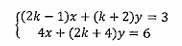
Considere o sistema linear abaixo:


Imagem associada para resolução da questão


Nesse sistema k é um número real. Ao encontrar o valor de k, como fração irredutível em k = a/b, para que o sistema seja possível e indeterminado, calcule Imagem associada para resolução da questão e assinale a opção correta.

Alternativas
Q4231847 Matemática
Em um cenário de instabilidade geopolítica, conflitos entre países têm provocado oscilações significativas nos preços de commodities estratégicas. Entre elas, o petróleo ocupa o papel central, influenciando diretamente os custos de transportes e produção industrial em uma economia globalizada. Segundo dados do Trading Economics, o preço do barril de petróleo, que ao final de 2025 era de U$ 64 (sessenta e quatro dólares), atingiu cerca de U$ 100 (cem dólares) em março de 2026, em razão de tensões internacionais. Suponha que, a partir desse valor máximo, o preço do barril passe a sofrer duas reduções percentuais sucessivas e de mesmo valor, de modo que, ao final dessas reduções, retorne ao preço observado ao final de 2025. Nessas condições, o valor aproximado de cada redução percentual é:
Alternativas
Q4231846 Matemática
Considere o número binário N = (1101)2. Seja M o número binário obtido acrescentando algarismo zero à direita da representação de N, e seja P o número binário obtido acrescentando o algarismo 1 (um) à esquerda da representação de N. Determine o valor decimal de M + P e assinale a opção correta.
Alternativas
Q4231845 Matemática

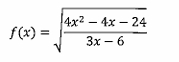
Seja f uma função real definida por:


Imagem associada para resolução da questão


Determine o domínio de f e assinale a opção correta.

Alternativas
Q4231844 Matemática

Analise as afirmativas abaixo e assinale a seguir a opção correta.


I- Se Imagem associada para resolução da questão = Imagem associada para resolução da questão é sempre verdadeiro.


II- Seja f(x) = 4 - 3x - x2, então: Imagem associada para resolução da questão = - 9 - h = - (h+9).


III- Num polígono regular, as diagonais que passam pelo seu centro só são válidas se o polígono tiver o número de lados par.


IV- Considere a equação: x2 - 3x + 2 = Imagem associada para resolução da questão  é possível afirmar que a soma das raízes que satisfazem a equação vale 1.


V- A expressão: 12 + 22 + 32452 + ... + n2Imagem associada para resolução da questãopara qualquer seja n ∈ N*.

Alternativas
Q4231843 Matemática

Considere a figura abaixo.


Imagem associada para resolução da questão


Na figura apresentada acima, as circunferências de centros A, B, C, D e F têm o mesmo raio r. Sabe-se que os pontos B, C, D e F pertencem à circunferência de centro A, de modo que AB = AC = AD = AF = r. Cada uma das circunferências de centros B, C, D e F intersecta a circunferência de centro A, formando quatro regiões comuns congruentes. Determine, em função de r, a soma das áreas dessas quatro regiões comuns e assinale a opção correta.

Alternativas
Q4231842 Matemática
Um aspirante da Escola Naval, envolvido com Olimpíadas de Matemática, estava resolvendo uma equação na forma a seguir:
Øx2 x - 3/2Ø - 1 = 0
Sabe-se que Ø ∈ ℝ é a variável real. O aspirante foi desafiado a determinar o valor de Ø  para que uma das raízes seja menor que e a outra maior que 2. Nessas condições, o valor de Ø  encontra-se no intervalo na opção correta.

Alternativas
Q4231841 Matemática
O feminicídio é o assassinato de uma mulher em razão de sua condição de sexo feminino. Em um determinado estado, observou-se que a taxa de feminicídio (número de vítimas por 100 mil mulheres) evoluiu de acordo com os dados na tabela abaixo:
Imagem associada para resolução da questão
Admita que a taxa T (em 100 mil mulheres) varia linearmente com o tempo t, onde representa o número de anos após 2018 (ou seja, t = 0 corresponde a 2018). Com base no modelo, estime a taxa de feminicídio para o ano de 2025 e assinale a opção correta.
Alternativas
Q4231840 Matemática
Considere um triângulo equilátero ABC de lado L cm. Sobre os lados BC, CA e AB, marcam-se os pontos D, E e F, respectivamente, de modo que os lados BD = CE = AF = x, com 0 < x < L. Obtenha, em função de L, a expressão para o lado do triângulo DEF, de modo a determinar os valores de x para que a área de DEF seja igual à metade da área de ABC e assinale a opção correta.
Alternativas
Q4231839 Matemática

Seja o número natural:


N = 22024+ 32024

Determine o resto da divisão de N por 5 e assinale a opção correta.

Alternativas
Respostas
281: E
282: A
283: D
284: B
285: C
286: C
287: A
288: B
289: E
290: B
291: B
292: B
293: A
294: B
295: C
296: B
297: D
298: A
299: E
300: C