Questões de Concurso
Para professor - inglês
Foram encontradas 31.342 questões
Resolva questões gratuitamente!
Junte-se a mais de 4 milhões de concurseiros!


Ano: 2023
Banca:
OBJETIVA
Órgão:
Prefeitura de Ponte Alta - SC
Provas:
OBJETIVA - 2023 - Prefeitura de Ponte Alta - SC - Advogado
|
OBJETIVA - 2023 - Prefeitura de Ponte Alta - SC - Assistente Social - CRAS |
OBJETIVA - 2023 - Prefeitura de Ponte Alta - SC - Fisioterapeuta |
OBJETIVA - 2023 - Prefeitura de Ponte Alta - SC - Médico |
OBJETIVA - 2023 - Prefeitura de Ponte Alta - SC - Médico - ESF |
OBJETIVA - 2023 - Prefeitura de Ponte Alta - SC - Nutricionista |
OBJETIVA - 2023 - Prefeitura de Ponte Alta - SC - Professor - Artes |
OBJETIVA - 2023 - Prefeitura de Ponte Alta - SC - Professor - Educação Física |
OBJETIVA - 2023 - Prefeitura de Ponte Alta - SC - Professor - Educação Infantil |
OBJETIVA - 2023 - Prefeitura de Ponte Alta - SC - Professor - Língua Inglesa |
Q2124995
Noções de Informática
O Word 2019 é amplamente utilizado para redigir
documentos de maneira eficaz. Sobre as principais
características e funcionalidades do programa, analisar os
itens abaixo:
I. Na guia “Design”, é possível inserir uma marca-d'água em seu documento. II. Na guia “Revisão” há a função Ler em Voz Alta. III. O Word 2019 permite o compartilhamento do documento com outras pessoas.
Está(ão) CORRETO(S):
I. Na guia “Design”, é possível inserir uma marca-d'água em seu documento. II. Na guia “Revisão” há a função Ler em Voz Alta. III. O Word 2019 permite o compartilhamento do documento com outras pessoas.
Está(ão) CORRETO(S):
Ano: 2023
Banca:
OBJETIVA
Órgão:
Prefeitura de Ponte Alta - SC
Provas:
OBJETIVA - 2023 - Prefeitura de Ponte Alta - SC - Advogado
|
OBJETIVA - 2023 - Prefeitura de Ponte Alta - SC - Assistente Social - CRAS |
OBJETIVA - 2023 - Prefeitura de Ponte Alta - SC - Fisioterapeuta |
OBJETIVA - 2023 - Prefeitura de Ponte Alta - SC - Médico |
OBJETIVA - 2023 - Prefeitura de Ponte Alta - SC - Médico - ESF |
OBJETIVA - 2023 - Prefeitura de Ponte Alta - SC - Nutricionista |
OBJETIVA - 2023 - Prefeitura de Ponte Alta - SC - Professor - Artes |
OBJETIVA - 2023 - Prefeitura de Ponte Alta - SC - Professor - Educação Física |
OBJETIVA - 2023 - Prefeitura de Ponte Alta - SC - Professor - Educação Infantil |
OBJETIVA - 2023 - Prefeitura de Ponte Alta - SC - Professor - Língua Inglesa |
Q2124992
Atualidades
De acordo com o Fórum Brasileiro de Segurança Pública,
durante o primeiro semestre de 2022, 699 mulheres foram
assassinadas exclusivamente por causa de seu gênero. Isso
significa que, em média, cerca de quatro mulheres foram
mortas a cada dia no Brasil, apenas por serem mulheres. A
respeito do feminicídio no Brasil, assinalar a alternativa
INCORRETA:
Ano: 2023
Banca:
OBJETIVA
Órgão:
Prefeitura de Ponte Alta - SC
Provas:
OBJETIVA - 2023 - Prefeitura de Ponte Alta - SC - Advogado
|
OBJETIVA - 2023 - Prefeitura de Ponte Alta - SC - Assistente Social - CRAS |
OBJETIVA - 2023 - Prefeitura de Ponte Alta - SC - Fisioterapeuta |
OBJETIVA - 2023 - Prefeitura de Ponte Alta - SC - Médico |
OBJETIVA - 2023 - Prefeitura de Ponte Alta - SC - Médico - ESF |
OBJETIVA - 2023 - Prefeitura de Ponte Alta - SC - Nutricionista |
OBJETIVA - 2023 - Prefeitura de Ponte Alta - SC - Professor - Artes |
OBJETIVA - 2023 - Prefeitura de Ponte Alta - SC - Professor - Educação Física |
OBJETIVA - 2023 - Prefeitura de Ponte Alta - SC - Professor - Educação Infantil |
OBJETIVA - 2023 - Prefeitura de Ponte Alta - SC - Professor - Língua Inglesa |
Q2124991
Matemática
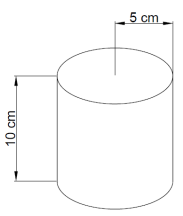
Os cilindros de um motor de automóvel, conforme as
medidas abaixo, necessitam ser embalados em plástico
bolha para evitar choques durante o transporte. Assinalar a
alternativa CORRETA sobre a área de plástico necessária
para a embalagem de um cilindro. (Dado π=3,14)
Ano: 2023
Banca:
OBJETIVA
Órgão:
Prefeitura de Ponte Alta - SC
Provas:
OBJETIVA - 2023 - Prefeitura de Ponte Alta - SC - Advogado
|
OBJETIVA - 2023 - Prefeitura de Ponte Alta - SC - Assistente Social - CRAS |
OBJETIVA - 2023 - Prefeitura de Ponte Alta - SC - Fisioterapeuta |
OBJETIVA - 2023 - Prefeitura de Ponte Alta - SC - Médico |
OBJETIVA - 2023 - Prefeitura de Ponte Alta - SC - Médico - ESF |
OBJETIVA - 2023 - Prefeitura de Ponte Alta - SC - Nutricionista |
OBJETIVA - 2023 - Prefeitura de Ponte Alta - SC - Professor - Artes |
OBJETIVA - 2023 - Prefeitura de Ponte Alta - SC - Professor - Educação Física |
OBJETIVA - 2023 - Prefeitura de Ponte Alta - SC - Professor - Educação Infantil |
OBJETIVA - 2023 - Prefeitura de Ponte Alta - SC - Professor - Língua Inglesa |
Q2124989
Matemática
Considerando-se a função f(x) = 2x + 1, assinalar a
alternativa que apresenta o comprimento do segmento de
reta dessa função definido no intervalo [2,4]:
Ano: 2023
Banca:
OBJETIVA
Órgão:
Prefeitura de Ponte Alta - SC
Provas:
OBJETIVA - 2023 - Prefeitura de Ponte Alta - SC - Advogado
|
OBJETIVA - 2023 - Prefeitura de Ponte Alta - SC - Assistente Social - CRAS |
OBJETIVA - 2023 - Prefeitura de Ponte Alta - SC - Fisioterapeuta |
OBJETIVA - 2023 - Prefeitura de Ponte Alta - SC - Médico |
OBJETIVA - 2023 - Prefeitura de Ponte Alta - SC - Médico - ESF |
OBJETIVA - 2023 - Prefeitura de Ponte Alta - SC - Nutricionista |
OBJETIVA - 2023 - Prefeitura de Ponte Alta - SC - Professor - Artes |
OBJETIVA - 2023 - Prefeitura de Ponte Alta - SC - Professor - Educação Física |
OBJETIVA - 2023 - Prefeitura de Ponte Alta - SC - Professor - Educação Infantil |
OBJETIVA - 2023 - Prefeitura de Ponte Alta - SC - Professor - Língua Inglesa |
Q2124987
Matemática
Considerando-se os conjuntos numéricos
A = { - 1, 0, 1, 20, -√400 }, B = {
5/2
,
10/5 , √4 } e C = {-1, -10, -30},
analisar os itens abaixo:
I. O conjunto numérico A ⊂ ℕ. II. O conjunto numérico B ⊂ ℚ. III. O conjunto numérico B ⊄ ℕ. IV. O conjunto numérico C ⊂ ℤ.
Estão CORRETOS:
I. O conjunto numérico A ⊂ ℕ. II. O conjunto numérico B ⊂ ℚ. III. O conjunto numérico B ⊄ ℕ. IV. O conjunto numérico C ⊂ ℤ.
Estão CORRETOS:
Ano: 2023
Banca:
OBJETIVA
Órgão:
Prefeitura de Ponte Alta - SC
Provas:
OBJETIVA - 2023 - Prefeitura de Ponte Alta - SC - Advogado
|
OBJETIVA - 2023 - Prefeitura de Ponte Alta - SC - Assistente Social - CRAS |
OBJETIVA - 2023 - Prefeitura de Ponte Alta - SC - Fisioterapeuta |
OBJETIVA - 2023 - Prefeitura de Ponte Alta - SC - Médico |
OBJETIVA - 2023 - Prefeitura de Ponte Alta - SC - Médico - ESF |
OBJETIVA - 2023 - Prefeitura de Ponte Alta - SC - Nutricionista |
OBJETIVA - 2023 - Prefeitura de Ponte Alta - SC - Professor - Artes |
OBJETIVA - 2023 - Prefeitura de Ponte Alta - SC - Professor - Educação Física |
OBJETIVA - 2023 - Prefeitura de Ponte Alta - SC - Professor - Educação Infantil |
OBJETIVA - 2023 - Prefeitura de Ponte Alta - SC - Professor - Língua Inglesa |
Q2124984
Português
Texto associado
Caminhada diária pode prevenir até 10% das mortes
prematuras, indica estudo.
Não é necessário ser um atleta ou praticar esportes
para sentir os benefícios do exercício físico — encaixar uma
caminhada acelerada na sua rotina pode ser o bastante,
sugere uma análise feita por pesquisadores do Reino Unido.
O estudo descobriu que se todo mundo fizesse
apenas 11 minutos de atividade física por dia (o que
equivaleria a cerca de 75 minutos por semana), uma em
cada 10 mortes prematuras poderia ser evitada.
A maioria das pessoas não consegue praticar o
mínimo recomendado de 150 minutos de exercício por
semana. Mas, de acordo com os pesquisadores da
Universidade de Cambridge, praticar algum exercício é
melhor do que não fazer nada.
O NHS, serviço público de saúde britânico,
recomenda que todo mundo faça de 150 a 300 minutos de
atividade física que aumente a frequência cardíaca toda
semana — ou de 75 a 150 minutos de atividade vigorosa por
semana, aquela que faz você respirar com dificuldade.
A equipe de pesquisa analisou centenas de estudos
anteriores sobre os benefícios da atividade física e concluiu
que praticar metade da quantidade recomendada poderia
prevenir um em cada 20 casos de doença cardiovascular e
aproximadamente um em 30 casos de câncer.
Isso equivale a 75 minutos por semana — ou 11
minutos por dia — andando de bicicleta, caminhando em
ritmo acelerado, fazendo trilha, dançando ou jogando tênis.
Praticar essa quantidade de exercício é suficiente para
reduzir o risco de desenvolver doenças cardíacas e derrames
em 17% e câncer em 7%, sugerem os resultados.
O exercício regular reduz a gordura corporal e a
pressão arterial, ao mesmo tempo em que melhora o
condicionamento físico, o sono e a saúde do coração em
longo prazo.
(Fonte: BBC - adaptado.)
Na frase “O exercício regular reduz a gordura corporal
[...]”, o termo sublinhado poderia ser substituído, sem
prejuízo de sentido, por:
Ano: 2023
Banca:
OBJETIVA
Órgão:
Prefeitura de Ponte Alta - SC
Provas:
OBJETIVA - 2023 - Prefeitura de Ponte Alta - SC - Advogado
|
OBJETIVA - 2023 - Prefeitura de Ponte Alta - SC - Assistente Social - CRAS |
OBJETIVA - 2023 - Prefeitura de Ponte Alta - SC - Fisioterapeuta |
OBJETIVA - 2023 - Prefeitura de Ponte Alta - SC - Médico |
OBJETIVA - 2023 - Prefeitura de Ponte Alta - SC - Médico - ESF |
OBJETIVA - 2023 - Prefeitura de Ponte Alta - SC - Nutricionista |
OBJETIVA - 2023 - Prefeitura de Ponte Alta - SC - Professor - Artes |
OBJETIVA - 2023 - Prefeitura de Ponte Alta - SC - Professor - Educação Física |
OBJETIVA - 2023 - Prefeitura de Ponte Alta - SC - Professor - Educação Infantil |
OBJETIVA - 2023 - Prefeitura de Ponte Alta - SC - Professor - Língua Inglesa |
Q2124983
Português
Texto associado
Caminhada diária pode prevenir até 10% das mortes
prematuras, indica estudo.
Não é necessário ser um atleta ou praticar esportes
para sentir os benefícios do exercício físico — encaixar uma
caminhada acelerada na sua rotina pode ser o bastante,
sugere uma análise feita por pesquisadores do Reino Unido.
O estudo descobriu que se todo mundo fizesse
apenas 11 minutos de atividade física por dia (o que
equivaleria a cerca de 75 minutos por semana), uma em
cada 10 mortes prematuras poderia ser evitada.
A maioria das pessoas não consegue praticar o
mínimo recomendado de 150 minutos de exercício por
semana. Mas, de acordo com os pesquisadores da
Universidade de Cambridge, praticar algum exercício é
melhor do que não fazer nada.
O NHS, serviço público de saúde britânico,
recomenda que todo mundo faça de 150 a 300 minutos de
atividade física que aumente a frequência cardíaca toda
semana — ou de 75 a 150 minutos de atividade vigorosa por
semana, aquela que faz você respirar com dificuldade.
A equipe de pesquisa analisou centenas de estudos
anteriores sobre os benefícios da atividade física e concluiu
que praticar metade da quantidade recomendada poderia
prevenir um em cada 20 casos de doença cardiovascular e
aproximadamente um em 30 casos de câncer.
Isso equivale a 75 minutos por semana — ou 11
minutos por dia — andando de bicicleta, caminhando em
ritmo acelerado, fazendo trilha, dançando ou jogando tênis.
Praticar essa quantidade de exercício é suficiente para
reduzir o risco de desenvolver doenças cardíacas e derrames
em 17% e câncer em 7%, sugerem os resultados.
O exercício regular reduz a gordura corporal e a
pressão arterial, ao mesmo tempo em que melhora o
condicionamento físico, o sono e a saúde do coração em
longo prazo.
(Fonte: BBC - adaptado.)
Em “A equipe de pesquisa analisou centenas de estudos
anteriores sobre os benefícios da atividade física e concluiu
que praticar metade da quantidade recomendada poderia
prevenir um em cada 20 casos de doença cardiovascular e
aproximadamente um em 30 casos de câncer.”, se o termo
sublinhado fosse pluralizado, quantos outros termos
precisariam ser modificados obrigatoriamente para que a
concordância verbal e nominal se mantivesse?
Ano: 2023
Banca:
OBJETIVA
Órgão:
Prefeitura de Ponte Alta - SC
Provas:
OBJETIVA - 2023 - Prefeitura de Ponte Alta - SC - Advogado
|
OBJETIVA - 2023 - Prefeitura de Ponte Alta - SC - Assistente Social - CRAS |
OBJETIVA - 2023 - Prefeitura de Ponte Alta - SC - Fisioterapeuta |
OBJETIVA - 2023 - Prefeitura de Ponte Alta - SC - Médico |
OBJETIVA - 2023 - Prefeitura de Ponte Alta - SC - Médico - ESF |
OBJETIVA - 2023 - Prefeitura de Ponte Alta - SC - Nutricionista |
OBJETIVA - 2023 - Prefeitura de Ponte Alta - SC - Professor - Artes |
OBJETIVA - 2023 - Prefeitura de Ponte Alta - SC - Professor - Educação Física |
OBJETIVA - 2023 - Prefeitura de Ponte Alta - SC - Professor - Educação Infantil |
OBJETIVA - 2023 - Prefeitura de Ponte Alta - SC - Professor - Língua Inglesa |
Q2124982
Português
Texto associado
Caminhada diária pode prevenir até 10% das mortes
prematuras, indica estudo.
Não é necessário ser um atleta ou praticar esportes
para sentir os benefícios do exercício físico — encaixar uma
caminhada acelerada na sua rotina pode ser o bastante,
sugere uma análise feita por pesquisadores do Reino Unido.
O estudo descobriu que se todo mundo fizesse
apenas 11 minutos de atividade física por dia (o que
equivaleria a cerca de 75 minutos por semana), uma em
cada 10 mortes prematuras poderia ser evitada.
A maioria das pessoas não consegue praticar o
mínimo recomendado de 150 minutos de exercício por
semana. Mas, de acordo com os pesquisadores da
Universidade de Cambridge, praticar algum exercício é
melhor do que não fazer nada.
O NHS, serviço público de saúde britânico,
recomenda que todo mundo faça de 150 a 300 minutos de
atividade física que aumente a frequência cardíaca toda
semana — ou de 75 a 150 minutos de atividade vigorosa por
semana, aquela que faz você respirar com dificuldade.
A equipe de pesquisa analisou centenas de estudos
anteriores sobre os benefícios da atividade física e concluiu
que praticar metade da quantidade recomendada poderia
prevenir um em cada 20 casos de doença cardiovascular e
aproximadamente um em 30 casos de câncer.
Isso equivale a 75 minutos por semana — ou 11
minutos por dia — andando de bicicleta, caminhando em
ritmo acelerado, fazendo trilha, dançando ou jogando tênis.
Praticar essa quantidade de exercício é suficiente para
reduzir o risco de desenvolver doenças cardíacas e derrames
em 17% e câncer em 7%, sugerem os resultados.
O exercício regular reduz a gordura corporal e a
pressão arterial, ao mesmo tempo em que melhora o
condicionamento físico, o sono e a saúde do coração em
longo prazo.
(Fonte: BBC - adaptado.)
Conforme o texto, assinalar a alternativa CORRETA:
Ano: 2023
Banca:
MSConcursos
Órgão:
Prefeitura de Turvelândia - GO
Provas:
MS CONCURSOS - 2023 - Prefeitura de Turvelândia - GO - Professor de Geografia
|
MS CONCURSOS - 2023 - Prefeitura de Turvelândia - GO - Professor de Educação Infantil |
MS CONCURSOS - 2023 - Prefeitura de Turvelândia - GO - Professor de Língua Portuguesa |
MS CONCURSOS - 2023 - Prefeitura de Turvelândia - GO - Professor de História |
MS CONCURSOS - 2023 - Prefeitura de Turvelândia - GO - Professor de Inglês |
MS CONCURSOS - 2023 - Prefeitura de Turvelândia - GO - Professor de Educação Física |
MS CONCURSOS - 2023 - Prefeitura de Turvelândia - GO - Professor de Séries Inicais |
MS CONCURSOS - 2023 - Prefeitura de Turvelândia - GO - Professor de Ciências |
Q2124591
Noções de Informática
Em um computador de mesa com o Sistema Operacional Windows 10, em sua configuração padrão com
idioma em Português (Brasil), foi verificado que a data e hora exibida no sistema estavam incorretas. Marque a
alternativa que não corresponde aos passos para acessar a configuração necessária para corrigir o problema.
Ano: 2023
Banca:
MSConcursos
Órgão:
Prefeitura de Turvelândia - GO
Provas:
MS CONCURSOS - 2023 - Prefeitura de Turvelândia - GO - Professor de Geografia
|
MS CONCURSOS - 2023 - Prefeitura de Turvelândia - GO - Professor de Educação Infantil |
MS CONCURSOS - 2023 - Prefeitura de Turvelândia - GO - Professor de Língua Portuguesa |
MS CONCURSOS - 2023 - Prefeitura de Turvelândia - GO - Professor de História |
MS CONCURSOS - 2023 - Prefeitura de Turvelândia - GO - Professor de Inglês |
MS CONCURSOS - 2023 - Prefeitura de Turvelândia - GO - Professor de Educação Física |
MS CONCURSOS - 2023 - Prefeitura de Turvelândia - GO - Professor de Séries Inicais |
MS CONCURSOS - 2023 - Prefeitura de Turvelândia - GO - Professor de Ciências |
Q2124590
Noções de Informática
A respeito de Navegação na Internet e conceitos de URL (“Uniform Resource Locator”, ou “Localizador
Padrão de Recursos”), assinale a alternativa correta.
Ano: 2023
Banca:
MSConcursos
Órgão:
Prefeitura de Turvelândia - GO
Provas:
MS CONCURSOS - 2023 - Prefeitura de Turvelândia - GO - Professor de Geografia
|
MS CONCURSOS - 2023 - Prefeitura de Turvelândia - GO - Professor de Educação Infantil |
MS CONCURSOS - 2023 - Prefeitura de Turvelândia - GO - Professor de Língua Portuguesa |
MS CONCURSOS - 2023 - Prefeitura de Turvelândia - GO - Professor de História |
MS CONCURSOS - 2023 - Prefeitura de Turvelândia - GO - Professor de Inglês |
MS CONCURSOS - 2023 - Prefeitura de Turvelândia - GO - Professor de Educação Física |
MS CONCURSOS - 2023 - Prefeitura de Turvelândia - GO - Professor de Séries Inicais |
MS CONCURSOS - 2023 - Prefeitura de Turvelândia - GO - Professor de Ciências |
Q2124589
Noções de Informática
A Microsoft é uma empresa conhecida por desenvolver produtos e soluções na área da tecnologia, sendo o
pacote Microsoft Office muito popular na área de aplicativos para computador, voltados para produtividade.
Sobre o MS Office 2016 e seus aplicativos em configuração padrão. Sobre isso, é correto afirmar:
Ano: 2023
Banca:
MSConcursos
Órgão:
Prefeitura de Turvelândia - GO
Provas:
MS CONCURSOS - 2023 - Prefeitura de Turvelândia - GO - Professor de Geografia
|
MS CONCURSOS - 2023 - Prefeitura de Turvelândia - GO - Professor de Educação Infantil |
MS CONCURSOS - 2023 - Prefeitura de Turvelândia - GO - Professor de Língua Portuguesa |
MS CONCURSOS - 2023 - Prefeitura de Turvelândia - GO - Professor de História |
MS CONCURSOS - 2023 - Prefeitura de Turvelândia - GO - Professor de Inglês |
MS CONCURSOS - 2023 - Prefeitura de Turvelândia - GO - Professor de Educação Física |
MS CONCURSOS - 2023 - Prefeitura de Turvelândia - GO - Professor de Séries Inicais |
MS CONCURSOS - 2023 - Prefeitura de Turvelândia - GO - Professor de Ciências |
Q2124588
Noções de Informática
Considere a afirmativa: “A criptografia apresenta práticas ou processos para tornar segura a comunicação
entre partes. Um dos métodos conhecidos é a utilização de uma chave para encriptar o conteúdo de uma
mensagem em uma informação cifrada e decriptar a mensagem cifrada com essa mesma chave para obter o
dado original.”. Sobre a utilização de técnicas de criptografia para Certificados Digitais e Assinaturas Digitais, a
alternativa que apresenta corretamente o conceito da afirmativa é:
Ano: 2023
Banca:
MSConcursos
Órgão:
Prefeitura de Turvelândia - GO
Provas:
MS CONCURSOS - 2023 - Prefeitura de Turvelândia - GO - Professor de Geografia
|
MS CONCURSOS - 2023 - Prefeitura de Turvelândia - GO - Professor de Educação Infantil |
MS CONCURSOS - 2023 - Prefeitura de Turvelândia - GO - Professor de Língua Portuguesa |
MS CONCURSOS - 2023 - Prefeitura de Turvelândia - GO - Professor de História |
MS CONCURSOS - 2023 - Prefeitura de Turvelândia - GO - Professor de Inglês |
MS CONCURSOS - 2023 - Prefeitura de Turvelândia - GO - Professor de Educação Física |
MS CONCURSOS - 2023 - Prefeitura de Turvelândia - GO - Professor de Séries Inicais |
MS CONCURSOS - 2023 - Prefeitura de Turvelândia - GO - Professor de Ciências |
Q2124587
Noções de Informática
Após ser alvo de um ciberataque, uma empresa optou por implementar novas medidas de segurança baseadas nos principais conceitos de segurança da informação. Sobre as possíveis aplicações e os conceitos
de segurança da informação: confidencialidade, disponibilidade e integridade, assinale a alternativa correta.
Ano: 2023
Banca:
MSConcursos
Órgão:
Prefeitura de Turvelândia - GO
Provas:
MS CONCURSOS - 2023 - Prefeitura de Turvelândia - GO - Professor de Geografia
|
MS CONCURSOS - 2023 - Prefeitura de Turvelândia - GO - Professor de Educação Infantil |
MS CONCURSOS - 2023 - Prefeitura de Turvelândia - GO - Professor de Língua Portuguesa |
MS CONCURSOS - 2023 - Prefeitura de Turvelândia - GO - Professor de História |
MS CONCURSOS - 2023 - Prefeitura de Turvelândia - GO - Professor de Inglês |
MS CONCURSOS - 2023 - Prefeitura de Turvelândia - GO - Professor de Educação Física |
MS CONCURSOS - 2023 - Prefeitura de Turvelândia - GO - Professor de Séries Inicais |
MS CONCURSOS - 2023 - Prefeitura de Turvelândia - GO - Professor de Ciências |
Q2124586
Português
Em se tratando da correta ortografia, coloque (V) verdadeiro ou (F) falso e assinale a alternativa correta.
( ) A luta entre o bem e o mal nunca acaba. ( ) Dormi muito mal esta noite. ( ) Nas histórias, as madrastas sempre são más, isto é, têm o coração mau. ( ) Quem é mal-humorado está sempre de mau-humor!
( ) A luta entre o bem e o mal nunca acaba. ( ) Dormi muito mal esta noite. ( ) Nas histórias, as madrastas sempre são más, isto é, têm o coração mau. ( ) Quem é mal-humorado está sempre de mau-humor!
Ano: 2023
Banca:
MSConcursos
Órgão:
Prefeitura de Turvelândia - GO
Provas:
MS CONCURSOS - 2023 - Prefeitura de Turvelândia - GO - Professor de Geografia
|
MS CONCURSOS - 2023 - Prefeitura de Turvelândia - GO - Professor de Educação Infantil |
MS CONCURSOS - 2023 - Prefeitura de Turvelândia - GO - Professor de Língua Portuguesa |
MS CONCURSOS - 2023 - Prefeitura de Turvelândia - GO - Professor de História |
MS CONCURSOS - 2023 - Prefeitura de Turvelândia - GO - Professor de Inglês |
MS CONCURSOS - 2023 - Prefeitura de Turvelândia - GO - Professor de Educação Física |
MS CONCURSOS - 2023 - Prefeitura de Turvelândia - GO - Professor de Séries Inicais |
MS CONCURSOS - 2023 - Prefeitura de Turvelândia - GO - Professor de Ciências |
Q2124585
Português
Sobre língua e linguagem, marque (V) verdadeiro ou (F) falso e assinale a alternativa correta.
( ) Tipos de variação linguística – diferenças entre a fala e a escrita – uma mesma pessoa pode fazer uso de variedades distintas ao empregar as modalidades oral e escrita da língua. ( ) Tipos de variação linguística – diferenças no grau de monitoramento – uma pessoa pode monitorar menos ou mais sua fala, conforme julgar necessário. Dependendo da situação de comunicação em que se encontra, ela pode usar a linguagem de modo menos ou mais formal. ( ) Tipos de variação linguística – diferenças históricas – pessoas de diferentes gerações podem ter modos de falar diferentes, uma vez que a língua muda com o passar do tempo. ( ) Língua franca é uma expressão latina para língua de contato, ou de redação, isto é, para uma língua usada por pessoas com diferentes línguas maternas que escolhem outra língua para se comunicar. ( ) Estrangeirismo é o empréstimo de vocábulos de uma língua estrangeira.
( ) Tipos de variação linguística – diferenças entre a fala e a escrita – uma mesma pessoa pode fazer uso de variedades distintas ao empregar as modalidades oral e escrita da língua. ( ) Tipos de variação linguística – diferenças no grau de monitoramento – uma pessoa pode monitorar menos ou mais sua fala, conforme julgar necessário. Dependendo da situação de comunicação em que se encontra, ela pode usar a linguagem de modo menos ou mais formal. ( ) Tipos de variação linguística – diferenças históricas – pessoas de diferentes gerações podem ter modos de falar diferentes, uma vez que a língua muda com o passar do tempo. ( ) Língua franca é uma expressão latina para língua de contato, ou de redação, isto é, para uma língua usada por pessoas com diferentes línguas maternas que escolhem outra língua para se comunicar. ( ) Estrangeirismo é o empréstimo de vocábulos de uma língua estrangeira.
Ano: 2023
Banca:
MSConcursos
Órgão:
Prefeitura de Turvelândia - GO
Provas:
MS CONCURSOS - 2023 - Prefeitura de Turvelândia - GO - Professor de Geografia
|
MS CONCURSOS - 2023 - Prefeitura de Turvelândia - GO - Professor de Educação Infantil |
MS CONCURSOS - 2023 - Prefeitura de Turvelândia - GO - Professor de Língua Portuguesa |
MS CONCURSOS - 2023 - Prefeitura de Turvelândia - GO - Professor de História |
MS CONCURSOS - 2023 - Prefeitura de Turvelândia - GO - Professor de Inglês |
MS CONCURSOS - 2023 - Prefeitura de Turvelândia - GO - Professor de Educação Física |
MS CONCURSOS - 2023 - Prefeitura de Turvelândia - GO - Professor de Séries Inicais |
MS CONCURSOS - 2023 - Prefeitura de Turvelândia - GO - Professor de Ciências |
Q2124584
Português
Em se tratando da classificação dos substantivos, relacione a Coluna I com a Coluna II e marque a alternativa
correta.
Coluna I. A- Substantivo composto. B- Substantivo derivado. C- Substantivo coletivo. D- Substantivo abstrato.
Coluna II. 1- Flora. 2- Beija-flor. 3- Vidraça. 4- Vaidade.
Coluna I. A- Substantivo composto. B- Substantivo derivado. C- Substantivo coletivo. D- Substantivo abstrato.
Coluna II. 1- Flora. 2- Beija-flor. 3- Vidraça. 4- Vaidade.
Ano: 2023
Banca:
MSConcursos
Órgão:
Prefeitura de Turvelândia - GO
Provas:
MS CONCURSOS - 2023 - Prefeitura de Turvelândia - GO - Professor de Geografia
|
MS CONCURSOS - 2023 - Prefeitura de Turvelândia - GO - Professor de Educação Infantil |
MS CONCURSOS - 2023 - Prefeitura de Turvelândia - GO - Professor de Língua Portuguesa |
MS CONCURSOS - 2023 - Prefeitura de Turvelândia - GO - Professor de História |
MS CONCURSOS - 2023 - Prefeitura de Turvelândia - GO - Professor de Inglês |
MS CONCURSOS - 2023 - Prefeitura de Turvelândia - GO - Professor de Educação Física |
MS CONCURSOS - 2023 - Prefeitura de Turvelândia - GO - Professor de Séries Inicais |
MS CONCURSOS - 2023 - Prefeitura de Turvelândia - GO - Professor de Ciências |
Q2124583
Português
Assinale a alternativa onde temos um numeral ordinal:
Ano: 2023
Banca:
MSConcursos
Órgão:
Prefeitura de Turvelândia - GO
Provas:
MS CONCURSOS - 2023 - Prefeitura de Turvelândia - GO - Professor de Geografia
|
MS CONCURSOS - 2023 - Prefeitura de Turvelândia - GO - Professor de Educação Infantil |
MS CONCURSOS - 2023 - Prefeitura de Turvelândia - GO - Professor de Língua Portuguesa |
MS CONCURSOS - 2023 - Prefeitura de Turvelândia - GO - Professor de História |
MS CONCURSOS - 2023 - Prefeitura de Turvelândia - GO - Professor de Inglês |
MS CONCURSOS - 2023 - Prefeitura de Turvelândia - GO - Professor de Educação Física |
MS CONCURSOS - 2023 - Prefeitura de Turvelândia - GO - Professor de Séries Inicais |
MS CONCURSOS - 2023 - Prefeitura de Turvelândia - GO - Professor de Ciências |
Q2124582
Português
Quanto à significação das palavras, assinale a alternativa incorreta.
Ano: 2023
Banca:
MSConcursos
Órgão:
Prefeitura de Turvelândia - GO
Provas:
MS CONCURSOS - 2023 - Prefeitura de Turvelândia - GO - Professor de Geografia
|
MS CONCURSOS - 2023 - Prefeitura de Turvelândia - GO - Professor de Educação Infantil |
MS CONCURSOS - 2023 - Prefeitura de Turvelândia - GO - Professor de Língua Portuguesa |
MS CONCURSOS - 2023 - Prefeitura de Turvelândia - GO - Professor de História |
MS CONCURSOS - 2023 - Prefeitura de Turvelândia - GO - Professor de Inglês |
MS CONCURSOS - 2023 - Prefeitura de Turvelândia - GO - Professor de Educação Física |
MS CONCURSOS - 2023 - Prefeitura de Turvelândia - GO - Professor de Séries Inicais |
MS CONCURSOS - 2023 - Prefeitura de Turvelândia - GO - Professor de Ciências |
Q2124581
Português
Quem é o autor da obra a Normalista?
Ano: 2023
Banca:
MSConcursos
Órgão:
Prefeitura de Turvelândia - GO
Provas:
MS CONCURSOS - 2023 - Prefeitura de Turvelândia - GO - Professor de Geografia
|
MS CONCURSOS - 2023 - Prefeitura de Turvelândia - GO - Professor de Educação Infantil |
MS CONCURSOS - 2023 - Prefeitura de Turvelândia - GO - Professor de Língua Portuguesa |
MS CONCURSOS - 2023 - Prefeitura de Turvelândia - GO - Professor de História |
MS CONCURSOS - 2023 - Prefeitura de Turvelândia - GO - Professor de Inglês |
MS CONCURSOS - 2023 - Prefeitura de Turvelândia - GO - Professor de Educação Física |
MS CONCURSOS - 2023 - Prefeitura de Turvelândia - GO - Professor de Séries Inicais |
MS CONCURSOS - 2023 - Prefeitura de Turvelândia - GO - Professor de Ciências |
Q2124580
Português
Assinale a alternativa, onde o acento indicador de crase, não tem cabimento.

 Conheça nossos planos