Questões Militares Sobre inglês
Foram encontradas 4.500 questões


Read the text to answer the question.
To begin the dialogue on cultural identity, it is essential to establish a baseline understanding the concept. Culture can be defined by the “totality of that group’s [a community or population] thought, experiences, and patterns of behavior and its concepts, values, and assumptions about life that guide behavior and how those evolve with contact with other cultures.” Cultural identity refers to people who identify themselves with a specific cultural group that has a shared system of symbols and norms for conduct. Recognition of this identity facilitates others’ understanding of the opportunities and challenges faced by individuals within a cultural group. To assist in understanding the basics of cultural identity, symbols and narratives as elements of culture will be examined in this section.
As many of our judgments are based on external observations, it should not be surprising that identities are shaped through use of symbols. According to sociologist Erik Cohen, the use of symbols in defining identity is a universal human trait. Symbols are employed in value systems such as religion, nationalism, social ideologies, and ethnicity. There are times when symbols become so significant to an existing cultural group’s identity that they stand out amongst all other symbols, dominating the narrative of cultural identity of that group. Dominant symbol systems provide “a set of stories, images, landscapes, scenarios, historical events, national symbols, and rituals which represent the shared experiences, sorrows, and triumphs and disasters which give meaning to the nation.” Therefore, understanding how complex symbol systems function and transmit meaning can help with assessing the motivations that underlie a cultural group’s actions. This is key to developing appropriate engagement strategies with cultural groups in urban environments.
Cultural groups use narrativesas a conduit for conveying messages. Narratives can be used as an analytical framework for understanding a wide spectrum of human activities. The stories conveyed through narrative can be viewed as building-blocks of identity in that they enable cultural groups to understand who they are and what they are in relation to others external to their group. In the search to understand cultural identities, knowledge of a cultural group’s narrative is “instructive for understanding how decisions might have come about, the motivations for actions, the causal assumptions drawn, and the arguments put forward, as well as a variety of other actions or variables. ”Therefore, it can be deduced that the future urban environment an Army may find itself operating within will witness a multitude of competing narratives, which may be further exacerbated by competition over limited resources and power.
Source: https://www.armyupress.army.mil/Journals/Military-Review/Online-Exclusive/2015-Online-Exclusive-Articles/Cultural-Identity/ Acess: 03/19/2026.
Read the text to answer the question.
To begin the dialogue on cultural identity, it is essential to establish a baseline understanding the concept. Culture can be defined by the “totality of that group’s [a community or population] thought, experiences, and patterns of behavior and its concepts, values, and assumptions about life that guide behavior and how those evolve with contact with other cultures.” Cultural identity refers to people who identify themselves with a specific cultural group that has a shared system of symbols and norms for conduct. Recognition of this identity facilitates others’ understanding of the opportunities and challenges faced by individuals within a cultural group. To assist in understanding the basics of cultural identity, symbols and narratives as elements of culture will be examined in this section.
As many of our judgments are based on external observations, it should not be surprising that identities are shaped through use of symbols. According to sociologist Erik Cohen, the use of symbols in defining identity is a universal human trait. Symbols are employed in value systems such as religion, nationalism, social ideologies, and ethnicity. There are times when symbols become so significant to an existing cultural group’s identity that they stand out amongst all other symbols, dominating the narrative of cultural identity of that group. Dominant symbol systems provide “a set of stories, images, landscapes, scenarios, historical events, national symbols, and rituals which represent the shared experiences, sorrows, and triumphs and disasters which give meaning to the nation.” Therefore, understanding how complex symbol systems function and transmit meaning can help with assessing the motivations that underlie a cultural group’s actions. This is key to developing appropriate engagement strategies with cultural groups in urban environments.
Cultural groups use narrativesas a conduit for conveying messages. Narratives can be used as an analytical framework for understanding a wide spectrum of human activities. The stories conveyed through narrative can be viewed as building-blocks of identity in that they enable cultural groups to understand who they are and what they are in relation to others external to their group. In the search to understand cultural identities, knowledge of a cultural group’s narrative is “instructive for understanding how decisions might have come about, the motivations for actions, the causal assumptions drawn, and the arguments put forward, as well as a variety of other actions or variables. ”Therefore, it can be deduced that the future urban environment an Army may find itself operating within will witness a multitude of competing narratives, which may be further exacerbated by competition over limited resources and power.
Source: https://www.armyupress.army.mil/Journals/Military-Review/Online-Exclusive/2015-Online-Exclusive-Articles/Cultural-Identity/ Acess: 03/19/2026.
Read the text to answer the question.
To begin the dialogue on cultural identity, it is essential to establish a baseline understanding the concept. Culture can be defined by the “totality of that group’s [a community or population] thought, experiences, and patterns of behavior and its concepts, values, and assumptions about life that guide behavior and how those evolve with contact with other cultures.” Cultural identity refers to people who identify themselves with a specific cultural group that has a shared system of symbols and norms for conduct. Recognition of this identity facilitates others’ understanding of the opportunities and challenges faced by individuals within a cultural group. To assist in understanding the basics of cultural identity, symbols and narratives as elements of culture will be examined in this section.
As many of our judgments are based on external observations, it should not be surprising that identities are shaped through use of symbols. According to sociologist Erik Cohen, the use of symbols in defining identity is a universal human trait. Symbols are employed in value systems such as religion, nationalism, social ideologies, and ethnicity. There are times when symbols become so significant to an existing cultural group’s identity that they stand out amongst all other symbols, dominating the narrative of cultural identity of that group. Dominant symbol systems provide “a set of stories, images, landscapes, scenarios, historical events, national symbols, and rituals which represent the shared experiences, sorrows, and triumphs and disasters which give meaning to the nation.” Therefore, understanding how complex symbol systems function and transmit meaning can help with assessing the motivations that underlie a cultural group’s actions. This is key to developing appropriate engagement strategies with cultural groups in urban environments.
Cultural groups use narrativesas a conduit for conveying messages. Narratives can be used as an analytical framework for understanding a wide spectrum of human activities. The stories conveyed through narrative can be viewed as building-blocks of identity in that they enable cultural groups to understand who they are and what they are in relation to others external to their group. In the search to understand cultural identities, knowledge of a cultural group’s narrative is “instructive for understanding how decisions might have come about, the motivations for actions, the causal assumptions drawn, and the arguments put forward, as well as a variety of other actions or variables. ”Therefore, it can be deduced that the future urban environment an Army may find itself operating within will witness a multitude of competing narratives, which may be further exacerbated by competition over limited resources and power.
Source: https://www.armyupress.army.mil/Journals/Military-Review/Online-Exclusive/2015-Online-Exclusive-Articles/Cultural-Identity/ Acess: 03/19/2026.
Read the text to answer the question.
To begin the dialogue on cultural identity, it is essential to establish a baseline understanding the concept. Culture can be defined by the “totality of that group’s [a community or population] thought, experiences, and patterns of behavior and its concepts, values, and assumptions about life that guide behavior and how those evolve with contact with other cultures.” Cultural identity refers to people who identify themselves with a specific cultural group that has a shared system of symbols and norms for conduct. Recognition of this identity facilitates others’ understanding of the opportunities and challenges faced by individuals within a cultural group. To assist in understanding the basics of cultural identity, symbols and narratives as elements of culture will be examined in this section.
As many of our judgments are based on external observations, it should not be surprising that identities are shaped through use of symbols. According to sociologist Erik Cohen, the use of symbols in defining identity is a universal human trait. Symbols are employed in value systems such as religion, nationalism, social ideologies, and ethnicity. There are times when symbols become so significant to an existing cultural group’s identity that they stand out amongst all other symbols, dominating the narrative of cultural identity of that group. Dominant symbol systems provide “a set of stories, images, landscapes, scenarios, historical events, national symbols, and rituals which represent the shared experiences, sorrows, and triumphs and disasters which give meaning to the nation.” Therefore, understanding how complex symbol systems function and transmit meaning can help with assessing the motivations that underlie a cultural group’s actions. This is key to developing appropriate engagement strategies with cultural groups in urban environments.
Cultural groups use narrativesas a conduit for conveying messages. Narratives can be used as an analytical framework for understanding a wide spectrum of human activities. The stories conveyed through narrative can be viewed as building-blocks of identity in that they enable cultural groups to understand who they are and what they are in relation to others external to their group. In the search to understand cultural identities, knowledge of a cultural group’s narrative is “instructive for understanding how decisions might have come about, the motivations for actions, the causal assumptions drawn, and the arguments put forward, as well as a variety of other actions or variables. ”Therefore, it can be deduced that the future urban environment an Army may find itself operating within will witness a multitude of competing narratives, which may be further exacerbated by competition over limited resources and power.
Source: https://www.armyupress.army.mil/Journals/Military-Review/Online-Exclusive/2015-Online-Exclusive-Articles/Cultural-Identity/ Acess: 03/19/2026.
Read the text to answer the question.
To begin the dialogue on cultural identity, it is essential to establish a baseline understanding the concept. Culture can be defined by the “totality of that group’s [a community or population] thought, experiences, and patterns of behavior and its concepts, values, and assumptions about life that guide behavior and how those evolve with contact with other cultures.” Cultural identity refers to people who identify themselves with a specific cultural group that has a shared system of symbols and norms for conduct. Recognition of this identity facilitates others’ understanding of the opportunities and challenges faced by individuals within a cultural group. To assist in understanding the basics of cultural identity, symbols and narratives as elements of culture will be examined in this section.
As many of our judgments are based on external observations, it should not be surprising that identities are shaped through use of symbols. According to sociologist Erik Cohen, the use of symbols in defining identity is a universal human trait. Symbols are employed in value systems such as religion, nationalism, social ideologies, and ethnicity. There are times when symbols become so significant to an existing cultural group’s identity that they stand out amongst all other symbols, dominating the narrative of cultural identity of that group. Dominant symbol systems provide “a set of stories, images, landscapes, scenarios, historical events, national symbols, and rituals which represent the shared experiences, sorrows, and triumphs and disasters which give meaning to the nation.” Therefore, understanding how complex symbol systems function and transmit meaning can help with assessing the motivations that underlie a cultural group’s actions. This is key to developing appropriate engagement strategies with cultural groups in urban environments.
Cultural groups use narrativesas a conduit for conveying messages. Narratives can be used as an analytical framework for understanding a wide spectrum of human activities. The stories conveyed through narrative can be viewed as building-blocks of identity in that they enable cultural groups to understand who they are and what they are in relation to others external to their group. In the search to understand cultural identities, knowledge of a cultural group’s narrative is “instructive for understanding how decisions might have come about, the motivations for actions, the causal assumptions drawn, and the arguments put forward, as well as a variety of other actions or variables. ”Therefore, it can be deduced that the future urban environment an Army may find itself operating within will witness a multitude of competing narratives, which may be further exacerbated by competition over limited resources and power.
Source: https://www.armyupress.army.mil/Journals/Military-Review/Online-Exclusive/2015-Online-Exclusive-Articles/Cultural-Identity/ Acess: 03/19/2026.
Leia a tirinha do cartunista Daniel Shelton para responder à questão.
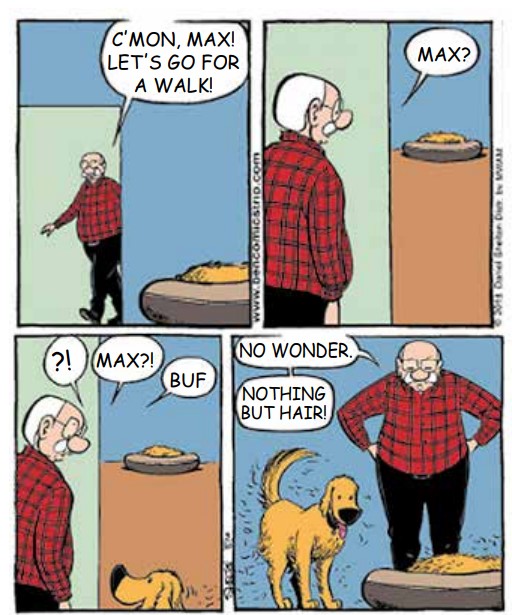
(Daniel Shelton. Ben on the Run, 2018.)
Leia a tirinha do cartunista Daniel Shelton para responder à questão.
(Daniel Shelton. Ben on the Run, 2018.)
In the context of the comic strip, the expression “No wonder”, in the fourth panel, means:
Leia o texto para responder à questão.
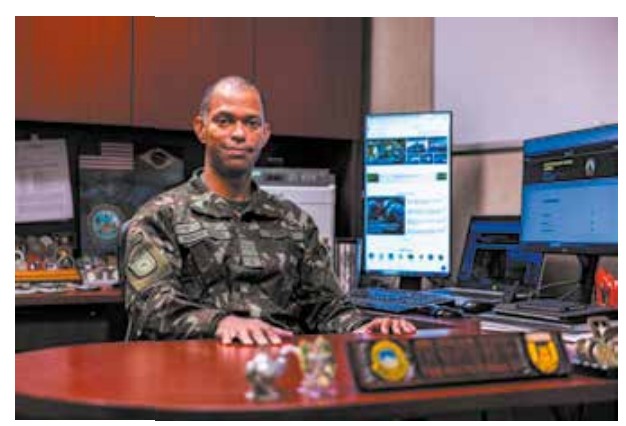
1 Brazilian Army Colonel Sergio Reis Matos serves as one of four United States Army South’s (USARSOUTH) partner nation liaison officers, or PNLO. Since July 2023, Matos has worked to strengthen the historic partnership between Brazil and the United States (US), focusing on enhancing military collaboration and interoperability.
Matos’ journey into the military began with two key influences: his father, a decorated non-commissioned officer in the Brazilian Navy, and his own early experience at a military middle school. “My father earned the rank of sergeant major and was able to travel the world to 23 countries,” said Matos. “He was a brilliant example of the opportunities to be had by serving my homeland.”
In 1987, Matos was accepted into a military middle school which was overseen by the Brazilian Army, which Matos said is very similar to the junior reserve officers’ training corps. His experience there laid the foundation for values and discipline needed for a career in the army.
Matos began his military career in 1993 at the Brazilian Army Cadets’ Preparatory School in São Paulo. Over nearly 32 years, he has held several distinguished roles, including commanding a border detachment in the Amazon, securing military venues during the 2016 Olympic Games in Brazil and leading an infantry battalion steeped in historical ties to the US Fifth Army. “The most memorable period of my career was when I commanded the 11th Mountain Infantry Battalion,” he reflected. “It was one of the units that integrated with US forces during World War II.”
5 His assignment as the Brazilian PNLO at USARSOUTH is not his first encounter with the US Army. In 2007, he attended the Captain’s Career Course at Fort Moore (US) where he earned the Distinguished International Honor Graduate award for excellence in academics and the Order of Saint Maurice Medallion in the rank of Peregrinus, for his notable contributions to the US infantry.
During his tenure at USARSOUTH, he facilitated military coordination between the Brazilian and US armies, focusing on combined operations, joint exercises and strategic engagements. His efforts as the Brazilian PNLO have been central to enhancing interoperability and fostering deeper collaboration.
(Joshua Taeckens. www.army.mil, 11.01.2025. Adaptado.)
Leia o texto para responder à questão.
1 Brazilian Army Colonel Sergio Reis Matos serves as one of four United States Army South’s (USARSOUTH) partner nation liaison officers, or PNLO. Since July 2023, Matos has worked to strengthen the historic partnership between Brazil and the United States (US), focusing on enhancing military collaboration and interoperability.
Matos’ journey into the military began with two key influences: his father, a decorated non-commissioned officer in the Brazilian Navy, and his own early experience at a military middle school. “My father earned the rank of sergeant major and was able to travel the world to 23 countries,” said Matos. “He was a brilliant example of the opportunities to be had by serving my homeland.”
In 1987, Matos was accepted into a military middle school which was overseen by the Brazilian Army, which Matos said is very similar to the junior reserve officers’ training corps. His experience there laid the foundation for values and discipline needed for a career in the army.
Matos began his military career in 1993 at the Brazilian Army Cadets’ Preparatory School in São Paulo. Over nearly 32 years, he has held several distinguished roles, including commanding a border detachment in the Amazon, securing military venues during the 2016 Olympic Games in Brazil and leading an infantry battalion steeped in historical ties to the US Fifth Army. “The most memorable period of my career was when I commanded the 11th Mountain Infantry Battalion,” he reflected. “It was one of the units that integrated with US forces during World War II.”
5 His assignment as the Brazilian PNLO at USARSOUTH is not his first encounter with the US Army. In 2007, he attended the Captain’s Career Course at Fort Moore (US) where he earned the Distinguished International Honor Graduate award for excellence in academics and the Order of Saint Maurice Medallion in the rank of Peregrinus, for his notable contributions to the US infantry.
During his tenure at USARSOUTH, he facilitated military coordination between the Brazilian and US armies, focusing on combined operations, joint exercises and strategic engagements. His efforts as the Brazilian PNLO have been central to enhancing interoperability and fostering deeper collaboration.
(Joshua Taeckens. www.army.mil, 11.01.2025. Adaptado.)
Leia o texto para responder à questão.
1 Brazilian Army Colonel Sergio Reis Matos serves as one of four United States Army South’s (USARSOUTH) partner nation liaison officers, or PNLO. Since July 2023, Matos has worked to strengthen the historic partnership between Brazil and the United States (US), focusing on enhancing military collaboration and interoperability.
Matos’ journey into the military began with two key influences: his father, a decorated non-commissioned officer in the Brazilian Navy, and his own early experience at a military middle school. “My father earned the rank of sergeant major and was able to travel the world to 23 countries,” said Matos. “He was a brilliant example of the opportunities to be had by serving my homeland.”
In 1987, Matos was accepted into a military middle school which was overseen by the Brazilian Army, which Matos said is very similar to the junior reserve officers’ training corps. His experience there laid the foundation for values and discipline needed for a career in the army.
Matos began his military career in 1993 at the Brazilian Army Cadets’ Preparatory School in São Paulo. Over nearly 32 years, he has held several distinguished roles, including commanding a border detachment in the Amazon, securing military venues during the 2016 Olympic Games in Brazil and leading an infantry battalion steeped in historical ties to the US Fifth Army. “The most memorable period of my career was when I commanded the 11th Mountain Infantry Battalion,” he reflected. “It was one of the units that integrated with US forces during World War II.”
5 His assignment as the Brazilian PNLO at USARSOUTH is not his first encounter with the US Army. In 2007, he attended the Captain’s Career Course at Fort Moore (US) where he earned the Distinguished International Honor Graduate award for excellence in academics and the Order of Saint Maurice Medallion in the rank of Peregrinus, for his notable contributions to the US infantry.
During his tenure at USARSOUTH, he facilitated military coordination between the Brazilian and US armies, focusing on combined operations, joint exercises and strategic engagements. His efforts as the Brazilian PNLO have been central to enhancing interoperability and fostering deeper collaboration.
(Joshua Taeckens. www.army.mil, 11.01.2025. Adaptado.)
“Matos began his military career in 1993 at the Brazilian Army Cadets’ Preparatory School in São Paulo. Over nearly 32 years, he has held several distinguished roles, including commanding a border detachment in the Amazon, securing military venues during the 2016 Olympic Games in Brazil and leading an infantry battalion steeped in historical ties to the US Fifth Army.” (4º parágrafo)
No contexto em que se insere, o trecho sublinhado indica que, ao longo da carreira, Cel Matos
Leia o texto para responder à questão.
1 Brazilian Army Colonel Sergio Reis Matos serves as one of four United States Army South’s (USARSOUTH) partner nation liaison officers, or PNLO. Since July 2023, Matos has worked to strengthen the historic partnership between Brazil and the United States (US), focusing on enhancing military collaboration and interoperability.
Matos’ journey into the military began with two key influences: his father, a decorated non-commissioned officer in the Brazilian Navy, and his own early experience at a military middle school. “My father earned the rank of sergeant major and was able to travel the world to 23 countries,” said Matos. “He was a brilliant example of the opportunities to be had by serving my homeland.”
In 1987, Matos was accepted into a military middle school which was overseen by the Brazilian Army, which Matos said is very similar to the junior reserve officers’ training corps. His experience there laid the foundation for values and discipline needed for a career in the army.
Matos began his military career in 1993 at the Brazilian Army Cadets’ Preparatory School in São Paulo. Over nearly 32 years, he has held several distinguished roles, including commanding a border detachment in the Amazon, securing military venues during the 2016 Olympic Games in Brazil and leading an infantry battalion steeped in historical ties to the US Fifth Army. “The most memorable period of my career was when I commanded the 11th Mountain Infantry Battalion,” he reflected. “It was one of the units that integrated with US forces during World War II.”
5 His assignment as the Brazilian PNLO at USARSOUTH is not his first encounter with the US Army. In 2007, he attended the Captain’s Career Course at Fort Moore (US) where he earned the Distinguished International Honor Graduate award for excellence in academics and the Order of Saint Maurice Medallion in the rank of Peregrinus, for his notable contributions to the US infantry.
During his tenure at USARSOUTH, he facilitated military coordination between the Brazilian and US armies, focusing on combined operations, joint exercises and strategic engagements. His efforts as the Brazilian PNLO have been central to enhancing interoperability and fostering deeper collaboration.
(Joshua Taeckens. www.army.mil, 11.01.2025. Adaptado.)
“In 1987, Matos was accepted into a military middle school which was overseen by the Brazilian Army, which Matos said is very similar to the junior reserve officers’ training corps. His experience there laid the foundation for values and discipline needed for a career in the army.” (3º parágrafo)
Nesse trecho, o termo sublinhado refere-se, no contexto apresentado,
Leia o texto para responder à questão.
1 Brazilian Army Colonel Sergio Reis Matos serves as one of four United States Army South’s (USARSOUTH) partner nation liaison officers, or PNLO. Since July 2023, Matos has worked to strengthen the historic partnership between Brazil and the United States (US), focusing on enhancing military collaboration and interoperability.
Matos’ journey into the military began with two key influences: his father, a decorated non-commissioned officer in the Brazilian Navy, and his own early experience at a military middle school. “My father earned the rank of sergeant major and was able to travel the world to 23 countries,” said Matos. “He was a brilliant example of the opportunities to be had by serving my homeland.”
In 1987, Matos was accepted into a military middle school which was overseen by the Brazilian Army, which Matos said is very similar to the junior reserve officers’ training corps. His experience there laid the foundation for values and discipline needed for a career in the army.
Matos began his military career in 1993 at the Brazilian Army Cadets’ Preparatory School in São Paulo. Over nearly 32 years, he has held several distinguished roles, including commanding a border detachment in the Amazon, securing military venues during the 2016 Olympic Games in Brazil and leading an infantry battalion steeped in historical ties to the US Fifth Army. “The most memorable period of my career was when I commanded the 11th Mountain Infantry Battalion,” he reflected. “It was one of the units that integrated with US forces during World War II.”
5 His assignment as the Brazilian PNLO at USARSOUTH is not his first encounter with the US Army. In 2007, he attended the Captain’s Career Course at Fort Moore (US) where he earned the Distinguished International Honor Graduate award for excellence in academics and the Order of Saint Maurice Medallion in the rank of Peregrinus, for his notable contributions to the US infantry.
During his tenure at USARSOUTH, he facilitated military coordination between the Brazilian and US armies, focusing on combined operations, joint exercises and strategic engagements. His efforts as the Brazilian PNLO have been central to enhancing interoperability and fostering deeper collaboration.
(Joshua Taeckens. www.army.mil, 11.01.2025. Adaptado.)
Leia o texto para responder à questão.
1 Brazilian Army Colonel Sergio Reis Matos serves as one of four United States Army South’s (USARSOUTH) partner nation liaison officers, or PNLO. Since July 2023, Matos has worked to strengthen the historic partnership between Brazil and the United States (US), focusing on enhancing military collaboration and interoperability.
Matos’ journey into the military began with two key influences: his father, a decorated non-commissioned officer in the Brazilian Navy, and his own early experience at a military middle school. “My father earned the rank of sergeant major and was able to travel the world to 23 countries,” said Matos. “He was a brilliant example of the opportunities to be had by serving my homeland.”
In 1987, Matos was accepted into a military middle school which was overseen by the Brazilian Army, which Matos said is very similar to the junior reserve officers’ training corps. His experience there laid the foundation for values and discipline needed for a career in the army.
Matos began his military career in 1993 at the Brazilian Army Cadets’ Preparatory School in São Paulo. Over nearly 32 years, he has held several distinguished roles, including commanding a border detachment in the Amazon, securing military venues during the 2016 Olympic Games in Brazil and leading an infantry battalion steeped in historical ties to the US Fifth Army. “The most memorable period of my career was when I commanded the 11th Mountain Infantry Battalion,” he reflected. “It was one of the units that integrated with US forces during World War II.”
5 His assignment as the Brazilian PNLO at USARSOUTH is not his first encounter with the US Army. In 2007, he attended the Captain’s Career Course at Fort Moore (US) where he earned the Distinguished International Honor Graduate award for excellence in academics and the Order of Saint Maurice Medallion in the rank of Peregrinus, for his notable contributions to the US infantry.
During his tenure at USARSOUTH, he facilitated military coordination between the Brazilian and US armies, focusing on combined operations, joint exercises and strategic engagements. His efforts as the Brazilian PNLO have been central to enhancing interoperability and fostering deeper collaboration.
(Joshua Taeckens. www.army.mil, 11.01.2025. Adaptado.)
Leia o texto para responder à questão.
1 Brazilian Army Colonel Sergio Reis Matos serves as one of four United States Army South’s (USARSOUTH) partner nation liaison officers, or PNLO. Since July 2023, Matos has worked to strengthen the historic partnership between Brazil and the United States (US), focusing on enhancing military collaboration and interoperability.
Matos’ journey into the military began with two key influences: his father, a decorated non-commissioned officer in the Brazilian Navy, and his own early experience at a military middle school. “My father earned the rank of sergeant major and was able to travel the world to 23 countries,” said Matos. “He was a brilliant example of the opportunities to be had by serving my homeland.”
In 1987, Matos was accepted into a military middle school which was overseen by the Brazilian Army, which Matos said is very similar to the junior reserve officers’ training corps. His experience there laid the foundation for values and discipline needed for a career in the army.
Matos began his military career in 1993 at the Brazilian Army Cadets’ Preparatory School in São Paulo. Over nearly 32 years, he has held several distinguished roles, including commanding a border detachment in the Amazon, securing military venues during the 2016 Olympic Games in Brazil and leading an infantry battalion steeped in historical ties to the US Fifth Army. “The most memorable period of my career was when I commanded the 11th Mountain Infantry Battalion,” he reflected. “It was one of the units that integrated with US forces during World War II.”
5 His assignment as the Brazilian PNLO at USARSOUTH is not his first encounter with the US Army. In 2007, he attended the Captain’s Career Course at Fort Moore (US) where he earned the Distinguished International Honor Graduate award for excellence in academics and the Order of Saint Maurice Medallion in the rank of Peregrinus, for his notable contributions to the US infantry.
During his tenure at USARSOUTH, he facilitated military coordination between the Brazilian and US armies, focusing on combined operations, joint exercises and strategic engagements. His efforts as the Brazilian PNLO have been central to enhancing interoperability and fostering deeper collaboration.
(Joshua Taeckens. www.army.mil, 11.01.2025. Adaptado.)
Read the poster for a campaign launched by an organization in the United Kingdom to answer question from.

(https://actiononsugar.org, 2025. Adaptado.)
1 sweet talk: persuasive language.
Read the poster for a campaign launched by an organization in the United Kingdom to answer question from.
(https://actiononsugar.org, 2025. Adaptado.)
1 sweet talk: persuasive language.
Read the poster for a campaign launched by an organization in the United Kingdom to answer question from.
(https://actiononsugar.org, 2025. Adaptado.)
1 sweet talk: persuasive language.
O retrato
Aldous Huxley



O retrato
Aldous Huxley

 Conheça nossos planos