Foram encontradas 2.282 questões
Resolva questões gratuitamente!
Junte-se a mais de 4 milhões de concurseiros!


Leia o texto para responder às questão.

Let’s start by discussing smoking. It continues to be the leading cause of preventable disease and death in many countries. The highest percent of smoking tends to be seen among people with a high school diploma (or not even that!), and the lowest is among those with a bachelor’s degree or higher. Trends in efforts to quit smoking habits also vary by educational level. Adults with only a high school diploma historically have had the lowest rates of quitting smoking compared to adults overall. But these data document the relationship when it is too late: Adults don’t drop out of school, children do.
The field of public health recognizes education is a social determinant of health and an indicator of well-being. National efforts in North America are currently focused on promoting literacy, and increasing high school completion and college enrollment. It is critical to ensure that children have positive learning experiences while they are still young so that they can achieve educational success. This is one of the best ways to ensure that they can live healthier lives as adults.
A human baby’s brain is not fully developed at birth. Rapid brain developments and the acquisition of foundation skills occur in the first few years of life and then steady into childhood and adolescence. Abuse, neglect, poverty and related stressful exposures can put children at risk for problems with healthy cognitive, social and emotional development, which can interfere with learning.
To effectively address the problem, learning environments must include staff who have knowledge about trauma and symptoms of trauma. Most importantly, the school ecosystems, which include the schools’ staff, must be prepared and able to provide children, and each other, safe, supportive and trusting environments. Thus, creating effective solutions will require a multigenerational approach – that is, one that focuses on the children affected as well as on the adults dealing with them. In order to promote well-being across the lifespan, we must collectively invest in meeting the needs of future generations.
(Shanta R. Dube. 07.02.2018, https://theconversation.com. Adaptado)
Leia o texto para responder às questão.
Let’s start by discussing smoking. It continues to be the leading cause of preventable disease and death in many countries. The highest percent of smoking tends to be seen among people with a high school diploma (or not even that!), and the lowest is among those with a bachelor’s degree or higher. Trends in efforts to quit smoking habits also vary by educational level. Adults with only a high school diploma historically have had the lowest rates of quitting smoking compared to adults overall. But these data document the relationship when it is too late: Adults don’t drop out of school, children do.
The field of public health recognizes education is a social determinant of health and an indicator of well-being. National efforts in North America are currently focused on promoting literacy, and increasing high school completion and college enrollment. It is critical to ensure that children have positive learning experiences while they are still young so that they can achieve educational success. This is one of the best ways to ensure that they can live healthier lives as adults.
A human baby’s brain is not fully developed at birth. Rapid brain developments and the acquisition of foundation skills occur in the first few years of life and then steady into childhood and adolescence. Abuse, neglect, poverty and related stressful exposures can put children at risk for problems with healthy cognitive, social and emotional development, which can interfere with learning.
To effectively address the problem, learning environments must include staff who have knowledge about trauma and symptoms of trauma. Most importantly, the school ecosystems, which include the schools’ staff, must be prepared and able to provide children, and each other, safe, supportive and trusting environments. Thus, creating effective solutions will require a multigenerational approach – that is, one that focuses on the children affected as well as on the adults dealing with them. In order to promote well-being across the lifespan, we must collectively invest in meeting the needs of future generations.
(Shanta R. Dube. 07.02.2018, https://theconversation.com. Adaptado)
Leia o texto para responder às questão.
Let’s start by discussing smoking. It continues to be the leading cause of preventable disease and death in many countries. The highest percent of smoking tends to be seen among people with a high school diploma (or not even that!), and the lowest is among those with a bachelor’s degree or higher. Trends in efforts to quit smoking habits also vary by educational level. Adults with only a high school diploma historically have had the lowest rates of quitting smoking compared to adults overall. But these data document the relationship when it is too late: Adults don’t drop out of school, children do.
The field of public health recognizes education is a social determinant of health and an indicator of well-being. National efforts in North America are currently focused on promoting literacy, and increasing high school completion and college enrollment. It is critical to ensure that children have positive learning experiences while they are still young so that they can achieve educational success. This is one of the best ways to ensure that they can live healthier lives as adults.
A human baby’s brain is not fully developed at birth. Rapid brain developments and the acquisition of foundation skills occur in the first few years of life and then steady into childhood and adolescence. Abuse, neglect, poverty and related stressful exposures can put children at risk for problems with healthy cognitive, social and emotional development, which can interfere with learning.
To effectively address the problem, learning environments must include staff who have knowledge about trauma and symptoms of trauma. Most importantly, the school ecosystems, which include the schools’ staff, must be prepared and able to provide children, and each other, safe, supportive and trusting environments. Thus, creating effective solutions will require a multigenerational approach – that is, one that focuses on the children affected as well as on the adults dealing with them. In order to promote well-being across the lifespan, we must collectively invest in meeting the needs of future generations.
(Shanta R. Dube. 07.02.2018, https://theconversation.com. Adaptado)
Leia o texto para responder às questão.
Let’s start by discussing smoking. It continues to be the leading cause of preventable disease and death in many countries. The highest percent of smoking tends to be seen among people with a high school diploma (or not even that!), and the lowest is among those with a bachelor’s degree or higher. Trends in efforts to quit smoking habits also vary by educational level. Adults with only a high school diploma historically have had the lowest rates of quitting smoking compared to adults overall. But these data document the relationship when it is too late: Adults don’t drop out of school, children do.
The field of public health recognizes education is a social determinant of health and an indicator of well-being. National efforts in North America are currently focused on promoting literacy, and increasing high school completion and college enrollment. It is critical to ensure that children have positive learning experiences while they are still young so that they can achieve educational success. This is one of the best ways to ensure that they can live healthier lives as adults.
A human baby’s brain is not fully developed at birth. Rapid brain developments and the acquisition of foundation skills occur in the first few years of life and then steady into childhood and adolescence. Abuse, neglect, poverty and related stressful exposures can put children at risk for problems with healthy cognitive, social and emotional development, which can interfere with learning.
To effectively address the problem, learning environments must include staff who have knowledge about trauma and symptoms of trauma. Most importantly, the school ecosystems, which include the schools’ staff, must be prepared and able to provide children, and each other, safe, supportive and trusting environments. Thus, creating effective solutions will require a multigenerational approach – that is, one that focuses on the children affected as well as on the adults dealing with them. In order to promote well-being across the lifespan, we must collectively invest in meeting the needs of future generations.
(Shanta R. Dube. 07.02.2018, https://theconversation.com. Adaptado)
Leia o texto para responder às questão.
Let’s start by discussing smoking. It continues to be the leading cause of preventable disease and death in many countries. The highest percent of smoking tends to be seen among people with a high school diploma (or not even that!), and the lowest is among those with a bachelor’s degree or higher. Trends in efforts to quit smoking habits also vary by educational level. Adults with only a high school diploma historically have had the lowest rates of quitting smoking compared to adults overall. But these data document the relationship when it is too late: Adults don’t drop out of school, children do.
The field of public health recognizes education is a social determinant of health and an indicator of well-being. National efforts in North America are currently focused on promoting literacy, and increasing high school completion and college enrollment. It is critical to ensure that children have positive learning experiences while they are still young so that they can achieve educational success. This is one of the best ways to ensure that they can live healthier lives as adults.
A human baby’s brain is not fully developed at birth. Rapid brain developments and the acquisition of foundation skills occur in the first few years of life and then steady into childhood and adolescence. Abuse, neglect, poverty and related stressful exposures can put children at risk for problems with healthy cognitive, social and emotional development, which can interfere with learning.
To effectively address the problem, learning environments must include staff who have knowledge about trauma and symptoms of trauma. Most importantly, the school ecosystems, which include the schools’ staff, must be prepared and able to provide children, and each other, safe, supportive and trusting environments. Thus, creating effective solutions will require a multigenerational approach – that is, one that focuses on the children affected as well as on the adults dealing with them. In order to promote well-being across the lifespan, we must collectively invest in meeting the needs of future generations.
(Shanta R. Dube. 07.02.2018, https://theconversation.com. Adaptado)
Leia o texto para responder às questão.
Let’s start by discussing smoking. It continues to be the leading cause of preventable disease and death in many countries. The highest percent of smoking tends to be seen among people with a high school diploma (or not even that!), and the lowest is among those with a bachelor’s degree or higher. Trends in efforts to quit smoking habits also vary by educational level. Adults with only a high school diploma historically have had the lowest rates of quitting smoking compared to adults overall. But these data document the relationship when it is too late: Adults don’t drop out of school, children do.
The field of public health recognizes education is a social determinant of health and an indicator of well-being. National efforts in North America are currently focused on promoting literacy, and increasing high school completion and college enrollment. It is critical to ensure that children have positive learning experiences while they are still young so that they can achieve educational success. This is one of the best ways to ensure that they can live healthier lives as adults.
A human baby’s brain is not fully developed at birth. Rapid brain developments and the acquisition of foundation skills occur in the first few years of life and then steady into childhood and adolescence. Abuse, neglect, poverty and related stressful exposures can put children at risk for problems with healthy cognitive, social and emotional development, which can interfere with learning.
To effectively address the problem, learning environments must include staff who have knowledge about trauma and symptoms of trauma. Most importantly, the school ecosystems, which include the schools’ staff, must be prepared and able to provide children, and each other, safe, supportive and trusting environments. Thus, creating effective solutions will require a multigenerational approach – that is, one that focuses on the children affected as well as on the adults dealing with them. In order to promote well-being across the lifespan, we must collectively invest in meeting the needs of future generations.
(Shanta R. Dube. 07.02.2018, https://theconversation.com. Adaptado)
Leia o texto para responder às questão.
Let’s start by discussing smoking. It continues to be the leading cause of preventable disease and death in many countries. The highest percent of smoking tends to be seen among people with a high school diploma (or not even that!), and the lowest is among those with a bachelor’s degree or higher. Trends in efforts to quit smoking habits also vary by educational level. Adults with only a high school diploma historically have had the lowest rates of quitting smoking compared to adults overall. But these data document the relationship when it is too late: Adults don’t drop out of school, children do.
The field of public health recognizes education is a social determinant of health and an indicator of well-being. National efforts in North America are currently focused on promoting literacy, and increasing high school completion and college enrollment. It is critical to ensure that children have positive learning experiences while they are still young so that they can achieve educational success. This is one of the best ways to ensure that they can live healthier lives as adults.
A human baby’s brain is not fully developed at birth. Rapid brain developments and the acquisition of foundation skills occur in the first few years of life and then steady into childhood and adolescence. Abuse, neglect, poverty and related stressful exposures can put children at risk for problems with healthy cognitive, social and emotional development, which can interfere with learning.
To effectively address the problem, learning environments must include staff who have knowledge about trauma and symptoms of trauma. Most importantly, the school ecosystems, which include the schools’ staff, must be prepared and able to provide children, and each other, safe, supportive and trusting environments. Thus, creating effective solutions will require a multigenerational approach – that is, one that focuses on the children affected as well as on the adults dealing with them. In order to promote well-being across the lifespan, we must collectively invest in meeting the needs of future generations.
(Shanta R. Dube. 07.02.2018, https://theconversation.com. Adaptado)
Leia o texto para responder às questão.
Let’s start by discussing smoking. It continues to be the leading cause of preventable disease and death in many countries. The highest percent of smoking tends to be seen among people with a high school diploma (or not even that!), and the lowest is among those with a bachelor’s degree or higher. Trends in efforts to quit smoking habits also vary by educational level. Adults with only a high school diploma historically have had the lowest rates of quitting smoking compared to adults overall. But these data document the relationship when it is too late: Adults don’t drop out of school, children do.
The field of public health recognizes education is a social determinant of health and an indicator of well-being. National efforts in North America are currently focused on promoting literacy, and increasing high school completion and college enrollment. It is critical to ensure that children have positive learning experiences while they are still young so that they can achieve educational success. This is one of the best ways to ensure that they can live healthier lives as adults.
A human baby’s brain is not fully developed at birth. Rapid brain developments and the acquisition of foundation skills occur in the first few years of life and then steady into childhood and adolescence. Abuse, neglect, poverty and related stressful exposures can put children at risk for problems with healthy cognitive, social and emotional development, which can interfere with learning.
To effectively address the problem, learning environments must include staff who have knowledge about trauma and symptoms of trauma. Most importantly, the school ecosystems, which include the schools’ staff, must be prepared and able to provide children, and each other, safe, supportive and trusting environments. Thus, creating effective solutions will require a multigenerational approach – that is, one that focuses on the children affected as well as on the adults dealing with them. In order to promote well-being across the lifespan, we must collectively invest in meeting the needs of future generations.
(Shanta R. Dube. 07.02.2018, https://theconversation.com. Adaptado)
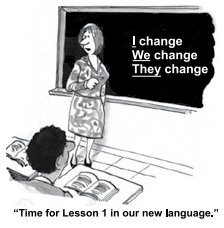
Leia o cartum para responder à questão.

(https://au.pinterest.com)
Cantaloupes – a variety of melon
Leia o cartum para responder à questão.
(https://au.pinterest.com)
Cantaloupes – a variety of melon
(Eric J. Hobsbawm, Era dos extremos: o breve século XX: 1914-1991, 1995)
As afirmações e reflexões do historiador baseiam-se nas considerações

 Conheça nossos planos