Questões de Concurso
Comentadas para analista de tecnologia da informação
Foram encontradas 16.704 questões
Resolva questões gratuitamente!
Junte-se a mais de 4 milhões de concurseiros!


Ano: 2024
Banca:
EPL Concursos
Órgão:
FHSTE - RS
Provas:
EPL - 2024 - FHSTE - RS - Contador
|
EPL - 2024 - FHSTE - RS - Analista de Tecnologia da Informação |
EPL - 2024 - FHSTE - RS - Psicólogo |
EPL - 2024 - FHSTE - RS - Nutricionista |
EPL - 2024 - FHSTE - RS - Fonoaudiólogo |
EPL - 2024 - FHSTE - RS - Fisioterapeuta Intensivista |
EPL - 2024 - FHSTE - RS - Farmacêutico |
EPL - 2024 - FHSTE - RS - Engenheiro de Segurança do Trabalho |
EPL - 2024 - FHSTE - RS - Assistente Social |
EPL - 2024 - FHSTE - RS - Enfermeiro do Trabalho |
EPL - 2024 - FHSTE - RS - Enfermeiro |
EPL - 2024 - FHSTE - RS - Farmacêutico Bioquímico |
EPL - 2024 - FHSTE - RS - Fisioterapeuta |
Q2510137
Noções de Informática
De qual componente o sistema operacional irá
utilizar para garantir o armazenamento de dados
quando do uso da “memória virtual”:
Ano: 2024
Banca:
EPL Concursos
Órgão:
FHSTE - RS
Provas:
EPL - 2024 - FHSTE - RS - Contador
|
EPL - 2024 - FHSTE - RS - Analista de Tecnologia da Informação |
EPL - 2024 - FHSTE - RS - Psicólogo |
EPL - 2024 - FHSTE - RS - Nutricionista |
EPL - 2024 - FHSTE - RS - Fonoaudiólogo |
EPL - 2024 - FHSTE - RS - Fisioterapeuta Intensivista |
EPL - 2024 - FHSTE - RS - Farmacêutico |
EPL - 2024 - FHSTE - RS - Engenheiro de Segurança do Trabalho |
EPL - 2024 - FHSTE - RS - Assistente Social |
EPL - 2024 - FHSTE - RS - Enfermeiro do Trabalho |
EPL - 2024 - FHSTE - RS - Enfermeiro |
EPL - 2024 - FHSTE - RS - Farmacêutico Bioquímico |
EPL - 2024 - FHSTE - RS - Fisioterapeuta |
Q2510136
Noções de Informática
Considere as assertivas abaixo sobre
dispositivos de hardware de entrada e saída:
I. Uma impressora matricial é somente um dispositivo de saída, já uma impressora multifuncional é um dispositivo de entrada e saída de dados.
II. Um mouse óptico é um hardware de saída de dados.
III. Um Pen drive é um dispositivo de entrada e saída de dados.
De acordo com as assertivas acima, responda a alternativa correta:
I. Uma impressora matricial é somente um dispositivo de saída, já uma impressora multifuncional é um dispositivo de entrada e saída de dados.
II. Um mouse óptico é um hardware de saída de dados.
III. Um Pen drive é um dispositivo de entrada e saída de dados.
De acordo com as assertivas acima, responda a alternativa correta:
Ano: 2024
Banca:
EPL Concursos
Órgão:
FHSTE - RS
Provas:
EPL - 2024 - FHSTE - RS - Contador
|
EPL - 2024 - FHSTE - RS - Analista de Tecnologia da Informação |
EPL - 2024 - FHSTE - RS - Psicólogo |
EPL - 2024 - FHSTE - RS - Nutricionista |
EPL - 2024 - FHSTE - RS - Fonoaudiólogo |
EPL - 2024 - FHSTE - RS - Fisioterapeuta Intensivista |
EPL - 2024 - FHSTE - RS - Farmacêutico |
EPL - 2024 - FHSTE - RS - Engenheiro de Segurança do Trabalho |
EPL - 2024 - FHSTE - RS - Assistente Social |
EPL - 2024 - FHSTE - RS - Enfermeiro do Trabalho |
EPL - 2024 - FHSTE - RS - Enfermeiro |
EPL - 2024 - FHSTE - RS - Farmacêutico Bioquímico |
EPL - 2024 - FHSTE - RS - Fisioterapeuta |
Q2510135
Matemática
O determinante da matriz 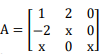 é
negativo quando x está no intervalo
{x ∈ ℝ: m < x < n}. Nessa situação, qual o valor de
n − m?
é
negativo quando x está no intervalo
{x ∈ ℝ: m < x < n}. Nessa situação, qual o valor de
n − m?
é
negativo quando x está no intervalo
{x ∈ ℝ: m < x < n}. Nessa situação, qual o valor de
n − m?
Ano: 2024
Banca:
EPL Concursos
Órgão:
FHSTE - RS
Provas:
EPL - 2024 - FHSTE - RS - Contador
|
EPL - 2024 - FHSTE - RS - Analista de Tecnologia da Informação |
EPL - 2024 - FHSTE - RS - Psicólogo |
EPL - 2024 - FHSTE - RS - Nutricionista |
EPL - 2024 - FHSTE - RS - Fonoaudiólogo |
EPL - 2024 - FHSTE - RS - Fisioterapeuta Intensivista |
EPL - 2024 - FHSTE - RS - Farmacêutico |
EPL - 2024 - FHSTE - RS - Engenheiro de Segurança do Trabalho |
EPL - 2024 - FHSTE - RS - Assistente Social |
EPL - 2024 - FHSTE - RS - Enfermeiro do Trabalho |
EPL - 2024 - FHSTE - RS - Enfermeiro |
EPL - 2024 - FHSTE - RS - Farmacêutico Bioquímico |
EPL - 2024 - FHSTE - RS - Fisioterapeuta |
Q2510128
Português
Na oração: João faria tudo que lhe pedissem
para salvar seu paciente. Sobre o verbo em
destaque é correto considerar
Ano: 2024
Banca:
EPL Concursos
Órgão:
FHSTE - RS
Provas:
EPL - 2024 - FHSTE - RS - Contador
|
EPL - 2024 - FHSTE - RS - Analista de Tecnologia da Informação |
EPL - 2024 - FHSTE - RS - Psicólogo |
EPL - 2024 - FHSTE - RS - Nutricionista |
EPL - 2024 - FHSTE - RS - Fonoaudiólogo |
EPL - 2024 - FHSTE - RS - Fisioterapeuta Intensivista |
EPL - 2024 - FHSTE - RS - Farmacêutico |
EPL - 2024 - FHSTE - RS - Engenheiro de Segurança do Trabalho |
EPL - 2024 - FHSTE - RS - Assistente Social |
EPL - 2024 - FHSTE - RS - Enfermeiro do Trabalho |
EPL - 2024 - FHSTE - RS - Enfermeiro |
EPL - 2024 - FHSTE - RS - Farmacêutico Bioquímico |
EPL - 2024 - FHSTE - RS - Fisioterapeuta |
Q2510127
Português
Leia os enunciados abaixo e assinale a
alternativa em que a colocação pronominal atende à
norma padrão culta
Ano: 2024
Banca:
EPL Concursos
Órgão:
FHSTE - RS
Provas:
EPL - 2024 - FHSTE - RS - Contador
|
EPL - 2024 - FHSTE - RS - Analista de Tecnologia da Informação |
EPL - 2024 - FHSTE - RS - Psicólogo |
EPL - 2024 - FHSTE - RS - Nutricionista |
EPL - 2024 - FHSTE - RS - Fonoaudiólogo |
EPL - 2024 - FHSTE - RS - Fisioterapeuta Intensivista |
EPL - 2024 - FHSTE - RS - Farmacêutico |
EPL - 2024 - FHSTE - RS - Engenheiro de Segurança do Trabalho |
EPL - 2024 - FHSTE - RS - Assistente Social |
EPL - 2024 - FHSTE - RS - Enfermeiro do Trabalho |
EPL - 2024 - FHSTE - RS - Enfermeiro |
EPL - 2024 - FHSTE - RS - Farmacêutico Bioquímico |
EPL - 2024 - FHSTE - RS - Fisioterapeuta |
Q2510126
Português
Leia os enunciados abaixo e assinale a
alternativa em que a regência verbal ou nominal
atende à norma padrão culta
Ano: 2024
Banca:
EPL Concursos
Órgão:
FHSTE - RS
Provas:
EPL - 2024 - FHSTE - RS - Contador
|
EPL - 2024 - FHSTE - RS - Analista de Tecnologia da Informação |
EPL - 2024 - FHSTE - RS - Psicólogo |
EPL - 2024 - FHSTE - RS - Nutricionista |
EPL - 2024 - FHSTE - RS - Fonoaudiólogo |
EPL - 2024 - FHSTE - RS - Fisioterapeuta Intensivista |
EPL - 2024 - FHSTE - RS - Farmacêutico |
EPL - 2024 - FHSTE - RS - Engenheiro de Segurança do Trabalho |
EPL - 2024 - FHSTE - RS - Assistente Social |
EPL - 2024 - FHSTE - RS - Enfermeiro do Trabalho |
EPL - 2024 - FHSTE - RS - Enfermeiro |
EPL - 2024 - FHSTE - RS - Farmacêutico Bioquímico |
EPL - 2024 - FHSTE - RS - Fisioterapeuta |
Q2510125
Português
Leia os enunciados abaixo e assinale aquele no
qual a concordância verbal ou nominal atende à
norma padrão culta
Ano: 2024
Banca:
EPL Concursos
Órgão:
FHSTE - RS
Provas:
EPL - 2024 - FHSTE - RS - Contador
|
EPL - 2024 - FHSTE - RS - Analista de Tecnologia da Informação |
EPL - 2024 - FHSTE - RS - Psicólogo |
EPL - 2024 - FHSTE - RS - Nutricionista |
EPL - 2024 - FHSTE - RS - Fonoaudiólogo |
EPL - 2024 - FHSTE - RS - Fisioterapeuta Intensivista |
EPL - 2024 - FHSTE - RS - Farmacêutico |
EPL - 2024 - FHSTE - RS - Engenheiro de Segurança do Trabalho |
EPL - 2024 - FHSTE - RS - Assistente Social |
EPL - 2024 - FHSTE - RS - Enfermeiro do Trabalho |
EPL - 2024 - FHSTE - RS - Enfermeiro |
EPL - 2024 - FHSTE - RS - Farmacêutico Bioquímico |
EPL - 2024 - FHSTE - RS - Fisioterapeuta |
Q2510124
Português
Texto associado
Uso excessivo de redes sociais pode levar a
uma realidade ficcional
Kayña de Oliveira
O Instagram é uma das maiores plataformas de
mídias sociais do mundo. Os jovens são os que mais
utilizam. Segundo dados da Pew Research Center,
64% das pessoas entre 18 e 29 anos possuem um
perfil na rede. São mais de 1 bilhão de usuários
ativos por mês. Apesar da popularidade, o Instagram
foi eleito a rede social mais tóxica para a saúde
mental de seus usuários. É o que diz o estudo
realizado em 2017 pela entidade de saúde pública
do Reino Unido. Entre os principais problemas
relatados no estudo pelos usuários estão ansiedade,
depressão, solidão, baixa qualidade de sono,
autoestima e dificuldade de relacionamento fora das
redes.
A professora Henriette Tognetti Penha Morato, do
Departamento de Psicologia da Aprendizagem da
USP, informa que o uso intenso das redes sociais
suga os usuários e leva a uma elaboração ficcional
da realidade. Nas redes, as pessoas buscam alterar
virtualmente o que não consideram satisfatório na
vida real: “Cada um tenta dizer as coisas da maneira
como vê e às vezes provoca para ver como é que
vão reagir. É uma distorção criada para modificar a
própria realidade com a qual não se está satisfeito
ou criada para provocar alguma coisa”. Conforme
Henriette, para manter a saúde mental, é importante
não se restringir ao mundo on-line e observar as
possibilidades que existem na vida real.
O psiquiatra Cristiano Nabuco, coordenador do
grupo de Dependências Tecnológicas do Instituto de
Psiquiatria do Hospital das Clínicas da USP, informa
que, quanto mais se busca a perfeição nas redes
sociais e se negligencia a vida real, mais infeliz o
usuário pode se sentir. “85% de todas as fotografias
que são postadas são editadas. Isso é um problema,
porque se desenvolve uma autoestima virtual e não
pessoal, e quanto mais o indivíduo busca se
equiparar a essa vida paralela, mais infeliz ele vai se
sentir na vida real.”
Disponível em: https://jornal.usp.br/atualidades/uso-excessivo-das-redes- sociais-pode-levar-a-uma-elaboracao-ficcional-da-realidade/. Acesso 10 set.
2023. Com alterações.
No trecho: “O Instagram é uma das maiores
plataformas de mídias sociais do mundo”, é correto
considerar a existência de
Ano: 2024
Banca:
EPL Concursos
Órgão:
FHSTE - RS
Provas:
EPL - 2024 - FHSTE - RS - Contador
|
EPL - 2024 - FHSTE - RS - Analista de Tecnologia da Informação |
EPL - 2024 - FHSTE - RS - Psicólogo |
EPL - 2024 - FHSTE - RS - Nutricionista |
EPL - 2024 - FHSTE - RS - Fonoaudiólogo |
EPL - 2024 - FHSTE - RS - Fisioterapeuta Intensivista |
EPL - 2024 - FHSTE - RS - Farmacêutico |
EPL - 2024 - FHSTE - RS - Engenheiro de Segurança do Trabalho |
EPL - 2024 - FHSTE - RS - Assistente Social |
EPL - 2024 - FHSTE - RS - Enfermeiro do Trabalho |
EPL - 2024 - FHSTE - RS - Enfermeiro |
EPL - 2024 - FHSTE - RS - Farmacêutico Bioquímico |
EPL - 2024 - FHSTE - RS - Fisioterapeuta |
Q2510123
Português
Texto associado
Uso excessivo de redes sociais pode levar a
uma realidade ficcional
Kayña de Oliveira
O Instagram é uma das maiores plataformas de
mídias sociais do mundo. Os jovens são os que mais
utilizam. Segundo dados da Pew Research Center,
64% das pessoas entre 18 e 29 anos possuem um
perfil na rede. São mais de 1 bilhão de usuários
ativos por mês. Apesar da popularidade, o Instagram
foi eleito a rede social mais tóxica para a saúde
mental de seus usuários. É o que diz o estudo
realizado em 2017 pela entidade de saúde pública
do Reino Unido. Entre os principais problemas
relatados no estudo pelos usuários estão ansiedade,
depressão, solidão, baixa qualidade de sono,
autoestima e dificuldade de relacionamento fora das
redes.
A professora Henriette Tognetti Penha Morato, do
Departamento de Psicologia da Aprendizagem da
USP, informa que o uso intenso das redes sociais
suga os usuários e leva a uma elaboração ficcional
da realidade. Nas redes, as pessoas buscam alterar
virtualmente o que não consideram satisfatório na
vida real: “Cada um tenta dizer as coisas da maneira
como vê e às vezes provoca para ver como é que
vão reagir. É uma distorção criada para modificar a
própria realidade com a qual não se está satisfeito
ou criada para provocar alguma coisa”. Conforme
Henriette, para manter a saúde mental, é importante
não se restringir ao mundo on-line e observar as
possibilidades que existem na vida real.
O psiquiatra Cristiano Nabuco, coordenador do
grupo de Dependências Tecnológicas do Instituto de
Psiquiatria do Hospital das Clínicas da USP, informa
que, quanto mais se busca a perfeição nas redes
sociais e se negligencia a vida real, mais infeliz o
usuário pode se sentir. “85% de todas as fotografias
que são postadas são editadas. Isso é um problema,
porque se desenvolve uma autoestima virtual e não
pessoal, e quanto mais o indivíduo busca se
equiparar a essa vida paralela, mais infeliz ele vai se
sentir na vida real.”
Disponível em: https://jornal.usp.br/atualidades/uso-excessivo-das-redes- sociais-pode-levar-a-uma-elaboracao-ficcional-da-realidade/. Acesso 10 set.
2023. Com alterações.
No trecho: “A professora Henriette Tognetti
Penha Morato, do Departamento de Psicologia da
Aprendizagem da USP, informa que o uso intenso
das redes sociais suga os usuários e leva a uma
elaboração ficcional da realidade” as vírgulas se
justificam em função de
Ano: 2024
Banca:
EPL Concursos
Órgão:
FHSTE - RS
Provas:
EPL - 2024 - FHSTE - RS - Contador
|
EPL - 2024 - FHSTE - RS - Analista de Tecnologia da Informação |
EPL - 2024 - FHSTE - RS - Psicólogo |
EPL - 2024 - FHSTE - RS - Nutricionista |
EPL - 2024 - FHSTE - RS - Fonoaudiólogo |
EPL - 2024 - FHSTE - RS - Fisioterapeuta Intensivista |
EPL - 2024 - FHSTE - RS - Farmacêutico |
EPL - 2024 - FHSTE - RS - Engenheiro de Segurança do Trabalho |
EPL - 2024 - FHSTE - RS - Assistente Social |
EPL - 2024 - FHSTE - RS - Enfermeiro do Trabalho |
EPL - 2024 - FHSTE - RS - Enfermeiro |
EPL - 2024 - FHSTE - RS - Farmacêutico Bioquímico |
EPL - 2024 - FHSTE - RS - Fisioterapeuta |
Q2510122
Português
Texto associado
Uso excessivo de redes sociais pode levar a
uma realidade ficcional
Kayña de Oliveira
O Instagram é uma das maiores plataformas de
mídias sociais do mundo. Os jovens são os que mais
utilizam. Segundo dados da Pew Research Center,
64% das pessoas entre 18 e 29 anos possuem um
perfil na rede. São mais de 1 bilhão de usuários
ativos por mês. Apesar da popularidade, o Instagram
foi eleito a rede social mais tóxica para a saúde
mental de seus usuários. É o que diz o estudo
realizado em 2017 pela entidade de saúde pública
do Reino Unido. Entre os principais problemas
relatados no estudo pelos usuários estão ansiedade,
depressão, solidão, baixa qualidade de sono,
autoestima e dificuldade de relacionamento fora das
redes.
A professora Henriette Tognetti Penha Morato, do
Departamento de Psicologia da Aprendizagem da
USP, informa que o uso intenso das redes sociais
suga os usuários e leva a uma elaboração ficcional
da realidade. Nas redes, as pessoas buscam alterar
virtualmente o que não consideram satisfatório na
vida real: “Cada um tenta dizer as coisas da maneira
como vê e às vezes provoca para ver como é que
vão reagir. É uma distorção criada para modificar a
própria realidade com a qual não se está satisfeito
ou criada para provocar alguma coisa”. Conforme
Henriette, para manter a saúde mental, é importante
não se restringir ao mundo on-line e observar as
possibilidades que existem na vida real.
O psiquiatra Cristiano Nabuco, coordenador do
grupo de Dependências Tecnológicas do Instituto de
Psiquiatria do Hospital das Clínicas da USP, informa
que, quanto mais se busca a perfeição nas redes
sociais e se negligencia a vida real, mais infeliz o
usuário pode se sentir. “85% de todas as fotografias
que são postadas são editadas. Isso é um problema,
porque se desenvolve uma autoestima virtual e não
pessoal, e quanto mais o indivíduo busca se
equiparar a essa vida paralela, mais infeliz ele vai se
sentir na vida real.”
Disponível em: https://jornal.usp.br/atualidades/uso-excessivo-das-redes- sociais-pode-levar-a-uma-elaboracao-ficcional-da-realidade/. Acesso 10 set.
2023. Com alterações.
Com base na leitura do texto, assinale a
alternativa na qual a palavra foi substituída por um
sinônimo adequado ao contexto
Ano: 2024
Banca:
EPL Concursos
Órgão:
FHSTE - RS
Provas:
EPL - 2024 - FHSTE - RS - Contador
|
EPL - 2024 - FHSTE - RS - Analista de Tecnologia da Informação |
EPL - 2024 - FHSTE - RS - Psicólogo |
EPL - 2024 - FHSTE - RS - Nutricionista |
EPL - 2024 - FHSTE - RS - Fonoaudiólogo |
EPL - 2024 - FHSTE - RS - Fisioterapeuta Intensivista |
EPL - 2024 - FHSTE - RS - Farmacêutico |
EPL - 2024 - FHSTE - RS - Engenheiro de Segurança do Trabalho |
EPL - 2024 - FHSTE - RS - Assistente Social |
EPL - 2024 - FHSTE - RS - Enfermeiro do Trabalho |
EPL - 2024 - FHSTE - RS - Enfermeiro |
EPL - 2024 - FHSTE - RS - Farmacêutico Bioquímico |
EPL - 2024 - FHSTE - RS - Fisioterapeuta |
Q2510121
Português
Texto associado
Uso excessivo de redes sociais pode levar a
uma realidade ficcional
Kayña de Oliveira
O Instagram é uma das maiores plataformas de
mídias sociais do mundo. Os jovens são os que mais
utilizam. Segundo dados da Pew Research Center,
64% das pessoas entre 18 e 29 anos possuem um
perfil na rede. São mais de 1 bilhão de usuários
ativos por mês. Apesar da popularidade, o Instagram
foi eleito a rede social mais tóxica para a saúde
mental de seus usuários. É o que diz o estudo
realizado em 2017 pela entidade de saúde pública
do Reino Unido. Entre os principais problemas
relatados no estudo pelos usuários estão ansiedade,
depressão, solidão, baixa qualidade de sono,
autoestima e dificuldade de relacionamento fora das
redes.
A professora Henriette Tognetti Penha Morato, do
Departamento de Psicologia da Aprendizagem da
USP, informa que o uso intenso das redes sociais
suga os usuários e leva a uma elaboração ficcional
da realidade. Nas redes, as pessoas buscam alterar
virtualmente o que não consideram satisfatório na
vida real: “Cada um tenta dizer as coisas da maneira
como vê e às vezes provoca para ver como é que
vão reagir. É uma distorção criada para modificar a
própria realidade com a qual não se está satisfeito
ou criada para provocar alguma coisa”. Conforme
Henriette, para manter a saúde mental, é importante
não se restringir ao mundo on-line e observar as
possibilidades que existem na vida real.
O psiquiatra Cristiano Nabuco, coordenador do
grupo de Dependências Tecnológicas do Instituto de
Psiquiatria do Hospital das Clínicas da USP, informa
que, quanto mais se busca a perfeição nas redes
sociais e se negligencia a vida real, mais infeliz o
usuário pode se sentir. “85% de todas as fotografias
que são postadas são editadas. Isso é um problema,
porque se desenvolve uma autoestima virtual e não
pessoal, e quanto mais o indivíduo busca se
equiparar a essa vida paralela, mais infeliz ele vai se
sentir na vida real.”
Disponível em: https://jornal.usp.br/atualidades/uso-excessivo-das-redes- sociais-pode-levar-a-uma-elaboracao-ficcional-da-realidade/. Acesso 10 set.
2023. Com alterações.
A partir da leitura do texto, é possível considerar
que sua construção é baseada principalmente, na
tipologia
Ano: 2024
Banca:
EPL Concursos
Órgão:
FHSTE - RS
Provas:
EPL - 2024 - FHSTE - RS - Contador
|
EPL - 2024 - FHSTE - RS - Analista de Tecnologia da Informação |
EPL - 2024 - FHSTE - RS - Psicólogo |
EPL - 2024 - FHSTE - RS - Nutricionista |
EPL - 2024 - FHSTE - RS - Fonoaudiólogo |
EPL - 2024 - FHSTE - RS - Fisioterapeuta Intensivista |
EPL - 2024 - FHSTE - RS - Farmacêutico |
EPL - 2024 - FHSTE - RS - Engenheiro de Segurança do Trabalho |
EPL - 2024 - FHSTE - RS - Assistente Social |
EPL - 2024 - FHSTE - RS - Enfermeiro do Trabalho |
EPL - 2024 - FHSTE - RS - Enfermeiro |
EPL - 2024 - FHSTE - RS - Farmacêutico Bioquímico |
EPL - 2024 - FHSTE - RS - Fisioterapeuta |
Q2510120
Português
Texto associado
Uso excessivo de redes sociais pode levar a
uma realidade ficcional
Kayña de Oliveira
O Instagram é uma das maiores plataformas de
mídias sociais do mundo. Os jovens são os que mais
utilizam. Segundo dados da Pew Research Center,
64% das pessoas entre 18 e 29 anos possuem um
perfil na rede. São mais de 1 bilhão de usuários
ativos por mês. Apesar da popularidade, o Instagram
foi eleito a rede social mais tóxica para a saúde
mental de seus usuários. É o que diz o estudo
realizado em 2017 pela entidade de saúde pública
do Reino Unido. Entre os principais problemas
relatados no estudo pelos usuários estão ansiedade,
depressão, solidão, baixa qualidade de sono,
autoestima e dificuldade de relacionamento fora das
redes.
A professora Henriette Tognetti Penha Morato, do
Departamento de Psicologia da Aprendizagem da
USP, informa que o uso intenso das redes sociais
suga os usuários e leva a uma elaboração ficcional
da realidade. Nas redes, as pessoas buscam alterar
virtualmente o que não consideram satisfatório na
vida real: “Cada um tenta dizer as coisas da maneira
como vê e às vezes provoca para ver como é que
vão reagir. É uma distorção criada para modificar a
própria realidade com a qual não se está satisfeito
ou criada para provocar alguma coisa”. Conforme
Henriette, para manter a saúde mental, é importante
não se restringir ao mundo on-line e observar as
possibilidades que existem na vida real.
O psiquiatra Cristiano Nabuco, coordenador do
grupo de Dependências Tecnológicas do Instituto de
Psiquiatria do Hospital das Clínicas da USP, informa
que, quanto mais se busca a perfeição nas redes
sociais e se negligencia a vida real, mais infeliz o
usuário pode se sentir. “85% de todas as fotografias
que são postadas são editadas. Isso é um problema,
porque se desenvolve uma autoestima virtual e não
pessoal, e quanto mais o indivíduo busca se
equiparar a essa vida paralela, mais infeliz ele vai se
sentir na vida real.”
Disponível em: https://jornal.usp.br/atualidades/uso-excessivo-das-redes- sociais-pode-levar-a-uma-elaboracao-ficcional-da-realidade/. Acesso 10 set.
2023. Com alterações.
Com base na leitura do texto, é correto
considerar que
Ano: 2024
Banca:
Instituto Access
Órgão:
UFAPE
Prova:
Instituto Access - 2024 - UFAPE - Analista de TI - Área: Análise de Sistemas, Governança, Rede e Suporte |
Q2499325
Redes de Computadores
Os Sistemas de Detecção de Intrusão (IDS) e os Sistemas de
Prevenção de Intrusão (IPS) são componentes essenciais da
segurança da rede que visam proteger contra atividades maliciosas
e intrusões não autorizadas. O tipo de IDS capaz de capturar e
analisar os cabeçalhos e conteúdos dos pacotes é conhecido como
Ano: 2024
Banca:
Instituto Access
Órgão:
UFAPE
Prova:
Instituto Access - 2024 - UFAPE - Analista de TI - Área: Análise de Sistemas, Governança, Rede e Suporte |
Q2499324
Redes de Computadores
Analise as afirmativas a seguir sobre o FTP (File Transfer Protocol):
I. O protocolo FTP é um protocolo utilizado principalmente para a transferência de arquivos de um sistema remoto para uma máquina local. II. Por padrão, um programa FTP utiliza os protocolos e portas tcp/20 e tcp/21. III. O protocolo FTP (File Transfer Protocol) foi desenvolvido com o objetivo de apagar periodicamente as mensagens da caixa de correio eletrônico.
É coreto o que se afirma em
I. O protocolo FTP é um protocolo utilizado principalmente para a transferência de arquivos de um sistema remoto para uma máquina local. II. Por padrão, um programa FTP utiliza os protocolos e portas tcp/20 e tcp/21. III. O protocolo FTP (File Transfer Protocol) foi desenvolvido com o objetivo de apagar periodicamente as mensagens da caixa de correio eletrônico.
É coreto o que se afirma em
Ano: 2024
Banca:
Instituto Access
Órgão:
UFAPE
Prova:
Instituto Access - 2024 - UFAPE - Analista de TI - Área: Análise de Sistemas, Governança, Rede e Suporte |
Q2499323
Redes de Computadores
O Protocolo SNMP (Simple Network Management Protocol) é um
protocolo de gerenciamento de rede amplamente utilizado para
monitorar e gerenciar dispositivos de rede. Nesse contexto, a MIB
(Management Information Base) é o conjunto dos objetos
gerenciados, que procura abranger todas as informações
necessárias para a gerência da rede. Na MIB II, o grupo que possui
informações relacionadas à implementação e execução de
protocolos de enlace é o
Ano: 2024
Banca:
Instituto Access
Órgão:
UFAPE
Prova:
Instituto Access - 2024 - UFAPE - Analista de TI - Área: Análise de Sistemas, Governança, Rede e Suporte |
Q2499322
Redes de Computadores
Um proxy é um servidor intermediário que atua como um
intermediário entre os usuários e os servidores de destino na
internet. Ele recebe solicitações dos clientes (como navegadores da
web) e encaminha essas solicitações para os servidores de destino.
Sobre o proxy, analise as afirmativas a seguir:
I. Um proxy reverso é um servidor proxy que opera do lado do cliente, em vez do lado do servidor. II. O proxy reverso pode ocultar os endereços IP dos servidores backend, o que pode dificultar o ataque a eles. III. O proxy cache melhora os tempos de resposta e economiza largura de banda.
É correto o que se afirma em
I. Um proxy reverso é um servidor proxy que opera do lado do cliente, em vez do lado do servidor. II. O proxy reverso pode ocultar os endereços IP dos servidores backend, o que pode dificultar o ataque a eles. III. O proxy cache melhora os tempos de resposta e economiza largura de banda.
É correto o que se afirma em
Ano: 2024
Banca:
Instituto Access
Órgão:
UFAPE
Prova:
Instituto Access - 2024 - UFAPE - Analista de TI - Área: Análise de Sistemas, Governança, Rede e Suporte |
Q2499321
Redes de Computadores
DNS (Domain Name System) é um sistema fundamental na internet
que traduz nomes de domínio legíveis por humanos em endereços
IP numéricos, permitindo que os usuários acessem recursos na rede
usando nomes de domínio familiares em vez de endereços IP
complexos. O nome de domínio que especifica a localização exata na
hierarquia do DNS é conhecido como
Ano: 2024
Banca:
Instituto Access
Órgão:
UFAPE
Prova:
Instituto Access - 2024 - UFAPE - Analista de TI - Área: Análise de Sistemas, Governança, Rede e Suporte |
Q2499320
Redes de Computadores
Redes sem fio (wireless) têm se tornado cada vez mais essenciais na
interconexão de dispositivos em ambientes modernos. Os
elementos de interconexão desempenham um papel crucial na
construção e no gerenciamento dessas redes. Nesse aspecto, o
elemento que atua na interconexão em redes sem fio,
encaminhando pacotes de dados entre redes diferentes e
determinando o melhor caminho para a transmissão de dados é o
Ano: 2024
Banca:
Instituto Access
Órgão:
UFAPE
Prova:
Instituto Access - 2024 - UFAPE - Analista de TI - Área: Análise de Sistemas, Governança, Rede e Suporte |
Q2499319
Redes de Computadores
As fibras ópticas são filamentos finos e flexíveis feitos de vidro ou
plástico transparente. A transmissão de dados por fibras ópticas é
baseada no princípio de reflexão interna total, onde a luz que viaja
pelo núcleo da fibra é refletida nas paredes internas da fibra,
permitindo que os sinais ópticos sejam transmitidos sem perda
significativa de intensidade ao longo da fibra. Sobre as diferenças
entre fibras monomodo e multimodo, é incorreto afirmar que
Ano: 2024
Banca:
Instituto Access
Órgão:
UFAPE
Prova:
Instituto Access - 2024 - UFAPE - Analista de TI - Área: Análise de Sistemas, Governança, Rede e Suporte |
Q2499318
Redes de Computadores
As tecnologias de redes locais Ethernet, Fast Ethernet e Gigabit
Ethernet são padrões de comunicação de rede que definem
velocidades de transmissão de dados e outras características para
redes locais (LANs).
A esse respeito, assinale a alternativa correta.

 Conheça nossos planos