Questões de Concurso Sobre inglês
Foram encontradas 25.999 questões


Vẽnh jyvãn
Ũri, inh kósin. Ũri ija ã mỹ, ã mỹ vãmén mỹ, hamã, inh kósin. Ũri, ẽg tỹ jagmré mỹsinsér kãn hamã, ã tỹ, ã kakrã ti krã, ti kósin fi tỹ vãsusa tag to, inh kósin, hamã.
Ũri ã tỹ, kósin fi tỹ ũri, ã mỹnh fi riken kỹ fi tỹ nĩj mũ gé. Ũri ã tỹ, ũ tỹ ã mỹ nén ũ han ge mũ fi vỹ tỹ ũri inh kósin fi nĩ ha, inh kósin. Ũri ã tỹ tỹ fi kafã nĩ, ã!
Ũri ã tỹ tỹ fi panh rike nĩ gé. Ke mũn kã ã tỹ ũri, fi jã’ỹn há han nĩ. Ã kakrã mỹ fi jã’ỹn há han nĩ. Ã má fi mỹ fi kósin fi jã’ỹn há han nĩ. Kỹ tỹ inh mỹ há tĩj. Inh kósin ne isỹ ti mỹ vĩ jãmã ja nĩ, ke jé isóg. (Adaptado de Nascimento, 2010).
Texto tipo tỹ ne nẽ tag ti?
"Of all the students in the class, Robert is __________."
Yesterday at work, I ___ (send) an important email to my manager, ___ (speak) with two clients on the phone, ___ (find) a mistake in the report, ___ (make) the necessary corrections, and ___ (tell) my team about the changes.
Choose the correct form:
Mount Everest is the ___ mountain in the world.
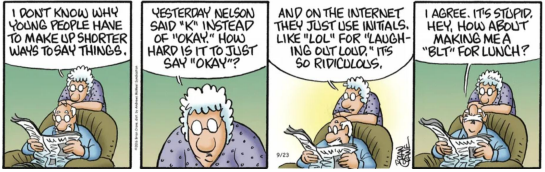
Available at: https://www.gocomics.com/pickles/2025/09/23
In online communication, the abbreviation "BTW" is commonly used. What does it stand for?
Identify the subject in the following sentence:
"The tall boy with a red backpack is running fast."
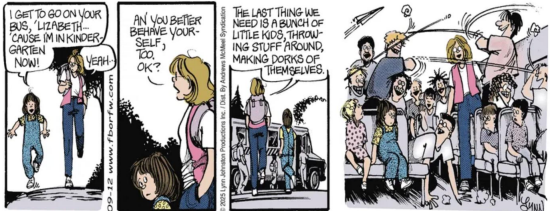
Available at: http://gocomics.com/forbetterorforworse/2025/09/12
The little girl is excited because she gets to ride the school bus for the first time. Her older sister warns her to behave, but once they are on the bus, the situation is chaotic.
In the comic, the word “dorks” refers to:
“During our trip, we read the ______ (good) novel of the author, faced the ______ (bad) storm of the season, and reached the ______ (far) village from the city.”
Read the sentence:
“Our new apartment is not as noisy as our old one.”
Which interpretation is correct?
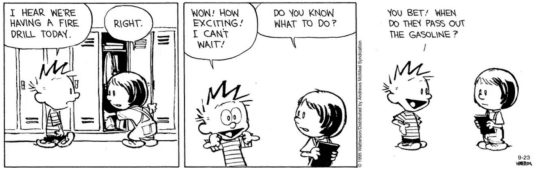
Available at: https://www.gocomics.com/calvinandhobbes/2025/09/23
In the comic strip, Calvin misunderstands the meaning of "fire drill." What is the humorous effect of his interpretation?
Considering this shift, what policy change is most crucial for developing communicative competence within the framework of higher education internationalization?

 Conheça nossos planos