Questões de Concurso
Sobre ensino da língua estrangeira inglesa em inglês
Foram encontradas 2.182 questões


Talking to my wife: “When will this renovation end? We are spending a lot of money on it.
Last month we ________ around U$15,000.’’
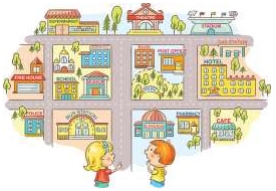
“The church is _________ the school.”
(1) Oralidade. (2) Leitura. (3) Escrita.
(_) Aborda práticas de linguagem decorrentes da interação do leitor com o texto escrito, especialmente sob o foco da construção de significados, com base na compreensão e interpretação dos gêneros escritos em língua inglesa, que circulam nos diversos campos e esferas da sociedade.
(_) Por um lado, enfatiza sua natureza processual e colaborativa e por outro é também concebida como prática social e reitera sua finalidade condizente com essa prática, oportunizando aos alunos agir com protagonismo.
(_) Envolve as práticas de linguagem em situações de uso oral da língua inglesa, com foco na compreensão (ou escuta) e na produção oral (ou fala), articuladas pela negociação na construção de significados partilhados pelos interlocutores e/ou participantes envolvidos, com ou sem contato face a face.
Silent letters in English
The English language is full of words whose written form can , in English we rarely The English language is full of words whose written form can be deceptive. Unlike a language like Spanish, in English we rarely sound out all the letters that we see.
The result is a series of words which are written in a way which seems very different from their sound. Lots of these strange ‘silent’ letters are due to the history of the English only has it absorbed plenty of vocabulary from invaders, like French, Latin and Norse, but the eventual standardization of sounds in the English language has meant that certain words, whilst keeping their older forms of spelling, have The result is a series of words which are written in a way which seems very different from their sound. Lots of these strange ‘silent’ letters are due to the history of the English language. Not only has it absorbed plenty of vocabulary from invaders, like French, Latin and Norse, but the eventual standardization of sounds in the English language has meant that certain words, whilst keeping their older forms of spelling, have had their sounds refined and softened. [...]
Disponível em: <https://englishlive.ef.com/blog/language-lab/silent-pronounce/>. Acesso em: 22 mar. 2020. (Adaptado).
Assinale a alternativa cujas letras sublinhadas são todas sem som.
I. Could you tell me what time the coffee shop opens?
II. Do you know if is Brenda coming to the party?
III. How many people have you traveled with?
Which sentences are correct?
I. The author thinks trends are just copies of styles used in the past.
II. Developers sharing their work brings benefits to themselves, the community, and the web users.
III. The web was not supposed to be a place for interaction, but web designers are changing that.
Which statements are correct?
JENKINS, Jennifer. English as a Lingua Franca: Attitude and Identity.
How does the curriculum need to be adjusted to accommodate English as a lingua franca, and what significant implications arise from this consideration?
I - TPR emphasizes the association of language with physical actions, using the imperative mood and a command-response technique.
II - TPR is often employed in language instruction for young children and beginners, aiming to create a stress-free and enjoyable learning environment.
III - TPR primarily focuses on developing advanced language skills, making it suitable for learners at higher proficiency levels.
IV - The TPR method discourages the use of repetition and reinforcement in language learning, as it relies solely on physical actions for understanding.
V - TPR was developed in the early 2000s as a response to the limitations of traditional language teaching methods.
The correct order is:
TEXT I
The teaching of the English language in contemporary settings is undergoing an unprecedented transformation. With globalization and the dissolution of geographical barriers, English as a Second Language (ESL) teaching has gained paramount importance. This growth is spurred not only by the desire to engage in international trade or diplomacy but also due to the pervasiveness of English in international media, arts, and technology.
In response, ESL teachers strive to create an inclusive and supportive learning environment that acknowledges the diverse backgrounds and needs of their students. The primary goal is to foster communicative competence, which goes beyond mere linguistic knowledge. It encompasses cultural understanding, pragmatic abilities, and the aptitude to navigate various social situations.
Modern technology plays a pivotal role in this. With digital tools, students can have a more immersive learning experience. Virtual reality, for instance, can transport students to Englishspeaking countries, offering real-world situational practice. Apps and online platforms provide interactive exercises, enhancing vocabulary, grammar, and pronunciation skills. These tools, however, are most effective when coupled with a human touch — the nuanced guidance, motivation, and support that only a dedicated teacher can provide.
TEXT I
The teaching of the English language in contemporary settings is undergoing an unprecedented transformation. With globalization and the dissolution of geographical barriers, English as a Second Language (ESL) teaching has gained paramount importance. This growth is spurred not only by the desire to engage in international trade or diplomacy but also due to the pervasiveness of English in international media, arts, and technology.
In response, ESL teachers strive to create an inclusive and supportive learning environment that acknowledges the diverse backgrounds and needs of their students. The primary goal is to foster communicative competence, which goes beyond mere linguistic knowledge. It encompasses cultural understanding, pragmatic abilities, and the aptitude to navigate various social situations.
Modern technology plays a pivotal role in this. With digital tools, students can have a more immersive learning experience. Virtual reality, for instance, can transport students to Englishspeaking countries, offering real-world situational practice. Apps and online platforms provide interactive exercises, enhancing vocabulary, grammar, and pronunciation skills. These tools, however, are most effective when coupled with a human touch — the nuanced guidance, motivation, and support that only a dedicated teacher can provide.
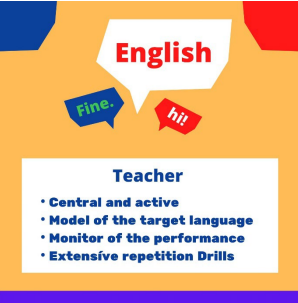
When teacher is central and active, a model of the target language and monitor of the performance with extensive repetition of drills the following language teaching methodology, is the:

 Conheça nossos planos