Questões de Vestibular Sobre inglês

Foram encontradas 6.316 questões

Ano: 2017 Banca: VUNESP Órgão: UNIFESP Prova: VUNESP - 2017 - UNIFESP - Vestibular |
Q944474 Inglês
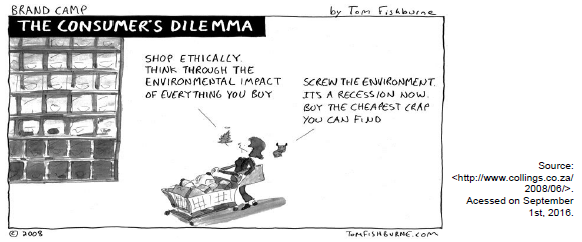
Leia os quadrinhos para respondera à questão.


A lacuna numerada no quarto quadrinho deve ser preenchida por
Alternativas
Ano: 2017 Banca: VUNESP Órgão: UNIFESP Prova: VUNESP - 2017 - UNIFESP - Vestibular |
Q944473 Inglês
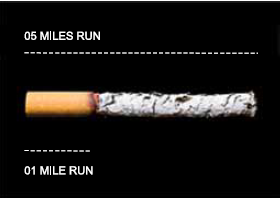
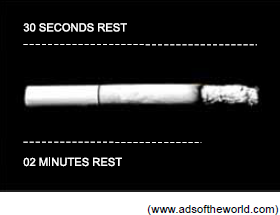
Leia os quadrinhos para respondera à questão.


Os quadrinhos têm como tema principal
Alternativas
Ano: 2017 Banca: UECE-CEV Órgão: UECE Prova: UECE-CEV - 2017 - UECE - Vestibular - Segundo Semestre |
Q938814 Inglês

                                              T E X T


      If all of the children who currently are sedentary started exercising every day, societies could save enormous amounts of money in the coming decades and have healthier citizens as a whole, according to a remarkable new study. In the United States alone, we could expect to save more than $120 billion every year in health care and associated expenses. The study is the first to use sophisticated computer simulations to arrive at a literal and sobering societal price tag for allowing our children to be sedentary.

      Inactivity is, of course, widespread among young people today. Recent research shows that in the United States and Europe, physical activity tends to peak at about age 7 for both boys and girls and tail off continually throughout adolescence. More than two-thirds of children in the United States rarely exercise at all.

      The immediate health consequences for inactive children and their families are worrisome. Childhood obesity, which is linked to lack of exercise, is common, as is the incidence of Type 2 diabetes and other health problems related to being overweight among children as young as 6.

      But the long-term financial costs of inactivity in the young, both for them and society as a whole, have never been quantified. So for the new study, which was published this week in Health Affairs, researchers with the Global Obesity Prevention Center at Johns Hopkins University in Baltimore and other institutions decided to create a bogglingly complex computer model of what the future could look like if we do or do not get more of our children moving.

      The researchers began by gathering as much public data as is currently available about the health, weight and physical activity patterns of all 31.7 million American children now aged 8 to 11, using large-scale databases from the Census Bureau, the Centers for Disease Control and Prevention, and other groups.

      The researchers fed this information into a computerized modeling program that created an electronic avatar for every American child today. In line with reality, two-thirds of these children were programmed to rarely exercise and many were overweight or obese.

      The scientists then had the simulated children grow up. Using estimations about how calorie intake and activity patterns affect body weight, the program changed each virtual child’s body day-by-day and year-by-year into adulthood. Most became increasingly overweight.

      As the simulated children became adults, the scientists then modeled each one’s health, based on obesity-associated risks for heart disease, diabetes, stroke and cancer, and also the probable financial price of dealing with those diseases (adjusted for future inflation), both in terms of direct expenses for hospitalizations, drugs and so on, and lost productivity because of someone’s being ill.

      The results were staggering. According to the computer model, the costs of today’s 8- to 11- year-olds being inactive and consequently overweight would be almost $3 trillion in medical expenses and lost productivity every year once the children reached adulthood and for decades until their deaths.

      But when the researchers tweaked children’s activity levels within their model, the numbers began to look quite different. If they presumed that, in an imaginary America, half of all children exercised vigorously for about 25 minutes three times a week, such as during active recess or sports or, more ambitiously, ran around and moved for at least an hour every day, which is the amount of youth exercise recommended by the C.D.C., their virtual lives were transformed.

      Most obviously, the incidence of childhood obesity fell by more than 4 percent, a change that resonated throughout the simulated children’s lives and society. There were about half a million fewer cases of adult-onset heart disease, diabetes, cancer and strokes in this simulation, and the society-wide costs associated with these illnesses dropped by about $32 billion every year if the children romped about for 25 minutes three times per week and by almost $37 billion if they moved for an hour every day.

      The impacts were even more substantial when the researchers assumed that 100 percent of the children who are now sedentary got regular exercise. In this scenario, the annual total costs during adulthood from obesity-associated medical expenses and lost productivity plummeted by about $62 billion when children were active three times a week and by more than $120 billion every year when all of the virtual children played and moved for at least an hour each day.

                                                     From: https://www.nytimes.com May 3, 2017

According to the findings of the research, another aspect related to the consequences of children’s sedentary lifestyle is the fact that when becoming adults they would also
Alternativas
Ano: 2017 Banca: UECE-CEV Órgão: UECE Prova: UECE-CEV - 2017 - UECE - Vestibular - Segundo Semestre |
Q938813 Inglês

                                              T E X T


      If all of the children who currently are sedentary started exercising every day, societies could save enormous amounts of money in the coming decades and have healthier citizens as a whole, according to a remarkable new study. In the United States alone, we could expect to save more than $120 billion every year in health care and associated expenses. The study is the first to use sophisticated computer simulations to arrive at a literal and sobering societal price tag for allowing our children to be sedentary.

      Inactivity is, of course, widespread among young people today. Recent research shows that in the United States and Europe, physical activity tends to peak at about age 7 for both boys and girls and tail off continually throughout adolescence. More than two-thirds of children in the United States rarely exercise at all.

      The immediate health consequences for inactive children and their families are worrisome. Childhood obesity, which is linked to lack of exercise, is common, as is the incidence of Type 2 diabetes and other health problems related to being overweight among children as young as 6.

      But the long-term financial costs of inactivity in the young, both for them and society as a whole, have never been quantified. So for the new study, which was published this week in Health Affairs, researchers with the Global Obesity Prevention Center at Johns Hopkins University in Baltimore and other institutions decided to create a bogglingly complex computer model of what the future could look like if we do or do not get more of our children moving.

      The researchers began by gathering as much public data as is currently available about the health, weight and physical activity patterns of all 31.7 million American children now aged 8 to 11, using large-scale databases from the Census Bureau, the Centers for Disease Control and Prevention, and other groups.

      The researchers fed this information into a computerized modeling program that created an electronic avatar for every American child today. In line with reality, two-thirds of these children were programmed to rarely exercise and many were overweight or obese.

      The scientists then had the simulated children grow up. Using estimations about how calorie intake and activity patterns affect body weight, the program changed each virtual child’s body day-by-day and year-by-year into adulthood. Most became increasingly overweight.

      As the simulated children became adults, the scientists then modeled each one’s health, based on obesity-associated risks for heart disease, diabetes, stroke and cancer, and also the probable financial price of dealing with those diseases (adjusted for future inflation), both in terms of direct expenses for hospitalizations, drugs and so on, and lost productivity because of someone’s being ill.

      The results were staggering. According to the computer model, the costs of today’s 8- to 11- year-olds being inactive and consequently overweight would be almost $3 trillion in medical expenses and lost productivity every year once the children reached adulthood and for decades until their deaths.

      But when the researchers tweaked children’s activity levels within their model, the numbers began to look quite different. If they presumed that, in an imaginary America, half of all children exercised vigorously for about 25 minutes three times a week, such as during active recess or sports or, more ambitiously, ran around and moved for at least an hour every day, which is the amount of youth exercise recommended by the C.D.C., their virtual lives were transformed.

      Most obviously, the incidence of childhood obesity fell by more than 4 percent, a change that resonated throughout the simulated children’s lives and society. There were about half a million fewer cases of adult-onset heart disease, diabetes, cancer and strokes in this simulation, and the society-wide costs associated with these illnesses dropped by about $32 billion every year if the children romped about for 25 minutes three times per week and by almost $37 billion if they moved for an hour every day.

      The impacts were even more substantial when the researchers assumed that 100 percent of the children who are now sedentary got regular exercise. In this scenario, the annual total costs during adulthood from obesity-associated medical expenses and lost productivity plummeted by about $62 billion when children were active three times a week and by more than $120 billion every year when all of the virtual children played and moved for at least an hour each day.

                                                     From: https://www.nytimes.com May 3, 2017

Still in terms of the electronic avatar research, the text mentions that, when scientists analyzed the grown up models (once the sedentary children), they got to the conclusion that they would
Alternativas
Ano: 2017 Banca: UECE-CEV Órgão: UECE Prova: UECE-CEV - 2017 - UECE - Vestibular - Segundo Semestre |
Q938812 Inglês

                                              T E X T


      If all of the children who currently are sedentary started exercising every day, societies could save enormous amounts of money in the coming decades and have healthier citizens as a whole, according to a remarkable new study. In the United States alone, we could expect to save more than $120 billion every year in health care and associated expenses. The study is the first to use sophisticated computer simulations to arrive at a literal and sobering societal price tag for allowing our children to be sedentary.

      Inactivity is, of course, widespread among young people today. Recent research shows that in the United States and Europe, physical activity tends to peak at about age 7 for both boys and girls and tail off continually throughout adolescence. More than two-thirds of children in the United States rarely exercise at all.

      The immediate health consequences for inactive children and their families are worrisome. Childhood obesity, which is linked to lack of exercise, is common, as is the incidence of Type 2 diabetes and other health problems related to being overweight among children as young as 6.

      But the long-term financial costs of inactivity in the young, both for them and society as a whole, have never been quantified. So for the new study, which was published this week in Health Affairs, researchers with the Global Obesity Prevention Center at Johns Hopkins University in Baltimore and other institutions decided to create a bogglingly complex computer model of what the future could look like if we do or do not get more of our children moving.

      The researchers began by gathering as much public data as is currently available about the health, weight and physical activity patterns of all 31.7 million American children now aged 8 to 11, using large-scale databases from the Census Bureau, the Centers for Disease Control and Prevention, and other groups.

      The researchers fed this information into a computerized modeling program that created an electronic avatar for every American child today. In line with reality, two-thirds of these children were programmed to rarely exercise and many were overweight or obese.

      The scientists then had the simulated children grow up. Using estimations about how calorie intake and activity patterns affect body weight, the program changed each virtual child’s body day-by-day and year-by-year into adulthood. Most became increasingly overweight.

      As the simulated children became adults, the scientists then modeled each one’s health, based on obesity-associated risks for heart disease, diabetes, stroke and cancer, and also the probable financial price of dealing with those diseases (adjusted for future inflation), both in terms of direct expenses for hospitalizations, drugs and so on, and lost productivity because of someone’s being ill.

      The results were staggering. According to the computer model, the costs of today’s 8- to 11- year-olds being inactive and consequently overweight would be almost $3 trillion in medical expenses and lost productivity every year once the children reached adulthood and for decades until their deaths.

      But when the researchers tweaked children’s activity levels within their model, the numbers began to look quite different. If they presumed that, in an imaginary America, half of all children exercised vigorously for about 25 minutes three times a week, such as during active recess or sports or, more ambitiously, ran around and moved for at least an hour every day, which is the amount of youth exercise recommended by the C.D.C., their virtual lives were transformed.

      Most obviously, the incidence of childhood obesity fell by more than 4 percent, a change that resonated throughout the simulated children’s lives and society. There were about half a million fewer cases of adult-onset heart disease, diabetes, cancer and strokes in this simulation, and the society-wide costs associated with these illnesses dropped by about $32 billion every year if the children romped about for 25 minutes three times per week and by almost $37 billion if they moved for an hour every day.

      The impacts were even more substantial when the researchers assumed that 100 percent of the children who are now sedentary got regular exercise. In this scenario, the annual total costs during adulthood from obesity-associated medical expenses and lost productivity plummeted by about $62 billion when children were active three times a week and by more than $120 billion every year when all of the virtual children played and moved for at least an hour each day.

                                                     From: https://www.nytimes.com May 3, 2017

According to the article, the researchers, taking into account the current reality of children in the US, fed the computer program with the information about the lack of exercising and the calorie intaking patterns and made the computer model go through the growing process year by year, thus revealing that these children
Alternativas
Ano: 2017 Banca: UECE-CEV Órgão: UECE Prova: UECE-CEV - 2017 - UECE - Vestibular - Segundo Semestre |
Q938811 Inglês

                                              T E X T


      If all of the children who currently are sedentary started exercising every day, societies could save enormous amounts of money in the coming decades and have healthier citizens as a whole, according to a remarkable new study. In the United States alone, we could expect to save more than $120 billion every year in health care and associated expenses. The study is the first to use sophisticated computer simulations to arrive at a literal and sobering societal price tag for allowing our children to be sedentary.

      Inactivity is, of course, widespread among young people today. Recent research shows that in the United States and Europe, physical activity tends to peak at about age 7 for both boys and girls and tail off continually throughout adolescence. More than two-thirds of children in the United States rarely exercise at all.

      The immediate health consequences for inactive children and their families are worrisome. Childhood obesity, which is linked to lack of exercise, is common, as is the incidence of Type 2 diabetes and other health problems related to being overweight among children as young as 6.

      But the long-term financial costs of inactivity in the young, both for them and society as a whole, have never been quantified. So for the new study, which was published this week in Health Affairs, researchers with the Global Obesity Prevention Center at Johns Hopkins University in Baltimore and other institutions decided to create a bogglingly complex computer model of what the future could look like if we do or do not get more of our children moving.

      The researchers began by gathering as much public data as is currently available about the health, weight and physical activity patterns of all 31.7 million American children now aged 8 to 11, using large-scale databases from the Census Bureau, the Centers for Disease Control and Prevention, and other groups.

      The researchers fed this information into a computerized modeling program that created an electronic avatar for every American child today. In line with reality, two-thirds of these children were programmed to rarely exercise and many were overweight or obese.

      The scientists then had the simulated children grow up. Using estimations about how calorie intake and activity patterns affect body weight, the program changed each virtual child’s body day-by-day and year-by-year into adulthood. Most became increasingly overweight.

      As the simulated children became adults, the scientists then modeled each one’s health, based on obesity-associated risks for heart disease, diabetes, stroke and cancer, and also the probable financial price of dealing with those diseases (adjusted for future inflation), both in terms of direct expenses for hospitalizations, drugs and so on, and lost productivity because of someone’s being ill.

      The results were staggering. According to the computer model, the costs of today’s 8- to 11- year-olds being inactive and consequently overweight would be almost $3 trillion in medical expenses and lost productivity every year once the children reached adulthood and for decades until their deaths.

      But when the researchers tweaked children’s activity levels within their model, the numbers began to look quite different. If they presumed that, in an imaginary America, half of all children exercised vigorously for about 25 minutes three times a week, such as during active recess or sports or, more ambitiously, ran around and moved for at least an hour every day, which is the amount of youth exercise recommended by the C.D.C., their virtual lives were transformed.

      Most obviously, the incidence of childhood obesity fell by more than 4 percent, a change that resonated throughout the simulated children’s lives and society. There were about half a million fewer cases of adult-onset heart disease, diabetes, cancer and strokes in this simulation, and the society-wide costs associated with these illnesses dropped by about $32 billion every year if the children romped about for 25 minutes three times per week and by almost $37 billion if they moved for an hour every day.

      The impacts were even more substantial when the researchers assumed that 100 percent of the children who are now sedentary got regular exercise. In this scenario, the annual total costs during adulthood from obesity-associated medical expenses and lost productivity plummeted by about $62 billion when children were active three times a week and by more than $120 billion every year when all of the virtual children played and moved for at least an hour each day.

                                                     From: https://www.nytimes.com May 3, 2017

In terms of how the study was conducted, the text mentions that researchers used a computer program that made it possible for every child to be
Alternativas
Ano: 2017 Banca: UECE-CEV Órgão: UECE Prova: UECE-CEV - 2017 - UECE - Vestibular - Segundo Semestre |
Q938810 Inglês

                                              T E X T


      If all of the children who currently are sedentary started exercising every day, societies could save enormous amounts of money in the coming decades and have healthier citizens as a whole, according to a remarkable new study. In the United States alone, we could expect to save more than $120 billion every year in health care and associated expenses. The study is the first to use sophisticated computer simulations to arrive at a literal and sobering societal price tag for allowing our children to be sedentary.

      Inactivity is, of course, widespread among young people today. Recent research shows that in the United States and Europe, physical activity tends to peak at about age 7 for both boys and girls and tail off continually throughout adolescence. More than two-thirds of children in the United States rarely exercise at all.

      The immediate health consequences for inactive children and their families are worrisome. Childhood obesity, which is linked to lack of exercise, is common, as is the incidence of Type 2 diabetes and other health problems related to being overweight among children as young as 6.

      But the long-term financial costs of inactivity in the young, both for them and society as a whole, have never been quantified. So for the new study, which was published this week in Health Affairs, researchers with the Global Obesity Prevention Center at Johns Hopkins University in Baltimore and other institutions decided to create a bogglingly complex computer model of what the future could look like if we do or do not get more of our children moving.

      The researchers began by gathering as much public data as is currently available about the health, weight and physical activity patterns of all 31.7 million American children now aged 8 to 11, using large-scale databases from the Census Bureau, the Centers for Disease Control and Prevention, and other groups.

      The researchers fed this information into a computerized modeling program that created an electronic avatar for every American child today. In line with reality, two-thirds of these children were programmed to rarely exercise and many were overweight or obese.

      The scientists then had the simulated children grow up. Using estimations about how calorie intake and activity patterns affect body weight, the program changed each virtual child’s body day-by-day and year-by-year into adulthood. Most became increasingly overweight.

      As the simulated children became adults, the scientists then modeled each one’s health, based on obesity-associated risks for heart disease, diabetes, stroke and cancer, and also the probable financial price of dealing with those diseases (adjusted for future inflation), both in terms of direct expenses for hospitalizations, drugs and so on, and lost productivity because of someone’s being ill.

      The results were staggering. According to the computer model, the costs of today’s 8- to 11- year-olds being inactive and consequently overweight would be almost $3 trillion in medical expenses and lost productivity every year once the children reached adulthood and for decades until their deaths.

      But when the researchers tweaked children’s activity levels within their model, the numbers began to look quite different. If they presumed that, in an imaginary America, half of all children exercised vigorously for about 25 minutes three times a week, such as during active recess or sports or, more ambitiously, ran around and moved for at least an hour every day, which is the amount of youth exercise recommended by the C.D.C., their virtual lives were transformed.

      Most obviously, the incidence of childhood obesity fell by more than 4 percent, a change that resonated throughout the simulated children’s lives and society. There were about half a million fewer cases of adult-onset heart disease, diabetes, cancer and strokes in this simulation, and the society-wide costs associated with these illnesses dropped by about $32 billion every year if the children romped about for 25 minutes three times per week and by almost $37 billion if they moved for an hour every day.

      The impacts were even more substantial when the researchers assumed that 100 percent of the children who are now sedentary got regular exercise. In this scenario, the annual total costs during adulthood from obesity-associated medical expenses and lost productivity plummeted by about $62 billion when children were active three times a week and by more than $120 billion every year when all of the virtual children played and moved for at least an hour each day.

                                                     From: https://www.nytimes.com May 3, 2017

The new study conducted in the US linking the lack of children’s physical activity and the huge expenses in the coming years was carried out with data about children
Alternativas
Ano: 2017 Banca: UECE-CEV Órgão: UECE Prova: UECE-CEV - 2017 - UECE - Vestibular - Segundo Semestre |
Q938809 Inglês

                                              T E X T


      If all of the children who currently are sedentary started exercising every day, societies could save enormous amounts of money in the coming decades and have healthier citizens as a whole, according to a remarkable new study. In the United States alone, we could expect to save more than $120 billion every year in health care and associated expenses. The study is the first to use sophisticated computer simulations to arrive at a literal and sobering societal price tag for allowing our children to be sedentary.

      Inactivity is, of course, widespread among young people today. Recent research shows that in the United States and Europe, physical activity tends to peak at about age 7 for both boys and girls and tail off continually throughout adolescence. More than two-thirds of children in the United States rarely exercise at all.

      The immediate health consequences for inactive children and their families are worrisome. Childhood obesity, which is linked to lack of exercise, is common, as is the incidence of Type 2 diabetes and other health problems related to being overweight among children as young as 6.

      But the long-term financial costs of inactivity in the young, both for them and society as a whole, have never been quantified. So for the new study, which was published this week in Health Affairs, researchers with the Global Obesity Prevention Center at Johns Hopkins University in Baltimore and other institutions decided to create a bogglingly complex computer model of what the future could look like if we do or do not get more of our children moving.

      The researchers began by gathering as much public data as is currently available about the health, weight and physical activity patterns of all 31.7 million American children now aged 8 to 11, using large-scale databases from the Census Bureau, the Centers for Disease Control and Prevention, and other groups.

      The researchers fed this information into a computerized modeling program that created an electronic avatar for every American child today. In line with reality, two-thirds of these children were programmed to rarely exercise and many were overweight or obese.

      The scientists then had the simulated children grow up. Using estimations about how calorie intake and activity patterns affect body weight, the program changed each virtual child’s body day-by-day and year-by-year into adulthood. Most became increasingly overweight.

      As the simulated children became adults, the scientists then modeled each one’s health, based on obesity-associated risks for heart disease, diabetes, stroke and cancer, and also the probable financial price of dealing with those diseases (adjusted for future inflation), both in terms of direct expenses for hospitalizations, drugs and so on, and lost productivity because of someone’s being ill.

      The results were staggering. According to the computer model, the costs of today’s 8- to 11- year-olds being inactive and consequently overweight would be almost $3 trillion in medical expenses and lost productivity every year once the children reached adulthood and for decades until their deaths.

      But when the researchers tweaked children’s activity levels within their model, the numbers began to look quite different. If they presumed that, in an imaginary America, half of all children exercised vigorously for about 25 minutes three times a week, such as during active recess or sports or, more ambitiously, ran around and moved for at least an hour every day, which is the amount of youth exercise recommended by the C.D.C., their virtual lives were transformed.

      Most obviously, the incidence of childhood obesity fell by more than 4 percent, a change that resonated throughout the simulated children’s lives and society. There were about half a million fewer cases of adult-onset heart disease, diabetes, cancer and strokes in this simulation, and the society-wide costs associated with these illnesses dropped by about $32 billion every year if the children romped about for 25 minutes three times per week and by almost $37 billion if they moved for an hour every day.

      The impacts were even more substantial when the researchers assumed that 100 percent of the children who are now sedentary got regular exercise. In this scenario, the annual total costs during adulthood from obesity-associated medical expenses and lost productivity plummeted by about $62 billion when children were active three times a week and by more than $120 billion every year when all of the virtual children played and moved for at least an hour each day.

                                                     From: https://www.nytimes.com May 3, 2017

In terms of the future financial costs for individuals and the society as a result of inactivity in young people, it is mentioned that they
Alternativas
Ano: 2017 Banca: UECE-CEV Órgão: UECE Prova: UECE-CEV - 2017 - UECE - Vestibular - Segundo Semestre |
Q938808 Inglês

                                              T E X T


      If all of the children who currently are sedentary started exercising every day, societies could save enormous amounts of money in the coming decades and have healthier citizens as a whole, according to a remarkable new study. In the United States alone, we could expect to save more than $120 billion every year in health care and associated expenses. The study is the first to use sophisticated computer simulations to arrive at a literal and sobering societal price tag for allowing our children to be sedentary.

      Inactivity is, of course, widespread among young people today. Recent research shows that in the United States and Europe, physical activity tends to peak at about age 7 for both boys and girls and tail off continually throughout adolescence. More than two-thirds of children in the United States rarely exercise at all.

      The immediate health consequences for inactive children and their families are worrisome. Childhood obesity, which is linked to lack of exercise, is common, as is the incidence of Type 2 diabetes and other health problems related to being overweight among children as young as 6.

      But the long-term financial costs of inactivity in the young, both for them and society as a whole, have never been quantified. So for the new study, which was published this week in Health Affairs, researchers with the Global Obesity Prevention Center at Johns Hopkins University in Baltimore and other institutions decided to create a bogglingly complex computer model of what the future could look like if we do or do not get more of our children moving.

      The researchers began by gathering as much public data as is currently available about the health, weight and physical activity patterns of all 31.7 million American children now aged 8 to 11, using large-scale databases from the Census Bureau, the Centers for Disease Control and Prevention, and other groups.

      The researchers fed this information into a computerized modeling program that created an electronic avatar for every American child today. In line with reality, two-thirds of these children were programmed to rarely exercise and many were overweight or obese.

      The scientists then had the simulated children grow up. Using estimations about how calorie intake and activity patterns affect body weight, the program changed each virtual child’s body day-by-day and year-by-year into adulthood. Most became increasingly overweight.

      As the simulated children became adults, the scientists then modeled each one’s health, based on obesity-associated risks for heart disease, diabetes, stroke and cancer, and also the probable financial price of dealing with those diseases (adjusted for future inflation), both in terms of direct expenses for hospitalizations, drugs and so on, and lost productivity because of someone’s being ill.

      The results were staggering. According to the computer model, the costs of today’s 8- to 11- year-olds being inactive and consequently overweight would be almost $3 trillion in medical expenses and lost productivity every year once the children reached adulthood and for decades until their deaths.

      But when the researchers tweaked children’s activity levels within their model, the numbers began to look quite different. If they presumed that, in an imaginary America, half of all children exercised vigorously for about 25 minutes three times a week, such as during active recess or sports or, more ambitiously, ran around and moved for at least an hour every day, which is the amount of youth exercise recommended by the C.D.C., their virtual lives were transformed.

      Most obviously, the incidence of childhood obesity fell by more than 4 percent, a change that resonated throughout the simulated children’s lives and society. There were about half a million fewer cases of adult-onset heart disease, diabetes, cancer and strokes in this simulation, and the society-wide costs associated with these illnesses dropped by about $32 billion every year if the children romped about for 25 minutes three times per week and by almost $37 billion if they moved for an hour every day.

      The impacts were even more substantial when the researchers assumed that 100 percent of the children who are now sedentary got regular exercise. In this scenario, the annual total costs during adulthood from obesity-associated medical expenses and lost productivity plummeted by about $62 billion when children were active three times a week and by more than $120 billion every year when all of the virtual children played and moved for at least an hour each day.

                                                     From: https://www.nytimes.com May 3, 2017

According to the text, the lack of exercise in childhood years is associated with very early health problems such as
Alternativas
Ano: 2017 Banca: UECE-CEV Órgão: UECE Prova: UECE-CEV - 2017 - UECE - Vestibular - Segundo Semestre |
Q938807 Inglês

                                              T E X T


      If all of the children who currently are sedentary started exercising every day, societies could save enormous amounts of money in the coming decades and have healthier citizens as a whole, according to a remarkable new study. In the United States alone, we could expect to save more than $120 billion every year in health care and associated expenses. The study is the first to use sophisticated computer simulations to arrive at a literal and sobering societal price tag for allowing our children to be sedentary.

      Inactivity is, of course, widespread among young people today. Recent research shows that in the United States and Europe, physical activity tends to peak at about age 7 for both boys and girls and tail off continually throughout adolescence. More than two-thirds of children in the United States rarely exercise at all.

      The immediate health consequences for inactive children and their families are worrisome. Childhood obesity, which is linked to lack of exercise, is common, as is the incidence of Type 2 diabetes and other health problems related to being overweight among children as young as 6.

      But the long-term financial costs of inactivity in the young, both for them and society as a whole, have never been quantified. So for the new study, which was published this week in Health Affairs, researchers with the Global Obesity Prevention Center at Johns Hopkins University in Baltimore and other institutions decided to create a bogglingly complex computer model of what the future could look like if we do or do not get more of our children moving.

      The researchers began by gathering as much public data as is currently available about the health, weight and physical activity patterns of all 31.7 million American children now aged 8 to 11, using large-scale databases from the Census Bureau, the Centers for Disease Control and Prevention, and other groups.

      The researchers fed this information into a computerized modeling program that created an electronic avatar for every American child today. In line with reality, two-thirds of these children were programmed to rarely exercise and many were overweight or obese.

      The scientists then had the simulated children grow up. Using estimations about how calorie intake and activity patterns affect body weight, the program changed each virtual child’s body day-by-day and year-by-year into adulthood. Most became increasingly overweight.

      As the simulated children became adults, the scientists then modeled each one’s health, based on obesity-associated risks for heart disease, diabetes, stroke and cancer, and also the probable financial price of dealing with those diseases (adjusted for future inflation), both in terms of direct expenses for hospitalizations, drugs and so on, and lost productivity because of someone’s being ill.

      The results were staggering. According to the computer model, the costs of today’s 8- to 11- year-olds being inactive and consequently overweight would be almost $3 trillion in medical expenses and lost productivity every year once the children reached adulthood and for decades until their deaths.

      But when the researchers tweaked children’s activity levels within their model, the numbers began to look quite different. If they presumed that, in an imaginary America, half of all children exercised vigorously for about 25 minutes three times a week, such as during active recess or sports or, more ambitiously, ran around and moved for at least an hour every day, which is the amount of youth exercise recommended by the C.D.C., their virtual lives were transformed.

      Most obviously, the incidence of childhood obesity fell by more than 4 percent, a change that resonated throughout the simulated children’s lives and society. There were about half a million fewer cases of adult-onset heart disease, diabetes, cancer and strokes in this simulation, and the society-wide costs associated with these illnesses dropped by about $32 billion every year if the children romped about for 25 minutes three times per week and by almost $37 billion if they moved for an hour every day.

      The impacts were even more substantial when the researchers assumed that 100 percent of the children who are now sedentary got regular exercise. In this scenario, the annual total costs during adulthood from obesity-associated medical expenses and lost productivity plummeted by about $62 billion when children were active three times a week and by more than $120 billion every year when all of the virtual children played and moved for at least an hour each day.

                                                     From: https://www.nytimes.com May 3, 2017

As to how physically active American and European children are, recent studies show that
Alternativas
Ano: 2017 Banca: CECIERJ Órgão: CEDERJ Prova: CECIERJ - 2017 - CEDERJ - Vestibular - Segundo Semestre |
Q929574 Inglês

Read the text below and answer the questions which follow it.


TechTank

Political polarization on Facebook

Darrell M. West and Joshua Bleiberg.

Wednesday, May 13, 2015


      Social scientists have built a large body of evidence that people tend to befriend others with similar political beliefs. The research demonstrates that the polarization phenomenon also applies to social networks, like Facebook. The study finds that a Facebook user has approximately five friends with similar political views and only one friend on the other side of the spectrum. In a democracy, to encounter a variety of political opinions is generally seen as a positive value for citizens.

      Facebook is not just a social network. It’s the platform that millions of people use to learn about current events. Taking small steps to help combat political polarization in the long run will add to the trust that users have in Facebook.

Adapted from:<https://www.brookings.edu/blog/techtank/2015/05/13/political-polarization-on-facebook/>

Taking small steps to help combat political polarization in the long run will add to the trust that users have in Facebook” means that:
Alternativas
Ano: 2017 Banca: CECIERJ Órgão: CEDERJ Prova: CECIERJ - 2017 - CEDERJ - Vestibular - Segundo Semestre |
Q929573 Inglês

Read the text below and answer the questions which follow it.


TechTank

Political polarization on Facebook

Darrell M. West and Joshua Bleiberg.

Wednesday, May 13, 2015


      Social scientists have built a large body of evidence that people tend to befriend others with similar political beliefs. The research demonstrates that the polarization phenomenon also applies to social networks, like Facebook. The study finds that a Facebook user has approximately five friends with similar political views and only one friend on the other side of the spectrum. In a democracy, to encounter a variety of political opinions is generally seen as a positive value for citizens.

      Facebook is not just a social network. It’s the platform that millions of people use to learn about current events. Taking small steps to help combat political polarization in the long run will add to the trust that users have in Facebook.

Adapted from:<https://www.brookings.edu/blog/techtank/2015/05/13/political-polarization-on-facebook/>

According to the text, what is usually seen as an important value in a democracy is
Alternativas
Ano: 2017 Banca: CECIERJ Órgão: CEDERJ Prova: CECIERJ - 2017 - CEDERJ - Vestibular - Segundo Semestre |
Q929572 Inglês

Read the text below and answer the questions which follow it.


TechTank

Political polarization on Facebook

Darrell M. West and Joshua Bleiberg.

Wednesday, May 13, 2015


      Social scientists have built a large body of evidence that people tend to befriend others with similar political beliefs. The research demonstrates that the polarization phenomenon also applies to social networks, like Facebook. The study finds that a Facebook user has approximately five friends with similar political views and only one friend on the other side of the spectrum. In a democracy, to encounter a variety of political opinions is generally seen as a positive value for citizens.

      Facebook is not just a social network. It’s the platform that millions of people use to learn about current events. Taking small steps to help combat political polarization in the long run will add to the trust that users have in Facebook.

Adapted from:<https://www.brookings.edu/blog/techtank/2015/05/13/political-polarization-on-facebook/>

In the research, the polarization phenomenon
Alternativas
Ano: 2017 Banca: CECIERJ Órgão: CEDERJ Prova: CECIERJ - 2017 - CEDERJ - Vestibular - Segundo Semestre |
Q929571 Inglês

Read the text below and answer the questions which follow it.


TechTank

Political polarization on Facebook

Darrell M. West and Joshua Bleiberg.

Wednesday, May 13, 2015


      Social scientists have built a large body of evidence that people tend to befriend others with similar political beliefs. The research demonstrates that the polarization phenomenon also applies to social networks, like Facebook. The study finds that a Facebook user has approximately five friends with similar political views and only one friend on the other side of the spectrum. In a democracy, to encounter a variety of political opinions is generally seen as a positive value for citizens.

      Facebook is not just a social network. It’s the platform that millions of people use to learn about current events. Taking small steps to help combat political polarization in the long run will add to the trust that users have in Facebook.

Adapted from:<https://www.brookings.edu/blog/techtank/2015/05/13/political-polarization-on-facebook/>

The research on political polarization discussed in the text demonstrates that people
Alternativas
Ano: 2017 Banca: CECIERJ Órgão: CEDERJ Prova: CECIERJ - 2017 - CEDERJ - Vestibular - Primeiro Semestre |
Q929364 Inglês

Text 1


                      The global warming controversy


The global warming controversy is an ongoing dispute about the effects of humans on global climate and about what policies should be implemented to avoid possible undesirable effects of climate change.

The current scientific consensus on climate change is that recent warming indicates a fairly stable long-term trend, that the trend is largely human-caused, and that serious damage may result at some future date if steps are not taken to halt the trend.

Mainstream scientific organizations worldwide (Royal Society, American Geophysical Union, Joint Science Academies, Intergovernmental Panel on Climate Change, American Meteorological Society, and American Association for the Advancement of Science) concur with the assessment that most of the observed warming over the last 50 years is likely to have been due to the human-caused increase in greenhouse gas concentrations.

However, there is also a small but vocal number of scientists in climate and climate-related fields that disagree with the consensus view.

Adapted from:< https://www.sciencedaily.com/terms/global_warming_controversy.htm.> Access 30 Sept. 2017. 


Text 2


             Climate change label leads to climate science acceptance


On the heels of President Donald Trump's decision to pull the United States out of the Paris climate agreement, a new Cornell University study finds that labels matter when it comes to acceptance of climate science.

The U.S. public doubts the existence of "global warming" more than it doubts "climate change".

In a nationally representative survey, 74.4 percent of respondents said they believed that climate change is really happening. But only 65.5 percent said they believed in global warming.

Nonetheless, it's important to remember that 65 percent of respondents did indicate that global warming is occurring, said co-author Peter Enns, associate professor of government. "In other words, although the term matters -- climate change versus global warming -- an overwhelming majority of people still state that global warming is happening," he said.

Adapted from:<http://mediarelations.cornell.edu/2017/06/21/climate-change-label-leads-to-climate-science-acceptance/>. Access. 23 Sept. 2017. 


Glossário

to halt: parar; label: rótulo; on the heels: na esteira/na sequência.
No Texto 2, o professor Peter Enns afirma que, apesar do termo usado (climate change ou global warming) interferir na avaliação das pessoas sobre o fenômeno em questão, é necessário ressaltar que
Alternativas
Ano: 2017 Banca: CECIERJ Órgão: CEDERJ Prova: CECIERJ - 2017 - CEDERJ - Vestibular - Primeiro Semestre |
Q929363 Inglês

Text 1


                      The global warming controversy


The global warming controversy is an ongoing dispute about the effects of humans on global climate and about what policies should be implemented to avoid possible undesirable effects of climate change.

The current scientific consensus on climate change is that recent warming indicates a fairly stable long-term trend, that the trend is largely human-caused, and that serious damage may result at some future date if steps are not taken to halt the trend.

Mainstream scientific organizations worldwide (Royal Society, American Geophysical Union, Joint Science Academies, Intergovernmental Panel on Climate Change, American Meteorological Society, and American Association for the Advancement of Science) concur with the assessment that most of the observed warming over the last 50 years is likely to have been due to the human-caused increase in greenhouse gas concentrations.

However, there is also a small but vocal number of scientists in climate and climate-related fields that disagree with the consensus view.

Adapted from:< https://www.sciencedaily.com/terms/global_warming_controversy.htm.> Access 30 Sept. 2017. 


Text 2


             Climate change label leads to climate science acceptance


On the heels of President Donald Trump's decision to pull the United States out of the Paris climate agreement, a new Cornell University study finds that labels matter when it comes to acceptance of climate science.

The U.S. public doubts the existence of "global warming" more than it doubts "climate change".

In a nationally representative survey, 74.4 percent of respondents said they believed that climate change is really happening. But only 65.5 percent said they believed in global warming.

Nonetheless, it's important to remember that 65 percent of respondents did indicate that global warming is occurring, said co-author Peter Enns, associate professor of government. "In other words, although the term matters -- climate change versus global warming -- an overwhelming majority of people still state that global warming is happening," he said.

Adapted from:<http://mediarelations.cornell.edu/2017/06/21/climate-change-label-leads-to-climate-science-acceptance/>. Access. 23 Sept. 2017. 


Glossário

to halt: parar; label: rótulo; on the heels: na esteira/na sequência.
Mark the correct assertion according to Text 2:
Alternativas
Ano: 2017 Banca: CECIERJ Órgão: CEDERJ Prova: CECIERJ - 2017 - CEDERJ - Vestibular - Primeiro Semestre |
Q929362 Inglês

Text 1


                      The global warming controversy


The global warming controversy is an ongoing dispute about the effects of humans on global climate and about what policies should be implemented to avoid possible undesirable effects of climate change.

The current scientific consensus on climate change is that recent warming indicates a fairly stable long-term trend, that the trend is largely human-caused, and that serious damage may result at some future date if steps are not taken to halt the trend.

Mainstream scientific organizations worldwide (Royal Society, American Geophysical Union, Joint Science Academies, Intergovernmental Panel on Climate Change, American Meteorological Society, and American Association for the Advancement of Science) concur with the assessment that most of the observed warming over the last 50 years is likely to have been due to the human-caused increase in greenhouse gas concentrations.

However, there is also a small but vocal number of scientists in climate and climate-related fields that disagree with the consensus view.

Adapted from:< https://www.sciencedaily.com/terms/global_warming_controversy.htm.> Access 30 Sept. 2017. 


Text 2


             Climate change label leads to climate science acceptance


On the heels of President Donald Trump's decision to pull the United States out of the Paris climate agreement, a new Cornell University study finds that labels matter when it comes to acceptance of climate science.

The U.S. public doubts the existence of "global warming" more than it doubts "climate change".

In a nationally representative survey, 74.4 percent of respondents said they believed that climate change is really happening. But only 65.5 percent said they believed in global warming.

Nonetheless, it's important to remember that 65 percent of respondents did indicate that global warming is occurring, said co-author Peter Enns, associate professor of government. "In other words, although the term matters -- climate change versus global warming -- an overwhelming majority of people still state that global warming is happening," he said.

Adapted from:<http://mediarelations.cornell.edu/2017/06/21/climate-change-label-leads-to-climate-science-acceptance/>. Access. 23 Sept. 2017. 


Glossário

to halt: parar; label: rótulo; on the heels: na esteira/na sequência.
The statement “On the heels of President Donald Trump's decision to pull the United States out of the Paris climate agreement, [...]” in Text 2 implies that
Alternativas
Ano: 2017 Banca: CECIERJ Órgão: CEDERJ Prova: CECIERJ - 2017 - CEDERJ - Vestibular - Primeiro Semestre |
Q929361 Inglês

Text 1


                      The global warming controversy


The global warming controversy is an ongoing dispute about the effects of humans on global climate and about what policies should be implemented to avoid possible undesirable effects of climate change.

The current scientific consensus on climate change is that recent warming indicates a fairly stable long-term trend, that the trend is largely human-caused, and that serious damage may result at some future date if steps are not taken to halt the trend.

Mainstream scientific organizations worldwide (Royal Society, American Geophysical Union, Joint Science Academies, Intergovernmental Panel on Climate Change, American Meteorological Society, and American Association for the Advancement of Science) concur with the assessment that most of the observed warming over the last 50 years is likely to have been due to the human-caused increase in greenhouse gas concentrations.

However, there is also a small but vocal number of scientists in climate and climate-related fields that disagree with the consensus view.

Adapted from:< https://www.sciencedaily.com/terms/global_warming_controversy.htm.> Access 30 Sept. 2017. 


Text 2


             Climate change label leads to climate science acceptance


On the heels of President Donald Trump's decision to pull the United States out of the Paris climate agreement, a new Cornell University study finds that labels matter when it comes to acceptance of climate science.

The U.S. public doubts the existence of "global warming" more than it doubts "climate change".

In a nationally representative survey, 74.4 percent of respondents said they believed that climate change is really happening. But only 65.5 percent said they believed in global warming.

Nonetheless, it's important to remember that 65 percent of respondents did indicate that global warming is occurring, said co-author Peter Enns, associate professor of government. "In other words, although the term matters -- climate change versus global warming -- an overwhelming majority of people still state that global warming is happening," he said.

Adapted from:<http://mediarelations.cornell.edu/2017/06/21/climate-change-label-leads-to-climate-science-acceptance/>. Access. 23 Sept. 2017. 


Glossário

to halt: parar; label: rótulo; on the heels: na esteira/na sequência.
The current scientific consensus on climate change, described in Text 1, indicates that
Alternativas
Ano: 2017 Banca: UFU-MG Órgão: UFU-MG Prova: UFU-MG - 2017 - UFU-MG - Vestibular - 1º Dia |
Q924472 Inglês
INNOVATIONS Facebook's Wild Vision for the Future
by Lisa Eadicicco
Regina Dugan, Facebook's vice president of engineering and head of its secretive Building 8, the future is full of revolutionary technologies that will enable us to communicate without typing keys, tapping screens, or even talking.
Dressed in a dark Steve Jobs-like turtleneck, Dugan announced Wednesday that Facebook has a team of 60 people working on a computer interface powered by the human brain. The system would be capable of "typing" 100 words per minute by decoding users' neural activity, which is five times faster than we're able to type on smartphones. Facebook says the technology could be useful as an input tool for augmented reality devices, or as an aide for people with communication disorders.
Disponível em: <http://time.com/4747050/facebook-f8-day-2-keynote/>. Acesso em: 23 abr. 2017.
Com base no texto, pode-se afirmar que o Facebook
Alternativas
Ano: 2017 Banca: UFU-MG Órgão: UFU-MG Prova: UFU-MG - 2017 - UFU-MG - Vestibular - 1º Dia |
Q924471 Inglês

Most Teens Take a Voluntary Week-Long Break From Social Media


by Barbara Ortutay


The common stereotype has teens glued to their phones 24-7. But nearly 60 percent of teens in the U.S. have actually taken a break from social media — the bulk of them voluntarily, a new survey found. The poll, from The Associated Press-NORC Center for Public Affairs Research, surveyed teens aged 13 to 17 and found that most value the feeling of connection with friends and family that social media provides. A much smaller number associate it with negative emotions, such as being overwhelmed or needing to always show their best selves. The survey, released Thursday, found that teens' social media breaks are typically a week or longer, and that boys are more likely to take longer breaks.


Disponível em: <http://time.com/4758172/teenagers-social-media-break-survey/>. Acesso em: 23 abr. 2017.


De acordo com o texto, pode-se inferir que

Alternativas
Respostas
2481: E
2482: A
2483: A
2484: D
2485: B
2486: C
2487: A
2488: B
2489: A
2490: D
2491: D
2492: C
2493: B
2494: A
2495: B
2496: D
2497: A
2498: C
2499: D
2500: B