Questões de Concurso
Para sanepar
Foram encontradas 1.375 questões
Resolva questões gratuitamente!
Junte-se a mais de 4 milhões de concurseiros!


According to the text, a landmark in engineering is:
Considere as quatro afirmações seguintes: Ou Alexandre será geólogo, ou José será músico ou Marco será biólogo. Se César for atleta, então José será músico. Se Marco for biólogo, então César será atleta. José não será músico. Conclui-se que:
Em uma pesquisa de mercado, foram consultadas 234 pessoas sobre a preferência relativa a dois jornais da cidade. O resultado da pesquisa revelou que 39 daquelas pessoas não lêem jornal, 113 lêem o jornal A e 95 lêem o jornal B. Qual é o número de pessoas que lêem ambos os jornais é?
Um mapa está na escala 1:6000000. Se duas localidades estão representadas no mapa à distância de 14,2 cm, qual é então a distância real entre as mesmas em quilômetros?
Um funcionário fez 1/4 de um serviço em 3 dias, trabalhando 6 horas por dia. Para concluir o serviço em mais 6 dias, ele deverá trabalhar
Em determinado setor de uma empresa trabalham 75 funcionários, 16% dos quais estão em estágio probatório e os outros são efetivos. Se mais 5 funcionários efetivos forem colocados naquele setor, a porcentagem de efetivos no total funcionários passará a ser
A média aritmética das temperaturas máximas, em graus centígrados, em Curitiba nos últimos sete dias foi 28. Em dois dias as temperaturas máximas foram iguais e, retirando esses números do cálculo, a média dos outros cinco dias também foi 28. Qual foi a temperatura daqueles dois dias?
Considere duas velas de mesma altura, sendo que uma delas leva 4 horas e a outra 5 horas para se consumir inteiramente. Se elas forem acesas simultaneamente, quanto tempo será necessário para que uma fique com o dobro da altura da outra?
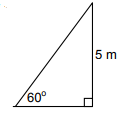
Uma loja vende os artigos em pacotes com quantidades diferentes, porém com preços proporcionais às quantidades. O preço de certo artigo foi aumentado de modo que o preço de um pacote com 9 peças passou a ser R$ 1,20. Um consumidor observou que o preço de um pacote com 12 peças subiu 5 centavos. Qual era o preço anterior de um pacote com 12 peças?
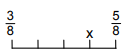
Assinale a alternativa em que a frase reescrita mantém o mesmo sentido da frase de referência retirada do texto "Fluente em inglês deixa de ter 'vantagem econômica'".
Assinale a alternativa que melhor sintetiza a relação entre os textos.
Assinale a alternativa cuja afirmativa apresenta inconsistência lógica.
EDUCAÇÃO NO ESPORTE
Temos ouvido com muita freqüência, nos últimos anos, a palavra desenvolvimento. Seja ele sustentável ou não, é o mote do momento. Bilhões de reais estão sendo investidos, mesmo que tardiamente, em infra-estrutura. As safras agrícolas batem recordes e mais recordes. A balança comercial brasileira pesa a favor de nossas exportações mesmo com o real supervalorizado. Ainda que muito pouca atenção tenha sido dada à dívida social, o País aparentemente se prepara para dar um salto de qualidade. Para tanto, o mais importante – a falta de oferta e de qualidade na educação do povo brasileiro – terá de ser atacado como o maior inimigo dos nossos sonhos.
A iniciativa do Fundo de Manutenção e Desenvolvimento da Educação Básica (Fundeb), que ampliará o número de crianças e adolescentes atendidos, é excelente, mas ainda patina nos corredores do Congresso Nacional, o que pode inviabilizar a sua utilização ainda neste ano. A preocupação em oferecer bolsas de estudo e pesquisa a participantes de programas de formação inicial e continuada para professores do ensino básico é fundamental para que possamos oferecer educação qualificada. Enfim, a preocupação existe e esperamos que consiga atingir seus objetivos.
Porém, não basta aumentar o volume de recursos destinados a essa área. Muitas outras ações que estimulem – principalmente à população de baixa renda – a busca de uma formação adequada deveriam ser motivo de eterna atenção. Parece que, na verdade, há pouco interesse em educar nossa população. Se não exigirmos que os pais respondam pela freqüência escolar e, por conseqüência, pela capacitação de seus filhos, jamais teremos esse parâmetro como prioridade para boa parte das famílias brasileiras. E o esporte, particularmente o futebol, colabora e muito para que essa realidade persista. (...)
(Sócrates, in Revista CartaCapital, 22 fev. 2006, p. 55.)
Que alternativa explica a relação exposta pelo texto entre o futebol e a educação?
EDUCAÇÃO NO ESPORTE
Temos ouvido com muita freqüência, nos últimos anos, a palavra desenvolvimento. Seja ele sustentável ou não, é o mote do momento. Bilhões de reais estão sendo investidos, mesmo que tardiamente, em infra-estrutura. As safras agrícolas batem recordes e mais recordes. A balança comercial brasileira pesa a favor de nossas exportações mesmo com o real supervalorizado. Ainda que muito pouca atenção tenha sido dada à dívida social, o País aparentemente se prepara para dar um salto de qualidade. Para tanto, o mais importante – a falta de oferta e de qualidade na educação do povo brasileiro – terá de ser atacado como o maior inimigo dos nossos sonhos.
A iniciativa do Fundo de Manutenção e Desenvolvimento da Educação Básica (Fundeb), que ampliará o número de crianças e adolescentes atendidos, é excelente, mas ainda patina nos corredores do Congresso Nacional, o que pode inviabilizar a sua utilização ainda neste ano. A preocupação em oferecer bolsas de estudo e pesquisa a participantes de programas de formação inicial e continuada para professores do ensino básico é fundamental para que possamos oferecer educação qualificada. Enfim, a preocupação existe e esperamos que consiga atingir seus objetivos.
Porém, não basta aumentar o volume de recursos destinados a essa área. Muitas outras ações que estimulem – principalmente à população de baixa renda – a busca de uma formação adequada deveriam ser motivo de eterna atenção. Parece que, na verdade, há pouco interesse em educar nossa população. Se não exigirmos que os pais respondam pela freqüência escolar e, por conseqüência, pela capacitação de seus filhos, jamais teremos esse parâmetro como prioridade para boa parte das famílias brasileiras. E o esporte, particularmente o futebol, colabora e muito para que essa realidade persista. (...)
(Sócrates, in Revista CartaCapital, 22 fev. 2006, p. 55.)
Para realizá-lo [o Fundeb] seria necessário aumentar os recursos federais vinculados à educação de 18% do total para 22,5%, de modo a garantir os 4,3 bilhões previstos. Na prática, isso significa retirar verbas de alguma outra área para as conceder ao Fundeb – algo em princípio fadado a gerar conflitos de interesses.
Assinale a alternativa que apresenta uma afirmativa retirada do texto “Educação no esporte” que pode ser explicada pelo trecho acima.
EDUCAÇÃO NO ESPORTE
Temos ouvido com muita freqüência, nos últimos anos, a palavra desenvolvimento. Seja ele sustentável ou não, é o mote do momento. Bilhões de reais estão sendo investidos, mesmo que tardiamente, em infra-estrutura. As safras agrícolas batem recordes e mais recordes. A balança comercial brasileira pesa a favor de nossas exportações mesmo com o real supervalorizado. Ainda que muito pouca atenção tenha sido dada à dívida social, o País aparentemente se prepara para dar um salto de qualidade. Para tanto, o mais importante – a falta de oferta e de qualidade na educação do povo brasileiro – terá de ser atacado como o maior inimigo dos nossos sonhos.
A iniciativa do Fundo de Manutenção e Desenvolvimento da Educação Básica (Fundeb), que ampliará o número de crianças e adolescentes atendidos, é excelente, mas ainda patina nos corredores do Congresso Nacional, o que pode inviabilizar a sua utilização ainda neste ano. A preocupação em oferecer bolsas de estudo e pesquisa a participantes de programas de formação inicial e continuada para professores do ensino básico é fundamental para que possamos oferecer educação qualificada. Enfim, a preocupação existe e esperamos que consiga atingir seus objetivos.
Porém, não basta aumentar o volume de recursos destinados a essa área. Muitas outras ações que estimulem – principalmente à população de baixa renda – a busca de uma formação adequada deveriam ser motivo de eterna atenção. Parece que, na verdade, há pouco interesse em educar nossa população. Se não exigirmos que os pais respondam pela freqüência escolar e, por conseqüência, pela capacitação de seus filhos, jamais teremos esse parâmetro como prioridade para boa parte das famílias brasileiras. E o esporte, particularmente o futebol, colabora e muito para que essa realidade persista. (...)
(Sócrates, in Revista CartaCapital, 22 fev. 2006, p. 55.)
Muitas outras ações que estimulem – principalmente à população de baixa renda – a busca de uma formação adequada deveriam ser motivo de eterna atenção.
EDUCAÇÃO NO ESPORTE
Temos ouvido com muita freqüência, nos últimos anos, a palavra desenvolvimento. Seja ele sustentável ou não, é o mote do momento. Bilhões de reais estão sendo investidos, mesmo que tardiamente, em infra-estrutura. As safras agrícolas batem recordes e mais recordes. A balança comercial brasileira pesa a favor de nossas exportações mesmo com o real supervalorizado. Ainda que muito pouca atenção tenha sido dada à dívida social, o País aparentemente se prepara para dar um salto de qualidade. Para tanto, o mais importante – a falta de oferta e de qualidade na educação do povo brasileiro – terá de ser atacado como o maior inimigo dos nossos sonhos.
A iniciativa do Fundo de Manutenção e Desenvolvimento da Educação Básica (Fundeb), que ampliará o número de crianças e adolescentes atendidos, é excelente, mas ainda patina nos corredores do Congresso Nacional, o que pode inviabilizar a sua utilização ainda neste ano. A preocupação em oferecer bolsas de estudo e pesquisa a participantes de programas de formação inicial e continuada para professores do ensino básico é fundamental para que possamos oferecer educação qualificada. Enfim, a preocupação existe e esperamos que consiga atingir seus objetivos.
Porém, não basta aumentar o volume de recursos destinados a essa área. Muitas outras ações que estimulem – principalmente à população de baixa renda – a busca de uma formação adequada deveriam ser motivo de eterna atenção. Parece que, na verdade, há pouco interesse em educar nossa população. Se não exigirmos que os pais respondam pela freqüência escolar e, por conseqüência, pela capacitação de seus filhos, jamais teremos esse parâmetro como prioridade para boa parte das famílias brasileiras. E o esporte, particularmente o futebol, colabora e muito para que essa realidade persista. (...)
(Sócrates, in Revista CartaCapital, 22 fev. 2006, p. 55.)
1. A dívida social é assunto central nas discussões sobre desenvolvimento ultimamente.
2. O investimento na educação superior é a alternativa para alavancar o desenvolvimento.
3. Uma das alternativas para a valorização da educação são programas freqüentes de capacitação para professores do ensino básico.
4. A valorização da educação deve ser também um dos objetivos centrais das famílias brasileiras.
De acordo com o texto, são verdadeiras:
Dentre os meios de prova admitidos em direito, tem-se a prova pericial. Sobre o assunto, considere as seguintes afirmativas:
1. Constituem-se em espécies de prova pericial o exame, as vistorias e as avaliações.
2. Milita em favor dos laudos oficiais expedidos pela administração pública uma presunção de veracidade que deve prevalecer até prova em contrário, não podendo ser infirmada por simples suscitação de dúvidas.
3. O perito exerce a função pública de auxiliar da justiça para auxiliar o juiz na prova do fato que depender de seu conhecimento técnico ou científico. Em nenhum caso o juiz poderá nomear mais de um perito do juízo, cabendo às partes indicarem seus assistentes técnicos.
4. O prazo dos assistentes técnicos é comum aos dos peritos para apresentação dos respectivos laudos.
Assinale a alternativa correta.
A Constituição Federal e o Código Civil Brasileiros asseguram a todo cidadão o direito à propriedade privada, que deve ser exercido nos limites e na razão de sua função social. Acerca das limitações ao exercício do direito de propriedade, considere as seguintes proposições:
1. As servidões se apresentam como limitação ao pleno exercício do direito de propriedade. Vinculam o imóvel dominante (bem em favor do qual se dá a restrição) ao imóvel serviente (bem que sofre o ônus).
2. As servidões podem ser particulares ou públicas, estas últimas instituídas em favor de um serviço ou obra pública.
3. Pela desapropriação, o Poder Público determina a transferência compulsória da propriedade particular para o seu patrimônio ou de seus delegados, por necessidade ou utilidade pública, ou por interesse social, mediante prévia e justa indenização em dinheiro.
4. A propriedade urbana ou rural que não cumpre sua função social poderá ser objeto de desapropriação mediante prévia e justa indenização em dinheiro.
Assinale a alternativa correta:

 Conheça nossos planos