Questões de Concurso Sobre linguística
Foram encontradas 1.440 questões


Português V: volume 1. Rio de Janeiro: Fundação
Cecierj, 2015, p. 42. Disponível em
<https://canal.cecierj.edu.br/recurso/17163>
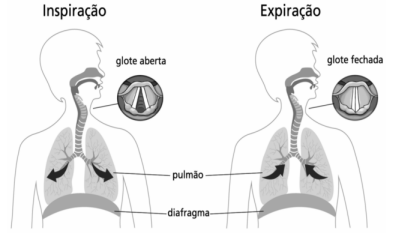
Em uma análise fonético-fonológica de segmentos consonantais, a oposição entre sons surdos e sonoros pode ser relacionada ao comportamento das cordas vocais. A leitura adequada da imagem permite afirmar que:
I.El español es una lengua románica.
PORQUE
II.El español evolucionó del latín llevado a la península ibérica.
Respecto de esas aserciones, señale la alternativa correcta:
Um ________ na densidade da massa cinzenta no córtex parietal inferior esquerdo.
Leia o texto para responder a questão.
Elizabeth Olsen diz que irmãs, as 'gêmeas Olsen', eram forçadas a apoiar entrada no meio artístico
Irmã caçula de Mary-Kate e Ashley Olsen, ex-atrizes mirins que fizeram sucesso nos anos 90, revelou bastidores da família e relação distante
Por redação Marie Claire — de São Paulo (SP) 30/11/2025 15h21
Elizabeth Olsen (36) deu detalhes surpreendentes sobre a relação com as irmãs, Mary-Kate e Ashley Olsen (39), gêmeas que fizeram sucesso como atrizes mirins nos anos 90, mas desistiram da carreira para focarem na indústria da moda. A irmã caçula, que fez sucesso na franquia de filmes da Marvel como Feiticeira Escarlate, revelou que as gêmeas foram "forçadas" a apoiá-la no cinema e que nunca recebeu nenhum conselho delas.
Embora não tenha recebido conselhos, a atriz contou que Mary-Kate e Ashley sempre acompanharam sua jornada: "Elas eram forçadas a assistir todas minhas peças de teatro e ir a todas as minhas apresentações de dança".
Elizabeth é a caçula de quatro irmãos. Além dela e das gêmeas, os pais, Jarnette e David Olsen, também têm James Trent. Divorciado, o David tem outros dois filhos com a sua atual mulher, McKenzie Olsen.
Ícones mirins dos anos 90, as gêmeas Olsen desistiram da carreira após anos de atuação, já que começaram com apenas nove meses de vida. Entre os motivos, Ashley e Mary-Kate estavam cansadas da falta de privacidade e não tinha mais conexão com as artes cênicas. Em 2006, elas fundaram a marca de roupas The Row, que se tornou referência do mercado de luxo.
Disponível em
https://revistamarieclaire.globo.com/celebridades/noticia/2025/11/elizabeth olsen-diz-que-irmas-as-gemeas-olsen-eram-forcadas-a-apoiar-entrada-no meio-artistico.ghtml
I. Ocorre de forma gradativa. II. Ocorre de forma linear. III. Apresenta variantes individuais.
Quais estão INCORRETAS?
Ele se aproximou e com a voz cantante de nordestino que a emocionou, perguntou-lhe:
– E se me desculpe, senhorinha, posso convidar a passear?
– Sim, respondeu atabalhoadamente com pressa, antes que ele mudasse de ideia.
– E se me permite, qual é mesmo a sua graça?
– Macabéa.
– Maca
– o quê?
– Béa, foi obrigada a completar.
– Me desculpe mas até parece doença, doença de pele.
LISPECTOR, Clarice. A hora da estrela. Rio de Janeiro: José Olympio, 1979, p. 53.
Ao trabalhar esse trecho com estudantes do Ensino Médio, um professor de Língua Portuguesa pretende explorar como as escolhas linguísticas contribuem para a construção das personagens.
Dentre as opções a seguir, assinale aquela que atende melhor a esse objetivo.
A língua não é uma nomenclatura, que se opõe a uma realidade pré-categorizada, ela é que classifica a realidade. No léxico, percebe-se, de maneira mais imediata, o fato de que a língua condensa as experiências de um dado povo.
FIORIN, J. L. Língua, modernidade e tradição. Diversitas, n. 2, 2014.
O trecho enfatiza uma concepção de ensino de Língua Portuguesa segundo a qual o professor, em suas aulas e avaliações, deve valorizar, prioritariamente,
Os gêneros do discurso organizam a nossa fala da mesma maneira que a organizam as formas gramaticais (sintáticas). Aprendemos a moldar nossa fala às formas do gênero e, ao ouvir a fala do outro, sabemos de imediato, bem nas primeiras palavras, pressentir-lhe o gênero, adivinhar-lhe o volume (a extensão aproximada do todo discursivo), a dada estrutura composicional, prever-lhe o fim, ou seja, desde o início, somos sensíveis ao todo discursivo que, em seguida, no processo da fala, evidenciará suas diferenciações.
BAKHTIN, M. e VOLOCHINOV, V. N. Marxismo e filosofia da linguagem. São Paulo: Hucitec, 2004.
De acordo com a passagem, a organização da linguagem por meio de gêneros do discurso contribui para um pensamento linguístico
“Para isso existe a vingança, quero dizer, a justiça... Uma semana amorosa para todos nós, incapazes de pequenas ou de grandes maldades.”
( ) A língua não é o único recurso que usamos para nos expressar. A atividade comunicativa pela linguagem para ser perfeita requer que o falante tenha bom desempenho em três domínios do saber, respectivamente: saber elocutivo, saber idiomático e saber expressivo.
( ) O saber elocutivo consiste no saber falar em geral, independentemente da língua em que se manifeste. Equivale em falar em conformidade com: a) os princípios gerais do pensamento; b)o conhecimento das coisas existentes no mundo em que vivemos; c) a interpretação do que uma língua particular (no caso aqui, o Português) deixa em aberto. É exemplo de enunciado que denuncia mau desempenho do saber elocutivo: Chegou ao Rio de Janeiro, capital do Brasil.
( ) O saber idiomático baseia em saber Português, Espanhol, Inglês, isto é, saber uma língua particular. E saber uma língua é expressar-se em conformidade com o saber tradicional de uma comunidade, com sua norma tradicional. Isto significa que temos consciência de que tradicionalmente não se diz em Português: O de Pedro livro é... em vez de O livro é de Pedro.
( ) O saber expressivo resulta em saber elaborar o discurso e o texto conforme as circunstâncias, isto é, levando em conta a situação e a pessoa com quem falamos ou a que nos vai ler. Por exemplo, é inadequado apresentar dessa maneira os pêsames a um colega que perdeu o pai: Meus sentimentos, colega. Só hoje soube que seu pai bateu as botas.
Acerca dos conceitos de língua e linguagem e da sua aplicação à LIBRAS, julgue o item a seguir.
A LIBRAS consiste em um sistema linguístico de natureza visual-motora cuja organização gramatical é dependente da língua portuguesa, uma vez que ambas compartilham o mesmo contexto sociolinguístico.

 Conheça nossos planos