Questões de Concurso
Sobre interpretação de texto | reading comprehension em inglês
Foram encontradas 13.188 questões


Ano: 2024
Banca:
METRÓPOLE
Órgão:
Prefeitura de Ipuiúna - MG
Prova:
METRÓPOLE - 2024 - Prefeitura de Ipuiúna - MG - Professor de Inglês |
Q4412405
Inglês
Texto associado

Read the text below to answer question.
Source:
https://www.glasbergen.com/educationcartoons/education-technology/ (Accessed:
Nov 28, 2024).
The cartoon shows how the kid:
Ano: 2024
Banca:
METRÓPOLE
Órgão:
Prefeitura de Ipuiúna - MG
Prova:
METRÓPOLE - 2024 - Prefeitura de Ipuiúna - MG - Professor de Inglês |
Q4412404
Inglês
Texto associado
Read the text below to answer question.
Source:
https://www.glasbergen.com/educationcartoons/education-technology/ (Accessed:
Nov 28, 2024).
The humor relies on:
Ano: 2024
Banca:
METRÓPOLE
Órgão:
Prefeitura de Ipuiúna - MG
Prova:
METRÓPOLE - 2024 - Prefeitura de Ipuiúna - MG - Professor de Inglês |
Q4412403
Inglês
Texto associado
Read the text below to answer question.
Source:
https://www.glasbergen.com/educationcartoons/education-technology/ (Accessed:
Nov 28, 2024).
The kid argues that he doesn’t have his
homework:
Ano: 2024
Banca:
METRÓPOLE
Órgão:
Prefeitura de Ipuiúna - MG
Prova:
METRÓPOLE - 2024 - Prefeitura de Ipuiúna - MG - Professor de Inglês |
Q4412402
Inglês
Texto associado
Read the text below to answer question.
Source:
https://www.glasbergen.com/educationcartoons/education-technology/ (Accessed:
Nov 28, 2024).
The kid adjusted a popular phrase used as
an excuse for some students when failing to do
something on time, which is:
Ano: 2024
Banca:
METRÓPOLE
Órgão:
Prefeitura de Ipuiúna - MG
Prova:
METRÓPOLE - 2024 - Prefeitura de Ipuiúna - MG - Professor de Inglês |
Q4412401
Inglês
Texto associado
Read the text below to answer question.
Screen Tourism
Screen tourism is a powerful tool for attracting
visitors to destinations. The success of Harry
Potter in the U.K. and The Lord of the Rings in
New Zealand demonstrate the significant
impact that film and television productions can
have on tourism. In today’s competitive global
market, leveraging screen tourism helps destinations stand out, showcase their unique
qualities and gain a competitive edge.
However, it’s no slam-dunk. As parts of the
world grapple with excess tourism, some
destinations see the damage that a sudden or
continuous influx of tourists can wreak on
communities and the environment. Therefore,
there are pitfalls to avoid.
Across the globe, the U.K. and Ireland have
emerged as highly desirable screen tourism
destinations due to the international success of
beloved franchises. For example, Game of
Thrones played a significant role in attracting
one in every six out-of-state visitors to
Northern Ireland in 2018, contributing to
350,000 visitors and over $60 million for the
local economy.
A survey conducted by PhotoAid revealed that
Hawaii is regarded as the most desirable film
tourism destination in the U.S., thanks to the
Jurassic Park franchise. The economic boost
resulting from films like Jurassic World: Fallen
Kingdom provided a $31 million boost to
Hawaii’s economy and generated $7 million in
wages for more than 1,200 workers, according
to Budget Travel.
Seeing a place on screen can be an easy win for
a destination marketing campaign, as the
release of a film or TV show set in the region
offers a springboard for conversation. For
lesser-known destinations in particular, screen
tourism offers a global spotlight they might
otherwise never experience. Besides, if done
carefully, screen tourism has the potential to
attract year-round visitors who remain
interested in regions due to their on-screen
association.
However, despite its benefits, screen tourism
can lead to challenges such as tourism burnout.
Instances like the closure of the Thai beach
featured in the film The Beach because of the
impact on the local ecosystem, or the
“Disneyification” of the Mamma Mia location
in Greece, demonstrate the need for careful
management. While at first the small Greek
island of Skopelos was pleased to be in the spotlight, it quickly became overrun with
tourists looking for the Mamma Mia
experience, which didn’t actually reflect daily
life on the island. Even France recently
launched a campaign to pull tourists away from
its most famous destinations, citing Netflix’s
Emily in Paris and Lupin as causing an overload
in visitors.
Authenticity plays a crucial role in leveraging
screen tourism effectively. A good film will
reflect the true essence of a place, as well as
using that positive light, and destination brands
should capitalize on that. If a film or TV show is
hero-ing a location, creators should
incorporate the local character, spirit and
unique attributes, providing an authentic
representation. Genres like Nordic Noir, for
example, are great at captivating viewers
without a rose-tinted lens, portraying a place’s
true nature.
A successful story in this respect is Rye Lane.
Raine Allen-Miller, who had a personal
connection to Peckham in South London,
moved the planned location of the film from
Camden to Peckham. The film authentically
shows Peckham’s diversity, vibrancy, and
unique potential, and offers an opportunity to
reshape the perception of the area beyond its
association with Only Fools and Horses. This
goes to show that destination campaigns that
leverage screen tourism should make sure
what they share is authentic and highlight parts
of the area not seen on screen.
Film tour companies should also pay attention
to partnership opportunities. To illustrate, they
can collaborate with local restaurants and
accommodation providers to offer inclusive
trips, fostering a sense of community and
support for local businesses. Working closely
with production companies can be a crucial
aspect to develop a genuine partnership that
benefits both parties. Tourism Ireland’s
collaboration with Game of Thrones serves as a
prime example. Other areas are known for appearing in Game of Thrones – Croatia and
Malta for example – but it’s Northern Ireland
that has that official connection, because
Tourism Ireland worked hard to make a
partnership deal. They’ve also added really
unique and creative ideas to draw in the
superfans.
As have been demonstrated, screen tourism
presents both benefits and challenges for
destination brands. While the impact may be
fleeting in some cases due to the abundance of
film and television content available today,
certain productions have the potential for
enduring influence. By carefully leveraging
screen tourism, destinations can generate
global exposure, attract visitors year-round and
foster partnerships that benefit local
businesses and communities.
Adapted from: https://musebyclios.com/filmtv/screen-tourism-what-destination-brandscan-gain-our-favorite-films-and-shows/
Published: Jul 20, 2023 – Accessed: Nov 28,
2024.
For lesser-known destinations, screen
tourism:
Ano: 2024
Banca:
METRÓPOLE
Órgão:
Prefeitura de Ipuiúna - MG
Prova:
METRÓPOLE - 2024 - Prefeitura de Ipuiúna - MG - Professor de Inglês |
Q4412400
Inglês
Texto associado
Read the text below to answer question.
Screen Tourism
Screen tourism is a powerful tool for attracting
visitors to destinations. The success of Harry
Potter in the U.K. and The Lord of the Rings in
New Zealand demonstrate the significant
impact that film and television productions can
have on tourism. In today’s competitive global
market, leveraging screen tourism helps destinations stand out, showcase their unique
qualities and gain a competitive edge.
However, it’s no slam-dunk. As parts of the
world grapple with excess tourism, some
destinations see the damage that a sudden or
continuous influx of tourists can wreak on
communities and the environment. Therefore,
there are pitfalls to avoid.
Across the globe, the U.K. and Ireland have
emerged as highly desirable screen tourism
destinations due to the international success of
beloved franchises. For example, Game of
Thrones played a significant role in attracting
one in every six out-of-state visitors to
Northern Ireland in 2018, contributing to
350,000 visitors and over $60 million for the
local economy.
A survey conducted by PhotoAid revealed that
Hawaii is regarded as the most desirable film
tourism destination in the U.S., thanks to the
Jurassic Park franchise. The economic boost
resulting from films like Jurassic World: Fallen
Kingdom provided a $31 million boost to
Hawaii’s economy and generated $7 million in
wages for more than 1,200 workers, according
to Budget Travel.
Seeing a place on screen can be an easy win for
a destination marketing campaign, as the
release of a film or TV show set in the region
offers a springboard for conversation. For
lesser-known destinations in particular, screen
tourism offers a global spotlight they might
otherwise never experience. Besides, if done
carefully, screen tourism has the potential to
attract year-round visitors who remain
interested in regions due to their on-screen
association.
However, despite its benefits, screen tourism
can lead to challenges such as tourism burnout.
Instances like the closure of the Thai beach
featured in the film The Beach because of the
impact on the local ecosystem, or the
“Disneyification” of the Mamma Mia location
in Greece, demonstrate the need for careful
management. While at first the small Greek
island of Skopelos was pleased to be in the spotlight, it quickly became overrun with
tourists looking for the Mamma Mia
experience, which didn’t actually reflect daily
life on the island. Even France recently
launched a campaign to pull tourists away from
its most famous destinations, citing Netflix’s
Emily in Paris and Lupin as causing an overload
in visitors.
Authenticity plays a crucial role in leveraging
screen tourism effectively. A good film will
reflect the true essence of a place, as well as
using that positive light, and destination brands
should capitalize on that. If a film or TV show is
hero-ing a location, creators should
incorporate the local character, spirit and
unique attributes, providing an authentic
representation. Genres like Nordic Noir, for
example, are great at captivating viewers
without a rose-tinted lens, portraying a place’s
true nature.
A successful story in this respect is Rye Lane.
Raine Allen-Miller, who had a personal
connection to Peckham in South London,
moved the planned location of the film from
Camden to Peckham. The film authentically
shows Peckham’s diversity, vibrancy, and
unique potential, and offers an opportunity to
reshape the perception of the area beyond its
association with Only Fools and Horses. This
goes to show that destination campaigns that
leverage screen tourism should make sure
what they share is authentic and highlight parts
of the area not seen on screen.
Film tour companies should also pay attention
to partnership opportunities. To illustrate, they
can collaborate with local restaurants and
accommodation providers to offer inclusive
trips, fostering a sense of community and
support for local businesses. Working closely
with production companies can be a crucial
aspect to develop a genuine partnership that
benefits both parties. Tourism Ireland’s
collaboration with Game of Thrones serves as a
prime example. Other areas are known for appearing in Game of Thrones – Croatia and
Malta for example – but it’s Northern Ireland
that has that official connection, because
Tourism Ireland worked hard to make a
partnership deal. They’ve also added really
unique and creative ideas to draw in the
superfans.
As have been demonstrated, screen tourism
presents both benefits and challenges for
destination brands. While the impact may be
fleeting in some cases due to the abundance of
film and television content available today,
certain productions have the potential for
enduring influence. By carefully leveraging
screen tourism, destinations can generate
global exposure, attract visitors year-round and
foster partnerships that benefit local
businesses and communities.
Adapted from: https://musebyclios.com/filmtv/screen-tourism-what-destination-brandscan-gain-our-favorite-films-and-shows/
Published: Jul 20, 2023 – Accessed: Nov 28,
2024.
The text mentions that genres like Nordic
Noir:
Ano: 2024
Banca:
METRÓPOLE
Órgão:
Prefeitura de Ipuiúna - MG
Prova:
METRÓPOLE - 2024 - Prefeitura de Ipuiúna - MG - Professor de Inglês |
Q4412399
Inglês
Texto associado
Read the text below to answer question.
Screen Tourism
Screen tourism is a powerful tool for attracting
visitors to destinations. The success of Harry
Potter in the U.K. and The Lord of the Rings in
New Zealand demonstrate the significant
impact that film and television productions can
have on tourism. In today’s competitive global
market, leveraging screen tourism helps destinations stand out, showcase their unique
qualities and gain a competitive edge.
However, it’s no slam-dunk. As parts of the
world grapple with excess tourism, some
destinations see the damage that a sudden or
continuous influx of tourists can wreak on
communities and the environment. Therefore,
there are pitfalls to avoid.
Across the globe, the U.K. and Ireland have
emerged as highly desirable screen tourism
destinations due to the international success of
beloved franchises. For example, Game of
Thrones played a significant role in attracting
one in every six out-of-state visitors to
Northern Ireland in 2018, contributing to
350,000 visitors and over $60 million for the
local economy.
A survey conducted by PhotoAid revealed that
Hawaii is regarded as the most desirable film
tourism destination in the U.S., thanks to the
Jurassic Park franchise. The economic boost
resulting from films like Jurassic World: Fallen
Kingdom provided a $31 million boost to
Hawaii’s economy and generated $7 million in
wages for more than 1,200 workers, according
to Budget Travel.
Seeing a place on screen can be an easy win for
a destination marketing campaign, as the
release of a film or TV show set in the region
offers a springboard for conversation. For
lesser-known destinations in particular, screen
tourism offers a global spotlight they might
otherwise never experience. Besides, if done
carefully, screen tourism has the potential to
attract year-round visitors who remain
interested in regions due to their on-screen
association.
However, despite its benefits, screen tourism
can lead to challenges such as tourism burnout.
Instances like the closure of the Thai beach
featured in the film The Beach because of the
impact on the local ecosystem, or the
“Disneyification” of the Mamma Mia location
in Greece, demonstrate the need for careful
management. While at first the small Greek
island of Skopelos was pleased to be in the spotlight, it quickly became overrun with
tourists looking for the Mamma Mia
experience, which didn’t actually reflect daily
life on the island. Even France recently
launched a campaign to pull tourists away from
its most famous destinations, citing Netflix’s
Emily in Paris and Lupin as causing an overload
in visitors.
Authenticity plays a crucial role in leveraging
screen tourism effectively. A good film will
reflect the true essence of a place, as well as
using that positive light, and destination brands
should capitalize on that. If a film or TV show is
hero-ing a location, creators should
incorporate the local character, spirit and
unique attributes, providing an authentic
representation. Genres like Nordic Noir, for
example, are great at captivating viewers
without a rose-tinted lens, portraying a place’s
true nature.
A successful story in this respect is Rye Lane.
Raine Allen-Miller, who had a personal
connection to Peckham in South London,
moved the planned location of the film from
Camden to Peckham. The film authentically
shows Peckham’s diversity, vibrancy, and
unique potential, and offers an opportunity to
reshape the perception of the area beyond its
association with Only Fools and Horses. This
goes to show that destination campaigns that
leverage screen tourism should make sure
what they share is authentic and highlight parts
of the area not seen on screen.
Film tour companies should also pay attention
to partnership opportunities. To illustrate, they
can collaborate with local restaurants and
accommodation providers to offer inclusive
trips, fostering a sense of community and
support for local businesses. Working closely
with production companies can be a crucial
aspect to develop a genuine partnership that
benefits both parties. Tourism Ireland’s
collaboration with Game of Thrones serves as a
prime example. Other areas are known for appearing in Game of Thrones – Croatia and
Malta for example – but it’s Northern Ireland
that has that official connection, because
Tourism Ireland worked hard to make a
partnership deal. They’ve also added really
unique and creative ideas to draw in the
superfans.
As have been demonstrated, screen tourism
presents both benefits and challenges for
destination brands. While the impact may be
fleeting in some cases due to the abundance of
film and television content available today,
certain productions have the potential for
enduring influence. By carefully leveraging
screen tourism, destinations can generate
global exposure, attract visitors year-round and
foster partnerships that benefit local
businesses and communities.
Adapted from: https://musebyclios.com/filmtv/screen-tourism-what-destination-brandscan-gain-our-favorite-films-and-shows/
Published: Jul 20, 2023 – Accessed: Nov 28,
2024.
The text highlights Rye Lane as a
successful example of screen tourism due to:
I- its authentic depiction of Peckham’s diversity, vibrancy and unique potential.
II- its ability to repel partnerships with local businesses.
III- its use of unrealistic portrayals to showcase local culture.
The correct assertion(s) is(are):
I- its authentic depiction of Peckham’s diversity, vibrancy and unique potential.
II- its ability to repel partnerships with local businesses.
III- its use of unrealistic portrayals to showcase local culture.
The correct assertion(s) is(are):
Ano: 2024
Banca:
METRÓPOLE
Órgão:
Prefeitura de Ipuiúna - MG
Prova:
METRÓPOLE - 2024 - Prefeitura de Ipuiúna - MG - Professor de Inglês |
Q4412398
Inglês
Texto associado
Read the text below to answer question.
Screen Tourism
Screen tourism is a powerful tool for attracting
visitors to destinations. The success of Harry
Potter in the U.K. and The Lord of the Rings in
New Zealand demonstrate the significant
impact that film and television productions can
have on tourism. In today’s competitive global
market, leveraging screen tourism helps destinations stand out, showcase their unique
qualities and gain a competitive edge.
However, it’s no slam-dunk. As parts of the
world grapple with excess tourism, some
destinations see the damage that a sudden or
continuous influx of tourists can wreak on
communities and the environment. Therefore,
there are pitfalls to avoid.
Across the globe, the U.K. and Ireland have
emerged as highly desirable screen tourism
destinations due to the international success of
beloved franchises. For example, Game of
Thrones played a significant role in attracting
one in every six out-of-state visitors to
Northern Ireland in 2018, contributing to
350,000 visitors and over $60 million for the
local economy.
A survey conducted by PhotoAid revealed that
Hawaii is regarded as the most desirable film
tourism destination in the U.S., thanks to the
Jurassic Park franchise. The economic boost
resulting from films like Jurassic World: Fallen
Kingdom provided a $31 million boost to
Hawaii’s economy and generated $7 million in
wages for more than 1,200 workers, according
to Budget Travel.
Seeing a place on screen can be an easy win for
a destination marketing campaign, as the
release of a film or TV show set in the region
offers a springboard for conversation. For
lesser-known destinations in particular, screen
tourism offers a global spotlight they might
otherwise never experience. Besides, if done
carefully, screen tourism has the potential to
attract year-round visitors who remain
interested in regions due to their on-screen
association.
However, despite its benefits, screen tourism
can lead to challenges such as tourism burnout.
Instances like the closure of the Thai beach
featured in the film The Beach because of the
impact on the local ecosystem, or the
“Disneyification” of the Mamma Mia location
in Greece, demonstrate the need for careful
management. While at first the small Greek
island of Skopelos was pleased to be in the spotlight, it quickly became overrun with
tourists looking for the Mamma Mia
experience, which didn’t actually reflect daily
life on the island. Even France recently
launched a campaign to pull tourists away from
its most famous destinations, citing Netflix’s
Emily in Paris and Lupin as causing an overload
in visitors.
Authenticity plays a crucial role in leveraging
screen tourism effectively. A good film will
reflect the true essence of a place, as well as
using that positive light, and destination brands
should capitalize on that. If a film or TV show is
hero-ing a location, creators should
incorporate the local character, spirit and
unique attributes, providing an authentic
representation. Genres like Nordic Noir, for
example, are great at captivating viewers
without a rose-tinted lens, portraying a place’s
true nature.
A successful story in this respect is Rye Lane.
Raine Allen-Miller, who had a personal
connection to Peckham in South London,
moved the planned location of the film from
Camden to Peckham. The film authentically
shows Peckham’s diversity, vibrancy, and
unique potential, and offers an opportunity to
reshape the perception of the area beyond its
association with Only Fools and Horses. This
goes to show that destination campaigns that
leverage screen tourism should make sure
what they share is authentic and highlight parts
of the area not seen on screen.
Film tour companies should also pay attention
to partnership opportunities. To illustrate, they
can collaborate with local restaurants and
accommodation providers to offer inclusive
trips, fostering a sense of community and
support for local businesses. Working closely
with production companies can be a crucial
aspect to develop a genuine partnership that
benefits both parties. Tourism Ireland’s
collaboration with Game of Thrones serves as a
prime example. Other areas are known for appearing in Game of Thrones – Croatia and
Malta for example – but it’s Northern Ireland
that has that official connection, because
Tourism Ireland worked hard to make a
partnership deal. They’ve also added really
unique and creative ideas to draw in the
superfans.
As have been demonstrated, screen tourism
presents both benefits and challenges for
destination brands. While the impact may be
fleeting in some cases due to the abundance of
film and television content available today,
certain productions have the potential for
enduring influence. By carefully leveraging
screen tourism, destinations can generate
global exposure, attract visitors year-round and
foster partnerships that benefit local
businesses and communities.
Adapted from: https://musebyclios.com/filmtv/screen-tourism-what-destination-brandscan-gain-our-favorite-films-and-shows/
Published: Jul 20, 2023 – Accessed: Nov 28,
2024.
Based on the example of Skopelos from
Mamma Mia, one potential drawback of screen
tourism for local communities is a(n):
Ano: 2024
Banca:
METRÓPOLE
Órgão:
Prefeitura de Ipuiúna - MG
Prova:
METRÓPOLE - 2024 - Prefeitura de Ipuiúna - MG - Professor de Inglês |
Q4412397
Inglês
Texto associado
Read the text below to answer question.
Screen Tourism
Screen tourism is a powerful tool for attracting
visitors to destinations. The success of Harry
Potter in the U.K. and The Lord of the Rings in
New Zealand demonstrate the significant
impact that film and television productions can
have on tourism. In today’s competitive global
market, leveraging screen tourism helps destinations stand out, showcase their unique
qualities and gain a competitive edge.
However, it’s no slam-dunk. As parts of the
world grapple with excess tourism, some
destinations see the damage that a sudden or
continuous influx of tourists can wreak on
communities and the environment. Therefore,
there are pitfalls to avoid.
Across the globe, the U.K. and Ireland have
emerged as highly desirable screen tourism
destinations due to the international success of
beloved franchises. For example, Game of
Thrones played a significant role in attracting
one in every six out-of-state visitors to
Northern Ireland in 2018, contributing to
350,000 visitors and over $60 million for the
local economy.
A survey conducted by PhotoAid revealed that
Hawaii is regarded as the most desirable film
tourism destination in the U.S., thanks to the
Jurassic Park franchise. The economic boost
resulting from films like Jurassic World: Fallen
Kingdom provided a $31 million boost to
Hawaii’s economy and generated $7 million in
wages for more than 1,200 workers, according
to Budget Travel.
Seeing a place on screen can be an easy win for
a destination marketing campaign, as the
release of a film or TV show set in the region
offers a springboard for conversation. For
lesser-known destinations in particular, screen
tourism offers a global spotlight they might
otherwise never experience. Besides, if done
carefully, screen tourism has the potential to
attract year-round visitors who remain
interested in regions due to their on-screen
association.
However, despite its benefits, screen tourism
can lead to challenges such as tourism burnout.
Instances like the closure of the Thai beach
featured in the film The Beach because of the
impact on the local ecosystem, or the
“Disneyification” of the Mamma Mia location
in Greece, demonstrate the need for careful
management. While at first the small Greek
island of Skopelos was pleased to be in the spotlight, it quickly became overrun with
tourists looking for the Mamma Mia
experience, which didn’t actually reflect daily
life on the island. Even France recently
launched a campaign to pull tourists away from
its most famous destinations, citing Netflix’s
Emily in Paris and Lupin as causing an overload
in visitors.
Authenticity plays a crucial role in leveraging
screen tourism effectively. A good film will
reflect the true essence of a place, as well as
using that positive light, and destination brands
should capitalize on that. If a film or TV show is
hero-ing a location, creators should
incorporate the local character, spirit and
unique attributes, providing an authentic
representation. Genres like Nordic Noir, for
example, are great at captivating viewers
without a rose-tinted lens, portraying a place’s
true nature.
A successful story in this respect is Rye Lane.
Raine Allen-Miller, who had a personal
connection to Peckham in South London,
moved the planned location of the film from
Camden to Peckham. The film authentically
shows Peckham’s diversity, vibrancy, and
unique potential, and offers an opportunity to
reshape the perception of the area beyond its
association with Only Fools and Horses. This
goes to show that destination campaigns that
leverage screen tourism should make sure
what they share is authentic and highlight parts
of the area not seen on screen.
Film tour companies should also pay attention
to partnership opportunities. To illustrate, they
can collaborate with local restaurants and
accommodation providers to offer inclusive
trips, fostering a sense of community and
support for local businesses. Working closely
with production companies can be a crucial
aspect to develop a genuine partnership that
benefits both parties. Tourism Ireland’s
collaboration with Game of Thrones serves as a
prime example. Other areas are known for appearing in Game of Thrones – Croatia and
Malta for example – but it’s Northern Ireland
that has that official connection, because
Tourism Ireland worked hard to make a
partnership deal. They’ve also added really
unique and creative ideas to draw in the
superfans.
As have been demonstrated, screen tourism
presents both benefits and challenges for
destination brands. While the impact may be
fleeting in some cases due to the abundance of
film and television content available today,
certain productions have the potential for
enduring influence. By carefully leveraging
screen tourism, destinations can generate
global exposure, attract visitors year-round and
foster partnerships that benefit local
businesses and communities.
Adapted from: https://musebyclios.com/filmtv/screen-tourism-what-destination-brandscan-gain-our-favorite-films-and-shows/
Published: Jul 20, 2023 – Accessed: Nov 28,
2024.
Which franchise significantly boosted
Northern Ireland’s tourism economy?
Ano: 2024
Banca:
METRÓPOLE
Órgão:
Prefeitura de Ipuiúna - MG
Prova:
METRÓPOLE - 2024 - Prefeitura de Ipuiúna - MG - Professor de Inglês |
Q4412396
Inglês
Texto associado
Read the text below to answer question.
Screen Tourism
Screen tourism is a powerful tool for attracting
visitors to destinations. The success of Harry
Potter in the U.K. and The Lord of the Rings in
New Zealand demonstrate the significant
impact that film and television productions can
have on tourism. In today’s competitive global
market, leveraging screen tourism helps destinations stand out, showcase their unique
qualities and gain a competitive edge.
However, it’s no slam-dunk. As parts of the
world grapple with excess tourism, some
destinations see the damage that a sudden or
continuous influx of tourists can wreak on
communities and the environment. Therefore,
there are pitfalls to avoid.
Across the globe, the U.K. and Ireland have
emerged as highly desirable screen tourism
destinations due to the international success of
beloved franchises. For example, Game of
Thrones played a significant role in attracting
one in every six out-of-state visitors to
Northern Ireland in 2018, contributing to
350,000 visitors and over $60 million for the
local economy.
A survey conducted by PhotoAid revealed that
Hawaii is regarded as the most desirable film
tourism destination in the U.S., thanks to the
Jurassic Park franchise. The economic boost
resulting from films like Jurassic World: Fallen
Kingdom provided a $31 million boost to
Hawaii’s economy and generated $7 million in
wages for more than 1,200 workers, according
to Budget Travel.
Seeing a place on screen can be an easy win for
a destination marketing campaign, as the
release of a film or TV show set in the region
offers a springboard for conversation. For
lesser-known destinations in particular, screen
tourism offers a global spotlight they might
otherwise never experience. Besides, if done
carefully, screen tourism has the potential to
attract year-round visitors who remain
interested in regions due to their on-screen
association.
However, despite its benefits, screen tourism
can lead to challenges such as tourism burnout.
Instances like the closure of the Thai beach
featured in the film The Beach because of the
impact on the local ecosystem, or the
“Disneyification” of the Mamma Mia location
in Greece, demonstrate the need for careful
management. While at first the small Greek
island of Skopelos was pleased to be in the spotlight, it quickly became overrun with
tourists looking for the Mamma Mia
experience, which didn’t actually reflect daily
life on the island. Even France recently
launched a campaign to pull tourists away from
its most famous destinations, citing Netflix’s
Emily in Paris and Lupin as causing an overload
in visitors.
Authenticity plays a crucial role in leveraging
screen tourism effectively. A good film will
reflect the true essence of a place, as well as
using that positive light, and destination brands
should capitalize on that. If a film or TV show is
hero-ing a location, creators should
incorporate the local character, spirit and
unique attributes, providing an authentic
representation. Genres like Nordic Noir, for
example, are great at captivating viewers
without a rose-tinted lens, portraying a place’s
true nature.
A successful story in this respect is Rye Lane.
Raine Allen-Miller, who had a personal
connection to Peckham in South London,
moved the planned location of the film from
Camden to Peckham. The film authentically
shows Peckham’s diversity, vibrancy, and
unique potential, and offers an opportunity to
reshape the perception of the area beyond its
association with Only Fools and Horses. This
goes to show that destination campaigns that
leverage screen tourism should make sure
what they share is authentic and highlight parts
of the area not seen on screen.
Film tour companies should also pay attention
to partnership opportunities. To illustrate, they
can collaborate with local restaurants and
accommodation providers to offer inclusive
trips, fostering a sense of community and
support for local businesses. Working closely
with production companies can be a crucial
aspect to develop a genuine partnership that
benefits both parties. Tourism Ireland’s
collaboration with Game of Thrones serves as a
prime example. Other areas are known for appearing in Game of Thrones – Croatia and
Malta for example – but it’s Northern Ireland
that has that official connection, because
Tourism Ireland worked hard to make a
partnership deal. They’ve also added really
unique and creative ideas to draw in the
superfans.
As have been demonstrated, screen tourism
presents both benefits and challenges for
destination brands. While the impact may be
fleeting in some cases due to the abundance of
film and television content available today,
certain productions have the potential for
enduring influence. By carefully leveraging
screen tourism, destinations can generate
global exposure, attract visitors year-round and
foster partnerships that benefit local
businesses and communities.
Adapted from: https://musebyclios.com/filmtv/screen-tourism-what-destination-brandscan-gain-our-favorite-films-and-shows/
Published: Jul 20, 2023 – Accessed: Nov 28,
2024.
According to the text, how can
destinations generate global exposure and
attract visitors year-round?
Ano: 2024
Banca:
METRÓPOLE
Órgão:
Prefeitura de Ipuiúna - MG
Prova:
METRÓPOLE - 2024 - Prefeitura de Ipuiúna - MG - Professor de Inglês |
Q4412395
Inglês
Texto associado
Read the text below to answer question.
Screen Tourism
Screen tourism is a powerful tool for attracting
visitors to destinations. The success of Harry
Potter in the U.K. and The Lord of the Rings in
New Zealand demonstrate the significant
impact that film and television productions can
have on tourism. In today’s competitive global
market, leveraging screen tourism helps destinations stand out, showcase their unique
qualities and gain a competitive edge.
However, it’s no slam-dunk. As parts of the
world grapple with excess tourism, some
destinations see the damage that a sudden or
continuous influx of tourists can wreak on
communities and the environment. Therefore,
there are pitfalls to avoid.
Across the globe, the U.K. and Ireland have
emerged as highly desirable screen tourism
destinations due to the international success of
beloved franchises. For example, Game of
Thrones played a significant role in attracting
one in every six out-of-state visitors to
Northern Ireland in 2018, contributing to
350,000 visitors and over $60 million for the
local economy.
A survey conducted by PhotoAid revealed that
Hawaii is regarded as the most desirable film
tourism destination in the U.S., thanks to the
Jurassic Park franchise. The economic boost
resulting from films like Jurassic World: Fallen
Kingdom provided a $31 million boost to
Hawaii’s economy and generated $7 million in
wages for more than 1,200 workers, according
to Budget Travel.
Seeing a place on screen can be an easy win for
a destination marketing campaign, as the
release of a film or TV show set in the region
offers a springboard for conversation. For
lesser-known destinations in particular, screen
tourism offers a global spotlight they might
otherwise never experience. Besides, if done
carefully, screen tourism has the potential to
attract year-round visitors who remain
interested in regions due to their on-screen
association.
However, despite its benefits, screen tourism
can lead to challenges such as tourism burnout.
Instances like the closure of the Thai beach
featured in the film The Beach because of the
impact on the local ecosystem, or the
“Disneyification” of the Mamma Mia location
in Greece, demonstrate the need for careful
management. While at first the small Greek
island of Skopelos was pleased to be in the spotlight, it quickly became overrun with
tourists looking for the Mamma Mia
experience, which didn’t actually reflect daily
life on the island. Even France recently
launched a campaign to pull tourists away from
its most famous destinations, citing Netflix’s
Emily in Paris and Lupin as causing an overload
in visitors.
Authenticity plays a crucial role in leveraging
screen tourism effectively. A good film will
reflect the true essence of a place, as well as
using that positive light, and destination brands
should capitalize on that. If a film or TV show is
hero-ing a location, creators should
incorporate the local character, spirit and
unique attributes, providing an authentic
representation. Genres like Nordic Noir, for
example, are great at captivating viewers
without a rose-tinted lens, portraying a place’s
true nature.
A successful story in this respect is Rye Lane.
Raine Allen-Miller, who had a personal
connection to Peckham in South London,
moved the planned location of the film from
Camden to Peckham. The film authentically
shows Peckham’s diversity, vibrancy, and
unique potential, and offers an opportunity to
reshape the perception of the area beyond its
association with Only Fools and Horses. This
goes to show that destination campaigns that
leverage screen tourism should make sure
what they share is authentic and highlight parts
of the area not seen on screen.
Film tour companies should also pay attention
to partnership opportunities. To illustrate, they
can collaborate with local restaurants and
accommodation providers to offer inclusive
trips, fostering a sense of community and
support for local businesses. Working closely
with production companies can be a crucial
aspect to develop a genuine partnership that
benefits both parties. Tourism Ireland’s
collaboration with Game of Thrones serves as a
prime example. Other areas are known for appearing in Game of Thrones – Croatia and
Malta for example – but it’s Northern Ireland
that has that official connection, because
Tourism Ireland worked hard to make a
partnership deal. They’ve also added really
unique and creative ideas to draw in the
superfans.
As have been demonstrated, screen tourism
presents both benefits and challenges for
destination brands. While the impact may be
fleeting in some cases due to the abundance of
film and television content available today,
certain productions have the potential for
enduring influence. By carefully leveraging
screen tourism, destinations can generate
global exposure, attract visitors year-round and
foster partnerships that benefit local
businesses and communities.
Adapted from: https://musebyclios.com/filmtv/screen-tourism-what-destination-brandscan-gain-our-favorite-films-and-shows/
Published: Jul 20, 2023 – Accessed: Nov 28,
2024.
What key factor does the text suggest is
crucial for effective screen tourism?
Ano: 2024
Banca:
METRÓPOLE
Órgão:
Prefeitura de Ipuiúna - MG
Prova:
METRÓPOLE - 2024 - Prefeitura de Ipuiúna - MG - Professor de Inglês |
Q4412394
Inglês
Texto associado
Read the text below to answer question.
Screen Tourism
Screen tourism is a powerful tool for attracting
visitors to destinations. The success of Harry
Potter in the U.K. and The Lord of the Rings in
New Zealand demonstrate the significant
impact that film and television productions can
have on tourism. In today’s competitive global
market, leveraging screen tourism helps destinations stand out, showcase their unique
qualities and gain a competitive edge.
However, it’s no slam-dunk. As parts of the
world grapple with excess tourism, some
destinations see the damage that a sudden or
continuous influx of tourists can wreak on
communities and the environment. Therefore,
there are pitfalls to avoid.
Across the globe, the U.K. and Ireland have
emerged as highly desirable screen tourism
destinations due to the international success of
beloved franchises. For example, Game of
Thrones played a significant role in attracting
one in every six out-of-state visitors to
Northern Ireland in 2018, contributing to
350,000 visitors and over $60 million for the
local economy.
A survey conducted by PhotoAid revealed that
Hawaii is regarded as the most desirable film
tourism destination in the U.S., thanks to the
Jurassic Park franchise. The economic boost
resulting from films like Jurassic World: Fallen
Kingdom provided a $31 million boost to
Hawaii’s economy and generated $7 million in
wages for more than 1,200 workers, according
to Budget Travel.
Seeing a place on screen can be an easy win for
a destination marketing campaign, as the
release of a film or TV show set in the region
offers a springboard for conversation. For
lesser-known destinations in particular, screen
tourism offers a global spotlight they might
otherwise never experience. Besides, if done
carefully, screen tourism has the potential to
attract year-round visitors who remain
interested in regions due to their on-screen
association.
However, despite its benefits, screen tourism
can lead to challenges such as tourism burnout.
Instances like the closure of the Thai beach
featured in the film The Beach because of the
impact on the local ecosystem, or the
“Disneyification” of the Mamma Mia location
in Greece, demonstrate the need for careful
management. While at first the small Greek
island of Skopelos was pleased to be in the spotlight, it quickly became overrun with
tourists looking for the Mamma Mia
experience, which didn’t actually reflect daily
life on the island. Even France recently
launched a campaign to pull tourists away from
its most famous destinations, citing Netflix’s
Emily in Paris and Lupin as causing an overload
in visitors.
Authenticity plays a crucial role in leveraging
screen tourism effectively. A good film will
reflect the true essence of a place, as well as
using that positive light, and destination brands
should capitalize on that. If a film or TV show is
hero-ing a location, creators should
incorporate the local character, spirit and
unique attributes, providing an authentic
representation. Genres like Nordic Noir, for
example, are great at captivating viewers
without a rose-tinted lens, portraying a place’s
true nature.
A successful story in this respect is Rye Lane.
Raine Allen-Miller, who had a personal
connection to Peckham in South London,
moved the planned location of the film from
Camden to Peckham. The film authentically
shows Peckham’s diversity, vibrancy, and
unique potential, and offers an opportunity to
reshape the perception of the area beyond its
association with Only Fools and Horses. This
goes to show that destination campaigns that
leverage screen tourism should make sure
what they share is authentic and highlight parts
of the area not seen on screen.
Film tour companies should also pay attention
to partnership opportunities. To illustrate, they
can collaborate with local restaurants and
accommodation providers to offer inclusive
trips, fostering a sense of community and
support for local businesses. Working closely
with production companies can be a crucial
aspect to develop a genuine partnership that
benefits both parties. Tourism Ireland’s
collaboration with Game of Thrones serves as a
prime example. Other areas are known for appearing in Game of Thrones – Croatia and
Malta for example – but it’s Northern Ireland
that has that official connection, because
Tourism Ireland worked hard to make a
partnership deal. They’ve also added really
unique and creative ideas to draw in the
superfans.
As have been demonstrated, screen tourism
presents both benefits and challenges for
destination brands. While the impact may be
fleeting in some cases due to the abundance of
film and television content available today,
certain productions have the potential for
enduring influence. By carefully leveraging
screen tourism, destinations can generate
global exposure, attract visitors year-round and
foster partnerships that benefit local
businesses and communities.
Adapted from: https://musebyclios.com/filmtv/screen-tourism-what-destination-brandscan-gain-our-favorite-films-and-shows/
Published: Jul 20, 2023 – Accessed: Nov 28,
2024.
In the context of the text, the sentence
“However, it’s no slam-dunk” suggests that:
Ano: 2024
Banca:
METRÓPOLE
Órgão:
Prefeitura de Ipuiúna - MG
Prova:
METRÓPOLE - 2024 - Prefeitura de Ipuiúna - MG - Professor de Inglês |
Q4412393
Inglês
Texto associado
Read the text below to answer question.
Screen Tourism
Screen tourism is a powerful tool for attracting
visitors to destinations. The success of Harry
Potter in the U.K. and The Lord of the Rings in
New Zealand demonstrate the significant
impact that film and television productions can
have on tourism. In today’s competitive global
market, leveraging screen tourism helps destinations stand out, showcase their unique
qualities and gain a competitive edge.
However, it’s no slam-dunk. As parts of the
world grapple with excess tourism, some
destinations see the damage that a sudden or
continuous influx of tourists can wreak on
communities and the environment. Therefore,
there are pitfalls to avoid.
Across the globe, the U.K. and Ireland have
emerged as highly desirable screen tourism
destinations due to the international success of
beloved franchises. For example, Game of
Thrones played a significant role in attracting
one in every six out-of-state visitors to
Northern Ireland in 2018, contributing to
350,000 visitors and over $60 million for the
local economy.
A survey conducted by PhotoAid revealed that
Hawaii is regarded as the most desirable film
tourism destination in the U.S., thanks to the
Jurassic Park franchise. The economic boost
resulting from films like Jurassic World: Fallen
Kingdom provided a $31 million boost to
Hawaii’s economy and generated $7 million in
wages for more than 1,200 workers, according
to Budget Travel.
Seeing a place on screen can be an easy win for
a destination marketing campaign, as the
release of a film or TV show set in the region
offers a springboard for conversation. For
lesser-known destinations in particular, screen
tourism offers a global spotlight they might
otherwise never experience. Besides, if done
carefully, screen tourism has the potential to
attract year-round visitors who remain
interested in regions due to their on-screen
association.
However, despite its benefits, screen tourism
can lead to challenges such as tourism burnout.
Instances like the closure of the Thai beach
featured in the film The Beach because of the
impact on the local ecosystem, or the
“Disneyification” of the Mamma Mia location
in Greece, demonstrate the need for careful
management. While at first the small Greek
island of Skopelos was pleased to be in the spotlight, it quickly became overrun with
tourists looking for the Mamma Mia
experience, which didn’t actually reflect daily
life on the island. Even France recently
launched a campaign to pull tourists away from
its most famous destinations, citing Netflix’s
Emily in Paris and Lupin as causing an overload
in visitors.
Authenticity plays a crucial role in leveraging
screen tourism effectively. A good film will
reflect the true essence of a place, as well as
using that positive light, and destination brands
should capitalize on that. If a film or TV show is
hero-ing a location, creators should
incorporate the local character, spirit and
unique attributes, providing an authentic
representation. Genres like Nordic Noir, for
example, are great at captivating viewers
without a rose-tinted lens, portraying a place’s
true nature.
A successful story in this respect is Rye Lane.
Raine Allen-Miller, who had a personal
connection to Peckham in South London,
moved the planned location of the film from
Camden to Peckham. The film authentically
shows Peckham’s diversity, vibrancy, and
unique potential, and offers an opportunity to
reshape the perception of the area beyond its
association with Only Fools and Horses. This
goes to show that destination campaigns that
leverage screen tourism should make sure
what they share is authentic and highlight parts
of the area not seen on screen.
Film tour companies should also pay attention
to partnership opportunities. To illustrate, they
can collaborate with local restaurants and
accommodation providers to offer inclusive
trips, fostering a sense of community and
support for local businesses. Working closely
with production companies can be a crucial
aspect to develop a genuine partnership that
benefits both parties. Tourism Ireland’s
collaboration with Game of Thrones serves as a
prime example. Other areas are known for appearing in Game of Thrones – Croatia and
Malta for example – but it’s Northern Ireland
that has that official connection, because
Tourism Ireland worked hard to make a
partnership deal. They’ve also added really
unique and creative ideas to draw in the
superfans.
As have been demonstrated, screen tourism
presents both benefits and challenges for
destination brands. While the impact may be
fleeting in some cases due to the abundance of
film and television content available today,
certain productions have the potential for
enduring influence. By carefully leveraging
screen tourism, destinations can generate
global exposure, attract visitors year-round and
foster partnerships that benefit local
businesses and communities.
Adapted from: https://musebyclios.com/filmtv/screen-tourism-what-destination-brandscan-gain-our-favorite-films-and-shows/
Published: Jul 20, 2023 – Accessed: Nov 28,
2024.
Based on the text, mark the following
statements as True (T) or False (F).
( ) France recently launched a campaign to attract more tourists for its most famous destinations.
( ) Hawaii is regarded as the most desirable film tourism destination in the U.S, according to a survey conducted by PhotoAid.
( ) Screen tourism is an idle tool for attracting visitors to destinations.
The statements are, from up to down, respectively:
Ano: 2024
Banca:
METRÓPOLE
Órgão:
Prefeitura de Ipuiúna - MG
Prova:
METRÓPOLE - 2024 - Prefeitura de Ipuiúna - MG - Professor de Inglês |
Q4412392
Inglês
Texto associado
Read the text below to answer question.
Screen Tourism
Screen tourism is a powerful tool for attracting
visitors to destinations. The success of Harry
Potter in the U.K. and The Lord of the Rings in
New Zealand demonstrate the significant
impact that film and television productions can
have on tourism. In today’s competitive global
market, leveraging screen tourism helps destinations stand out, showcase their unique
qualities and gain a competitive edge.
However, it’s no slam-dunk. As parts of the
world grapple with excess tourism, some
destinations see the damage that a sudden or
continuous influx of tourists can wreak on
communities and the environment. Therefore,
there are pitfalls to avoid.
Across the globe, the U.K. and Ireland have
emerged as highly desirable screen tourism
destinations due to the international success of
beloved franchises. For example, Game of
Thrones played a significant role in attracting
one in every six out-of-state visitors to
Northern Ireland in 2018, contributing to
350,000 visitors and over $60 million for the
local economy.
A survey conducted by PhotoAid revealed that
Hawaii is regarded as the most desirable film
tourism destination in the U.S., thanks to the
Jurassic Park franchise. The economic boost
resulting from films like Jurassic World: Fallen
Kingdom provided a $31 million boost to
Hawaii’s economy and generated $7 million in
wages for more than 1,200 workers, according
to Budget Travel.
Seeing a place on screen can be an easy win for
a destination marketing campaign, as the
release of a film or TV show set in the region
offers a springboard for conversation. For
lesser-known destinations in particular, screen
tourism offers a global spotlight they might
otherwise never experience. Besides, if done
carefully, screen tourism has the potential to
attract year-round visitors who remain
interested in regions due to their on-screen
association.
However, despite its benefits, screen tourism
can lead to challenges such as tourism burnout.
Instances like the closure of the Thai beach
featured in the film The Beach because of the
impact on the local ecosystem, or the
“Disneyification” of the Mamma Mia location
in Greece, demonstrate the need for careful
management. While at first the small Greek
island of Skopelos was pleased to be in the spotlight, it quickly became overrun with
tourists looking for the Mamma Mia
experience, which didn’t actually reflect daily
life on the island. Even France recently
launched a campaign to pull tourists away from
its most famous destinations, citing Netflix’s
Emily in Paris and Lupin as causing an overload
in visitors.
Authenticity plays a crucial role in leveraging
screen tourism effectively. A good film will
reflect the true essence of a place, as well as
using that positive light, and destination brands
should capitalize on that. If a film or TV show is
hero-ing a location, creators should
incorporate the local character, spirit and
unique attributes, providing an authentic
representation. Genres like Nordic Noir, for
example, are great at captivating viewers
without a rose-tinted lens, portraying a place’s
true nature.
A successful story in this respect is Rye Lane.
Raine Allen-Miller, who had a personal
connection to Peckham in South London,
moved the planned location of the film from
Camden to Peckham. The film authentically
shows Peckham’s diversity, vibrancy, and
unique potential, and offers an opportunity to
reshape the perception of the area beyond its
association with Only Fools and Horses. This
goes to show that destination campaigns that
leverage screen tourism should make sure
what they share is authentic and highlight parts
of the area not seen on screen.
Film tour companies should also pay attention
to partnership opportunities. To illustrate, they
can collaborate with local restaurants and
accommodation providers to offer inclusive
trips, fostering a sense of community and
support for local businesses. Working closely
with production companies can be a crucial
aspect to develop a genuine partnership that
benefits both parties. Tourism Ireland’s
collaboration with Game of Thrones serves as a
prime example. Other areas are known for appearing in Game of Thrones – Croatia and
Malta for example – but it’s Northern Ireland
that has that official connection, because
Tourism Ireland worked hard to make a
partnership deal. They’ve also added really
unique and creative ideas to draw in the
superfans.
As have been demonstrated, screen tourism
presents both benefits and challenges for
destination brands. While the impact may be
fleeting in some cases due to the abundance of
film and television content available today,
certain productions have the potential for
enduring influence. By carefully leveraging
screen tourism, destinations can generate
global exposure, attract visitors year-round and
foster partnerships that benefit local
businesses and communities.
Adapted from: https://musebyclios.com/filmtv/screen-tourism-what-destination-brandscan-gain-our-favorite-films-and-shows/
Published: Jul 20, 2023 – Accessed: Nov 28,
2024.
The main objective of the text is to:
Ano: 2024
Banca:
Máxima
Órgão:
Prefeitura de Santo Antônio do Grama - MG
Prova:
Máxima - 2024 - Prefeitura de Santo Antônio do Grama - MG - Professor de Inglês |
Q4208660
Inglês
Texto associado
Leia o texto e responda a questão
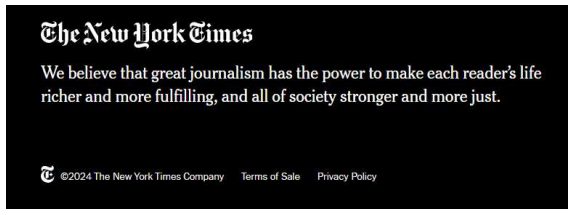
"Qual é a proposta do anúncio feito pelo jornal americano The New York
Times?
Ano: 2024
Banca:
Máxima
Órgão:
Prefeitura de Santo Antônio do Grama - MG
Prova:
Máxima - 2024 - Prefeitura de Santo Antônio do Grama - MG - Professor de Inglês |
Q4208659
Inglês
Texto associado
Leia o texto a seguir.
For decades, it seemed that the purpose of our education system was to
encourage competition. Schools would award prizes to the most talented
student and proudly display their names on bulletin boards. Nowadays, in
many institutions, the key word has become "inclusion": no one should be left
behind. Resources are channeled into helping the east capable; everyone's
work (good or bad) is on the walls; and prize tables are heavily loaded with
awards to make sure everyone is awarded a prize for something. Which
approach is right?
Attempts to make education more inclusive are frequently criticized. Many
point out that once students leave the protective environment of the
classroom, they will face the challenges of the working world: what use will
false reassurance be then? The purpose of school must be to reveal to
people their limitations, so that they can find a vocation that suits them.
In the past, allowing the talented to rise to the top through competition would
certainly have been important. In most factories, it was useful to separate the
potential managers from the unskilled workforce, and companies relied on
finding talented individuals to win business before their competitors did. An
ethos of competition also helped countries to compete effectively with other
nations as they scrambled for territory, raced to accumulate armaments or
even traveled into space ahead of rivals.
But in the 21st century, are we really preparing young people for a world of
competition? The academic James F. Moore argues that the days when
businesses competed with each other are ending. Moore believes we should
talk of "business ecosystems" nowadays. International corporations operate
in global networks of suppliers and partners. Sometimes; even rival
corporations work together. For example: companies often have to
collaborate to define common industry standards.
What's more, hierarchies are disappearing within organizations. Modern
companies have a wider range of business functions (public relations, IT,
research and development), and so skills. Knowledge and decision-making
are spread throughout the organization. In a modern marketing department
alone, there are teams for collecting and analyzing a wealth of customer data,
designing brands, advertising, etc. Each individual contributes vital skills and
must receive equal training. Low-skilled work, by comparison, is increasingly
being performed by automated labor; that is, robots.
But it isn't just in businesses that cooperation is becoming the norm. In the
past, individuals, colleges, governments, and companies didn't have to
collaborate. Now', 'collective impact" is becoming the gold standard. For
example, an anti-obesity project called "Shape Up Somerville" managed to
significantly bring down the average BMI (body mass index) in the town in
just three years, by involving schools, colleges, local businesses, charities,
government, and local citizens in a program of collective action. Led by
academics, and funded by four agencies. The work involved designing
school lunch menus, improving walkways, introducing gym membership
packages, and running campaigns amongst the public.
Competition can still be useful. It's stimulating and can help us learn about
ourselves. But it should not become a dominant feature of education
systems. Those who do not receive investment will find it increasingly hard to
fit into the modern world. It really is learning to take part that counts.
Fonte: (Texto retirado do livro Accelerate 2 p. 56.)
"A palavra que melhor substitui o modal em destaque na frase “The
purpose of school must be to reveal to people their limitations, so that they
can find a vocation that suits them” é:
Ano: 2024
Banca:
Máxima
Órgão:
Prefeitura de Santo Antônio do Grama - MG
Prova:
Máxima - 2024 - Prefeitura de Santo Antônio do Grama - MG - Professor de Inglês |
Q4208656
Inglês
Texto associado
Leia o texto a seguir.
For decades, it seemed that the purpose of our education system was to
encourage competition. Schools would award prizes to the most talented
student and proudly display their names on bulletin boards. Nowadays, in
many institutions, the key word has become "inclusion": no one should be left
behind. Resources are channeled into helping the east capable; everyone's
work (good or bad) is on the walls; and prize tables are heavily loaded with
awards to make sure everyone is awarded a prize for something. Which
approach is right?
Attempts to make education more inclusive are frequently criticized. Many
point out that once students leave the protective environment of the
classroom, they will face the challenges of the working world: what use will
false reassurance be then? The purpose of school must be to reveal to
people their limitations, so that they can find a vocation that suits them.
In the past, allowing the talented to rise to the top through competition would
certainly have been important. In most factories, it was useful to separate the
potential managers from the unskilled workforce, and companies relied on
finding talented individuals to win business before their competitors did. An
ethos of competition also helped countries to compete effectively with other
nations as they scrambled for territory, raced to accumulate armaments or
even traveled into space ahead of rivals.
But in the 21st century, are we really preparing young people for a world of
competition? The academic James F. Moore argues that the days when
businesses competed with each other are ending. Moore believes we should
talk of "business ecosystems" nowadays. International corporations operate
in global networks of suppliers and partners. Sometimes; even rival
corporations work together. For example: companies often have to
collaborate to define common industry standards.
What's more, hierarchies are disappearing within organizations. Modern
companies have a wider range of business functions (public relations, IT,
research and development), and so skills. Knowledge and decision-making
are spread throughout the organization. In a modern marketing department
alone, there are teams for collecting and analyzing a wealth of customer data,
designing brands, advertising, etc. Each individual contributes vital skills and
must receive equal training. Low-skilled work, by comparison, is increasingly
being performed by automated labor; that is, robots.
But it isn't just in businesses that cooperation is becoming the norm. In the
past, individuals, colleges, governments, and companies didn't have to
collaborate. Now', 'collective impact" is becoming the gold standard. For
example, an anti-obesity project called "Shape Up Somerville" managed to
significantly bring down the average BMI (body mass index) in the town in
just three years, by involving schools, colleges, local businesses, charities,
government, and local citizens in a program of collective action. Led by
academics, and funded by four agencies. The work involved designing
school lunch menus, improving walkways, introducing gym membership
packages, and running campaigns amongst the public.
Competition can still be useful. It's stimulating and can help us learn about
ourselves. But it should not become a dominant feature of education
systems. Those who do not receive investment will find it increasingly hard to
fit into the modern world. It really is learning to take part that counts.
Fonte: (Texto retirado do livro Accelerate 2 p. 56.)
Em “Attempts to make education more inclusive are frequently criticized',
a palavra 'frequently' refere-se a um:
Ano: 2024
Banca:
Máxima
Órgão:
Prefeitura de Santo Antônio do Grama - MG
Prova:
Máxima - 2024 - Prefeitura de Santo Antônio do Grama - MG - Professor de Inglês |
Q4208655
Inglês
Texto associado
Leia o texto a seguir.
For decades, it seemed that the purpose of our education system was to
encourage competition. Schools would award prizes to the most talented
student and proudly display their names on bulletin boards. Nowadays, in
many institutions, the key word has become "inclusion": no one should be left
behind. Resources are channeled into helping the east capable; everyone's
work (good or bad) is on the walls; and prize tables are heavily loaded with
awards to make sure everyone is awarded a prize for something. Which
approach is right?
Attempts to make education more inclusive are frequently criticized. Many
point out that once students leave the protective environment of the
classroom, they will face the challenges of the working world: what use will
false reassurance be then? The purpose of school must be to reveal to
people their limitations, so that they can find a vocation that suits them.
In the past, allowing the talented to rise to the top through competition would
certainly have been important. In most factories, it was useful to separate the
potential managers from the unskilled workforce, and companies relied on
finding talented individuals to win business before their competitors did. An
ethos of competition also helped countries to compete effectively with other
nations as they scrambled for territory, raced to accumulate armaments or
even traveled into space ahead of rivals.
But in the 21st century, are we really preparing young people for a world of
competition? The academic James F. Moore argues that the days when
businesses competed with each other are ending. Moore believes we should
talk of "business ecosystems" nowadays. International corporations operate
in global networks of suppliers and partners. Sometimes; even rival
corporations work together. For example: companies often have to
collaborate to define common industry standards.
What's more, hierarchies are disappearing within organizations. Modern
companies have a wider range of business functions (public relations, IT,
research and development), and so skills. Knowledge and decision-making
are spread throughout the organization. In a modern marketing department
alone, there are teams for collecting and analyzing a wealth of customer data,
designing brands, advertising, etc. Each individual contributes vital skills and
must receive equal training. Low-skilled work, by comparison, is increasingly
being performed by automated labor; that is, robots.
But it isn't just in businesses that cooperation is becoming the norm. In the
past, individuals, colleges, governments, and companies didn't have to
collaborate. Now', 'collective impact" is becoming the gold standard. For
example, an anti-obesity project called "Shape Up Somerville" managed to
significantly bring down the average BMI (body mass index) in the town in
just three years, by involving schools, colleges, local businesses, charities,
government, and local citizens in a program of collective action. Led by
academics, and funded by four agencies. The work involved designing
school lunch menus, improving walkways, introducing gym membership
packages, and running campaigns amongst the public.
Competition can still be useful. It's stimulating and can help us learn about
ourselves. But it should not become a dominant feature of education
systems. Those who do not receive investment will find it increasingly hard to
fit into the modern world. It really is learning to take part that counts.
Fonte: (Texto retirado do livro Accelerate 2 p. 56.)
Após a leitura do texto, analise as assertivas abaixo.
I. Ao longo do tempo, as instituições de ensino sempre priorizaram a "inclusão".
II. As escolas modernas procuram assegurar que todos os alunos recebam prêmios.
III. As tentativas de tornar a educação mais inclusiva não são alvo de críticas.
I. Ao longo do tempo, as instituições de ensino sempre priorizaram a "inclusão".
II. As escolas modernas procuram assegurar que todos os alunos recebam prêmios.
III. As tentativas de tornar a educação mais inclusiva não são alvo de críticas.
Q4197170
Inglês
Texto associado
Leia o texto para responder à questão.
Rising sea levels could severely disrupt crude oil
shipments and erode energy security in import-dependent
countries like China, South Korea and Japan, with many of the
world’s biggest terminals vulnerable to flooding, researchers
said on Tuesday.
Melting ice and swelling seas caused by rising
temperatures could “unleash unstoppable multi-metre sea
level rise which will not only sink key oil ports and disrupt
global oil trade but also swamp coastal refineries and
petrochemical facilities”, the China Water Risk (CWR) think
tank warned in a report.
A 2021 report by the Intergovernmental Panel on Climate
Change estimated that on current trends, average sea levels
could rise by more than a metre by the end of the century,
adding that a two-metre rise could not be ruled out.
(www.reuters.com/business/energy/. Adaptado)
No trecho do terceiro parágrafo – … a two-metre rise
could not be ruled out… – a expressão em negrito pode
ser substituída, sem alteração de sentido, por
Q4197169
Inglês
Texto associado
Leia o texto para responder à questão.
Rising sea levels could severely disrupt crude oil
shipments and erode energy security in import-dependent
countries like China, South Korea and Japan, with many of the
world’s biggest terminals vulnerable to flooding, researchers
said on Tuesday.
Melting ice and swelling seas caused by rising
temperatures could “unleash unstoppable multi-metre sea
level rise which will not only sink key oil ports and disrupt
global oil trade but also swamp coastal refineries and
petrochemical facilities”, the China Water Risk (CWR) think
tank warned in a report.
A 2021 report by the Intergovernmental Panel on Climate
Change estimated that on current trends, average sea levels
could rise by more than a metre by the end of the century,
adding that a two-metre rise could not be ruled out.
(www.reuters.com/business/energy/. Adaptado)
No trecho do segundo parágrafo – … which will not only
sink key oil ports and disrupt global oil trade but also
swamp coastal refineries… – as expressões em negrito
indicam

 Conheça nossos planos