Questões de Vestibular Sobre interpretação de texto | reading comprehension em inglês

Foram encontradas 5.299 questões

Ano: 2010 Banca: UECE-CEV Órgão: UECE Prova: UECE-CEV - 2010 - UECE - Vestibular - Lingua Inglesa - 2ª fase |
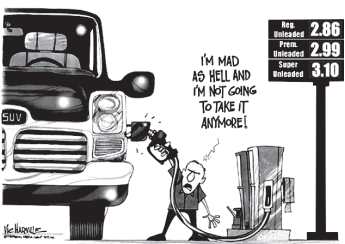
Q1277457 Inglês


CUDDON, J. A. The Penguin Dictionary of Literary Terms and Literary Theory. New York: Penguin Books, 1998.  

In Paradise Lost, Milton was able to
Alternativas
Q1275788 Inglês

TEXT C

(The Economist, May 22nd, 2010)

According to text C the advances in synthetic biology will lead to:
Alternativas
Q1275787 Inglês

TEXT C

(The Economist, May 22nd, 2010)

Text C
Alternativas
Q1275786 Inglês

TEXT C

(The Economist, May 22nd, 2010)

Text C
Alternativas
Q1275785 Inglês

TEXT C

(The Economist, May 22nd, 2010)

Which of the following words functions as an adjective in text C?
Alternativas
Q1275783 Inglês
TEXT B

High Marks for Clean Water

     Retrieve a discarded water bottle. Tear off the label and fill it with any water that’s not too murky from a creek, standpipe or a puddle. Place the bottle on a piece of metal in full sun. In six hours the UVA radiation will kill viruses, bacteria and parasites in the water, making it safe to drink.
     SODIS, the acronym for this Swiss - pioneered water - disinfection program, is now being used all over the world to provide drinking water for some four million people. “It’s simple, it’s free, and it’s effective,” says Ibelatha Mhelela, principal of the Ndolela Primary School in Tanzania. In 2006 her school started using SODIS to disinfect its contaminated tap water, placing bottles on the building’s corrugated metal roof. The result? Absenteeism due to diarrhea has dropped considerably, and examination scores soared. “Before we started SODIS, only ten to fifteen percent of the children passed the national sixth grade exams,” says Mhelela, “Now ninety to ninety - five percent of the students pass.” 

(National Geographic, April 2010)
According to text B, after adopting SODIS:
Alternativas
Q1275779 Inglês
TEXT B

High Marks for Clean Water

     Retrieve a discarded water bottle. Tear off the label and fill it with any water that’s not too murky from a creek, standpipe or a puddle. Place the bottle on a piece of metal in full sun. In six hours the UVA radiation will kill viruses, bacteria and parasites in the water, making it safe to drink.
     SODIS, the acronym for this Swiss - pioneered water - disinfection program, is now being used all over the world to provide drinking water for some four million people. “It’s simple, it’s free, and it’s effective,” says Ibelatha Mhelela, principal of the Ndolela Primary School in Tanzania. In 2006 her school started using SODIS to disinfect its contaminated tap water, placing bottles on the building’s corrugated metal roof. The result? Absenteeism due to diarrhea has dropped considerably, and examination scores soared. “Before we started SODIS, only ten to fifteen percent of the children passed the national sixth grade exams,” says Mhelela, “Now ninety to ninety - five percent of the students pass.” 

(National Geographic, April 2010)
The first sentence of text B is
Alternativas
Q1275778 Inglês

TEXT A

All things bright and beautiful,

All creatures great and small,

All things wise and wonderful,

The Lord God made them all.

Each little flower that opens,

Each little bird that sings,

He made their glowing colours,

He made their tiny wings.

He gave us eyes to see them,

And lips that we might tell,

How great is God Almighty,

Who has made all things well.


by Cecil F. Alexander 

The pronoun ‘who’ in the last line of text A refers to:
Alternativas
Q1275775 Inglês

TEXT A

All things bright and beautiful,

All creatures great and small,

All things wise and wonderful,

The Lord God made them all.

Each little flower that opens,

Each little bird that sings,

He made their glowing colours,

He made their tiny wings.

He gave us eyes to see them,

And lips that we might tell,

How great is God Almighty,

Who has made all things well.


by Cecil F. Alexander 

The predominant tone in text A is:
Alternativas
Ano: 2010 Banca: UECE-CEV Órgão: UECE Prova: UECE-CEV - 2010 - UECE - Vestibular - Inglês - 1ª fase |
Q1275183 Inglês

TEXT 

By Robert Shiller. Newsweek - Special Issue, Dec. 2009. 

According to the text, the post crisis consciousness about bubbles
Alternativas
Ano: 2010 Banca: UECE-CEV Órgão: UECE Prova: UECE-CEV - 2010 - UECE - Vestibular - Inglês - 1ª fase |
Q1275182 Inglês

TEXT 

By Robert Shiller. Newsweek - Special Issue, Dec. 2009. 

Despite the recent financial crisis,
Alternativas
Ano: 2010 Banca: UECE-CEV Órgão: UECE Prova: UECE-CEV - 2010 - UECE - Vestibular - Inglês - 1ª fase |
Q1275181 Inglês

TEXT 

By Robert Shiller. Newsweek - Special Issue, Dec. 2009. 

The author also believes that the internet will
Alternativas
Ano: 2010 Banca: UECE-CEV Órgão: UECE Prova: UECE-CEV - 2010 - UECE - Vestibular - Inglês - 1ª fase |
Q1275180 Inglês

TEXT 

By Robert Shiller. Newsweek - Special Issue, Dec. 2009. 

The author believes in:
Alternativas
Ano: 2010 Banca: UECE-CEV Órgão: UECE Prova: UECE-CEV - 2010 - UECE - Vestibular - Inglês - 1ª fase |
Q1275179 Inglês

TEXT 

By Robert Shiller. Newsweek - Special Issue, Dec. 2009. 

According to Robert Shiller:
Alternativas
Ano: 2010 Banca: UECE-CEV Órgão: UECE Prova: UECE-CEV - 2010 - UECE - Vestibular - Inglês - 1ª fase |
Q1275178 Inglês

TEXT 

By Robert Shiller. Newsweek - Special Issue, Dec. 2009. 

Shiller’s point of view about youths nowadays is that they:
Alternativas
Ano: 2010 Banca: UEAP Órgão: UEAP Prova: UEAP - 2010 - UEAP - Vestibular - Prova 1 |
Q1274663 Inglês
THE ROAD TO COPENHAGEN

Biggest Obstacle to Global Climate Deal May Be How to Pay for It

As world leaders struggle to hash out a new global climate deal by December, they face a hurdle perhaps more formidable than getting big polluters like the United States and China to reduce greenhouse gas emissions: how to pay for the new accord. That money is needed to help fast-developing countries like India and Brazil convert to costly but cleaner technologies as they industrialize, as well as to assist the poorest countries in coping with the consequences of climate change, like droughts and rising seas. This financing is an essential part of any international climate agreement, negotiators and scientists say, because developing nations must curb the growth of their emissions if the world is to limit rising temperatures.
Based on calculations by the International Energy Agency for 2005 to 2030, 75 percent of the growth in energy demand will come from the developing world. Many developing countries have made it clear that they will not sign a treaty unless they get money to help them adapt to a warmer planet. Acknowledging that a new treaty needs unanimity for success, industrialized nations like the United States and those in Europe have agreed in principle to make such payments; they have already been written into the agreed-upon structure of the treaty, to be signed in Copenhagen in December. (…) At a United Nations summit meeting in New York on climate change and at the Group of 20 meetings in Pittsburgh last month, national leaders, including President Obama and President Hu Jintao of China, stressed the urgency of combating climate change. But they offered no new proposals for financing and put no new cash on the table.
Perhaps even more troublesome, the United Nations Adaptation Fund, which officially began operating in 2008 to help poor countries finance projects to blunt the effects of global warming, remains an empty shell, largely because rich nations have failed to come through with the donations they promised.
By Elisabeth Rosenthal
Published: October 14, 2009
Source: http://www.nytimes.com/2009/10/15/science/earth/15climate.html?ref=science
Tendo como referência o último parágrafo do texto, pode-se afirmar que a expressão “The United Nations Adaptation Fund...remains an empty shell”, corresponde melhor à seguinte idéia:
Alternativas
Ano: 2010 Banca: UEAP Órgão: UEAP Prova: UEAP - 2010 - UEAP - Vestibular - Prova 1 |
Q1274662 Inglês
THE ROAD TO COPENHAGEN

Biggest Obstacle to Global Climate Deal May Be How to Pay for It

As world leaders struggle to hash out a new global climate deal by December, they face a hurdle perhaps more formidable than getting big polluters like the United States and China to reduce greenhouse gas emissions: how to pay for the new accord. That money is needed to help fast-developing countries like India and Brazil convert to costly but cleaner technologies as they industrialize, as well as to assist the poorest countries in coping with the consequences of climate change, like droughts and rising seas. This financing is an essential part of any international climate agreement, negotiators and scientists say, because developing nations must curb the growth of their emissions if the world is to limit rising temperatures.
Based on calculations by the International Energy Agency for 2005 to 2030, 75 percent of the growth in energy demand will come from the developing world. Many developing countries have made it clear that they will not sign a treaty unless they get money to help them adapt to a warmer planet. Acknowledging that a new treaty needs unanimity for success, industrialized nations like the United States and those in Europe have agreed in principle to make such payments; they have already been written into the agreed-upon structure of the treaty, to be signed in Copenhagen in December. (…) At a United Nations summit meeting in New York on climate change and at the Group of 20 meetings in Pittsburgh last month, national leaders, including President Obama and President Hu Jintao of China, stressed the urgency of combating climate change. But they offered no new proposals for financing and put no new cash on the table.
Perhaps even more troublesome, the United Nations Adaptation Fund, which officially began operating in 2008 to help poor countries finance projects to blunt the effects of global warming, remains an empty shell, largely because rich nations have failed to come through with the donations they promised.
By Elisabeth Rosenthal
Published: October 14, 2009
Source: http://www.nytimes.com/2009/10/15/science/earth/15climate.html?ref=science
Após a leitura do texto, não se pode concluir:
Alternativas
Ano: 2010 Banca: UEAP Órgão: UEAP Prova: UEAP - 2010 - UEAP - Vestibular - Prova 1 |
Q1274661 Inglês
THE ROAD TO COPENHAGEN

Biggest Obstacle to Global Climate Deal May Be How to Pay for It

As world leaders struggle to hash out a new global climate deal by December, they face a hurdle perhaps more formidable than getting big polluters like the United States and China to reduce greenhouse gas emissions: how to pay for the new accord. That money is needed to help fast-developing countries like India and Brazil convert to costly but cleaner technologies as they industrialize, as well as to assist the poorest countries in coping with the consequences of climate change, like droughts and rising seas. This financing is an essential part of any international climate agreement, negotiators and scientists say, because developing nations must curb the growth of their emissions if the world is to limit rising temperatures.
Based on calculations by the International Energy Agency for 2005 to 2030, 75 percent of the growth in energy demand will come from the developing world. Many developing countries have made it clear that they will not sign a treaty unless they get money to help them adapt to a warmer planet. Acknowledging that a new treaty needs unanimity for success, industrialized nations like the United States and those in Europe have agreed in principle to make such payments; they have already been written into the agreed-upon structure of the treaty, to be signed in Copenhagen in December. (…) At a United Nations summit meeting in New York on climate change and at the Group of 20 meetings in Pittsburgh last month, national leaders, including President Obama and President Hu Jintao of China, stressed the urgency of combating climate change. But they offered no new proposals for financing and put no new cash on the table.
Perhaps even more troublesome, the United Nations Adaptation Fund, which officially began operating in 2008 to help poor countries finance projects to blunt the effects of global warming, remains an empty shell, largely because rich nations have failed to come through with the donations they promised.
By Elisabeth Rosenthal
Published: October 14, 2009
Source: http://www.nytimes.com/2009/10/15/science/earth/15climate.html?ref=science
Marque a alternativa que confirma a idéia principal do texto.
Alternativas
Ano: 2010 Banca: UEAP Órgão: UEAP Prova: UEAP - 2010 - UEAP - Vestibular - Prova 1 |
Q1274660 Inglês
THE ROAD TO COPENHAGEN

Biggest Obstacle to Global Climate Deal May Be How to Pay for It

As world leaders struggle to hash out a new global climate deal by December, they face a hurdle perhaps more formidable than getting big polluters like the United States and China to reduce greenhouse gas emissions: how to pay for the new accord. That money is needed to help fast-developing countries like India and Brazil convert to costly but cleaner technologies as they industrialize, as well as to assist the poorest countries in coping with the consequences of climate change, like droughts and rising seas. This financing is an essential part of any international climate agreement, negotiators and scientists say, because developing nations must curb the growth of their emissions if the world is to limit rising temperatures.
Based on calculations by the International Energy Agency for 2005 to 2030, 75 percent of the growth in energy demand will come from the developing world. Many developing countries have made it clear that they will not sign a treaty unless they get money to help them adapt to a warmer planet. Acknowledging that a new treaty needs unanimity for success, industrialized nations like the United States and those in Europe have agreed in principle to make such payments; they have already been written into the agreed-upon structure of the treaty, to be signed in Copenhagen in December. (…) At a United Nations summit meeting in New York on climate change and at the Group of 20 meetings in Pittsburgh last month, national leaders, including President Obama and President Hu Jintao of China, stressed the urgency of combating climate change. But they offered no new proposals for financing and put no new cash on the table.
Perhaps even more troublesome, the United Nations Adaptation Fund, which officially began operating in 2008 to help poor countries finance projects to blunt the effects of global warming, remains an empty shell, largely because rich nations have failed to come through with the donations they promised.
By Elisabeth Rosenthal
Published: October 14, 2009
Source: http://www.nytimes.com/2009/10/15/science/earth/15climate.html?ref=science
De acordo com a autora Elisabeth Rosenthal, é correto afirmar:
Alternativas
Ano: 2010 Banca: IFG Órgão: IF-GO Prova: IFG - 2010 - IF-GO - Vestibular - Prova 2 |
Q1273626 Inglês
The Wind
James Stephens

The wind stood up, and gave a shout:
He whistled on his fingers, and

Kicked the withered leaves about,
And thumped the branches with his hand,

And said he'd kill, and kill, and kill:
And so he will! And so he will! 

The words in “The Wind” that give human qualities to the wind are:
Alternativas
Respostas
4621: C
4622: B
4623: A
4624: B
4625: D
4626: D
4627: D
4628: C
4629: D
4630: C
4631: A
4632: B
4633: A
4634: C
4635: B
4636: A
4637: E
4638: C
4639: B
4640: C