Questões de Concurso
Nível superior
Foram encontradas 2.023.038 questões
Resolva questões gratuitamente!
Junte-se a mais de 4 milhões de concurseiros!


Ano: 2026
Banca:
VUNESP
Órgão:
Prefeitura de Jundiaí - SP
Prova:
VUNESP - 2026 - Prefeitura de Jundiaí - SP - Professor II - Biologia |
Q4395948
Biologia
A transpiração estomática representa a principal via de
perda de água pelas plantas vasculares e desempenha
papel fundamental na manutenção do fluxo de seiva bruta e nas trocas gasosas. A abertura e o fechamento dos
estômatos dependem de fatores ambientais e fisiológicos
que alteram o turgor das células-guarda.
Os mecanismos fisiológicos relacionados à evapotranspiração estomática estão descritos corretamente em:
Os mecanismos fisiológicos relacionados à evapotranspiração estomática estão descritos corretamente em:
Ano: 2026
Banca:
VUNESP
Órgão:
Prefeitura de Jundiaí - SP
Prova:
VUNESP - 2026 - Prefeitura de Jundiaí - SP - Professor II - Biologia |
Q4395947
Biologia
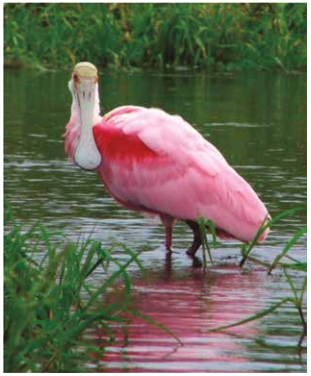
A fotografia mostra um colhereiro (Platalea ajaja), ave
aquática cujo bico achatado e alargado na extremidade
permite capturar pequenos peixes, crustáceos e outros
organismos em águas rasas.
 (Disponível em: https://pt.wikipedia.org)
Uma explicação compatível com a Teoria Sintética da Evolução sobre o bico do colhereiro é:
(Disponível em: https://pt.wikipedia.org)
Uma explicação compatível com a Teoria Sintética da Evolução sobre o bico do colhereiro é:
Ano: 2026
Banca:
VUNESP
Órgão:
Prefeitura de Jundiaí - SP
Prova:
VUNESP - 2026 - Prefeitura de Jundiaí - SP - Professor II - Biologia |
Q4395946
Biologia
Analise o cladograma a seguir que representa, de forma
geral, a evolução dos grupos botânicos.
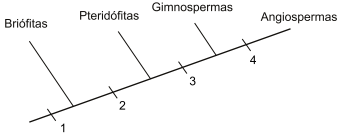
Com base no cladograma apresentado, assinale a alternativa que identifica corretamente as aquisições evolutivas representadas por 1, 2, 3 e 4.
Com base no cladograma apresentado, assinale a alternativa que identifica corretamente as aquisições evolutivas representadas por 1, 2, 3 e 4.
Ano: 2026
Banca:
VUNESP
Órgão:
Prefeitura de Jundiaí - SP
Prova:
VUNESP - 2026 - Prefeitura de Jundiaí - SP - Professor II - Biologia |
Q4395945
Biologia
Durante uma campanha de promoção de saúde e bem-
-estar, a prefeitura de uma cidade desenvolveu atividades sobre saneamento básico e controle de doenças. Os
munícipes verificaram que algumas enfermidades apresentam redução significativa com a ampliação do abastecimento de água tratada e da coleta de esgoto, enquanto
outras enfermidades dependem principalmente do controle de organismos transmissores.
Considerando a profilaxia desses dois grupos de enfermidades, afirma-se que
Considerando a profilaxia desses dois grupos de enfermidades, afirma-se que
Ano: 2026
Banca:
VUNESP
Órgão:
Prefeitura de Jundiaí - SP
Prova:
VUNESP - 2026 - Prefeitura de Jundiaí - SP - Professor II - Biologia |
Q4395944
Biologia
Durante as pesquisas sobre o processo de evolução celular, foram identificadas evidências de que algumas organelas das células eucarióticas possuem DNA próprio,
ribossomos semelhantes aos das bactérias e capacidade
de divisão independente do núcleo celular.
A respeito da relação entre essas características e as hipóteses sobre a origem das células eucarióticas, é correto afirmar que
A respeito da relação entre essas características e as hipóteses sobre a origem das células eucarióticas, é correto afirmar que
Ano: 2026
Banca:
VUNESP
Órgão:
Prefeitura de Jundiaí - SP
Prova:
VUNESP - 2026 - Prefeitura de Jundiaí - SP - Professor II - Biologia |
Q4395943
Biologia
Como parte de um projeto interdisciplinar de educação
ambiental, uma escola iniciou a implantação de uma horta
coletiva e um sistema de compostagem utilizando minhocas vermelhas e restos de frutas, verduras e folhas provenientes da merenda escolar.
Além de produzir alimentos para o refeitório e promover discussões com os estudantes sobre sustentabilidade e responsabilidade socioambiental, tal projeto de educação ambiental
Além de produzir alimentos para o refeitório e promover discussões com os estudantes sobre sustentabilidade e responsabilidade socioambiental, tal projeto de educação ambiental
Ano: 2026
Banca:
VUNESP
Órgão:
Prefeitura de Jundiaí - SP
Prova:
VUNESP - 2026 - Prefeitura de Jundiaí - SP - Professor II - Biologia |
Q4395942
Biologia
Referente ao aquecimento global, foram apresentados
dados convincentes mostrando que a concentração atmosférica de dióxido de carbono (CO2) aumentou nas
últimas décadas em decorrência, entre outros fatores, da
queima de combustíveis fósseis e da redução da cobertura vegetal nativa.
A relação entre o ciclo do carbono e o efeito estufa decorre que
A relação entre o ciclo do carbono e o efeito estufa decorre que
Ano: 2026
Banca:
VUNESP
Órgão:
Prefeitura de Jundiaí - SP
Prova:
VUNESP - 2026 - Prefeitura de Jundiaí - SP - Professor II - Biologia |
Q4395941
Biologia
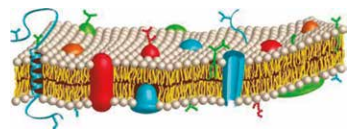
A membrana plasmática é constituída por uma bicamada
lipídica com proteínas inseridas, além de carboidratos e
esteroides, conforme a figura a seguir.
 (Disponível em: www.biologianet.com)
Com base na organização da membrana plasmática, afirma-se que
(Disponível em: www.biologianet.com)
Com base na organização da membrana plasmática, afirma-se que
Ano: 2026
Banca:
VUNESP
Órgão:
Prefeitura de Jundiaí - SP
Prova:
VUNESP - 2026 - Prefeitura de Jundiaí - SP - Professor II - Biologia |
Q4395940
Engenharia Ambiental e Sanitária
O ciclo da água e o saneamento básico estão totalmente
interligados, além dos processos naturais de evaporação, precipitação e infiltração, o ambiente urbano depende de diferentes sistemas de tubulações para garantir o
abastecimento de água, a coleta de esgoto e o manejo
das águas das chuvas.
A correta compreensão do transporte de fluidos nessas três tubulações permite compreender a importância do ciclo da água para o ser humano e distinguir suas funções no saneamento básico, uma vez que
A correta compreensão do transporte de fluidos nessas três tubulações permite compreender a importância do ciclo da água para o ser humano e distinguir suas funções no saneamento básico, uma vez que
Ano: 2026
Banca:
VUNESP
Órgão:
Prefeitura de Jundiaí - SP
Prova:
VUNESP - 2026 - Prefeitura de Jundiaí - SP - Professor II - Biologia |
Q4395939
Meio Ambiente
Em um remanescente de Mata Atlântica, pesquisadores
observaram um grupo de bugios alimentando-se dos
frutos de uma figueira que abrigava bromélias as quais
acumulavam água entre suas folhas, servindo de abrigo
para anfíbios e invertebrados. No mesmo ambiente, registraram elevada umidade do ar, solo rico em matéria
orgânica e baixa incidência de luz no sub-bosque.
Ao discutir a dinâmica desse ecossistema, um dos pesquisadores destacou a importância da integração entre fatores abióticos e bióticos, uma vez que
Ao discutir a dinâmica desse ecossistema, um dos pesquisadores destacou a importância da integração entre fatores abióticos e bióticos, uma vez que
Ano: 2026
Banca:
VUNESP
Órgão:
Prefeitura de Jundiaí - SP
Prova:
VUNESP - 2026 - Prefeitura de Jundiaí - SP - Professor II - Biologia |
Q4395938
Biologia
Durante uma aula do Ensino Médio, foi proposto aos
estudantes o cruzamento entre duas linhagens puras de
ervilhas, uma com sementes amarelas e outra com sementes verdes, nos mesmos moldes desenvolvidos por
Gregor Mendel. Após obterem a geração F1, os estudantes realizaram a autofecundação dos indivíduos heterozigotos e observaram a esperada proporção fenotípica da
geração F2.
Para explicar o resultado obtido, destaca-se um princípio fundamental da genética clássica:
Para explicar o resultado obtido, destaca-se um princípio fundamental da genética clássica:
Ano: 2026
Banca:
VUNESP
Órgão:
Prefeitura de Jundiaí - SP
Prova:
VUNESP - 2026 - Prefeitura de Jundiaí - SP - Professor II - Língua Estrangeira - Inglês |
Q4395897
Inglês
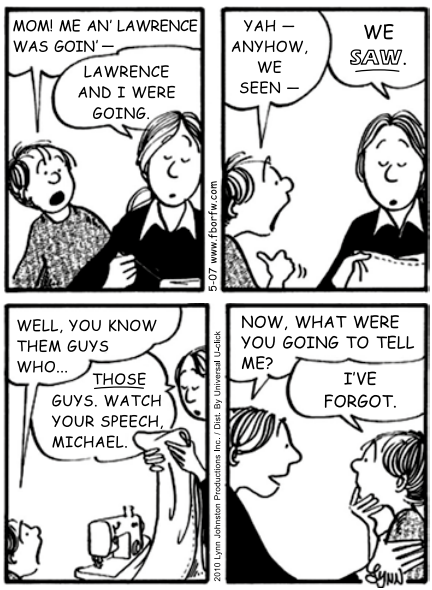
Leia a tirinha a seguir:
(https://maryannall.weebly.com)
The way Michael’s mother reacts to the boy’s statements reflects the view of the nature of language encountered in
(https://maryannall.weebly.com)
The way Michael’s mother reacts to the boy’s statements reflects the view of the nature of language encountered in
Ano: 2026
Banca:
VUNESP
Órgão:
Prefeitura de Jundiaí - SP
Prova:
VUNESP - 2026 - Prefeitura de Jundiaí - SP - Professor II - Língua Estrangeira - Inglês |
Q4395896
Inglês
Texto associado
Leia o texto a seguir para responder à questão:
Central to an approach or method in language teaching
is a view of the nature of language, and this shapes teaching
goals, the organization of the curriculum, and the emphasis
given in classroom teaching. A lexical approach in language
teaching refers to one derived from the belief that the
building blocks of language learning and communication
are not grammar, functions, notions or some other unit of
planning and teaching but lexis, that is, words and word
combinations. The lexical view holds that only a minority
of spoken sentences are entirely novel creations and that
multiword units functioning as ‘chunks” or memorized
patterns form a high proportion of the fluent stretches of
speech heard in everyday conversations.
Collocations are ‘language chunks’ that form an integral
part of any discourse, written or spoken. The term refers
to the regular occurrence together of words. For example,
compare the following collocations of verbs with nouns:
Do my hair/ the cooking /the laundry/ my work
Make my bed/ a promise/ coffee/ a meal
(RICHARDS, Jack C.; RODGERS, Theodore S. Approaches and methods
in language teaching. 2. ed. Cambridge: Cambridge University Press, 2001.
Adaptado)
A correct collocation with the verb “make” is found in
alternative
Ano: 2026
Banca:
VUNESP
Órgão:
Prefeitura de Jundiaí - SP
Prova:
VUNESP - 2026 - Prefeitura de Jundiaí - SP - Professor II - Língua Estrangeira - Inglês |
Q4395895
Inglês
Texto associado
Leia o texto a seguir para responder à questão:
Central to an approach or method in language teaching
is a view of the nature of language, and this shapes teaching
goals, the organization of the curriculum, and the emphasis
given in classroom teaching. A lexical approach in language
teaching refers to one derived from the belief that the
building blocks of language learning and communication
are not grammar, functions, notions or some other unit of
planning and teaching but lexis, that is, words and word
combinations. The lexical view holds that only a minority
of spoken sentences are entirely novel creations and that
multiword units functioning as ‘chunks” or memorized
patterns form a high proportion of the fluent stretches of
speech heard in everyday conversations.
Collocations are ‘language chunks’ that form an integral
part of any discourse, written or spoken. The term refers
to the regular occurrence together of words. For example,
compare the following collocations of verbs with nouns:
Do my hair/ the cooking /the laundry/ my work
Make my bed/ a promise/ coffee/ a meal
(RICHARDS, Jack C.; RODGERS, Theodore S. Approaches and methods
in language teaching. 2. ed. Cambridge: Cambridge University Press, 2001.
Adaptado)
Lexical approaches stress the teaching of the lexicon
because, under this perspective, words or multiword
lexical chunks
Ano: 2026
Banca:
VUNESP
Órgão:
Prefeitura de Jundiaí - SP
Prova:
VUNESP - 2026 - Prefeitura de Jundiaí - SP - Professor II - Língua Estrangeira - Inglês |
Q4395894
Inglês
Texto associado
Leia o texto a seguir para responder à questão:
Notional-functional syllabuses (hereafter referred to as
NFS) began to be used in the United Kingdom in the 1970’s.
The distinguishing characteristics of the NFS were its attention
to functions as the organizing elements of English language
curriculum, and its contrast with a structural syllabus in which
sequenced grammatical structures served as organizers.
Thus, the NFS focused strongly on the pragmatic purposes to
which we put language. Curricula were then organized around
such functions as identifying, reporting, denying, accepting,
declining, apologizing, etc. Some seventy different language
functions were identified.
The NFS quickly provided popular underpinnings for
the development of communicative textbooks and materials
in English language courses. It is important to emphasize
that the NFS did not necessarily develop communicative
competence in learners because, as a syllabus, it still
presented language as an inventory of units – functional
rather than grammatical units, but units nonetheless.
Communicative competence implies a set of strategies for
getting messages sent and received and for negotiating
meaning as an interactive participant in discourse, whether
spoken or written. It pressuposes the learners’ ability
to “know how to do” things, being able to act in different
situations as they put their constructed knowledge into
practice.
(BROWN, H. Douglas. Teaching by principles: an interactive approach to
language pedagogy. Englewood Cliffs, NJ: Prentice Hall Regents, 1994.
Adaptado)
Grande parte dos aprendizes brasileiros de Inglês percebe o sufixo -ed no passado e particípio passado de
verbos regulares como tendo o mesmo som quando, na
verdade, -ed pode assumir diversos sons. Dos verbos
a seguir, retirados do texto, assinale aquele em que
o -ed final é pronunciado como /id/ e acrescenta uma
sílaba à palavra.
Ano: 2026
Banca:
VUNESP
Órgão:
Prefeitura de Jundiaí - SP
Prova:
VUNESP - 2026 - Prefeitura de Jundiaí - SP - Professor II - Língua Estrangeira - Inglês |
Q4395893
Inglês
Texto associado
Leia o texto a seguir para responder à questão:
Notional-functional syllabuses (hereafter referred to as
NFS) began to be used in the United Kingdom in the 1970’s.
The distinguishing characteristics of the NFS were its attention
to functions as the organizing elements of English language
curriculum, and its contrast with a structural syllabus in which
sequenced grammatical structures served as organizers.
Thus, the NFS focused strongly on the pragmatic purposes to
which we put language. Curricula were then organized around
such functions as identifying, reporting, denying, accepting,
declining, apologizing, etc. Some seventy different language
functions were identified.
The NFS quickly provided popular underpinnings for
the development of communicative textbooks and materials
in English language courses. It is important to emphasize
that the NFS did not necessarily develop communicative
competence in learners because, as a syllabus, it still
presented language as an inventory of units – functional
rather than grammatical units, but units nonetheless.
Communicative competence implies a set of strategies for
getting messages sent and received and for negotiating
meaning as an interactive participant in discourse, whether
spoken or written. It pressuposes the learners’ ability
to “know how to do” things, being able to act in different
situations as they put their constructed knowledge into
practice.
(BROWN, H. Douglas. Teaching by principles: an interactive approach to
language pedagogy. Englewood Cliffs, NJ: Prentice Hall Regents, 1994.
Adaptado)
It is an example of a meaning-focused classroom activity,
fulfilling a genuine communicative purpose:
Ano: 2026
Banca:
VUNESP
Órgão:
Prefeitura de Jundiaí - SP
Prova:
VUNESP - 2026 - Prefeitura de Jundiaí - SP - Professor II - Língua Estrangeira - Inglês |
Q4395892
Inglês
Texto associado
Leia o texto a seguir para responder à questão:
Notional-functional syllabuses (hereafter referred to as
NFS) began to be used in the United Kingdom in the 1970’s.
The distinguishing characteristics of the NFS were its attention
to functions as the organizing elements of English language
curriculum, and its contrast with a structural syllabus in which
sequenced grammatical structures served as organizers.
Thus, the NFS focused strongly on the pragmatic purposes to
which we put language. Curricula were then organized around
such functions as identifying, reporting, denying, accepting,
declining, apologizing, etc. Some seventy different language
functions were identified.
The NFS quickly provided popular underpinnings for
the development of communicative textbooks and materials
in English language courses. It is important to emphasize
that the NFS did not necessarily develop communicative
competence in learners because, as a syllabus, it still
presented language as an inventory of units – functional
rather than grammatical units, but units nonetheless.
Communicative competence implies a set of strategies for
getting messages sent and received and for negotiating
meaning as an interactive participant in discourse, whether
spoken or written. It pressuposes the learners’ ability
to “know how to do” things, being able to act in different
situations as they put their constructed knowledge into
practice.
(BROWN, H. Douglas. Teaching by principles: an interactive approach to
language pedagogy. Englewood Cliffs, NJ: Prentice Hall Regents, 1994.
Adaptado)
Teachers who understand competence as “the learners’
ability to “know how to do” things, being able to act in
different situations as they put their constructed knowledge
into practice” (paragraph 2) will, in their English classes,
Ano: 2026
Banca:
VUNESP
Órgão:
Prefeitura de Jundiaí - SP
Prova:
VUNESP - 2026 - Prefeitura de Jundiaí - SP - Professor II - Língua Estrangeira - Inglês |
Q4395891
Inglês
Texto associado
Leia o texto a seguir para responder à questão:
Notional-functional syllabuses (hereafter referred to as
NFS) began to be used in the United Kingdom in the 1970’s.
The distinguishing characteristics of the NFS were its attention
to functions as the organizing elements of English language
curriculum, and its contrast with a structural syllabus in which
sequenced grammatical structures served as organizers.
Thus, the NFS focused strongly on the pragmatic purposes to
which we put language. Curricula were then organized around
such functions as identifying, reporting, denying, accepting,
declining, apologizing, etc. Some seventy different language
functions were identified.
The NFS quickly provided popular underpinnings for
the development of communicative textbooks and materials
in English language courses. It is important to emphasize
that the NFS did not necessarily develop communicative
competence in learners because, as a syllabus, it still
presented language as an inventory of units – functional
rather than grammatical units, but units nonetheless.
Communicative competence implies a set of strategies for
getting messages sent and received and for negotiating
meaning as an interactive participant in discourse, whether
spoken or written. It pressuposes the learners’ ability
to “know how to do” things, being able to act in different
situations as they put their constructed knowledge into
practice.
(BROWN, H. Douglas. Teaching by principles: an interactive approach to
language pedagogy. Englewood Cliffs, NJ: Prentice Hall Regents, 1994.
Adaptado)
Na frase do primeiro parágrafo “Thus, the NFS focused
strongly on the pragmatic purposes to which we put
language”, o termo destacado pode ser substituído,
respeitando o sentido e o nível de formalidade do
discurso, por
Ano: 2026
Banca:
VUNESP
Órgão:
Prefeitura de Jundiaí - SP
Prova:
VUNESP - 2026 - Prefeitura de Jundiaí - SP - Professor II - Língua Estrangeira - Inglês |
Q4395890
Inglês
Texto associado
Leia o texto a seguir para responder à questão:
Notional-functional syllabuses (hereafter referred to as
NFS) began to be used in the United Kingdom in the 1970’s.
The distinguishing characteristics of the NFS were its attention
to functions as the organizing elements of English language
curriculum, and its contrast with a structural syllabus in which
sequenced grammatical structures served as organizers.
Thus, the NFS focused strongly on the pragmatic purposes to
which we put language. Curricula were then organized around
such functions as identifying, reporting, denying, accepting,
declining, apologizing, etc. Some seventy different language
functions were identified.
The NFS quickly provided popular underpinnings for
the development of communicative textbooks and materials
in English language courses. It is important to emphasize
that the NFS did not necessarily develop communicative
competence in learners because, as a syllabus, it still
presented language as an inventory of units – functional
rather than grammatical units, but units nonetheless.
Communicative competence implies a set of strategies for
getting messages sent and received and for negotiating
meaning as an interactive participant in discourse, whether
spoken or written. It pressuposes the learners’ ability
to “know how to do” things, being able to act in different
situations as they put their constructed knowledge into
practice.
(BROWN, H. Douglas. Teaching by principles: an interactive approach to
language pedagogy. Englewood Cliffs, NJ: Prentice Hall Regents, 1994.
Adaptado)
Academic and scientific English makes regular use of Latin
and Greek words and adopts their plural forms as well, as
we see in “curriculum” and “curricula” (paragraph 1).
Mark the alternative in which a singular noun is correctly followed by its plural form.
Mark the alternative in which a singular noun is correctly followed by its plural form.
Ano: 2026
Banca:
VUNESP
Órgão:
Prefeitura de Jundiaí - SP
Prova:
VUNESP - 2026 - Prefeitura de Jundiaí - SP - Professor II - Língua Estrangeira - Inglês |
Q4395889
Inglês
Texto associado
Leia o texto a seguir para responder à questão:
Notional-functional syllabuses (hereafter referred to as
NFS) began to be used in the United Kingdom in the 1970’s.
The distinguishing characteristics of the NFS were its attention
to functions as the organizing elements of English language
curriculum, and its contrast with a structural syllabus in which
sequenced grammatical structures served as organizers.
Thus, the NFS focused strongly on the pragmatic purposes to
which we put language. Curricula were then organized around
such functions as identifying, reporting, denying, accepting,
declining, apologizing, etc. Some seventy different language
functions were identified.
The NFS quickly provided popular underpinnings for
the development of communicative textbooks and materials
in English language courses. It is important to emphasize
that the NFS did not necessarily develop communicative
competence in learners because, as a syllabus, it still
presented language as an inventory of units – functional
rather than grammatical units, but units nonetheless.
Communicative competence implies a set of strategies for
getting messages sent and received and for negotiating
meaning as an interactive participant in discourse, whether
spoken or written. It pressuposes the learners’ ability
to “know how to do” things, being able to act in different
situations as they put their constructed knowledge into
practice.
(BROWN, H. Douglas. Teaching by principles: an interactive approach to
language pedagogy. Englewood Cliffs, NJ: Prentice Hall Regents, 1994.
Adaptado)
The same function can be performed at different levels
of formality, depending on the context and the intimacy
between speakers.
There is an adequate choice of grammar and vocabulary in the function ‘making a recommendation’ in the situation illustrated in alternative
There is an adequate choice of grammar and vocabulary in the function ‘making a recommendation’ in the situation illustrated in alternative

 Conheça nossos planos