Selecionar segmento
Estude com questões de diferentes segmentos
Atenção: Isso limpará todos os campos já preenchidos no filtro!
Foram encontradas 1.316 questões
Resolva questões gratuitamente!
Junte-se a mais de 4 milhões de concurseiros!


Ano: 2022
Banca:
AMAUC
Órgão:
Prefeitura de Lindóia do Sul - SC
Prova:
AMAUC - 2022 - Prefeitura de Lindóia do Sul - SC - Auxiliar de Educação |
Q4365747
Pedagogia
A imagem abaixo está relacionada a qual das opções
descritas nas alternativas, que atuam auxiliando no
processo educativo e motivando os alunos para a
aprendizagem?
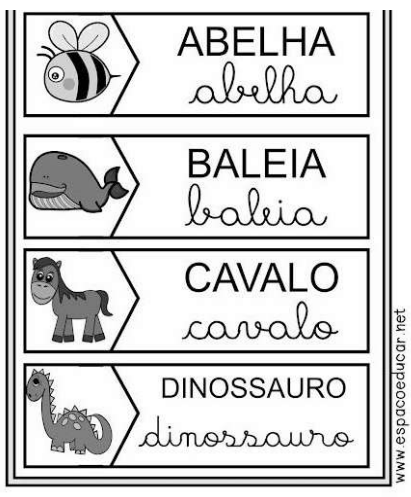
Marque a alternativa CORRETA.
Marque a alternativa CORRETA.
Ano: 2022
Banca:
AMAUC
Órgão:
Prefeitura de Lindóia do Sul - SC
Prova:
AMAUC - 2022 - Prefeitura de Lindóia do Sul - SC - Auxiliar de Educação |
Q4365746
Pedagogia
Alguns documentos são importantes norteadores para a educação infantil e compõem a legislação brasileira atual
sobre essa etapa educacional. Dentre as alternativas
abaixo, marque a opção que NÃO representa um
documento que traga nenhuma Diretriz referente à
Educação Infantil.
Ano: 2022
Banca:
AMAUC
Órgão:
Prefeitura de Lindóia do Sul - SC
Prova:
AMAUC - 2022 - Prefeitura de Lindóia do Sul - SC - Auxiliar de Educação |
Q4365745
Pedagogia
Configuram-se como importantes durante a vida da
criança, tanto o crescimento quanto o desenvolvimento.
Em relação a esses dois conceitos, marque a alternativa
que apresenta corretamente a descrição de cada um
deles.
Ano: 2022
Banca:
AMAUC
Órgão:
Prefeitura de Lindóia do Sul - SC
Prova:
AMAUC - 2022 - Prefeitura de Lindóia do Sul - SC - Auxiliar de Educação |
Q4365744
Legislação dos Municípios do Estado de Santa Catarina
As áreas físicas internas, tais como, as cozinhas, os
refeitórios e as dispensas devem ser mantidas em
condições satisfatórias de higiene. Sobre esse assunto,
julgue os itens a seguir como V, para verdadeiro, ou F,
para falsos:
I.(__)Os refeitórios devem ter piso lavável e paredes com clores claras e de fácil limpeza.
II.(__)A dispensa deve ser ventilada, telada e vedada ao acesso dos insetos.
III.(__)Na cozinha o lixo pode ser acondicionado em sacos bem finos e a lixeira pode ser mantida aberta, não tendo necessidade do sistema auto fechante.
Após análise, marque a alternativa CORRETA.
I.(__)Os refeitórios devem ter piso lavável e paredes com clores claras e de fácil limpeza.
II.(__)A dispensa deve ser ventilada, telada e vedada ao acesso dos insetos.
III.(__)Na cozinha o lixo pode ser acondicionado em sacos bem finos e a lixeira pode ser mantida aberta, não tendo necessidade do sistema auto fechante.
Após análise, marque a alternativa CORRETA.
Ano: 2022
Banca:
AMAUC
Órgão:
Prefeitura de Lindóia do Sul - SC
Prova:
AMAUC - 2022 - Prefeitura de Lindóia do Sul - SC - Gestor Escolar |
Q4365683
Pedagogia
A Lei nº 11.645, de 10 março de 2008 torna obrigatório
nos estabelecimentos de ensino fundamental e de
ensino médio, públicos e privados o estudo:
Ano: 2022
Banca:
AMAUC
Órgão:
Prefeitura de Lindóia do Sul - SC
Prova:
AMAUC - 2022 - Prefeitura de Lindóia do Sul - SC - Gestor Escolar |
Q4365681
Pedagogia
Qual das alternativas abaixo NÃO cita um dos princípios
com base nos quais o ensino será ministrado, conforme
determina a Constituição Federal?
Ano: 2022
Banca:
AMAUC
Órgão:
Prefeitura de Lindóia do Sul - SC
Prova:
AMAUC - 2022 - Prefeitura de Lindóia do Sul - SC - Gestor Escolar |
Q4365680
Pedagogia
A Lei de Diretrizes e Bases da Educação Nacional - LDB,
diz que a educação é dever da família e do Estado e que
deve ser inspirada nos princípios de liberdade e nos
ideais de solidariedade humana, tendo por finalidade:
Ano: 2022
Banca:
AMAUC
Órgão:
Prefeitura de Lindóia do Sul - SC
Prova:
AMAUC - 2022 - Prefeitura de Lindóia do Sul - SC - Gestor Escolar |
Q4365679
Pedagogia
A gestão educacional deve estar focada na organização
e coordenação das condições básicas necessárias para
garantir que o processo de aprendizagem ocorra de
forma significativa. Assim, para que o processo de
gestão seja eficiente:
Ano: 2022
Banca:
AMAUC
Órgão:
Prefeitura de Lindóia do Sul - SC
Prova:
AMAUC - 2022 - Prefeitura de Lindóia do Sul - SC - Gestor Escolar |
Q4365678
Direito da Criança e do Adolescente - Estatuto da Criança e do Adolescente (ECA) - Lei nº 8.069 de 1990
O Estatuto da Criança e do Adolescente garante aos
pais ou responsáveis, entre outros: o direito de:
Ano: 2022
Banca:
AMAUC
Órgão:
Prefeitura de Lindóia do Sul - SC
Prova:
AMAUC - 2022 - Prefeitura de Lindóia do Sul - SC - Gestor Escolar |
Q4365677
Pedagogia
Ao abandonar o caráter quantitativo que por muito
tempo a fundamentou, a avaliação passou a ser
entendida como um processo avaliativo, onde o foco
deixa de ser o de mensurar o conhecimento adquirido e
passa a ser a análise do que foi aprendido detectando as
dificuldades e buscando estratégias para superá-las.
Neste sentido, estudos proporcionaram a sistematização
de três tipos de avaliação, são elas:
Ano: 2022
Banca:
AMAUC
Órgão:
Prefeitura de Lindóia do Sul - SC
Prova:
AMAUC - 2022 - Prefeitura de Lindóia do Sul - SC - Gestor Escolar |
Q4365676
Pedagogia
A Base Nacional Comum Curricular organiza o ensino
fundamental em áreas de conhecimento, favorecendo a
interação entre os saberes dos diferentes componentes
curriculares. Quais são essas áreas?
Ano: 2022
Banca:
AMAUC
Órgão:
Prefeitura de Lindóia do Sul - SC
Prova:
AMAUC - 2022 - Prefeitura de Lindóia do Sul - SC - Gestor Escolar |
Q4365675
Pedagogia
Uma equipe de profissionais qualificados e engajados
garante o sucesso da instituição, por isso, o conceito de
equipe gestora vem fazendo a diferença nas instituições
que o assumiram como forma de trabalho. Neste
contexto, podemos explicar o trabalho da equipe gestora
como sendo:
Ano: 2022
Banca:
AMAUC
Órgão:
Prefeitura de Lindóia do Sul - SC
Prova:
AMAUC - 2022 - Prefeitura de Lindóia do Sul - SC - Gestor Escolar |
Q4365674
Pedagogia
Segundo Piaget o conhecimento evolui em um processo
contínuo, que se estabelece a partir da interação do
sujeito com o meio e que as etapas de desenvolvimento
das operações lógicas estão relacionadas aos estágios
do desenvolvimento social, caracterizando de forma
muito específica a interação das crianças com os
adultos. Sobre essa temática, podemos afirmar que:
Ano: 2022
Banca:
AMAUC
Órgão:
Prefeitura de Lindóia do Sul - SC
Prova:
AMAUC - 2022 - Prefeitura de Lindóia do Sul - SC - Gestor Escolar |
Q4365673
Direito da Criança e do Adolescente - Estatuto da Criança e do Adolescente (ECA) - Lei nº 8.069 de 1990
É atribuída aos dirigentes de estabelecimentos de ensino
fundamental, pelo Estatuto da Criança e do Adolescente,
a envolvendo seus alunos, reiteração de faltas
injustificadas e de evasão escolar, esgotados os
recursos escolares e elevados níveis de repetência. A
qual órgão público este comunicado deve ser feito?
Ano: 2022
Banca:
AMAUC
Órgão:
Prefeitura de Lindóia do Sul - SC
Prova:
AMAUC - 2022 - Prefeitura de Lindóia do Sul - SC - Gestor Escolar |
Q4365672
Pedagogia
De acordo com a Lei de diretrizes e bases da Educação
Nacional - LDB, a educação básica, obrigatória e gratuita
dos 4 (quatro) aos 17 (dezessete) anos de idade, está
organizada em:
Ano: 2022
Banca:
AMAUC
Órgão:
Prefeitura de Lindóia do Sul - SC
Prova:
AMAUC - 2022 - Prefeitura de Lindóia do Sul - SC - Gestor Escolar |
Q4365671
Pedagogia
A Constituição Federal determina que o ensino religioso
constituirá disciplina dos horários normais das escolas
públicas de ensino fundamental e que sua matrícula é:
Ano: 2022
Banca:
AMAUC
Órgão:
Prefeitura de Lindóia do Sul - SC
Prova:
AMAUC - 2022 - Prefeitura de Lindóia do Sul - SC - Gestor Escolar |
Q4365670
Pedagogia
Oferecer ao estudante a oportunidade de conhecer as
ciências conforme se desenvolveram ao longo dos anos
é, sem dúvida alguma, um importante papel da escola,
mas deixou de ser o único a partir do momento em que
assume uma função social, que consiste em:
Ano: 2022
Banca:
AMAUC
Órgão:
Prefeitura de Lindóia do Sul - SC
Prova:
AMAUC - 2022 - Prefeitura de Lindóia do Sul - SC - Gestor Escolar |
Q4365669
Pedagogia
Conforme determinam as Diretrizes Curriculares
Nacionais da Educação Básica:
"A Educação em Direitos Humanos tem como objetivo central _______________, no exercício cotidiano dos Direitos Humanos como forma de vida e de organização social, política, econômica e cultural nos níveis regionais, nacionais e planetário".
Disponível em: http://portal.mec.gov.br/index.php?option=com_docman&view= download&alias=13448-diretrizes-curiculares-nacionais-2013-pdf&Itemid=301 92
Qual das alternativas abaixo traz o texto CORRETO que completa e dá sentido ao artigo citado?
"A Educação em Direitos Humanos tem como objetivo central _______________, no exercício cotidiano dos Direitos Humanos como forma de vida e de organização social, política, econômica e cultural nos níveis regionais, nacionais e planetário".
Disponível em: http://portal.mec.gov.br/index.php?option=com_docman&view= download&alias=13448-diretrizes-curiculares-nacionais-2013-pdf&Itemid=301 92
Qual das alternativas abaixo traz o texto CORRETO que completa e dá sentido ao artigo citado?
Ano: 2022
Banca:
AMAUC
Órgão:
Prefeitura de Lindóia do Sul - SC
Prova:
AMAUC - 2022 - Prefeitura de Lindóia do Sul - SC - Gestor Escolar |
Q4365668
Pedagogia
O enfoque adotado pela Base Nacional Comum
Curricular - BNCC, prevê que as decisões pedagógicas
devem ser fundamentadas naquilo que os alunos devem
"saber" e, sobretudo, no que devem "saber fazer". Tal
enfoque sugere uma educação voltada para:
Ano: 2022
Banca:
AMAUC
Órgão:
Prefeitura de Lindóia do Sul - SC
Prova:
AMAUC - 2022 - Prefeitura de Lindóia do Sul - SC - Gestor Escolar |
Q4365667
Direito da Criança e do Adolescente - Estatuto da Criança e do Adolescente (ECA) - Lei nº 8.069 de 1990
Segundo o Estatuto da Criança e do Adolescente, a
criança e o adolescente têm direito à educação, visando
ao pleno desenvolvimento de sua pessoa, preparo para
o exercício da cidadania e qualificação para o trabalho.
Entre os itens abaixo citamos alguns direitos que a lei os
garante, com este fim. Analise-os e indique a alternativa
correspondente:
I.Condições especiais para o acesso e permanência na escola dos estudantes que não apresentam necessidades ou habilidades especiais.
II.Direito de ser respeitado por seus educadores.
III.Direito de contestar critérios avaliativos, podendo recorrer às instâncias escolares superiores.
IV.Direito de organização e participação em entidades estudantis.
V.Acesso à escola pública e gratuita, próxima de sua residência, garantindo-se vagas no mesmo estabelecimento a irmãos que frequentem a mesma etapa ou ciclo de ensino da educação básica.
I.Condições especiais para o acesso e permanência na escola dos estudantes que não apresentam necessidades ou habilidades especiais.
II.Direito de ser respeitado por seus educadores.
III.Direito de contestar critérios avaliativos, podendo recorrer às instâncias escolares superiores.
IV.Direito de organização e participação em entidades estudantis.
V.Acesso à escola pública e gratuita, próxima de sua residência, garantindo-se vagas no mesmo estabelecimento a irmãos que frequentem a mesma etapa ou ciclo de ensino da educação básica.

 Conheça nossos planos