Questões de Concurso
Para prefeitura de dormentes - pe
Foram encontradas 346 questões
Resolva questões gratuitamente!
Junte-se a mais de 4 milhões de concurseiros!


According to the cartoon below:

1. Dustine isn’t the man’s daughter.
2. The man is Dustine’s father.
3. Dustine’s very happy with her father.
4. Dustine is the guy’s girlfriend.
5. The guy’s name’s Smudge.
It is CORRECT only
Text 8
THE ROLE OF TEXTBOOKS IN A LANGUAGE PROGRAM
Textbooks are a key component in most language programs. In some situations they serve as the basis for much of the language input learners receive and the language practice that occurs in the classroom. They may provide the basis for the content of the lessons, the balance of skills taught and the kinds of language practice the students take part in. in other situations, the textbook may serve primarily to supplement the teacher’s instruction. For learners, the textbook may provide the major source of contact they have with the language apart from input provided by the teacher. In the case of inexperienced teachers, textbooks may also serve as a form of teacher training. – they provide ideas on how to plan and teach lessons as well as formats that teachers can use. Much of the language teaching that occurs throughout the world today could not take place without the extensive use of commercial textbooks. Learning how to use and adapt textbooks is hence an important part of a teacher’s professional knowledge.
Text 8
THE ROLE OF TEXTBOOKS IN A LANGUAGE PROGRAM
Textbooks are a key component in most language programs. In some situations they serve as the basis for much of the language input learners receive and the language practice that occurs in the classroom. They may provide the basis for the content of the lessons, the balance of skills taught and the kinds of language practice the students take part in. in other situations, the textbook may serve primarily to supplement the teacher’s instruction. For learners, the textbook may provide the major source of contact they have with the language apart from input provided by the teacher. In the case of inexperienced teachers, textbooks may also serve as a form of teacher training. – they provide ideas on how to plan and teach lessons as well as formats that teachers can use. Much of the language teaching that occurs throughout the world today could not take place without the extensive use of commercial textbooks. Learning how to use and adapt textbooks is hence an important part of a teacher’s professional knowledge.
Text 8
THE ROLE OF TEXTBOOKS IN A LANGUAGE PROGRAM
Textbooks are a key component in most language programs. In some situations they serve as the basis for much of the language input learners receive and the language practice that occurs in the classroom. They may provide the basis for the content of the lessons, the balance of skills taught and the kinds of language practice the students take part in. in other situations, the textbook may serve primarily to supplement the teacher’s instruction. For learners, the textbook may provide the major source of contact they have with the language apart from input provided by the teacher. In the case of inexperienced teachers, textbooks may also serve as a form of teacher training. – they provide ideas on how to plan and teach lessons as well as formats that teachers can use. Much of the language teaching that occurs throughout the world today could not take place without the extensive use of commercial textbooks. Learning how to use and adapt textbooks is hence an important part of a teacher’s professional knowledge.
Text 7
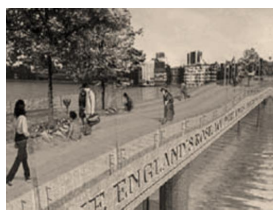
Imagine Joseph Paxton’s Great Victorian Way in Sydenham, a 10-mile stretch of glass and brightly painted iron arcades with its own snaking elevated railway. Or a National Cemetery on Primrose Hill, London’s answer to Paris’s Père Lachaise. Or Hyde Park Corner with a huge art deco music hall. Or White City with a vast expressionist towerscape designed by the German visionary Eric Mendelssohn. If architects’ imaginings had become reality, London could have been a completely different place.
The game of what-ifs in architecture is addictive. The organisers of a new Hayward Gallery touring exhibition had the brilliant idea of exploring the never-never land of building, drawing on the collections of the Royal Institute of British Architects and the Victoria and Albert museum. So many of these visions are a great deal more exciting than the buildings we actually got. In Liverpool, instead of Paddy’s wigwam and Gibberd’s gimcrack (and now sadly deteriorating) Roman Catholic cathedral, we might have had the grand and wonderful Metropolitan Cathedral of Christ the King by Lutyens. In the Strand, instead of George Edmund Street’s relatively makeshift Law Courts, we could have had Alfred Waterhouse’s much more ambitious and romantic urban concept: a magnificent assembly of pitched roofs, towers and walkways, Turneresque in its drama when viewed across the Thames. Waterhouse’s courts fell foul of the Victorian competition system. The designs remain to haunt us.
Source: The Guardian on the Web / April 15, 2004.
Text 7
Imagine Joseph Paxton’s Great Victorian Way in Sydenham, a 10-mile stretch of glass and brightly painted iron arcades with its own snaking elevated railway. Or a National Cemetery on Primrose Hill, London’s answer to Paris’s Père Lachaise. Or Hyde Park Corner with a huge art deco music hall. Or White City with a vast expressionist towerscape designed by the German visionary Eric Mendelssohn. If architects’ imaginings had become reality, London could have been a completely different place.
The game of what-ifs in architecture is addictive. The organisers of a new Hayward Gallery touring exhibition had the brilliant idea of exploring the never-never land of building, drawing on the collections of the Royal Institute of British Architects and the Victoria and Albert museum. So many of these visions are a great deal more exciting than the buildings we actually got. In Liverpool, instead of Paddy’s wigwam and Gibberd’s gimcrack (and now sadly deteriorating) Roman Catholic cathedral, we might have had the grand and wonderful Metropolitan Cathedral of Christ the King by Lutyens. In the Strand, instead of George Edmund Street’s relatively makeshift Law Courts, we could have had Alfred Waterhouse’s much more ambitious and romantic urban concept: a magnificent assembly of pitched roofs, towers and walkways, Turneresque in its drama when viewed across the Thames. Waterhouse’s courts fell foul of the Victorian competition system. The designs remain to haunt us.
Source: The Guardian on the Web / April 15, 2004.
Text 7
Imagine Joseph Paxton’s Great Victorian Way in Sydenham, a 10-mile stretch of glass and brightly painted iron arcades with its own snaking elevated railway. Or a National Cemetery on Primrose Hill, London’s answer to Paris’s Père Lachaise. Or Hyde Park Corner with a huge art deco music hall. Or White City with a vast expressionist towerscape designed by the German visionary Eric Mendelssohn. If architects’ imaginings had become reality, London could have been a completely different place.
The game of what-ifs in architecture is addictive. The organisers of a new Hayward Gallery touring exhibition had the brilliant idea of exploring the never-never land of building, drawing on the collections of the Royal Institute of British Architects and the Victoria and Albert museum. So many of these visions are a great deal more exciting than the buildings we actually got. In Liverpool, instead of Paddy’s wigwam and Gibberd’s gimcrack (and now sadly deteriorating) Roman Catholic cathedral, we might have had the grand and wonderful Metropolitan Cathedral of Christ the King by Lutyens. In the Strand, instead of George Edmund Street’s relatively makeshift Law Courts, we could have had Alfred Waterhouse’s much more ambitious and romantic urban concept: a magnificent assembly of pitched roofs, towers and walkways, Turneresque in its drama when viewed across the Thames. Waterhouse’s courts fell foul of the Victorian competition system. The designs remain to haunt us.
Source: The Guardian on the Web / April 15, 2004.
Algumas cidades ao redor do mundo ajudaram no crescimento do número de usuários de bicicletas das seguintes maneiras:
1) O Japão deu atenção considerável aos motociclistas, aumentando o número de estacionamentos para bicicletas.
2) A Alemanha Ocidental adotou regras menos restritivas para quem era favorável ao uso da bicicleta.
3) A cidade de Copenhague está determinada a bloquear o uso de cerca de 2.300 bicicletas pelo público.
4) Em Lima, Peru, as pessoas que têm uma família grande podem comprar bicicletas usando um programa especial de empréstimo.
5) A estratégia do Japão para motivar as pessoas a preferir usar bicicletas em vez de carros favoreceu a economia e o espaço livre.
As respostas adequadas são:
Text 6
“Riding a bicycle wil save you money, create less pollution, make you _______ and let you zip past heavy traffic. Will anything persuade auto owners to hop on a two-wheeler? Absolutely yes, says a new report from Washington’s Worldwatch Institute. In “Taking Bikes Seriously,” senior researcher Gary Gardner shows how cities around the world have increased bike ridership by offering a little encouragement. The city of Copenhagen, _________ , makes 2,300 bicycles available for public use; the $3 rental fee is refunded when the bike is returned. In Lima, Peru, lowincome residents ________ buy bicycles through a special small-loan program. During the 1980s Japan helped bikers by boosting the number of bicycle parking spaces at railway stations about fourfold, to 2.4 million. That strategy _________ both money and land; two bikes can fit into a square meter of parking space, while cars require about 30 sq m each. Bike-friendly policies ______ western Germany have lifted the amount of cycling by 50% since the early 1970s.”
(Source: “Back on the Bike, With a Little Help from the City”, PLANET WATCH, TIME, September 28, 1998, page 12.)
Text 5
TV-Turnoff Week

TV-Turnoff Week is an exciting opportunity for children and adults to experience life without television. For seven days, people across the country and around the world turn off their televisions to find that life can be more rewarding and fulfilling when we do more and watch less.
Television cuts into family time, harms our children’s ability to read and succeed in school, and contributes to unhealthy lifestyles and obesity. Over 24 million people have participated in TV-Turnoff Week since 1995, including over six million in 2000 alone. Children and adults, rich and poor, black and white — people from every background and all walks of life — take part through schools, churches or community groups, as families or individuals. What they tell us year after year is that life is more enjoyable and less stressful without television.
TV-Turnoff Week is supported by 70 national organizations including the American Medical Association, the American Academy of Pediatrics and National Education Association, and the President’s Council of Physical Fitness and Sports.
It’s clear that the impact of TV-Turnoff Week lasts much longer than seven days. Joy thousands of parents, pediatricians and other families by celebrating TV-Turnoff Week next year!
Text 5
TV-Turnoff Week
TV-Turnoff Week is an exciting opportunity for children and adults to experience life without television. For seven days, people across the country and around the world turn off their televisions to find that life can be more rewarding and fulfilling when we do more and watch less.
Television cuts into family time, harms our children’s ability to read and succeed in school, and contributes to unhealthy lifestyles and obesity. Over 24 million people have participated in TV-Turnoff Week since 1995, including over six million in 2000 alone. Children and adults, rich and poor, black and white — people from every background and all walks of life — take part through schools, churches or community groups, as families or individuals. What they tell us year after year is that life is more enjoyable and less stressful without television.
TV-Turnoff Week is supported by 70 national organizations including the American Medical Association, the American Academy of Pediatrics and National Education Association, and the President’s Council of Physical Fitness and Sports.
It’s clear that the impact of TV-Turnoff Week lasts much longer than seven days. Joy thousands of parents, pediatricians and other families by celebrating TV-Turnoff Week next year!
Text 4
Feeding the world
“We are indebted to half the world before we finished breakfast.” (Martin Luther King)
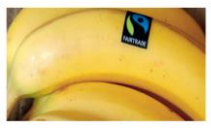
The environment is about plants and animals – but it’s about humans, too. They need to work and earn money, and they also need to eat. Many people do not have enough food. So scientists and governments are always looking for new ways to feed them.
In many countries, farmers have to sell their fruit and vegetables for very low prices. If they increase these prices, supermarkets will not buy them. There are other problems, too. When there is a drought, or flood, farmers often lose their crops. Then they have no money.
In 1994, a new organization, Fairtrade, decided to help farmers. Their motto is “A fair price for good food”. This organization works with both producers and supermarkets, the different parts of the supply chain. They guarantee a good price to the farmers, and they contribute money to educational and social projects. The supermarkets sell the products at a higher price, but it’s a fair one. And the consumer gets good quality, at a fair price. Everyone in this supply chain benefits!
Ana and Jose are farmers in Ecuador, South America. They grow bananas. “We don’t use many chemicals – Fairtrade limits this. Some companies don’t care. Chemicals make the fruit grow quickly at first. But then they enter the soil, and it degenerates. But we need the Fairtrade price to support us.”
In 2004, Fairtrade worked with similar organizations in 17 other countries in Europe, North America and Asia. There are more and more countries every year. There are now more than 130 products with the Fairtrade logo. These include coffee, tea, chocolate, bananas, fruit juice, sugar and honey.
When a product carries the Fairtrade mark it means the producers and traders have met Fairtrade Standards. The standards are designed to address the imbalance of power in trading relationships, unstable markets and the injustices of conventional trade.
Text 4
Feeding the world
“We are indebted to half the world before we finished breakfast.” (Martin Luther King)
The environment is about plants and animals – but it’s about humans, too. They need to work and earn money, and they also need to eat. Many people do not have enough food. So scientists and governments are always looking for new ways to feed them.
In many countries, farmers have to sell their fruit and vegetables for very low prices. If they increase these prices, supermarkets will not buy them. There are other problems, too. When there is a drought, or flood, farmers often lose their crops. Then they have no money.
In 1994, a new organization, Fairtrade, decided to help farmers. Their motto is “A fair price for good food”. This organization works with both producers and supermarkets, the different parts of the supply chain. They guarantee a good price to the farmers, and they contribute money to educational and social projects. The supermarkets sell the products at a higher price, but it’s a fair one. And the consumer gets good quality, at a fair price. Everyone in this supply chain benefits!
Ana and Jose are farmers in Ecuador, South America. They grow bananas. “We don’t use many chemicals – Fairtrade limits this. Some companies don’t care. Chemicals make the fruit grow quickly at first. But then they enter the soil, and it degenerates. But we need the Fairtrade price to support us.”
In 2004, Fairtrade worked with similar organizations in 17 other countries in Europe, North America and Asia. There are more and more countries every year. There are now more than 130 products with the Fairtrade logo. These include coffee, tea, chocolate, bananas, fruit juice, sugar and honey.
When a product carries the Fairtrade mark it means the producers and traders have met Fairtrade Standards. The standards are designed to address the imbalance of power in trading relationships, unstable markets and the injustices of conventional trade.
De acordo com o texto, pode-se afirmar que Fairtrade é uma organização
I. que apoia os fornecedores de alimentos em todo o mundo, atuando principalmente nos países da Ásia e da Europa, com o intuito de promover as vendas e o lucro dos fazendeiros e cooperados.
II. que apoia tanto os fazendeiros e produtores em geral como os supermercados, que vendem tais produtos, garantindo boa qualidade dos alimentos ao consumidor por um preço justo.
III. que se propõe a financiar os fazendeiros produtores de frutas e verduras, para que eles possam enfrentar os grandes empresários, como os donos de supermercados e restaurantes.
IV. com objetivos ambientais e econômicos, que apoia todos os que fazem parte da cadeia de abastecimento, sem perder de vista os incentivos para a educação e outros projetos sociais.
Estão CORRETOS
Text 3
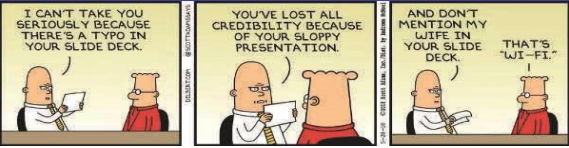
Dilbert, o personagem de camisa vermelha, conversa com um dos colegas da empresa onde trabalha.
Text 2
“Forests are key to producing the very air we __________, yet forests are being depleted at a rate of 13 million hectares every year, according to UN statistics. Extinctions are happening at what scientists__________ to be about 1,000 times the normal pace. Not only are we losing some very special flora and fauna, but we are also __________ our ecosystems, throwing them out of balance, the effects of which we cannot anticipate because this it is such an incredibly intricate and complex system.
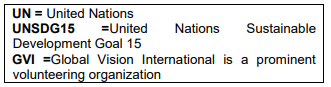
The statistics can be incredibly shocking when you __________ them at first. The key is to use direct your outrage into action. Innumerable organizations have been working to protect local ecosystems for many under years, one of the most recent being the UN, who have set specific objectives under UNSDG 15, Life on land.
Help us at GVI further these objectives through volunteering on one of our wildlife conservation programs. On each of these programs, you will gather data, which will help to inform local wildlife park or sanctuary managers.
Data will also be used to present policies to other organizations and governments in order to __________ other habitats around the world. Volunteer to help protect jaguars or turtle in Costa Rica or cheetahs in South Africa.
(In: Global Environmental Issues.https: //www.gvi.co.uk/blog/6-critical-global-issues- Adaptado. Acesso em: 28/05/2018)
Text 2
“Forests are key to producing the very air we __________, yet forests are being depleted at a rate of 13 million hectares every year, according to UN statistics. Extinctions are happening at what scientists__________ to be about 1,000 times the normal pace. Not only are we losing some very special flora and fauna, but we are also __________ our ecosystems, throwing them out of balance, the effects of which we cannot anticipate because this it is such an incredibly intricate and complex system.
The statistics can be incredibly shocking when you __________ them at first. The key is to use direct your outrage into action. Innumerable organizations have been working to protect local ecosystems for many under years, one of the most recent being the UN, who have set specific objectives under UNSDG 15, Life on land.
Help us at GVI further these objectives through volunteering on one of our wildlife conservation programs. On each of these programs, you will gather data, which will help to inform local wildlife park or sanctuary managers.
Data will also be used to present policies to other organizations and governments in order to __________ other habitats around the world. Volunteer to help protect jaguars or turtle in Costa Rica or cheetahs in South Africa.
(In: Global Environmental Issues.https: //www.gvi.co.uk/blog/6-critical-global-issues- Adaptado. Acesso em: 28/05/2018)
Text 1
TEXT NECK: A Global Epidemic Living in the modern digital age certainly has its benefits. We all enjoy the conveniences contemporary electronic technology offers, especially our mobile handheld devices. How did we ever live without the endless amounts of information, instant results and ability to interact and communicate, all at our fingertips? However, with all the advantages we gain from mobile technology comes the risk of serious and permanent health problems. TEXT NECK IS A GLOBAL EPIDEMIC! 'Text Neck' is a world-wide health concern, affecting millions of all ages and from all walks of life. Widespread overuse of handheld mobile technology is resulting in a harmful and dangerous physical condition on the human body, which is known as Text Neck. Dr. Dean Fishman is a Chiropractor in Plantation Florida, and a leading health care provider for technology induced injuries. Dr. Fishman originated the phrase 'Text Neck' to explain the repeated stress injury to the body caused by excessive texting and overuse of all handheld electronic devices. The term, and the health condition, is derived from the onset of cervical spinal degeneration resulting from the repeated stress of frequent forward head flexion while looking down at the screens of mobile devices and 'texting' for long periods of time. While 'Text Neck' is certainly a new medical term, the condition is impacting millions and is a growing critical global concern. Of the 6 billion people in the world, over 4 billion have mo SSA – 2ª Fase 1º Dia Página 21 In his quest to treat those suffering from the painful and harmful affects of Text Neck, Dr. Dean Fishman founded the Text Neck Institute in Plantation, Florida. Leading the way and breaking new ground, Dr. Fishman is a pioneer in treating technology related injuries. The Text Neck Institute is at the forefront of advanced tech-injury research and treatment. Included in our treatment for Text Neck is Chiropractic Care, Physiotherapy, Physical Therapy, Massage Therapy, Spinal Decompression Therapy, and Excercise Planning. Dr. Fishman is an outspoken advocate of Text Neck Prevention through 'Proper Use' education. Dr. Dean Fishman is respected as an authority in educating mobile technology users how to utilize their hand held devices properly, allowing them to enjoy modern technology without suffering from Text Neck. He has also created 'The Text Neck Indicator,' a Mobile Application that alerts users when they are operating their mobile device in an 'at-risk' position, triggering that user to maintain safe and risk-free operation.
Disponível em: http://text-neck.com/Adaptado. Acesso em: 27/07/15
Text 1
TEXT NECK: A Global Epidemic Living in the modern digital age certainly has its benefits. We all enjoy the conveniences contemporary electronic technology offers, especially our mobile handheld devices. How did we ever live without the endless amounts of information, instant results and ability to interact and communicate, all at our fingertips? However, with all the advantages we gain from mobile technology comes the risk of serious and permanent health problems. TEXT NECK IS A GLOBAL EPIDEMIC! 'Text Neck' is a world-wide health concern, affecting millions of all ages and from all walks of life. Widespread overuse of handheld mobile technology is resulting in a harmful and dangerous physical condition on the human body, which is known as Text Neck. Dr. Dean Fishman is a Chiropractor in Plantation Florida, and a leading health care provider for technology induced injuries. Dr. Fishman originated the phrase 'Text Neck' to explain the repeated stress injury to the body caused by excessive texting and overuse of all handheld electronic devices. The term, and the health condition, is derived from the onset of cervical spinal degeneration resulting from the repeated stress of frequent forward head flexion while looking down at the screens of mobile devices and 'texting' for long periods of time. While 'Text Neck' is certainly a new medical term, the condition is impacting millions and is a growing critical global concern. Of the 6 billion people in the world, over 4 billion have mo SSA – 2ª Fase 1º Dia Página 21 In his quest to treat those suffering from the painful and harmful affects of Text Neck, Dr. Dean Fishman founded the Text Neck Institute in Plantation, Florida. Leading the way and breaking new ground, Dr. Fishman is a pioneer in treating technology related injuries. The Text Neck Institute is at the forefront of advanced tech-injury research and treatment. Included in our treatment for Text Neck is Chiropractic Care, Physiotherapy, Physical Therapy, Massage Therapy, Spinal Decompression Therapy, and Excercise Planning. Dr. Fishman is an outspoken advocate of Text Neck Prevention through 'Proper Use' education. Dr. Dean Fishman is respected as an authority in educating mobile technology users how to utilize their hand held devices properly, allowing them to enjoy modern technology without suffering from Text Neck. He has also created 'The Text Neck Indicator,' a Mobile Application that alerts users when they are operating their mobile device in an 'at-risk' position, triggering that user to maintain safe and risk-free operation.
Disponível em: http://text-neck.com/Adaptado. Acesso em: 27/07/15
According to the text, Dr. Dean Fishman:
I. is a leading health care provider for technology induced injuries.
II. originated the phrase 'Text Neck' to explain the repeated stress injury to the body caused by excessive texting.
III. is a Chiropractor in Plantation, Florida.
IV. is a pioneer in treating technology related injuries.
V. founded the Text Neck Institute in Plantation, Florida.
It is CORRECT
Text 1
TEXT NECK: A Global Epidemic Living in the modern digital age certainly has its benefits. We all enjoy the conveniences contemporary electronic technology offers, especially our mobile handheld devices. How did we ever live without the endless amounts of information, instant results and ability to interact and communicate, all at our fingertips? However, with all the advantages we gain from mobile technology comes the risk of serious and permanent health problems. TEXT NECK IS A GLOBAL EPIDEMIC! 'Text Neck' is a world-wide health concern, affecting millions of all ages and from all walks of life. Widespread overuse of handheld mobile technology is resulting in a harmful and dangerous physical condition on the human body, which is known as Text Neck. Dr. Dean Fishman is a Chiropractor in Plantation Florida, and a leading health care provider for technology induced injuries. Dr. Fishman originated the phrase 'Text Neck' to explain the repeated stress injury to the body caused by excessive texting and overuse of all handheld electronic devices. The term, and the health condition, is derived from the onset of cervical spinal degeneration resulting from the repeated stress of frequent forward head flexion while looking down at the screens of mobile devices and 'texting' for long periods of time. While 'Text Neck' is certainly a new medical term, the condition is impacting millions and is a growing critical global concern. Of the 6 billion people in the world, over 4 billion have mo SSA – 2ª Fase 1º Dia Página 21 In his quest to treat those suffering from the painful and harmful affects of Text Neck, Dr. Dean Fishman founded the Text Neck Institute in Plantation, Florida. Leading the way and breaking new ground, Dr. Fishman is a pioneer in treating technology related injuries. The Text Neck Institute is at the forefront of advanced tech-injury research and treatment. Included in our treatment for Text Neck is Chiropractic Care, Physiotherapy, Physical Therapy, Massage Therapy, Spinal Decompression Therapy, and Excercise Planning. Dr. Fishman is an outspoken advocate of Text Neck Prevention through 'Proper Use' education. Dr. Dean Fishman is respected as an authority in educating mobile technology users how to utilize their hand held devices properly, allowing them to enjoy modern technology without suffering from Text Neck. He has also created 'The Text Neck Indicator,' a Mobile Application that alerts users when they are operating their mobile device in an 'at-risk' position, triggering that user to maintain safe and risk-free operation.
Disponível em: http://text-neck.com/Adaptado. Acesso em: 27/07/15
According to the text, “text neck” is a result of:
I. widespread overuse of handheld mobile technology.
II. a modern digital age we are living in.
III. a global epidemic caused by texting in an overuse way.
IV. looking down at the screens of mobile devices and ‘texting’ for long periods of time.
V. the repeated stress injury to the body caused by excessive texting and overuse of all handheld electronic devices.
It is CORRECT

 Conheça nossos planos