Questões de Concurso
Comentadas para ibam
Foram encontradas 5.348 questões
Resolva questões gratuitamente!
Junte-se a mais de 4 milhões de concurseiros!


Ano: 2025
Banca:
IBAM
Órgão:
Prefeitura de São Vicente - SP
Prova:
IBAM - 2025 - Prefeitura de São Vicente - SP - Guarda Civil Municipal 2ª Classe |
Q3723829
Direito da Criança e do Adolescente - Estatuto da Criança e do Adolescente (ECA) - Lei nº 8.069 de 1990
O Estatuto da Criança e do Adolescente prevê
mecanismos específicos para a atuação do
Ministério Público na defesa de direitos difusos e
coletivos, incluindo a possibilidade de instauração
de inquérito civil, requisição de documentos e
arquivamento fundamentado com controle pelo
conselho superior. Acerca do assunto, marque (V),
para as afirmativas verdadeiras, e (F), para as falsas:
(__)O Ministério Público poderá instaurar inquérito civil ou requisitar informações de organismos públicos e particulares, sendo obrigatório fixar prazo para resposta, não inferior a dez dias úteis.
(__)A comunicação ao conselho superior do Ministério Público sobre o arquivamento do inquérito civil é facultativa e depende de provocação de parte interessada.
(__)O arquivamento do inquérito civil só será efetivado após homologação pelo conselho superior do Ministério Público, sendo vedado arquivamento unilateral pelo promotor.
(__)Caso o conselho superior não homologue a promoção de arquivamento, deverá designar outro órgão do Ministério Público para ajuizar a ação.
Após análise, assinale a alternativa que apresenta a sequência correta dos itens acima.
(__)O Ministério Público poderá instaurar inquérito civil ou requisitar informações de organismos públicos e particulares, sendo obrigatório fixar prazo para resposta, não inferior a dez dias úteis.
(__)A comunicação ao conselho superior do Ministério Público sobre o arquivamento do inquérito civil é facultativa e depende de provocação de parte interessada.
(__)O arquivamento do inquérito civil só será efetivado após homologação pelo conselho superior do Ministério Público, sendo vedado arquivamento unilateral pelo promotor.
(__)Caso o conselho superior não homologue a promoção de arquivamento, deverá designar outro órgão do Ministério Público para ajuizar a ação.
Após análise, assinale a alternativa que apresenta a sequência correta dos itens acima.
Ano: 2025
Banca:
IBAM
Órgão:
Prefeitura de São Vicente - SP
Prova:
IBAM - 2025 - Prefeitura de São Vicente - SP - Guarda Civil Municipal 2ª Classe |
Q3723828
Legislação de Trânsito
Durante fiscalização de rotina, agentes de trânsito
identificaram múltiplas condutas irregulares por
parte de um condutor, incluindo direção em
desacordo com exigências regulamentares, ausência
de documentos obrigatórios e manobras perigosas
em via pública. A correta aplicação das penalidades
previstas dependerá da classificação jurídica de
cada infração conforme as disposições legais.
Acerca do assunto, marque (V), para as afirmativas
verdadeiras, e (F), para as falsas.
(__)A infração de dirigir o veículo sem possuir Carteira Nacional de Habilitação (CNH) é considerada gravíssima, com previsão de multa e retenção do veículo.
(__)A condução de veículo com defeito no sistema de iluminação, ainda que em horário diurno, é classificada como infração leve, não sendo prevista medida administrativa.
(__)Transpor, sem autorização, bloqueio viário policial é infração gravíssima, sujeita à multa e suspensão do direito de dirigir.
(__)Deixar de manter ligado o farol baixo em túneis ou sob chuva intensa, ainda que durante o dia, configura infração média, com previsão de multa.
Após análise, assinale a alternativa que apresenta a sequência correta dos itens acima.
(__)A infração de dirigir o veículo sem possuir Carteira Nacional de Habilitação (CNH) é considerada gravíssima, com previsão de multa e retenção do veículo.
(__)A condução de veículo com defeito no sistema de iluminação, ainda que em horário diurno, é classificada como infração leve, não sendo prevista medida administrativa.
(__)Transpor, sem autorização, bloqueio viário policial é infração gravíssima, sujeita à multa e suspensão do direito de dirigir.
(__)Deixar de manter ligado o farol baixo em túneis ou sob chuva intensa, ainda que durante o dia, configura infração média, com previsão de multa.
Após análise, assinale a alternativa que apresenta a sequência correta dos itens acima.
Ano: 2025
Banca:
IBAM
Órgão:
Prefeitura de São Vicente - SP
Prova:
IBAM - 2025 - Prefeitura de São Vicente - SP - Guarda Civil Municipal 2ª Classe |
Q3723826
Direito Civil
A proteção internacional à dignidade humana
abrange diversos aspectos da vida civil, incluindo o
direito ao matrimônio e à constituição de uma
unidade familiar. Entre esses direitos, destaca-se um
princípio que condiciona a validade do casamento à
vontade expressa dos envolvidos, garantindo
autonomia individual e igualdade de direitos. Esse
princípio é designado por: ______.
Assinale a alternativa que corretamente completa a lacuna no excerto.
Assinale a alternativa que corretamente completa a lacuna no excerto.
Ano: 2025
Banca:
IBAM
Órgão:
Prefeitura de São Vicente - SP
Prova:
IBAM - 2025 - Prefeitura de São Vicente - SP - Guarda Civil Municipal 2ª Classe |
Q3723825
Direito Penal
O tipo penal de abandono de incapaz possui
variações de pena conforme as consequências do
fato e as circunstâncias em que é praticado, exigindo
atenção às qualificadoras e causas de aumento
previstas na norma. Sobre o tema, relacione
corretamente as penas da Coluna A com as
descrições da Coluna B.
Coluna A (penas)
1.Reclusão, de um a cinco anos.
2.Reclusão, de quatro a doze anos.
3.Aumento de pena em um terço.
Coluna B (descrições)
(__)Se do abandono resulta lesão corporal de natureza grave.
(__)Se o agente é ascendente ou descendente, cônjuge, irmão, tutor ou curador da vítima.
(__)Se resulta a morte.
Assinale a alternativa que apresenta a sequência da associação correta dos itens acima.
Coluna A (penas)
1.Reclusão, de um a cinco anos.
2.Reclusão, de quatro a doze anos.
3.Aumento de pena em um terço.
Coluna B (descrições)
(__)Se do abandono resulta lesão corporal de natureza grave.
(__)Se o agente é ascendente ou descendente, cônjuge, irmão, tutor ou curador da vítima.
(__)Se resulta a morte.
Assinale a alternativa que apresenta a sequência da associação correta dos itens acima.
Ano: 2025
Banca:
IBAM
Órgão:
Prefeitura de São Vicente - SP
Prova:
IBAM - 2025 - Prefeitura de São Vicente - SP - Guarda Civil Municipal 2ª Classe |
Q3723824
Direitos Humanos
A Declaração Universal dos Direitos Humanos
reconhece que a liberdade individual está
necessariamente vinculada à vida em sociedade. Por
isso, estabelece critérios objetivos para o exercício
das liberdades fundamentais, condicionando-as ao
respeito ao bem comum e aos princípios
democráticos. Sobre esse aspecto, analise as
afirmativas a seguir.
I.As limitações aos direitos e liberdades devem ser determinadas por lei e voltadas exclusivamente à promoção do respeito aos direitos dos outros e à preservação da moral, da ordem pública e do bem-estar coletivo.
II.Os direitos individuais previstos na Declaração Universal podem ser limitados por convenções culturais locais, desde que não contrariem diretamente os princípios expressos das Nações Unidas.
III.O exercício de qualquer direito ou liberdade pode ser restringido preventivamente pelo Estado, com base na segurança nacional, mesmo sem previsão legal expressa, quando estiver em risco a integridade da ordem democrática.
Está correto o que se afirma em:
I.As limitações aos direitos e liberdades devem ser determinadas por lei e voltadas exclusivamente à promoção do respeito aos direitos dos outros e à preservação da moral, da ordem pública e do bem-estar coletivo.
II.Os direitos individuais previstos na Declaração Universal podem ser limitados por convenções culturais locais, desde que não contrariem diretamente os princípios expressos das Nações Unidas.
III.O exercício de qualquer direito ou liberdade pode ser restringido preventivamente pelo Estado, com base na segurança nacional, mesmo sem previsão legal expressa, quando estiver em risco a integridade da ordem democrática.
Está correto o que se afirma em:
Ano: 2025
Banca:
IBAM
Órgão:
Prefeitura de São Vicente - SP
Prova:
IBAM - 2025 - Prefeitura de São Vicente - SP - Guarda Civil Municipal 2ª Classe |
Q3723823
Administração Pública
A organização da Guarda Civil Municipal conta com
diferentes Inspetorias integradas à Divisão de
Planejamento Operacional, cada uma com
atribuições específicas que estruturam suas frentes
de atuação em segurança pública preventiva. A
correta identificação dessas funções é essencial
para o entendimento da estrutura operacional do
órgão. Sobre o tema, relacione corretamente os
termos da Coluna A com as descrições da Coluna B.
Coluna A (Termos)
1.Inspetoria de Ações Comunitárias − IAC.
2.Inspetoria Operações Especiais − IOPE.
3.Inspetor Ambiental.
Coluna B (Descrições)
(__)Responsável pelo Grupamento de Operações com Cães − GOC, Grupamento ROMU, Grupamento ROTAM.
(__)Responsável pelo Grupamento Guardiã Maria da Penha e pelo Grupamento de Proteção Escolar Comunitária.
(__)Responsável pelo Grupamento Marítimo e Grupamento de Ações Ambientais.
Assinale a alternativa que apresenta a sequência da associação correta dos itens acima.
Coluna A (Termos)
1.Inspetoria de Ações Comunitárias − IAC.
2.Inspetoria Operações Especiais − IOPE.
3.Inspetor Ambiental.
Coluna B (Descrições)
(__)Responsável pelo Grupamento de Operações com Cães − GOC, Grupamento ROMU, Grupamento ROTAM.
(__)Responsável pelo Grupamento Guardiã Maria da Penha e pelo Grupamento de Proteção Escolar Comunitária.
(__)Responsável pelo Grupamento Marítimo e Grupamento de Ações Ambientais.
Assinale a alternativa que apresenta a sequência da associação correta dos itens acima.
Ano: 2025
Banca:
IBAM
Órgão:
Prefeitura de São Vicente - SP
Prova:
IBAM - 2025 - Prefeitura de São Vicente - SP - Guarda Civil Municipal 2ª Classe |
Q3723822
Direitos Humanos
A Lei Maria da Penha ampliou a noção de violência
doméstica para além da agressão física,
reconhecendo-a como expressão de desigualdade de
poder nas relações pessoais. Essa perspectiva
fundamenta o tratamento da violência doméstica
como uma violação de direitos que compromete a
dignidade, a saúde e a autonomia da mulher. Nesse
contexto, o art. 6º da Lei estabelece que a violência
doméstica e familiar contra a mulher constitui uma
forma de violação de ______.
Assinale a alternativa que corretamente completa a lacuna no excerto.
Assinale a alternativa que corretamente completa a lacuna no excerto.
Ano: 2025
Banca:
IBAM
Órgão:
Prefeitura de São Vicente - SP
Prova:
IBAM - 2025 - Prefeitura de São Vicente - SP - Guarda Civil Municipal 2ª Classe |
Q3723819
Direito Processual Civil - Novo Código de Processo Civil - CPC 2015
Durante o andamento de uma ação judicial em curso,
uma mulher vítima de violência doméstica decide
buscar também o divórcio. Diante desse cenário, é
fundamental compreender os efeitos processuais e
as competências dos juizados de violência
doméstica e familiar contra a mulher, especialmente
quanto à tramitação prioritária e aos limites da
atuação judicial. Com base nesse contexto, assinale
a alternativa correta.
Ano: 2025
Banca:
IBAM
Órgão:
Prefeitura de São Vicente - SP
Prova:
IBAM - 2025 - Prefeitura de São Vicente - SP - Guarda Civil Municipal 2ª Classe |
Q3723815
Matemática
Em um condomínio, os moradores decidiram montar
pequenas hortas em 8 caixas d'água cilíndricas
antigas que seriam descartadas, com medidas dadas
na imagem abaixo.
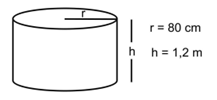
Se cada caixa foi preenchida com uma mistura de terra e adubo orgânico até 90% de sua capacidade total, qual foi o volume total aproximado usado dessa mistura? (faça π = 3,14)
Se cada caixa foi preenchida com uma mistura de terra e adubo orgânico até 90% de sua capacidade total, qual foi o volume total aproximado usado dessa mistura? (faça π = 3,14)
Ano: 2025
Banca:
IBAM
Órgão:
Prefeitura de São Vicente - SP
Prova:
IBAM - 2025 - Prefeitura de São Vicente - SP - Guarda Civil Municipal 2ª Classe |
Q3723813
Português
Texto associado
O texto seguinte servirá de base para responder à questão.
Como caso Daniel Alves inspirou lei de combate à
violência sexual contra mulheres em bares e boates
no Brasil
Pouco mais de um ano depois de ter sido sentenciado a
4 anos e 6 meses de prisão na Espanha por "agressão
sexual", crime equivalente ao que é considerado estupro
no Brasil, o ex-jogador de futebol Daniel Alves teve a
condenação anulada pelo Tribunal Superior da região da
Catalunha.
A corte comunicou nesta sexta-feira (28/3) a decisão,
sob o argumento de que a anterior apresentava
"inconsistências e contradições".
Os juízes acataram questionamento feito pela defesa de
Daniel Alves, contra a qual ainda cabe recurso perante a
Suprema Corte da Espanha.
A acusação contra o ex-jogador envolvia uma mulher de
23 anos que, segundo a denúncia, foi abusada por ele
no banheiro de uma discoteca em Barcelona na
madrugada de 31 de dezembro de 2022.
O tribunal concluiu na época que não houve
consentimento por parte da vítima para o ato sexual e
que existem elementos de prova, além do testemunho da
mulher, para dar prova da violação.
Agora, em decisão que anula o veredito, o tribunal
superior catalão disse que o depoimento da suposta
vítima não era confiável ao se referir a fatos que
poderiam ser verificados objetivamente por meio de
gravações de vídeo, "indicando explicitamente que o que ela relatou não corresponde à realidade".
A reviravolta acontece depois de caso ter inspirado um
projeto de lei no Brasil aprovado pelo Congresso em
2023 e em vigência desde o ano passado — o protocolo
"Não é não" —, além de iniciativas estaduais e
municipais para prever procedimentos para prevenir
assédio sexual em estabelecimentos.
Especialistas ouvidas pela reportagem concordam que o
caso Daniel Alves estimulou diferentes iniciativas no
Brasil — um "divisor de águas", nas palavras da
promotora do Ministério Público de São Paulo Fabíola
Sucasas.
Apontam, no entanto, que a conscientização sobre
violência sexual e a demanda por mudança de cultura e
de comportamento já vinha acontecendo no país.
A BBC News Brasil conversou com a autora do projeto
de lei e com especialistas que explicam os avanços
conquistados, apontam críticas e dizem quais os
principais desafios para as regras virarem prática.
Disponível em:
https://www.bbc.com/portuguese/articles/ckgyg574m31o0
Agora, em decisão que anula o veredito, o tribunal
superior catalão disse que o depoimento da suposta
vítima não era confiável ao se referir a fatos que
poderiam ser verificados objetivamente por meio de
gravações de vídeo, "indicando explicitamente que o
que ela relatou não corresponde à realidade".
A reviravolta acontece depois de caso ter inspirado um projeto de lei no Brasil aprovado pelo Congresso em 2023 e em vigência desde o ano passado — o protocolo "Não é não" —, além de iniciativas estaduais e municipais para prever procedimentos para prevenir assédio sexual em estabelecimentos.
Com base na análise dos elementos linguísticos dos trechos acima, assinale a alternativa que apresenta uma informação incorreta.
A reviravolta acontece depois de caso ter inspirado um projeto de lei no Brasil aprovado pelo Congresso em 2023 e em vigência desde o ano passado — o protocolo "Não é não" —, além de iniciativas estaduais e municipais para prever procedimentos para prevenir assédio sexual em estabelecimentos.
Com base na análise dos elementos linguísticos dos trechos acima, assinale a alternativa que apresenta uma informação incorreta.
Ano: 2025
Banca:
IBAM
Órgão:
Prefeitura de São Vicente - SP
Prova:
IBAM - 2025 - Prefeitura de São Vicente - SP - Guarda Civil Municipal 2ª Classe |
Q3723812
Português
Texto associado
O texto seguinte servirá de base para responder à questão.
Como caso Daniel Alves inspirou lei de combate à
violência sexual contra mulheres em bares e boates
no Brasil
Pouco mais de um ano depois de ter sido sentenciado a
4 anos e 6 meses de prisão na Espanha por "agressão
sexual", crime equivalente ao que é considerado estupro
no Brasil, o ex-jogador de futebol Daniel Alves teve a
condenação anulada pelo Tribunal Superior da região da
Catalunha.
A corte comunicou nesta sexta-feira (28/3) a decisão,
sob o argumento de que a anterior apresentava
"inconsistências e contradições".
Os juízes acataram questionamento feito pela defesa de
Daniel Alves, contra a qual ainda cabe recurso perante a
Suprema Corte da Espanha.
A acusação contra o ex-jogador envolvia uma mulher de
23 anos que, segundo a denúncia, foi abusada por ele
no banheiro de uma discoteca em Barcelona na
madrugada de 31 de dezembro de 2022.
O tribunal concluiu na época que não houve
consentimento por parte da vítima para o ato sexual e
que existem elementos de prova, além do testemunho da
mulher, para dar prova da violação.
Agora, em decisão que anula o veredito, o tribunal
superior catalão disse que o depoimento da suposta
vítima não era confiável ao se referir a fatos que
poderiam ser verificados objetivamente por meio de
gravações de vídeo, "indicando explicitamente que o que ela relatou não corresponde à realidade".
A reviravolta acontece depois de caso ter inspirado um
projeto de lei no Brasil aprovado pelo Congresso em
2023 e em vigência desde o ano passado — o protocolo
"Não é não" —, além de iniciativas estaduais e
municipais para prever procedimentos para prevenir
assédio sexual em estabelecimentos.
Especialistas ouvidas pela reportagem concordam que o
caso Daniel Alves estimulou diferentes iniciativas no
Brasil — um "divisor de águas", nas palavras da
promotora do Ministério Público de São Paulo Fabíola
Sucasas.
Apontam, no entanto, que a conscientização sobre
violência sexual e a demanda por mudança de cultura e
de comportamento já vinha acontecendo no país.
A BBC News Brasil conversou com a autora do projeto
de lei e com especialistas que explicam os avanços
conquistados, apontam críticas e dizem quais os
principais desafios para as regras virarem prática.
Disponível em:
https://www.bbc.com/portuguese/articles/ckgyg574m31o0
Quanto aos elementos linguísticos empregados nos
trechos extraídos do texto, identifique a alternativa
incorreta.
Ano: 2025
Banca:
IBAM
Órgão:
Prefeitura de São Vicente - SP
Prova:
IBAM - 2025 - Prefeitura de São Vicente - SP - Guarda Civil Municipal 2ª Classe |
Q3723811
Português
Texto associado
O texto seguinte servirá de base para responder à questão.
Como caso Daniel Alves inspirou lei de combate à
violência sexual contra mulheres em bares e boates
no Brasil
Pouco mais de um ano depois de ter sido sentenciado a
4 anos e 6 meses de prisão na Espanha por "agressão
sexual", crime equivalente ao que é considerado estupro
no Brasil, o ex-jogador de futebol Daniel Alves teve a
condenação anulada pelo Tribunal Superior da região da
Catalunha.
A corte comunicou nesta sexta-feira (28/3) a decisão,
sob o argumento de que a anterior apresentava
"inconsistências e contradições".
Os juízes acataram questionamento feito pela defesa de
Daniel Alves, contra a qual ainda cabe recurso perante a
Suprema Corte da Espanha.
A acusação contra o ex-jogador envolvia uma mulher de
23 anos que, segundo a denúncia, foi abusada por ele
no banheiro de uma discoteca em Barcelona na
madrugada de 31 de dezembro de 2022.
O tribunal concluiu na época que não houve
consentimento por parte da vítima para o ato sexual e
que existem elementos de prova, além do testemunho da
mulher, para dar prova da violação.
Agora, em decisão que anula o veredito, o tribunal
superior catalão disse que o depoimento da suposta
vítima não era confiável ao se referir a fatos que
poderiam ser verificados objetivamente por meio de
gravações de vídeo, "indicando explicitamente que o que ela relatou não corresponde à realidade".
A reviravolta acontece depois de caso ter inspirado um
projeto de lei no Brasil aprovado pelo Congresso em
2023 e em vigência desde o ano passado — o protocolo
"Não é não" —, além de iniciativas estaduais e
municipais para prever procedimentos para prevenir
assédio sexual em estabelecimentos.
Especialistas ouvidas pela reportagem concordam que o
caso Daniel Alves estimulou diferentes iniciativas no
Brasil — um "divisor de águas", nas palavras da
promotora do Ministério Público de São Paulo Fabíola
Sucasas.
Apontam, no entanto, que a conscientização sobre
violência sexual e a demanda por mudança de cultura e
de comportamento já vinha acontecendo no país.
A BBC News Brasil conversou com a autora do projeto
de lei e com especialistas que explicam os avanços
conquistados, apontam críticas e dizem quais os
principais desafios para as regras virarem prática.
Disponível em:
https://www.bbc.com/portuguese/articles/ckgyg574m31o0
"A acusação contra o ex-jogador envolvia uma
mulher de 23 anos que, segundo a denúncia, foi
abusada por ele no banheiro de uma discoteca em
Barcelona na madrugada de 31 de dezembro de
2022."
As palavras formadas com o prefixo 'ex' são normalmente grafadas com hífen, como em 'ex-jogador'. Todavia, há outras formações prefixais que podem ou não ser hifenizadas. Com base nisso, analise os vocábulos a seguir e identifique a alternativa em que o emprego do hífen está incorreto.
As palavras formadas com o prefixo 'ex' são normalmente grafadas com hífen, como em 'ex-jogador'. Todavia, há outras formações prefixais que podem ou não ser hifenizadas. Com base nisso, analise os vocábulos a seguir e identifique a alternativa em que o emprego do hífen está incorreto.
Ano: 2025
Banca:
IBAM
Órgão:
Prefeitura de São Vicente - SP
Prova:
IBAM - 2025 - Prefeitura de São Vicente - SP - Guarda Civil Municipal 2ª Classe |
Q3723810
Português
Texto associado
O texto seguinte servirá de base para responder à questão.
Como caso Daniel Alves inspirou lei de combate à
violência sexual contra mulheres em bares e boates
no Brasil
Pouco mais de um ano depois de ter sido sentenciado a
4 anos e 6 meses de prisão na Espanha por "agressão
sexual", crime equivalente ao que é considerado estupro
no Brasil, o ex-jogador de futebol Daniel Alves teve a
condenação anulada pelo Tribunal Superior da região da
Catalunha.
A corte comunicou nesta sexta-feira (28/3) a decisão,
sob o argumento de que a anterior apresentava
"inconsistências e contradições".
Os juízes acataram questionamento feito pela defesa de
Daniel Alves, contra a qual ainda cabe recurso perante a
Suprema Corte da Espanha.
A acusação contra o ex-jogador envolvia uma mulher de
23 anos que, segundo a denúncia, foi abusada por ele
no banheiro de uma discoteca em Barcelona na
madrugada de 31 de dezembro de 2022.
O tribunal concluiu na época que não houve
consentimento por parte da vítima para o ato sexual e
que existem elementos de prova, além do testemunho da
mulher, para dar prova da violação.
Agora, em decisão que anula o veredito, o tribunal
superior catalão disse que o depoimento da suposta
vítima não era confiável ao se referir a fatos que
poderiam ser verificados objetivamente por meio de
gravações de vídeo, "indicando explicitamente que o que ela relatou não corresponde à realidade".
A reviravolta acontece depois de caso ter inspirado um
projeto de lei no Brasil aprovado pelo Congresso em
2023 e em vigência desde o ano passado — o protocolo
"Não é não" —, além de iniciativas estaduais e
municipais para prever procedimentos para prevenir
assédio sexual em estabelecimentos.
Especialistas ouvidas pela reportagem concordam que o
caso Daniel Alves estimulou diferentes iniciativas no
Brasil — um "divisor de águas", nas palavras da
promotora do Ministério Público de São Paulo Fabíola
Sucasas.
Apontam, no entanto, que a conscientização sobre
violência sexual e a demanda por mudança de cultura e
de comportamento já vinha acontecendo no país.
A BBC News Brasil conversou com a autora do projeto
de lei e com especialistas que explicam os avanços
conquistados, apontam críticas e dizem quais os
principais desafios para as regras virarem prática.
Disponível em:
https://www.bbc.com/portuguese/articles/ckgyg574m31o0
" A corte comunicou nesta sexta-feira (28/3) a
decisão, sob o argumento de que a anterior
apresentava inconsistências e contradições."
Os verbos 'comunicar' e 'apresentar' estão conjugados corretamente no trecho acima, assim como nos enunciados a seguir, exceto:
Os verbos 'comunicar' e 'apresentar' estão conjugados corretamente no trecho acima, assim como nos enunciados a seguir, exceto:
Ano: 2025
Banca:
IBAM
Órgão:
Prefeitura de São Vicente - SP
Prova:
IBAM - 2025 - Prefeitura de São Vicente - SP - Guarda Civil Municipal 2ª Classe |
Q3723809
Português
Texto associado
O texto seguinte servirá de base para responder à questão.
Como caso Daniel Alves inspirou lei de combate à
violência sexual contra mulheres em bares e boates
no Brasil
Pouco mais de um ano depois de ter sido sentenciado a
4 anos e 6 meses de prisão na Espanha por "agressão
sexual", crime equivalente ao que é considerado estupro
no Brasil, o ex-jogador de futebol Daniel Alves teve a
condenação anulada pelo Tribunal Superior da região da
Catalunha.
A corte comunicou nesta sexta-feira (28/3) a decisão,
sob o argumento de que a anterior apresentava
"inconsistências e contradições".
Os juízes acataram questionamento feito pela defesa de
Daniel Alves, contra a qual ainda cabe recurso perante a
Suprema Corte da Espanha.
A acusação contra o ex-jogador envolvia uma mulher de
23 anos que, segundo a denúncia, foi abusada por ele
no banheiro de uma discoteca em Barcelona na
madrugada de 31 de dezembro de 2022.
O tribunal concluiu na época que não houve
consentimento por parte da vítima para o ato sexual e
que existem elementos de prova, além do testemunho da
mulher, para dar prova da violação.
Agora, em decisão que anula o veredito, o tribunal
superior catalão disse que o depoimento da suposta
vítima não era confiável ao se referir a fatos que
poderiam ser verificados objetivamente por meio de
gravações de vídeo, "indicando explicitamente que o que ela relatou não corresponde à realidade".
A reviravolta acontece depois de caso ter inspirado um
projeto de lei no Brasil aprovado pelo Congresso em
2023 e em vigência desde o ano passado — o protocolo
"Não é não" —, além de iniciativas estaduais e
municipais para prever procedimentos para prevenir
assédio sexual em estabelecimentos.
Especialistas ouvidas pela reportagem concordam que o
caso Daniel Alves estimulou diferentes iniciativas no
Brasil — um "divisor de águas", nas palavras da
promotora do Ministério Público de São Paulo Fabíola
Sucasas.
Apontam, no entanto, que a conscientização sobre
violência sexual e a demanda por mudança de cultura e
de comportamento já vinha acontecendo no país.
A BBC News Brasil conversou com a autora do projeto
de lei e com especialistas que explicam os avanços
conquistados, apontam críticas e dizem quais os
principais desafios para as regras virarem prática.
Disponível em:
https://www.bbc.com/portuguese/articles/ckgyg574m31o0
"Especialistas ouvidas pela reportagem concordam
que o caso Daniel Alves estimulou diferentes
iniciativas no Brasil — um "divisor de águas", nas
palavras da promotora do Ministério Público de São
Paulo Fabíola Sucasas."
Quanto à classificação morfológica das palavras extraídas do texto, marque com (V) para verdadeiro ou (F) para falso as assertivas a seguir.
(__)O vocábulo 'ouvidas' está com valor de adjetivo concordando com 'especialistas'.
(__)O vocábulo 'iniciativas' está com valor de substantivo, mas normalmente é empregado como adjetivo.
(__)Em 'um divisor de águas', a expressão 'de águas' pode ser substituída por 'aquáticas' sem perder o sentido.
(__)O vocábulo 'caso' apresenta flexibilidade morfológica, podendo assumir classe gramatical diferente da proposta no texto.
A sequência que preenche corretamente os parênteses é:
Quanto à classificação morfológica das palavras extraídas do texto, marque com (V) para verdadeiro ou (F) para falso as assertivas a seguir.
(__)O vocábulo 'ouvidas' está com valor de adjetivo concordando com 'especialistas'.
(__)O vocábulo 'iniciativas' está com valor de substantivo, mas normalmente é empregado como adjetivo.
(__)Em 'um divisor de águas', a expressão 'de águas' pode ser substituída por 'aquáticas' sem perder o sentido.
(__)O vocábulo 'caso' apresenta flexibilidade morfológica, podendo assumir classe gramatical diferente da proposta no texto.
A sequência que preenche corretamente os parênteses é:
Ano: 2025
Banca:
IBAM
Órgão:
Prefeitura de São Vicente - SP
Prova:
IBAM - 2025 - Prefeitura de São Vicente - SP - Guarda Civil Municipal 2ª Classe |
Q3723808
Português
Texto associado
O texto seguinte servirá de base para responder à questão.
Abordagens das Guardas Municipais na Segurança
Pública: Funções, Desafios e Perspectivas
Exemplos de Boas Práticas:
Existem diversos exemplos de boas práticas adotadas
por guardas municipais em todo o país, que demonstram
seu potencial para promover a segurança pública de
maneira eficaz e responsável. Programas de
policiamento comunitário, que incentivam a participação
ativa dos cidadãos na prevenção do crime e na
resolução de problemas locais, têm sido amplamente
implementados com sucesso por diversas guardas
municipais. Além disso, parcerias com organizações
locais, escolas e empresas têm contribuído para
fortalecer os laços entre a guarda municipal e a
comunidade, promovendo um ambiente seguro e
acolhedor para todos os moradores.
Um exemplo destacado de boas práticas é o programa
"Muralha Digital", implementado por algumas guardas
municipais em parceria com órgãos de segurança
pública e instituições locais. O "Muralha Digital" consiste
em uma rede integrada de câmeras de vigilância e
sistemas de monitoramento, instalados em pontos
estratégicos da cidade, com o objetivo de aumentar a
segurança e prevenir crimes, além de proporcionar uma
abordagem a um possível infrator de forma muito mais
assertiva.
Esse programa permite que as guardas municipais
monitorem áreas de interesse em tempo real, detectando
e respondendo rapidamente a atividades suspeitas ou
emergências. Além disso, a presença de câmeras de
vigilância pode dissuadir a prática de crimes e fornecer
evidências importantes para investigações posteriores.
O "Muralha Digital" não apenas fortalece a capacidade
de vigilância e resposta das guardas municipais, mas
também promove a sensação de segurança entre os
cidadãos, demonstrando um compromisso efetivo com a
proteção da comunidade e o uso responsável da
tecnologia para o bem-estar de todos.
Disponível em:
https://www.jusbrasil.com.br/artigos/abordagens-das-guardas-municipai
s-na-seguranca-publica-funcoes-desafios-e-perspectivas/2359589948
Considerando as regras de acentuação aplicadas aos
vocábulos extraídos do texto, analise as assertivas a
seguir.
I.O vocábulo 'país' é acentuado por ser um oxítono terminado em 'i' seguido de 's', assim como 'Luís'.
II.Deverão ser acentuados pela mesma regra de 'contribuído' os vocábulos 'saude', 'proteinas' e 'sairmos'.
III.A forma verbal 'têm' possui acento diferencial, assim como as formas dos verbos 'reter' e 'manter' na 3ª pessoa do plural no presente do indicativo.
IV.A palavra 'órgãos' é uma paroxítona acentuada pelo mesmo critério da palavra 'ímã'.
V.Possuem o mesmo acento tônico os vocábulos 'fornecer', 'além' e 'potencial'.
Está correto o que se afirma em:
I.O vocábulo 'país' é acentuado por ser um oxítono terminado em 'i' seguido de 's', assim como 'Luís'.
II.Deverão ser acentuados pela mesma regra de 'contribuído' os vocábulos 'saude', 'proteinas' e 'sairmos'.
III.A forma verbal 'têm' possui acento diferencial, assim como as formas dos verbos 'reter' e 'manter' na 3ª pessoa do plural no presente do indicativo.
IV.A palavra 'órgãos' é uma paroxítona acentuada pelo mesmo critério da palavra 'ímã'.
V.Possuem o mesmo acento tônico os vocábulos 'fornecer', 'além' e 'potencial'.
Está correto o que se afirma em:
Ano: 2025
Banca:
IBAM
Órgão:
Prefeitura de São Vicente - SP
Prova:
IBAM - 2025 - Prefeitura de São Vicente - SP - Guarda Civil Municipal 2ª Classe |
Q3723807
Português
Texto associado
O texto seguinte servirá de base para responder à questão.
Abordagens das Guardas Municipais na Segurança
Pública: Funções, Desafios e Perspectivas
Exemplos de Boas Práticas:
Existem diversos exemplos de boas práticas adotadas
por guardas municipais em todo o país, que demonstram
seu potencial para promover a segurança pública de
maneira eficaz e responsável. Programas de
policiamento comunitário, que incentivam a participação
ativa dos cidadãos na prevenção do crime e na
resolução de problemas locais, têm sido amplamente
implementados com sucesso por diversas guardas
municipais. Além disso, parcerias com organizações
locais, escolas e empresas têm contribuído para
fortalecer os laços entre a guarda municipal e a
comunidade, promovendo um ambiente seguro e
acolhedor para todos os moradores.
Um exemplo destacado de boas práticas é o programa
"Muralha Digital", implementado por algumas guardas
municipais em parceria com órgãos de segurança
pública e instituições locais. O "Muralha Digital" consiste
em uma rede integrada de câmeras de vigilância e
sistemas de monitoramento, instalados em pontos
estratégicos da cidade, com o objetivo de aumentar a
segurança e prevenir crimes, além de proporcionar uma
abordagem a um possível infrator de forma muito mais
assertiva.
Esse programa permite que as guardas municipais
monitorem áreas de interesse em tempo real, detectando
e respondendo rapidamente a atividades suspeitas ou
emergências. Além disso, a presença de câmeras de
vigilância pode dissuadir a prática de crimes e fornecer
evidências importantes para investigações posteriores.
O "Muralha Digital" não apenas fortalece a capacidade
de vigilância e resposta das guardas municipais, mas
também promove a sensação de segurança entre os
cidadãos, demonstrando um compromisso efetivo com a
proteção da comunidade e o uso responsável da
tecnologia para o bem-estar de todos.
Disponível em:
https://www.jusbrasil.com.br/artigos/abordagens-das-guardas-municipai
s-na-seguranca-publica-funcoes-desafios-e-perspectivas/2359589948
"Existem diversos exemplos de boas práticas
adotadas por guardas municipais em todo o país,
que demonstram seu potencial para promover a
segurança pública de maneira eficaz e responsável."
No trecho acima, a concordância entre o verbo 'existir' e o sujeito está adequada. A concordância também está correta nos trechos a seguir, exceto:
No trecho acima, a concordância entre o verbo 'existir' e o sujeito está adequada. A concordância também está correta nos trechos a seguir, exceto:
Ano: 2025
Banca:
IBAM
Órgão:
Prefeitura de São Vicente - SP
Prova:
IBAM - 2025 - Prefeitura de São Vicente - SP - Guarda Civil Municipal 2ª Classe |
Q3723806
Português
Texto associado
O texto seguinte servirá de base para responder à questão.
Abordagens das Guardas Municipais na Segurança
Pública: Funções, Desafios e Perspectivas
Exemplos de Boas Práticas:
Existem diversos exemplos de boas práticas adotadas
por guardas municipais em todo o país, que demonstram
seu potencial para promover a segurança pública de
maneira eficaz e responsável. Programas de
policiamento comunitário, que incentivam a participação
ativa dos cidadãos na prevenção do crime e na
resolução de problemas locais, têm sido amplamente
implementados com sucesso por diversas guardas
municipais. Além disso, parcerias com organizações
locais, escolas e empresas têm contribuído para
fortalecer os laços entre a guarda municipal e a
comunidade, promovendo um ambiente seguro e
acolhedor para todos os moradores.
Um exemplo destacado de boas práticas é o programa
"Muralha Digital", implementado por algumas guardas
municipais em parceria com órgãos de segurança
pública e instituições locais. O "Muralha Digital" consiste
em uma rede integrada de câmeras de vigilância e
sistemas de monitoramento, instalados em pontos
estratégicos da cidade, com o objetivo de aumentar a
segurança e prevenir crimes, além de proporcionar uma
abordagem a um possível infrator de forma muito mais
assertiva.
Esse programa permite que as guardas municipais
monitorem áreas de interesse em tempo real, detectando
e respondendo rapidamente a atividades suspeitas ou
emergências. Além disso, a presença de câmeras de
vigilância pode dissuadir a prática de crimes e fornecer
evidências importantes para investigações posteriores.
O "Muralha Digital" não apenas fortalece a capacidade
de vigilância e resposta das guardas municipais, mas
também promove a sensação de segurança entre os
cidadãos, demonstrando um compromisso efetivo com a
proteção da comunidade e o uso responsável da
tecnologia para o bem-estar de todos.
Disponível em:
https://www.jusbrasil.com.br/artigos/abordagens-das-guardas-municipai
s-na-seguranca-publica-funcoes-desafios-e-perspectivas/2359589948
"O "Muralha Digital" consiste em uma rede integrada
de câmeras de vigilância e sistemas de
monitoramento, instalados em pontos estratégicos
da cidade, com o objetivo de aumentar a segurança e
prevenir crimes, além de proporcionar uma
abordagem a um possível infrator de forma muito
mais assertiva."
Com base na regência verbal e nominal dos elementos que compõem o trecho acima, identifique a alternativa correta.
Com base na regência verbal e nominal dos elementos que compõem o trecho acima, identifique a alternativa correta.
Ano: 2025
Banca:
IBAM
Órgão:
Prefeitura de São Vicente - SP
Prova:
IBAM - 2025 - Prefeitura de São Vicente - SP - Guarda Civil Municipal 2ª Classe |
Q3723805
Português
Texto associado
O texto seguinte servirá de base para responder à questão.
Abordagens das Guardas Municipais na Segurança
Pública: Funções, Desafios e Perspectivas
Exemplos de Boas Práticas:
Existem diversos exemplos de boas práticas adotadas
por guardas municipais em todo o país, que demonstram
seu potencial para promover a segurança pública de
maneira eficaz e responsável. Programas de
policiamento comunitário, que incentivam a participação
ativa dos cidadãos na prevenção do crime e na
resolução de problemas locais, têm sido amplamente
implementados com sucesso por diversas guardas
municipais. Além disso, parcerias com organizações
locais, escolas e empresas têm contribuído para
fortalecer os laços entre a guarda municipal e a
comunidade, promovendo um ambiente seguro e
acolhedor para todos os moradores.
Um exemplo destacado de boas práticas é o programa
"Muralha Digital", implementado por algumas guardas
municipais em parceria com órgãos de segurança
pública e instituições locais. O "Muralha Digital" consiste
em uma rede integrada de câmeras de vigilância e
sistemas de monitoramento, instalados em pontos
estratégicos da cidade, com o objetivo de aumentar a
segurança e prevenir crimes, além de proporcionar uma
abordagem a um possível infrator de forma muito mais
assertiva.
Esse programa permite que as guardas municipais
monitorem áreas de interesse em tempo real, detectando
e respondendo rapidamente a atividades suspeitas ou
emergências. Além disso, a presença de câmeras de
vigilância pode dissuadir a prática de crimes e fornecer
evidências importantes para investigações posteriores.
O "Muralha Digital" não apenas fortalece a capacidade
de vigilância e resposta das guardas municipais, mas
também promove a sensação de segurança entre os
cidadãos, demonstrando um compromisso efetivo com a
proteção da comunidade e o uso responsável da
tecnologia para o bem-estar de todos.
Disponível em:
https://www.jusbrasil.com.br/artigos/abordagens-das-guardas-municipai
s-na-seguranca-publica-funcoes-desafios-e-perspectivas/2359589948
Segundo o texto "Abordagens das Guardas
Municipais na Segurança Pública: Funções, Desafios
e Perspectivas", estão corretas as afirmações a
seguir, exceto:
Ano: 2025
Banca:
IBAM
Órgão:
Prefeitura de São Vicente - SP
Prova:
IBAM - 2025 - Prefeitura de São Vicente - SP - Guarda Civil Municipal 2ª Classe |
Q3723804
Português
Texto associado
O texto seguinte servirá de base para responder à questão.
Abordagens das Guardas Municipais na Segurança
Pública: Funções, Desafios e Perspectivas
Exemplos de Boas Práticas:
Existem diversos exemplos de boas práticas adotadas
por guardas municipais em todo o país, que demonstram
seu potencial para promover a segurança pública de
maneira eficaz e responsável. Programas de
policiamento comunitário, que incentivam a participação
ativa dos cidadãos na prevenção do crime e na
resolução de problemas locais, têm sido amplamente
implementados com sucesso por diversas guardas
municipais. Além disso, parcerias com organizações
locais, escolas e empresas têm contribuído para
fortalecer os laços entre a guarda municipal e a
comunidade, promovendo um ambiente seguro e
acolhedor para todos os moradores.
Um exemplo destacado de boas práticas é o programa
"Muralha Digital", implementado por algumas guardas
municipais em parceria com órgãos de segurança
pública e instituições locais. O "Muralha Digital" consiste
em uma rede integrada de câmeras de vigilância e
sistemas de monitoramento, instalados em pontos
estratégicos da cidade, com o objetivo de aumentar a
segurança e prevenir crimes, além de proporcionar uma
abordagem a um possível infrator de forma muito mais
assertiva.
Esse programa permite que as guardas municipais
monitorem áreas de interesse em tempo real, detectando
e respondendo rapidamente a atividades suspeitas ou
emergências. Além disso, a presença de câmeras de
vigilância pode dissuadir a prática de crimes e fornecer
evidências importantes para investigações posteriores.
O "Muralha Digital" não apenas fortalece a capacidade
de vigilância e resposta das guardas municipais, mas
também promove a sensação de segurança entre os
cidadãos, demonstrando um compromisso efetivo com a
proteção da comunidade e o uso responsável da
tecnologia para o bem-estar de todos.
Disponível em:
https://www.jusbrasil.com.br/artigos/abordagens-das-guardas-municipai
s-na-seguranca-publica-funcoes-desafios-e-perspectivas/2359589948
"Além disso, parcerias com organizações locais,
escolas e empresas têm contribuído para fortalecer
os laços entre a guarda municipal e a comunidade,
promovendo um ambiente seguro e acolhedor para
todos os moradores."
A expressão 'os laços' pode ser adequadamente substituída pela forma pronominal 'los' em 'fortalecê-los'.
Agora, analise a substituição dos termos destacados pelos pronome oblíquos.
I.Encontramos Maria em casa. (Encontramo-la em casa).
II.Cumpre a ele preencher esse lugar na repartição.(Cumpre-lhe).
III.Não quero ver você hoje. (Não quero vê-lo(a) hoje).
Quanto às substituições pelos pronomes, estão corretas:
A expressão 'os laços' pode ser adequadamente substituída pela forma pronominal 'los' em 'fortalecê-los'.
Agora, analise a substituição dos termos destacados pelos pronome oblíquos.
I.Encontramos Maria em casa. (Encontramo-la em casa).
II.Cumpre a ele preencher esse lugar na repartição.(Cumpre-lhe).
III.Não quero ver você hoje. (Não quero vê-lo(a) hoje).
Quanto às substituições pelos pronomes, estão corretas:
Ano: 2025
Banca:
IBAM
Órgão:
Prefeitura de Arraial do Cabo - RJ
Prova:
IBAM - 2025 - Prefeitura de Arraial do Cabo - RJ - Professor Docente I - Língua Inglesa |
Q3723117
Inglês
Among the following statements, there is one that best reflects the primary focus of ESP in language teaching, which is:

 Conheça nossos planos