Questões de Concurso
Para instituto avalia
Foram encontradas 1.788 questões
Resolva questões gratuitamente!
Junte-se a mais de 4 milhões de concurseiros!


1. Texto narrativo. 2. Texto descritivo. 3. Texto dissertativo. 4. Texto expositivo. 5. Texto injuntivo.
( ) Tipologia que é frequentemente utilizada para contar histórias e eventos, portanto apresenta um narrador. Caracteriza-se pela presença de uma sequência de acontecimentos, de personagens e de uma linha temporal. Possui desenvolvimento, clímax e desfecho. Pode ser apresentada em diversos formatos, como contos, romances, fábulas, novelas, dentre outros.
( ) Tipologia cujo objetivo principal é orientar, instruir ou definir ações ao leitor. Em outras palavras, esse tipo de texto fornece informações sobre como realizar certas atividades, dando instruções passo a passo. Inclui a presença de verbos no modo imperativo, que indicam uma ordem, pedido ou conselho direto ao leitor. Exemplos são os manuais de instruções, receitas culinárias, tutoriais, guias passo a passo, dentre outros.
( ) Tipologia que tem como objetivo principal apresentar informações de forma clara, objetiva e organizada, buscando transmitir conhecimento sobre determinado tema ao leitor. Não busca persuadir ou entreter, como outros tipos de textos. É comum em livros didáticos, seminários, entrevistas, enciclopédia, verbete de dicionário, dentre outros.
( ) Tipologia usada para retratar pessoas, lugares, objetos, cenas ou eventos na mente do leitor. Sua principal função é transmitir uma impressão sensorial completa através da linguagem. Esse tipo de texto frequentemente utiliza comparações, metáforas e adjetivos. Classificados, cardápios de restaurantes e folhetos turísticos são bons exemplos.
( ) Tipologia que tem como objetivo principal apresentar e discutir uma ideia, analisar argumentos, expor pontos de vista e sustentar uma tese sobre determinado tema. Sua estrutura é constituída por introdução, desenvolvimento e conclusão, fornecendo uma abordagem lógica e organizada do assunto em questão.
“O carro, afinal, saiu do atoleiro. — Uf! Que trabalhão me deu!... — disse a mosquinha enxugando o suor da testa.”, há um exemplo da figura de linguagem onomatopeia e um verbo dicendi, que são, respectivamente
Acerca do tema, assinale a alternativa que apresenta uma palavra cuja ortografia esteja correta.
I. As palavras “enterrar” e “esfriar” são formadas por derivação parassintética.
II. A palavra “anormal” é formada por derivação sufixal.
III. As palavras “girassol” e “dentista” são formadas, respectivamente, por composição por justaposição e derivação sufixal.
IV. As palavras “homem” e “tempo” são primitivas.
I. Os finalistas concorrerão à bolsas de estudo no exterior.
II. A escola do meu filho fica a direita do mercado.
III. Todos da vizinhança saíram à procura da criança desaparecida.
IV. Elas ficaram frente a frente no tribunal.
Eu não consegui comer muito, apesar de a comida da minha mãe estar deliciosa.
A relação semântica expressa pelo conectivo em destaque é de
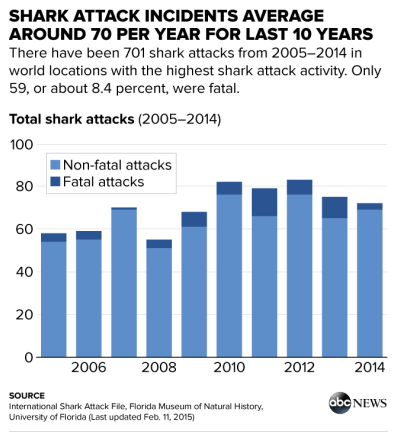
Available at: https://abcnews.go.com/US/shark-attacks-toldgraphs/story?id=31779076.
According to the text, it is correct to state that
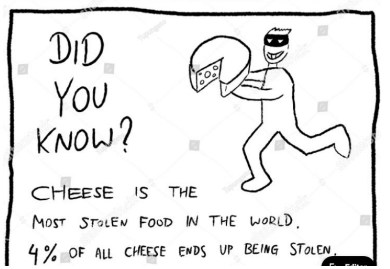
Available at: https://www.shutterstock.com/pt/image-vector/fun-facttrivia-useful-doodle-cartoon-309310565.
According to the text, it is correct to say that
Read the following text and answer the question.
What does a sustainable smartphone look like?
In a bid to reduce global electronic waste, Fairphone has created a smartphone that owners can repair themselves. What makes its technology so sustainable?
"This is my phone's camera," says Bas van Abel, holding a small, square component aloft. He has just removed it from his smartphone, using a tiny screwdriver.
"There's eight components in total which can be removed and replaced," he says, as he meticulously disassembles his entire smartphone, placing the camera alongside his phone battery, USB port, screen and loudspeaker.
Van Abel is the co-founder of the Dutch social enterprise Fairphone, which claims to have built "the world's most sustainable smartphone". But with a complex product containing rare metals and components from all over the world, just how sustainable can a smartphone be?
Founded in 2013 in Amsterdam, Fairphone makes Android smartphones which can easily be exchanged, customized and repaired by their owners. By enabling and encouraging people to fix their phones, rather than throwing them away as soon as a component breaks, Fairphone hopes to help reduce electronic waste.
Available at: https://www.bbc.com/future/article/20231121-whatdoes-a-sustainable-smartphone-look-like.
Read the following text and answer the question.
What does a sustainable smartphone look like?
In a bid to reduce global electronic waste, Fairphone has created a smartphone that owners can repair themselves. What makes its technology so sustainable?
"This is my phone's camera," says Bas van Abel, holding a small, square component aloft. He has just removed it from his smartphone, using a tiny screwdriver.
"There's eight components in total which can be removed and replaced," he says, as he meticulously disassembles his entire smartphone, placing the camera alongside his phone battery, USB port, screen and loudspeaker.
Van Abel is the co-founder of the Dutch social enterprise Fairphone, which claims to have built "the world's most sustainable smartphone". But with a complex product containing rare metals and components from all over the world, just how sustainable can a smartphone be?
Founded in 2013 in Amsterdam, Fairphone makes Android smartphones which can easily be exchanged, customized and repaired by their owners. By enabling and encouraging people to fix their phones, rather than throwing them away as soon as a component breaks, Fairphone hopes to help reduce electronic waste.
Available at: https://www.bbc.com/future/article/20231121-whatdoes-a-sustainable-smartphone-look-like.
Read the following text and answer the question.
What does a sustainable smartphone look like?
In a bid to reduce global electronic waste, Fairphone has created a smartphone that owners can repair themselves. What makes its technology so sustainable?
"This is my phone's camera," says Bas van Abel, holding a small, square component aloft. He has just removed it from his smartphone, using a tiny screwdriver.
"There's eight components in total which can be removed and replaced," he says, as he meticulously disassembles his entire smartphone, placing the camera alongside his phone battery, USB port, screen and loudspeaker.
Van Abel is the co-founder of the Dutch social enterprise Fairphone, which claims to have built "the world's most sustainable smartphone". But with a complex product containing rare metals and components from all over the world, just how sustainable can a smartphone be?
Founded in 2013 in Amsterdam, Fairphone makes Android smartphones which can easily be exchanged, customized and repaired by their owners. By enabling and encouraging people to fix their phones, rather than throwing them away as soon as a component breaks, Fairphone hopes to help reduce electronic waste.
Available at: https://www.bbc.com/future/article/20231121-whatdoes-a-sustainable-smartphone-look-like.

 Conheça nossos planos