Questões de Concurso
Para tribunal de contas e controladoria
Foram encontradas 49.475 questões
Resolva questões gratuitamente!
Junte-se a mais de 4 milhões de concurseiros!


Ano: 2026
Banca:
FGV
Órgão:
TCE-PE
Prova:
FGV - 2026 - TCE-PE - Analista de Gestão - Administração - REAPLICAÇÃO |
Q4282427
Legislação Estadual
A Lei estadual nº 11.781/2000 regula o processo administrativo no
âmbito da Administração Pública estadual de Pernambuco,
disciplinando, entre outros aspectos, o recurso administrativo.
Segundo essa lei, salvo disposição legal específica, o prazo para interposição de recurso administrativo é de
Segundo essa lei, salvo disposição legal específica, o prazo para interposição de recurso administrativo é de
Ano: 2026
Banca:
FGV
Órgão:
TCE-PE
Prova:
FGV - 2026 - TCE-PE - Analista de Gestão - Administração - REAPLICAÇÃO |
Q4282426
Direito Administrativo
A Lei federal nº 8.429/1992 (Lei de Improbidade Administrativa),
com as alterações da Lei nº 14.230/2021, tipifica os atos de
improbidade administrativa.
A respeito do tema, avalie as afirmativas a seguir e assinale (V) para a verdadeira e (F) para a falsa.
( ) Após a Lei nº 14.230/2021, configura improbidade administrativa tanto a conduta dolosa quanto a meramente culposa do agente.
( ) Os atos de improbidade dividem-se em três modalidades: enriquecimento ilícito, prejuízo ao erário e atos que atentam contra os princípios da Administração Pública.
( ) Considera-se dolo a vontade livre e consciente de alcançar o resultado ilícito tipificado na lei, não bastando a mera voluntariedade do agente.
As afirmativas são, respectivamente,
A respeito do tema, avalie as afirmativas a seguir e assinale (V) para a verdadeira e (F) para a falsa.
( ) Após a Lei nº 14.230/2021, configura improbidade administrativa tanto a conduta dolosa quanto a meramente culposa do agente.
( ) Os atos de improbidade dividem-se em três modalidades: enriquecimento ilícito, prejuízo ao erário e atos que atentam contra os princípios da Administração Pública.
( ) Considera-se dolo a vontade livre e consciente de alcançar o resultado ilícito tipificado na lei, não bastando a mera voluntariedade do agente.
As afirmativas são, respectivamente,
Ano: 2026
Banca:
FGV
Órgão:
TCE-PE
Prova:
FGV - 2026 - TCE-PE - Analista de Gestão - Administração - REAPLICAÇÃO |
Q4282425
Legislação Estadual
Nos termos da Lei estadual nº 6.123/1968 (Regime Jurídico dos
Funcionários Públicos Civis do Estado de Pernambuco), o
provimento dos cargos públicos ocorre por formas expressamente
previstas.
A respeito das formas de provimento, analise as afirmativas a seguir.
I. A nomeação e a promoção são formas de provimento previstas na lei.
II. A reintegração, o aproveitamento e a reversão são formas de provimento previstas na lei.
III. A exoneração e a demissão são formas de provimento previstas na lei.
Está correto o que se afirma em
A respeito das formas de provimento, analise as afirmativas a seguir.
I. A nomeação e a promoção são formas de provimento previstas na lei.
II. A reintegração, o aproveitamento e a reversão são formas de provimento previstas na lei.
III. A exoneração e a demissão são formas de provimento previstas na lei.
Está correto o que se afirma em
Ano: 2026
Banca:
FGV
Órgão:
TCE-PE
Prova:
FGV - 2026 - TCE-PE - Analista de Gestão - Administração - REAPLICAÇÃO |
Q4282424
Direito Administrativo
A Constituição Federal de 1988, no caput do art. 37, enuncia os
princípios expressos que regem a administração pública direta e
indireta de qualquer dos Poderes.
A respeito desses princípios, analise as afirmativas a seguir.
I. Legalidade, impessoalidade, moralidade, publicidade e eficiência são os princípios expressos no caput do art. 37 da CF/88.
II. A razoabilidade e a proporcionalidade constam expressamente do caput do art. 37 da CF/88.
III. O princípio da eficiência foi incluído no caput do art. 37 pela Emenda Constitucional nº 19/1998.
Está correto o que se afirma em
A respeito desses princípios, analise as afirmativas a seguir.
I. Legalidade, impessoalidade, moralidade, publicidade e eficiência são os princípios expressos no caput do art. 37 da CF/88.
II. A razoabilidade e a proporcionalidade constam expressamente do caput do art. 37 da CF/88.
III. O princípio da eficiência foi incluído no caput do art. 37 pela Emenda Constitucional nº 19/1998.
Está correto o que se afirma em
Ano: 2026
Banca:
FGV
Órgão:
TCE-PE
Prova:
FGV - 2026 - TCE-PE - Analista de Gestão - Administração - REAPLICAÇÃO |
Q4282423
Direito Administrativo
A Lei nº 8.429/1992, com as alterações promovidas pela Lei
nº 14.230/2021, disciplina os atos de improbidade administrativa
que atentam contra os princípios da Administração Pública e a
gradação das sanções.
A respeito do tema, analise as afirmativas a seguir.
I. Constitui ato de improbidade administrativa que atenta contra os princípios da Administração Pública a ação ou omissão dolosa que viole os deveres de honestidade, de imparcialidade e de legalidade.
II. A responsabilização pelos atos previstos nos arts. 9º, 10 e 11 exige a demonstração do dolo, não bastando a mera voluntariedade do agente.
III. As sanções são idênticas para as três modalidades de improbidade, sem qualquer gradação conforme a gravidade do ato.
Está correto o que se afirma em
A respeito do tema, analise as afirmativas a seguir.
I. Constitui ato de improbidade administrativa que atenta contra os princípios da Administração Pública a ação ou omissão dolosa que viole os deveres de honestidade, de imparcialidade e de legalidade.
II. A responsabilização pelos atos previstos nos arts. 9º, 10 e 11 exige a demonstração do dolo, não bastando a mera voluntariedade do agente.
III. As sanções são idênticas para as três modalidades de improbidade, sem qualquer gradação conforme a gravidade do ato.
Está correto o que se afirma em
Ano: 2026
Banca:
FGV
Órgão:
TCE-PE
Prova:
FGV - 2026 - TCE-PE - Analista de Gestão - Administração - REAPLICAÇÃO |
Q4282422
Administração Pública
O estudo das políticas públicas costuma organizar o processo de
produção de políticas por meio da metáfora do ciclo (policy cycle),
que é composto por fases sequenciais e interdependentes.
O ciclo das políticas públicas compreende as fases de
O ciclo das políticas públicas compreende as fases de
Ano: 2026
Banca:
FGV
Órgão:
TCE-PE
Prova:
FGV - 2026 - TCE-PE - Analista de Gestão - Administração - REAPLICAÇÃO |
Q4282421
Controle Externo
Analise as seguintes afirmativas acerca do Poder Legislativo e da
organização e do funcionamento dos Tribunais de Contas
Estaduais:
I. É constitucional a aprovação e promulgação de lei de iniciativa parlamentar que altera a destinação de valores arrecadados com a cobrança de multas aplicadas pela Corte de Contas.
II. Lei estadual pode estabelecer norma determinando que, no órgão pleno do Tribunal, não poderá participar concomitantemente mais de um auditor substituto, exceto no caso de o auditor substituto compor definitivamente o corpo deliberativo.
III. Norma da Constituição Estadual não pode atribuir à Assembleia Legislativa a competência para julgar os Conselheiros dos Tribunais de Contas e aplicar-lhes sanção de perda do cargo.
Considerando a jurisprudência do Supremo Tribunal Federal, está correto o que se afirma em
I. É constitucional a aprovação e promulgação de lei de iniciativa parlamentar que altera a destinação de valores arrecadados com a cobrança de multas aplicadas pela Corte de Contas.
II. Lei estadual pode estabelecer norma determinando que, no órgão pleno do Tribunal, não poderá participar concomitantemente mais de um auditor substituto, exceto no caso de o auditor substituto compor definitivamente o corpo deliberativo.
III. Norma da Constituição Estadual não pode atribuir à Assembleia Legislativa a competência para julgar os Conselheiros dos Tribunais de Contas e aplicar-lhes sanção de perda do cargo.
Considerando a jurisprudência do Supremo Tribunal Federal, está correto o que se afirma em
Ano: 2026
Banca:
FGV
Órgão:
TCE-PE
Prova:
FGV - 2026 - TCE-PE - Analista de Gestão - Administração - REAPLICAÇÃO |
Q4282420
Legislação dos Tribunais de Contas (TCU, TCEs e TCMs) e Ministérios Públicos de Contas
Uma Unidade de Auditoria do TCE-PE instaurou dois
procedimentos de fiscalização com as seguintes finalidades:
I. Avaliar, ao longo de um período predeterminado, o desempenho de um órgão da Administração Pública estadual quanto aos programas, projetos e atividades governamentais por ele executados, nos aspectos de economicidade, eficiência e eficácia dos atos praticados.
II. Identificar ações, fatos ou atos que subsidiarão o planejamento das fiscalizações a serem executadas no próximo exercício.
Os instrumentos de fiscalização utilizados para atender a essas finalidades são, na forma do Regimento Interno do TCE-PE, denominados, respectivamente,
I. Avaliar, ao longo de um período predeterminado, o desempenho de um órgão da Administração Pública estadual quanto aos programas, projetos e atividades governamentais por ele executados, nos aspectos de economicidade, eficiência e eficácia dos atos praticados.
II. Identificar ações, fatos ou atos que subsidiarão o planejamento das fiscalizações a serem executadas no próximo exercício.
Os instrumentos de fiscalização utilizados para atender a essas finalidades são, na forma do Regimento Interno do TCE-PE, denominados, respectivamente,
Ano: 2026
Banca:
FGV
Órgão:
TCE-PE
Prova:
FGV - 2026 - TCE-PE - Analista de Gestão - Administração - REAPLICAÇÃO |
Q4282419
Legislação dos Tribunais de Contas (TCU, TCEs e TCMs) e Ministérios Públicos de Contas
Acerca das competências dos órgãos integrantes da estrutura
organizacional do Tribunal de Contas e do Ministério Público de
Contas do Estado de Pernambuco (MPC-PE), considere as
seguintes atribuições:
I. Opinar preliminarmente sobre afastamento de Procurador do MPC-PE para participação em curso de capacitação quando o afastamento for superior a 30 (trinta) dias;
II. Receber e encaminhar às unidades competentes do Tribunal as sugestões de aprimoramento, críticas e reclamações sobre os serviços prestados pelo Tribunal;
III. Emitir certidões de quitação no caso de comprovado recolhimento integral do valor do débito imputado ao gestor em razão de deliberação do TCE-PE.
Com fulcro no Regimento Interno do TCE-PE, assinale a opção que indica corretamente os órgãos ou as autoridades competentes pelas atribuições descritas nos itens I a III, respectivamente.
I. Opinar preliminarmente sobre afastamento de Procurador do MPC-PE para participação em curso de capacitação quando o afastamento for superior a 30 (trinta) dias;
II. Receber e encaminhar às unidades competentes do Tribunal as sugestões de aprimoramento, críticas e reclamações sobre os serviços prestados pelo Tribunal;
III. Emitir certidões de quitação no caso de comprovado recolhimento integral do valor do débito imputado ao gestor em razão de deliberação do TCE-PE.
Com fulcro no Regimento Interno do TCE-PE, assinale a opção que indica corretamente os órgãos ou as autoridades competentes pelas atribuições descritas nos itens I a III, respectivamente.
Ano: 2026
Banca:
FGV
Órgão:
TCE-PE
Prova:
FGV - 2026 - TCE-PE - Analista de Gestão - Administração - REAPLICAÇÃO |
Q4282418
Legislação Estadual
O TCE-PE recebeu denúncias de possíveis violações ao Código de
Ética dos servidores desta Corte, conforme descrito a seguir.
I. O servidor Zeus apresentou trabalho desenvolvido por outro colega de equipe como se fosse de sua autoria;
II. O servidor Thor apresentou-se nas redes sociais com o pseudônimo “Conan”;
III. A servidora Athena adotou postura seletiva e criteriosa para o seu ingresso nas redes sociais.
As condutas narradas foram analisadas e comprovadas em processo de verificação da procedência da informação.
Nesse sentido, assinale a opção que indica corretamente os servidores que violaram o Código de Ética dos servidores do TCEPE.
I. O servidor Zeus apresentou trabalho desenvolvido por outro colega de equipe como se fosse de sua autoria;
II. O servidor Thor apresentou-se nas redes sociais com o pseudônimo “Conan”;
III. A servidora Athena adotou postura seletiva e criteriosa para o seu ingresso nas redes sociais.
As condutas narradas foram analisadas e comprovadas em processo de verificação da procedência da informação.
Nesse sentido, assinale a opção que indica corretamente os servidores que violaram o Código de Ética dos servidores do TCEPE.
Ano: 2026
Banca:
FGV
Órgão:
TCE-PE
Prova:
FGV - 2026 - TCE-PE - Analista de Gestão - Administração - REAPLICAÇÃO |
Q4282417
Legislação Estadual
João, pessoa com deficiência oculta, compareceu perante uma
repartição pública da Administração Pública direta do Estado de
Pernambuco e informou sua condição, o que acarretaria o seu
enquadramento em um protocolo específico de atendimento.
O servidor responsável pelo atendimento de João observou, corretamente, considerando os balizamentos da Lei estadual nº 14.789/2012, que
O servidor responsável pelo atendimento de João observou, corretamente, considerando os balizamentos da Lei estadual nº 14.789/2012, que
Ano: 2026
Banca:
FGV
Órgão:
TCE-PE
Prova:
FGV - 2026 - TCE-PE - Analista de Gestão - Administração - REAPLICAÇÃO |
Q4282416
Legislação Estadual
Maria atua em determinada empresa pública da Administração
Pública indireta do Estado de Pernambuco, que explora atividade
econômica em sentido estrito. Ao seu ver, vinha cumprindo
atribuições estranhas às suas atividades regulares e à função que
desempenha, as quais eram cotidianamente passadas por seu
chefe imediato.
Ao comunicar o ocorrido à autoridade competente, foi corretamente constatado que, à luz da Lei estadual nº 13.314/2007,
Ao comunicar o ocorrido à autoridade competente, foi corretamente constatado que, à luz da Lei estadual nº 13.314/2007,
Ano: 2026
Banca:
FGV
Órgão:
TCE-PE
Prova:
FGV - 2026 - TCE-PE - Analista de Gestão - Administração - REAPLICAÇÃO |
Q4282415
Direito Digital
No âmbito do Município Alfa, logo após a posse do Chefe do Poder
Executivo, seus assessores imediatos foram consultados em
relação às medidas a serem adotadas visando à proteção de dados
pessoais, mais especificamente quanto à posição institucional e às
competências do encarregado de dados pessoais nessa temática.
Os assessores responderam corretamente que o referido encarregado
Os assessores responderam corretamente que o referido encarregado
Ano: 2026
Banca:
FGV
Órgão:
TCE-PE
Prova:
FGV - 2026 - TCE-PE - Analista de Gestão - Administração - REAPLICAÇÃO |
Q4282414
Controle Externo
Maria, presidente da autarquia estadual X, vinculada ao Poder
Executivo do Estado Sigma, atuou como ordenadora de despesas
no último exercício financeiro, o que a levou a prestar contas das
despesas realizadas, encaminhando-as ao Tribunal de Contas do
referido ente federativo.
Na situação descrita, é correto afirmar que
Na situação descrita, é correto afirmar que
Ano: 2026
Banca:
FGV
Órgão:
TCE-PE
Prova:
FGV - 2026 - TCE-PE - Analista de Gestão - Administração - REAPLICAÇÃO |
Q4282413
Estatística
A área de Administração de um Tribunal de Contas acompanha o
consumo mensal de serviços de impressão contratados para suas
unidades. Embora a despesa total esteja dentro do limite
contratual, a equipe pretende identificar alterações de
comportamento que possam exigir análise administrativa.
As unidades possuem diferentes padrões de utilização do serviço. Considere os dados de quantidade mensal de páginas impressas:
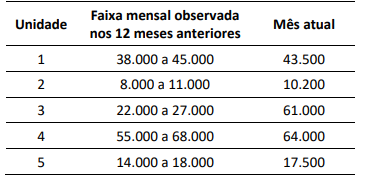
Observou-se que a Unidade 3 mantinha padrão relativamente estável nos períodos anteriores e não havia apresentado aumento semelhante ao observado no mês atual. A equipe pretende utilizar a detecção de anomalias com base no histórico de cada unidade, sem presumir que toda ocorrência atípica represente erro, desperdício ou irregularidade.
Considerando a finalidade apresentada, o resultado da análise deve ser interpretado no sentido de que
As unidades possuem diferentes padrões de utilização do serviço. Considere os dados de quantidade mensal de páginas impressas:
Observou-se que a Unidade 3 mantinha padrão relativamente estável nos períodos anteriores e não havia apresentado aumento semelhante ao observado no mês atual. A equipe pretende utilizar a detecção de anomalias com base no histórico de cada unidade, sem presumir que toda ocorrência atípica represente erro, desperdício ou irregularidade.
Considerando a finalidade apresentada, o resultado da análise deve ser interpretado no sentido de que
Ano: 2026
Banca:
FGV
Órgão:
TCE-PE
Prova:
FGV - 2026 - TCE-PE - Analista de Gestão - Administração - REAPLICAÇÃO |
Q4282412
Administração Geral
A área de gestão de um Tribunal de Contas recebe relatórios
periódicos de diferentes unidades para acompanhar a execução de
iniciativas institucionais. Embora tratem de temas semelhantes, os
documentos apresentam estruturas distintas, com informações
relevantes distribuídas em tabelas e textos corridos.
Para apoiar a consolidação dessas informações, a equipe decidiu utilizar a Aurora, plataforma de Inteligência Artificial do Tribunal de Contas do Estado de Pernambuco, e submeteu os relatórios à ferramenta com o seguinte comando:
Para cada relatório, extraia, quando expressamente disponíveis no documento, os seguintes elementos: unidade; período; iniciativa; meta informada; resultado alcançado; dificuldade relatada; e providência prevista. Quando um elemento não constar do documento, registre “não informado”, sem deduzir ou completar a informação ausente. Apresente a saída segundo os campos definidos e indique o relatório de origem de cada conjunto de informações.
Considerando que o objetivo é comparar as informações das unidades e identificar dados não informados, a formulação utilizada favorece a consolidação porque
Para apoiar a consolidação dessas informações, a equipe decidiu utilizar a Aurora, plataforma de Inteligência Artificial do Tribunal de Contas do Estado de Pernambuco, e submeteu os relatórios à ferramenta com o seguinte comando:
Para cada relatório, extraia, quando expressamente disponíveis no documento, os seguintes elementos: unidade; período; iniciativa; meta informada; resultado alcançado; dificuldade relatada; e providência prevista. Quando um elemento não constar do documento, registre “não informado”, sem deduzir ou completar a informação ausente. Apresente a saída segundo os campos definidos e indique o relatório de origem de cada conjunto de informações.
Considerando que o objetivo é comparar as informações das unidades e identificar dados não informados, a formulação utilizada favorece a consolidação porque
Ano: 2026
Banca:
FGV
Órgão:
TCE-PE
Prova:
FGV - 2026 - TCE-PE - Analista de Gestão - Administração - REAPLICAÇÃO |
Q4282411
Banco de Dados
Um Tribunal de Contas mantém um canal de atendimento on-line
que recebe demandas durante 24 horas.
Para reduzir o tempo de resposta, o sistema passou a analisar o histórico dos atendimentos, considerando, entre outros elementos:
• horário de entrada da demanda;
• texto apresentado pelo usuário;
• categoria registrada;
• unidade para a qual a demanda foi encaminhada; e
• orientação fornecida.
A análise dos horários permitiu identificar os períodos de maior procura e as variações no volume de atendimentos ao longo do dia. Verificou-se também que demandas apresentadas de formas distintas eram frequentemente solucionadas com a mesma orientação. Considere parte dos resultados:

Embora os padrões de horário e volume pudessem ser identificados, a organização da base dificultava relacionar diferentes formas de apresentação às mesmas necessidades e orientações.
A conclusão sobre essa limitação foi sustentada pelo fato de a análise ter identificado
Para reduzir o tempo de resposta, o sistema passou a analisar o histórico dos atendimentos, considerando, entre outros elementos:
• horário de entrada da demanda;
• texto apresentado pelo usuário;
• categoria registrada;
• unidade para a qual a demanda foi encaminhada; e
• orientação fornecida.
A análise dos horários permitiu identificar os períodos de maior procura e as variações no volume de atendimentos ao longo do dia. Verificou-se também que demandas apresentadas de formas distintas eram frequentemente solucionadas com a mesma orientação. Considere parte dos resultados:
Embora os padrões de horário e volume pudessem ser identificados, a organização da base dificultava relacionar diferentes formas de apresentação às mesmas necessidades e orientações.
A conclusão sobre essa limitação foi sustentada pelo fato de a análise ter identificado
Ano: 2026
Banca:
FGV
Órgão:
TCE-PE
Prova:
FGV - 2026 - TCE-PE - Analista de Gestão - Administração - REAPLICAÇÃO |
Q4282410
Administração Pública
Um Tribunal de Contas pretende reorganizar a base de
informações utilizada pelos atendentes de seu canal de
atendimento ao cidadão. A análise dos registros mostrou que
parte dos encaminhamentos entre atendentes ocorre porque a
necessidade apresentada pelo usuário não é prontamente
identificada ou porque a informação correspondente não é
facilmente localizada na base.
A base atual está organizada principalmente segundo a estrutura interna do Tribunal, com informações classificadas por:
• unidade responsável;
• sigla do sistema;
• tipo de processo; e
• norma relacionada.
Verificou-se, porém, que uma mesma necessidade pode ser expressa pelos usuários de diferentes formas:
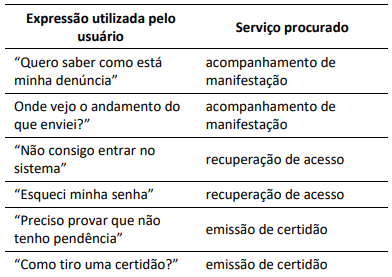
A reorganização busca facilitar a identificação da necessidade apresentada pelo cidadão e a localização das informações necessárias ao atendimento, reduzindo encaminhamentos desnecessários e sem exigir que o usuário conheça a estrutura ou a terminologia interna do Tribunal.
Para atender a esse objetivo, a reorganização da base deve
A base atual está organizada principalmente segundo a estrutura interna do Tribunal, com informações classificadas por:
• unidade responsável;
• sigla do sistema;
• tipo de processo; e
• norma relacionada.
Verificou-se, porém, que uma mesma necessidade pode ser expressa pelos usuários de diferentes formas:
A reorganização busca facilitar a identificação da necessidade apresentada pelo cidadão e a localização das informações necessárias ao atendimento, reduzindo encaminhamentos desnecessários e sem exigir que o usuário conheça a estrutura ou a terminologia interna do Tribunal.
Para atender a esse objetivo, a reorganização da base deve
Ano: 2026
Banca:
FGV
Órgão:
TCE-PE
Prova:
FGV - 2026 - TCE-PE - Analista de Gestão - Administração - REAPLICAÇÃO |
Q4282409
Banco de Dados
A área administrativa de um Tribunal de Contas pretende
substituir planilhas isoladas por um banco de dados para apoiar a
gestão e o acompanhamento dos contratos.
Foram estabelecidas as seguintes condições:
I. Cada contrato possui identificação própria e pode ter um ou mais servidores designados para sua fiscalização, inclusive simultaneamente, ao longo da vigência;
II. Um mesmo servidor pode fiscalizar vários contratos, inclusive em períodos coincidentes;
III. Para cada designação, devem ser registrados o servidor, o contrato, a data de início e, quando encerrada, a data de término;
IV. O encerramento ou a substituição de uma designação não deve apagar os registros das atuações anteriores; e
V. O sistema deverá permitir identificar o servidor ou os servidores que fiscalizavam determinado contrato em uma data passada.
Durante a modelagem do banco de dados, foram apresentadas diferentes propostas para armazenar as designações dos fiscais.
A proposta compatível com as condições estabelecidas consiste em
Foram estabelecidas as seguintes condições:
I. Cada contrato possui identificação própria e pode ter um ou mais servidores designados para sua fiscalização, inclusive simultaneamente, ao longo da vigência;
II. Um mesmo servidor pode fiscalizar vários contratos, inclusive em períodos coincidentes;
III. Para cada designação, devem ser registrados o servidor, o contrato, a data de início e, quando encerrada, a data de término;
IV. O encerramento ou a substituição de uma designação não deve apagar os registros das atuações anteriores; e
V. O sistema deverá permitir identificar o servidor ou os servidores que fiscalizavam determinado contrato em uma data passada.
Durante a modelagem do banco de dados, foram apresentadas diferentes propostas para armazenar as designações dos fiscais.
A proposta compatível com as condições estabelecidas consiste em
Ano: 2026
Banca:
FGV
Órgão:
TCE-PE
Prova:
FGV - 2026 - TCE-PE - Analista de Gestão - Administração - REAPLICAÇÃO |
Q4282408
Estatística
A área de gestão de um Tribunal de Contas pretende planejar
ações de desenvolvimento organizacional para suas unidades.
Para cada unidade, foram consolidados indicadores relativos a:
• volume de demandas recebidas; • proporção de demandas concluídas no prazo;
• tempo médio de atendimento;
• taxa de absenteísmo;
• horas de capacitação por servidor;
• proporção de postos de trabalho não ocupados.
Não existem categorias previamente definidas para classificar as unidades, nem registros anteriormente rotulados que indiquem o perfil de cada uma.
Após o tratamento necessário para tornar comparáveis os indicadores, a área pretende identificar conjuntos de unidades com combinações semelhantes desses indicadores, a fim de subsidiar diagnósticos e ações de gestão.
Para atender à finalidade apresentada, o procedimento adequado consiste em
Para cada unidade, foram consolidados indicadores relativos a:
• volume de demandas recebidas; • proporção de demandas concluídas no prazo;
• tempo médio de atendimento;
• taxa de absenteísmo;
• horas de capacitação por servidor;
• proporção de postos de trabalho não ocupados.
Não existem categorias previamente definidas para classificar as unidades, nem registros anteriormente rotulados que indiquem o perfil de cada uma.
Após o tratamento necessário para tornar comparáveis os indicadores, a área pretende identificar conjuntos de unidades com combinações semelhantes desses indicadores, a fim de subsidiar diagnósticos e ações de gestão.
Para atender à finalidade apresentada, o procedimento adequado consiste em

 Conheça nossos planos