Questões de Concurso
Sobre interpretação de texto | reading comprehension em inglês
Foram encontradas 12.687 questões


ADVANTAGES AND DISADVANTAGES OF AI IN EDUCATION
As artificial intelligence becomes more common in our daily lives, its effect on education calls for both enthusiasm and caution. Supporters believe that AI offers great opportunities for personalized learning, making administrative tasks easier and bringing new ways to teach. However, there are still worries about privacy, fairness and the possibility of replacing traditional teaching jobs. A study by the Digital Education Council found that 86% of students admit to using AI in their studies. To further that, 24% use it daily and 54% use it weekly. What is artificial intelligence in education?
Artificial intelligence in education refers to the use of computer systems that can perform tasks typically requiring human intelligence to enhance learning experiences, streamline administrative processes, and support educators. AI technologies include machine learning, natural language processing and robotics, which can personalize learning by adapting content and pace to individual student needs. This personalized approach helps address diverse learning styles and paces, ensuring that each student receives the attention and resources they need to succeed.
In addition to personalized learning, AI can assist educators by automating administrative tasks. By reducing the time spent on these repetitive tasks, teachers can focus more on instruction and student engagement. AI-powered tools can also provide insights into student performance and progress, enabling early intervention for those who may be struggling and recognizing those who excel. This data-driven approach allows for more informed decision-making and tailored support for students. AI in education can facilitate innovative teaching methods and interactive learning environments. As AI continues to evolve, its potential to transform education by making it more accessible, efficient and personalized becomes increasingly evident.
The role of Artificial Intelligence in education is rapidly transforming how students learn and how educators teach. AI-powered tools enable personalized learning experiences, adapting content and pace to meet individual student needs. Intelligent tutoring systems, automated grading and virtual assistants enhance both teaching efficiency and student engagement. By analyzing learning patterns, AI can also help identify struggling students early, allowing for timely intervention and support. Another key aspect of the role of AI in education is its ability to improve accessibility and inclusivity. AI-driven platforms can provide real-time translations, speech-to-text capabilities and adaptive learning materials for students with disabilities. Moreover, educators benefit from AI by gaining data-driven insights into curriculum effectiveness and student performance. As the technology continues to evolve, AI holds the potential to create more equitable and effective educational environments worldwide. Artificial intelligence is revolutionizing various sectors and education is no exception. The integration of AI in education has brought about significant changes that enhance learning experiences, streamline administrative tasks and support both students and educators in various ways.
As artificial intelligence continues to integrate into various sectors, its application in education is both celebrated and scrutinized. While AI holds significant potential to transform learning experiences, it also presents several disadvantages that need careful consideration that must be addressed to ensure a balanced and effective learning environment. Another major concern is the growing dependence on technology that AI in education fosters. As educational institutions increasingly rely on AI-driven tools for teaching, assessment and administrative tasks, there is a risk of becoming overly dependent on these technologies. This dependence can lead to significant disruptions in the event of technical failures or cyber-attacks. Furthermore, it may also diminish the development of critical thinking and problem-solving skills among students, as they may become accustomed to AI systems providing answers and solutions.
The lack of human touch is another critical disadvantage of AI in education, leading to a dehumanized learning experience. Traditional education relies heavily on human interaction, with teachers providing not only academic instruction but also emotional support and mentorship. AI systems, while efficient, cannot replicate the empathy, understanding and personal connection that human educators offer. This absence of human elements can affect students' social and emotional development, as well as their overall engagement and motivation in the learning process. AI in education also raises the risk of cheating. Advanced AI tools can be exploited by students to find ways to bypass academic integrity measures. For instance, AI-powered plagiarism detection systems may themselves be outsmarted by sophisticated AI-generated content that mimics genuine student work. Additionally, AI-based tutoring systems and automated assessments might be manipulated to provide undue assistance, undermining the fairness and integrity of academic evaluations. Schools and institutions must continuously adapt and update their AI tools to mitigate these risks.
Lastly, the rise of AI in education brings the concern of teacher job displacement. As AI systems take on more roles traditionally filled by educators, there is a fear that teachers may become obsolete. Automated grading, AI-driven tutoring, and administrative tasks handled by AI could reduce the need for human teachers, leading to job losses and a devaluation of the teaching profession. While AI can certainly support and enhance educational practices, it is essential to balance its implementation to ensure that teachers remain integral to the educational process, providing the human touch that technology cannot replace.
Taken and adapted from: https://www.ucanwest.ca/blog/education-careers-tips/advantages-and-disadvantages-of-ai-ineducation
In recent years, the integration of Artificial Intelligence (AI) into the educational landscape has sparked intense debate among policymakers, educators, and researchers. Proponents emphasize the transformative potential of AI in streamlining administrative duties, offering personalized learning pathways, and supplementing traditional teaching methods. However, critics voice concerns about the unintended consequences of over-reliance on such technologies. They argue that, while automation can indeed increase efficiency, the irreplaceable role of human educators in fostering emotional connections, moral guidance, and critical thinking remains beyond the reach of machines. As AI continues to assume responsibilities once considered the exclusive domain of teachers, the challenge lies in implementing these tools in a manner that supports rather than supplants the human presence in classrooms.
Based on the final paragraph of the text, the option that best reflects the author’s position regarding the role of teachers in an AI-driven educational environment is:
ADVANTAGES AND DISADVANTAGES OF AI IN EDUCATION
As artificial intelligence becomes more common in our daily lives, its effect on education calls for both enthusiasm and caution. Supporters believe that AI offers great opportunities for personalized learning, making administrative tasks easier and bringing new ways to teach. However, there are still worries about privacy, fairness and the possibility of replacing traditional teaching jobs. A study by the Digital Education Council found that 86% of students admit to using AI in their studies. To further that, 24% use it daily and 54% use it weekly. What is artificial intelligence in education?
Artificial intelligence in education refers to the use of computer systems that can perform tasks typically requiring human intelligence to enhance learning experiences, streamline administrative processes, and support educators. AI technologies include machine learning, natural language processing and robotics, which can personalize learning by adapting content and pace to individual student needs. This personalized approach helps address diverse learning styles and paces, ensuring that each student receives the attention and resources they need to succeed.
In addition to personalized learning, AI can assist educators by automating administrative tasks. By reducing the time spent on these repetitive tasks, teachers can focus more on instruction and student engagement. AI-powered tools can also provide insights into student performance and progress, enabling early intervention for those who may be struggling and recognizing those who excel. This data-driven approach allows for more informed decision-making and tailored support for students. AI in education can facilitate innovative teaching methods and interactive learning environments. As AI continues to evolve, its potential to transform education by making it more accessible, efficient and personalized becomes increasingly evident.
The role of Artificial Intelligence in education is rapidly transforming how students learn and how educators teach. AI-powered tools enable personalized learning experiences, adapting content and pace to meet individual student needs. Intelligent tutoring systems, automated grading and virtual assistants enhance both teaching efficiency and student engagement. By analyzing learning patterns, AI can also help identify struggling students early, allowing for timely intervention and support. Another key aspect of the role of AI in education is its ability to improve accessibility and inclusivity. AI-driven platforms can provide real-time translations, speech-to-text capabilities and adaptive learning materials for students with disabilities. Moreover, educators benefit from AI by gaining data-driven insights into curriculum effectiveness and student performance. As the technology continues to evolve, AI holds the potential to create more equitable and effective educational environments worldwide. Artificial intelligence is revolutionizing various sectors and education is no exception. The integration of AI in education has brought about significant changes that enhance learning experiences, streamline administrative tasks and support both students and educators in various ways.
As artificial intelligence continues to integrate into various sectors, its application in education is both celebrated and scrutinized. While AI holds significant potential to transform learning experiences, it also presents several disadvantages that need careful consideration that must be addressed to ensure a balanced and effective learning environment. Another major concern is the growing dependence on technology that AI in education fosters. As educational institutions increasingly rely on AI-driven tools for teaching, assessment and administrative tasks, there is a risk of becoming overly dependent on these technologies. This dependence can lead to significant disruptions in the event of technical failures or cyber-attacks. Furthermore, it may also diminish the development of critical thinking and problem-solving skills among students, as they may become accustomed to AI systems providing answers and solutions.
The lack of human touch is another critical disadvantage of AI in education, leading to a dehumanized learning experience. Traditional education relies heavily on human interaction, with teachers providing not only academic instruction but also emotional support and mentorship. AI systems, while efficient, cannot replicate the empathy, understanding and personal connection that human educators offer. This absence of human elements can affect students' social and emotional development, as well as their overall engagement and motivation in the learning process. AI in education also raises the risk of cheating. Advanced AI tools can be exploited by students to find ways to bypass academic integrity measures. For instance, AI-powered plagiarism detection systems may themselves be outsmarted by sophisticated AI-generated content that mimics genuine student work. Additionally, AI-based tutoring systems and automated assessments might be manipulated to provide undue assistance, undermining the fairness and integrity of academic evaluations. Schools and institutions must continuously adapt and update their AI tools to mitigate these risks.
Lastly, the rise of AI in education brings the concern of teacher job displacement. As AI systems take on more roles traditionally filled by educators, there is a fear that teachers may become obsolete. Automated grading, AI-driven tutoring, and administrative tasks handled by AI could reduce the need for human teachers, leading to job losses and a devaluation of the teaching profession. While AI can certainly support and enhance educational practices, it is essential to balance its implementation to ensure that teachers remain integral to the educational process, providing the human touch that technology cannot replace.
Taken and adapted from: https://www.ucanwest.ca/blog/education-careers-tips/advantages-and-disadvantages-of-ai-ineducation
The statement which best captures the author’s overall tone regarding the disadvantages of AI in education is:
ADVANTAGES AND DISADVANTAGES OF AI IN EDUCATION
As artificial intelligence becomes more common in our daily lives, its effect on education calls for both enthusiasm and caution. Supporters believe that AI offers great opportunities for personalized learning, making administrative tasks easier and bringing new ways to teach. However, there are still worries about privacy, fairness and the possibility of replacing traditional teaching jobs. A study by the Digital Education Council found that 86% of students admit to using AI in their studies. To further that, 24% use it daily and 54% use it weekly. What is artificial intelligence in education?
Artificial intelligence in education refers to the use of computer systems that can perform tasks typically requiring human intelligence to enhance learning experiences, streamline administrative processes, and support educators. AI technologies include machine learning, natural language processing and robotics, which can personalize learning by adapting content and pace to individual student needs. This personalized approach helps address diverse learning styles and paces, ensuring that each student receives the attention and resources they need to succeed.
In addition to personalized learning, AI can assist educators by automating administrative tasks. By reducing the time spent on these repetitive tasks, teachers can focus more on instruction and student engagement. AI-powered tools can also provide insights into student performance and progress, enabling early intervention for those who may be struggling and recognizing those who excel. This data-driven approach allows for more informed decision-making and tailored support for students. AI in education can facilitate innovative teaching methods and interactive learning environments. As AI continues to evolve, its potential to transform education by making it more accessible, efficient and personalized becomes increasingly evident.
The role of Artificial Intelligence in education is rapidly transforming how students learn and how educators teach. AI-powered tools enable personalized learning experiences, adapting content and pace to meet individual student needs. Intelligent tutoring systems, automated grading and virtual assistants enhance both teaching efficiency and student engagement. By analyzing learning patterns, AI can also help identify struggling students early, allowing for timely intervention and support. Another key aspect of the role of AI in education is its ability to improve accessibility and inclusivity. AI-driven platforms can provide real-time translations, speech-to-text capabilities and adaptive learning materials for students with disabilities. Moreover, educators benefit from AI by gaining data-driven insights into curriculum effectiveness and student performance. As the technology continues to evolve, AI holds the potential to create more equitable and effective educational environments worldwide. Artificial intelligence is revolutionizing various sectors and education is no exception. The integration of AI in education has brought about significant changes that enhance learning experiences, streamline administrative tasks and support both students and educators in various ways.
As artificial intelligence continues to integrate into various sectors, its application in education is both celebrated and scrutinized. While AI holds significant potential to transform learning experiences, it also presents several disadvantages that need careful consideration that must be addressed to ensure a balanced and effective learning environment. Another major concern is the growing dependence on technology that AI in education fosters. As educational institutions increasingly rely on AI-driven tools for teaching, assessment and administrative tasks, there is a risk of becoming overly dependent on these technologies. This dependence can lead to significant disruptions in the event of technical failures or cyber-attacks. Furthermore, it may also diminish the development of critical thinking and problem-solving skills among students, as they may become accustomed to AI systems providing answers and solutions.
The lack of human touch is another critical disadvantage of AI in education, leading to a dehumanized learning experience. Traditional education relies heavily on human interaction, with teachers providing not only academic instruction but also emotional support and mentorship. AI systems, while efficient, cannot replicate the empathy, understanding and personal connection that human educators offer. This absence of human elements can affect students' social and emotional development, as well as their overall engagement and motivation in the learning process. AI in education also raises the risk of cheating. Advanced AI tools can be exploited by students to find ways to bypass academic integrity measures. For instance, AI-powered plagiarism detection systems may themselves be outsmarted by sophisticated AI-generated content that mimics genuine student work. Additionally, AI-based tutoring systems and automated assessments might be manipulated to provide undue assistance, undermining the fairness and integrity of academic evaluations. Schools and institutions must continuously adapt and update their AI tools to mitigate these risks.
Lastly, the rise of AI in education brings the concern of teacher job displacement. As AI systems take on more roles traditionally filled by educators, there is a fear that teachers may become obsolete. Automated grading, AI-driven tutoring, and administrative tasks handled by AI could reduce the need for human teachers, leading to job losses and a devaluation of the teaching profession. While AI can certainly support and enhance educational practices, it is essential to balance its implementation to ensure that teachers remain integral to the educational process, providing the human touch that technology cannot replace.
Taken and adapted from: https://www.ucanwest.ca/blog/education-careers-tips/advantages-and-disadvantages-of-ai-ineducation
The author presents multiple disadvantages of AI in education, ranging from technical vulnerabilities to ethical challenges, emphasizing risks that affect both academic integrity and the human dimension of learning. The option that best reflects the underlying concern linking all the disadvantages discussed in the texts is:
ADVANTAGES AND DISADVANTAGES OF AI IN EDUCATION
As artificial intelligence becomes more common in our daily lives, its effect on education calls for both enthusiasm and caution. Supporters believe that AI offers great opportunities for personalized learning, making administrative tasks easier and bringing new ways to teach. However, there are still worries about privacy, fairness and the possibility of replacing traditional teaching jobs. A study by the Digital Education Council found that 86% of students admit to using AI in their studies. To further that, 24% use it daily and 54% use it weekly. What is artificial intelligence in education?
Artificial intelligence in education refers to the use of computer systems that can perform tasks typically requiring human intelligence to enhance learning experiences, streamline administrative processes, and support educators. AI technologies include machine learning, natural language processing and robotics, which can personalize learning by adapting content and pace to individual student needs. This personalized approach helps address diverse learning styles and paces, ensuring that each student receives the attention and resources they need to succeed.
In addition to personalized learning, AI can assist educators by automating administrative tasks. By reducing the time spent on these repetitive tasks, teachers can focus more on instruction and student engagement. AI-powered tools can also provide insights into student performance and progress, enabling early intervention for those who may be struggling and recognizing those who excel. This data-driven approach allows for more informed decision-making and tailored support for students. AI in education can facilitate innovative teaching methods and interactive learning environments. As AI continues to evolve, its potential to transform education by making it more accessible, efficient and personalized becomes increasingly evident.
The role of Artificial Intelligence in education is rapidly transforming how students learn and how educators teach. AI-powered tools enable personalized learning experiences, adapting content and pace to meet individual student needs. Intelligent tutoring systems, automated grading and virtual assistants enhance both teaching efficiency and student engagement. By analyzing learning patterns, AI can also help identify struggling students early, allowing for timely intervention and support. Another key aspect of the role of AI in education is its ability to improve accessibility and inclusivity. AI-driven platforms can provide real-time translations, speech-to-text capabilities and adaptive learning materials for students with disabilities. Moreover, educators benefit from AI by gaining data-driven insights into curriculum effectiveness and student performance. As the technology continues to evolve, AI holds the potential to create more equitable and effective educational environments worldwide. Artificial intelligence is revolutionizing various sectors and education is no exception. The integration of AI in education has brought about significant changes that enhance learning experiences, streamline administrative tasks and support both students and educators in various ways.
As artificial intelligence continues to integrate into various sectors, its application in education is both celebrated and scrutinized. While AI holds significant potential to transform learning experiences, it also presents several disadvantages that need careful consideration that must be addressed to ensure a balanced and effective learning environment. Another major concern is the growing dependence on technology that AI in education fosters. As educational institutions increasingly rely on AI-driven tools for teaching, assessment and administrative tasks, there is a risk of becoming overly dependent on these technologies. This dependence can lead to significant disruptions in the event of technical failures or cyber-attacks. Furthermore, it may also diminish the development of critical thinking and problem-solving skills among students, as they may become accustomed to AI systems providing answers and solutions.
The lack of human touch is another critical disadvantage of AI in education, leading to a dehumanized learning experience. Traditional education relies heavily on human interaction, with teachers providing not only academic instruction but also emotional support and mentorship. AI systems, while efficient, cannot replicate the empathy, understanding and personal connection that human educators offer. This absence of human elements can affect students' social and emotional development, as well as their overall engagement and motivation in the learning process. AI in education also raises the risk of cheating. Advanced AI tools can be exploited by students to find ways to bypass academic integrity measures. For instance, AI-powered plagiarism detection systems may themselves be outsmarted by sophisticated AI-generated content that mimics genuine student work. Additionally, AI-based tutoring systems and automated assessments might be manipulated to provide undue assistance, undermining the fairness and integrity of academic evaluations. Schools and institutions must continuously adapt and update their AI tools to mitigate these risks.
Lastly, the rise of AI in education brings the concern of teacher job displacement. As AI systems take on more roles traditionally filled by educators, there is a fear that teachers may become obsolete. Automated grading, AI-driven tutoring, and administrative tasks handled by AI could reduce the need for human teachers, leading to job losses and a devaluation of the teaching profession. While AI can certainly support and enhance educational practices, it is essential to balance its implementation to ensure that teachers remain integral to the educational process, providing the human touch that technology cannot replace.
Taken and adapted from: https://www.ucanwest.ca/blog/education-careers-tips/advantages-and-disadvantages-of-ai-ineducation
ADVANTAGES AND DISADVANTAGES OF AI IN EDUCATION
As artificial intelligence becomes more common in our daily lives, its effect on education calls for both enthusiasm and caution. Supporters believe that AI offers great opportunities for personalized learning, making administrative tasks easier and bringing new ways to teach. However, there are still worries about privacy, fairness and the possibility of replacing traditional teaching jobs. A study by the Digital Education Council found that 86% of students admit to using AI in their studies. To further that, 24% use it daily and 54% use it weekly. What is artificial intelligence in education?
Artificial intelligence in education refers to the use of computer systems that can perform tasks typically requiring human intelligence to enhance learning experiences, streamline administrative processes, and support educators. AI technologies include machine learning, natural language processing and robotics, which can personalize learning by adapting content and pace to individual student needs. This personalized approach helps address diverse learning styles and paces, ensuring that each student receives the attention and resources they need to succeed.
In addition to personalized learning, AI can assist educators by automating administrative tasks. By reducing the time spent on these repetitive tasks, teachers can focus more on instruction and student engagement. AI-powered tools can also provide insights into student performance and progress, enabling early intervention for those who may be struggling and recognizing those who excel. This data-driven approach allows for more informed decision-making and tailored support for students. AI in education can facilitate innovative teaching methods and interactive learning environments. As AI continues to evolve, its potential to transform education by making it more accessible, efficient and personalized becomes increasingly evident.
The role of Artificial Intelligence in education is rapidly transforming how students learn and how educators teach. AI-powered tools enable personalized learning experiences, adapting content and pace to meet individual student needs. Intelligent tutoring systems, automated grading and virtual assistants enhance both teaching efficiency and student engagement. By analyzing learning patterns, AI can also help identify struggling students early, allowing for timely intervention and support. Another key aspect of the role of AI in education is its ability to improve accessibility and inclusivity. AI-driven platforms can provide real-time translations, speech-to-text capabilities and adaptive learning materials for students with disabilities. Moreover, educators benefit from AI by gaining data-driven insights into curriculum effectiveness and student performance. As the technology continues to evolve, AI holds the potential to create more equitable and effective educational environments worldwide. Artificial intelligence is revolutionizing various sectors and education is no exception. The integration of AI in education has brought about significant changes that enhance learning experiences, streamline administrative tasks and support both students and educators in various ways.
As artificial intelligence continues to integrate into various sectors, its application in education is both celebrated and scrutinized. While AI holds significant potential to transform learning experiences, it also presents several disadvantages that need careful consideration that must be addressed to ensure a balanced and effective learning environment. Another major concern is the growing dependence on technology that AI in education fosters. As educational institutions increasingly rely on AI-driven tools for teaching, assessment and administrative tasks, there is a risk of becoming overly dependent on these technologies. This dependence can lead to significant disruptions in the event of technical failures or cyber-attacks. Furthermore, it may also diminish the development of critical thinking and problem-solving skills among students, as they may become accustomed to AI systems providing answers and solutions.
The lack of human touch is another critical disadvantage of AI in education, leading to a dehumanized learning experience. Traditional education relies heavily on human interaction, with teachers providing not only academic instruction but also emotional support and mentorship. AI systems, while efficient, cannot replicate the empathy, understanding and personal connection that human educators offer. This absence of human elements can affect students' social and emotional development, as well as their overall engagement and motivation in the learning process. AI in education also raises the risk of cheating. Advanced AI tools can be exploited by students to find ways to bypass academic integrity measures. For instance, AI-powered plagiarism detection systems may themselves be outsmarted by sophisticated AI-generated content that mimics genuine student work. Additionally, AI-based tutoring systems and automated assessments might be manipulated to provide undue assistance, undermining the fairness and integrity of academic evaluations. Schools and institutions must continuously adapt and update their AI tools to mitigate these risks.
Lastly, the rise of AI in education brings the concern of teacher job displacement. As AI systems take on more roles traditionally filled by educators, there is a fear that teachers may become obsolete. Automated grading, AI-driven tutoring, and administrative tasks handled by AI could reduce the need for human teachers, leading to job losses and a devaluation of the teaching profession. While AI can certainly support and enhance educational practices, it is essential to balance its implementation to ensure that teachers remain integral to the educational process, providing the human touch that technology cannot replace.
Taken and adapted from: https://www.ucanwest.ca/blog/education-careers-tips/advantages-and-disadvantages-of-ai-ineducation
ADVANTAGES AND DISADVANTAGES OF AI IN EDUCATION
As artificial intelligence becomes more common in our daily lives, its effect on education calls for both enthusiasm and caution. Supporters believe that AI offers great opportunities for personalized learning, making administrative tasks easier and bringing new ways to teach. However, there are still worries about privacy, fairness and the possibility of replacing traditional teaching jobs. A study by the Digital Education Council found that 86% of students admit to using AI in their studies. To further that, 24% use it daily and 54% use it weekly. What is artificial intelligence in education?
Artificial intelligence in education refers to the use of computer systems that can perform tasks typically requiring human intelligence to enhance learning experiences, streamline administrative processes, and support educators. AI technologies include machine learning, natural language processing and robotics, which can personalize learning by adapting content and pace to individual student needs. This personalized approach helps address diverse learning styles and paces, ensuring that each student receives the attention and resources they need to succeed.
In addition to personalized learning, AI can assist educators by automating administrative tasks. By reducing the time spent on these repetitive tasks, teachers can focus more on instruction and student engagement. AI-powered tools can also provide insights into student performance and progress, enabling early intervention for those who may be struggling and recognizing those who excel. This data-driven approach allows for more informed decision-making and tailored support for students. AI in education can facilitate innovative teaching methods and interactive learning environments. As AI continues to evolve, its potential to transform education by making it more accessible, efficient and personalized becomes increasingly evident.
The role of Artificial Intelligence in education is rapidly transforming how students learn and how educators teach. AI-powered tools enable personalized learning experiences, adapting content and pace to meet individual student needs. Intelligent tutoring systems, automated grading and virtual assistants enhance both teaching efficiency and student engagement. By analyzing learning patterns, AI can also help identify struggling students early, allowing for timely intervention and support. Another key aspect of the role of AI in education is its ability to improve accessibility and inclusivity. AI-driven platforms can provide real-time translations, speech-to-text capabilities and adaptive learning materials for students with disabilities. Moreover, educators benefit from AI by gaining data-driven insights into curriculum effectiveness and student performance. As the technology continues to evolve, AI holds the potential to create more equitable and effective educational environments worldwide. Artificial intelligence is revolutionizing various sectors and education is no exception. The integration of AI in education has brought about significant changes that enhance learning experiences, streamline administrative tasks and support both students and educators in various ways.
As artificial intelligence continues to integrate into various sectors, its application in education is both celebrated and scrutinized. While AI holds significant potential to transform learning experiences, it also presents several disadvantages that need careful consideration that must be addressed to ensure a balanced and effective learning environment. Another major concern is the growing dependence on technology that AI in education fosters. As educational institutions increasingly rely on AI-driven tools for teaching, assessment and administrative tasks, there is a risk of becoming overly dependent on these technologies. This dependence can lead to significant disruptions in the event of technical failures or cyber-attacks. Furthermore, it may also diminish the development of critical thinking and problem-solving skills among students, as they may become accustomed to AI systems providing answers and solutions.
The lack of human touch is another critical disadvantage of AI in education, leading to a dehumanized learning experience. Traditional education relies heavily on human interaction, with teachers providing not only academic instruction but also emotional support and mentorship. AI systems, while efficient, cannot replicate the empathy, understanding and personal connection that human educators offer. This absence of human elements can affect students' social and emotional development, as well as their overall engagement and motivation in the learning process. AI in education also raises the risk of cheating. Advanced AI tools can be exploited by students to find ways to bypass academic integrity measures. For instance, AI-powered plagiarism detection systems may themselves be outsmarted by sophisticated AI-generated content that mimics genuine student work. Additionally, AI-based tutoring systems and automated assessments might be manipulated to provide undue assistance, undermining the fairness and integrity of academic evaluations. Schools and institutions must continuously adapt and update their AI tools to mitigate these risks.
Lastly, the rise of AI in education brings the concern of teacher job displacement. As AI systems take on more roles traditionally filled by educators, there is a fear that teachers may become obsolete. Automated grading, AI-driven tutoring, and administrative tasks handled by AI could reduce the need for human teachers, leading to job losses and a devaluation of the teaching profession. While AI can certainly support and enhance educational practices, it is essential to balance its implementation to ensure that teachers remain integral to the educational process, providing the human touch that technology cannot replace.
Taken and adapted from: https://www.ucanwest.ca/blog/education-careers-tips/advantages-and-disadvantages-of-ai-ineducation
And all the men and women merely players;
They have their exits and their entrances;
And one man in his time plays many parts,
His acts being seven ages.
At first the infant,
Mewling and puking in the nurse’s arms;
And then the whining school-boy, with his satchel
And shining morning face, creeping like snail
Unwillingly to school. And then the lover,
Sighing like furnace, with a woeful ballad
Made to his mistress’ eyebrow. Then a soldier,
Full of strange oaths, and bearded like the pard,
Jealous in honour, sudden and quick in quarrel,
Seeking the bubble reputation
Even in the cannon’s mouth. And then the justice,
In fair round belly with good capon lin’d,
With eyes severe and beard of formal cut,
Full of wise saws and modern instances;
And so he plays his part. The sixth age shifts
Into the lean and slipper’d pantaloon,
With spectacles on nose and pouch on side;
His youthful hose, well sav’d, a world too wide
For his shrunk shank; and his big manly voice,
Turning again toward childish treble, pipes
And whistles in his sound. Last scene of all,
That ends this strange eventful history,
Is second childishness and mere oblivion;
Sans teeth, sans eyes, sans taste, sans everything
1- Check your overall understanding of the text by deciding if the statements below are true (T) or false (F).
( ) The text is largely autobiographical.
( ) The text clearly makes a criticism of the government of the period.
( ) The idea of the text is that the world can be compared to a stage.
( ) The character being portrayed in the text is not a woman.
( ) Some kinds of clothes described in the text are typical of a period and of a country.
( ) The author points out the best qualities and attitudes of a person in each phase of life.
( ) The author uses comparisons to explain what humans look like and how they act in different ages of their lives.
DIAS, R.; JUCA, L.; FARIA, R. Prime: inglês para o ensino médio. São Paulo: Macmillan, 2014 (adaptado).
This textbook page brings an activity which aligns well with the Base Nacional Comum Curricular (BNCC) English language section, which emphasizes the development of students’ critical reading, interpretation, and reflection on different textual genres, including literary texts. This statement is correct because students


AUSTEN, J. Persuasion. Phoenix Edition, 2001.
In a public high school, an English teacher uses the excerpt from Jane Austen’s Persuasion to help students recognize and analyze literary language features such as irony, tone, and figurative expressions. This pedagogical approach meets Base Nacional Comum Curricular (BNCC) standards by promoting critical literacy and interpretive skills in English language learning. What is the primary focus of the teacher’s lesson using the Persuasion excerpt?
TEXT 1

Available at: www.dailymail.co.uk. Acessed: May 8, 2025.
TEXT 2
In 2022, Wales qualified for the FIFA World Cup for the first time since 1958. The nation responded with great enthusiasm, and the song Waka Waka Cymru became one of several cultural expressions of national pride. The lyrics feature multiple languages and references to both Welsh and African traditions, blending local identity with global influences.
Available at: www.dailymail.co.uk. Acessed: May 8, 2025.
Two worlds of words
I learned to talk when I was young.
My grandma’s singing filled my ears.
My family spoke the native tongue
our ancestors passed through the years.
I knew the names of everything.
My voice was fast.
My thoughts were strong.
My grandma taught me how to sing.
Back then my accent wasn’t wrong.
Between two worlds my brain is caught.
Your language grows inside my mind.
I have two words for every thought.
But sometimes yours is hard to find.
We learn to talk when we are small.
First language gets a running part.
I speak your words but that’s not all.
My grandma’s songs still fill my heart.
Available at: https://poemfarm.amylv.com. Acessed: May 20, 2025.
TEXT 2
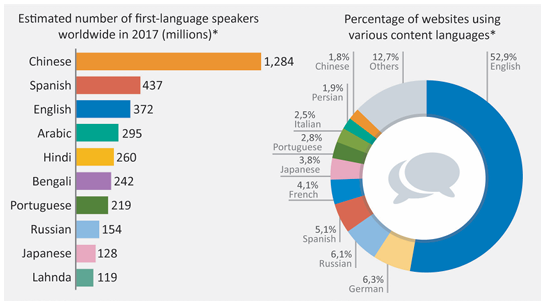
Two worlds: languages IRL and Online
Available at: https://english.binus.ac.id. Acessed: May 20, 2025.
The Base Nacional Comum Curricular (BNCC) presents ten general competences concerned with human development, social justice, and enviromental preservation, as well as the approach to English as a Lingua Franca. Based on this perspective, which teaching procedure can be developed grounded on the infographic and the message in the poem?

 Conheça nossos planos