Questões de Concurso
Sobre interpretação de texto | reading comprehension em inglês
Foram encontradas 12.997 questões
1. The author thinks that military buildings don’t need help from the WMF.
2. The author thinks that the WMF can’t save the Sankore mosque because of fighting in the region.
3. The author thinks that the beauty of the Christ Church Cathedral makes the site’s past difficult to imagine.
4. The author thinks that the Alhambra Palace in Chile can never open to the public again.
Choose the alternative which presents the correct sentences.
( ) The WMF makes a list of buildings in need of help every year.
( ) There are only 67 monuments worldwide that are currently in danger.
( ) The Sankore Mosque was especially important during the 15th and 16th centuries.
( ) The WMF helped to repair the walls of Christ Church Cathedral.
( ) The tombs in the Damiya Dolmen Field are 300 years old.
Choose the alternative which presents the correct sequence, from top to bottom.
TEXT:
What's the best way to learn receptive skills?
Miranda Hamilton
July 26, 2021
We often think of speaking and writing as the most challenging of the four language skills but what about the receptive skills? With reading, learners have time to think, but listening in another language presents a very different set of challenges for the learner. How often have we heard learners complain ‘it’s too fast, teacher!’? So how can you help?
Some guides are designed to help teachers understand the subskills of listening, with activities, tips and strategies to help you develop your learners’ listening skills as they prepare for their exams.
Here are just a few of the ideas from the guides for you to try with your learners. They will work at all levels.
How many words?
This micro listening is a great activity to try towards the end of your listening lesson, when learners have already heard the recording, so they know the speakers’ voices and the topic.
• Select a short phrase, of around 10 words, from the listening you have just completed. Set up the audio so you are ready to press ‘Play’.
• Tell the learners to listen and count the number of words they hear. You will need to play the audio several times. Pairs discuss. Take a range of answers from the class, but don’t tell them the answer just yet.
• Write the phrase on the board and count the number of words with the class. Who was the closest?
• Now ask them to listen and read the phrase at the same time. This time they have to decide which words they hear most clearly, in other words, you want them to notice the stressed words. Ask why they think they heard these words most clearly. Explain that stressed words carry the key information.
This micro listening activity helps raise learners’ awareness of sounds, helping them notice the stressed words and preparing them to listen for key information.
Support every learner
In mixed-ability classes, put a few simple strategies in place so the whole class can listen to the same recording, and take part in the same activity. This means that no learner feels lost or left behind.
• Make the gap-fill or sentence-completion task more achievable and supply the first letter of the missing word. Alternatively supply the first and the final letter and indicate how many letters the missing word has.
• Provide an additional layer of support for weaker learners by giving them the audio script. They can read the script as they listen and use it to help them find the correct answers.
Prepare to listen, prepare to understand
Don’t be in too much of a hurry to hand out the listening task and press ‘Play’. Time spent in class before listening means learners are better prepared to understand.
• Before you listen, have a class discussion around the topic of the listening. This gives learners the opportunity not only to practice their speaking, but also to practice listening to one another. A good discussion will make them think about the main ideas they might hear when they listen. • Useful vocabulary always comes out of a class discussion, creating a very natural way to pre-teach vocabulary before they listen. Useful language linked to a discussion is easier to learn because learners have a context, which makes it easier to remember than pre-teaching vocabulary from a wordlist.
• Take your time to discuss the task and check understanding. Encourage the class to reflect on their discussion and predict the answers. Remember to write their predictions on the board. Did they guess correctly? It doesn’t matter if they did or not, what matters is that they are prepared and ready to listen to see if they were right.
Feeling prepared to listen means learners feel confident and ready to understand, both in the classroom and in their exam.
Adapted from: https://www.cambridgeenglish.org/blog/whats-the-best-way-tolearn-receptive-skills
TEXT:
What's the best way to learn receptive skills?
Miranda Hamilton
July 26, 2021
We often think of speaking and writing as the most challenging of the four language skills but what about the receptive skills? With reading, learners have time to think, but listening in another language presents a very different set of challenges for the learner. How often have we heard learners complain ‘it’s too fast, teacher!’? So how can you help?
Some guides are designed to help teachers understand the subskills of listening, with activities, tips and strategies to help you develop your learners’ listening skills as they prepare for their exams.
Here are just a few of the ideas from the guides for you to try with your learners. They will work at all levels.
How many words?
This micro listening is a great activity to try towards the end of your listening lesson, when learners have already heard the recording, so they know the speakers’ voices and the topic.
• Select a short phrase, of around 10 words, from the listening you have just completed. Set up the audio so you are ready to press ‘Play’.
• Tell the learners to listen and count the number of words they hear. You will need to play the audio several times. Pairs discuss. Take a range of answers from the class, but don’t tell them the answer just yet.
• Write the phrase on the board and count the number of words with the class. Who was the closest?
• Now ask them to listen and read the phrase at the same time. This time they have to decide which words they hear most clearly, in other words, you want them to notice the stressed words. Ask why they think they heard these words most clearly. Explain that stressed words carry the key information.
This micro listening activity helps raise learners’ awareness of sounds, helping them notice the stressed words and preparing them to listen for key information.
Support every learner
In mixed-ability classes, put a few simple strategies in place so the whole class can listen to the same recording, and take part in the same activity. This means that no learner feels lost or left behind.
• Make the gap-fill or sentence-completion task more achievable and supply the first letter of the missing word. Alternatively supply the first and the final letter and indicate how many letters the missing word has.
• Provide an additional layer of support for weaker learners by giving them the audio script. They can read the script as they listen and use it to help them find the correct answers.
Prepare to listen, prepare to understand
Don’t be in too much of a hurry to hand out the listening task and press ‘Play’. Time spent in class before listening means learners are better prepared to understand.
• Before you listen, have a class discussion around the topic of the listening. This gives learners the opportunity not only to practice their speaking, but also to practice listening to one another. A good discussion will make them think about the main ideas they might hear when they listen. • Useful vocabulary always comes out of a class discussion, creating a very natural way to pre-teach vocabulary before they listen. Useful language linked to a discussion is easier to learn because learners have a context, which makes it easier to remember than pre-teaching vocabulary from a wordlist.
• Take your time to discuss the task and check understanding. Encourage the class to reflect on their discussion and predict the answers. Remember to write their predictions on the board. Did they guess correctly? It doesn’t matter if they did or not, what matters is that they are prepared and ready to listen to see if they were right.
Feeling prepared to listen means learners feel confident and ready to understand, both in the classroom and in their exam.
Adapted from: https://www.cambridgeenglish.org/blog/whats-the-best-way-tolearn-receptive-skills
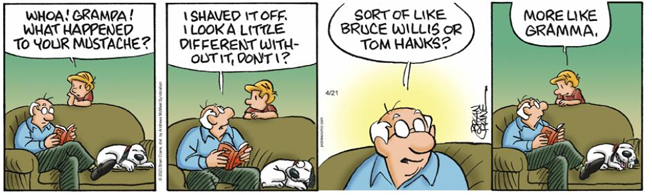
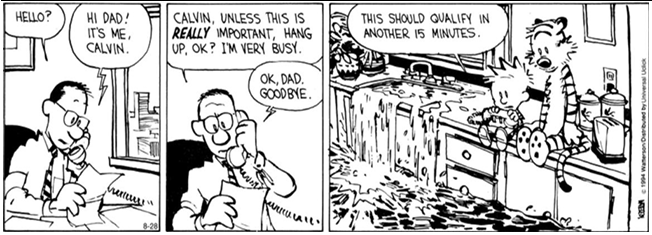
Read the following comic strip attentively and select the option that captures the comedy in it:

EUA vetam apelo do Conselho de Segurança por "pausa humanitária" na guerra entre Israel e Hamas
Por Caitlin Hu e Richard Roth, CNN Atualizado às 14h41 EDT, quarta-feira, 18 de outubro de 2023
Os Estados Unidos vetaram um projeto de resolução no Conselho de Segurança da ONU que pedia uma pausa humanitária na Gaza sitiada, gerando mais críticas à paralisia política no poderoso organismo global.
O breve projeto de resolução, proposto pelo Brasil, condenou os ataques terroristas de 7 de outubro em Israel pelo grupo militante palestino Hamas, que mataram mais de 1.400 pessoas, e pediu a libertação dos reféns.
O documento também apelou a todas as partes para que cumpram o direito internacional e protejam as vidas civis na Faixa de Gaza, controlada pelo Hamas, em meio a uma feroz retaliação por parte de aviões de guerra israelenses. A comunidade internacional deve planejar "pausas humanitárias" nos combates para permitir a entrega de ajuda, afirmou.
Doze dos 15 membros do conselho aprovaram o projeto na quarta-feira, com a abstenção do Reino Unido e da Rússia, e o veto dos EUA.
Falando após a votação, a embaixadora dos EUA na ONU, Linda Thomas-Greenfield, explicou que os EUA queriam mais tempo para deixar a diplomacia americana em campo "se desenrolar". Os EUA já haviam adiado a votação da resolução.
Thomas-Greenfield também criticou o texto por não mencionar o direito de Israel à autodefesa — um ponto posteriormente ecoado pela representante britânica Barbara Woodward.
Desde os ataques do Hamas, Israel vem bombardeando Gaza, controlada pelo Hamas, com ataques aéreos. Também cortou o acesso de 2 milhões de pessoas aos enclaves, incluindo alimentos, água e eletricidade.
Mais de 3.000 pessoas morreram nos ataques israelenses — incluindo mais de 1.000 crianças e dezenas de trabalhadores humanitários — e especialistas da ONU estão alertando sobre um desastre generalizado se a água e a eletricidade não forem restauradas.
Em Nova York, vários membros do Conselho de Segurança expressaram decepção e frustração pelo fracasso de uma declaração conjunta sobre a importância da ajuda e da proteção civil.
“Infelizmente, muito tristemente, o conselho mais uma vez não conseguiu adotar uma resolução sobre esses conflitos. Mais uma vez, o silêncio e a inação prevaleceram. Sem o verdadeiro interesse de longo prazo de ninguém”, disse o Embaixador da ONU no Brasil, Sergio Franca Danese, após o veto.
O Conselho de Segurança "perdeu uma oportunidade", disse o representante francês Nicolas de Rivière à imprensa após a votação. "Lamentamos profundamente que este texto tenha sido rejeitado", disse ele.
Falando ao conselho, a embaixadora dos Emirados Árabes Unidos, Lana Nusseibah, disse que a resolução não era um "texto perfeito", mas que seu país votou a favor dela "porque ela declara claramente os princípios básicos que devem ser mantidos e que este Conselho é obrigado a reforçar e defender.
Na semana passada, a Rússia propôs outra resolução pedindo um cessar-fogo humanitário em Gaza, que também não foi aprovada.
(Adaptado de edition.cnn.com)
EUA vetam apelo do Conselho de Segurança por "pausa humanitária" na guerra entre Israel e Hamas
Por Caitlin Hu e Richard Roth, CNN Atualizado às 14h41 EDT, quarta-feira, 18 de outubro de 2023
Os Estados Unidos vetaram um projeto de resolução no Conselho de Segurança da ONU que pedia uma pausa humanitária na Gaza sitiada, gerando mais críticas à paralisia política no poderoso organismo global.
O breve projeto de resolução, proposto pelo Brasil, condenou os ataques terroristas de 7 de outubro em Israel pelo grupo militante palestino Hamas, que mataram mais de 1.400 pessoas, e pediu a libertação dos reféns.
O documento também apelou a todas as partes para que cumpram o direito internacional e protejam as vidas civis na Faixa de Gaza, controlada pelo Hamas, em meio a uma feroz retaliação por parte de aviões de guerra israelenses. A comunidade internacional deve planejar "pausas humanitárias" nos combates para permitir a entrega de ajuda, afirmou.
Doze dos 15 membros do conselho aprovaram o projeto na quarta-feira, com a abstenção do Reino Unido e da Rússia, e o veto dos EUA.
Falando após a votação, a embaixadora dos EUA na ONU, Linda Thomas-Greenfield, explicou que os EUA queriam mais tempo para deixar a diplomacia americana em campo "se desenrolar". Os EUA já haviam adiado a votação da resolução.
Thomas-Greenfield também criticou o texto por não mencionar o direito de Israel à autodefesa — um ponto posteriormente ecoado pela representante britânica Barbara Woodward.
Desde os ataques do Hamas, Israel vem bombardeando Gaza, controlada pelo Hamas, com ataques aéreos. Também cortou o acesso de 2 milhões de pessoas aos enclaves, incluindo alimentos, água e eletricidade.
Mais de 3.000 pessoas morreram nos ataques israelenses — incluindo mais de 1.000 crianças e dezenas de trabalhadores humanitários — e especialistas da ONU estão alertando sobre um desastre generalizado se a água e a eletricidade não forem restauradas.
Em Nova York, vários membros do Conselho de Segurança expressaram decepção e frustração pelo fracasso de uma declaração conjunta sobre a importância da ajuda e da proteção civil.
“Infelizmente, muito tristemente, o conselho mais uma vez não conseguiu adotar uma resolução sobre esses conflitos. Mais uma vez, o silêncio e a inação prevaleceram. Sem o verdadeiro interesse de longo prazo de ninguém”, disse o Embaixador da ONU no Brasil, Sergio Franca Danese, após o veto.
O Conselho de Segurança "perdeu uma oportunidade", disse o representante francês Nicolas de Rivière à imprensa após a votação. "Lamentamos profundamente que este texto tenha sido rejeitado", disse ele.
Falando ao conselho, a embaixadora dos Emirados Árabes Unidos, Lana Nusseibah, disse que a resolução não era um "texto perfeito", mas que seu país votou a favor dela "porque ela declara claramente os princípios básicos que devem ser mantidos e que este Conselho é obrigado a reforçar e defender.
Na semana passada, a Rússia propôs outra resolução pedindo um cessar-fogo humanitário em Gaza, que também não foi aprovada.
(Adaptado de edition.cnn.com)
Answer questions according to TEXT.

Answer questions according to TEXT.


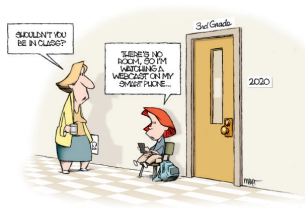
Available from: <https://www.glasbergen.com/education-cartoons/education-technology>/. Accessed on: Nov 8th , 2022
Answer questions according to TEXTS.
( ) For the boy in Text III, probably the real technological advance in schools has not happen yet.
( ) Nowadays, learners have become overly dependent on digital technology.
( ) Technology enhances learners' creativity and autonomy in the classroom.
Choose the alternative with the CORRECT sequence:

Available from: <https://www.glasbergen.com/education-cartoons/education-technology>/. Accessed on: Nov 8th , 2022
Answer questions according to TEXTS.
Answer questions according to TEXT.

Available from: <https://www.redalyc.org/journal/6377/637766241008/html/>. Accessed on: Nov 22 , 2022 nd
( ) The five axes prescribed by BNCC should be treated separately in the school context.
( ) BNCC adopts a contemporary perspective of diversity and the everyday uses of the English language.
( ) BNCC hinders the development of students' linguistic knowledge.
Choose the alternative with the CORRECT sequence:
Answer questions according to TEXT.

Available from: <https://www.redalyc.org/journal/6377/637766241008/html/>. Accessed on: Nov 22 , 2022 nd
TEXT I -
The World English(es) and linguistic diversity in the English language class:
proposal of a didactic activity

Available from: <http://revistas.ufcg.edu.br/ch/index.php/RLR/article/viewFile/2425/1866>. Accessed on: Nov 10 , 2022 th
TEXT I -
The World English(es) and linguistic diversity in the English language class:
proposal of a didactic activity

Available from: <http://revistas.ufcg.edu.br/ch/index.php/RLR/article/viewFile/2425/1866>. Accessed on: Nov 10 , 2022 th