Questões de Concurso
Sobre formação de palavras (prefixos e sufixos) | word formation (prefix and suffix) em inglês
Foram encontradas 329 questões


Why women make way less than men do in more religious places
By Stephanie Pappas
Why is there a persistent wage gap between men and women? Turns out, religion may play a big role in the disparity.
New research finds that the wage gap is 8 percentage points wider in the five most religious states than in the five most secular, with women making 18% less than men in the least religious states and 26% less in the most religious. What's more, the gender gap is projected to vanish in 28 years in the most secular states, compared with a stunning 109 years in the most religious. "If they're in a religious community, our children are not going to know a world in which they're paid equitably," said Traci Sitzmann, an associate professor of management at the University of Colorado, Denver. "It's a little bit scary."
Religion and wages
Sitzmann and her colleague Elizabeth Campbell, an assistant professor of work and organizations at the University of Minnesota, were interested in exploring the impacts of religiosity on workforce issues. They started with a global view. Using data from 140 countries, they compared the likelihood of citizens answering "yes" to the question, "Is religion important in your daily life?" with the gender wage gap in those countries as of 2013, the most recent global data available. They found a striking association: The more religious a country, the greater the wage gap. In nations where more than 95% or more people said religion was important in their daily lives, such as Pakistan and the Philippines, women earned around 46% as much as men.
In countries where fewer than 20% of people said religion was important to them in daily life, such as Sweden and Estonia, women averaged around 75% of men's wages. The United States had moderately high religiosity and women in the U.S. earned 66 cents for every dollar men earned, Sitzmann told Live Science.
The effect held true for all major world religions, Sitzmann said. It didn't matter if most believers in a country were Jewish, Christian, Muslim, Buddhist, Hindu or adherants to a folk religion. The wage gap was still greater in countries where religion played a major role in daily life.
The researchers then turned to Gallup survey data on religious service attendance and the importance of religion in daily life in the 50 U.S. states. In the U.S. data, the researchers looked only at full-time wages so as not to skew the results due to women working fewer hours.
They again found that the more religious the state, the greater the wage gap. (Mississippi, Alabama, Utah, South Dakota and South Carolina were the most religious states; Vermont, Maine, Massachusetts, Rhode Island and Nevada were the least.) The researchers found that religiosity explained 17% of the variability in the gender wage gap between states. To ensure that the wider economy or levels of conservatism weren’t responsible for the difference, the researchers then looked at year-over-year data between 2008 and 2018 and found that the association between religion and wages still held. The gender gap is shrinking over time in the U.S., they found, but it is shrinking faster in secular states compared with religious ones. At current rates, it will take more than a century for the gap to close in the most religious states.
According to the workplace data analysis company PayScale, women make 81 cents for every dollar men make as of 2020. This analysis compares median salaries for men and women, and does not control for factors like seniority, years experience and education, all of which can be impacted by gender discrimination and gender role expectations.
The pathway to a wage gap
Sitzmann and Campbell found three reasons for this difference in wages between secular and religious regions. The more religious a country or state, the more that society differentiated the roles of men and women. In other words, women in more religious societies are expected to put family first. The researchers measured this by looking at how many babies women have, how many women work at all, access to abortion and family-friendly work policies. In more religious societies, women have more children, participate less in the workforce, have less access both to abortion and to policies that help balance work with family.
Religious societies are also more likely to sexually objectify women, the researchers found. They measured this by looking at regional Google Trends for the search terms "pornography" and "rape." Both were correlated with religiosity, and both were correlated with the gender wage gap.
Finally, religious societies are also less likely to promote or accept women in leadership positions. "We've got the Pope saying, 'the door is closed, women are not allowed to be leaders in the church,'" Sitzmann said, referring to Pope Francis' 2013 statement on female priests in the Catholic Church. "That sets the stage for a very strong norm."
She and Campbell found that in more religious societies, women have less representation in politics and in organizational leadership. They also have lower educational attainment and less legal equality.
Closing the gap
Finally, the researchers conducted experiments to confirm that it was indeed religion, and not some closely related concept like conservatism, that explained the results. They set up an online game in which 91 participants, about half women and half men, acted as managers who had to allocate wages to employees based on performance reviews. All of the participants saw the same performance reviews, but in some cases the employee was named Patricia Anderson and in others was called Michael Taylor.
Before seeing the performance reviews, some participants saw a description of the mock company they were working for that described it as faith-based. Others saw a description that focused on the company's dedication to communication and community.
Those who were primed to believe they were working for a religious company allocated 3% more to the male employee compared with the female employee. In contrast, those who thought the organization was secular allocated 6% more to the female employee.
But there was a way to reverse the inequality. When the researchers told people in the mock religious company that one of the company values was that women needed to be involved, and that the company had a strict anti-sexual-harassment policy, it wiped out the gender wage gap, according to their research paper published Oct. 27 in the Academy of Management Journal.
This was a heartening result, Sitzmann said, because it suggests that simply being aware of expectations for gender equality will help make people behave more equitably.
Adapted from: https://www.livescience.com/religious-states-wider-gender-pay-gap.html
Why women make way less than men do in more religious places
By Stephanie Pappas
Why is there a persistent wage gap between men and women? Turns out, religion may play a big role in the disparity.
New research finds that the wage gap is 8 percentage points wider in the five most religious states than in the five most secular, with women making 18% less than men in the least religious states and 26% less in the most religious. What's more, the gender gap is projected to vanish in 28 years in the most secular states, compared with a stunning 109 years in the most religious. "If they're in a religious community, our children are not going to know a world in which they're paid equitably," said Traci Sitzmann, an associate professor of management at the University of Colorado, Denver. "It's a little bit scary."
Religion and wages
Sitzmann and her colleague Elizabeth Campbell, an assistant professor of work and organizations at the University of Minnesota, were interested in exploring the impacts of religiosity on workforce issues. They started with a global view. Using data from 140 countries, they compared the likelihood of citizens answering "yes" to the question, "Is religion important in your daily life?" with the gender wage gap in those countries as of 2013, the most recent global data available. They found a striking association: The more religious a country, the greater the wage gap. In nations where more than 95% or more people said religion was important in their daily lives, such as Pakistan and the Philippines, women earned around 46% as much as men.
In countries where fewer than 20% of people said religion was important to them in daily life, such as Sweden and Estonia, women averaged around 75% of men's wages. The United States had moderately high religiosity and women in the U.S. earned 66 cents for every dollar men earned, Sitzmann told Live Science.
The effect held true for all major world religions, Sitzmann said. It didn't matter if most believers in a country were Jewish, Christian, Muslim, Buddhist, Hindu or adherants to a folk religion. The wage gap was still greater in countries where religion played a major role in daily life.
The researchers then turned to Gallup survey data on religious service attendance and the importance of religion in daily life in the 50 U.S. states. In the U.S. data, the researchers looked only at full-time wages so as not to skew the results due to women working fewer hours.
They again found that the more religious the state, the greater the wage gap. (Mississippi, Alabama, Utah, South Dakota and South Carolina were the most religious states; Vermont, Maine, Massachusetts, Rhode Island and Nevada were the least.) The researchers found that religiosity explained 17% of the variability in the gender wage gap between states. To ensure that the wider economy or levels of conservatism weren’t responsible for the difference, the researchers then looked at year-over-year data between 2008 and 2018 and found that the association between religion and wages still held. The gender gap is shrinking over time in the U.S., they found, but it is shrinking faster in secular states compared with religious ones. At current rates, it will take more than a century for the gap to close in the most religious states.
According to the workplace data analysis company PayScale, women make 81 cents for every dollar men make as of 2020. This analysis compares median salaries for men and women, and does not control for factors like seniority, years experience and education, all of which can be impacted by gender discrimination and gender role expectations.
The pathway to a wage gap
Sitzmann and Campbell found three reasons for this difference in wages between secular and religious regions. The more religious a country or state, the more that society differentiated the roles of men and women. In other words, women in more religious societies are expected to put family first. The researchers measured this by looking at how many babies women have, how many women work at all, access to abortion and family-friendly work policies. In more religious societies, women have more children, participate less in the workforce, have less access both to abortion and to policies that help balance work with family.
Religious societies are also more likely to sexually objectify women, the researchers found. They measured this by looking at regional Google Trends for the search terms "pornography" and "rape." Both were correlated with religiosity, and both were correlated with the gender wage gap.
Finally, religious societies are also less likely to promote or accept women in leadership positions. "We've got the Pope saying, 'the door is closed, women are not allowed to be leaders in the church,'" Sitzmann said, referring to Pope Francis' 2013 statement on female priests in the Catholic Church. "That sets the stage for a very strong norm."
She and Campbell found that in more religious societies, women have less representation in politics and in organizational leadership. They also have lower educational attainment and less legal equality.
Closing the gap
Finally, the researchers conducted experiments to confirm that it was indeed religion, and not some closely related concept like conservatism, that explained the results. They set up an online game in which 91 participants, about half women and half men, acted as managers who had to allocate wages to employees based on performance reviews. All of the participants saw the same performance reviews, but in some cases the employee was named Patricia Anderson and in others was called Michael Taylor.
Before seeing the performance reviews, some participants saw a description of the mock company they were working for that described it as faith-based. Others saw a description that focused on the company's dedication to communication and community.
Those who were primed to believe they were working for a religious company allocated 3% more to the male employee compared with the female employee. In contrast, those who thought the organization was secular allocated 6% more to the female employee.
But there was a way to reverse the inequality. When the researchers told people in the mock religious company that one of the company values was that women needed to be involved, and that the company had a strict anti-sexual-harassment policy, it wiped out the gender wage gap, according to their research paper published Oct. 27 in the Academy of Management Journal.
This was a heartening result, Sitzmann said, because it suggests that simply being aware of expectations for gender equality will help make people behave more equitably.
Adapted from: https://www.livescience.com/religious-states-wider-gender-pay-gap.html
TEXTIII -
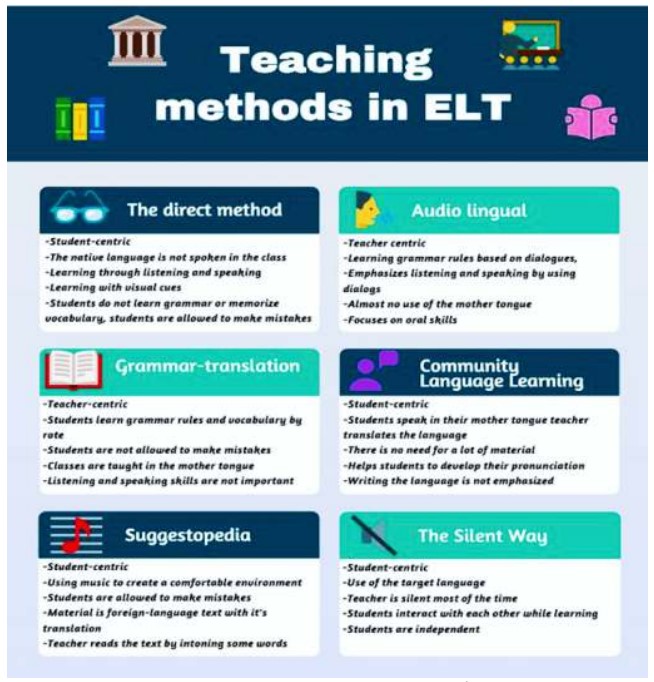
(Available at: https://br.pinterest.com/pin/251286854200451292/. Accessed on April 6 , 2022)
Answer question according to TEXTIII.
The term “Suggestopedia” is an example of:
“There is a dangerous person in the house.”
I – The prefix in the adjective changed the meaning of the word. II – It characterizes the word house. III – The suffix means “full of”. IV – The adjective comes from a noun.
The alternative which shows the right information is:
Leia o texto para responder às questões de números 36 a 42.
While the potential benefits or drawbacks of children playing video games receive a lot of attention, little notice is taken of the place of children within video games themselves.
A recent survey at the Anglia Ruskin University, Great Britain, investigated how children were represented in over 500 commercially successful video games, aimed both at adults and at children, published between 2009 and 2019. Although video games are often considered a children’s medium, it was found that, out of the 506 video games analysed, 331 did not contain any child characters at all. In the remaining titles that did feature a child character, less than half of them were significant characters.
How “the child” is treated in media like video games is a reflection of the morals of wider society. If a game treats children badly without explicitly condemning this treatment, it violates these morals. This accounts for the absence of child characters in controversial open-world games that predominantly invite players to steal cars, shoot people, and evade the police.
Children were also absent from games that aren’t particularly violent. Child characters did not feature in the majority of sports, racing or music games. Because the majority of children are excluded from the world of work, games that simulate aspects of real industries represent virtual environments that are only populated with adults.
Child characters in video games can also tell us about how society visualises the figure of the child. Adult characters in video games are more likely to be white and male. This same pattern was observed in the research on child characters. Where playable child characters were given a gender, 25 were male and six were female. The lack of playable girl characters reinforces the idea that boys are at the centre of the action and girls exist only on the sidelines.
Animal or other non-human characters were more common than non-white child characters. This echoes a problem in western children’s literature: non-human characters appear less frequently than white child protagonists but significantly outnumber child protagonists of all other races. Examining the digital kids that populate virtual gameworlds is a great way to show that how societies perceive “the child” is often in a narrow and exclusionary way.
(Emma Joy Reay. www.theconversation.com, 01.06.2022. Adaptado)
Mark the word in which the prefix out- carries the same meaning as in “outnumber”.
Concerning the process of word formation, choose the alternative which contains abbreviated words.
Concerning the process of word formation, analyse the word unfortunately and decide which is the only correct following statement.
Based on the comic strip above, judge the following item.
The words “maintenance”, “medication” and “patients” have
suffixes which indicate that they are nouns.

Judge the item from.
In the sentence “These days it can be unsafe to leave the
house” (lines 1 and 2), the prefix -un has the same
meaning as in the following words: unusual; undeniable;
and underground.
Prefixes and suffixes are elements of word formation. Choose the alternative that identifies and defines the prefix of the word transgender.
Assinale a alternativa CORRETA quanto, à formação de palavras, na Língua Inglesa.

 Conheça nossos planos