Questões de Vestibular
Sobre interpretação de texto | reading comprehension em inglês
Foram encontradas 5.175 questões


TEXT II
Avicenna, Arabic Ibn Sīnā, (born 980, near Bukhara, Iran [now in Uzbekistan]—died 1037, Hamadan, Iran), Muslim physician, the most famous and influential of the philosopher-scientists of the medieval Islamic world. He was particularly noted for his contributions in the fields of Aristotelian philosophy and medicine. He composed the Book of the Cure, a vast philosophical and scientific encyclopaedia, and The Canon of Medicine, which is among the most famous books in the history of medicine.
Avicenna did not burst upon an empty Islamic intellectual stage. It is believed that Muslim writer Ibn al-Muqaffaʿ, or possibly his son, had introduced Aristotelian logic to the Islamic world more than two centuries before Avicenna. Al-Kindī, the first Islamic Peripatetic (Aristotelian) philosopher, and Turkish polymath al-Fārābī, from whose book Avicenna would learn Aristotle’s metaphysics, preceded him. Of these luminaries, however, Avicenna remains by far the greatest.
Adapted from https://www.britannica.com/biography/Avicenna
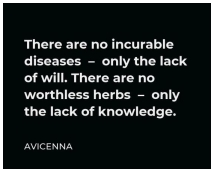
Here is one of his sayings:
TEXT II
Avicenna, Arabic Ibn Sīnā, (born 980, near Bukhara, Iran [now in Uzbekistan]—died 1037, Hamadan, Iran), Muslim physician, the most famous and influential of the philosopher-scientists of the medieval Islamic world. He was particularly noted for his contributions in the fields of Aristotelian philosophy and medicine. He composed the Book of the Cure, a vast philosophical and scientific encyclopaedia, and The Canon of Medicine, which is among the most famous books in the history of medicine.
Avicenna did not burst upon an empty Islamic intellectual stage. It is believed that Muslim writer Ibn al-Muqaffaʿ, or possibly his son, had introduced Aristotelian logic to the Islamic world more than two centuries before Avicenna. Al-Kindī, the first Islamic Peripatetic (Aristotelian) philosopher, and Turkish polymath al-Fārābī, from whose book Avicenna would learn Aristotle’s metaphysics, preceded him. Of these luminaries, however, Avicenna remains by far the greatest.
Adapted from https://www.britannica.com/biography/Avicenna
Here is one of his sayings:
TEXT II
Avicenna, Arabic Ibn Sīnā, (born 980, near Bukhara, Iran [now in Uzbekistan]—died 1037, Hamadan, Iran), Muslim physician, the most famous and influential of the philosopher-scientists of the medieval Islamic world. He was particularly noted for his contributions in the fields of Aristotelian philosophy and medicine. He composed the Book of the Cure, a vast philosophical and scientific encyclopaedia, and The Canon of Medicine, which is among the most famous books in the history of medicine.
Avicenna did not burst upon an empty Islamic intellectual stage. It is believed that Muslim writer Ibn al-Muqaffaʿ, or possibly his son, had introduced Aristotelian logic to the Islamic world more than two centuries before Avicenna. Al-Kindī, the first Islamic Peripatetic (Aristotelian) philosopher, and Turkish polymath al-Fārābī, from whose book Avicenna would learn Aristotle’s metaphysics, preceded him. Of these luminaries, however, Avicenna remains by far the greatest.
Adapted from https://www.britannica.com/biography/Avicenna
Here is one of his sayings:
Read the text below and answer the question.
TEXT I
The Amazon is often referred to as "the world's largest medicine cabinet" CREDIT: Getty
(https://www.telegraph.co.uk/travel/cruises/articles/how-to-be-a-botanical-buff/)
Medicinal Treasures of the Rainforest
The widespread destruction of tropical rainforest ecosystems and the consequent extinction of numerous plant and animal species is happening before we know even the most basic facts about what we are losing.
Covering only 6 percent of the Earth's surface, tropical moist forests contain at least half of all species. The abundant botanical resources of tropical forests have already provided tangible medical advances; yet only 1 percent of the known plant and animal species have been thoroughly examined for their medicinal potentials. Meanwhile, 2 percent of the world's rainforests are irreparably damaged each year.
Approximately 7,000 medical compounds prescribed by Western doctors are derived from plants. These drugs had an estimated retail value of US$43 billion in 1985. Seventy percent of the 3000 plants identified by the United States National Cancer Institute as having potential anti-cancer properties are endemic to the rainforest. Tropical forest species serve Western surgery and internal medicine in three ways. First, extracts from organisms can be used directly as drugs. For maladies ranging from nagging headaches to lethal contagions such as malaria, rainforest medicines have provided modern society with a variety of cures and pain relievers.
[…]
Secondly, chemical structures of forest organisms sometimes serve as templates from which scientists and researchers can chemically synthesize drug compounds.[…]
Finally, rainforest plants provide aids for research. Certain plant compounds enable scientists to understand how cancer cells grow, while others serve as testing agents for potentially harmful food and drug products. Tropical forests offer hope for safer contraceptives for both women and men. The exponential growth of world population clearly demonstrates the need for more reliable and effective birth control methods. Worldwide, approximately 4,000 plant species have been shown to offer contraceptive possibilities. The rainforest also holds secrets for safer pesticides for farmers. Two species of potatoes have leaves that produce a sticky substance that traps and kills predatory insects. This natural self-defense mechanism could potentially reduce the need for using pesticides on potatoes. Who knows what other tricks the rainforest might have up its leaves?
Adapted from https://www.adventure-life.com/amazon/articles/medicinaltreasures-of-the-rainforest
Read the text below and answer the question.
TEXT I
The Amazon is often referred to as "the world's largest medicine cabinet" CREDIT: Getty
(https://www.telegraph.co.uk/travel/cruises/articles/how-to-be-a-botanical-buff/)
Medicinal Treasures of the Rainforest
The widespread destruction of tropical rainforest ecosystems and the consequent extinction of numerous plant and animal species is happening before we know even the most basic facts about what we are losing.
Covering only 6 percent of the Earth's surface, tropical moist forests contain at least half of all species. The abundant botanical resources of tropical forests have already provided tangible medical advances; yet only 1 percent of the known plant and animal species have been thoroughly examined for their medicinal potentials. Meanwhile, 2 percent of the world's rainforests are irreparably damaged each year.
Approximately 7,000 medical compounds prescribed by Western doctors are derived from plants. These drugs had an estimated retail value of US$43 billion in 1985. Seventy percent of the 3000 plants identified by the United States National Cancer Institute as having potential anti-cancer properties are endemic to the rainforest. Tropical forest species serve Western surgery and internal medicine in three ways. First, extracts from organisms can be used directly as drugs. For maladies ranging from nagging headaches to lethal contagions such as malaria, rainforest medicines have provided modern society with a variety of cures and pain relievers.
[…]
Secondly, chemical structures of forest organisms sometimes serve as templates from which scientists and researchers can chemically synthesize drug compounds.[…]
Finally, rainforest plants provide aids for research. Certain plant compounds enable scientists to understand how cancer cells grow, while others serve as testing agents for potentially harmful food and drug products. Tropical forests offer hope for safer contraceptives for both women and men. The exponential growth of world population clearly demonstrates the need for more reliable and effective birth control methods. Worldwide, approximately 4,000 plant species have been shown to offer contraceptive possibilities. The rainforest also holds secrets for safer pesticides for farmers. Two species of potatoes have leaves that produce a sticky substance that traps and kills predatory insects. This natural self-defense mechanism could potentially reduce the need for using pesticides on potatoes. Who knows what other tricks the rainforest might have up its leaves?
Adapted from https://www.adventure-life.com/amazon/articles/medicinaltreasures-of-the-rainforest
Read the text below and answer the question.
TEXT I
The Amazon is often referred to as "the world's largest medicine cabinet" CREDIT: Getty
(https://www.telegraph.co.uk/travel/cruises/articles/how-to-be-a-botanical-buff/)
Medicinal Treasures of the Rainforest
The widespread destruction of tropical rainforest ecosystems and the consequent extinction of numerous plant and animal species is happening before we know even the most basic facts about what we are losing.
Covering only 6 percent of the Earth's surface, tropical moist forests contain at least half of all species. The abundant botanical resources of tropical forests have already provided tangible medical advances; yet only 1 percent of the known plant and animal species have been thoroughly examined for their medicinal potentials. Meanwhile, 2 percent of the world's rainforests are irreparably damaged each year.
Approximately 7,000 medical compounds prescribed by Western doctors are derived from plants. These drugs had an estimated retail value of US$43 billion in 1985. Seventy percent of the 3000 plants identified by the United States National Cancer Institute as having potential anti-cancer properties are endemic to the rainforest. Tropical forest species serve Western surgery and internal medicine in three ways. First, extracts from organisms can be used directly as drugs. For maladies ranging from nagging headaches to lethal contagions such as malaria, rainforest medicines have provided modern society with a variety of cures and pain relievers.
[…]
Secondly, chemical structures of forest organisms sometimes serve as templates from which scientists and researchers can chemically synthesize drug compounds.[…]
Finally, rainforest plants provide aids for research. Certain plant compounds enable scientists to understand how cancer cells grow, while others serve as testing agents for potentially harmful food and drug products. Tropical forests offer hope for safer contraceptives for both women and men. The exponential growth of world population clearly demonstrates the need for more reliable and effective birth control methods. Worldwide, approximately 4,000 plant species have been shown to offer contraceptive possibilities. The rainforest also holds secrets for safer pesticides for farmers. Two species of potatoes have leaves that produce a sticky substance that traps and kills predatory insects. This natural self-defense mechanism could potentially reduce the need for using pesticides on potatoes. Who knows what other tricks the rainforest might have up its leaves?
Adapted from https://www.adventure-life.com/amazon/articles/medicinaltreasures-of-the-rainforest
Read the text below and answer the question.
TEXT I
The Amazon is often referred to as "the world's largest medicine cabinet" CREDIT: Getty
(https://www.telegraph.co.uk/travel/cruises/articles/how-to-be-a-botanical-buff/)
Medicinal Treasures of the Rainforest
The widespread destruction of tropical rainforest ecosystems and the consequent extinction of numerous plant and animal species is happening before we know even the most basic facts about what we are losing.
Covering only 6 percent of the Earth's surface, tropical moist forests contain at least half of all species. The abundant botanical resources of tropical forests have already provided tangible medical advances; yet only 1 percent of the known plant and animal species have been thoroughly examined for their medicinal potentials. Meanwhile, 2 percent of the world's rainforests are irreparably damaged each year.
Approximately 7,000 medical compounds prescribed by Western doctors are derived from plants. These drugs had an estimated retail value of US$43 billion in 1985. Seventy percent of the 3000 plants identified by the United States National Cancer Institute as having potential anti-cancer properties are endemic to the rainforest. Tropical forest species serve Western surgery and internal medicine in three ways. First, extracts from organisms can be used directly as drugs. For maladies ranging from nagging headaches to lethal contagions such as malaria, rainforest medicines have provided modern society with a variety of cures and pain relievers.
[…]
Secondly, chemical structures of forest organisms sometimes serve as templates from which scientists and researchers can chemically synthesize drug compounds.[…]
Finally, rainforest plants provide aids for research. Certain plant compounds enable scientists to understand how cancer cells grow, while others serve as testing agents for potentially harmful food and drug products. Tropical forests offer hope for safer contraceptives for both women and men. The exponential growth of world population clearly demonstrates the need for more reliable and effective birth control methods. Worldwide, approximately 4,000 plant species have been shown to offer contraceptive possibilities. The rainforest also holds secrets for safer pesticides for farmers. Two species of potatoes have leaves that produce a sticky substance that traps and kills predatory insects. This natural self-defense mechanism could potentially reduce the need for using pesticides on potatoes. Who knows what other tricks the rainforest might have up its leaves?
Adapted from https://www.adventure-life.com/amazon/articles/medicinaltreasures-of-the-rainforest
Read the text below and answer the question.
TEXT I
The Amazon is often referred to as "the world's largest medicine cabinet" CREDIT: Getty
(https://www.telegraph.co.uk/travel/cruises/articles/how-to-be-a-botanical-buff/)
Medicinal Treasures of the Rainforest
The widespread destruction of tropical rainforest ecosystems and the consequent extinction of numerous plant and animal species is happening before we know even the most basic facts about what we are losing.
Covering only 6 percent of the Earth's surface, tropical moist forests contain at least half of all species. The abundant botanical resources of tropical forests have already provided tangible medical advances; yet only 1 percent of the known plant and animal species have been thoroughly examined for their medicinal potentials. Meanwhile, 2 percent of the world's rainforests are irreparably damaged each year.
Approximately 7,000 medical compounds prescribed by Western doctors are derived from plants. These drugs had an estimated retail value of US$43 billion in 1985. Seventy percent of the 3000 plants identified by the United States National Cancer Institute as having potential anti-cancer properties are endemic to the rainforest. Tropical forest species serve Western surgery and internal medicine in three ways. First, extracts from organisms can be used directly as drugs. For maladies ranging from nagging headaches to lethal contagions such as malaria, rainforest medicines have provided modern society with a variety of cures and pain relievers.
[…]
Secondly, chemical structures of forest organisms sometimes serve as templates from which scientists and researchers can chemically synthesize drug compounds.[…]
Finally, rainforest plants provide aids for research. Certain plant compounds enable scientists to understand how cancer cells grow, while others serve as testing agents for potentially harmful food and drug products. Tropical forests offer hope for safer contraceptives for both women and men. The exponential growth of world population clearly demonstrates the need for more reliable and effective birth control methods. Worldwide, approximately 4,000 plant species have been shown to offer contraceptive possibilities. The rainforest also holds secrets for safer pesticides for farmers. Two species of potatoes have leaves that produce a sticky substance that traps and kills predatory insects. This natural self-defense mechanism could potentially reduce the need for using pesticides on potatoes. Who knows what other tricks the rainforest might have up its leaves?
Adapted from https://www.adventure-life.com/amazon/articles/medicinaltreasures-of-the-rainforest
( ) The medicinal potentials of all Amazonian plants are well known.
( ) The structure of plants can be used as patterns for producing drugs.
( ) Amazonian plants have been proven to be useless as contraceptives.
The statements are, respectively,
HOW IMPORTANT IS TECHNOLOGY IN EDUCATION?
Technology provides students with easy-toaccess information, accelerated learning, and fun opportunities to practice what they learn.
By Rambabu Dixit
1.The Meaning of Education
Knowledge, learning, and information: the word "education" is used in the English language and is derived from the Latin word "educatum" which means "teaching work." Some great scholars have attributed its origin to "educare" which means "to raise."
1.a. Narrow Meaning
This is the education given to the child in the school. The place, duration, curriculum, etc. of such education is fixed. In this sense, the person's school life is their education. Mackenzie has written: "In a narrow sense, education refers to the conscious efforts made for the development and promotion of our powers."
1.b. Broader Meaning
In this sense, education is a lifelong process by which a person develops their overall personality, social interactions, and their ability to adjust to their environment.
2.The Meaning of Technology
The use of scientific inventions, rules, principles, and processes in different aspects of life comes under the use of technology. Many types of technologies exist, including educational technology. In other words, the application of scientific principles to different areas of life is called technology. Therefore, when scientific, orderly, and well-organized knowledge is used to do daily work, then it is given the name of technology. The word "technology" is usually associated with machines, but it is not necessary that machines should always be used.
3.The Meaning of Educational Technology
When scientific, technical, and psychological principles and methods are properly used to make the teaching/learning process easy, simple, efficient, and effective, it comes under the umbrella term “educational technology”. Today, scientific and technological inventions have affected every aspect of human life. Education, teaching, and learning have also been greatly affected by them. In the field of education, as a result of the latest research, discoveries, and investigations, such techniques (i.e., skills) have been developed, which are helping in achieving the objectives of education. These competencies and skills, which are especially based on science, are given the name of educational technology.
Avaiable at: https://elearningindustry.com/how-important-istechnology-in-education. Access 20 Oct. 2023. Adapted.
HOW IMPORTANT IS TECHNOLOGY IN EDUCATION?
Technology provides students with easy-toaccess information, accelerated learning, and fun opportunities to practice what they learn.
By Rambabu Dixit
1.The Meaning of Education
Knowledge, learning, and information: the word "education" is used in the English language and is derived from the Latin word "educatum" which means "teaching work." Some great scholars have attributed its origin to "educare" which means "to raise."
1.a. Narrow Meaning
This is the education given to the child in the school. The place, duration, curriculum, etc. of such education is fixed. In this sense, the person's school life is their education. Mackenzie has written: "In a narrow sense, education refers to the conscious efforts made for the development and promotion of our powers."
1.b. Broader Meaning
In this sense, education is a lifelong process by which a person develops their overall personality, social interactions, and their ability to adjust to their environment.
2.The Meaning of Technology
The use of scientific inventions, rules, principles, and processes in different aspects of life comes under the use of technology. Many types of technologies exist, including educational technology. In other words, the application of scientific principles to different areas of life is called technology. Therefore, when scientific, orderly, and well-organized knowledge is used to do daily work, then it is given the name of technology. The word "technology" is usually associated with machines, but it is not necessary that machines should always be used.
3.The Meaning of Educational Technology
When scientific, technical, and psychological principles and methods are properly used to make the teaching/learning process easy, simple, efficient, and effective, it comes under the umbrella term “educational technology”. Today, scientific and technological inventions have affected every aspect of human life. Education, teaching, and learning have also been greatly affected by them. In the field of education, as a result of the latest research, discoveries, and investigations, such techniques (i.e., skills) have been developed, which are helping in achieving the objectives of education. These competencies and skills, which are especially based on science, are given the name of educational technology.
Avaiable at: https://elearningindustry.com/how-important-istechnology-in-education. Access 20 Oct. 2023. Adapted.
( ) Educational technology is just one of the many types of technology.
( ) Technology necessarily involves the use of machines.
( ) Scientific, technical, and psychological principles are not involved in educational technology.
( ) Few aspects of human lives have been affected by scientific and technological inventions.
HOW IMPORTANT IS TECHNOLOGY IN EDUCATION?
Technology provides students with easy-toaccess information, accelerated learning, and fun opportunities to practice what they learn.
By Rambabu Dixit
1.The Meaning of Education
Knowledge, learning, and information: the word "education" is used in the English language and is derived from the Latin word "educatum" which means "teaching work." Some great scholars have attributed its origin to "educare" which means "to raise."
1.a. Narrow Meaning
This is the education given to the child in the school. The place, duration, curriculum, etc. of such education is fixed. In this sense, the person's school life is their education. Mackenzie has written: "In a narrow sense, education refers to the conscious efforts made for the development and promotion of our powers."
1.b. Broader Meaning
In this sense, education is a lifelong process by which a person develops their overall personality, social interactions, and their ability to adjust to their environment.
2.The Meaning of Technology
The use of scientific inventions, rules, principles, and processes in different aspects of life comes under the use of technology. Many types of technologies exist, including educational technology. In other words, the application of scientific principles to different areas of life is called technology. Therefore, when scientific, orderly, and well-organized knowledge is used to do daily work, then it is given the name of technology. The word "technology" is usually associated with machines, but it is not necessary that machines should always be used.
3.The Meaning of Educational Technology
When scientific, technical, and psychological principles and methods are properly used to make the teaching/learning process easy, simple, efficient, and effective, it comes under the umbrella term “educational technology”. Today, scientific and technological inventions have affected every aspect of human life. Education, teaching, and learning have also been greatly affected by them. In the field of education, as a result of the latest research, discoveries, and investigations, such techniques (i.e., skills) have been developed, which are helping in achieving the objectives of education. These competencies and skills, which are especially based on science, are given the name of educational technology.
Avaiable at: https://elearningindustry.com/how-important-istechnology-in-education. Access 20 Oct. 2023. Adapted.

Available at: https://www.theguardian.com/books/ picture/2023/jan/07/tom-gauld-on-the-authors-ai-assistant-cartoon. Access: 12 May 2023.
The main idea expressed in the cartoon is:
Text 1
Artificial Intelligence (AI) is rarely out of the news - especially during these challenging times, when AI has been suggested as a tool to help end the COVID-19 pandemic. However, many people do not have a full understanding of what AI actually means, how it works, or how it might help.
Today UNESCO and Ericsson are proud to launch the Teaching AI for K-12 Portal. This portal will provide a repository of resources for all educators around the world. The aim is to help curriculum developers and teachers to better understand the promise and implications of Artificial Intelligence (AI), and to develop AI curriculum for, and teach AI to, students in grades K-12 (ages 5 to 18 years old).
Available at: < https://www.unesco.org/en/articles/unesco-andericsson-launch-new-portal-teaching-ai-students>. Access: 05 May 2023.
Text 1
Artificial Intelligence (AI) is rarely out of the news - especially during these challenging times, when AI has been suggested as a tool to help end the COVID-19 pandemic. However, many people do not have a full understanding of what AI actually means, how it works, or how it might help.
Today UNESCO and Ericsson are proud to launch the Teaching AI for K-12 Portal. This portal will provide a repository of resources for all educators around the world. The aim is to help curriculum developers and teachers to better understand the promise and implications of Artificial Intelligence (AI), and to develop AI curriculum for, and teach AI to, students in grades K-12 (ages 5 to 18 years old).
Available at: < https://www.unesco.org/en/articles/unesco-andericsson-launch-new-portal-teaching-ai-students>. Access: 05 May 2023.

About the paragraph, it is correct to say that



From the sentence, you can understand that

 Conheça nossos planos