Selecionar segmento
Estude com questões de diferentes segmentos
Atenção: Isso limpará todos os campos já preenchidos no filtro!
Foram encontradas 301.761 questões
Resolva questões gratuitamente!
Junte-se a mais de 4 milhões de concurseiros!


Ano: 2026
Banca:
AMEOSC
Órgão:
Prefeitura de São José do Cedro - SC
Prova:
AMEOSC - 2026 - Prefeitura de São José do Cedro - SC - Professor de Inglês - Edital nº 16 |
Q4275640
Inglês
Texto associado
Carnivorous great sundew plants produce sticky
sweet-smelling secretions as a deadly trap to
ensnare unsuspecting insects
The great sundew has a restricted distribution in
Shetland, growing mainly in North Roe. It is generally a
larger plant than the commoner round-leaved sundew,
reaching up to 20 cm. The leaves are long and spatulate,
narrowing at the hairless leaf stalks. Great sundew grows
in wetter bog habitats than round-leaved sundew, often
found at the margins of pools.
Round-leaved sundew has, as the name suggests, round
leaves up to 1 cm across. The leaf stalks are covered in
tiny hairs. It is often found growing on hummocks of
sphagnum moss and on wet heaths. In late summer, both
species of sundew produce tiny flowers, borne on long
stems which arise from the centre of the rosette of
leaves.
Sundews are carnivorous plants which grow in
nutrient-poor, acidic soils. They supplement their nutrient
supply by catching and digesting small invertebrates. The
leaves are covered with red hairs, each tipped by a
droplet. The name "sundew" refers to these glistening
droplets resembling dew. The hairs are tiny glands,
producing a sticky sweet-smelling secretion which
attracts small insects like flies. Each droplet is a deadly
trap, ensnaring the unsuspecting insect.
As the fly struggles to escape, the mucilage starts to clog
up its spiracles, tiny holes through which it breathes. The
leaf hairs are very sensitive, having detected the insect,
they start to curl inward. Very slowly the leaves also curl
inwards and the droplets exude an enzyme which starts
to digest the soft parts of the fly. The resulting fly soup is
then absorbed by the leaves. Several days later, the
leaves uncurl and the remains of the insect are
discarded. The droplets then reappear at the end of the
tentacles and the trap is reset. It is estimated that a
sundew can catch up to 2,000 insects during the
summer.
Sundew flowers only open in sunny weather for a few
hours during the day. Raised high above the
insect-trapping leaves, the flowers attract pollinators such
as flies and midges. However, the flowers can also
self-pollinate. In winter, the sundews which grow in
temperate climates form a resting bud to survive the cold,
from which they re-grow in spring.
Ross-shire through the Lens: Lochcarron Highland
Games Attadale wonderland!Ross-shire through the
Lens: Lochcarron Highland Games Attadale wonderland!
Read More
Also growing in nitrogen-poor bogs and wet acidic heaths
is another carnivorous plant, common butterwort. In
spring, small green stars of yellow-green basal leaves appear flat to the ground. From this rosette two or three
upright stalks grow, each producing small deep-purple
flowers. Bees mainly pollinate these flowers but they can
also self-pollinate.
Common butterwort also tops up its nutrients by catching
and digesting prey. However, its bee pollinators are too
large to be caught. Nearer the ground, small insects are
trapped on the starfish-like leaves. These are covered in
tiny sticky drops of mucilage so that they always look wet.
The insects are attracted to the moisture and land on the
leaf but quickly become stuck. The leaf edges slowly curl
inwards to prevent escape and the plant secretes
digestive enzymes which break down the soft parts of the
insect. The liquefied nutrients are absorbed by the leaf
before the leaf eventually uncurls to reveal the chitinous
husk.
The common name, 'butterwort', refers to the fatty
appearance of the leaves. Wort is an Old English word
for a plant or herb. It was believed that rubbing butterwort
leaves on a cow's udders would protect the cow from evil
spirits and ensure a good supply of butter. The leaves
were also used to curdle and thicken milk during cheese
and butter making.
Birds of note this week included the queen eider in
Lerwick harbour, a black-throated diver at Urafirth, an
osprey in Unst, an eclipse male ring-necked duck at
Clickimin, a ring-billed gull on Noss and a long-tailed
skua at the airstrip in Foula.
The long-tailed skua is a scarce migrant, more commonly
observed offshore in spring and autumn. Long-tailed
skuas have a circumpolar distribution, breeding on the
Arctic tundra, and are found in northern parts of
Scandinavia. In summer, lemmings are a major part of
their diet. After the breeding season, they migrate to the
south Atlantic, spending the winter months at sea,
feeding on fish. The smallest of the skuas, the long-tailed
skua is about the size of a black-headed gull. Slim with
long, slender wings, the flight is graceful and tern-like. In
adult summer breeding plumage, it is readily identified by
very long central tail feathers which can measure up to
20cm. The dark brown-grey upperparts, with black
patches on the wings, contrast with pale underparts and
a dark cap.
Cetacean sightings this week have included Risso's
dolphin, white-beaked dolphin, common dolphin, harbour
porpoise, minke and orca.
https://www.shetlandtimes.co.uk/news/carnivorous-plants-produce-stick
y-sweet-smelling-secretions-440918/
Sundew flowers attract insects that may contribute to
pollination, while the leaves capture small invertebrates
as a source of nutrients. The passage highlights that the
flowers are positioned on long stems above the trapping
leaves. This spatial arrangement contributes to the
plant's reproductive process because it:
Ano: 2026
Banca:
AMEOSC
Órgão:
Prefeitura de São José do Cedro - SC
Prova:
AMEOSC - 2026 - Prefeitura de São José do Cedro - SC - Professor de Inglês - Edital nº 16 |
Q4275639
Inglês
Texto associado
Carnivorous great sundew plants produce sticky
sweet-smelling secretions as a deadly trap to
ensnare unsuspecting insects
The great sundew has a restricted distribution in
Shetland, growing mainly in North Roe. It is generally a
larger plant than the commoner round-leaved sundew,
reaching up to 20 cm. The leaves are long and spatulate,
narrowing at the hairless leaf stalks. Great sundew grows
in wetter bog habitats than round-leaved sundew, often
found at the margins of pools.
Round-leaved sundew has, as the name suggests, round
leaves up to 1 cm across. The leaf stalks are covered in
tiny hairs. It is often found growing on hummocks of
sphagnum moss and on wet heaths. In late summer, both
species of sundew produce tiny flowers, borne on long
stems which arise from the centre of the rosette of
leaves.
Sundews are carnivorous plants which grow in
nutrient-poor, acidic soils. They supplement their nutrient
supply by catching and digesting small invertebrates. The
leaves are covered with red hairs, each tipped by a
droplet. The name "sundew" refers to these glistening
droplets resembling dew. The hairs are tiny glands,
producing a sticky sweet-smelling secretion which
attracts small insects like flies. Each droplet is a deadly
trap, ensnaring the unsuspecting insect.
As the fly struggles to escape, the mucilage starts to clog
up its spiracles, tiny holes through which it breathes. The
leaf hairs are very sensitive, having detected the insect,
they start to curl inward. Very slowly the leaves also curl
inwards and the droplets exude an enzyme which starts
to digest the soft parts of the fly. The resulting fly soup is
then absorbed by the leaves. Several days later, the
leaves uncurl and the remains of the insect are
discarded. The droplets then reappear at the end of the
tentacles and the trap is reset. It is estimated that a
sundew can catch up to 2,000 insects during the
summer.
Sundew flowers only open in sunny weather for a few
hours during the day. Raised high above the
insect-trapping leaves, the flowers attract pollinators such
as flies and midges. However, the flowers can also
self-pollinate. In winter, the sundews which grow in
temperate climates form a resting bud to survive the cold,
from which they re-grow in spring.
Ross-shire through the Lens: Lochcarron Highland
Games Attadale wonderland!Ross-shire through the
Lens: Lochcarron Highland Games Attadale wonderland!
Read More
Also growing in nitrogen-poor bogs and wet acidic heaths
is another carnivorous plant, common butterwort. In
spring, small green stars of yellow-green basal leaves appear flat to the ground. From this rosette two or three
upright stalks grow, each producing small deep-purple
flowers. Bees mainly pollinate these flowers but they can
also self-pollinate.
Common butterwort also tops up its nutrients by catching
and digesting prey. However, its bee pollinators are too
large to be caught. Nearer the ground, small insects are
trapped on the starfish-like leaves. These are covered in
tiny sticky drops of mucilage so that they always look wet.
The insects are attracted to the moisture and land on the
leaf but quickly become stuck. The leaf edges slowly curl
inwards to prevent escape and the plant secretes
digestive enzymes which break down the soft parts of the
insect. The liquefied nutrients are absorbed by the leaf
before the leaf eventually uncurls to reveal the chitinous
husk.
The common name, 'butterwort', refers to the fatty
appearance of the leaves. Wort is an Old English word
for a plant or herb. It was believed that rubbing butterwort
leaves on a cow's udders would protect the cow from evil
spirits and ensure a good supply of butter. The leaves
were also used to curdle and thicken milk during cheese
and butter making.
Birds of note this week included the queen eider in
Lerwick harbour, a black-throated diver at Urafirth, an
osprey in Unst, an eclipse male ring-necked duck at
Clickimin, a ring-billed gull on Noss and a long-tailed
skua at the airstrip in Foula.
The long-tailed skua is a scarce migrant, more commonly
observed offshore in spring and autumn. Long-tailed
skuas have a circumpolar distribution, breeding on the
Arctic tundra, and are found in northern parts of
Scandinavia. In summer, lemmings are a major part of
their diet. After the breeding season, they migrate to the
south Atlantic, spending the winter months at sea,
feeding on fish. The smallest of the skuas, the long-tailed
skua is about the size of a black-headed gull. Slim with
long, slender wings, the flight is graceful and tern-like. In
adult summer breeding plumage, it is readily identified by
very long central tail feathers which can measure up to
20cm. The dark brown-grey upperparts, with black
patches on the wings, contrast with pale underparts and
a dark cap.
Cetacean sightings this week have included Risso's
dolphin, white-beaked dolphin, common dolphin, harbour
porpoise, minke and orca.
https://www.shetlandtimes.co.uk/news/carnivorous-plants-produce-stick
y-sweet-smelling-secretions-440918/
A student is preparing a short presentation about
carnivorous plants found in Shetland. While organizing
the information, the student needs to distinguish the
habitat of the great sundew from the environment
associated with the round-leaved sundew. Based on the
descriptions presented in the text, select the information
that correctly characterizes the great sundew.
Ano: 2026
Banca:
AMEOSC
Órgão:
Prefeitura de São José do Cedro - SC
Prova:
AMEOSC - 2026 - Prefeitura de São José do Cedro - SC - Professor de Inglês - Edital nº 16 |
Q4275638
Inglês
Texto associado
Carnivorous great sundew plants produce sticky
sweet-smelling secretions as a deadly trap to
ensnare unsuspecting insects
The great sundew has a restricted distribution in
Shetland, growing mainly in North Roe. It is generally a
larger plant than the commoner round-leaved sundew,
reaching up to 20 cm. The leaves are long and spatulate,
narrowing at the hairless leaf stalks. Great sundew grows
in wetter bog habitats than round-leaved sundew, often
found at the margins of pools.
Round-leaved sundew has, as the name suggests, round
leaves up to 1 cm across. The leaf stalks are covered in
tiny hairs. It is often found growing on hummocks of
sphagnum moss and on wet heaths. In late summer, both
species of sundew produce tiny flowers, borne on long
stems which arise from the centre of the rosette of
leaves.
Sundews are carnivorous plants which grow in
nutrient-poor, acidic soils. They supplement their nutrient
supply by catching and digesting small invertebrates. The
leaves are covered with red hairs, each tipped by a
droplet. The name "sundew" refers to these glistening
droplets resembling dew. The hairs are tiny glands,
producing a sticky sweet-smelling secretion which
attracts small insects like flies. Each droplet is a deadly
trap, ensnaring the unsuspecting insect.
As the fly struggles to escape, the mucilage starts to clog
up its spiracles, tiny holes through which it breathes. The
leaf hairs are very sensitive, having detected the insect,
they start to curl inward. Very slowly the leaves also curl
inwards and the droplets exude an enzyme which starts
to digest the soft parts of the fly. The resulting fly soup is
then absorbed by the leaves. Several days later, the
leaves uncurl and the remains of the insect are
discarded. The droplets then reappear at the end of the
tentacles and the trap is reset. It is estimated that a
sundew can catch up to 2,000 insects during the
summer.
Sundew flowers only open in sunny weather for a few
hours during the day. Raised high above the
insect-trapping leaves, the flowers attract pollinators such
as flies and midges. However, the flowers can also
self-pollinate. In winter, the sundews which grow in
temperate climates form a resting bud to survive the cold,
from which they re-grow in spring.
Ross-shire through the Lens: Lochcarron Highland
Games Attadale wonderland!Ross-shire through the
Lens: Lochcarron Highland Games Attadale wonderland!
Read More
Also growing in nitrogen-poor bogs and wet acidic heaths
is another carnivorous plant, common butterwort. In
spring, small green stars of yellow-green basal leaves appear flat to the ground. From this rosette two or three
upright stalks grow, each producing small deep-purple
flowers. Bees mainly pollinate these flowers but they can
also self-pollinate.
Common butterwort also tops up its nutrients by catching
and digesting prey. However, its bee pollinators are too
large to be caught. Nearer the ground, small insects are
trapped on the starfish-like leaves. These are covered in
tiny sticky drops of mucilage so that they always look wet.
The insects are attracted to the moisture and land on the
leaf but quickly become stuck. The leaf edges slowly curl
inwards to prevent escape and the plant secretes
digestive enzymes which break down the soft parts of the
insect. The liquefied nutrients are absorbed by the leaf
before the leaf eventually uncurls to reveal the chitinous
husk.
The common name, 'butterwort', refers to the fatty
appearance of the leaves. Wort is an Old English word
for a plant or herb. It was believed that rubbing butterwort
leaves on a cow's udders would protect the cow from evil
spirits and ensure a good supply of butter. The leaves
were also used to curdle and thicken milk during cheese
and butter making.
Birds of note this week included the queen eider in
Lerwick harbour, a black-throated diver at Urafirth, an
osprey in Unst, an eclipse male ring-necked duck at
Clickimin, a ring-billed gull on Noss and a long-tailed
skua at the airstrip in Foula.
The long-tailed skua is a scarce migrant, more commonly
observed offshore in spring and autumn. Long-tailed
skuas have a circumpolar distribution, breeding on the
Arctic tundra, and are found in northern parts of
Scandinavia. In summer, lemmings are a major part of
their diet. After the breeding season, they migrate to the
south Atlantic, spending the winter months at sea,
feeding on fish. The smallest of the skuas, the long-tailed
skua is about the size of a black-headed gull. Slim with
long, slender wings, the flight is graceful and tern-like. In
adult summer breeding plumage, it is readily identified by
very long central tail feathers which can measure up to
20cm. The dark brown-grey upperparts, with black
patches on the wings, contrast with pale underparts and
a dark cap.
Cetacean sightings this week have included Risso's
dolphin, white-beaked dolphin, common dolphin, harbour
porpoise, minke and orca.
https://www.shetlandtimes.co.uk/news/carnivorous-plants-produce-stick
y-sweet-smelling-secretions-440918/
The text describes each sticky droplet on a sundew leaf
as a trap capable of "ensnaring the unsuspecting insect."
The surrounding sentences explain that the secretion
attracts flies and prevents them from escaping after
contact with the leaf. In this context, the verb "ensnaring"
expresses the idea of:
Ano: 2026
Banca:
AMEOSC
Órgão:
Prefeitura de São José do Cedro - SC
Prova:
AMEOSC - 2026 - Prefeitura de São José do Cedro - SC - Professor de Inglês - Edital nº 16 |
Q4275637
Inglês
Texto associado
Carnivorous great sundew plants produce sticky
sweet-smelling secretions as a deadly trap to
ensnare unsuspecting insects
The great sundew has a restricted distribution in
Shetland, growing mainly in North Roe. It is generally a
larger plant than the commoner round-leaved sundew,
reaching up to 20 cm. The leaves are long and spatulate,
narrowing at the hairless leaf stalks. Great sundew grows
in wetter bog habitats than round-leaved sundew, often
found at the margins of pools.
Round-leaved sundew has, as the name suggests, round
leaves up to 1 cm across. The leaf stalks are covered in
tiny hairs. It is often found growing on hummocks of
sphagnum moss and on wet heaths. In late summer, both
species of sundew produce tiny flowers, borne on long
stems which arise from the centre of the rosette of
leaves.
Sundews are carnivorous plants which grow in
nutrient-poor, acidic soils. They supplement their nutrient
supply by catching and digesting small invertebrates. The
leaves are covered with red hairs, each tipped by a
droplet. The name "sundew" refers to these glistening
droplets resembling dew. The hairs are tiny glands,
producing a sticky sweet-smelling secretion which
attracts small insects like flies. Each droplet is a deadly
trap, ensnaring the unsuspecting insect.
As the fly struggles to escape, the mucilage starts to clog
up its spiracles, tiny holes through which it breathes. The
leaf hairs are very sensitive, having detected the insect,
they start to curl inward. Very slowly the leaves also curl
inwards and the droplets exude an enzyme which starts
to digest the soft parts of the fly. The resulting fly soup is
then absorbed by the leaves. Several days later, the
leaves uncurl and the remains of the insect are
discarded. The droplets then reappear at the end of the
tentacles and the trap is reset. It is estimated that a
sundew can catch up to 2,000 insects during the
summer.
Sundew flowers only open in sunny weather for a few
hours during the day. Raised high above the
insect-trapping leaves, the flowers attract pollinators such
as flies and midges. However, the flowers can also
self-pollinate. In winter, the sundews which grow in
temperate climates form a resting bud to survive the cold,
from which they re-grow in spring.
Ross-shire through the Lens: Lochcarron Highland
Games Attadale wonderland!Ross-shire through the
Lens: Lochcarron Highland Games Attadale wonderland!
Read More
Also growing in nitrogen-poor bogs and wet acidic heaths
is another carnivorous plant, common butterwort. In
spring, small green stars of yellow-green basal leaves appear flat to the ground. From this rosette two or three
upright stalks grow, each producing small deep-purple
flowers. Bees mainly pollinate these flowers but they can
also self-pollinate.
Common butterwort also tops up its nutrients by catching
and digesting prey. However, its bee pollinators are too
large to be caught. Nearer the ground, small insects are
trapped on the starfish-like leaves. These are covered in
tiny sticky drops of mucilage so that they always look wet.
The insects are attracted to the moisture and land on the
leaf but quickly become stuck. The leaf edges slowly curl
inwards to prevent escape and the plant secretes
digestive enzymes which break down the soft parts of the
insect. The liquefied nutrients are absorbed by the leaf
before the leaf eventually uncurls to reveal the chitinous
husk.
The common name, 'butterwort', refers to the fatty
appearance of the leaves. Wort is an Old English word
for a plant or herb. It was believed that rubbing butterwort
leaves on a cow's udders would protect the cow from evil
spirits and ensure a good supply of butter. The leaves
were also used to curdle and thicken milk during cheese
and butter making.
Birds of note this week included the queen eider in
Lerwick harbour, a black-throated diver at Urafirth, an
osprey in Unst, an eclipse male ring-necked duck at
Clickimin, a ring-billed gull on Noss and a long-tailed
skua at the airstrip in Foula.
The long-tailed skua is a scarce migrant, more commonly
observed offshore in spring and autumn. Long-tailed
skuas have a circumpolar distribution, breeding on the
Arctic tundra, and are found in northern parts of
Scandinavia. In summer, lemmings are a major part of
their diet. After the breeding season, they migrate to the
south Atlantic, spending the winter months at sea,
feeding on fish. The smallest of the skuas, the long-tailed
skua is about the size of a black-headed gull. Slim with
long, slender wings, the flight is graceful and tern-like. In
adult summer breeding plumage, it is readily identified by
very long central tail feathers which can measure up to
20cm. The dark brown-grey upperparts, with black
patches on the wings, contrast with pale underparts and
a dark cap.
Cetacean sightings this week have included Risso's
dolphin, white-beaked dolphin, common dolphin, harbour
porpoise, minke and orca.
https://www.shetlandtimes.co.uk/news/carnivorous-plants-produce-stick
y-sweet-smelling-secretions-440918/
A teacher uses the passage to assess whether students
can identify relationships between biological structures
and their functions. Consider the statements concerning
the capture and digestion mechanism of the sundew.
I.The mucilage may interfere with the spiracles through which the insect breathes.
II.Sensitive hairs detect the presence of prey and begin to curl inward.
III.Digestive enzymes break down the softer parts of the captured insect.
IV.The plant discards the nutrients before reopening its leaves.
Select the alternative that presents the correct statements.
Ano: 2026
Banca:
AMEOSC
Órgão:
Prefeitura de São José do Cedro - SC
Prova:
AMEOSC - 2026 - Prefeitura de São José do Cedro - SC - Professor de Inglês - Edital nº 16 |
Q4275636
Inglês
Texto associado
Carnivorous great sundew plants produce sticky
sweet-smelling secretions as a deadly trap to
ensnare unsuspecting insects
The great sundew has a restricted distribution in
Shetland, growing mainly in North Roe. It is generally a
larger plant than the commoner round-leaved sundew,
reaching up to 20 cm. The leaves are long and spatulate,
narrowing at the hairless leaf stalks. Great sundew grows
in wetter bog habitats than round-leaved sundew, often
found at the margins of pools.
Round-leaved sundew has, as the name suggests, round
leaves up to 1 cm across. The leaf stalks are covered in
tiny hairs. It is often found growing on hummocks of
sphagnum moss and on wet heaths. In late summer, both
species of sundew produce tiny flowers, borne on long
stems which arise from the centre of the rosette of
leaves.
Sundews are carnivorous plants which grow in
nutrient-poor, acidic soils. They supplement their nutrient
supply by catching and digesting small invertebrates. The
leaves are covered with red hairs, each tipped by a
droplet. The name "sundew" refers to these glistening
droplets resembling dew. The hairs are tiny glands,
producing a sticky sweet-smelling secretion which
attracts small insects like flies. Each droplet is a deadly
trap, ensnaring the unsuspecting insect.
As the fly struggles to escape, the mucilage starts to clog
up its spiracles, tiny holes through which it breathes. The
leaf hairs are very sensitive, having detected the insect,
they start to curl inward. Very slowly the leaves also curl
inwards and the droplets exude an enzyme which starts
to digest the soft parts of the fly. The resulting fly soup is
then absorbed by the leaves. Several days later, the
leaves uncurl and the remains of the insect are
discarded. The droplets then reappear at the end of the
tentacles and the trap is reset. It is estimated that a
sundew can catch up to 2,000 insects during the
summer.
Sundew flowers only open in sunny weather for a few
hours during the day. Raised high above the
insect-trapping leaves, the flowers attract pollinators such
as flies and midges. However, the flowers can also
self-pollinate. In winter, the sundews which grow in
temperate climates form a resting bud to survive the cold,
from which they re-grow in spring.
Ross-shire through the Lens: Lochcarron Highland
Games Attadale wonderland!Ross-shire through the
Lens: Lochcarron Highland Games Attadale wonderland!
Read More
Also growing in nitrogen-poor bogs and wet acidic heaths
is another carnivorous plant, common butterwort. In
spring, small green stars of yellow-green basal leaves appear flat to the ground. From this rosette two or three
upright stalks grow, each producing small deep-purple
flowers. Bees mainly pollinate these flowers but they can
also self-pollinate.
Common butterwort also tops up its nutrients by catching
and digesting prey. However, its bee pollinators are too
large to be caught. Nearer the ground, small insects are
trapped on the starfish-like leaves. These are covered in
tiny sticky drops of mucilage so that they always look wet.
The insects are attracted to the moisture and land on the
leaf but quickly become stuck. The leaf edges slowly curl
inwards to prevent escape and the plant secretes
digestive enzymes which break down the soft parts of the
insect. The liquefied nutrients are absorbed by the leaf
before the leaf eventually uncurls to reveal the chitinous
husk.
The common name, 'butterwort', refers to the fatty
appearance of the leaves. Wort is an Old English word
for a plant or herb. It was believed that rubbing butterwort
leaves on a cow's udders would protect the cow from evil
spirits and ensure a good supply of butter. The leaves
were also used to curdle and thicken milk during cheese
and butter making.
Birds of note this week included the queen eider in
Lerwick harbour, a black-throated diver at Urafirth, an
osprey in Unst, an eclipse male ring-necked duck at
Clickimin, a ring-billed gull on Noss and a long-tailed
skua at the airstrip in Foula.
The long-tailed skua is a scarce migrant, more commonly
observed offshore in spring and autumn. Long-tailed
skuas have a circumpolar distribution, breeding on the
Arctic tundra, and are found in northern parts of
Scandinavia. In summer, lemmings are a major part of
their diet. After the breeding season, they migrate to the
south Atlantic, spending the winter months at sea,
feeding on fish. The smallest of the skuas, the long-tailed
skua is about the size of a black-headed gull. Slim with
long, slender wings, the flight is graceful and tern-like. In
adult summer breeding plumage, it is readily identified by
very long central tail feathers which can measure up to
20cm. The dark brown-grey upperparts, with black
patches on the wings, contrast with pale underparts and
a dark cap.
Cetacean sightings this week have included Risso's
dolphin, white-beaked dolphin, common dolphin, harbour
porpoise, minke and orca.
https://www.shetlandtimes.co.uk/news/carnivorous-plants-produce-stick
y-sweet-smelling-secretions-440918/
The passage states that common butterwort "tops up its
nutrients by catching and digesting prey." The expression
appears after the description of the nutrient-poor bogs
and acidic heaths where the plant grows. Considering
this relationship, the expression "tops up" indicates that
the plant:
Ano: 2026
Banca:
Avança SP
Órgão:
Prefeitura de Araçariguama - SP
Prova:
Avança SP - 2026 - Prefeitura de Araçariguama - SP - Auxiliar de Serviços Gerais |
Q4275515
Português
Marque a alternativa em que a expressão
destacada se mantém inalterada com a mudança
para o plural.
Ano: 2026
Banca:
Avança SP
Órgão:
Prefeitura de Araçariguama - SP
Prova:
Avança SP - 2026 - Prefeitura de Araçariguama - SP - Auxiliar de Serviços Gerais |
Q4275514
Português
Marque a alternativa cuja expressão destacada
tem natureza adjetiva, qualificando ou
caracterizando um ser.
Ano: 2026
Banca:
Avança SP
Órgão:
Prefeitura de Araçariguama - SP
Prova:
Avança SP - 2026 - Prefeitura de Araçariguama - SP - Auxiliar de Serviços Gerais |
Q4275513
Português
“E se a saudade apertar Procure no céu A estrela que mais brilhar” (Sandy & Junior)
O pronome destacado no verso acima pode ser substituído corretamente por:
O pronome destacado no verso acima pode ser substituído corretamente por:
Ano: 2026
Banca:
Avança SP
Órgão:
Prefeitura de Araçariguama - SP
Prova:
Avança SP - 2026 - Prefeitura de Araçariguama - SP - Auxiliar de Serviços Gerais |
Q4275512
Português

IPLACAS. Piso escorregadio. Disponível em: <https://www.iplacas.com.br/atencao/piso-escorregadio>
Na placa de advertência acima, é correto afirmar que existe(m):
Ano: 2026
Banca:
Avança SP
Órgão:
Prefeitura de Araçariguama - SP
Prova:
Avança SP - 2026 - Prefeitura de Araçariguama - SP - Auxiliar de Serviços Gerais |
Q4275511
Português
Marque a alternativa cuja conjunção destacada
liga duas ideias contrárias entre si, dando ideia
de oposição.
Ano: 2026
Banca:
Avança SP
Órgão:
Prefeitura de Araçariguama - SP
Prova:
Avança SP - 2026 - Prefeitura de Araçariguama - SP - Auxiliar de Serviços Gerais |
Q4275510
Português
Marque a alternativa em que a palavra
destacada tem natureza adverbial, indicando
uma circunstância da ação.
Ano: 2026
Banca:
Avança SP
Órgão:
Prefeitura de Araçariguama - SP
Prova:
Avança SP - 2026 - Prefeitura de Araçariguama - SP - Auxiliar de Serviços Gerais |
Q4275509
Português
Analise a grafia das palavras abaixo,
preenchendo os espaços em branco com a letra
“h” onde for necessario. A seguir, marque
quantas palavras são escritas com “h” inicial:
__élice, __otel, __ontem, __úmus, __iate, __iato, __auréola, __íris, __umidificador, __indu, __olerite, __olaria, __aste, __ino.
__élice, __otel, __ontem, __úmus, __iate, __iato, __auréola, __íris, __umidificador, __indu, __olerite, __olaria, __aste, __ino.
Ano: 2026
Banca:
Avança SP
Órgão:
Prefeitura de Araçariguama - SP
Prova:
Avança SP - 2026 - Prefeitura de Araçariguama - SP - Auxiliar de Serviços Gerais |
Q4275508
Português
Preencha os parênteses a seguir com C ou E de
acordo com que a frase esteja respectivamente
certa ou errada em relação ao uso dos
pronomes. A seguir, marque a sequência correta
obtida.
( ) Para mim, acordar cedo é um sacrifício.
( ) Para eu acordar cedo é um sacrifício.
( ) Está tudo bem entre eu e vocês?
( ) Traga um bom prato para mim degustar.
( ) Para mim, acordar cedo é um sacrifício.
( ) Para eu acordar cedo é um sacrifício.
( ) Está tudo bem entre eu e vocês?
( ) Traga um bom prato para mim degustar.
Ano: 2026
Banca:
Avança SP
Órgão:
Prefeitura de Araçariguama - SP
Prova:
Avança SP - 2026 - Prefeitura de Araçariguama - SP - Auxiliar de Serviços Gerais |
Q4275507
Português
Marque a alternativa em que a preposição
destacada tem o sentido de finalidade.
Ano: 2026
Banca:
Avança SP
Órgão:
Prefeitura de Araçariguama - SP
Prova:
Avança SP - 2026 - Prefeitura de Araçariguama - SP - Auxiliar de Serviços Gerais |
Q4275506
Português
Marque a alternativa cujas formas verbais
completam corretamente os espaços em branco
abaixo, na mesma ordem:
“Pediram-me para _______ precisavam que eu ________ antes de começar o evento.”
“Pediram-me para _______ precisavam que eu ________ antes de começar o evento.”
Ano: 2026
Banca:
IGEDUC
Órgão:
Prefeitura de Altos - PI
Prova:
IGEDUC - 2026 - Prefeitura de Altos - PI - Agente Administrativo |
Q4275101
Redação Oficial
Durante capacitação sobre redação oficial, servidores de
órgão público estadual foram avaliados sobre os
atributos de linguagem, as espécies documentais e as
normas de padronização previstas no Manual de
Redação da Presidência da República.
Julgue as afirmativas a seguir como V, para verdadeiro ou F, para falso:
(__) A clareza na redação oficial não se confunde com simplicidade ou superficialidade: um documento pode tratar de matéria técnica e complexa e ainda assim ser claro, desde que o vocabulário seja adequado ao destinatário, as ideias sejam organizadas logicamente e as frases sejam construídas de forma direta e sem ambiguidade.
(__) A concisão na redação oficial significa que o texto deve ser o mais curto possível, mesmo que isso implique omitir informações necessárias à compreensão do documento pelo destinatário, pois a brevidade é valor superior à completude nas comunicações administrativas.
(__) A forma de endereçamento "A Sua Excelência o Senhor" é utilizada nos documentos dirigidos a determinadas autoridades, como Ministros de Estado e membros do Poder Legislativo, sendo distinta do vocativo utilizado no corpo do texto, que deve observar as regras de tratamento definidas pelo Manual de Redação da Presidência da República.
(__) A padronização dos documentos oficiais, com uso de papel timbrado, fonte e margens uniformes, identificação do expediente e estrutura predefinida, tem por objetivo assegurar a uniformidade das comunicações institucionais, facilitar o reconhecimento e a leitura dos documentos e conferir credibilidade às manifestações do órgão, sendo também instrumento de controle da produção documental.
Assinale a alternativa que apresenta a sequência CORRETA, de cima para baixo:
Ano: 2026
Banca:
Avança SP
Órgão:
Prefeitura de Araçariguama - SP
Prova:
Avança SP - 2026 - Prefeitura de Araçariguama - SP - Fonoaudiólogo |
Q4274938
Linguística
Em análise articulatória das consoantes
fricativas do português, o grau de vozeamento
permite distinguir segmentos produzidos com
ou sem vibração das cordas vocais. A oposição
entre [f] e [v] é corretamente descrita em:
Ano: 2026
Banca:
Avança SP
Órgão:
Prefeitura de Araçariguama - SP
Prova:
Avança SP - 2026 - Prefeitura de Araçariguama - SP - Fonoaudiólogo |
Q4274927
Linguística
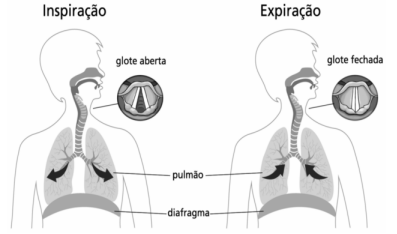
Português V: volume 1. Rio de Janeiro: Fundação
Cecierj, 2015, p. 42. Disponível em
<https://canal.cecierj.edu.br/recurso/17163>
Em uma análise fonético-fonológica de segmentos consonantais, a oposição entre sons surdos e sonoros pode ser relacionada ao comportamento das cordas vocais. A leitura adequada da imagem permite afirmar que:
Ano: 2026
Banca:
Avança SP
Órgão:
Prefeitura de Araçariguama - SP
Prova:
Avança SP - 2026 - Prefeitura de Araçariguama - SP - Fonoaudiólogo |
Q4274910
Redação Oficial
Assinale a afirmativa correta em relação às
características da linguagem em redação oficial.
Ano: 2026
Banca:
Avança SP
Órgão:
Prefeitura de Araçariguama - SP
Prova:
Avança SP - 2026 - Prefeitura de Araçariguama - SP - Fonoaudiólogo |
Q4274909
Redação Oficial
Assinale a alternativa que apresenta a flexão
correta da palavra destacada no enunciado, de
acordo com as normas da redação oficial.

 Conheça nossos planos