Foram encontradas 34.859 questões
Resolva questões gratuitamente!
Junte-se a mais de 4 milhões de concurseiros!


Disfonias podem ser categorizadas conforme o tipo de alteração identificada. Os casos que envolvem o aparecimento de pólipos, edema de reinke, granulomas, úlceras de contato e leucoplasia correspondem à disfonia do tipo:
O sistema estomatognático é composto por diversas estruturas, funcionando em harmonia. Qualquer mudança, seja anatômica ou funcional, pode resultar em desequilíbrios e vários tipos de alterações. O fonoaudiólogo atua nas seguintes funções deste sistema:
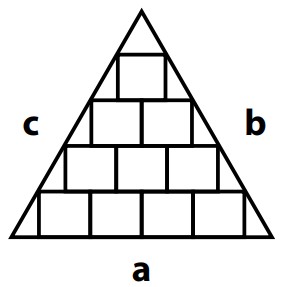
Dez quadrados de lado 10 cm, foram desenhados dentro de um triângulo de lados “a”, b” e “c”, conforme a figura representada a seguir:
Nessas condições, b e c medem, respectivamente:
Dois anos atrás, Cesar tinha 3 anos a mais que sua irmã caçula. Hoje, sua idade é o dobro da dela. No ano que vem, a soma de suas idades será:
Em uma sala, estão 5 (cinco) mulheres, cujas idades são ou de 30 (trinta) anos ou de 60 (sessenta) anos. Cada uma delas sabe exatamente a idade de todas as outras. Quando perguntadas pela soma de suas idades, foram dadas as seguintes respostas: 180; 210; 240; 260 e 270. Sabendo que todas as mulheres de 60 anos mentiram. a soma correta é igual a:
João e Carlos beberam várias cervejas em um bar. Antes de irem embora, decidiram determinar, através do jogo de palitinhos quem pagaria a conta. Nesse jogo, cada participante coloca uma das mãos fechada à frente, com uma determinada quantidade de palitinhos, que pode variar de 0 (zero) a 3 (três). Após todos colocarem à frente suas mãos, cada participante tenta acertar a quantidade total de palitinhos. Quem acerta, ganha o jogo. Se ambos errarem, dá empate e o jogo é repetido.
João colocou sua mão fechada à frente com 2 (dois) palitos e arriscou o número 4. Nessas condições, a probabilidade de João ganhar o jogo e não pagar a conta, é:
Em agosto de 2023, João depositou em sua conta corrente R$ 10.000,00 (dez mil reais). Daí em diante, a cada início de um novo mês, ele fez um novo deposito num valor sempre igual a 50% do valor existente na conta. Como no dia 20 de outubro João fez uma retirada de R$ 500,00 (quinhentos reais), no Natal daquele mesmo ano, o saldo na conta de João era:
Considere uma conta corrente simples, em que não há correções de valores feitas pelo banco.
Leia o texto a seguir:
Mineração em cartão postal de Belo Horizonte é alvo de vistorias
Após pressão de diversas entidades ambientalistas para maior fiscalização sobre as atividades da Empresa de Mineração Pau Branco (Empabra), um grupo de parlamentares da Comissão de Meio Ambiente e Desenvolvimento Sustentável da Assembleia Legislativa de Minas Gerais (ALMG) fez uma visita técnica nessa segunda-feira (3). A mineradora é responsável pela Mina Granja Corumi, encravada na Serra do Curral, um dos principais cartões postais de Belo Horizonte.
A extração mineral no local atualmente é proibida. No entanto, em outubro do ano passado, a Agência Nacional de Mineração (ANM) permitiu a retirada de 800 milhões de toneladas de minerais que já foram beneficiados e estavam estocados. Com a grande movimentação de caminhões, moradores das comunidades vizinhas e ativistas do Fórum Permanente São Francisco e do Projeto Manuelzão passaram a questionar se os órgãos públicos estavam acompanhando os trabalhos e se havia garantias de que a Empabra não teria transferido a restrição de recursos.
As suspeitas de atividade ilegal ganharam força em vistoria da prefeitura de Belo Horizonte no mês passado, que levou à interdição total da mina e de todas as atividades da empresa. Houve autuação por crime ambiental e foi aplicada multa de R$ 64,9 mil.
“Foi constatada a retirada de minerais finos depositados em pilhas, desassoreamento das estruturas de drenagem (sumps), retirada de minerais em taludes conformados, com possíveis avanços em terreno natural (minério in situ) e prejuízos de atividade de lavra, além de transporte”, informou a prefeitura. Segundo o Executivo municipal, o escoamento de minérios para possível venda não contaria com o devido licenciamento ambiental tanto em âmbito estadual quanto municipal.
A mina Granja Corumi existe desde a década de 1950. Com a Serra do Curral tombada como patrimônio de Belo Horizonte em 1990, as atividades no local foram reduzidas. Em 2007, a Empabra firmou um compromisso com o Ministério Público de Minas Gerais (MPMG) para elaborar um plano de recuperação da área degradada. Na época, as denúncias indicavam riscos para a integridade do Parque Estadual da Baleia. Diante do descumprimento parcial do acordo, as atividades da mineradora foram embargadas temporariamente pela Secretaria de Estado de Meio Ambiente e Desenvolvimento Sustentável (Semad) em 2018.
No ano seguinte, o relatório final de uma Comissão Parlamentar de Inquérito (CPI) instaurada pela Câmara de Vereadores de Belo Horizonte chegou a pedir a suspensão definitiva da extração de minerais na Mina Granja Corumi. O documento, de 324 páginas, sugeriu ao MPMG que foi solicitado o bloqueio judicial dos bens da Empabra até a resolução das questões trabalhistas e a recuperação da área degradada.
Fonte: https://www.jb.com.br/brasil/meio-ambiente/2024/06/1050334-mineracao-emcartao-postal-de-belo-horizonte-e-alvo-de-vistorias.html. Acesso em 06/06/2024
Em “O documento, de 324 páginas, sugeriu ao MPMG que fosse solicitado bloqueio judicial dos bens da Empabra até a resolução das questões trabalhistas e a recuperação da área degradada” (6º parágrafo), no seu contexto de uso, o verbo destacado é classificado como:
Leia o texto a seguir:
Mineração em cartão postal de Belo Horizonte é alvo de vistorias
Após pressão de diversas entidades ambientalistas para maior fiscalização sobre as atividades da Empresa de Mineração Pau Branco (Empabra), um grupo de parlamentares da Comissão de Meio Ambiente e Desenvolvimento Sustentável da Assembleia Legislativa de Minas Gerais (ALMG) fez uma visita técnica nessa segunda-feira (3). A mineradora é responsável pela Mina Granja Corumi, encravada na Serra do Curral, um dos principais cartões postais de Belo Horizonte.
A extração mineral no local atualmente é proibida. No entanto, em outubro do ano passado, a Agência Nacional de Mineração (ANM) permitiu a retirada de 800 milhões de toneladas de minerais que já foram beneficiados e estavam estocados. Com a grande movimentação de caminhões, moradores das comunidades vizinhas e ativistas do Fórum Permanente São Francisco e do Projeto Manuelzão passaram a questionar se os órgãos públicos estavam acompanhando os trabalhos e se havia garantias de que a Empabra não teria transferido a restrição de recursos.
As suspeitas de atividade ilegal ganharam força em vistoria da prefeitura de Belo Horizonte no mês passado, que levou à interdição total da mina e de todas as atividades da empresa. Houve autuação por crime ambiental e foi aplicada multa de R$ 64,9 mil.
“Foi constatada a retirada de minerais finos depositados em pilhas, desassoreamento das estruturas de drenagem (sumps), retirada de minerais em taludes conformados, com possíveis avanços em terreno natural (minério in situ) e prejuízos de atividade de lavra, além de transporte”, informou a prefeitura. Segundo o Executivo municipal, o escoamento de minérios para possível venda não contaria com o devido licenciamento ambiental tanto em âmbito estadual quanto municipal.
A mina Granja Corumi existe desde a década de 1950. Com a Serra do Curral tombada como patrimônio de Belo Horizonte em 1990, as atividades no local foram reduzidas. Em 2007, a Empabra firmou um compromisso com o Ministério Público de Minas Gerais (MPMG) para elaborar um plano de recuperação da área degradada. Na época, as denúncias indicavam riscos para a integridade do Parque Estadual da Baleia. Diante do descumprimento parcial do acordo, as atividades da mineradora foram embargadas temporariamente pela Secretaria de Estado de Meio Ambiente e Desenvolvimento Sustentável (Semad) em 2018.
No ano seguinte, o relatório final de uma Comissão Parlamentar de Inquérito (CPI) instaurada pela Câmara de Vereadores de Belo Horizonte chegou a pedir a suspensão definitiva da extração de minerais na Mina Granja Corumi. O documento, de 324 páginas, sugeriu ao MPMG que foi solicitado o bloqueio judicial dos bens da Empabra até a resolução das questões trabalhistas e a recuperação da área degradada.
Fonte: https://www.jb.com.br/brasil/meio-ambiente/2024/06/1050334-mineracao-emcartao-postal-de-belo-horizonte-e-alvo-de-vistorias.html. Acesso em 06/06/2024
Em “Segundo o Executivo municipal, o escoamento de minério para possível venda não contaria com o devido licenciamento ambiental tanto em âmbito estadual quanto municipal” (4º parágrafo), a palavra destacada poderia ser substituída, nesse contexto, sem alteração de sentido, por:
Leia o texto a seguir:
Mineração em cartão postal de Belo Horizonte é alvo de vistorias
Após pressão de diversas entidades ambientalistas para maior fiscalização sobre as atividades da Empresa de Mineração Pau Branco (Empabra), um grupo de parlamentares da Comissão de Meio Ambiente e Desenvolvimento Sustentável da Assembleia Legislativa de Minas Gerais (ALMG) fez uma visita técnica nessa segunda-feira (3). A mineradora é responsável pela Mina Granja Corumi, encravada na Serra do Curral, um dos principais cartões postais de Belo Horizonte.
A extração mineral no local atualmente é proibida. No entanto, em outubro do ano passado, a Agência Nacional de Mineração (ANM) permitiu a retirada de 800 milhões de toneladas de minerais que já foram beneficiados e estavam estocados. Com a grande movimentação de caminhões, moradores das comunidades vizinhas e ativistas do Fórum Permanente São Francisco e do Projeto Manuelzão passaram a questionar se os órgãos públicos estavam acompanhando os trabalhos e se havia garantias de que a Empabra não teria transferido a restrição de recursos.
As suspeitas de atividade ilegal ganharam força em vistoria da prefeitura de Belo Horizonte no mês passado, que levou à interdição total da mina e de todas as atividades da empresa. Houve autuação por crime ambiental e foi aplicada multa de R$ 64,9 mil.
“Foi constatada a retirada de minerais finos depositados em pilhas, desassoreamento das estruturas de drenagem (sumps), retirada de minerais em taludes conformados, com possíveis avanços em terreno natural (minério in situ) e prejuízos de atividade de lavra, além de transporte”, informou a prefeitura. Segundo o Executivo municipal, o escoamento de minérios para possível venda não contaria com o devido licenciamento ambiental tanto em âmbito estadual quanto municipal.
A mina Granja Corumi existe desde a década de 1950. Com a Serra do Curral tombada como patrimônio de Belo Horizonte em 1990, as atividades no local foram reduzidas. Em 2007, a Empabra firmou um compromisso com o Ministério Público de Minas Gerais (MPMG) para elaborar um plano de recuperação da área degradada. Na época, as denúncias indicavam riscos para a integridade do Parque Estadual da Baleia. Diante do descumprimento parcial do acordo, as atividades da mineradora foram embargadas temporariamente pela Secretaria de Estado de Meio Ambiente e Desenvolvimento Sustentável (Semad) em 2018.
No ano seguinte, o relatório final de uma Comissão Parlamentar de Inquérito (CPI) instaurada pela Câmara de Vereadores de Belo Horizonte chegou a pedir a suspensão definitiva da extração de minerais na Mina Granja Corumi. O documento, de 324 páginas, sugeriu ao MPMG que foi solicitado o bloqueio judicial dos bens da Empabra até a resolução das questões trabalhistas e a recuperação da área degradada.
Fonte: https://www.jb.com.br/brasil/meio-ambiente/2024/06/1050334-mineracao-emcartao-postal-de-belo-horizonte-e-alvo-de-vistorias.html. Acesso em 06/06/2024
“Houve autuação por crime ambiental e foi aplicada multa de R$ 64,9 mil” (3º parágrafo). Se a palavra destacada estivesse no plural, à luz da norma-padrão, a frase seria reescrita da seguinte forma:
Leia o texto a seguir:
Mineração em cartão postal de Belo Horizonte é alvo de vistorias
Após pressão de diversas entidades ambientalistas para maior fiscalização sobre as atividades da Empresa de Mineração Pau Branco (Empabra), um grupo de parlamentares da Comissão de Meio Ambiente e Desenvolvimento Sustentável da Assembleia Legislativa de Minas Gerais (ALMG) fez uma visita técnica nessa segunda-feira (3). A mineradora é responsável pela Mina Granja Corumi, encravada na Serra do Curral, um dos principais cartões postais de Belo Horizonte.
A extração mineral no local atualmente é proibida. No entanto, em outubro do ano passado, a Agência Nacional de Mineração (ANM) permitiu a retirada de 800 milhões de toneladas de minerais que já foram beneficiados e estavam estocados. Com a grande movimentação de caminhões, moradores das comunidades vizinhas e ativistas do Fórum Permanente São Francisco e do Projeto Manuelzão passaram a questionar se os órgãos públicos estavam acompanhando os trabalhos e se havia garantias de que a Empabra não teria transferido a restrição de recursos.
As suspeitas de atividade ilegal ganharam força em vistoria da prefeitura de Belo Horizonte no mês passado, que levou à interdição total da mina e de todas as atividades da empresa. Houve autuação por crime ambiental e foi aplicada multa de R$ 64,9 mil.
“Foi constatada a retirada de minerais finos depositados em pilhas, desassoreamento das estruturas de drenagem (sumps), retirada de minerais em taludes conformados, com possíveis avanços em terreno natural (minério in situ) e prejuízos de atividade de lavra, além de transporte”, informou a prefeitura. Segundo o Executivo municipal, o escoamento de minérios para possível venda não contaria com o devido licenciamento ambiental tanto em âmbito estadual quanto municipal.
A mina Granja Corumi existe desde a década de 1950. Com a Serra do Curral tombada como patrimônio de Belo Horizonte em 1990, as atividades no local foram reduzidas. Em 2007, a Empabra firmou um compromisso com o Ministério Público de Minas Gerais (MPMG) para elaborar um plano de recuperação da área degradada. Na época, as denúncias indicavam riscos para a integridade do Parque Estadual da Baleia. Diante do descumprimento parcial do acordo, as atividades da mineradora foram embargadas temporariamente pela Secretaria de Estado de Meio Ambiente e Desenvolvimento Sustentável (Semad) em 2018.
No ano seguinte, o relatório final de uma Comissão Parlamentar de Inquérito (CPI) instaurada pela Câmara de Vereadores de Belo Horizonte chegou a pedir a suspensão definitiva da extração de minerais na Mina Granja Corumi. O documento, de 324 páginas, sugeriu ao MPMG que foi solicitado o bloqueio judicial dos bens da Empabra até a resolução das questões trabalhistas e a recuperação da área degradada.
Fonte: https://www.jb.com.br/brasil/meio-ambiente/2024/06/1050334-mineracao-emcartao-postal-de-belo-horizonte-e-alvo-de-vistorias.html. Acesso em 06/06/2024
Em “Com a grande movimentação de caminhões, moradores das comunidades vizinhas e ativistas do Fórum Permanente São Francisco e do Projeto Manuelzão passaram a questionar se os órgãos públicos estavam acompanhando os trabalhos e se havia garantias de que a Empabra não teria voltado a extrair minério” (2º parágrafo, o trecho indicado estabelece uma relação de sentido com a informação seguinte. Essa relação é de:
Leia o texto a seguir:
Mineração em cartão postal de Belo Horizonte é alvo de vistorias
Após pressão de diversas entidades ambientalistas para maior fiscalização sobre as atividades da Empresa de Mineração Pau Branco (Empabra), um grupo de parlamentares da Comissão de Meio Ambiente e Desenvolvimento Sustentável da Assembleia Legislativa de Minas Gerais (ALMG) fez uma visita técnica nessa segunda-feira (3). A mineradora é responsável pela Mina Granja Corumi, encravada na Serra do Curral, um dos principais cartões postais de Belo Horizonte.
A extração mineral no local atualmente é proibida. No entanto, em outubro do ano passado, a Agência Nacional de Mineração (ANM) permitiu a retirada de 800 milhões de toneladas de minerais que já foram beneficiados e estavam estocados. Com a grande movimentação de caminhões, moradores das comunidades vizinhas e ativistas do Fórum Permanente São Francisco e do Projeto Manuelzão passaram a questionar se os órgãos públicos estavam acompanhando os trabalhos e se havia garantias de que a Empabra não teria transferido a restrição de recursos.
As suspeitas de atividade ilegal ganharam força em vistoria da prefeitura de Belo Horizonte no mês passado, que levou à interdição total da mina e de todas as atividades da empresa. Houve autuação por crime ambiental e foi aplicada multa de R$ 64,9 mil.
“Foi constatada a retirada de minerais finos depositados em pilhas, desassoreamento das estruturas de drenagem (sumps), retirada de minerais em taludes conformados, com possíveis avanços em terreno natural (minério in situ) e prejuízos de atividade de lavra, além de transporte”, informou a prefeitura. Segundo o Executivo municipal, o escoamento de minérios para possível venda não contaria com o devido licenciamento ambiental tanto em âmbito estadual quanto municipal.
A mina Granja Corumi existe desde a década de 1950. Com a Serra do Curral tombada como patrimônio de Belo Horizonte em 1990, as atividades no local foram reduzidas. Em 2007, a Empabra firmou um compromisso com o Ministério Público de Minas Gerais (MPMG) para elaborar um plano de recuperação da área degradada. Na época, as denúncias indicavam riscos para a integridade do Parque Estadual da Baleia. Diante do descumprimento parcial do acordo, as atividades da mineradora foram embargadas temporariamente pela Secretaria de Estado de Meio Ambiente e Desenvolvimento Sustentável (Semad) em 2018.
No ano seguinte, o relatório final de uma Comissão Parlamentar de Inquérito (CPI) instaurada pela Câmara de Vereadores de Belo Horizonte chegou a pedir a suspensão definitiva da extração de minerais na Mina Granja Corumi. O documento, de 324 páginas, sugeriu ao MPMG que foi solicitado o bloqueio judicial dos bens da Empabra até a resolução das questões trabalhistas e a recuperação da área degradada.
Fonte: https://www.jb.com.br/brasil/meio-ambiente/2024/06/1050334-mineracao-emcartao-postal-de-belo-horizonte-e-alvo-de-vistorias.html. Acesso em 06/06/2024
O texto indica que a extração de minério de ferro:

 Conheça nossos planos