Questões de Concurso Público Prefeitura de Mataraca - PB 2025 para Professor C - Língua Inglesa
Foram encontradas 40 questões


Ano: 2025
Banca:
CPCON
Órgão:
Prefeitura de Mataraca - PB
Provas:
CPCON - 2025 - Prefeitura de Mataraca - PB - Psicopedagogo
|
CPCON - 2025 - Prefeitura de Mataraca - PB - Psicólogo Escolar |
CPCON - 2025 - Prefeitura de Mataraca - PB - Assistente Social Educacional |
CPCON - 2025 - Prefeitura de Mataraca - PB - Professor B |
CPCON - 2025 - Prefeitura de Mataraca - PB - Professor C - Artes |
CPCON - 2025 - Prefeitura de Mataraca - PB - Professor C - Ciências |
CPCON - 2025 - Prefeitura de Mataraca - PB - Professor C - Educação Física |
CPCON - 2025 - Prefeitura de Mataraca - PB - Professor C - Geografia |
CPCON - 2025 - Prefeitura de Mataraca - PB - Professor C - História |
CPCON - 2025 - Prefeitura de Mataraca - PB - Professor C - Língua Inglesa |
CPCON - 2025 - Prefeitura de Mataraca - PB - Professor C - Língua Portuguesa |
CPCON - 2025 - Prefeitura de Mataraca - PB - Professor C - Matemática |
CPCON - 2025 - Prefeitura de Mataraca - PB - Professor do Atendimento Educacional Especializado (AEE) |
Q3658585
Estatuto da Pessoa com Deficiência - Lei nº 13.146 de 2015
O Capítulo IV do Título II da Lei nº 13.146/2015, Estatuto da Pessoa com Deficiência, trata especificamente do Direito à Educação e,
em seu art. 28 discorre sobre as incumbências do poder público.
Nesse contexto, é CORRETO afirmar que incumbe ao poder público:
Nesse contexto, é CORRETO afirmar que incumbe ao poder público:
Ano: 2025
Banca:
CPCON
Órgão:
Prefeitura de Mataraca - PB
Provas:
CPCON - 2025 - Prefeitura de Mataraca - PB - Psicopedagogo
|
CPCON - 2025 - Prefeitura de Mataraca - PB - Psicólogo Escolar |
CPCON - 2025 - Prefeitura de Mataraca - PB - Assistente Social Educacional |
CPCON - 2025 - Prefeitura de Mataraca - PB - Professor B |
CPCON - 2025 - Prefeitura de Mataraca - PB - Professor C - Artes |
CPCON - 2025 - Prefeitura de Mataraca - PB - Professor C - Ciências |
CPCON - 2025 - Prefeitura de Mataraca - PB - Professor C - Educação Física |
CPCON - 2025 - Prefeitura de Mataraca - PB - Professor C - Geografia |
CPCON - 2025 - Prefeitura de Mataraca - PB - Professor C - História |
CPCON - 2025 - Prefeitura de Mataraca - PB - Professor C - Língua Inglesa |
CPCON - 2025 - Prefeitura de Mataraca - PB - Professor C - Língua Portuguesa |
CPCON - 2025 - Prefeitura de Mataraca - PB - Professor C - Matemática |
CPCON - 2025 - Prefeitura de Mataraca - PB - Professor do Atendimento Educacional Especializado (AEE) |
Q3658586
Pedagogia
Para José Carlos Libâneo, a educação constitui um fenômeno social e, como tal, é socialmente determinada, o que significa dizer que a
prática educativa, seus objetivos, conteúdos e o trabalho docente são determinados no seio da estrutura social, implicados em suas
finalidades por questões de ordens políticas e ideológicas.
Nesse contexto, considere os excertos a seguir, extraídos do livro Didática, de Carlos Libâneo (2013):
“A Pedagogia é um campo de conhecimentos que investiga a natureza das finalidades da educação em uma determinada sociedade, bem como os meios apropriados para a formação dos indivíduos, tendo em vista prepará-los para as tarefas da vida social.”
“O caráter pedagógico da prática educativa se verifica como ação consciente, intencional e planejada no processo de formação humana, através de objetivos e meios estabelecidos por critérios socialmente determinados e que indicam o tipo de homem a formar, para qual sociedade, com que propósitos.”
“ADidática é o principal ramo de estudos da Pedagogia. Ela investiga os fundamentos, condições e modos de realização da instrução e do ensino. A ela cabe converter objetivos sociopolíticos e pedagógicos em objetivos de ensino, selecionar conteúdos e métodos em função desses objetivos, estabelecer os vínculos entre ensino e aprendizagem, tendo em vista o desenvolvimento das capacidades mentais dos alunos.”
“A Didática e as metodologias específicas das matérias de ensino formam uma unidade, mantendo entre si relações recíprocas. A Didática trata da teoria geral do ensino. As metodologias específicas, integrando o campo da Didática, ocupam-se dos conteúdos e métodos próprios de cada matéria na sua relação com fins educacionais.”
Fonte: adaptado de LIBÂNEO, J. C. Didática. 2. Ed. São Paulo: Cortez, 2013. p. 25 (Adaptado)
Com base no exposto, é CORRETO afirmar que:
Nesse contexto, considere os excertos a seguir, extraídos do livro Didática, de Carlos Libâneo (2013):
“A Pedagogia é um campo de conhecimentos que investiga a natureza das finalidades da educação em uma determinada sociedade, bem como os meios apropriados para a formação dos indivíduos, tendo em vista prepará-los para as tarefas da vida social.”
“O caráter pedagógico da prática educativa se verifica como ação consciente, intencional e planejada no processo de formação humana, através de objetivos e meios estabelecidos por critérios socialmente determinados e que indicam o tipo de homem a formar, para qual sociedade, com que propósitos.”
“ADidática é o principal ramo de estudos da Pedagogia. Ela investiga os fundamentos, condições e modos de realização da instrução e do ensino. A ela cabe converter objetivos sociopolíticos e pedagógicos em objetivos de ensino, selecionar conteúdos e métodos em função desses objetivos, estabelecer os vínculos entre ensino e aprendizagem, tendo em vista o desenvolvimento das capacidades mentais dos alunos.”
“A Didática e as metodologias específicas das matérias de ensino formam uma unidade, mantendo entre si relações recíprocas. A Didática trata da teoria geral do ensino. As metodologias específicas, integrando o campo da Didática, ocupam-se dos conteúdos e métodos próprios de cada matéria na sua relação com fins educacionais.”
Fonte: adaptado de LIBÂNEO, J. C. Didática. 2. Ed. São Paulo: Cortez, 2013. p. 25 (Adaptado)
Com base no exposto, é CORRETO afirmar que:
Ano: 2025
Banca:
CPCON
Órgão:
Prefeitura de Mataraca - PB
Provas:
CPCON - 2025 - Prefeitura de Mataraca - PB - Psicopedagogo
|
CPCON - 2025 - Prefeitura de Mataraca - PB - Psicólogo Escolar |
CPCON - 2025 - Prefeitura de Mataraca - PB - Assistente Social Educacional |
CPCON - 2025 - Prefeitura de Mataraca - PB - Professor B |
CPCON - 2025 - Prefeitura de Mataraca - PB - Professor C - Artes |
CPCON - 2025 - Prefeitura de Mataraca - PB - Professor C - Ciências |
CPCON - 2025 - Prefeitura de Mataraca - PB - Professor C - Educação Física |
CPCON - 2025 - Prefeitura de Mataraca - PB - Professor C - Geografia |
CPCON - 2025 - Prefeitura de Mataraca - PB - Professor C - História |
CPCON - 2025 - Prefeitura de Mataraca - PB - Professor C - Língua Inglesa |
CPCON - 2025 - Prefeitura de Mataraca - PB - Professor C - Língua Portuguesa |
CPCON - 2025 - Prefeitura de Mataraca - PB - Professor C - Matemática |
CPCON - 2025 - Prefeitura de Mataraca - PB - Professor do Atendimento Educacional Especializado (AEE) |
Q3658587
Pedagogia
Luckesi (2008, p. 165), ao abordar a avaliação, afirma que “a atividade de avaliar caracteriza-se como um instrumento subsidiário do
crescimento; meio subsidiário da construção do resultado satisfatório”.
A respeito do excerto destacado, analise as afirmações a seguir:
I- O planejamento e a avaliação devem atuar conjuntamente na promoção da aprendizagem, indicando caminhos e investigando os resultados intermediários, respectivamente.
II- A avaliação deve servir à classificação, estimulando a cultura do mérito entre os aprendizes e resgatando a posição de autoridade do docente.
III- O professor deve estar atento às necessidades de redirecionamento indicadas pela avaliação.
É CORRETO o que se afirma apenas em:
A respeito do excerto destacado, analise as afirmações a seguir:
I- O planejamento e a avaliação devem atuar conjuntamente na promoção da aprendizagem, indicando caminhos e investigando os resultados intermediários, respectivamente.
II- A avaliação deve servir à classificação, estimulando a cultura do mérito entre os aprendizes e resgatando a posição de autoridade do docente.
III- O professor deve estar atento às necessidades de redirecionamento indicadas pela avaliação.
É CORRETO o que se afirma apenas em:
Ano: 2025
Banca:
CPCON
Órgão:
Prefeitura de Mataraca - PB
Provas:
CPCON - 2025 - Prefeitura de Mataraca - PB - Psicopedagogo
|
CPCON - 2025 - Prefeitura de Mataraca - PB - Psicólogo Escolar |
CPCON - 2025 - Prefeitura de Mataraca - PB - Assistente Social Educacional |
CPCON - 2025 - Prefeitura de Mataraca - PB - Professor B |
CPCON - 2025 - Prefeitura de Mataraca - PB - Professor C - Artes |
CPCON - 2025 - Prefeitura de Mataraca - PB - Professor C - Ciências |
CPCON - 2025 - Prefeitura de Mataraca - PB - Professor C - Educação Física |
CPCON - 2025 - Prefeitura de Mataraca - PB - Professor C - Geografia |
CPCON - 2025 - Prefeitura de Mataraca - PB - Professor C - História |
CPCON - 2025 - Prefeitura de Mataraca - PB - Professor C - Língua Inglesa |
CPCON - 2025 - Prefeitura de Mataraca - PB - Professor C - Língua Portuguesa |
CPCON - 2025 - Prefeitura de Mataraca - PB - Professor C - Matemática |
CPCON - 2025 - Prefeitura de Mataraca - PB - Professor do Atendimento Educacional Especializado (AEE) |
Q3658588
Português
Na página oficial da UNESCO na internet, em uma seção na qual é abordado o aprendizado digital e a transformação da educação, a
UNESCO justifica o fato de considerar importante a inovação digital na educação, nos termos que seguem:
“A tecnologia digital tornou-se uma necessidade social para garantir a educação como um direito humano básico, especialmente em um mundo que vivencia crises e conflitos cada vez mais frequentes. Durante a pandemia da COVID-19, os países sem infraestrutura suficiente de TIC [Tecnologias da Informação e Comunicação] e sem sistemas de aprendizagem digital bem estruturados sofreram as maiores interrupções educacionais e perdas de aprendizagem. Essa situação deixou até um terço dos estudantes em todo o mundo sem acesso à aprendizagem durante o fechamento das escolas por mais de um ano. A interrupção educacional causada pela COVID-19 revelou claramente a urgente necessidade de aliar tecnologias e recursos humanos para transformar os modelos escolares e construir sistemas de aprendizagem inclusivos, abertos e resilientes. A UNESCO apoia o uso da inovação digital para ampliar o acesso a oportunidades educacionais e promover a inclusão, aprimorar a relevância e a qualidade da aprendizagem, construir trajetórias de aprendizagem ao longo da vida com apoio das TIC, fortalecer os sistemas de gestão da educação e da aprendizagem e monitorar os processos de aprendizagem”.
Fonte: UNESCO. Disponível em https://www.unesco.org/en/digital-education/need-know?hub=84636. Acesso em 29 ago. de2025
Sobre o papel das tecnologias digitais na educação e, considerando o excerto, analise as assertivas a seguir:
I- O uso educacional das tecnologias digitais só tem relevância em contextos excepcionais, como em situações de crises e pandemias.
II- As tecnologias digitais podem ampliar o acesso ao ensino, fortalecer a inclusão e melhorar a qualidade e relevância da aprendizagem.
III- O uso das tecnologias digitais na educação serve para promover um ensino padronizado e uniforme, obstando adaptações locais e contextuais.
É CORRETO o que se afirma apenas em:
“A tecnologia digital tornou-se uma necessidade social para garantir a educação como um direito humano básico, especialmente em um mundo que vivencia crises e conflitos cada vez mais frequentes. Durante a pandemia da COVID-19, os países sem infraestrutura suficiente de TIC [Tecnologias da Informação e Comunicação] e sem sistemas de aprendizagem digital bem estruturados sofreram as maiores interrupções educacionais e perdas de aprendizagem. Essa situação deixou até um terço dos estudantes em todo o mundo sem acesso à aprendizagem durante o fechamento das escolas por mais de um ano. A interrupção educacional causada pela COVID-19 revelou claramente a urgente necessidade de aliar tecnologias e recursos humanos para transformar os modelos escolares e construir sistemas de aprendizagem inclusivos, abertos e resilientes. A UNESCO apoia o uso da inovação digital para ampliar o acesso a oportunidades educacionais e promover a inclusão, aprimorar a relevância e a qualidade da aprendizagem, construir trajetórias de aprendizagem ao longo da vida com apoio das TIC, fortalecer os sistemas de gestão da educação e da aprendizagem e monitorar os processos de aprendizagem”.
Fonte: UNESCO. Disponível em https://www.unesco.org/en/digital-education/need-know?hub=84636. Acesso em 29 ago. de2025
Sobre o papel das tecnologias digitais na educação e, considerando o excerto, analise as assertivas a seguir:
I- O uso educacional das tecnologias digitais só tem relevância em contextos excepcionais, como em situações de crises e pandemias.
II- As tecnologias digitais podem ampliar o acesso ao ensino, fortalecer a inclusão e melhorar a qualidade e relevância da aprendizagem.
III- O uso das tecnologias digitais na educação serve para promover um ensino padronizado e uniforme, obstando adaptações locais e contextuais.
É CORRETO o que se afirma apenas em:
Ano: 2025
Banca:
CPCON
Órgão:
Prefeitura de Mataraca - PB
Provas:
CPCON - 2025 - Prefeitura de Mataraca - PB - Psicopedagogo
|
CPCON - 2025 - Prefeitura de Mataraca - PB - Psicólogo Escolar |
CPCON - 2025 - Prefeitura de Mataraca - PB - Assistente Social Educacional |
CPCON - 2025 - Prefeitura de Mataraca - PB - Professor B |
CPCON - 2025 - Prefeitura de Mataraca - PB - Professor C - Artes |
CPCON - 2025 - Prefeitura de Mataraca - PB - Professor C - Ciências |
CPCON - 2025 - Prefeitura de Mataraca - PB - Professor C - Educação Física |
CPCON - 2025 - Prefeitura de Mataraca - PB - Professor C - Geografia |
CPCON - 2025 - Prefeitura de Mataraca - PB - Professor C - História |
CPCON - 2025 - Prefeitura de Mataraca - PB - Professor C - Língua Inglesa |
CPCON - 2025 - Prefeitura de Mataraca - PB - Professor C - Língua Portuguesa |
CPCON - 2025 - Prefeitura de Mataraca - PB - Professor C - Matemática |
CPCON - 2025 - Prefeitura de Mataraca - PB - Professor do Atendimento Educacional Especializado (AEE) |
Q3658589
Pedagogia
Ao abordar as tendências pedagógicas na prática escolar, Libâneo (2014, p. 2) assevera que “a educação brasileira, pelo menos nos
últimos cinquenta anos, tem sido marcada pelas tendências liberais, nas suas formas ora conservadora, ora renovada. Evidentemente
tais tendências se manifestam, concretamente, nas práticas escolares e no ideário pedagógico de muitos professores, ainda que estes
não se deem conta dessa influência. [...] A ênfase no aspecto cultural esconde a realidade das diferenças de classes, pois, embora
difunda a ideia de igualdade de oportunidades, não leva em conta a desigualdade de condições”.
Fonte: LIBÂNEO, J. C. Tendências Pedagógicas na Prática Escolar. Disponível em https://praxistecnologica.wordpress.com/wpcontent/uploads/2014/08/tendencias_pedagogicas_libaneo.pdf. Acesso em 29/08/2025. (Adaptado)
Considerando a abordagem das tendências pedagógicas por Libâneo e o excerto apresentado, é CORRETO afirmar que:
Fonte: LIBÂNEO, J. C. Tendências Pedagógicas na Prática Escolar. Disponível em https://praxistecnologica.wordpress.com/wpcontent/uploads/2014/08/tendencias_pedagogicas_libaneo.pdf. Acesso em 29/08/2025. (Adaptado)
Considerando a abordagem das tendências pedagógicas por Libâneo e o excerto apresentado, é CORRETO afirmar que:
Ano: 2025
Banca:
CPCON
Órgão:
Prefeitura de Mataraca - PB
Prova:
CPCON - 2025 - Prefeitura de Mataraca - PB - Professor C - Língua Inglesa |
Q3662257
Inglês
Texto associado
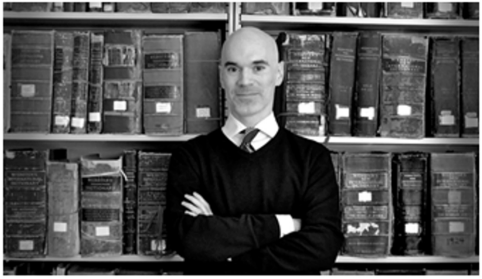
Read the text 1 to answer the question.
Text 1
In the Digital Era, OurDictionaries Read Us
Merriam-Webster
Peter Sokolowski, editor at large at Merriam-Webster Inc.
By Jennifer Howard MARCH 11, 2013
Merriam-Webster
Peter Sokolowski, editor at large at Merriam-Webster Inc.
For Peter Sokolowski, a high-profile event like the 9/11 attacks or the 2012 vice-presidential debate is not just news. It's a
“vocabulary event” that sends readers racing to their dictionaries.
Sokolowski is editor at large for Merriam-Webster, whose red-and-blue-jacketed Collegiate Dictionary still sits on the desk
of many a student and editor. In a print-only era, it would have been next to impossible for him to track vocabulary events. Samuel
Johnson, the grand old man of the modern dictionary, “could have spent a week or a month writing a given word's definition and could
never have known if anyone read it”, he says.
Today, Sokolowski can and does monitor what visitors to the Merriam-Webster Web site look up—as they're doing it.
With the spread of digital technologies, dictionaries have become a two-way mirror, a record not just of words' meanings but
of what we want to know. Digital dictionaries read us.
The days of displaying a thick Webster's in the parlor may be past, but dictionaries inhabit our daily lives more than we realize.
"There are many more times during a day that you are interacting with a dictionary" now than ever before, says Katherine Connor
Martin, head of U.S. dictionaries for Oxford University Press. Whenever you send a text or an e-mail, or read an e-book on your Nook,
Kindle, or iPad, a dictionary is at your fingertips, whether or not you're aware of it.
For dictionary makers, going electronic opens up all kinds of possibilities. It's not just that digital dictionaries can be
embedded in the operating systems of computers and e-readers so that they're always at hand. They can be updated far more easily and
often than their print cousins, and they can incorporate material like audio pronunciations and thesauruses. Unsuccessful word "lookups," or searches that don't produce satisfying results, can point lexicographers to terms that haven't yet made their way into a particular
dictionary or whose definitions need to be amended or freshened. Online readers can click a button and contribute their own word lore,
extending a tradition that dates back at least as far as the late 19th century, when James Murray and his team compiled the first Oxford
English Dictionary with the help of thousands of word slips sent in by the public.
Source: < https://www.chronicle.com/article/In-the-Digital-Era-Our/137719> Access on 30 April, 2018.Adapted.
What is meant by the term “vocabulary event” as used in the text?
Ano: 2025
Banca:
CPCON
Órgão:
Prefeitura de Mataraca - PB
Prova:
CPCON - 2025 - Prefeitura de Mataraca - PB - Professor C - Língua Inglesa |
Q3662258
Inglês
Texto associado
Read the text 1 to answer the question.
Text 1
In the Digital Era, OurDictionaries Read Us
Merriam-Webster
Peter Sokolowski, editor at large at Merriam-Webster Inc.
By Jennifer Howard MARCH 11, 2013
Merriam-Webster
Peter Sokolowski, editor at large at Merriam-Webster Inc.
For Peter Sokolowski, a high-profile event like the 9/11 attacks or the 2012 vice-presidential debate is not just news. It's a
“vocabulary event” that sends readers racing to their dictionaries.
Sokolowski is editor at large for Merriam-Webster, whose red-and-blue-jacketed Collegiate Dictionary still sits on the desk
of many a student and editor. In a print-only era, it would have been next to impossible for him to track vocabulary events. Samuel
Johnson, the grand old man of the modern dictionary, “could have spent a week or a month writing a given word's definition and could
never have known if anyone read it”, he says.
Today, Sokolowski can and does monitor what visitors to the Merriam-Webster Web site look up—as they're doing it.
With the spread of digital technologies, dictionaries have become a two-way mirror, a record not just of words' meanings but
of what we want to know. Digital dictionaries read us.
The days of displaying a thick Webster's in the parlor may be past, but dictionaries inhabit our daily lives more than we realize.
"There are many more times during a day that you are interacting with a dictionary" now than ever before, says Katherine Connor
Martin, head of U.S. dictionaries for Oxford University Press. Whenever you send a text or an e-mail, or read an e-book on your Nook,
Kindle, or iPad, a dictionary is at your fingertips, whether or not you're aware of it.
For dictionary makers, going electronic opens up all kinds of possibilities. It's not just that digital dictionaries can be
embedded in the operating systems of computers and e-readers so that they're always at hand. They can be updated far more easily and
often than their print cousins, and they can incorporate material like audio pronunciations and thesauruses. Unsuccessful word "lookups," or searches that don't produce satisfying results, can point lexicographers to terms that haven't yet made their way into a particular
dictionary or whose definitions need to be amended or freshened. Online readers can click a button and contribute their own word lore,
extending a tradition that dates back at least as far as the late 19th century, when James Murray and his team compiled the first Oxford
English Dictionary with the help of thousands of word slips sent in by the public.
Source: < https://www.chronicle.com/article/In-the-Digital-Era-Our/137719> Access on 30 April, 2018.Adapted.
According to the text, what is one major way digital technology has transformed dictionary use?
Ano: 2025
Banca:
CPCON
Órgão:
Prefeitura de Mataraca - PB
Prova:
CPCON - 2025 - Prefeitura de Mataraca - PB - Professor C - Língua Inglesa |
Q3662259
Inglês
Texto associado
Read the text 1 to answer the question.
Text 1
In the Digital Era, OurDictionaries Read Us
Merriam-Webster
Peter Sokolowski, editor at large at Merriam-Webster Inc.
By Jennifer Howard MARCH 11, 2013
Merriam-Webster
Peter Sokolowski, editor at large at Merriam-Webster Inc.
For Peter Sokolowski, a high-profile event like the 9/11 attacks or the 2012 vice-presidential debate is not just news. It's a
“vocabulary event” that sends readers racing to their dictionaries.
Sokolowski is editor at large for Merriam-Webster, whose red-and-blue-jacketed Collegiate Dictionary still sits on the desk
of many a student and editor. In a print-only era, it would have been next to impossible for him to track vocabulary events. Samuel
Johnson, the grand old man of the modern dictionary, “could have spent a week or a month writing a given word's definition and could
never have known if anyone read it”, he says.
Today, Sokolowski can and does monitor what visitors to the Merriam-Webster Web site look up—as they're doing it.
With the spread of digital technologies, dictionaries have become a two-way mirror, a record not just of words' meanings but
of what we want to know. Digital dictionaries read us.
The days of displaying a thick Webster's in the parlor may be past, but dictionaries inhabit our daily lives more than we realize.
"There are many more times during a day that you are interacting with a dictionary" now than ever before, says Katherine Connor
Martin, head of U.S. dictionaries for Oxford University Press. Whenever you send a text or an e-mail, or read an e-book on your Nook,
Kindle, or iPad, a dictionary is at your fingertips, whether or not you're aware of it.
For dictionary makers, going electronic opens up all kinds of possibilities. It's not just that digital dictionaries can be
embedded in the operating systems of computers and e-readers so that they're always at hand. They can be updated far more easily and
often than their print cousins, and they can incorporate material like audio pronunciations and thesauruses. Unsuccessful word "lookups," or searches that don't produce satisfying results, can point lexicographers to terms that haven't yet made their way into a particular
dictionary or whose definitions need to be amended or freshened. Online readers can click a button and contribute their own word lore,
extending a tradition that dates back at least as far as the late 19th century, when James Murray and his team compiled the first Oxford
English Dictionary with the help of thousands of word slips sent in by the public.
Source: < https://www.chronicle.com/article/In-the-Digital-Era-Our/137719> Access on 30 April, 2018.Adapted.
Which word below is the closest in meaning to “monitor” as used in the sentence “Today, Sokolowski can and does monitor what
visitors to the Merriam-Webster Web site look up”?
Ano: 2025
Banca:
CPCON
Órgão:
Prefeitura de Mataraca - PB
Prova:
CPCON - 2025 - Prefeitura de Mataraca - PB - Professor C - Língua Inglesa |
Q3662260
Inglês
Texto associado
Read the text 1 to answer the question.
Text 1
In the Digital Era, OurDictionaries Read Us
Merriam-Webster
Peter Sokolowski, editor at large at Merriam-Webster Inc.
By Jennifer Howard MARCH 11, 2013
Merriam-Webster
Peter Sokolowski, editor at large at Merriam-Webster Inc.
For Peter Sokolowski, a high-profile event like the 9/11 attacks or the 2012 vice-presidential debate is not just news. It's a
“vocabulary event” that sends readers racing to their dictionaries.
Sokolowski is editor at large for Merriam-Webster, whose red-and-blue-jacketed Collegiate Dictionary still sits on the desk
of many a student and editor. In a print-only era, it would have been next to impossible for him to track vocabulary events. Samuel
Johnson, the grand old man of the modern dictionary, “could have spent a week or a month writing a given word's definition and could
never have known if anyone read it”, he says.
Today, Sokolowski can and does monitor what visitors to the Merriam-Webster Web site look up—as they're doing it.
With the spread of digital technologies, dictionaries have become a two-way mirror, a record not just of words' meanings but
of what we want to know. Digital dictionaries read us.
The days of displaying a thick Webster's in the parlor may be past, but dictionaries inhabit our daily lives more than we realize.
"There are many more times during a day that you are interacting with a dictionary" now than ever before, says Katherine Connor
Martin, head of U.S. dictionaries for Oxford University Press. Whenever you send a text or an e-mail, or read an e-book on your Nook,
Kindle, or iPad, a dictionary is at your fingertips, whether or not you're aware of it.
For dictionary makers, going electronic opens up all kinds of possibilities. It's not just that digital dictionaries can be
embedded in the operating systems of computers and e-readers so that they're always at hand. They can be updated far more easily and
often than their print cousins, and they can incorporate material like audio pronunciations and thesauruses. Unsuccessful word "lookups," or searches that don't produce satisfying results, can point lexicographers to terms that haven't yet made their way into a particular
dictionary or whose definitions need to be amended or freshened. Online readers can click a button and contribute their own word lore,
extending a tradition that dates back at least as far as the late 19th century, when James Murray and his team compiled the first Oxford
English Dictionary with the help of thousands of word slips sent in by the public.
Source: < https://www.chronicle.com/article/In-the-Digital-Era-Our/137719> Access on 30 April, 2018.Adapted.
What does the text suggest about the role of unsuccessful word look-ups in digital dictionaries?
Ano: 2025
Banca:
CPCON
Órgão:
Prefeitura de Mataraca - PB
Prova:
CPCON - 2025 - Prefeitura de Mataraca - PB - Professor C - Língua Inglesa |
Q3662261
Inglês
Texto associado
Read the text 1 to answer the question.
Text 1
In the Digital Era, OurDictionaries Read Us
Merriam-Webster
Peter Sokolowski, editor at large at Merriam-Webster Inc.
By Jennifer Howard MARCH 11, 2013
Merriam-Webster
Peter Sokolowski, editor at large at Merriam-Webster Inc.
For Peter Sokolowski, a high-profile event like the 9/11 attacks or the 2012 vice-presidential debate is not just news. It's a
“vocabulary event” that sends readers racing to their dictionaries.
Sokolowski is editor at large for Merriam-Webster, whose red-and-blue-jacketed Collegiate Dictionary still sits on the desk
of many a student and editor. In a print-only era, it would have been next to impossible for him to track vocabulary events. Samuel
Johnson, the grand old man of the modern dictionary, “could have spent a week or a month writing a given word's definition and could
never have known if anyone read it”, he says.
Today, Sokolowski can and does monitor what visitors to the Merriam-Webster Web site look up—as they're doing it.
With the spread of digital technologies, dictionaries have become a two-way mirror, a record not just of words' meanings but
of what we want to know. Digital dictionaries read us.
The days of displaying a thick Webster's in the parlor may be past, but dictionaries inhabit our daily lives more than we realize.
"There are many more times during a day that you are interacting with a dictionary" now than ever before, says Katherine Connor
Martin, head of U.S. dictionaries for Oxford University Press. Whenever you send a text or an e-mail, or read an e-book on your Nook,
Kindle, or iPad, a dictionary is at your fingertips, whether or not you're aware of it.
For dictionary makers, going electronic opens up all kinds of possibilities. It's not just that digital dictionaries can be
embedded in the operating systems of computers and e-readers so that they're always at hand. They can be updated far more easily and
often than their print cousins, and they can incorporate material like audio pronunciations and thesauruses. Unsuccessful word "lookups," or searches that don't produce satisfying results, can point lexicographers to terms that haven't yet made their way into a particular
dictionary or whose definitions need to be amended or freshened. Online readers can click a button and contribute their own word lore,
extending a tradition that dates back at least as far as the late 19th century, when James Murray and his team compiled the first Oxford
English Dictionary with the help of thousands of word slips sent in by the public.
Source: < https://www.chronicle.com/article/In-the-Digital-Era-Our/137719> Access on 30 April, 2018.Adapted.
Which of the following words from the text is derived by suffixation and functions as a noun?
Ano: 2025
Banca:
CPCON
Órgão:
Prefeitura de Mataraca - PB
Prova:
CPCON - 2025 - Prefeitura de Mataraca - PB - Professor C - Língua Inglesa |
Q3662262
Inglês
Texto associado
Read the text 1 to answer the question.
Text 1
In the Digital Era, OurDictionaries Read Us
Merriam-Webster
Peter Sokolowski, editor at large at Merriam-Webster Inc.
By Jennifer Howard MARCH 11, 2013
Merriam-Webster
Peter Sokolowski, editor at large at Merriam-Webster Inc.
For Peter Sokolowski, a high-profile event like the 9/11 attacks or the 2012 vice-presidential debate is not just news. It's a
“vocabulary event” that sends readers racing to their dictionaries.
Sokolowski is editor at large for Merriam-Webster, whose red-and-blue-jacketed Collegiate Dictionary still sits on the desk
of many a student and editor. In a print-only era, it would have been next to impossible for him to track vocabulary events. Samuel
Johnson, the grand old man of the modern dictionary, “could have spent a week or a month writing a given word's definition and could
never have known if anyone read it”, he says.
Today, Sokolowski can and does monitor what visitors to the Merriam-Webster Web site look up—as they're doing it.
With the spread of digital technologies, dictionaries have become a two-way mirror, a record not just of words' meanings but
of what we want to know. Digital dictionaries read us.
The days of displaying a thick Webster's in the parlor may be past, but dictionaries inhabit our daily lives more than we realize.
"There are many more times during a day that you are interacting with a dictionary" now than ever before, says Katherine Connor
Martin, head of U.S. dictionaries for Oxford University Press. Whenever you send a text or an e-mail, or read an e-book on your Nook,
Kindle, or iPad, a dictionary is at your fingertips, whether or not you're aware of it.
For dictionary makers, going electronic opens up all kinds of possibilities. It's not just that digital dictionaries can be
embedded in the operating systems of computers and e-readers so that they're always at hand. They can be updated far more easily and
often than their print cousins, and they can incorporate material like audio pronunciations and thesauruses. Unsuccessful word "lookups," or searches that don't produce satisfying results, can point lexicographers to terms that haven't yet made their way into a particular
dictionary or whose definitions need to be amended or freshened. Online readers can click a button and contribute their own word lore,
extending a tradition that dates back at least as far as the late 19th century, when James Murray and his team compiled the first Oxford
English Dictionary with the help of thousands of word slips sent in by the public.
Source: < https://www.chronicle.com/article/In-the-Digital-Era-Our/137719> Access on 30 April, 2018.Adapted.
Which of the following words from the text has an antonym that would best be represented by the word "invisible"?
Ano: 2025
Banca:
CPCON
Órgão:
Prefeitura de Mataraca - PB
Prova:
CPCON - 2025 - Prefeitura de Mataraca - PB - Professor C - Língua Inglesa |
Q3662263
Inglês
Which of the following sentences from the text is written in the passive voice?
Ano: 2025
Banca:
CPCON
Órgão:
Prefeitura de Mataraca - PB
Prova:
CPCON - 2025 - Prefeitura de Mataraca - PB - Professor C - Língua Inglesa |
Q3662264
Inglês
Texto associado
Read the text 2 to answer the question.
Text 2
New Technologies in the English Language Classroom
The integration of cutting-edge technologies into English language pedagogy has profoundly transformed traditional
instructional paradigms. Digital tools such as language-learning apps, interactive whiteboards, and AI-driven writing assistants have
facilitated a multimodal learning environment that enhances linguistic acquisition through immediate feedback, gamified tasks, and
adaptive content delivery. These technologies foster learner autonomy and accommodate diverse learning styles, thereby mitigating
the one-size-fits-all limitations of conventional classrooms. Moreover, virtual and augmented reality platforms offer immersive
experiences that simulate authentic linguistic contexts, catalyzing communicative competence and cultural awareness in ways
previously unattainable.
Nonetheless, the pedagogical efficacy of such technologies hinges on their judicious implementation. Teachers must cultivate
digital literacy and pedagogical adaptability to curate meaningful interactions that transcend superficial engagement. The risk of
cognitive overload and techno-centrism necessitates a balanced approach, wherein technology functions as a scaffold rather than a
surrogate for effective teaching. As Warschauer (2013) argues, the goal should not be to merely digitize instruction but to
reconceptualize the classroom as a dynamic ecosystem where technology amplifies, rather than replaces, human-centered learning.
Source: Warschauer, M. (2013). Learning in the Cloud: How (and Why) to Transform Schools with Digital Media. Teachers College Press.
According to the text, which of the following sentences best encapsulates the author's perspective on the role of technology in English
language education?
Ano: 2025
Banca:
CPCON
Órgão:
Prefeitura de Mataraca - PB
Prova:
CPCON - 2025 - Prefeitura de Mataraca - PB - Professor C - Língua Inglesa |
Q3662265
Inglês
Texto associado
Read the text 2 to answer the question.
Text 2
New Technologies in the English Language Classroom
The integration of cutting-edge technologies into English language pedagogy has profoundly transformed traditional
instructional paradigms. Digital tools such as language-learning apps, interactive whiteboards, and AI-driven writing assistants have
facilitated a multimodal learning environment that enhances linguistic acquisition through immediate feedback, gamified tasks, and
adaptive content delivery. These technologies foster learner autonomy and accommodate diverse learning styles, thereby mitigating
the one-size-fits-all limitations of conventional classrooms. Moreover, virtual and augmented reality platforms offer immersive
experiences that simulate authentic linguistic contexts, catalyzing communicative competence and cultural awareness in ways
previously unattainable.
Nonetheless, the pedagogical efficacy of such technologies hinges on their judicious implementation. Teachers must cultivate
digital literacy and pedagogical adaptability to curate meaningful interactions that transcend superficial engagement. The risk of
cognitive overload and techno-centrism necessitates a balanced approach, wherein technology functions as a scaffold rather than a
surrogate for effective teaching. As Warschauer (2013) argues, the goal should not be to merely digitize instruction but to
reconceptualize the classroom as a dynamic ecosystem where technology amplifies, rather than replaces, human-centered learning.
Source: Warschauer, M. (2013). Learning in the Cloud: How (and Why) to Transform Schools with Digital Media. Teachers College Press.
Which of the following sentences from the text uses the linking word most appropriately to introduce a contrastive idea?
Ano: 2025
Banca:
CPCON
Órgão:
Prefeitura de Mataraca - PB
Prova:
CPCON - 2025 - Prefeitura de Mataraca - PB - Professor C - Língua Inglesa |
Q3662266
Inglês
Texto associado
Read the text 2 to answer the question.
Text 2
New Technologies in the English Language Classroom
The integration of cutting-edge technologies into English language pedagogy has profoundly transformed traditional
instructional paradigms. Digital tools such as language-learning apps, interactive whiteboards, and AI-driven writing assistants have
facilitated a multimodal learning environment that enhances linguistic acquisition through immediate feedback, gamified tasks, and
adaptive content delivery. These technologies foster learner autonomy and accommodate diverse learning styles, thereby mitigating
the one-size-fits-all limitations of conventional classrooms. Moreover, virtual and augmented reality platforms offer immersive
experiences that simulate authentic linguistic contexts, catalyzing communicative competence and cultural awareness in ways
previously unattainable.
Nonetheless, the pedagogical efficacy of such technologies hinges on their judicious implementation. Teachers must cultivate
digital literacy and pedagogical adaptability to curate meaningful interactions that transcend superficial engagement. The risk of
cognitive overload and techno-centrism necessitates a balanced approach, wherein technology functions as a scaffold rather than a
surrogate for effective teaching. As Warschauer (2013) argues, the goal should not be to merely digitize instruction but to
reconceptualize the classroom as a dynamic ecosystem where technology amplifies, rather than replaces, human-centered learning.
Source: Warschauer, M. (2013). Learning in the Cloud: How (and Why) to Transform Schools with Digital Media. Teachers College Press.
In the sentence from the text “These technologies foster learner autonomy and accommodate diverse learning styles,” what does the
phrase “these technologies” refer to?
Ano: 2025
Banca:
CPCON
Órgão:
Prefeitura de Mataraca - PB
Prova:
CPCON - 2025 - Prefeitura de Mataraca - PB - Professor C - Língua Inglesa |
Q3662267
Inglês
What is the main source of humor in this comic strip?
 Source:https://d1ejxu6vysztl5.cloudfront.net/comics/garfield/2017/2017-05-21.gif.
Access on 30 April, 2018.
Source:https://d1ejxu6vysztl5.cloudfront.net/comics/garfield/2017/2017-05-21.gif.
Access on 30 April, 2018.
Source:https://d1ejxu6vysztl5.cloudfront.net/comics/garfield/2017/2017-05-21.gif.
Access on 30 April, 2018.
Ano: 2025
Banca:
CPCON
Órgão:
Prefeitura de Mataraca - PB
Prova:
CPCON - 2025 - Prefeitura de Mataraca - PB - Professor C - Língua Inglesa |
Q3662268
Inglês
Choose the sentence that uses the correct verbal structure.
Ano: 2025
Banca:
CPCON
Órgão:
Prefeitura de Mataraca - PB
Prova:
CPCON - 2025 - Prefeitura de Mataraca - PB - Professor C - Língua Inglesa |
Q3662269
Inglês
Which of the following sentences contains a correctly structured noun phrase?
Ano: 2025
Banca:
CPCON
Órgão:
Prefeitura de Mataraca - PB
Prova:
CPCON - 2025 - Prefeitura de Mataraca - PB - Professor C - Língua Inglesa |
Q3662270
Inglês
Which of the following sentences correctly applies reported speech rules?
Ano: 2025
Banca:
CPCON
Órgão:
Prefeitura de Mataraca - PB
Prova:
CPCON - 2025 - Prefeitura de Mataraca - PB - Professor C - Língua Inglesa |
Q3662271
Inglês
Which of the following sentences uses gradual comparison in a correct way?

 Conheça nossos planos