Questões de Concurso Sobre inglês
Foram encontradas 26.001 questões


Text II
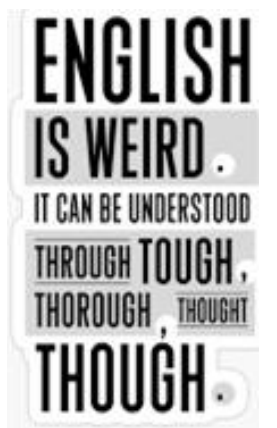
From: https://images.app.goo.gl/dCFurjmcnZzU7AHS6
Text II
From: https://images.app.goo.gl/dCFurjmcnZzU7AHS6
Text II
From: https://images.app.goo.gl/dCFurjmcnZzU7AHS6
Text I
The BNCC and Twenty-First Century Skills
The most ambitious feature of the BNCC, which only appeared in the document’s third version, was to establish ten core competencies that all students should develop throughout basic education, starting in early childhood. These competencies include lifelong learning, critical thinking, aesthetic sensibilities, communication skills, digital literacy, entrepreneurship, self-care, empathy, citizenship and ethics. The core competencies broaden the goals of basic education well-beyond academic skills to twenty-first century skills widely regarded as essential to preparing the next generations for the challenges of the 4th industrial revolution.
As ambitious as it was, the BNCC was criticized for the lack of explicit links between the ten core competencies and the subject specific competencies and skills, leaving cities and states with the responsibility of making these links themselves. In addition to this, the core competencies are not generally integrated into teacher training programs and are often de-prioritized for the more basic literacy and numeracy needs. In this context, the Ministry of Education and its partners in the third sector have developed orientations, produced videos and online courses aimed at filling this gap, and helped cities and states integrate the ten core competencies in their curricula.
[…]
Ensuring all Brazilian students master the ten core competencies laid out by the BNCC by the end of high school is a long-term, extremely ambitious goal. Before we can set a timeframe for when we will be able to achieve this feat, we need to know where we stand. Due to the core competencies’ complexity, each involves several skills, attitudes and sometimes values, it is unclear whether we will be capable of measuring all ten of them and by when. Until then we are in the company of the OECD, which is already tackling this challenge and will likely pave the way for Brazil in this respect
Note: BNCC: Base Nacional Comum Curricular;
OECD: The Organization for Economic Cooperation and Development.
Adapted from https://link.springer.com/chapter/10.1007/978-3-030-41882-3_2
Text I
The BNCC and Twenty-First Century Skills
The most ambitious feature of the BNCC, which only appeared in the document’s third version, was to establish ten core competencies that all students should develop throughout basic education, starting in early childhood. These competencies include lifelong learning, critical thinking, aesthetic sensibilities, communication skills, digital literacy, entrepreneurship, self-care, empathy, citizenship and ethics. The core competencies broaden the goals of basic education well-beyond academic skills to twenty-first century skills widely regarded as essential to preparing the next generations for the challenges of the 4th industrial revolution.
As ambitious as it was, the BNCC was criticized for the lack of explicit links between the ten core competencies and the subject specific competencies and skills, leaving cities and states with the responsibility of making these links themselves. In addition to this, the core competencies are not generally integrated into teacher training programs and are often de-prioritized for the more basic literacy and numeracy needs. In this context, the Ministry of Education and its partners in the third sector have developed orientations, produced videos and online courses aimed at filling this gap, and helped cities and states integrate the ten core competencies in their curricula.
[…]
Ensuring all Brazilian students master the ten core competencies laid out by the BNCC by the end of high school is a long-term, extremely ambitious goal. Before we can set a timeframe for when we will be able to achieve this feat, we need to know where we stand. Due to the core competencies’ complexity, each involves several skills, attitudes and sometimes values, it is unclear whether we will be capable of measuring all ten of them and by when. Until then we are in the company of the OECD, which is already tackling this challenge and will likely pave the way for Brazil in this respect
Note: BNCC: Base Nacional Comum Curricular;
OECD: The Organization for Economic Cooperation and Development.
Adapted from https://link.springer.com/chapter/10.1007/978-3-030-41882-3_2
Text I
The BNCC and Twenty-First Century Skills
The most ambitious feature of the BNCC, which only appeared in the document’s third version, was to establish ten core competencies that all students should develop throughout basic education, starting in early childhood. These competencies include lifelong learning, critical thinking, aesthetic sensibilities, communication skills, digital literacy, entrepreneurship, self-care, empathy, citizenship and ethics. The core competencies broaden the goals of basic education well-beyond academic skills to twenty-first century skills widely regarded as essential to preparing the next generations for the challenges of the 4th industrial revolution.
As ambitious as it was, the BNCC was criticized for the lack of explicit links between the ten core competencies and the subject specific competencies and skills, leaving cities and states with the responsibility of making these links themselves. In addition to this, the core competencies are not generally integrated into teacher training programs and are often de-prioritized for the more basic literacy and numeracy needs. In this context, the Ministry of Education and its partners in the third sector have developed orientations, produced videos and online courses aimed at filling this gap, and helped cities and states integrate the ten core competencies in their curricula.
[…]
Ensuring all Brazilian students master the ten core competencies laid out by the BNCC by the end of high school is a long-term, extremely ambitious goal. Before we can set a timeframe for when we will be able to achieve this feat, we need to know where we stand. Due to the core competencies’ complexity, each involves several skills, attitudes and sometimes values, it is unclear whether we will be capable of measuring all ten of them and by when. Until then we are in the company of the OECD, which is already tackling this challenge and will likely pave the way for Brazil in this respect
Note: BNCC: Base Nacional Comum Curricular;
OECD: The Organization for Economic Cooperation and Development.
Adapted from https://link.springer.com/chapter/10.1007/978-3-030-41882-3_2
Text I
The BNCC and Twenty-First Century Skills
The most ambitious feature of the BNCC, which only appeared in the document’s third version, was to establish ten core competencies that all students should develop throughout basic education, starting in early childhood. These competencies include lifelong learning, critical thinking, aesthetic sensibilities, communication skills, digital literacy, entrepreneurship, self-care, empathy, citizenship and ethics. The core competencies broaden the goals of basic education well-beyond academic skills to twenty-first century skills widely regarded as essential to preparing the next generations for the challenges of the 4th industrial revolution.
As ambitious as it was, the BNCC was criticized for the lack of explicit links between the ten core competencies and the subject specific competencies and skills, leaving cities and states with the responsibility of making these links themselves. In addition to this, the core competencies are not generally integrated into teacher training programs and are often de-prioritized for the more basic literacy and numeracy needs. In this context, the Ministry of Education and its partners in the third sector have developed orientations, produced videos and online courses aimed at filling this gap, and helped cities and states integrate the ten core competencies in their curricula.
[…]
Ensuring all Brazilian students master the ten core competencies laid out by the BNCC by the end of high school is a long-term, extremely ambitious goal. Before we can set a timeframe for when we will be able to achieve this feat, we need to know where we stand. Due to the core competencies’ complexity, each involves several skills, attitudes and sometimes values, it is unclear whether we will be capable of measuring all ten of them and by when. Until then we are in the company of the OECD, which is already tackling this challenge and will likely pave the way for Brazil in this respect
Note: BNCC: Base Nacional Comum Curricular;
OECD: The Organization for Economic Cooperation and Development.
Adapted from https://link.springer.com/chapter/10.1007/978-3-030-41882-3_2
Text I
The BNCC and Twenty-First Century Skills
The most ambitious feature of the BNCC, which only appeared in the document’s third version, was to establish ten core competencies that all students should develop throughout basic education, starting in early childhood. These competencies include lifelong learning, critical thinking, aesthetic sensibilities, communication skills, digital literacy, entrepreneurship, self-care, empathy, citizenship and ethics. The core competencies broaden the goals of basic education well-beyond academic skills to twenty-first century skills widely regarded as essential to preparing the next generations for the challenges of the 4th industrial revolution.
As ambitious as it was, the BNCC was criticized for the lack of explicit links between the ten core competencies and the subject specific competencies and skills, leaving cities and states with the responsibility of making these links themselves. In addition to this, the core competencies are not generally integrated into teacher training programs and are often de-prioritized for the more basic literacy and numeracy needs. In this context, the Ministry of Education and its partners in the third sector have developed orientations, produced videos and online courses aimed at filling this gap, and helped cities and states integrate the ten core competencies in their curricula.
[…]
Ensuring all Brazilian students master the ten core competencies laid out by the BNCC by the end of high school is a long-term, extremely ambitious goal. Before we can set a timeframe for when we will be able to achieve this feat, we need to know where we stand. Due to the core competencies’ complexity, each involves several skills, attitudes and sometimes values, it is unclear whether we will be capable of measuring all ten of them and by when. Until then we are in the company of the OECD, which is already tackling this challenge and will likely pave the way for Brazil in this respect
Note: BNCC: Base Nacional Comum Curricular;
OECD: The Organization for Economic Cooperation and Development.
Adapted from https://link.springer.com/chapter/10.1007/978-3-030-41882-3_2
I. Teacher education programs today focus more on the ten core competencies than on other needs the students may have. II. The BNCC has been the object of some resistance. III. Core competencies can now be measured in a simple way.
Choose the correct answer:
Text I
The BNCC and Twenty-First Century Skills
The most ambitious feature of the BNCC, which only appeared in the document’s third version, was to establish ten core competencies that all students should develop throughout basic education, starting in early childhood. These competencies include lifelong learning, critical thinking, aesthetic sensibilities, communication skills, digital literacy, entrepreneurship, self-care, empathy, citizenship and ethics. The core competencies broaden the goals of basic education well-beyond academic skills to twenty-first century skills widely regarded as essential to preparing the next generations for the challenges of the 4th industrial revolution.
As ambitious as it was, the BNCC was criticized for the lack of explicit links between the ten core competencies and the subject specific competencies and skills, leaving cities and states with the responsibility of making these links themselves. In addition to this, the core competencies are not generally integrated into teacher training programs and are often de-prioritized for the more basic literacy and numeracy needs. In this context, the Ministry of Education and its partners in the third sector have developed orientations, produced videos and online courses aimed at filling this gap, and helped cities and states integrate the ten core competencies in their curricula.
[…]
Ensuring all Brazilian students master the ten core competencies laid out by the BNCC by the end of high school is a long-term, extremely ambitious goal. Before we can set a timeframe for when we will be able to achieve this feat, we need to know where we stand. Due to the core competencies’ complexity, each involves several skills, attitudes and sometimes values, it is unclear whether we will be capable of measuring all ten of them and by when. Until then we are in the company of the OECD, which is already tackling this challenge and will likely pave the way for Brazil in this respect
Note: BNCC: Base Nacional Comum Curricular;
OECD: The Organization for Economic Cooperation and Development.
Adapted from https://link.springer.com/chapter/10.1007/978-3-030-41882-3_2
Text I
The BNCC and Twenty-First Century Skills
The most ambitious feature of the BNCC, which only appeared in the document’s third version, was to establish ten core competencies that all students should develop throughout basic education, starting in early childhood. These competencies include lifelong learning, critical thinking, aesthetic sensibilities, communication skills, digital literacy, entrepreneurship, self-care, empathy, citizenship and ethics. The core competencies broaden the goals of basic education well-beyond academic skills to twenty-first century skills widely regarded as essential to preparing the next generations for the challenges of the 4th industrial revolution.
As ambitious as it was, the BNCC was criticized for the lack of explicit links between the ten core competencies and the subject specific competencies and skills, leaving cities and states with the responsibility of making these links themselves. In addition to this, the core competencies are not generally integrated into teacher training programs and are often de-prioritized for the more basic literacy and numeracy needs. In this context, the Ministry of Education and its partners in the third sector have developed orientations, produced videos and online courses aimed at filling this gap, and helped cities and states integrate the ten core competencies in their curricula.
[…]
Ensuring all Brazilian students master the ten core competencies laid out by the BNCC by the end of high school is a long-term, extremely ambitious goal. Before we can set a timeframe for when we will be able to achieve this feat, we need to know where we stand. Due to the core competencies’ complexity, each involves several skills, attitudes and sometimes values, it is unclear whether we will be capable of measuring all ten of them and by when. Until then we are in the company of the OECD, which is already tackling this challenge and will likely pave the way for Brazil in this respect
Note: BNCC: Base Nacional Comum Curricular;
OECD: The Organization for Economic Cooperation and Development.
Adapted from https://link.springer.com/chapter/10.1007/978-3-030-41882-3_2
( ) The core competencies are not solely restricted to academic skills. ( ) Mastering the ten core competencies by the end of high school can be easily achieved. ( ) The core competencies established by the BNCC for basic education were a later development.
The statements are, respectively:
( ) It is possible to say that the lack of continuing educational courses for English teachers influences poor pedagogical practices in school.
( ) The author expresses optimism for new pedagogical practices and teacher training in view of the changings that have taken place in curricula and educational policies.
( ) “Pathwaysfor Education” and “More English” are printed material resources developed for teachers’ pedagogical improvement.
( ) Essential foundations have been laid to position English training as a vital discipline for integral students’ development. Nevertheless, there is still a lot of work and resources needed to achieve this objective.
The sequence is correct only in
I. One of the aspects that impair the implementation of the new educational guidelines mentioned in the text is student’s lack of sufficient language exposure, which may lead to lower English proficiency.
II. The mismatch between the initial training of English teachers in universities and the pedagogical practices required in schools is not considered to be a key factor that jeopardizes students’ English proficiency.
III. It is clear in the text that teachers who have not fully developed English proficiency during their initial training courses may face challenges when it comes to pedagogical practices in the classroom.
IV. Students’ different levels of English proficiency is a crucial factor that could inhibit speaking activities in the classroom.
Which statement is INCORRECT?
( ) The word “opportunity” is cognate, which means it is similar to Portuguese and has the same meaning in English.
( ) The word “improve” is cognate and the word “improbable” is one of its synonyms.
( ) The word “modernize” is a cognate word. It could be substituted by the word “update”.
( ) The word “country” is a false cognate. It seems to be a type of music, but it is actually referring to places far from the city.
The sequence is correct only in:
I. A transition movement in the educational system has been happening due to facts like technology in schools, globalization, digitalization and the growing emphasis given to emotional and social abilities.
II. Bridging different people and cultures and being a highly demanded skill in the job market, the proficiency in English has become indispensable and justify the need for an excellent education in the language.
III. English language has become a mandatory subject at the secondary level in public schools and it is optional in private schools.
IV. A positive impact in the efficiency of English instruction in Brazil is believed to happen as a result of the current reforms in the educational system.
The true statements are

 Conheça nossos planos