Questões de Concurso Sobre inglês
Foram encontradas 26.001 questões


Ano: 2025
Banca:
Instituto Consulplan
Órgão:
Prefeitura de João Ramalho - SP
Prova:
Instituto Consulplan - 2025 - Prefeitura de João Ramalho - SP - Professor de Inglês |
Q3613857
Inglês
Read the comic strip below:
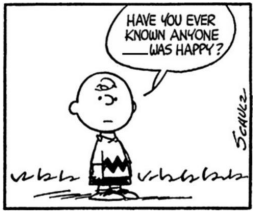
(Available on: https://pyrosophy.net/2012/12/16/comic-strip-reblog/. Accessed in: July 2025. Adapted.)
The relative pronoun that best fills the blank is:
Ano: 2025
Banca:
Instituto Consulplan
Órgão:
Prefeitura de João Ramalho - SP
Prova:
Instituto Consulplan - 2025 - Prefeitura de João Ramalho - SP - Professor de Inglês |
Q3613856
Inglês
Texto associado
You are a second-grade teacher in your second year of teaching. Your school's technology coordinator recently retired and
your principal has asked you to take on the assignment. With new technology standards just passed by the state, she tells you
it's critical that the school train its teachers to teach with technology. Although your technology experience is limited to e-mail
and spreadsheets, she insists that you are the most qualified teacher for the job. Reluctantly, you accept.
Your first step is to solicit ideas to improve conditions for integrating technology into the curriculum. You send each teacher
a survey and a copy of the state technology standards. The resulting list of obstacles to address includes a lack of access to
computers, insufficient time to learn new software, little training or support, low levels of personal confidence, and a lack of
awareness of available resources. Already, you feel daunted; in helping the school fulfill the new technology standards, you
wonder where to begin. And this new task is in addition to your regular teaching duties. Are you tired yet?
(Available on: https://www.edutopia.org/casenet-online-cases-teachers. Accessed in: July 2025.)
The option that best aligns with an evaluation approach suitable for the use of technology in language learning is:
Ano: 2025
Banca:
Instituto Consulplan
Órgão:
Prefeitura de João Ramalho - SP
Prova:
Instituto Consulplan - 2025 - Prefeitura de João Ramalho - SP - Professor de Inglês |
Q3613855
Inglês
Texto associado
You are a second-grade teacher in your second year of teaching. Your school's technology coordinator recently retired and
your principal has asked you to take on the assignment. With new technology standards just passed by the state, she tells you
it's critical that the school train its teachers to teach with technology. Although your technology experience is limited to e-mail
and spreadsheets, she insists that you are the most qualified teacher for the job. Reluctantly, you accept.
Your first step is to solicit ideas to improve conditions for integrating technology into the curriculum. You send each teacher
a survey and a copy of the state technology standards. The resulting list of obstacles to address includes a lack of access to
computers, insufficient time to learn new software, little training or support, low levels of personal confidence, and a lack of
awareness of available resources. Already, you feel daunted; in helping the school fulfill the new technology standards, you
wonder where to begin. And this new task is in addition to your regular teaching duties. Are you tired yet?
(Available on: https://www.edutopia.org/casenet-online-cases-teachers. Accessed in: July 2025.)
The most appropriate initiative to support teachers in producing effective teaching materials using technology is:
Ano: 2025
Banca:
Instituto Consulplan
Órgão:
Prefeitura de João Ramalho - SP
Prova:
Instituto Consulplan - 2025 - Prefeitura de João Ramalho - SP - Professor de Inglês |
Q3613854
Inglês
Texto associado
You are a second-grade teacher in your second year of teaching. Your school's technology coordinator recently retired and
your principal has asked you to take on the assignment. With new technology standards just passed by the state, she tells you
it's critical that the school train its teachers to teach with technology. Although your technology experience is limited to e-mail
and spreadsheets, she insists that you are the most qualified teacher for the job. Reluctantly, you accept.
Your first step is to solicit ideas to improve conditions for integrating technology into the curriculum. You send each teacher
a survey and a copy of the state technology standards. The resulting list of obstacles to address includes a lack of access to
computers, insufficient time to learn new software, little training or support, low levels of personal confidence, and a lack of
awareness of available resources. Already, you feel daunted; in helping the school fulfill the new technology standards, you
wonder where to begin. And this new task is in addition to your regular teaching duties. Are you tired yet?
(Available on: https://www.edutopia.org/casenet-online-cases-teachers. Accessed in: July 2025.)
The most appropriate first step to support the school in integrating technology into the curriculum is:
Ano: 2025
Banca:
AMAUC
Órgão:
Prefeitura de Seara - SC
Prova:
AMAUC - 2025 - Prefeitura de Seara - SC - Professor de Inglês |
Q3610246
Inglês
Which sentence avoids a comma splice and uses the
linker appropriately to join two independent clauses?
Ano: 2025
Banca:
AMAUC
Órgão:
Prefeitura de Seara - SC
Prova:
AMAUC - 2025 - Prefeitura de Seara - SC - Professor de Inglês |
Q3610245
Inglês
Which pair exemplifies back-formation (rather than
affixation, compounding, clipping, or conversion)?
Ano: 2025
Banca:
AMAUC
Órgão:
Prefeitura de Seara - SC
Prova:
AMAUC - 2025 - Prefeitura de Seara - SC - Professor de Inglês |
Q3610244
Inglês
Choose the only sentence that is free of spelling errors
(ignore punctuation and capitalization).
Ano: 2025
Banca:
AMAUC
Órgão:
Prefeitura de Seara - SC
Prova:
AMAUC - 2025 - Prefeitura de Seara - SC - Professor de Inglês |
Q3610243
Inglês
Texto associado
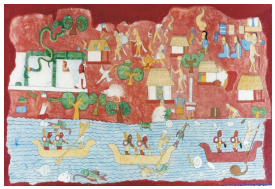
Postclassic Period
The end of the Terminal Classic Period has been viewed
as the death knell for the Maya civilization, and the
Postclassic Period has traditionally been described as a
militaristic, decadent, and degenerate phase in Maya
history. But more enlightened views would see that the
militarism was part and parcel with other features that
suggest a tendency towards secularism and the resultant
downplaying of the ceremonial rituals that dominated the
Classic Period. Moreover, much of our interpretations of
the Postclassic were projected from ethnohistoric
accounts of the Spanish intrusions in the region. Very
little attention has been directed towards understanding
the Postclassic through archaeology, although recent
research on the period, particularly at Santa Rita in
northern Belize, suggests continuity from the Classic
Period.The focus of cultural developments moved from
the Central Maya Lowlands north, to the Yucatan, where
the Spanish first contacted the Maya culture.
Once the Spanish established their base in northern
Yucatan by 1546, they began to impose their views and
customs upon the Maya. This was a time of great
disruption. The Maya people suffered from introduction of
European diseases suppression of native traditions
conscription of labor.
Tragically, the vast majority of Maya documents were
destroyed by Spanish religious zealots. The Auto de Fe
of Fray DeLanda is among the most famed. Credited with
providing scraps of information on the Mayan language,
in truth he is responsible for burning the majority of the
known text at the time. The created a huge void of information about the language and practices of this
advanced civilization. The Maya of the Yucatan struggled
to maintain their life ways under Spanish rule. The Maya
forest garden and milpa strategy, unfamiliar to and
unappreciated by the Spanish, was not accepted.
After the conquest of the northern Yucatan, the southern
Maya Itza kingdom still dominated the southern lowlands,
where Tikal once ruled. Hostile to their neighbors and
ensconced in the Maya forest, they were able to maintain
their independence for nearly two centuries after the
Spanish arrived.
Postclassic Mural
It was not until 1696 that the Spanish conquered the last
of the independent Maya city-states, the Itza of Tayasal,
the descendants of the ancient Maya realm. The Central
Maya Lowlands, which today include most of Belize and
the Peten of Guatemala, are still home to Maya who can
trace their ancestry back into prehistory as attested by
the patronyms of local villagers: Teck, Bacab, Mai,
Cocom, and Panti to name a few.
https://www.marc.ucsb.edu/research/maya/ancient-maya-civilization/po
stclassic-period
As used in the opening evaluation of the Terminal
Classic, the phrase "the death knell for the Maya
civilization" serves a rhetorical purpose; which
interpretation best captures its figurative force in this
context?
Ano: 2025
Banca:
AMAUC
Órgão:
Prefeitura de Seara - SC
Prova:
AMAUC - 2025 - Prefeitura de Seara - SC - Professor de Inglês |
Q3610242
Inglês
Texto associado
Postclassic Period
The end of the Terminal Classic Period has been viewed
as the death knell for the Maya civilization, and the
Postclassic Period has traditionally been described as a
militaristic, decadent, and degenerate phase in Maya
history. But more enlightened views would see that the
militarism was part and parcel with other features that
suggest a tendency towards secularism and the resultant
downplaying of the ceremonial rituals that dominated the
Classic Period. Moreover, much of our interpretations of
the Postclassic were projected from ethnohistoric
accounts of the Spanish intrusions in the region. Very
little attention has been directed towards understanding
the Postclassic through archaeology, although recent
research on the period, particularly at Santa Rita in
northern Belize, suggests continuity from the Classic
Period.The focus of cultural developments moved from
the Central Maya Lowlands north, to the Yucatan, where
the Spanish first contacted the Maya culture.
Once the Spanish established their base in northern
Yucatan by 1546, they began to impose their views and
customs upon the Maya. This was a time of great
disruption. The Maya people suffered from introduction of
European diseases suppression of native traditions
conscription of labor.
Tragically, the vast majority of Maya documents were
destroyed by Spanish religious zealots. The Auto de Fe
of Fray DeLanda is among the most famed. Credited with
providing scraps of information on the Mayan language,
in truth he is responsible for burning the majority of the
known text at the time. The created a huge void of information about the language and practices of this
advanced civilization. The Maya of the Yucatan struggled
to maintain their life ways under Spanish rule. The Maya
forest garden and milpa strategy, unfamiliar to and
unappreciated by the Spanish, was not accepted.
After the conquest of the northern Yucatan, the southern
Maya Itza kingdom still dominated the southern lowlands,
where Tikal once ruled. Hostile to their neighbors and
ensconced in the Maya forest, they were able to maintain
their independence for nearly two centuries after the
Spanish arrived.
Postclassic Mural
It was not until 1696 that the Spanish conquered the last
of the independent Maya city-states, the Itza of Tayasal,
the descendants of the ancient Maya realm. The Central
Maya Lowlands, which today include most of Belize and
the Peten of Guatemala, are still home to Maya who can
trace their ancestry back into prehistory as attested by
the patronyms of local villagers: Teck, Bacab, Mai,
Cocom, and Panti to name a few.
https://www.marc.ucsb.edu/research/maya/ancient-maya-civilization/po
stclassic-period
Analyzing the non-finite structure in "Hostile to their
neighbors and ensconced in the Maya forest," what is the
syntactic role of "ensconced in the Maya forest" with
respect to the subject?
Ano: 2025
Banca:
AMAUC
Órgão:
Prefeitura de Seara - SC
Prova:
AMAUC - 2025 - Prefeitura de Seara - SC - Professor de Inglês |
Q3610241
Inglês
Texto associado
Postclassic Period
The end of the Terminal Classic Period has been viewed
as the death knell for the Maya civilization, and the
Postclassic Period has traditionally been described as a
militaristic, decadent, and degenerate phase in Maya
history. But more enlightened views would see that the
militarism was part and parcel with other features that
suggest a tendency towards secularism and the resultant
downplaying of the ceremonial rituals that dominated the
Classic Period. Moreover, much of our interpretations of
the Postclassic were projected from ethnohistoric
accounts of the Spanish intrusions in the region. Very
little attention has been directed towards understanding
the Postclassic through archaeology, although recent
research on the period, particularly at Santa Rita in
northern Belize, suggests continuity from the Classic
Period.The focus of cultural developments moved from
the Central Maya Lowlands north, to the Yucatan, where
the Spanish first contacted the Maya culture.
Once the Spanish established their base in northern
Yucatan by 1546, they began to impose their views and
customs upon the Maya. This was a time of great
disruption. The Maya people suffered from introduction of
European diseases suppression of native traditions
conscription of labor.
Tragically, the vast majority of Maya documents were
destroyed by Spanish religious zealots. The Auto de Fe
of Fray DeLanda is among the most famed. Credited with
providing scraps of information on the Mayan language,
in truth he is responsible for burning the majority of the
known text at the time. The created a huge void of information about the language and practices of this
advanced civilization. The Maya of the Yucatan struggled
to maintain their life ways under Spanish rule. The Maya
forest garden and milpa strategy, unfamiliar to and
unappreciated by the Spanish, was not accepted.
After the conquest of the northern Yucatan, the southern
Maya Itza kingdom still dominated the southern lowlands,
where Tikal once ruled. Hostile to their neighbors and
ensconced in the Maya forest, they were able to maintain
their independence for nearly two centuries after the
Spanish arrived.
Postclassic Mural
It was not until 1696 that the Spanish conquered the last
of the independent Maya city-states, the Itza of Tayasal,
the descendants of the ancient Maya realm. The Central
Maya Lowlands, which today include most of Belize and
the Peten of Guatemala, are still home to Maya who can
trace their ancestry back into prehistory as attested by
the patronyms of local villagers: Teck, Bacab, Mai,
Cocom, and Panti to name a few.
https://www.marc.ucsb.edu/research/maya/ancient-maya-civilization/po
stclassic-period
Drawing on the passage's contrasting evaluations of the
period, which pair of nouns taken (or inferable) from the
text functions as antonyms in context?
Ano: 2025
Banca:
AMAUC
Órgão:
Prefeitura de Seara - SC
Prova:
AMAUC - 2025 - Prefeitura de Seara - SC - Professor de Inglês |
Q3610240
Inglês
Texto associado
Postclassic Period
The end of the Terminal Classic Period has been viewed
as the death knell for the Maya civilization, and the
Postclassic Period has traditionally been described as a
militaristic, decadent, and degenerate phase in Maya
history. But more enlightened views would see that the
militarism was part and parcel with other features that
suggest a tendency towards secularism and the resultant
downplaying of the ceremonial rituals that dominated the
Classic Period. Moreover, much of our interpretations of
the Postclassic were projected from ethnohistoric
accounts of the Spanish intrusions in the region. Very
little attention has been directed towards understanding
the Postclassic through archaeology, although recent
research on the period, particularly at Santa Rita in
northern Belize, suggests continuity from the Classic
Period.The focus of cultural developments moved from
the Central Maya Lowlands north, to the Yucatan, where
the Spanish first contacted the Maya culture.
Once the Spanish established their base in northern
Yucatan by 1546, they began to impose their views and
customs upon the Maya. This was a time of great
disruption. The Maya people suffered from introduction of
European diseases suppression of native traditions
conscription of labor.
Tragically, the vast majority of Maya documents were
destroyed by Spanish religious zealots. The Auto de Fe
of Fray DeLanda is among the most famed. Credited with
providing scraps of information on the Mayan language,
in truth he is responsible for burning the majority of the
known text at the time. The created a huge void of information about the language and practices of this
advanced civilization. The Maya of the Yucatan struggled
to maintain their life ways under Spanish rule. The Maya
forest garden and milpa strategy, unfamiliar to and
unappreciated by the Spanish, was not accepted.
After the conquest of the northern Yucatan, the southern
Maya Itza kingdom still dominated the southern lowlands,
where Tikal once ruled. Hostile to their neighbors and
ensconced in the Maya forest, they were able to maintain
their independence for nearly two centuries after the
Spanish arrived.
Postclassic Mural
It was not until 1696 that the Spanish conquered the last
of the independent Maya city-states, the Itza of Tayasal,
the descendants of the ancient Maya realm. The Central
Maya Lowlands, which today include most of Belize and
the Peten of Guatemala, are still home to Maya who can
trace their ancestry back into prehistory as attested by
the patronyms of local villagers: Teck, Bacab, Mai,
Cocom, and Panti to name a few.
https://www.marc.ucsb.edu/research/maya/ancient-maya-civilization/po
stclassic-period
The author critiques earlier wording and perspectives;
choose the revision that best corrects quantifier−noun
agreement while preserving the original meaning of the
sentence.
Ano: 2025
Banca:
AMAUC
Órgão:
Prefeitura de Seara - SC
Prova:
AMAUC - 2025 - Prefeitura de Seara - SC - Professor de Inglês |
Q3610239
Inglês
Texto associado
Postclassic Period
The end of the Terminal Classic Period has been viewed
as the death knell for the Maya civilization, and the
Postclassic Period has traditionally been described as a
militaristic, decadent, and degenerate phase in Maya
history. But more enlightened views would see that the
militarism was part and parcel with other features that
suggest a tendency towards secularism and the resultant
downplaying of the ceremonial rituals that dominated the
Classic Period. Moreover, much of our interpretations of
the Postclassic were projected from ethnohistoric
accounts of the Spanish intrusions in the region. Very
little attention has been directed towards understanding
the Postclassic through archaeology, although recent
research on the period, particularly at Santa Rita in
northern Belize, suggests continuity from the Classic
Period.The focus of cultural developments moved from
the Central Maya Lowlands north, to the Yucatan, where
the Spanish first contacted the Maya culture.
Once the Spanish established their base in northern
Yucatan by 1546, they began to impose their views and
customs upon the Maya. This was a time of great
disruption. The Maya people suffered from introduction of
European diseases suppression of native traditions
conscription of labor.
Tragically, the vast majority of Maya documents were
destroyed by Spanish religious zealots. The Auto de Fe
of Fray DeLanda is among the most famed. Credited with
providing scraps of information on the Mayan language,
in truth he is responsible for burning the majority of the
known text at the time. The created a huge void of information about the language and practices of this
advanced civilization. The Maya of the Yucatan struggled
to maintain their life ways under Spanish rule. The Maya
forest garden and milpa strategy, unfamiliar to and
unappreciated by the Spanish, was not accepted.
After the conquest of the northern Yucatan, the southern
Maya Itza kingdom still dominated the southern lowlands,
where Tikal once ruled. Hostile to their neighbors and
ensconced in the Maya forest, they were able to maintain
their independence for nearly two centuries after the
Spanish arrived.
Postclassic Mural
It was not until 1696 that the Spanish conquered the last
of the independent Maya city-states, the Itza of Tayasal,
the descendants of the ancient Maya realm. The Central
Maya Lowlands, which today include most of Belize and
the Peten of Guatemala, are still home to Maya who can
trace their ancestry back into prehistory as attested by
the patronyms of local villagers: Teck, Bacab, Mai,
Cocom, and Panti to name a few.
https://www.marc.ucsb.edu/research/maya/ancient-maya-civilization/po
stclassic-period
Converting a statement from the text into formal reported
speech, which option correctly reports: "The Spanish first
contacted the Maya culture in the Yucatan"?
Ano: 2025
Banca:
AMAUC
Órgão:
Prefeitura de Seara - SC
Prova:
AMAUC - 2025 - Prefeitura de Seara - SC - Professor de Inglês |
Q3610238
Inglês
Texto associado
Postclassic Period
The end of the Terminal Classic Period has been viewed
as the death knell for the Maya civilization, and the
Postclassic Period has traditionally been described as a
militaristic, decadent, and degenerate phase in Maya
history. But more enlightened views would see that the
militarism was part and parcel with other features that
suggest a tendency towards secularism and the resultant
downplaying of the ceremonial rituals that dominated the
Classic Period. Moreover, much of our interpretations of
the Postclassic were projected from ethnohistoric
accounts of the Spanish intrusions in the region. Very
little attention has been directed towards understanding
the Postclassic through archaeology, although recent
research on the period, particularly at Santa Rita in
northern Belize, suggests continuity from the Classic
Period.The focus of cultural developments moved from
the Central Maya Lowlands north, to the Yucatan, where
the Spanish first contacted the Maya culture.
Once the Spanish established their base in northern
Yucatan by 1546, they began to impose their views and
customs upon the Maya. This was a time of great
disruption. The Maya people suffered from introduction of
European diseases suppression of native traditions
conscription of labor.
Tragically, the vast majority of Maya documents were
destroyed by Spanish religious zealots. The Auto de Fe
of Fray DeLanda is among the most famed. Credited with
providing scraps of information on the Mayan language,
in truth he is responsible for burning the majority of the
known text at the time. The created a huge void of information about the language and practices of this
advanced civilization. The Maya of the Yucatan struggled
to maintain their life ways under Spanish rule. The Maya
forest garden and milpa strategy, unfamiliar to and
unappreciated by the Spanish, was not accepted.
After the conquest of the northern Yucatan, the southern
Maya Itza kingdom still dominated the southern lowlands,
where Tikal once ruled. Hostile to their neighbors and
ensconced in the Maya forest, they were able to maintain
their independence for nearly two centuries after the
Spanish arrived.
Postclassic Mural
It was not until 1696 that the Spanish conquered the last
of the independent Maya city-states, the Itza of Tayasal,
the descendants of the ancient Maya realm. The Central
Maya Lowlands, which today include most of Belize and
the Peten of Guatemala, are still home to Maya who can
trace their ancestry back into prehistory as attested by
the patronyms of local villagers: Teck, Bacab, Mai,
Cocom, and Panti to name a few.
https://www.marc.ucsb.edu/research/maya/ancient-maya-civilization/po
stclassic-period
Interpreting temporal prepositions in context, what does
"by" convey in the clause "Once the Spanish established
their base in northern Yucatan by 1546"?
Ano: 2025
Banca:
AMAUC
Órgão:
Prefeitura de Seara - SC
Prova:
AMAUC - 2025 - Prefeitura de Seara - SC - Professor de Inglês |
Q3610237
Inglês
Texto associado
Postclassic Period
The end of the Terminal Classic Period has been viewed
as the death knell for the Maya civilization, and the
Postclassic Period has traditionally been described as a
militaristic, decadent, and degenerate phase in Maya
history. But more enlightened views would see that the
militarism was part and parcel with other features that
suggest a tendency towards secularism and the resultant
downplaying of the ceremonial rituals that dominated the
Classic Period. Moreover, much of our interpretations of
the Postclassic were projected from ethnohistoric
accounts of the Spanish intrusions in the region. Very
little attention has been directed towards understanding
the Postclassic through archaeology, although recent
research on the period, particularly at Santa Rita in
northern Belize, suggests continuity from the Classic
Period.The focus of cultural developments moved from
the Central Maya Lowlands north, to the Yucatan, where
the Spanish first contacted the Maya culture.
Once the Spanish established their base in northern
Yucatan by 1546, they began to impose their views and
customs upon the Maya. This was a time of great
disruption. The Maya people suffered from introduction of
European diseases suppression of native traditions
conscription of labor.
Tragically, the vast majority of Maya documents were
destroyed by Spanish religious zealots. The Auto de Fe
of Fray DeLanda is among the most famed. Credited with
providing scraps of information on the Mayan language,
in truth he is responsible for burning the majority of the
known text at the time. The created a huge void of information about the language and practices of this
advanced civilization. The Maya of the Yucatan struggled
to maintain their life ways under Spanish rule. The Maya
forest garden and milpa strategy, unfamiliar to and
unappreciated by the Spanish, was not accepted.
After the conquest of the northern Yucatan, the southern
Maya Itza kingdom still dominated the southern lowlands,
where Tikal once ruled. Hostile to their neighbors and
ensconced in the Maya forest, they were able to maintain
their independence for nearly two centuries after the
Spanish arrived.
Postclassic Mural
It was not until 1696 that the Spanish conquered the last
of the independent Maya city-states, the Itza of Tayasal,
the descendants of the ancient Maya realm. The Central
Maya Lowlands, which today include most of Belize and
the Peten of Guatemala, are still home to Maya who can
trace their ancestry back into prehistory as attested by
the patronyms of local villagers: Teck, Bacab, Mai,
Cocom, and Panti to name a few.
https://www.marc.ucsb.edu/research/maya/ancient-maya-civilization/po
stclassic-period
Considering the passage's account of cultural
reorientation after the Classic decline, which geographic
shift characterizes developments in the Postclassic as
described by the author?
Ano: 2025
Banca:
AMAUC
Órgão:
Prefeitura de Seara - SC
Prova:
AMAUC - 2025 - Prefeitura de Seara - SC - Professor de Inglês |
Q3610236
Inglês
Texto associado
Postclassic Period
The end of the Terminal Classic Period has been viewed
as the death knell for the Maya civilization, and the
Postclassic Period has traditionally been described as a
militaristic, decadent, and degenerate phase in Maya
history. But more enlightened views would see that the
militarism was part and parcel with other features that
suggest a tendency towards secularism and the resultant
downplaying of the ceremonial rituals that dominated the
Classic Period. Moreover, much of our interpretations of
the Postclassic were projected from ethnohistoric
accounts of the Spanish intrusions in the region. Very
little attention has been directed towards understanding
the Postclassic through archaeology, although recent
research on the period, particularly at Santa Rita in
northern Belize, suggests continuity from the Classic
Period.The focus of cultural developments moved from
the Central Maya Lowlands north, to the Yucatan, where
the Spanish first contacted the Maya culture.
Once the Spanish established their base in northern
Yucatan by 1546, they began to impose their views and
customs upon the Maya. This was a time of great
disruption. The Maya people suffered from introduction of
European diseases suppression of native traditions
conscription of labor.
Tragically, the vast majority of Maya documents were
destroyed by Spanish religious zealots. The Auto de Fe
of Fray DeLanda is among the most famed. Credited with
providing scraps of information on the Mayan language,
in truth he is responsible for burning the majority of the
known text at the time. The created a huge void of information about the language and practices of this
advanced civilization. The Maya of the Yucatan struggled
to maintain their life ways under Spanish rule. The Maya
forest garden and milpa strategy, unfamiliar to and
unappreciated by the Spanish, was not accepted.
After the conquest of the northern Yucatan, the southern
Maya Itza kingdom still dominated the southern lowlands,
where Tikal once ruled. Hostile to their neighbors and
ensconced in the Maya forest, they were able to maintain
their independence for nearly two centuries after the
Spanish arrived.
Postclassic Mural
It was not until 1696 that the Spanish conquered the last
of the independent Maya city-states, the Itza of Tayasal,
the descendants of the ancient Maya realm. The Central
Maya Lowlands, which today include most of Belize and
the Peten of Guatemala, are still home to Maya who can
trace their ancestry back into prehistory as attested by
the patronyms of local villagers: Teck, Bacab, Mai,
Cocom, and Panti to name a few.
https://www.marc.ucsb.edu/research/maya/ancient-maya-civilization/po
stclassic-period
Considering tone, organization, and intent, which label
best classifies the overall text you read about the
Postclassic and Spanish intrusion?
Ano: 2025
Banca:
AMAUC
Órgão:
Prefeitura de Seara - SC
Prova:
AMAUC - 2025 - Prefeitura de Seara - SC - Professor de Inglês |
Q3610235
Inglês
Texto associado
Postclassic Period
The end of the Terminal Classic Period has been viewed
as the death knell for the Maya civilization, and the
Postclassic Period has traditionally been described as a
militaristic, decadent, and degenerate phase in Maya
history. But more enlightened views would see that the
militarism was part and parcel with other features that
suggest a tendency towards secularism and the resultant
downplaying of the ceremonial rituals that dominated the
Classic Period. Moreover, much of our interpretations of
the Postclassic were projected from ethnohistoric
accounts of the Spanish intrusions in the region. Very
little attention has been directed towards understanding
the Postclassic through archaeology, although recent
research on the period, particularly at Santa Rita in
northern Belize, suggests continuity from the Classic
Period.The focus of cultural developments moved from
the Central Maya Lowlands north, to the Yucatan, where
the Spanish first contacted the Maya culture.
Once the Spanish established their base in northern
Yucatan by 1546, they began to impose their views and
customs upon the Maya. This was a time of great
disruption. The Maya people suffered from introduction of
European diseases suppression of native traditions
conscription of labor.
Tragically, the vast majority of Maya documents were
destroyed by Spanish religious zealots. The Auto de Fe
of Fray DeLanda is among the most famed. Credited with
providing scraps of information on the Mayan language,
in truth he is responsible for burning the majority of the
known text at the time. The created a huge void of information about the language and practices of this
advanced civilization. The Maya of the Yucatan struggled
to maintain their life ways under Spanish rule. The Maya
forest garden and milpa strategy, unfamiliar to and
unappreciated by the Spanish, was not accepted.
After the conquest of the northern Yucatan, the southern
Maya Itza kingdom still dominated the southern lowlands,
where Tikal once ruled. Hostile to their neighbors and
ensconced in the Maya forest, they were able to maintain
their independence for nearly two centuries after the
Spanish arrived.
Postclassic Mural
It was not until 1696 that the Spanish conquered the last
of the independent Maya city-states, the Itza of Tayasal,
the descendants of the ancient Maya realm. The Central
Maya Lowlands, which today include most of Belize and
the Peten of Guatemala, are still home to Maya who can
trace their ancestry back into prehistory as attested by
the patronyms of local villagers: Teck, Bacab, Mai,
Cocom, and Panti to name a few.
https://www.marc.ucsb.edu/research/maya/ancient-maya-civilization/po
stclassic-period
Within the sentence explaining how independence was
maintained in the southern lowlands, to whom does the
pronoun "they" most plausibly refer, given the
surrounding details?
Ano: 2025
Banca:
IMPARH
Órgão:
Prefeitura de Fortaleza - CE
Prova:
IMPARH - 2025 - Prefeitura de Fortaleza - CE - Professor Substituto - Língua Inglesa |
Q3598106
Inglês
Substantives are the words that give name to beings, things,
spaces, feelings etc., and they can present themselves in
different tenses, genres, and numbers. Choose the CORRECT
alternative to the plural of the words below:
Mouse − Goose − Fish − Wolf
Mouse − Goose − Fish − Wolf
Ano: 2025
Banca:
IMPARH
Órgão:
Prefeitura de Fortaleza - CE
Prova:
IMPARH - 2025 - Prefeitura de Fortaleza - CE - Professor Substituto - Língua Inglesa |
Q3598105
Inglês
Complete the sentence with the CORRECT answer.
Sylvia ________ home as soon as she_________ her work.
Sylvia ________ home as soon as she_________ her work.
Ano: 2025
Banca:
IMPARH
Órgão:
Prefeitura de Fortaleza - CE
Prova:
IMPARH - 2025 - Prefeitura de Fortaleza - CE - Professor Substituto - Língua Inglesa |
Q3598103
Inglês
In the sentence below, put the adverb ever in the right place
then find an alternative: “Have you been to South Africa?”
Ano: 2025
Banca:
IMPARH
Órgão:
Prefeitura de Fortaleza - CE
Prova:
IMPARH - 2025 - Prefeitura de Fortaleza - CE - Professor Substituto - Língua Inglesa |
Q3598101
Inglês
The communicative approach, also called communicative
language teaching (CLT), is an approach to foreign or second
language teaching which highlights that the aim of language
teaching is to achieve ____________________________, so as
to enable learners to communicate effectively in the target
language.
The expression that completes the paragraph above correctly is:
The expression that completes the paragraph above correctly is:

 Conheça nossos planos