Questões de Concurso
Comentadas sobre interpretação de texto | reading comprehension em inglês
Foram encontradas 8.877 questões


Ano: 2023
Banca:
FGV
Órgão:
SEDUC-TO
Prova:
FGV - 2023 - SEDUC-TO - Professor da Educação Básica - Professor Regente Letras - Inglês |
Q2206473
Inglês
Texto associado
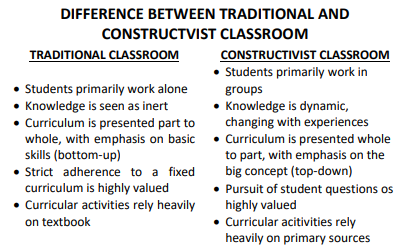
Text VIII
From: https://slideplayer.com/slide/7593575/
In “a fixed curriculum”, the word “a” is a(n)
Ano: 2023
Banca:
FGV
Órgão:
SEDUC-TO
Prova:
FGV - 2023 - SEDUC-TO - Professor da Educação Básica - Professor Regente Letras - Inglês |
Q2206472
Inglês
Texto associado
Text VIII
From: https://slideplayer.com/slide/7593575/
Read the following skills:
1. Emphasizing social interaction. 2. Asking students to memorize. 3. Building on previous knowledge. 4. Providing repetition exercises. 5. Copying facial expressions. 6. Interacting with students.
The skills which are typical of a constructivist class are, respectively,
1. Emphasizing social interaction. 2. Asking students to memorize. 3. Building on previous knowledge. 4. Providing repetition exercises. 5. Copying facial expressions. 6. Interacting with students.
The skills which are typical of a constructivist class are, respectively,
Ano: 2023
Banca:
FGV
Órgão:
SEDUC-TO
Prova:
FGV - 2023 - SEDUC-TO - Professor da Educação Básica - Professor Regente Letras - Inglês |
Q2206471
Inglês
Texto associado
Text VIII
From: https://slideplayer.com/slide/7593575/
Based on the information provided by Text, mark the
statements below as true (T) or false (F).
( ) Traditional classes always use authentic materials. ( ) In constructivist classrooms, students work exclusively by themselves. ( ) Students’ experiences are taken into consideration in a constructivist environment.
The statements are, respectively,
( ) Traditional classes always use authentic materials. ( ) In constructivist classrooms, students work exclusively by themselves. ( ) Students’ experiences are taken into consideration in a constructivist environment.
The statements are, respectively,
Ano: 2023
Banca:
FGV
Órgão:
SEDUC-TO
Prova:
FGV - 2023 - SEDUC-TO - Professor da Educação Básica - Professor Regente Letras - Inglês |
Q2206470
Inglês
Texto associado

Text VII
Here are two multicultural picture books about immigration thathave been suggested for elementary school children:
Here I Am
by Patti Kim
Newly arrived in America from an Asian country, a young boy
is overwhelmed by the lights and noise of a busy city. He finds
comfort in a red seed he brought from his faraway home country.
When he loses the seed, the search for it eventually leads him to
new friendship. Without words and in expressive cartoon
style, Here I am describes the confusion and sadness of an
uprooted child.
Dear Baobab
by Cheryl Foggo
Moving from Tanzania to Canada with his aunt and uncle, little
Maiko feels homesick. He remembers the big baobab tree in his
home village, and feels a connection to a small spruce tree in his
new home. Seven years old just like Maiko, the tree sings to him
and shares his secrets. When there is talk of cutting down the tree
because it is too close to the house, Maiko tries to save it. After all
he knows what it feels like to be planted in the wrong place. Dear
Baobab is one of my favourite multicultural picture books about
immigration, because of its easy-to-relate-to allegory of an
uprooted tree.
From: https://coloursofus.com/multicultural-picture-books-immigration/
To be in line with the BNCC, if teaching Dear Baobab to elementary school children, teachers should
Ano: 2023
Banca:
FGV
Órgão:
SEDUC-TO
Prova:
FGV - 2023 - SEDUC-TO - Professor da Educação Básica - Professor Regente Letras - Inglês |
Q2206469
Inglês
Texto associado
Text VII
Here are two multicultural picture books about immigration thathave been suggested for elementary school children:
Here I Am
by Patti Kim
Newly arrived in America from an Asian country, a young boy
is overwhelmed by the lights and noise of a busy city. He finds
comfort in a red seed he brought from his faraway home country.
When he loses the seed, the search for it eventually leads him to
new friendship. Without words and in expressive cartoon
style, Here I am describes the confusion and sadness of an
uprooted child.
Dear Baobab
by Cheryl Foggo
Moving from Tanzania to Canada with his aunt and uncle, little
Maiko feels homesick. He remembers the big baobab tree in his
home village, and feels a connection to a small spruce tree in his
new home. Seven years old just like Maiko, the tree sings to him
and shares his secrets. When there is talk of cutting down the tree
because it is too close to the house, Maiko tries to save it. After all
he knows what it feels like to be planted in the wrong place. Dear
Baobab is one of my favourite multicultural picture books about
immigration, because of its easy-to-relate-to allegory of an
uprooted tree.
From: https://coloursofus.com/multicultural-picture-books-immigration/
The boy in Dear Baobab travelled with his
Ano: 2023
Banca:
FGV
Órgão:
SEDUC-TO
Prova:
FGV - 2023 - SEDUC-TO - Professor da Educação Básica - Professor Regente Letras - Inglês |
Q2206468
Inglês
Texto associado
Text VII
Here are two multicultural picture books about immigration thathave been suggested for elementary school children:
Here I Am
by Patti Kim
Newly arrived in America from an Asian country, a young boy
is overwhelmed by the lights and noise of a busy city. He finds
comfort in a red seed he brought from his faraway home country.
When he loses the seed, the search for it eventually leads him to
new friendship. Without words and in expressive cartoon
style, Here I am describes the confusion and sadness of an
uprooted child.
Dear Baobab
by Cheryl Foggo
Moving from Tanzania to Canada with his aunt and uncle, little
Maiko feels homesick. He remembers the big baobab tree in his
home village, and feels a connection to a small spruce tree in his
new home. Seven years old just like Maiko, the tree sings to him
and shares his secrets. When there is talk of cutting down the tree
because it is too close to the house, Maiko tries to save it. After all
he knows what it feels like to be planted in the wrong place. Dear
Baobab is one of my favourite multicultural picture books about
immigration, because of its easy-to-relate-to allegory of an
uprooted tree.
From: https://coloursofus.com/multicultural-picture-books-immigration/
In Dear Baobab, the tree
Ano: 2023
Banca:
FGV
Órgão:
SEDUC-TO
Prova:
FGV - 2023 - SEDUC-TO - Professor da Educação Básica - Professor Regente Letras - Inglês |
Q2206467
Inglês
Texto associado
Text VII
Here are two multicultural picture books about immigration thathave been suggested for elementary school children:
Here I Am
by Patti Kim
Newly arrived in America from an Asian country, a young boy
is overwhelmed by the lights and noise of a busy city. He finds
comfort in a red seed he brought from his faraway home country.
When he loses the seed, the search for it eventually leads him to
new friendship. Without words and in expressive cartoon
style, Here I am describes the confusion and sadness of an
uprooted child.
Dear Baobab
by Cheryl Foggo
Moving from Tanzania to Canada with his aunt and uncle, little
Maiko feels homesick. He remembers the big baobab tree in his
home village, and feels a connection to a small spruce tree in his
new home. Seven years old just like Maiko, the tree sings to him
and shares his secrets. When there is talk of cutting down the tree
because it is too close to the house, Maiko tries to save it. After all
he knows what it feels like to be planted in the wrong place. Dear
Baobab is one of my favourite multicultural picture books about
immigration, because of its easy-to-relate-to allegory of an
uprooted tree.
From: https://coloursofus.com/multicultural-picture-books-immigration/
The excerpt that expresses the reviewer’s opinion about Dear
Baobab is:
Ano: 2023
Banca:
FGV
Órgão:
SEDUC-TO
Prova:
FGV - 2023 - SEDUC-TO - Professor da Educação Básica - Professor Regente Letras - Inglês |
Q2206466
Inglês
Texto associado
Text VII
Here are two multicultural picture books about immigration thathave been suggested for elementary school children:
Here I Am
by Patti Kim
Newly arrived in America from an Asian country, a young boy
is overwhelmed by the lights and noise of a busy city. He finds
comfort in a red seed he brought from his faraway home country.
When he loses the seed, the search for it eventually leads him to
new friendship. Without words and in expressive cartoon
style, Here I am describes the confusion and sadness of an
uprooted child.
Dear Baobab
by Cheryl Foggo
Moving from Tanzania to Canada with his aunt and uncle, little
Maiko feels homesick. He remembers the big baobab tree in his
home village, and feels a connection to a small spruce tree in his
new home. Seven years old just like Maiko, the tree sings to him
and shares his secrets. When there is talk of cutting down the tree
because it is too close to the house, Maiko tries to save it. After all
he knows what it feels like to be planted in the wrong place. Dear
Baobab is one of my favourite multicultural picture books about
immigration, because of its easy-to-relate-to allegory of an
uprooted tree.
From: https://coloursofus.com/multicultural-picture-books-immigration/
In Here I am, the boy finds the city too
Ano: 2023
Banca:
FGV
Órgão:
SEDUC-TO
Prova:
FGV - 2023 - SEDUC-TO - Professor da Educação Básica - Professor Regente Letras - Inglês |
Q2206465
Inglês
Texto associado
Text VII
Here are two multicultural picture books about immigration thathave been suggested for elementary school children:
Here I Am
by Patti Kim
Newly arrived in America from an Asian country, a young boy
is overwhelmed by the lights and noise of a busy city. He finds
comfort in a red seed he brought from his faraway home country.
When he loses the seed, the search for it eventually leads him to
new friendship. Without words and in expressive cartoon
style, Here I am describes the confusion and sadness of an
uprooted child.
Dear Baobab
by Cheryl Foggo
Moving from Tanzania to Canada with his aunt and uncle, little
Maiko feels homesick. He remembers the big baobab tree in his
home village, and feels a connection to a small spruce tree in his
new home. Seven years old just like Maiko, the tree sings to him
and shares his secrets. When there is talk of cutting down the tree
because it is too close to the house, Maiko tries to save it. After all
he knows what it feels like to be planted in the wrong place. Dear
Baobab is one of my favourite multicultural picture books about
immigration, because of its easy-to-relate-to allegory of an
uprooted tree.
From: https://coloursofus.com/multicultural-picture-books-immigration/
In the first story, the boy
Ano: 2023
Banca:
FGV
Órgão:
SEDUC-TO
Prova:
FGV - 2023 - SEDUC-TO - Professor da Educação Básica - Professor Regente Letras - Inglês |
Q2206464
Inglês
Texto associado
Text VII
Here are two multicultural picture books about immigration thathave been suggested for elementary school children:
Here I Am
by Patti Kim
Newly arrived in America from an Asian country, a young boy
is overwhelmed by the lights and noise of a busy city. He finds
comfort in a red seed he brought from his faraway home country.
When he loses the seed, the search for it eventually leads him to
new friendship. Without words and in expressive cartoon
style, Here I am describes the confusion and sadness of an
uprooted child.
Dear Baobab
by Cheryl Foggo
Moving from Tanzania to Canada with his aunt and uncle, little
Maiko feels homesick. He remembers the big baobab tree in his
home village, and feels a connection to a small spruce tree in his
new home. Seven years old just like Maiko, the tree sings to him
and shares his secrets. When there is talk of cutting down the tree
because it is too close to the house, Maiko tries to save it. After all
he knows what it feels like to be planted in the wrong place. Dear
Baobab is one of my favourite multicultural picture books about
immigration, because of its easy-to-relate-to allegory of an
uprooted tree.
From: https://coloursofus.com/multicultural-picture-books-immigration/
In both stories, the characters feel
Ano: 2023
Banca:
FGV
Órgão:
SEDUC-TO
Prova:
FGV - 2023 - SEDUC-TO - Professor da Educação Básica - Professor Regente Letras - Inglês |
Q2206463
Inglês
Texto associado
Text VII
Here are two multicultural picture books about immigration thathave been suggested for elementary school children:
Here I Am
by Patti Kim
Newly arrived in America from an Asian country, a young boy
is overwhelmed by the lights and noise of a busy city. He finds
comfort in a red seed he brought from his faraway home country.
When he loses the seed, the search for it eventually leads him to
new friendship. Without words and in expressive cartoon
style, Here I am describes the confusion and sadness of an
uprooted child.
Dear Baobab
by Cheryl Foggo
Moving from Tanzania to Canada with his aunt and uncle, little
Maiko feels homesick. He remembers the big baobab tree in his
home village, and feels a connection to a small spruce tree in his
new home. Seven years old just like Maiko, the tree sings to him
and shares his secrets. When there is talk of cutting down the tree
because it is too close to the house, Maiko tries to save it. After all
he knows what it feels like to be planted in the wrong place. Dear
Baobab is one of my favourite multicultural picture books about
immigration, because of its easy-to-relate-to allegory of an
uprooted tree.
From: https://coloursofus.com/multicultural-picture-books-immigration/
Teachers of English as an Additional Language may use these
stories to
Ano: 2023
Banca:
FGV
Órgão:
SEDUC-TO
Prova:
FGV - 2023 - SEDUC-TO - Professor da Educação Básica - Professor Regente Letras - Inglês |
Q2206462
Inglês
Texto associado
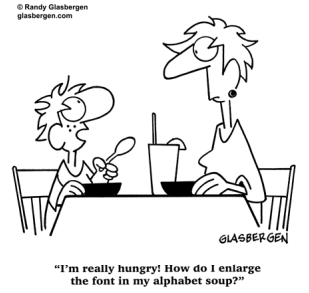
Text VI
https://www.glasbergen.com/image-
search/cartoons/search/ALPHABET%20SOUP/page/2
The indirect speech of “I´m really hungry” is:
Ano: 2023
Banca:
FGV
Órgão:
SEDUC-TO
Prova:
FGV - 2023 - SEDUC-TO - Professor da Educação Básica - Professor Regente Letras - Inglês |
Q2206461
Inglês
Texto associado
Text VI
https://www.glasbergen.com/image-
search/cartoons/search/ALPHABET%20SOUP/page/2
The adverb “really” in the first sentence indicates
Ano: 2023
Banca:
FGV
Órgão:
SEDUC-TO
Prova:
FGV - 2023 - SEDUC-TO - Professor da Educação Básica - Professor Regente Letras - Inglês |
Q2206460
Inglês
Texto associado
Text VI
https://www.glasbergen.com/image-
search/cartoons/search/ALPHABET%20SOUP/page/2
The boy’s speech implies he
Ano: 2023
Banca:
FGV
Órgão:
SEDUC-TO
Prova:
FGV - 2023 - SEDUC-TO - Professor da Educação Básica - Professor Regente Letras - Inglês |
Q2206459
Inglês
Texto associado
Text V
A New Buzz In Teaching And Learning: ChatGPT
[…]
We live in a world constructed by data and content. With theavailability of AI chatbots, we can generate tons of them, with just
a few taps on our keyboards. Undeniably, ChatGPT is a powerful
and versatile language model, with the potential to revolutionize
how we learn and interact with machines. As the Chinese idiom
says, "Water can carry a boat but can also overturn it." This
expression is a reminder that everything has its pros and cons, and
it's therefore important to remain aware of potential risks and take
the necessary precautions. With this in mind, it’s of the utmost
importance to use this tool in a responsible and ethical manner, to
ensure that the output aligns with the desired use cases.
From: https://elearningindustry.com/a-new-buzz-in-teaching-and-learning-chatgpt
The opposite of the adjective “powerful” is
Ano: 2023
Banca:
FGV
Órgão:
SEDUC-TO
Prova:
FGV - 2023 - SEDUC-TO - Professor da Educação Básica - Professor Regente Letras - Inglês |
Q2206458
Inglês
Texto associado
Text V
A New Buzz In Teaching And Learning: ChatGPT
[…]
We live in a world constructed by data and content. With theavailability of AI chatbots, we can generate tons of them, with just
a few taps on our keyboards. Undeniably, ChatGPT is a powerful
and versatile language model, with the potential to revolutionize
how we learn and interact with machines. As the Chinese idiom
says, "Water can carry a boat but can also overturn it." This
expression is a reminder that everything has its pros and cons, and
it's therefore important to remain aware of potential risks and take
the necessary precautions. With this in mind, it’s of the utmost
importance to use this tool in a responsible and ethical manner, to
ensure that the output aligns with the desired use cases.
From: https://elearningindustry.com/a-new-buzz-in-teaching-and-learning-chatgpt
“Therefore” in “it's therefore important” signals a(n)
Ano: 2023
Banca:
FGV
Órgão:
SEDUC-TO
Prova:
FGV - 2023 - SEDUC-TO - Professor da Educação Básica - Professor Regente Letras - Inglês |
Q2206457
Inglês
Texto associado
Text V
A New Buzz In Teaching And Learning: ChatGPT
[…]
We live in a world constructed by data and content. With theavailability of AI chatbots, we can generate tons of them, with just
a few taps on our keyboards. Undeniably, ChatGPT is a powerful
and versatile language model, with the potential to revolutionize
how we learn and interact with machines. As the Chinese idiom
says, "Water can carry a boat but can also overturn it." This
expression is a reminder that everything has its pros and cons, and
it's therefore important to remain aware of potential risks and take
the necessary precautions. With this in mind, it’s of the utmost
importance to use this tool in a responsible and ethical manner, to
ensure that the output aligns with the desired use cases.
From: https://elearningindustry.com/a-new-buzz-in-teaching-and-learning-chatgpt
The pronoun in “its pros and cons” refers to the word
Ano: 2023
Banca:
FGV
Órgão:
SEDUC-TO
Prova:
FGV - 2023 - SEDUC-TO - Professor da Educação Básica - Professor Regente Letras - Inglês |
Q2206456
Inglês
Texto associado
Text V
A New Buzz In Teaching And Learning: ChatGPT
[…]
We live in a world constructed by data and content. With theavailability of AI chatbots, we can generate tons of them, with just
a few taps on our keyboards. Undeniably, ChatGPT is a powerful
and versatile language model, with the potential to revolutionize
how we learn and interact with machines. As the Chinese idiom
says, "Water can carry a boat but can also overturn it." This
expression is a reminder that everything has its pros and cons, and
it's therefore important to remain aware of potential risks and take
the necessary precautions. With this in mind, it’s of the utmost
importance to use this tool in a responsible and ethical manner, to
ensure that the output aligns with the desired use cases.
From: https://elearningindustry.com/a-new-buzz-in-teaching-and-learning-chatgpt
The author´s opinion is that the new tool described must be used
Ano: 2023
Banca:
FGV
Órgão:
SEDUC-TO
Prova:
FGV - 2023 - SEDUC-TO - Professor da Educação Básica - Professor Regente Letras - Inglês |
Q2206455
Inglês
Texto associado
Text V
A New Buzz In Teaching And Learning: ChatGPT
[…]
We live in a world constructed by data and content. With theavailability of AI chatbots, we can generate tons of them, with just
a few taps on our keyboards. Undeniably, ChatGPT is a powerful
and versatile language model, with the potential to revolutionize
how we learn and interact with machines. As the Chinese idiom
says, "Water can carry a boat but can also overturn it." This
expression is a reminder that everything has its pros and cons, and
it's therefore important to remain aware of potential risks and take
the necessary precautions. With this in mind, it’s of the utmost
importance to use this tool in a responsible and ethical manner, to
ensure that the output aligns with the desired use cases.
From: https://elearningindustry.com/a-new-buzz-in-teaching-and-learning-chatgpt
The aim of Text is to
Ano: 2023
Banca:
FGV
Órgão:
SEDUC-TO
Prova:
FGV - 2023 - SEDUC-TO - Professor da Educação Básica - Professor Regente Letras - Inglês |
Q2206454
Inglês
Texto associado

Text IV
https://www.macmillanenglish.com/br/
The verb in “Empower your students” is in the

 Conheça nossos planos