Questões Militares
Foram encontradas 14.724 questões
Resolva questões gratuitamente!
Junte-se a mais de 4 milhões de concurseiros!


The Vikings
Raiders, travelers or brave explorers?
The Vikings sailed the seas, attacked towns, and stole treasures all over Europe between 800 and 1100. They started from Scandinavia and attacked many countries in Europe. They settled in Britain, Ireland and France. They also crossed the Atlantic Ocean and arrived in Iceland and Greenland. They discovered North America but they also traveled east to Russia and south to Arabia.
They were good farmers and excelient shipbuilders. They used their ships for war. They also used them to carry people and goods to new lands. In winter, when there was not much farm work to do, they stayed home and did other interesting jobs. Men made swords to use them in battle. The Vikings liked swords so much they often decorated them with gold and gave them names. Women cooked and made clothes, shoes, and jewelry for themselves,______ children and husbands.
In 866 the Vikings captured an Anglo-Saxon town. They called it Jorvik and it was the capital of the Viking kingdom for 200 years. They made Jorvik rich and one of the most famous cities in Britain. Some years ago, archeologists discovered part of that Viking town in York, the modern city of Jorvik. They found many things such as jewelry, coins and clothes. If you ever go to York and you want to traveli back in time and see how the Vikings lived, visit the Jorvik Centre!
Adapted from Wilson, D. M. (1987) The Vikings, Activity Book, British Museum Press http://www.pi-schools.gr/books/gymnasio/aggl_a_prox/ergas/043-060.pdf
The Vikings used their ships to
The Vikings
Raiders, travelers or brave explorers?
The Vikings sailed the seas, attacked towns, and stole treasures all over Europe between 800 and 1100. They started from Scandinavia and attacked many countries in Europe. They settled in Britain, Ireland and France. They also crossed the Atlantic Ocean and arrived in Iceland and Greenland. They discovered North America but they also traveled east to Russia and south to Arabia.
They were good farmers and excelient shipbuilders. They used their ships for war. They also used them to carry people and goods to new lands. In winter, when there was not much farm work to do, they stayed home and did other interesting jobs. Men made swords to use them in battle. The Vikings liked swords so much they often decorated them with gold and gave them names. Women cooked and made clothes, shoes, and jewelry for themselves,______ children and husbands.
In 866 the Vikings captured an Anglo-Saxon town. They called it Jorvik and it was the capital of the Viking kingdom for 200 years. They made Jorvik rich and one of the most famous cities in Britain. Some years ago, archeologists discovered part of that Viking town in York, the modern city of Jorvik. They found many things such as jewelry, coins and clothes. If you ever go to York and you want to traveli back in time and see how the Vikings lived, visit the Jorvik Centre!
Adapted from Wilson, D. M. (1987) The Vikings, Activity Book, British Museum Press http://www.pi-schools.gr/books/gymnasio/aggl_a_prox/ergas/043-060.pdf
Which possessive form completes the gap in text III?
The Vikings
Raiders, travelers or brave explorers?
The Vikings sailed the seas, attacked towns, and stole treasures all over Europe between 800 and 1100. They started from Scandinavia and attacked many countries in Europe. They settled in Britain, Ireland and France. They also crossed the Atlantic Ocean and arrived in Iceland and Greenland. They discovered North America but they also traveled east to Russia and south to Arabia.
They were good farmers and excelient shipbuilders. They used their ships for war. They also used them to carry people and goods to new lands. In winter, when there was not much farm work to do, they stayed home and did other interesting jobs. Men made swords to use them in battle. The Vikings liked swords so much they often decorated them with gold and gave them names. Women cooked and made clothes, shoes, and jewelry for themselves,______ children and husbands.
In 866 the Vikings captured an Anglo-Saxon town. They called it Jorvik and it was the capital of the Viking kingdom for 200 years. They made Jorvik rich and one of the most famous cities in Britain. Some years ago, archeologists discovered part of that Viking town in York, the modern city of Jorvik. They found many things such as jewelry, coins and clothes. If you ever go to York and you want to traveli back in time and see how the Vikings lived, visit the Jorvik Centre!
Adapted from Wilson, D. M. (1987) The Vikings, Activity Book, British Museum Press http://www.pi-schools.gr/books/gymnasio/aggl_a_prox/ergas/043-060.pdf
All the statements below are correct about the Vikings,
EXCEPT that they
Read the text II in orderto answer item.
My name is Patrick. I ___________ on vacation to Brazii last Summer, and I ___________ in a five-star hotel in front of the beach in Rio de Janeiro.
I went to Rio by plane and I___________ a month there, I ___________ a lot of people and we____________a great time! I want to go back to Brazii as soon as possible.
Choose the option which completes the gaps in text I
respectively.
Read the text II in orderto answer item.
My name is Patrick. I ___________ on vacation to Brazii last Summer, and I ___________ in a five-star hotel in front of the beach in Rio de Janeiro.
I went to Rio by plane and I___________ a month there, I ___________ a lot of people and we____________a great time! I want to go back to Brazii as soon as possible.
According to text II, it's correct to say that the statements
are true, EXCEPT:
Helpinq at a hospital
Every year many young peopie finish school and then take a year off before they start work or go to college. Some of them go to other countries and work as volunteers. Volunteers give their time to help people. For example, they work in schools or hospitais, orthey help with conservation.
Mike Coleman is 19 and______________in Omaha, Nebraska, in the United States. He wants to become a teacher but now he ______________ in Namibia. He's working in a hospital near Katima Mulilo. He says, " I'm working with the doctors and nurses here to help sick peopie. I'm not a doctor but I can do a lot of things to help. For example, I help carry peopie who can't walk. Sometimes I go to villages in the mobile hospital, too. There aren't many doctors here so they need help from peopie like me. I don't get any money, but that's OK, l'm not here for the money.”
"I'm staying here for two months, and I'm living in a small house with five other volunteers. The work is hard and the days are long, but I'm enjoying my life here. I'm learning a lot about life in Southern África and about myself! When I finish the two months' work, I want to travel in and around Namibia for three weeks. For example, I want to see the animais in the Okavango Delta in Botswana."
http://vyre-legacy-access.cambridge.org
Mark the right option to fill in the following sentence.Why is Mike Coleman in Namíbia, South África? Because_________________________ .
Helpinq at a hospital
Every year many young peopie finish school and then take a year off before they start work or go to college. Some of them go to other countries and work as volunteers. Volunteers give their time to help people. For example, they work in schools or hospitais, orthey help with conservation.
Mike Coleman is 19 and______________in Omaha, Nebraska, in the United States. He wants to become a teacher but now he ______________ in Namibia. He's working in a hospital near Katima Mulilo. He says, " I'm working with the doctors and nurses here to help sick peopie. I'm not a doctor but I can do a lot of things to help. For example, I help carry peopie who can't walk. Sometimes I go to villages in the mobile hospital, too. There aren't many doctors here so they need help from peopie like me. I don't get any money, but that's OK, l'm not here for the money.”
"I'm staying here for two months, and I'm living in a small house with five other volunteers. The work is hard and the days are long, but I'm enjoying my life here. I'm learning a lot about life in Southern África and about myself! When I finish the two months' work, I want to travel in and around Namibia for three weeks. For example, I want to see the animais in the Okavango Delta in Botswana."
http://vyre-legacy-access.cambridge.org
Read the statements below to check if they are true (T) or false (F), and choose the option that respectively represents the statements.
( ) Some volunteers work with preservation.
( ) Mike Coleman often works in a hospital.
( ) Mike is happy because the work is hard.
( ) lt's a personal experience, in Mike's opinion.
Helping at a hospital
Every year many young people finish school and then take a year off before they start work or go to college. Some of them go to other countries and work as volunteers. Volunteers give their time to help people. For example, they work in schools or hospitais, orthey help with conservation.
Mike Coleman is 19 and______________in Omaha, Nebraska, in the United States. He wants to become a teacher but now he ______________ in Namibia. He's working in a hospital near Katima Mulilo. He says, " I'm working with the doctors and nurses here to help sick people. I'm not a doctor but I can do a lot of things to help. For example, I help carry people who can't walk. Sometimes I go to villages in the mobile hospital, too. There aren't many doctors here so they need help from people like me. I don't get any money, but that's OK, l'm not here for the money.”
"I'm staying here for two months, and I'm living in a small house with five other volunteers. The work is hard and the days are long, but I'm enjoying my life here. I'm learning a lot about life in Southern África and about myself! When I finish the two months' work, I want to travel in and around Namibia for three weeks. For example, I want to see the animais in the Okavango Delta in Botswana."
http://vyre-legacy-access.cambridge.org
Read the fragment from the text.
“Some of them go to other countries and work as volunteers.” (lines 2 and 3)
What does the object pronoun them refer to?
Helpinq at a hospital
Every year many young peopie finish school and then take a year off before they start work or go to college. Some of them go to other countries and work as volunteers. Volunteers give their time to help people. For example, they work in schools or hospitais, orthey help with conservation.
Mike Coleman is 19 and______________in Omaha, Nebraska, in the United States. He wants to become a teacher but now he ______________ in Namibia. He's working in a hospital near Katima Mulilo. He says, " I'm working with the doctors and nurses here to help sick peopie. I'm not a doctor but I can do a lot of things to help. For example, I help carry peopie who can't walk. Sometimes I go to villages in the mobile hospital, too. There aren't many doctors here so they need help from peopie like me. I don't get any money, but that's OK, l'm not here for the money.”
"I'm staying here for two months, and I'm living in a small house with five other volunteers. The work is hard and the days are long, but I'm enjoying my life here. I'm learning a lot about life in Southern África and about myself! When I finish the two months' work, I want to travel in and around Namibia for three weeks. For example, I want to see the animais in the Okavango Delta in Botswana."
http://vyre-legacy-access.cambridge.org
Which verb forms respectively complete the gaps in text I?
Helpinq at a hospital
Every year many young peopie finish school and then take a year off before they start work or go to college. Some of them go to other countries and work as volunteers. Volunteers give their time to help people. For example, they work in schools or hospitais, orthey help with conservation.
Mike Coleman is 19 and______________in Omaha, Nebraska, in the United States. He wants to become a teacher but now he ______________ in Namibia. He's working in a hospital near Katima Mulilo. He says, " I'm working with the doctors and nurses here to help sick peopie. I'm not a doctor but I can do a lot of things to help. For example, I help carry peopie who can't walk. Sometimes I go to villages in the mobile hospital, too. There aren't many doctors here so they need help from peopie like me. I don't get any money, but that's OK, l'm not here for the money.”
"I'm staying here for two months, and I'm living in a small house with five other volunteers. The work is hard and the days are long, but I'm enjoying my life here. I'm learning a lot about life in Southern África and about myself! When I finish the two months' work, I want to travel in and around Namibia for three weeks. For example, I want to see the animais in the Okavango Delta in Botswana."
http://vyre-legacy-access.cambridge.org
Read the fragment from the text.
“When I finish the two months' work, I want to travel in and around Namibia for three weeks.” (lines 19, 20 and 21)
Because it is a plan, it is possible to rewrite the sentence
substituting the underlined part for:
Observe atentamente o texto a seguir.
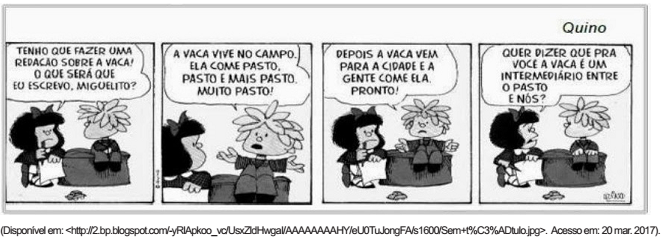
Considere o texto da charge e avalie as afirmações a seguir.
I – No 3º quadrinho, o substantivo “gente”, precedido do artigo “a”, passa a ser pronome, emprega-se com a linguagem cerimoniosa e exige o verbo na terceira pessoa do plural.
II – “Intermediário”, no 4o quadrinho, possui relação sinonímica com o vocábulo “agente”.
III – Quanto à posição, a sílaba tônica nas palavras “escrevo” e “depois” é a final.
Está correto apenas o que se afirma em
Analise o fragmento de texto a seguir, de autoria do romancista alagoano Graciliano Ramos.
A arma do escritor é o lápis
“Deve-se escrever da mesma maneira como as lavadeiras lá de Alagoas fazem seu ofício. Elas começam com uma primeira lavada, molham a roupa suja na beira da lagoa ou do riacho, torcem o pano, molham-no novamente, voltam a torcer. Colocam o anil, ensaboam e torcem uma, duas vezes. Depois que enxáguam, dão mais uma molhada, agora jogando a água com a mão. Batem o pano na laje ou na pedra limpa, e dão mais uma torcida e mais outra, torcem até não pingar do pano uma só gota. Somente depois de feito tudo isso é que elas dependuram a roupa lavada na corda ou no varal, para secar. Pois quem se mete a escrever devia fazer a mesma coisa; a palavra não foi feita para enfeitar, brilhar como ouro falso; a palavra foi feita para dizer”.
Disponível em: <http://averdade.org.br/2014/02/graciliano-ramos-arma-escritor-e-o-lapis/> . Acesso em: 27 mar. 2017- Adaptado)
Em qual das alternativas a relação lógico-semântica estabelecida está correta?
Analise o texto publicitário a seguir, considerando o gênero textual.

Qual interpretação é possível?
Cumulonimbus-informáticos
Há, pairando sobre nossas cabeças, gigantescas nuvens informacionais, ameaçando-nos com seus raios, trovões e ventanias. As tormentas já iniciam suas precipitações e começam a cair sobre nós. Nós somos o seu elemento. A faísca que produz o ribombar do trovão e a própria tempestade.
1. Que estamos fazendo com nossos sistemas cibernético-informacionais? Acaso paramos de pensar autonomamente com nossas próprias cabeças? Quiçá cessamos de procurar e manter o conhecimento por nós mesmos, intuitivamente, sensivelmente, abdutivamente, humanamente – como sempre fizemos, indagamos –, de buscar o sentido, o significado, a importância e a razão seminal de tudo que há à nossa volta? Daquilo que foi concebido, refletido e significado axiologicamente através dos tempos imemoriais, entregando tudo isso “de bandeja” – o melhor de nós e de nossa civilização – às máquinas e aos sistemas informacionais que nós mesmos construímos e usamos? Seria isso – resumidamente – o que está a ocorrer conosco nesses dias velozes e acríticos que vivemos na atualidade?
2. Você que me lê, por exemplo, nesse exato momento, não tem mais sequer que pensar, raciocinar, localizar-se por si, com livre arbítrio e autonomia, pois há – certamente – um aplicativo muito prático e conveniente fazendo isso por você, e muito mais, o tempo todo. Substituindo-nos acintosamente, explicitamente, trivialmente, das tarefas mais banais até às mais complexas, delicadas e especializadas. E nós ainda nos tranquilizamos em saber que, se ocorrer algo de fato importante no nosso planeta, e até fora dele, seremos informados de imediato.
3. O sistema faz isso quase que automaticamente. Do mesmo modo que não é mais necessário também guardar, anotar ou memorizar nomes e sobrenomes do dia a dia das relações societais, ou ainda direções e caminhos a serem trilhados nas urbes ou fora delas. O mesmo acontece com os dados e as imagens, pois certamente seu celular ou seu tablet pretensamente inteligentes, grandes feras no assunto, fazem isso e muito mais por você.
4. Uma delícia – convenhamos – e uma tragédia também. Sim, pois na cibercultura, a verdade, a notícia, o valor, a relevância – e, no extremo, o significado, não têm caráter único, sofrem alterações e são ditados pelo sistema e seus incontáveis aparatos. Todavia, o fato refutável que não pode ser ignorado é que estamos completamente deslumbrados com o que criamos, e que acolhemos essas novas tecnologias sem o menor sacrifício.
5. Não sabemos praticamente quase nada acerca desse novo modo de viver que começamos a cristalizar. Mas é em rede que nos reconhecemos, mensuramos nossas necessidades. E quem não souber decifrar os seus sinais e signos será, simplesmente, tragado por suas imposições, contingências e ressignificações cada vez mais presentes. O que não pode deixar de ser percebido é que uma ubiquidade onipresente está transformando significativamente as relações sociais. E o faz rapidamente. Não é algo simplesmente bom ou ruim, é simplesmente diferente e está marcando a nossa época, os nossos hábitos, a nossa cultura e os nossos tempos.
6. Bem depois, quando tudo se autodeterminar e se acalmar, em conformidade diametral com as sensibilidades sociais, é que nós poderemos – talvez – verificar o que sobrou do nosso antigo e milenarizado mundo não informatizado, analógico e enciclopédico, aquele ao qual estávamos tão confortavelmente acostumados, e, também, sermos capazes de mensurar que outro mundo novo é esse – cibertecnologizado – que edificamos em seu lugar, mesmo que sejamos críticos em relação a ele ou que nos cause desconforto. O resto são arbitrariedades ou especulações.
(QUARESMA, Alexandre. Cumulonimbus-Informáticos. Revista Sociologia, ano VII, edição 67, p. 65 – Adaptado)
Cumulonimbus-informáticos
Há, pairando sobre nossas cabeças, gigantescas nuvens informacionais, ameaçando-nos com seus raios, trovões e ventanias. As tormentas já iniciam suas precipitações e começam a cair sobre nós. Nós somos o seu elemento. A faísca que produz o ribombar do trovão e a própria tempestade.
1. Que estamos fazendo com nossos sistemas cibernético-informacionais? Acaso paramos de pensar autonomamente com nossas próprias cabeças? Quiçá cessamos de procurar e manter o conhecimento por nós mesmos, intuitivamente, sensivelmente, abdutivamente, humanamente – como sempre fizemos, indagamos –, de buscar o sentido, o significado, a importância e a razão seminal de tudo que há à nossa volta? Daquilo que foi concebido, refletido e significado axiologicamente através dos tempos imemoriais, entregando tudo isso “de bandeja” – o melhor de nós e de nossa civilização – às máquinas e aos sistemas informacionais que nós mesmos construímos e usamos? Seria isso – resumidamente – o que está a ocorrer conosco nesses dias velozes e acríticos que vivemos na atualidade?
2. Você que me lê, por exemplo, nesse exato momento, não tem mais sequer que pensar, raciocinar, localizar-se por si, com livre arbítrio e autonomia, pois há – certamente – um aplicativo muito prático e conveniente fazendo isso por você, e muito mais, o tempo todo. Substituindo-nos acintosamente, explicitamente, trivialmente, das tarefas mais banais até às mais complexas, delicadas e especializadas. E nós ainda nos tranquilizamos em saber que, se ocorrer algo de fato importante no nosso planeta, e até fora dele, seremos informados de imediato.
3. O sistema faz isso quase que automaticamente. Do mesmo modo que não é mais necessário também guardar, anotar ou memorizar nomes e sobrenomes do dia a dia das relações societais, ou ainda direções e caminhos a serem trilhados nas urbes ou fora delas. O mesmo acontece com os dados e as imagens, pois certamente seu celular ou seu tablet pretensamente inteligentes, grandes feras no assunto, fazem isso e muito mais por você.
4. Uma delícia – convenhamos – e uma tragédia também. Sim, pois na cibercultura, a verdade, a notícia, o valor, a relevância – e, no extremo, o significado, não têm caráter único, sofrem alterações e são ditados pelo sistema e seus incontáveis aparatos. Todavia, o fato refutável que não pode ser ignorado é que estamos completamente deslumbrados com o que criamos, e que acolhemos essas novas tecnologias sem o menor sacrifício.
5. Não sabemos praticamente quase nada acerca desse novo modo de viver que começamos a cristalizar. Mas é em rede que nos reconhecemos, mensuramos nossas necessidades. E quem não souber decifrar os seus sinais e signos será, simplesmente, tragado por suas imposições, contingências e ressignificações cada vez mais presentes. O que não pode deixar de ser percebido é que uma ubiquidade onipresente está transformando significativamente as relações sociais. E o faz rapidamente. Não é algo simplesmente bom ou ruim, é simplesmente diferente e está marcando a nossa época, os nossos hábitos, a nossa cultura e os nossos tempos.
6. Bem depois, quando tudo se autodeterminar e se acalmar, em conformidade diametral com as sensibilidades sociais, é que nós poderemos – talvez – verificar o que sobrou do nosso antigo e milenarizado mundo não informatizado, analógico e enciclopédico, aquele ao qual estávamos tão confortavelmente acostumados, e, também, sermos capazes de mensurar que outro mundo novo é esse – cibertecnologizado – que edificamos em seu lugar, mesmo que sejamos críticos em relação a ele ou que nos cause desconforto. O resto são arbitrariedades ou especulações.
(QUARESMA, Alexandre. Cumulonimbus-Informáticos. Revista Sociologia, ano VII, edição 67, p. 65 – Adaptado)
Um texto é um conjunto coerente de enunciados, uma composição de signos codificada sob a forma de um sistema e que constitui uma unidade de sentido, com uma intenção comunicativa. A esse respeito, leia, atenciosamente, o enunciado seguinte.
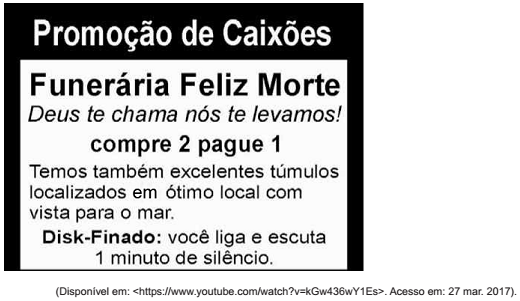
Para a interpretação do conjunto de informações do texto acima, é imprescindível considerar que
Observe os períodos a seguir:

Qual alternativa apresenta informações corretas em relação aos empregos lógico-semânticos do verbo
“assistir”?
O estudo das significações das palavras é um assunto na língua portuguesa exclusivo da Semântica. Quanto ao aspecto semântico da língua, destacam-se a polissemia e a sinonímia.
A esse respeito, associe as duas colunas, relacionando as propriedades semânticas aos termos destacados nas frases.
Propriedades
1 - Polissemia
2 - Sinonímia
Termos destacados
( ) O tecido alvo da renda contrastava com a cor do seu rosto.
( ) A garota vela pelo calmo sono da avó, em silêncio e contrição.
( ) Uma saliência em formato de bola apareceu na barriga do homem.
( ) Meu lar, depois de longos anos, tornou-se a morada dos meus sonhos.
A sequência correta dessa associação é
 Conheça nossos planos