Questões Militares
Comentadas para colégio naval
Foram encontradas 849 questões
Resolva questões gratuitamente!
Junte-se a mais de 4 milhões de concurseiros!


Palavra
Peguei meu filho no colo (naquele tempo ainda dava), apertei-o com força e disse que só o soltaria se ele dissesse a palavra mágica.
E ele disse: - Mágica.
Foi solto em seguida.
Um adulto teria procurado outra palavra, uma encantação que o libertasse.
Ele não teve dúvida. Me entendeu mal, mas acertou. Disse o que eu pedi. (Não, não hoje ele não se dedica às ciências exatas. É cantor e compositor)
Nenhuma palavra era mais mágica do que a palavra “mágica”.
Quem tem o chamado dom da palavra cedo ou tarde se descobre um impostor. Ou se regenera, e passa a usar a palavra com economia e precisão, ou se refestela na impostura: Nabokov e seus borboleteios, Borges e seus labirintos.
Impostura no bom sentido, claro - nada mais fascinante do que ver um bom mágico em ação. Você está ali pelos truques, não pelo seu desmascaramento.
Mas quem quer usar a palavra não para fascinar, mas para transmitir um pensamento ou apenas contar uma história, tem um desafio maior, o de fazer mágica sem truques. Não transformar o lenço em pomba, mas usar o lenço para dar o recado, um “ lençocorreio”. Cuidando o tempo todo, para que as palavras não se tornem mais importante do que o recado e o artifício - a impostura - não apareça e não atrapalhe.
(...)
Noblat.oglobo.globo.com/crônicas/notícia/2017/02/palavra.
html - adaptado.
I- “Se os reformadores da natureza, como Américo Pisca - Pisca, já caíram no ridículo, os reformadores da língua ainda gozam de muito prestígio.” (§2°) II- “Se o nosso reformador da língua baixasse por lá, tentaria convencer os japoneses de que o verbo preceder o seu objeto é muito mais lógico." (§4°)
I- "Quer dizer que só ele teve essa brilhante percepção[...]’’ (§2°) II- "É o tipo de sujeito que acredita ter inventado a roda.” (§2°) III- "[...] esses gramáticos que pretendem reformar o uso linguístico[...]” (§3°) IV- "[...] tentaria convencer os japoneses de que o verbo preceder o seu objeto é muito mais lógico!" (§4°)
Está correto afirmar que NÃO complementam o verbo os vocábulos destacados em:
Read the comic strip in order to do the question below.
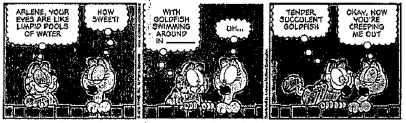
Read the text to do the question below. Complete with a, the or Ø (no article).
___________ Brazil is a huge country.
In,___________North, there are____________rain forests and ___________ longest river is also situated there. In ___________ South, ____________ climate is more European. ___________ Brazil also has many social differences.___________ rich own most of____________ country’s wealth and ___________ poor often live on minimum wage.
Now mark the option which completes the gaps
respectively.
This is my friends’ car and that one is my car.
Mark the option which rewrites the sentence using the correct possessive.
TEXT III
STEPHEN HAWKING
Stephen Hawking, one of the most famous scientists of the 21st century, died on March 14th, 2018. But his ideas on gravity, black holes and the Big Bang are the greatest legacy he left to the world.
Early Life and College
On January 8th, 1942, Stephen Hawking was born to a successful family in Oxford, England. He was not the best student at fundamental or high school, but he was very smart. His dad wanted him to become a medical doctor, but Stephen really wanted to study math.
Despite his poor grades at school, Stephen aced his exams for college. He was admitted to Oxford University, but they didn't have math as a major. So, he decided to study physics and chemistry instead.
Stephen became a member of a rowing team when he was in college. After he graduated, he decided to continue his education and went to graduate school.
Graduate School, Marriage and Health Problems
While in graduate school, he had some health problems. He began tripping for no reason, and his speech became hard to understand. His family encouraged him to go to the doctor. Stephen was diagnosed with a disease called ALS, or Lou Gehrig's disease, which affects the brain and spine. He was only twenty one, and the doctors initially gave him only a few years to live. Luckily, his condition progressed more slowly than is often the case.
During this time, Stephen had a relationship with a woman named Jane. He said she and his work were his inspiration for living. Stephen earned his Ph.D. degree in 1965. He started to get worse, and eventually became confined to a wheelchair. Nonetheless, he and Jane married in 1965 and were able to have three children.
He studied how space and time are related, including scientific studies of black holes in space and how they work in the universe. He also had a lot of success in his work as a college professor.
A New Voice
In 1985, Stephen got really sick and doctors were able to save him, but he was unable to speak. He could only use his eyebrows to communicate. Eventually, he was able to use a special voice synthesizer, allowing him to talk by moving his cheek muscles and using a mouse pad.
Famous Works and Prizes
His most notorious theory is that black holes can emit radiation; also known as Hawking radiation. He received numerous awards but never won the Nobel Prize.
Stephen always enjoyed writing books. His best seller, “A Brief History in Time” made terms like the Big Bang and black holes easy to understand. Other famous Stephen Hawking books include: “A Briefer History in Time", “On the Shoulders of Giants” and "The Universe in a Nutshell". He also wrote many books for children along with his daughter Lucy. His famous books for children include "George’s Cosmic Treasure Hunt" and “George and the Big Bang”.
His last work, submitted only two weeks before his
death, reveals the universe will come to an end when stars
run out of energy. However, his theory suggests that
scientists will be able to find parallel universes using
probes on spaceships.
TEXT III
STEPHEN HAWKING
Stephen Hawking, one of the most famous scientists of the 21st century, died on March 14th, 2018. But his ideas on gravity, black holes and the Big Bang are the greatest legacy he left to the world.
Early Life and College
On January 8th, 1942, Stephen Hawking was born to a successful family in Oxford, England. He was not the best student at fundamental or high school, but he was very smart. His dad wanted him to become a medical doctor, but Stephen really wanted to study math.
Despite his poor grades at school, Stephen aced his exams for college. He was admitted to Oxford University, but they didn't have math as a major. So, he decided to study physics and chemistry instead.
Stephen became a member of a rowing team when he was in college. After he graduated, he decided to continue his education and went to graduate school.
Graduate School, Marriage and Health Problems
While in graduate school, he had some health problems. He began tripping for no reason, and his speech became hard to understand. His family encouraged him to go to the doctor. Stephen was diagnosed with a disease called ALS, or Lou Gehrig's disease, which affects the brain and spine. He was only twenty one, and the doctors initially gave him only a few years to live. Luckily, his condition progressed more slowly than is often the case.
During this time, Stephen had a relationship with a woman named Jane. He said she and his work were his inspiration for living. Stephen earned his Ph.D. degree in 1965. He started to get worse, and eventually became confined to a wheelchair. Nonetheless, he and Jane married in 1965 and were able to have three children.
He studied how space and time are related, including scientific studies of black holes in space and how they work in the universe. He also had a lot of success in his work as a college professor.
A New Voice
In 1985, Stephen got really sick and doctors were able to save him, but he was unable to speak. He could only use his eyebrows to communicate. Eventually, he was able to use a special voice synthesizer, allowing him to talk by moving his cheek muscles and using a mouse pad.
Famous Works and Prizes
His most notorious theory is that black holes can emit radiation; also known as Hawking radiation. He received numerous awards but never won the Nobel Prize.
Stephen always enjoyed writing books. His best seller, “A Brief History in Time” made terms like the Big Bang and black holes easy to understand. Other famous Stephen Hawking books include: “A Briefer History in Time", “On the Shoulders of Giants” and "The Universe in a Nutshell". He also wrote many books for children along with his daughter Lucy. His famous books for children include "George’s Cosmic Treasure Hunt" and “George and the Big Bang”.
His last work, submitted only two weeks before his
death, reveals the universe will come to an end when stars
run out of energy. However, his theory suggests that
scientists will be able to find parallel universes using
probes on spaceships.
TEXT III
STEPHEN HAWKING
Stephen Hawking, one of the most famous scientists of the 21st century, died on March 14th, 2018. But his ideas on gravity, black holes and the Big Bang are the greatest legacy he left to the world.
Early Life and College
On January 8th, 1942, Stephen Hawking was born to a successful family in Oxford, England. He was not the best student at fundamental or high school, but he was very smart. His dad wanted him to become a medical doctor, but Stephen really wanted to study math.
Despite his poor grades at school, Stephen aced his exams for college. He was admitted to Oxford University, but they didn't have math as a major. So, he decided to study physics and chemistry instead.
Stephen became a member of a rowing team when he was in college. After he graduated, he decided to continue his education and went to graduate school.
Graduate School, Marriage and Health Problems
While in graduate school, he had some health problems. He began tripping for no reason, and his speech became hard to understand. His family encouraged him to go to the doctor. Stephen was diagnosed with a disease called ALS, or Lou Gehrig's disease, which affects the brain and spine. He was only twenty one, and the doctors initially gave him only a few years to live. Luckily, his condition progressed more slowly than is often the case.
During this time, Stephen had a relationship with a woman named Jane. He said she and his work were his inspiration for living. Stephen earned his Ph.D. degree in 1965. He started to get worse, and eventually became confined to a wheelchair. Nonetheless, he and Jane married in 1965 and were able to have three children.
He studied how space and time are related, including scientific studies of black holes in space and how they work in the universe. He also had a lot of success in his work as a college professor.
A New Voice
In 1985, Stephen got really sick and doctors were able to save him, but he was unable to speak. He could only use his eyebrows to communicate. Eventually, he was able to use a special voice synthesizer, allowing him to talk by moving his cheek muscles and using a mouse pad.
Famous Works and Prizes
His most notorious theory is that black holes can emit radiation; also known as Hawking radiation. He received numerous awards but never won the Nobel Prize.
Stephen always enjoyed writing books. His best seller, “A Brief History in Time” made terms like the Big Bang and black holes easy to understand. Other famous Stephen Hawking books include: “A Briefer History in Time", “On the Shoulders of Giants” and "The Universe in a Nutshell". He also wrote many books for children along with his daughter Lucy. His famous books for children include "George’s Cosmic Treasure Hunt" and “George and the Big Bang”.
His last work, submitted only two weeks before his
death, reveals the universe will come to an end when stars
run out of energy. However, his theory suggests that
scientists will be able to find parallel universes using
probes on spaceships.
 Conheça nossos planos