Selecionar segmento
Estude com questões de diferentes segmentos
Atenção: Isso limpará todos os campos já preenchidos no filtro!
Foram encontradas 17.318 questões
Resolva questões gratuitamente!
Junte-se a mais de 4 milhões de concurseiros!


Q528711
Português
Texto associado
A seca
De repente, uma variante trágica.
Aproxima-se a seca.
O sertanejo adivinha-a e prefixa-a graças ao ritmo singular
com que se desencadeia o flagelo.
Entretanto não foge logo, abandonando a terra a pouco e
pouco invadida pelo limbo candente que irradia do Ceará.
Buckle, em página notável, assinala a anomalia de se não
afeiçoar nunca, o homem, às calamidades naturais que o rodeiam.
Nenhum povo tem mais pavor aos terremotos que o peruano;
e no Peru as crianças ao nascerem têm o berço embalado
pelas vibrações da terra.
Mas o nosso sertanejo faz exceção à regra. A seca não o apavora.
É um complemento à sua vida tormentosa, emoldurando-a
em cenários tremendos. Enfrenta-a, estoico. Apesar das dolorosas
tradições que conhece através de um sem-número de terríveis
episódios, alimenta a todo o transe esperanças de uma resistência
impossível.
Com os escassos recursos das próprias observações e das
dos seus maiores, em que ensinamentos práticos se misturam a
extravagantes crendices, tem procurado estudar o mal, para o
conhecer, suportar e suplantar. Aparelha-se com singular serenidade
para a luta. Dois ou três meses antes do solstício de verão,
especa e fortalece os muros dos açudes, ou limpa as cacimbas.
Faz os roçados e arregoa as estreitas faixas de solo arável à orla
dos ribeirões. Está preparado para as plantações ligeiras à vinda
das primeiras chuvas.
Procura em seguida desvendar o futuro. Volve o olhar para
as alturas; atenta longamente nos quadrantes; e perquire os tra-
ços mais fugitivos das paisagens...
Os sintomas do flagelo despontam-lhe, então, encadeados
em série, sucedendo-se inflexíveis, como sinais comemorativos
de uma moléstia cíclica, da sezão assombradora da Terra. Passam
as “chuvas do caju" em outubro, rápidas, em chuvisqueiros
prestes delidos nos ares ardentes, sem deixarem traços; e pintam
as caatingas, aqui, ali, por toda a parte, mosqueadas de tufos
pardos de árvores marcescentes, cada vez mais numerosos e
maiores, lembrando cinzeiros de uma combustão abafada, sem
chamas; e greta-se o chão; e abaixa-se vagarosamente o nível das
cacimbas... Do mesmo passo nota que os dias, estuando logo ao
alvorecer, transcorrem abrasantes, à medida que as noites se vão
tornando cada vez mais frias. A atmosfera absorve-lhe, com avidez
de esponja, o suor na fronte, enquanto a armadura de couro,
sem mais a flexibilidade primitiva, se lhe endurece aos ombros,
esturrada, rígida, feito uma couraça de bronze. E ao descer das
tardes, dia a dia menores e sem crepúsculos, considera, entristecido,
nos ares, em bandos, as primeiras aves emigrantes, transvoando
a outros climas...
É o prelúdio da sua desgraça.
(Euclides da Cunha, Os Sertões.
Em: Massaud Moisés, A literatura brasileira através dos tempos, 2004.)
Na frase do último parágrafo – É o prelúdio da sua desgraça. – o
termo em destaque significa
Q528710
Português
Texto associado
A seca
De repente, uma variante trágica.
Aproxima-se a seca.
O sertanejo adivinha-a e prefixa-a graças ao ritmo singular
com que se desencadeia o flagelo.
Entretanto não foge logo, abandonando a terra a pouco e
pouco invadida pelo limbo candente que irradia do Ceará.
Buckle, em página notável, assinala a anomalia de se não
afeiçoar nunca, o homem, às calamidades naturais que o rodeiam.
Nenhum povo tem mais pavor aos terremotos que o peruano;
e no Peru as crianças ao nascerem têm o berço embalado
pelas vibrações da terra.
Mas o nosso sertanejo faz exceção à regra. A seca não o apavora.
É um complemento à sua vida tormentosa, emoldurando-a
em cenários tremendos. Enfrenta-a, estoico. Apesar das dolorosas
tradições que conhece através de um sem-número de terríveis
episódios, alimenta a todo o transe esperanças de uma resistência
impossível.
Com os escassos recursos das próprias observações e das
dos seus maiores, em que ensinamentos práticos se misturam a
extravagantes crendices, tem procurado estudar o mal, para o
conhecer, suportar e suplantar. Aparelha-se com singular serenidade
para a luta. Dois ou três meses antes do solstício de verão,
especa e fortalece os muros dos açudes, ou limpa as cacimbas.
Faz os roçados e arregoa as estreitas faixas de solo arável à orla
dos ribeirões. Está preparado para as plantações ligeiras à vinda
das primeiras chuvas.
Procura em seguida desvendar o futuro. Volve o olhar para
as alturas; atenta longamente nos quadrantes; e perquire os tra-
ços mais fugitivos das paisagens...
Os sintomas do flagelo despontam-lhe, então, encadeados
em série, sucedendo-se inflexíveis, como sinais comemorativos
de uma moléstia cíclica, da sezão assombradora da Terra. Passam
as “chuvas do caju" em outubro, rápidas, em chuvisqueiros
prestes delidos nos ares ardentes, sem deixarem traços; e pintam
as caatingas, aqui, ali, por toda a parte, mosqueadas de tufos
pardos de árvores marcescentes, cada vez mais numerosos e
maiores, lembrando cinzeiros de uma combustão abafada, sem
chamas; e greta-se o chão; e abaixa-se vagarosamente o nível das
cacimbas... Do mesmo passo nota que os dias, estuando logo ao
alvorecer, transcorrem abrasantes, à medida que as noites se vão
tornando cada vez mais frias. A atmosfera absorve-lhe, com avidez
de esponja, o suor na fronte, enquanto a armadura de couro,
sem mais a flexibilidade primitiva, se lhe endurece aos ombros,
esturrada, rígida, feito uma couraça de bronze. E ao descer das
tardes, dia a dia menores e sem crepúsculos, considera, entristecido,
nos ares, em bandos, as primeiras aves emigrantes, transvoando
a outros climas...
É o prelúdio da sua desgraça.
(Euclides da Cunha, Os Sertões.
Em: Massaud Moisés, A literatura brasileira através dos tempos, 2004.)
No penúltimo parágrafo do texto (Os sintomas do flagelo despontam-lhe
(...) a outros climas...), há
Q528709
Português
Texto associado
A seca
De repente, uma variante trágica.
Aproxima-se a seca.
O sertanejo adivinha-a e prefixa-a graças ao ritmo singular
com que se desencadeia o flagelo.
Entretanto não foge logo, abandonando a terra a pouco e
pouco invadida pelo limbo candente que irradia do Ceará.
Buckle, em página notável, assinala a anomalia de se não
afeiçoar nunca, o homem, às calamidades naturais que o rodeiam.
Nenhum povo tem mais pavor aos terremotos que o peruano;
e no Peru as crianças ao nascerem têm o berço embalado
pelas vibrações da terra.
Mas o nosso sertanejo faz exceção à regra. A seca não o apavora.
É um complemento à sua vida tormentosa, emoldurando-a
em cenários tremendos. Enfrenta-a, estoico. Apesar das dolorosas
tradições que conhece através de um sem-número de terríveis
episódios, alimenta a todo o transe esperanças de uma resistência
impossível.
Com os escassos recursos das próprias observações e das
dos seus maiores, em que ensinamentos práticos se misturam a
extravagantes crendices, tem procurado estudar o mal, para o
conhecer, suportar e suplantar. Aparelha-se com singular serenidade
para a luta. Dois ou três meses antes do solstício de verão,
especa e fortalece os muros dos açudes, ou limpa as cacimbas.
Faz os roçados e arregoa as estreitas faixas de solo arável à orla
dos ribeirões. Está preparado para as plantações ligeiras à vinda
das primeiras chuvas.
Procura em seguida desvendar o futuro. Volve o olhar para
as alturas; atenta longamente nos quadrantes; e perquire os tra-
ços mais fugitivos das paisagens...
Os sintomas do flagelo despontam-lhe, então, encadeados
em série, sucedendo-se inflexíveis, como sinais comemorativos
de uma moléstia cíclica, da sezão assombradora da Terra. Passam
as “chuvas do caju" em outubro, rápidas, em chuvisqueiros
prestes delidos nos ares ardentes, sem deixarem traços; e pintam
as caatingas, aqui, ali, por toda a parte, mosqueadas de tufos
pardos de árvores marcescentes, cada vez mais numerosos e
maiores, lembrando cinzeiros de uma combustão abafada, sem
chamas; e greta-se o chão; e abaixa-se vagarosamente o nível das
cacimbas... Do mesmo passo nota que os dias, estuando logo ao
alvorecer, transcorrem abrasantes, à medida que as noites se vão
tornando cada vez mais frias. A atmosfera absorve-lhe, com avidez
de esponja, o suor na fronte, enquanto a armadura de couro,
sem mais a flexibilidade primitiva, se lhe endurece aos ombros,
esturrada, rígida, feito uma couraça de bronze. E ao descer das
tardes, dia a dia menores e sem crepúsculos, considera, entristecido,
nos ares, em bandos, as primeiras aves emigrantes, transvoando
a outros climas...
É o prelúdio da sua desgraça.
(Euclides da Cunha, Os Sertões.
Em: Massaud Moisés, A literatura brasileira através dos tempos, 2004.)
Considere os enunciados:
– O sertanejo adivinha-a e prefixa-a graças ao ritmo singular com que se desencadeia o flagelo.
– Mas o nosso sertanejo faz exceção à regra.
– ... tem procurado estudar o mal, para o conhecer, suportar e suplantar.
Com essas informações, o narrador afirma, respectivamente, que o sertanejo
– O sertanejo adivinha-a e prefixa-a graças ao ritmo singular com que se desencadeia o flagelo.
– Mas o nosso sertanejo faz exceção à regra.
– ... tem procurado estudar o mal, para o conhecer, suportar e suplantar.
Com essas informações, o narrador afirma, respectivamente, que o sertanejo
Q528708
Português
Texto associado
A seca
De repente, uma variante trágica.
Aproxima-se a seca.
O sertanejo adivinha-a e prefixa-a graças ao ritmo singular
com que se desencadeia o flagelo.
Entretanto não foge logo, abandonando a terra a pouco e
pouco invadida pelo limbo candente que irradia do Ceará.
Buckle, em página notável, assinala a anomalia de se não
afeiçoar nunca, o homem, às calamidades naturais que o rodeiam.
Nenhum povo tem mais pavor aos terremotos que o peruano;
e no Peru as crianças ao nascerem têm o berço embalado
pelas vibrações da terra.
Mas o nosso sertanejo faz exceção à regra. A seca não o apavora.
É um complemento à sua vida tormentosa, emoldurando-a
em cenários tremendos. Enfrenta-a, estoico. Apesar das dolorosas
tradições que conhece através de um sem-número de terríveis
episódios, alimenta a todo o transe esperanças de uma resistência
impossível.
Com os escassos recursos das próprias observações e das
dos seus maiores, em que ensinamentos práticos se misturam a
extravagantes crendices, tem procurado estudar o mal, para o
conhecer, suportar e suplantar. Aparelha-se com singular serenidade
para a luta. Dois ou três meses antes do solstício de verão,
especa e fortalece os muros dos açudes, ou limpa as cacimbas.
Faz os roçados e arregoa as estreitas faixas de solo arável à orla
dos ribeirões. Está preparado para as plantações ligeiras à vinda
das primeiras chuvas.
Procura em seguida desvendar o futuro. Volve o olhar para
as alturas; atenta longamente nos quadrantes; e perquire os tra-
ços mais fugitivos das paisagens...
Os sintomas do flagelo despontam-lhe, então, encadeados
em série, sucedendo-se inflexíveis, como sinais comemorativos
de uma moléstia cíclica, da sezão assombradora da Terra. Passam
as “chuvas do caju" em outubro, rápidas, em chuvisqueiros
prestes delidos nos ares ardentes, sem deixarem traços; e pintam
as caatingas, aqui, ali, por toda a parte, mosqueadas de tufos
pardos de árvores marcescentes, cada vez mais numerosos e
maiores, lembrando cinzeiros de uma combustão abafada, sem
chamas; e greta-se o chão; e abaixa-se vagarosamente o nível das
cacimbas... Do mesmo passo nota que os dias, estuando logo ao
alvorecer, transcorrem abrasantes, à medida que as noites se vão
tornando cada vez mais frias. A atmosfera absorve-lhe, com avidez
de esponja, o suor na fronte, enquanto a armadura de couro,
sem mais a flexibilidade primitiva, se lhe endurece aos ombros,
esturrada, rígida, feito uma couraça de bronze. E ao descer das
tardes, dia a dia menores e sem crepúsculos, considera, entristecido,
nos ares, em bandos, as primeiras aves emigrantes, transvoando
a outros climas...
É o prelúdio da sua desgraça.
(Euclides da Cunha, Os Sertões.
Em: Massaud Moisés, A literatura brasileira através dos tempos, 2004.)
No texto, o narrador apresenta
Q528706
Português
Texto associado
Fronteiras do pensamento
SÃO PAULO – O livro é um catatau de quase 600 páginas
e traz só uma ideia. Ainda assim, “Surfaces and Essences” (superfícies
e essências), do físico convertido em cientista cognitivo
Douglas Hofstadter e do psicólogo Emmanuel Sander, é uma
obra importante. Os autores apresentam uma tese que é a um
só tempo capital e contraintuitiva – a de que as analogias que
fazemos constituem a matéria-prima do pensamento – e se põem
a demonstrá-la.
Para fazê-lo, eles se valem de um pouco de tudo. A argumentação
opera nas fronteiras entre a linguística, a filosofia, a
matemática e a física, com incursões pela literatura, o estudo
comparativo dos provérbios e a enologia, para enumerar algumas
poucas das muitas áreas em que os autores se arriscam.
A ideia básica é que o cérebro pensa através de analogias.
Elas podem ser infantis (“mamãe, eu desvesti a banana”), banais
(termos como “e” e “mas” sempre introduzem comparações
mentais) ou brilhantes (Galileu revolucionou a astronomia “vendo”
os satélites de Júpiter como luas), mas estão na origem de
todas as nossas falas, raciocínios, cálculos e atos falhos – mesmo
que não nos demos conta disso.
Hofstadter e Sander sustentam que o processo de categorização, que muitos especialistas consideram a base do pensamento,
não envolve nada mais do que fazer analogias.
Para não falar apenas de flores (mais uma analogia), o livro
ganharia bastante se tivesse passado por um bom editor disposto
a cortar pelo menos uns 30% de gorduras. Algumas das digressões
dos autores são francamente dispensáveis e eles poderiam
ter sido mais contidos nos exemplos, que se contam às centenas,
estendendo-se por páginas e mais páginas, quando meia dúzia
teriam sido suficientes.
A prolixidade e o exagero, porém, não bastam para apagar o
brilho da obra, que definitivamente muda nossa forma de pensar
o pensamento.
(Hélio Schwartsman, Fronteiras do pensamento.
Folha de S.Paulo, 19.05.2013. Adaptado)
Em conformidade com a norma-padrão da língua portuguesa e
mantendo-se a coesão textual, a oração do segundo parágrafo –
... em que os autores se arriscam. – está corretamente reescrita
em:
Q528705
Português
Texto associado
Fronteiras do pensamento
SÃO PAULO – O livro é um catatau de quase 600 páginas
e traz só uma ideia. Ainda assim, “Surfaces and Essences” (superfícies
e essências), do físico convertido em cientista cognitivo
Douglas Hofstadter e do psicólogo Emmanuel Sander, é uma
obra importante. Os autores apresentam uma tese que é a um
só tempo capital e contraintuitiva – a de que as analogias que
fazemos constituem a matéria-prima do pensamento – e se põem
a demonstrá-la.
Para fazê-lo, eles se valem de um pouco de tudo. A argumentação
opera nas fronteiras entre a linguística, a filosofia, a
matemática e a física, com incursões pela literatura, o estudo
comparativo dos provérbios e a enologia, para enumerar algumas
poucas das muitas áreas em que os autores se arriscam.
A ideia básica é que o cérebro pensa através de analogias.
Elas podem ser infantis (“mamãe, eu desvesti a banana”), banais
(termos como “e” e “mas” sempre introduzem comparações
mentais) ou brilhantes (Galileu revolucionou a astronomia “vendo”
os satélites de Júpiter como luas), mas estão na origem de
todas as nossas falas, raciocínios, cálculos e atos falhos – mesmo
que não nos demos conta disso.
Hofstadter e Sander sustentam que o processo de categorização, que muitos especialistas consideram a base do pensamento,
não envolve nada mais do que fazer analogias.
Para não falar apenas de flores (mais uma analogia), o livro
ganharia bastante se tivesse passado por um bom editor disposto
a cortar pelo menos uns 30% de gorduras. Algumas das digressões
dos autores são francamente dispensáveis e eles poderiam
ter sido mais contidos nos exemplos, que se contam às centenas,
estendendo-se por páginas e mais páginas, quando meia dúzia
teriam sido suficientes.
A prolixidade e o exagero, porém, não bastam para apagar o
brilho da obra, que definitivamente muda nossa forma de pensar
o pensamento.
(Hélio Schwartsman, Fronteiras do pensamento.
Folha de S.Paulo, 19.05.2013. Adaptado)
Sobre o trecho do penúltimo parágrafo – Para não falar apenas
de flores (mais uma analogia), o livro ganharia bastante se tivesse
passado por um bom editor disposto a cortar pelo menos
uns 30% de gorduras. –, é correto afirmar que a expressão
Q528704
Português
Texto associado
Fronteiras do pensamento
SÃO PAULO – O livro é um catatau de quase 600 páginas
e traz só uma ideia. Ainda assim, “Surfaces and Essences” (superfícies
e essências), do físico convertido em cientista cognitivo
Douglas Hofstadter e do psicólogo Emmanuel Sander, é uma
obra importante. Os autores apresentam uma tese que é a um
só tempo capital e contraintuitiva – a de que as analogias que
fazemos constituem a matéria-prima do pensamento – e se põem
a demonstrá-la.
Para fazê-lo, eles se valem de um pouco de tudo. A argumentação
opera nas fronteiras entre a linguística, a filosofia, a
matemática e a física, com incursões pela literatura, o estudo
comparativo dos provérbios e a enologia, para enumerar algumas
poucas das muitas áreas em que os autores se arriscam.
A ideia básica é que o cérebro pensa através de analogias.
Elas podem ser infantis (“mamãe, eu desvesti a banana”), banais
(termos como “e” e “mas” sempre introduzem comparações
mentais) ou brilhantes (Galileu revolucionou a astronomia “vendo”
os satélites de Júpiter como luas), mas estão na origem de
todas as nossas falas, raciocínios, cálculos e atos falhos – mesmo
que não nos demos conta disso.
Hofstadter e Sander sustentam que o processo de categorização, que muitos especialistas consideram a base do pensamento,
não envolve nada mais do que fazer analogias.
Para não falar apenas de flores (mais uma analogia), o livro
ganharia bastante se tivesse passado por um bom editor disposto
a cortar pelo menos uns 30% de gorduras. Algumas das digressões
dos autores são francamente dispensáveis e eles poderiam
ter sido mais contidos nos exemplos, que se contam às centenas,
estendendo-se por páginas e mais páginas, quando meia dúzia
teriam sido suficientes.
A prolixidade e o exagero, porém, não bastam para apagar o
brilho da obra, que definitivamente muda nossa forma de pensar
o pensamento.
(Hélio Schwartsman, Fronteiras do pensamento.
Folha de S.Paulo, 19.05.2013. Adaptado)
Na frase que inicia o segundo parágrafo – Para fazê-lo, eles se
valem de um pouco de tudo. – o pronome “-lo” recupera a seguinte
informação:
Q528703
Português
Texto associado
Fronteiras do pensamento
SÃO PAULO – O livro é um catatau de quase 600 páginas
e traz só uma ideia. Ainda assim, “Surfaces and Essences” (superfícies
e essências), do físico convertido em cientista cognitivo
Douglas Hofstadter e do psicólogo Emmanuel Sander, é uma
obra importante. Os autores apresentam uma tese que é a um
só tempo capital e contraintuitiva – a de que as analogias que
fazemos constituem a matéria-prima do pensamento – e se põem
a demonstrá-la.
Para fazê-lo, eles se valem de um pouco de tudo. A argumentação
opera nas fronteiras entre a linguística, a filosofia, a
matemática e a física, com incursões pela literatura, o estudo
comparativo dos provérbios e a enologia, para enumerar algumas
poucas das muitas áreas em que os autores se arriscam.
A ideia básica é que o cérebro pensa através de analogias.
Elas podem ser infantis (“mamãe, eu desvesti a banana”), banais
(termos como “e” e “mas” sempre introduzem comparações
mentais) ou brilhantes (Galileu revolucionou a astronomia “vendo”
os satélites de Júpiter como luas), mas estão na origem de
todas as nossas falas, raciocínios, cálculos e atos falhos – mesmo
que não nos demos conta disso.
Hofstadter e Sander sustentam que o processo de categorização, que muitos especialistas consideram a base do pensamento,
não envolve nada mais do que fazer analogias.
Para não falar apenas de flores (mais uma analogia), o livro
ganharia bastante se tivesse passado por um bom editor disposto
a cortar pelo menos uns 30% de gorduras. Algumas das digressões
dos autores são francamente dispensáveis e eles poderiam
ter sido mais contidos nos exemplos, que se contam às centenas,
estendendo-se por páginas e mais páginas, quando meia dúzia
teriam sido suficientes.
A prolixidade e o exagero, porém, não bastam para apagar o
brilho da obra, que definitivamente muda nossa forma de pensar
o pensamento.
(Hélio Schwartsman, Fronteiras do pensamento.
Folha de S.Paulo, 19.05.2013. Adaptado)
No trecho do terceiro parágrafo – Elas podem ser infantis (“mamãe,
eu desvesti a banana”), banais (termos como “e” e “mas”
sempre introduzem comparações mentais) ou brilhantes (Galileu
revolucionou a astronomia “vendo” os satélites de Júpiter como
luas)... – as informações organizam-se de tal forma que acabam
por constituir, quanto ao seu sentido global, uma relação de
Q528701
Português
Texto associado
Fronteiras do pensamento
SÃO PAULO – O livro é um catatau de quase 600 páginas
e traz só uma ideia. Ainda assim, “Surfaces and Essences” (superfícies
e essências), do físico convertido em cientista cognitivo
Douglas Hofstadter e do psicólogo Emmanuel Sander, é uma
obra importante. Os autores apresentam uma tese que é a um
só tempo capital e contraintuitiva – a de que as analogias que
fazemos constituem a matéria-prima do pensamento – e se põem
a demonstrá-la.
Para fazê-lo, eles se valem de um pouco de tudo. A argumentação
opera nas fronteiras entre a linguística, a filosofia, a
matemática e a física, com incursões pela literatura, o estudo
comparativo dos provérbios e a enologia, para enumerar algumas
poucas das muitas áreas em que os autores se arriscam.
A ideia básica é que o cérebro pensa através de analogias.
Elas podem ser infantis (“mamãe, eu desvesti a banana”), banais
(termos como “e” e “mas” sempre introduzem comparações
mentais) ou brilhantes (Galileu revolucionou a astronomia “vendo”
os satélites de Júpiter como luas), mas estão na origem de
todas as nossas falas, raciocínios, cálculos e atos falhos – mesmo
que não nos demos conta disso.
Hofstadter e Sander sustentam que o processo de categorização, que muitos especialistas consideram a base do pensamento,
não envolve nada mais do que fazer analogias.
Para não falar apenas de flores (mais uma analogia), o livro
ganharia bastante se tivesse passado por um bom editor disposto
a cortar pelo menos uns 30% de gorduras. Algumas das digressões
dos autores são francamente dispensáveis e eles poderiam
ter sido mais contidos nos exemplos, que se contam às centenas,
estendendo-se por páginas e mais páginas, quando meia dúzia
teriam sido suficientes.
A prolixidade e o exagero, porém, não bastam para apagar o
brilho da obra, que definitivamente muda nossa forma de pensar
o pensamento.
(Hélio Schwartsman, Fronteiras do pensamento.
Folha de S.Paulo, 19.05.2013. Adaptado)
Para o autor, “Surfaces and Essences” deveria ser uma obra mais
Q528700
Português
Texto associado
Fronteiras do pensamento
SÃO PAULO – O livro é um catatau de quase 600 páginas
e traz só uma ideia. Ainda assim, “Surfaces and Essences” (superfícies
e essências), do físico convertido em cientista cognitivo
Douglas Hofstadter e do psicólogo Emmanuel Sander, é uma
obra importante. Os autores apresentam uma tese que é a um
só tempo capital e contraintuitiva – a de que as analogias que
fazemos constituem a matéria-prima do pensamento – e se põem
a demonstrá-la.
Para fazê-lo, eles se valem de um pouco de tudo. A argumentação
opera nas fronteiras entre a linguística, a filosofia, a
matemática e a física, com incursões pela literatura, o estudo
comparativo dos provérbios e a enologia, para enumerar algumas
poucas das muitas áreas em que os autores se arriscam.
A ideia básica é que o cérebro pensa através de analogias.
Elas podem ser infantis (“mamãe, eu desvesti a banana”), banais
(termos como “e” e “mas” sempre introduzem comparações
mentais) ou brilhantes (Galileu revolucionou a astronomia “vendo”
os satélites de Júpiter como luas), mas estão na origem de
todas as nossas falas, raciocínios, cálculos e atos falhos – mesmo
que não nos demos conta disso.
Hofstadter e Sander sustentam que o processo de categorização, que muitos especialistas consideram a base do pensamento,
não envolve nada mais do que fazer analogias.
Para não falar apenas de flores (mais uma analogia), o livro
ganharia bastante se tivesse passado por um bom editor disposto
a cortar pelo menos uns 30% de gorduras. Algumas das digressões
dos autores são francamente dispensáveis e eles poderiam
ter sido mais contidos nos exemplos, que se contam às centenas,
estendendo-se por páginas e mais páginas, quando meia dúzia
teriam sido suficientes.
A prolixidade e o exagero, porém, não bastam para apagar o
brilho da obra, que definitivamente muda nossa forma de pensar
o pensamento.
(Hélio Schwartsman, Fronteiras do pensamento.
Folha de S.Paulo, 19.05.2013. Adaptado)
Para o autor do texto, a obra de Douglas Hofstadter e Emmanuel
Sander – “Surfaces and Essences” (superfícies e essências) – é
Q528698
Português
Leia o soneto de Cláudio Manuel da Costa para responder à questão.
Se sou pobre pastor, se não governo
Reinos, nações, províncias, mundo, e gentes;
Se em frio, calma, e chuvas inclementes
Passo o verão, outono, estio, inverno;
Nem por isso trocara o abrigo terno
Desta choça, em que vivo, coas enchentes
Dessa grande fortuna: assaz presentes
Tenho as paixões desse tormento eterno.
Adorar as traições, amar o engano,
Ouvir dos lastimosos o gemido,
Passar aflito o dia, o mês, e o ano;
Seja embora prazer; que a meu ouvido
Soa melhor a voz do desengano,
Que da torpe lisonja o infame ruído.
(Biblioteca Virtual de Literatura. Em: www.biblio.com.br)
No verso – Se sou pobre pastor, se não governo – a conjunção, que se repete, estabelece relação de
Se sou pobre pastor, se não governo
Reinos, nações, províncias, mundo, e gentes;
Se em frio, calma, e chuvas inclementes
Passo o verão, outono, estio, inverno;
Nem por isso trocara o abrigo terno
Desta choça, em que vivo, coas enchentes
Dessa grande fortuna: assaz presentes
Tenho as paixões desse tormento eterno.
Adorar as traições, amar o engano,
Ouvir dos lastimosos o gemido,
Passar aflito o dia, o mês, e o ano;
Seja embora prazer; que a meu ouvido
Soa melhor a voz do desengano,
Que da torpe lisonja o infame ruído.
(Biblioteca Virtual de Literatura. Em: www.biblio.com.br)
No verso – Se sou pobre pastor, se não governo – a conjunção, que se repete, estabelece relação de
Q528697
Português
Leia o soneto de Cláudio Manuel da Costa para responder à questão.
Se sou pobre pastor, se não governo
Reinos, nações, províncias, mundo, e gentes;
Se em frio, calma, e chuvas inclementes
Passo o verão, outono, estio, inverno;
Nem por isso trocara o abrigo terno
Desta choça, em que vivo, coas enchentes
Dessa grande fortuna: assaz presentes
Tenho as paixões desse tormento eterno.
Adorar as traições, amar o engano,
Ouvir dos lastimosos o gemido,
Passar aflito o dia, o mês, e o ano;
Seja embora prazer; que a meu ouvido
Soa melhor a voz do desengano,
Que da torpe lisonja o infame ruído.
(Biblioteca Virtual de Literatura. Em: www.biblio.com.br)
O eu-lírico deixa claro que
Se sou pobre pastor, se não governo
Reinos, nações, províncias, mundo, e gentes;
Se em frio, calma, e chuvas inclementes
Passo o verão, outono, estio, inverno;
Nem por isso trocara o abrigo terno
Desta choça, em que vivo, coas enchentes
Dessa grande fortuna: assaz presentes
Tenho as paixões desse tormento eterno.
Adorar as traições, amar o engano,
Ouvir dos lastimosos o gemido,
Passar aflito o dia, o mês, e o ano;
Seja embora prazer; que a meu ouvido
Soa melhor a voz do desengano,
Que da torpe lisonja o infame ruído.
(Biblioteca Virtual de Literatura. Em: www.biblio.com.br)
O eu-lírico deixa claro que
Q528696
Literatura
Leia o soneto de Cláudio Manuel da Costa para responder à questão.
Se sou pobre pastor, se não governo
Reinos, nações, províncias, mundo, e gentes;
Se em frio, calma, e chuvas inclementes
Passo o verão, outono, estio, inverno;
Nem por isso trocara o abrigo terno
Desta choça, em que vivo, coas enchentes
Dessa grande fortuna: assaz presentes
Tenho as paixões desse tormento eterno.
Adorar as traições, amar o engano,
Ouvir dos lastimosos o gemido,
Passar aflito o dia, o mês, e o ano;
Seja embora prazer; que a meu ouvido
Soa melhor a voz do desengano,
Que da torpe lisonja o infame ruído.
(Biblioteca Virtual de Literatura. Em: www.biblio.com.br)
A característica árcade que norteia o estabelecimento de sentidos no poema é:
Se sou pobre pastor, se não governo
Reinos, nações, províncias, mundo, e gentes;
Se em frio, calma, e chuvas inclementes
Passo o verão, outono, estio, inverno;
Nem por isso trocara o abrigo terno
Desta choça, em que vivo, coas enchentes
Dessa grande fortuna: assaz presentes
Tenho as paixões desse tormento eterno.
Adorar as traições, amar o engano,
Ouvir dos lastimosos o gemido,
Passar aflito o dia, o mês, e o ano;
Seja embora prazer; que a meu ouvido
Soa melhor a voz do desengano,
Que da torpe lisonja o infame ruído.
(Biblioteca Virtual de Literatura. Em: www.biblio.com.br)
A característica árcade que norteia o estabelecimento de sentidos no poema é:
Q528695
Português
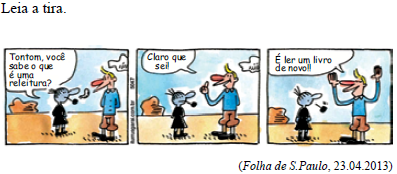
O efeito de humor da tira decorre do fato de que “ler um livro
de novo” não corresponde à ideia de releitura esperada como
resposta. A expressão “releitura” significa
Q528694
Geografia
O processo de industrialização brasileira, a partir da década de
1960, motivou um número considerável de rurais a se deslocarem
para as cidades. Entretanto, além da industrialização, outros
fatores contribuíram para a intensificação do êxodo rural. Assinale
a alternativa que apresenta corretamente um desses fatores.
Q528690
Geografia
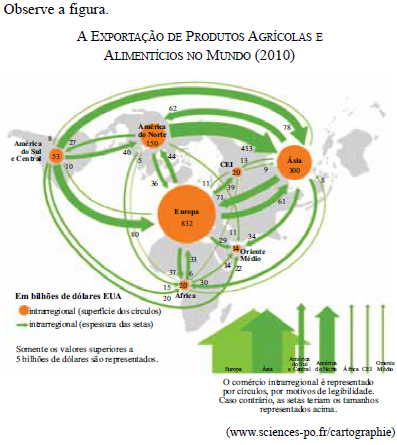
Analisando a figura, pode-se afirmar corretamente que
Q528689
Geografia
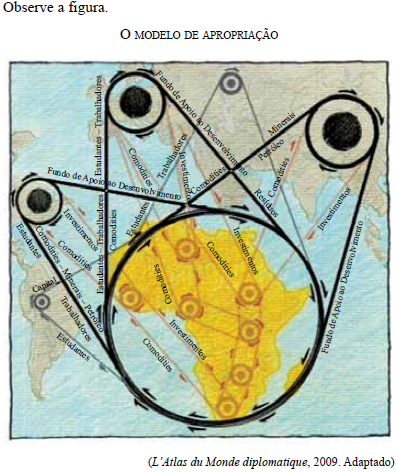
Analisando a figura, pode-se afirmar corretamente que ela representa
Q528688
Geografia
Leia o trecho do poema a seguir, de Silvana Maria Nogueira Leite,
para responder à questão.
O rio ---------- é uma riqueza
Nasce lá na Serra da Canastra
Corta serras, matas e vales.
Desenha o seu percurso na natureza.
Passa por aqui e banha nossa região
Serve ao povo sua água pura
Mata a sede e molha a agricultura
E ainda, faz caminho através da navegação.
É um rio que só traz alegrias
Para as famílias do sertão.
(http://educador.brasilescola.com. Adaptado)
Assinale a alternativa que identifica corretamente a bacia hidrográfica a que a autora se refere, cujo rio principal deságua no Oceano Atlântico, entre os Estados de Sergipe e Alagoas, e, apesar de seu pequeno volume de água, é aproveitado para irrigação, navegação e produção de energia.
O rio ---------- é uma riqueza
Nasce lá na Serra da Canastra
Corta serras, matas e vales.
Desenha o seu percurso na natureza.
Passa por aqui e banha nossa região
Serve ao povo sua água pura
Mata a sede e molha a agricultura
E ainda, faz caminho através da navegação.
É um rio que só traz alegrias
Para as famílias do sertão.
(http://educador.brasilescola.com. Adaptado)
Assinale a alternativa que identifica corretamente a bacia hidrográfica a que a autora se refere, cujo rio principal deságua no Oceano Atlântico, entre os Estados de Sergipe e Alagoas, e, apesar de seu pequeno volume de água, é aproveitado para irrigação, navegação e produção de energia.
Q528686
Geografia
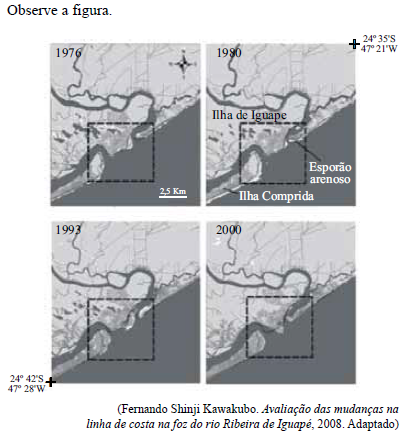
Analisando a figura, observam-se mudanças na linha de costa,
em destaque, ocorridas no período de 1976 a 2000. A formação
do esporão arenoso foi provocada pelo contínuo processo de
Q528685
Geografia
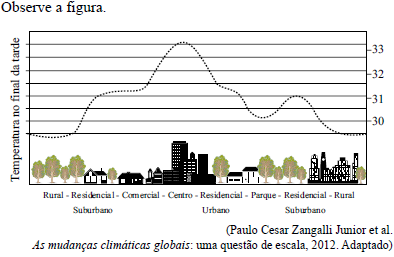
O fenômeno climático representado na figura ocorre porque

 Conheça nossos planos