Questões de Vestibular
Sobre história da psiquiatria em psiquiatria
Foram encontradas 75.229 questões


Analise o mapa do relevo do estado do Paraná a seguir.
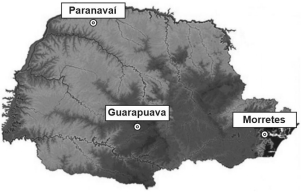
Fonte: SALTON, F G, et al. Climatologiados Episódios de Precipitação em Três Localidades no Estado do Paraná. RevistaBrasileiradeMeteorologia,v.31,n.4. ParanáPR, 2016. (Adaptado).
Sobre as condições climáticas das cidades assinaladas no mapa, avalie as afirmativas a seguir.
I. Em Paranavaí, na região noroeste, as chuvas ocorrem predominantemente no semestre outubro/março, devido às monções de verão, com maior aquecimento da superfície e maior convergência de umidade trazida do norte do Brasil.
II. Na região serrana de Guarapuava, no centro-sul, as chuvas são bem distribuídas ao longo do ano, devido à convergência de três fatores: o sistema de monções, as incursões das frentes frias e a influência do relevo.
III. Em Morretes, situada no litoral, as chuvas são significativamente maiores no verão, quando os ventos em superfície sobre o oceano tendem a dirigir-se para a costa, onde ascendem devido à barreira criada pela Serra do Mar.
Está correto o que se afirma em
As opções a seguir apresentam indicadores do processo de globalização, à exceção de uma. Assinale-a.
BAUMANN, Renato. Globalização, Desglobalização e o Brasil. IPEA. Abril 2021.
Sobre essas mudanças, analise as afirmativas a seguir.
I. As economias de diversos países passaram a se interligar em formato e em intensidade sem precedentes, processo que foi facilitado pela redução das barreiras ao fluxo internacional de bens e serviços.
II. As economias desenvolvidas adotaram a produção offshoring (em outros países), o que possibilitou ganhos de competitividade, maior controle das cadeias produtivas e a exploração de vantagens comparativas.
III. A maior interação econômica aumentou a demanda por trabalhadores qualificados e a crescente automação impactou o mercado de trabalho, ao ampliar o número de vagas nas cadeias produtivas.
Está correto o que se afirma em
A respeito do cenário pós Segunda Guerra, assinale a afirmativa correta.
FANON, Frantz. Os Condenados da Terra. Juiz de Fora: Editora UFJF, 2005, p. 70.
Com base no texto, assinale a opção que indica corretamente o aspecto que marcou o processo de descolonização africano.
CARVALHO, José Murilo de. Pontos e bordados: escritos de história política. Belo Horizonte: Ed. UFMG, 1998, p. 131.
A respeito do coronelismo da Primeira República brasileira (1889-1930), assinale a afirmativa que identifica corretamente as características e o funcionamento desse sistema político.
( ) Diferentemente do caso brasileiro, o fim da escravidão nos Estados Unidos esteve ligado a uma cisão entre as elites: as do Norte associadas ao desenvolvimento de uma sociedade liberal e capitalista e as do Sul tendo na escravidão o sustentáculo de sua riqueza.
( ) No Brasil, depois de 1865, o ritmo do movimento inicial em direção à emancipação gradual foi acelerado por acontecimentos externos, incluindo a emancipação nos Estados Unidos e no Caribe espanhol e a Guerra do Paraguai.
( ) As sociedades pós-escravistas brasileira e norte-americana não elaboraram um projeto nítido de inserção política, econômica e social do negro, o que perpetuou culturalmente e economicamente a exclusão que antes se assentava por meio da escravidão.
As afirmativas são, respectivamente,
História em curso: o Brasil e suas relações com o mundo ocidental. São Paulo: Editora do Brasil; Rio de Janeiro: FGV, 2004
A respeito do governo joanino e da independência brasileira, analise as afirmativas a seguir.
I. O maior desafio enfrentado por D. João em sua estada na América foi a rebelião de Pernambuco (1817), um movimento de reação à política joanina que se espalhou pelas capitanias vizinhas, reativas ao aumento de impostos para a manutenção da Corte no Rio de Janeiro.
II. Em 1820, uma série de revoltas contra o absolutismo monárquico eclodiram em Portugal, sendo vitoriosas na cidade do Porto, onde exigiu-se a extinção da monarquia dos Bragança e a elaboração de uma Constituição republicana.
III. A reação de D. João à revolução do Porto foi permanecer em terras americanas e assegurar a continuação de sua dinastia e de seu governo para o herdeiro, o príncipe D. Pedro, que assumiria o processo formal de independência a partir do Rio de Janeiro.
Está correto o que se afirma em
Partindo da análise de 4,5 milênios de textos literários da cultura egípcia, greco-romana, judaico-cristã, asiática, hindu, persa e medieval, pesquisadores brasileiros e argentinos encontraram semelhanças na estrutura não semântica entre textos datados da Idade do Bronze e relatos orais de crianças, adultos analfabetos e participantes com diagnóstico de psicose. Ao avaliar os textos selecionados, os pesquisadores procuraram fazer um resgate histórico do funcionamento da mentalidade humana, identificando que registros da Idade do Bronze (2.500 a 1.000 a.C.) são estruturalmente similares a relatos orais de crianças alfabetizadas e indivíduos adultos com diagnóstico de psicose da atualidade. Essa similaridade envolve uma estrutura de repetição do discurso, característica da linguagem oral que é modificada com a educação formal. Durante a Era Axial (800 a 200 a.C.), período da história antiga caracterizado por uma expansão do conhecimento em múltiplas áreas na Afro-Eurásia, a formação cognitiva do pensamento humano se tornou mais articulada, algo que é evidenciado pela literatura do período, que passou a contar com histórias mais complexas.
Adaptado de https://revistapesquisa.fapesp.br/arqueologia-da-mentalidade/
Sobre a relação entre escrita e evolução da função do pensamento, analise as afirmativas a seguir.
I. Pesquisas em arqueologia da mentalidade utilizam textos antigos como se fossem fósseis do pensamento humano, com base em estudos de neurociência, medicina, história e computação.
II. A mente de crianças e de indivíduos com diagnóstico de psicose funciona de modo análogo à dos primeiros hominídeos, com base em oralidade e, por isso, incapaz de armazenar memória social.
III. A pesquisa parte da hipótese de que diferentes tipos de registro (escrito ou oral) levam a diferentes sistemas de discurso, o que, por sua vez, tem influência sobre a cognição.
Está correto o que se afirma em
A respeito da história da democracia no Ocidente, assinale a opção que descreve corretamente uma experiência histórica que contribuiu para sua formação.
TEXT III

TEXT III
TEXT II
Avicenna, Arabic Ibn Sīnā, (born 980, near Bukhara, Iran [now in Uzbekistan]—died 1037, Hamadan, Iran), Muslim physician, the most famous and influential of the philosopher-scientists of the medieval Islamic world. He was particularly noted for his contributions in the fields of Aristotelian philosophy and medicine. He composed the Book of the Cure, a vast philosophical and scientific encyclopaedia, and The Canon of Medicine, which is among the most famous books in the history of medicine.
Avicenna did not burst upon an empty Islamic intellectual stage. It is believed that Muslim writer Ibn al-Muqaffaʿ, or possibly his son, had introduced Aristotelian logic to the Islamic world more than two centuries before Avicenna. Al-Kindī, the first Islamic Peripatetic (Aristotelian) philosopher, and Turkish polymath al-Fārābī, from whose book Avicenna would learn Aristotle’s metaphysics, preceded him. Of these luminaries, however, Avicenna remains by far the greatest.
Adapted from https://www.britannica.com/biography/Avicenna
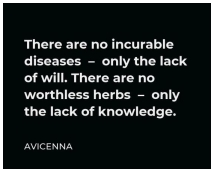
Here is one of his sayings:
TEXT II
Avicenna, Arabic Ibn Sīnā, (born 980, near Bukhara, Iran [now in Uzbekistan]—died 1037, Hamadan, Iran), Muslim physician, the most famous and influential of the philosopher-scientists of the medieval Islamic world. He was particularly noted for his contributions in the fields of Aristotelian philosophy and medicine. He composed the Book of the Cure, a vast philosophical and scientific encyclopaedia, and The Canon of Medicine, which is among the most famous books in the history of medicine.
Avicenna did not burst upon an empty Islamic intellectual stage. It is believed that Muslim writer Ibn al-Muqaffaʿ, or possibly his son, had introduced Aristotelian logic to the Islamic world more than two centuries before Avicenna. Al-Kindī, the first Islamic Peripatetic (Aristotelian) philosopher, and Turkish polymath al-Fārābī, from whose book Avicenna would learn Aristotle’s metaphysics, preceded him. Of these luminaries, however, Avicenna remains by far the greatest.
Adapted from https://www.britannica.com/biography/Avicenna
Here is one of his sayings:
TEXT II
Avicenna, Arabic Ibn Sīnā, (born 980, near Bukhara, Iran [now in Uzbekistan]—died 1037, Hamadan, Iran), Muslim physician, the most famous and influential of the philosopher-scientists of the medieval Islamic world. He was particularly noted for his contributions in the fields of Aristotelian philosophy and medicine. He composed the Book of the Cure, a vast philosophical and scientific encyclopaedia, and The Canon of Medicine, which is among the most famous books in the history of medicine.
Avicenna did not burst upon an empty Islamic intellectual stage. It is believed that Muslim writer Ibn al-Muqaffaʿ, or possibly his son, had introduced Aristotelian logic to the Islamic world more than two centuries before Avicenna. Al-Kindī, the first Islamic Peripatetic (Aristotelian) philosopher, and Turkish polymath al-Fārābī, from whose book Avicenna would learn Aristotle’s metaphysics, preceded him. Of these luminaries, however, Avicenna remains by far the greatest.
Adapted from https://www.britannica.com/biography/Avicenna
Here is one of his sayings:
Read the text below and answer the question.
TEXT I
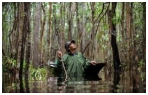
The Amazon is often referred to as "the world's largest medicine cabinet" CREDIT: Getty
(https://www.telegraph.co.uk/travel/cruises/articles/how-to-be-a-botanical-buff/)
Medicinal Treasures of the Rainforest
The widespread destruction of tropical rainforest ecosystems and the consequent extinction of numerous plant and animal species is happening before we know even the most basic facts about what we are losing.
Covering only 6 percent of the Earth's surface, tropical moist forests contain at least half of all species. The abundant botanical resources of tropical forests have already provided tangible medical advances; yet only 1 percent of the known plant and animal species have been thoroughly examined for their medicinal potentials. Meanwhile, 2 percent of the world's rainforests are irreparably damaged each year.
Approximately 7,000 medical compounds prescribed by Western doctors are derived from plants. These drugs had an estimated retail value of US$43 billion in 1985. Seventy percent of the 3000 plants identified by the United States National Cancer Institute as having potential anti-cancer properties are endemic to the rainforest. Tropical forest species serve Western surgery and internal medicine in three ways. First, extracts from organisms can be used directly as drugs. For maladies ranging from nagging headaches to lethal contagions such as malaria, rainforest medicines have provided modern society with a variety of cures and pain relievers.
[…]
Secondly, chemical structures of forest organisms sometimes serve as templates from which scientists and researchers can chemically synthesize drug compounds.[…]
Finally, rainforest plants provide aids for research. Certain plant compounds enable scientists to understand how cancer cells grow, while others serve as testing agents for potentially harmful food and drug products. Tropical forests offer hope for safer contraceptives for both women and men. The exponential growth of world population clearly demonstrates the need for more reliable and effective birth control methods. Worldwide, approximately 4,000 plant species have been shown to offer contraceptive possibilities. The rainforest also holds secrets for safer pesticides for farmers. Two species of potatoes have leaves that produce a sticky substance that traps and kills predatory insects. This natural self-defense mechanism could potentially reduce the need for using pesticides on potatoes. Who knows what other tricks the rainforest might have up its leaves?
Adapted from https://www.adventure-life.com/amazon/articles/medicinaltreasures-of-the-rainforest
Read the text below and answer the question.
TEXT I
The Amazon is often referred to as "the world's largest medicine cabinet" CREDIT: Getty
(https://www.telegraph.co.uk/travel/cruises/articles/how-to-be-a-botanical-buff/)
Medicinal Treasures of the Rainforest
The widespread destruction of tropical rainforest ecosystems and the consequent extinction of numerous plant and animal species is happening before we know even the most basic facts about what we are losing.
Covering only 6 percent of the Earth's surface, tropical moist forests contain at least half of all species. The abundant botanical resources of tropical forests have already provided tangible medical advances; yet only 1 percent of the known plant and animal species have been thoroughly examined for their medicinal potentials. Meanwhile, 2 percent of the world's rainforests are irreparably damaged each year.
Approximately 7,000 medical compounds prescribed by Western doctors are derived from plants. These drugs had an estimated retail value of US$43 billion in 1985. Seventy percent of the 3000 plants identified by the United States National Cancer Institute as having potential anti-cancer properties are endemic to the rainforest. Tropical forest species serve Western surgery and internal medicine in three ways. First, extracts from organisms can be used directly as drugs. For maladies ranging from nagging headaches to lethal contagions such as malaria, rainforest medicines have provided modern society with a variety of cures and pain relievers.
[…]
Secondly, chemical structures of forest organisms sometimes serve as templates from which scientists and researchers can chemically synthesize drug compounds.[…]
Finally, rainforest plants provide aids for research. Certain plant compounds enable scientists to understand how cancer cells grow, while others serve as testing agents for potentially harmful food and drug products. Tropical forests offer hope for safer contraceptives for both women and men. The exponential growth of world population clearly demonstrates the need for more reliable and effective birth control methods. Worldwide, approximately 4,000 plant species have been shown to offer contraceptive possibilities. The rainforest also holds secrets for safer pesticides for farmers. Two species of potatoes have leaves that produce a sticky substance that traps and kills predatory insects. This natural self-defense mechanism could potentially reduce the need for using pesticides on potatoes. Who knows what other tricks the rainforest might have up its leaves?
Adapted from https://www.adventure-life.com/amazon/articles/medicinaltreasures-of-the-rainforest
Read the text below and answer the question.
TEXT I
The Amazon is often referred to as "the world's largest medicine cabinet" CREDIT: Getty
(https://www.telegraph.co.uk/travel/cruises/articles/how-to-be-a-botanical-buff/)
Medicinal Treasures of the Rainforest
The widespread destruction of tropical rainforest ecosystems and the consequent extinction of numerous plant and animal species is happening before we know even the most basic facts about what we are losing.
Covering only 6 percent of the Earth's surface, tropical moist forests contain at least half of all species. The abundant botanical resources of tropical forests have already provided tangible medical advances; yet only 1 percent of the known plant and animal species have been thoroughly examined for their medicinal potentials. Meanwhile, 2 percent of the world's rainforests are irreparably damaged each year.
Approximately 7,000 medical compounds prescribed by Western doctors are derived from plants. These drugs had an estimated retail value of US$43 billion in 1985. Seventy percent of the 3000 plants identified by the United States National Cancer Institute as having potential anti-cancer properties are endemic to the rainforest. Tropical forest species serve Western surgery and internal medicine in three ways. First, extracts from organisms can be used directly as drugs. For maladies ranging from nagging headaches to lethal contagions such as malaria, rainforest medicines have provided modern society with a variety of cures and pain relievers.
[…]
Secondly, chemical structures of forest organisms sometimes serve as templates from which scientists and researchers can chemically synthesize drug compounds.[…]
Finally, rainforest plants provide aids for research. Certain plant compounds enable scientists to understand how cancer cells grow, while others serve as testing agents for potentially harmful food and drug products. Tropical forests offer hope for safer contraceptives for both women and men. The exponential growth of world population clearly demonstrates the need for more reliable and effective birth control methods. Worldwide, approximately 4,000 plant species have been shown to offer contraceptive possibilities. The rainforest also holds secrets for safer pesticides for farmers. Two species of potatoes have leaves that produce a sticky substance that traps and kills predatory insects. This natural self-defense mechanism could potentially reduce the need for using pesticides on potatoes. Who knows what other tricks the rainforest might have up its leaves?
Adapted from https://www.adventure-life.com/amazon/articles/medicinaltreasures-of-the-rainforest
Read the text below and answer the question.
TEXT I
The Amazon is often referred to as "the world's largest medicine cabinet" CREDIT: Getty
(https://www.telegraph.co.uk/travel/cruises/articles/how-to-be-a-botanical-buff/)
Medicinal Treasures of the Rainforest
The widespread destruction of tropical rainforest ecosystems and the consequent extinction of numerous plant and animal species is happening before we know even the most basic facts about what we are losing.
Covering only 6 percent of the Earth's surface, tropical moist forests contain at least half of all species. The abundant botanical resources of tropical forests have already provided tangible medical advances; yet only 1 percent of the known plant and animal species have been thoroughly examined for their medicinal potentials. Meanwhile, 2 percent of the world's rainforests are irreparably damaged each year.
Approximately 7,000 medical compounds prescribed by Western doctors are derived from plants. These drugs had an estimated retail value of US$43 billion in 1985. Seventy percent of the 3000 plants identified by the United States National Cancer Institute as having potential anti-cancer properties are endemic to the rainforest. Tropical forest species serve Western surgery and internal medicine in three ways. First, extracts from organisms can be used directly as drugs. For maladies ranging from nagging headaches to lethal contagions such as malaria, rainforest medicines have provided modern society with a variety of cures and pain relievers.
[…]
Secondly, chemical structures of forest organisms sometimes serve as templates from which scientists and researchers can chemically synthesize drug compounds.[…]
Finally, rainforest plants provide aids for research. Certain plant compounds enable scientists to understand how cancer cells grow, while others serve as testing agents for potentially harmful food and drug products. Tropical forests offer hope for safer contraceptives for both women and men. The exponential growth of world population clearly demonstrates the need for more reliable and effective birth control methods. Worldwide, approximately 4,000 plant species have been shown to offer contraceptive possibilities. The rainforest also holds secrets for safer pesticides for farmers. Two species of potatoes have leaves that produce a sticky substance that traps and kills predatory insects. This natural self-defense mechanism could potentially reduce the need for using pesticides on potatoes. Who knows what other tricks the rainforest might have up its leaves?
Adapted from https://www.adventure-life.com/amazon/articles/medicinaltreasures-of-the-rainforest

 Conheça nossos planos