Foram encontradas 1.953.545 questões

Resolva questões gratuitamente!

Junte-se a mais de 4 milhões de concurseiros!

Q4246837 Português
Assinale a alternativa cujo elemento destacado estabelece referência exofórica, isto é, remete a algo que está fora do enunciado.
Alternativas
Q4246836 Português
Assinale a alternativa cujos elementos preenchem corretamente as lacunas a seguir, na mesma ordem:

- Tudo aconteceu ____ custa de muito esforçо, graças ____ tentativa de anular ____ decisão da assembleia.
- Pouco _____ pouco, os convidados foram se acostumando ____ luminosidade do local.
- Dirijo-me ____ vocês com um objetivo muito simples: declarar minha adesão ____ causa desse grupo.
Alternativas
Q4246835 Português
Leia o texto a seguir para responder à questão.


Crônica da conexão


    Um doido dia resolveu mudar e o dia doido era eu. Tomei uma decisão:

    Eu não quero me conectar. Hoje eu quero um afastamento da tela do celular, da televisão, das redes sociais. Há de haver algum lugar no espaço ao meu alcance onde a conexão seja natural e não dependa de senhas.

    Assim como o sol quando eu olho ao sentir o brilho e percebo o relento. Preciso de uma conexão no meu espaço físico, na quantidade dos livros guardados chorando por mim. Conectar com histórias contadas em verso e prosa que eu abandonei há sete meses, e hoje é o dia do encontro. Ou reencontro, ou muito encanto. A gente precisou muito da conexão no caos diário, mas a gente se esgota. Pira, estranha, chora, e de repente a conexão se fez diferente. 

    Dei um basta. Respirei. Reaprendi a dialogar com as pessoas da minha vida real: filho, marido, cachorro, barulhos brandos, vozes, era nossa vez de escutar nosso cotidiano. E fazer planos, e cantar e sonhar. Nos reconectar e nos sentir vivos.

    Mas voltei para minha conexão virtual de todos os dias. Minha irmă usa apenas mensagem de áudio pra se comunicar. Por causa da minha irmã, minha filha, minha tia, eu me reconecto. Por carinho à causa. Um dia desses em que eu resolvi não olhar notificações, recebi um áudio:

     - Você não usa o telefone?

    Era minha irmã, sentindo minha falta.

    - Você quer falar comigo pelo telefone? Perguntei preocupada.

    - Quero falar com você por aqui mesmo. Pra gente conversar muito.

    Comecei a conversar com ela quatro, cinco vezes pelo WhatsApp navegável. Do jeitinho que ela gosta. É amor. E de amor estamos todos precisando. Em doses cavalares.

    Que restabeleça em mim a importância da conexão. Sem nunca perder a vontade de se desconectar por alguns momentos.


MODESTO, Sandra. Crônica da conexão. Revista Cult. Disponível em <https://revistacult.uol.com.br/home/cronica-daconexao/>.
"Era minha irmã, sentindo minha falta.

- Você quer falar comigo pelo telefone? Perguntei preocupada."

Assinale a alternativa que apresenta uma forma reescrita correta de parte do trecho acima.
Alternativas
Q4246834 Português
Leia o texto a seguir para responder à questão.


Crônica da conexão


    Um doido dia resolveu mudar e o dia doido era eu. Tomei uma decisão:

    Eu não quero me conectar. Hoje eu quero um afastamento da tela do celular, da televisão, das redes sociais. Há de haver algum lugar no espaço ao meu alcance onde a conexão seja natural e não dependa de senhas.

    Assim como o sol quando eu olho ao sentir o brilho e percebo o relento. Preciso de uma conexão no meu espaço físico, na quantidade dos livros guardados chorando por mim. Conectar com histórias contadas em verso e prosa que eu abandonei há sete meses, e hoje é o dia do encontro. Ou reencontro, ou muito encanto. A gente precisou muito da conexão no caos diário, mas a gente se esgota. Pira, estranha, chora, e de repente a conexão se fez diferente. 

    Dei um basta. Respirei. Reaprendi a dialogar com as pessoas da minha vida real: filho, marido, cachorro, barulhos brandos, vozes, era nossa vez de escutar nosso cotidiano. E fazer planos, e cantar e sonhar. Nos reconectar e nos sentir vivos.

    Mas voltei para minha conexão virtual de todos os dias. Minha irmă usa apenas mensagem de áudio pra se comunicar. Por causa da minha irmã, minha filha, minha tia, eu me reconecto. Por carinho à causa. Um dia desses em que eu resolvi não olhar notificações, recebi um áudio:

     - Você não usa o telefone?

    Era minha irmã, sentindo minha falta.

    - Você quer falar comigo pelo telefone? Perguntei preocupada.

    - Quero falar com você por aqui mesmo. Pra gente conversar muito.

    Comecei a conversar com ela quatro, cinco vezes pelo WhatsApp navegável. Do jeitinho que ela gosta. É amor. E de amor estamos todos precisando. Em doses cavalares.

    Que restabeleça em mim a importância da conexão. Sem nunca perder a vontade de se desconectar por alguns momentos.


MODESTO, Sandra. Crônica da conexão. Revista Cult. Disponível em <https://revistacult.uol.com.br/home/cronica-daconexao/>.
"(l) de haver(2) algum lugar no espaço ao meu alcance onde a conexão seja natural e não dependa de senhas."

Assinale a alternativa que apresenta uma análise correta das duas formas verbais identificadas por números no enunciado acima.
Alternativas
Q4246833 Português
Leia o texto a seguir para responder à questão.


Crônica da conexão


    Um doido dia resolveu mudar e o dia doido era eu. Tomei uma decisão:

    Eu não quero me conectar. Hoje eu quero um afastamento da tela do celular, da televisão, das redes sociais. Há de haver algum lugar no espaço ao meu alcance onde a conexão seja natural e não dependa de senhas.

    Assim como o sol quando eu olho ao sentir o brilho e percebo o relento. Preciso de uma conexão no meu espaço físico, na quantidade dos livros guardados chorando por mim. Conectar com histórias contadas em verso e prosa que eu abandonei há sete meses, e hoje é o dia do encontro. Ou reencontro, ou muito encanto. A gente precisou muito da conexão no caos diário, mas a gente se esgota. Pira, estranha, chora, e de repente a conexão se fez diferente. 

    Dei um basta. Respirei. Reaprendi a dialogar com as pessoas da minha vida real: filho, marido, cachorro, barulhos brandos, vozes, era nossa vez de escutar nosso cotidiano. E fazer planos, e cantar e sonhar. Nos reconectar e nos sentir vivos.

    Mas voltei para minha conexão virtual de todos os dias. Minha irmă usa apenas mensagem de áudio pra se comunicar. Por causa da minha irmã, minha filha, minha tia, eu me reconecto. Por carinho à causa. Um dia desses em que eu resolvi não olhar notificações, recebi um áudio:

     - Você não usa o telefone?

    Era minha irmã, sentindo minha falta.

    - Você quer falar comigo pelo telefone? Perguntei preocupada.

    - Quero falar com você por aqui mesmo. Pra gente conversar muito.

    Comecei a conversar com ela quatro, cinco vezes pelo WhatsApp navegável. Do jeitinho que ela gosta. É amor. E de amor estamos todos precisando. Em doses cavalares.

    Que restabeleça em mim a importância da conexão. Sem nunca perder a vontade de se desconectar por alguns momentos.


MODESTO, Sandra. Crônica da conexão. Revista Cult. Disponível em <https://revistacult.uol.com.br/home/cronica-daconexao/>.
O texto "Crônica da conexão" é apresentado predominantemente na:
Alternativas
Q4246832 Inglês
READ TEXTS V AND VI AND ANSWER THE  QUESTION THAT FOLLOW.


TEXT V

q32_40.png (212×296)


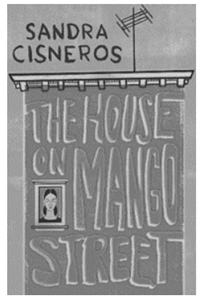
Acclaimed by critics, beloved by readers of all ages, taught everywhere from inner-city grade schools to universities across the country, and translated all over the world, The House on Mango Street is the remarkable story of Esperanza Cordero.

Told in a series of vignettes – sometimes heartbreaking, sometimes deeply joyous – it is the story of a young Latina girl growing up in Chicago, inventing for herself who and what she will become. Few other books in our time have touched so many readers.

From: https://www.amazon.com.br/dp/0679734775


TEXT VI


They always told us that one day we would move into a house, a real house that would be ours for always so we wouldn't have to move each year. And our house would have running water and pipes that worked. And inside it would have real stairs, not hallway stairs, but stairs inside like the houses on T.V. And we'd have a basement and at least three washrooms so when we took a bath we wouldn't have to tell everybody. Our house would be white with trees around it, a great big yard and grass growing without a fence. This was the house Papa talked about when he held a lottery ticket and this was the house Mama dreamed up in the stories she told us before we went to bed.

From: CISNEROS, Sandra. The House on Mango Street. New York: Vintage Books, 1991. p. 4. 
In Text V, the fragment “sometimes heartbreaking, sometimes deeply joyous” signals a 
Alternativas
Q4246831 Inglês
READ TEXTS V AND VI AND ANSWER THE  QUESTION THAT FOLLOW.


TEXT V

q32_40.png (212×296)


Acclaimed by critics, beloved by readers of all ages, taught everywhere from inner-city grade schools to universities across the country, and translated all over the world, The House on Mango Street is the remarkable story of Esperanza Cordero.

Told in a series of vignettes – sometimes heartbreaking, sometimes deeply joyous – it is the story of a young Latina girl growing up in Chicago, inventing for herself who and what she will become. Few other books in our time have touched so many readers.

From: https://www.amazon.com.br/dp/0679734775


TEXT VI


They always told us that one day we would move into a house, a real house that would be ours for always so we wouldn't have to move each year. And our house would have running water and pipes that worked. And inside it would have real stairs, not hallway stairs, but stairs inside like the houses on T.V. And we'd have a basement and at least three washrooms so when we took a bath we wouldn't have to tell everybody. Our house would be white with trees around it, a great big yard and grass growing without a fence. This was the house Papa talked about when he held a lottery ticket and this was the house Mama dreamed up in the stories she told us before we went to bed.

From: CISNEROS, Sandra. The House on Mango Street. New York: Vintage Books, 1991. p. 4. 
If the teacher asks a student to find a specific piece of information in the text, such as a date or a number, the reading strategy to be used is
Alternativas
Q4246830 Pedagogia
READ TEXTS V AND VI AND ANSWER THE  QUESTION THAT FOLLOW.


TEXT V

q32_40.png (212×296)


Acclaimed by critics, beloved by readers of all ages, taught everywhere from inner-city grade schools to universities across the country, and translated all over the world, The House on Mango Street is the remarkable story of Esperanza Cordero.

Told in a series of vignettes – sometimes heartbreaking, sometimes deeply joyous – it is the story of a young Latina girl growing up in Chicago, inventing for herself who and what she will become. Few other books in our time have touched so many readers.

From: https://www.amazon.com.br/dp/0679734775


TEXT VI


They always told us that one day we would move into a house, a real house that would be ours for always so we wouldn't have to move each year. And our house would have running water and pipes that worked. And inside it would have real stairs, not hallway stairs, but stairs inside like the houses on T.V. And we'd have a basement and at least three washrooms so when we took a bath we wouldn't have to tell everybody. Our house would be white with trees around it, a great big yard and grass growing without a fence. This was the house Papa talked about when he held a lottery ticket and this was the house Mama dreamed up in the stories she told us before we went to bed.

From: CISNEROS, Sandra. The House on Mango Street. New York: Vintage Books, 1991. p. 4. 
According to the most recent educational guidelines, if an ELF Brazilian teacher is willing to use literary productions in the classroom, he or she should
Alternativas
Q4246829 Inglês
READ TEXTS V AND VI AND ANSWER THE  QUESTION THAT FOLLOW.


TEXT V

q32_40.png (212×296)


Acclaimed by critics, beloved by readers of all ages, taught everywhere from inner-city grade schools to universities across the country, and translated all over the world, The House on Mango Street is the remarkable story of Esperanza Cordero.

Told in a series of vignettes – sometimes heartbreaking, sometimes deeply joyous – it is the story of a young Latina girl growing up in Chicago, inventing for herself who and what she will become. Few other books in our time have touched so many readers.

From: https://www.amazon.com.br/dp/0679734775


TEXT VI


They always told us that one day we would move into a house, a real house that would be ours for always so we wouldn't have to move each year. And our house would have running water and pipes that worked. And inside it would have real stairs, not hallway stairs, but stairs inside like the houses on T.V. And we'd have a basement and at least three washrooms so when we took a bath we wouldn't have to tell everybody. Our house would be white with trees around it, a great big yard and grass growing without a fence. This was the house Papa talked about when he held a lottery ticket and this was the house Mama dreamed up in the stories she told us before we went to bed.

From: CISNEROS, Sandra. The House on Mango Street. New York: Vintage Books, 1991. p. 4. 
Regarding the actions and events described in Text VI, it is correct to state that one of the narrator’s routine was 
Alternativas
Q4246828 Inglês
READ TEXTS V AND VI AND ANSWER THE  QUESTION THAT FOLLOW.


TEXT V

q32_40.png (212×296)


Acclaimed by critics, beloved by readers of all ages, taught everywhere from inner-city grade schools to universities across the country, and translated all over the world, The House on Mango Street is the remarkable story of Esperanza Cordero.

Told in a series of vignettes – sometimes heartbreaking, sometimes deeply joyous – it is the story of a young Latina girl growing up in Chicago, inventing for herself who and what she will become. Few other books in our time have touched so many readers.

From: https://www.amazon.com.br/dp/0679734775


TEXT VI


They always told us that one day we would move into a house, a real house that would be ours for always so we wouldn't have to move each year. And our house would have running water and pipes that worked. And inside it would have real stairs, not hallway stairs, but stairs inside like the houses on T.V. And we'd have a basement and at least three washrooms so when we took a bath we wouldn't have to tell everybody. Our house would be white with trees around it, a great big yard and grass growing without a fence. This was the house Papa talked about when he held a lottery ticket and this was the house Mama dreamed up in the stories she told us before we went to bed.

From: CISNEROS, Sandra. The House on Mango Street. New York: Vintage Books, 1991. p. 4. 
Text VI implies that the family was looking for a(n) 
Alternativas
Q4246827 Inglês
READ TEXTS V AND VI AND ANSWER THE  QUESTION THAT FOLLOW.


TEXT V

q32_40.png (212×296)


Acclaimed by critics, beloved by readers of all ages, taught everywhere from inner-city grade schools to universities across the country, and translated all over the world, The House on Mango Street is the remarkable story of Esperanza Cordero.

Told in a series of vignettes – sometimes heartbreaking, sometimes deeply joyous – it is the story of a young Latina girl growing up in Chicago, inventing for herself who and what she will become. Few other books in our time have touched so many readers.

From: https://www.amazon.com.br/dp/0679734775


TEXT VI


They always told us that one day we would move into a house, a real house that would be ours for always so we wouldn't have to move each year. And our house would have running water and pipes that worked. And inside it would have real stairs, not hallway stairs, but stairs inside like the houses on T.V. And we'd have a basement and at least three washrooms so when we took a bath we wouldn't have to tell everybody. Our house would be white with trees around it, a great big yard and grass growing without a fence. This was the house Papa talked about when he held a lottery ticket and this was the house Mama dreamed up in the stories she told us before we went to bed.

From: CISNEROS, Sandra. The House on Mango Street. New York: Vintage Books, 1991. p. 4. 
In order to help students understand Text VI, the teacher could say that “would” indicates that the house described is
Alternativas
Q4246826 Inglês
READ TEXTS V AND VI AND ANSWER THE  QUESTION THAT FOLLOW.


TEXT V

q32_40.png (212×296)


Acclaimed by critics, beloved by readers of all ages, taught everywhere from inner-city grade schools to universities across the country, and translated all over the world, The House on Mango Street is the remarkable story of Esperanza Cordero.

Told in a series of vignettes – sometimes heartbreaking, sometimes deeply joyous – it is the story of a young Latina girl growing up in Chicago, inventing for herself who and what she will become. Few other books in our time have touched so many readers.

From: https://www.amazon.com.br/dp/0679734775


TEXT VI


They always told us that one day we would move into a house, a real house that would be ours for always so we wouldn't have to move each year. And our house would have running water and pipes that worked. And inside it would have real stairs, not hallway stairs, but stairs inside like the houses on T.V. And we'd have a basement and at least three washrooms so when we took a bath we wouldn't have to tell everybody. Our house would be white with trees around it, a great big yard and grass growing without a fence. This was the house Papa talked about when he held a lottery ticket and this was the house Mama dreamed up in the stories she told us before we went to bed.

From: CISNEROS, Sandra. The House on Mango Street. New York: Vintage Books, 1991. p. 4. 
According to Text V, The House on Mango Street
Alternativas
Q4246825 Inglês
READ TEXTS V AND VI AND ANSWER THE  QUESTION THAT FOLLOW.


TEXT V

q32_40.png (212×296)


Acclaimed by critics, beloved by readers of all ages, taught everywhere from inner-city grade schools to universities across the country, and translated all over the world, The House on Mango Street is the remarkable story of Esperanza Cordero.

Told in a series of vignettes – sometimes heartbreaking, sometimes deeply joyous – it is the story of a young Latina girl growing up in Chicago, inventing for herself who and what she will become. Few other books in our time have touched so many readers.

From: https://www.amazon.com.br/dp/0679734775


TEXT VI


They always told us that one day we would move into a house, a real house that would be ours for always so we wouldn't have to move each year. And our house would have running water and pipes that worked. And inside it would have real stairs, not hallway stairs, but stairs inside like the houses on T.V. And we'd have a basement and at least three washrooms so when we took a bath we wouldn't have to tell everybody. Our house would be white with trees around it, a great big yard and grass growing without a fence. This was the house Papa talked about when he held a lottery ticket and this was the house Mama dreamed up in the stories she told us before we went to bed.

From: CISNEROS, Sandra. The House on Mango Street. New York: Vintage Books, 1991. p. 4. 
The BNCC recommends that literary texts should be used in the ELF classroom (EF08LI06) to sensitize students to different discursive practices.

In this direction, a book such as The House on Mango Street would help increase their
Alternativas
Q4246824 Inglês
READ TEXTS V AND VI AND ANSWER THE  QUESTION THAT FOLLOW.


TEXT V

q32_40.png (212×296)


Acclaimed by critics, beloved by readers of all ages, taught everywhere from inner-city grade schools to universities across the country, and translated all over the world, The House on Mango Street is the remarkable story of Esperanza Cordero.

Told in a series of vignettes – sometimes heartbreaking, sometimes deeply joyous – it is the story of a young Latina girl growing up in Chicago, inventing for herself who and what she will become. Few other books in our time have touched so many readers.

From: https://www.amazon.com.br/dp/0679734775


TEXT VI


They always told us that one day we would move into a house, a real house that would be ours for always so we wouldn't have to move each year. And our house would have running water and pipes that worked. And inside it would have real stairs, not hallway stairs, but stairs inside like the houses on T.V. And we'd have a basement and at least three washrooms so when we took a bath we wouldn't have to tell everybody. Our house would be white with trees around it, a great big yard and grass growing without a fence. This was the house Papa talked about when he held a lottery ticket and this was the house Mama dreamed up in the stories she told us before we went to bed.

From: CISNEROS, Sandra. The House on Mango Street. New York: Vintage Books, 1991. p. 4. 
It is expected that an ELF teacher should be familiar with different genres. In this sense, Texts V and VI can be classified, respectively, as a
Alternativas
Q4246823 Inglês

READ TEXT IV AND ANSWER THE  QUESTION THAT FOLLOW.


TEXT IV


q30_31.png (328×220)


From: https://as2.ftcdn.net

The past tense and past participle of the verb “rise” in this context are, respectively
Alternativas
Q4246822 Inglês

READ TEXT IV AND ANSWER THE  QUESTION THAT FOLLOW.


TEXT IV


q30_31.png (328×220)


From: https://as2.ftcdn.net

An ELF-aware approach includes presenting current issues to students. In this sense, this poster may be used in a classroom to promote reflection on
Alternativas
Q4246821 Inglês

READ TEXT III AND ANSWER THE  QUESTION THAT FOLLOW


TEXT III


ELF and the Brazilian National Core Curriculum


The current Brazilian National Core Curriculum (BNCC) adopts English as a Lingua Franca (ELF) as a guiding concept for English Language Teaching (ELT) across the country’s basic education system. While the measure has sparked debate and controversy, ELF’s inclusion in the document is generally seen as an innovative step. However, its implementation has brought significant challenges, especially for teachers who often lack a clear understanding of the concept or how to incorporate ELF-aware practices into their classrooms. These challenges underscore the pivotal role of teacher education in effectively integrating ELF into ELT in local contexts.


Adapted from: https://periodicos.ufrb.edu.br

Text III refers to ELF as “a guiding concept for English Language Teaching (ELT)”.

From this perspective, the teaching practice that is closer to an ELF approach in Brazilian public schools is
Alternativas
Q4246820 Inglês

READ TEXT III AND ANSWER THE  QUESTION THAT FOLLOW


TEXT III


ELF and the Brazilian National Core Curriculum


The current Brazilian National Core Curriculum (BNCC) adopts English as a Lingua Franca (ELF) as a guiding concept for English Language Teaching (ELT) across the country’s basic education system. While the measure has sparked debate and controversy, ELF’s inclusion in the document is generally seen as an innovative step. However, its implementation has brought significant challenges, especially for teachers who often lack a clear understanding of the concept or how to incorporate ELF-aware practices into their classrooms. These challenges underscore the pivotal role of teacher education in effectively integrating ELF into ELT in local contexts.


Adapted from: https://periodicos.ufrb.edu.br

As part of the curriculum, the teacher should introduce students to possessive adjectives. One strategy that can be used is asking them to underline the possessive adjective in a sentence and discussing its use.

In the case of the sentence “its implementation has brought significant challenges”, the possessive adjective is in the
Alternativas
Q4246819 Inglês

READ TEXT III AND ANSWER THE  QUESTION THAT FOLLOW


TEXT III


ELF and the Brazilian National Core Curriculum


The current Brazilian National Core Curriculum (BNCC) adopts English as a Lingua Franca (ELF) as a guiding concept for English Language Teaching (ELT) across the country’s basic education system. While the measure has sparked debate and controversy, ELF’s inclusion in the document is generally seen as an innovative step. However, its implementation has brought significant challenges, especially for teachers who often lack a clear understanding of the concept or how to incorporate ELF-aware practices into their classrooms. These challenges underscore the pivotal role of teacher education in effectively integrating ELF into ELT in local contexts.


Adapted from: https://periodicos.ufrb.edu.br

In the sentence “These challenges underscore the pivotal role of teacher education”, the verb can be replaced, without significant change of meaning, by
Alternativas
Q4246818 Inglês

READ TEXT III AND ANSWER THE  QUESTION THAT FOLLOW


TEXT III


ELF and the Brazilian National Core Curriculum


The current Brazilian National Core Curriculum (BNCC) adopts English as a Lingua Franca (ELF) as a guiding concept for English Language Teaching (ELT) across the country’s basic education system. While the measure has sparked debate and controversy, ELF’s inclusion in the document is generally seen as an innovative step. However, its implementation has brought significant challenges, especially for teachers who often lack a clear understanding of the concept or how to incorporate ELF-aware practices into their classrooms. These challenges underscore the pivotal role of teacher education in effectively integrating ELF into ELT in local contexts.


Adapted from: https://periodicos.ufrb.edu.br

Teachers “who often lack a clear understanding of the concept” are those whose knowledge of the concept is
Alternativas
Respostas
13061: A
13062: B
13063: E
13064: C
13065: B
13066: A
13067: A
13068: A
13069: C
13070: B
13071: E
13072: C
13073: E
13074: A
13075: C
13076: A
13077: C
13078: C
13079: E
13080: B