Selecionar segmento
Estude com questões de diferentes segmentos
Atenção: Isso limpará todos os campos já preenchidos no filtro!
Foram encontradas 2.021.212 questões
Resolva questões gratuitamente!
Junte-se a mais de 4 milhões de concurseiros!


Ano: 2026
Banca:
VUNESP
Órgão:
Prefeitura de Jundiaí - SP
Prova:
VUNESP - 2026 - Prefeitura de Jundiaí - SP - Professor II - Biologia |
Q4395938
Biologia
Durante uma aula do Ensino Médio, foi proposto aos
estudantes o cruzamento entre duas linhagens puras de
ervilhas, uma com sementes amarelas e outra com sementes verdes, nos mesmos moldes desenvolvidos por
Gregor Mendel. Após obterem a geração F1, os estudantes realizaram a autofecundação dos indivíduos heterozigotos e observaram a esperada proporção fenotípica da
geração F2.
Para explicar o resultado obtido, destaca-se um princípio fundamental da genética clássica:
Para explicar o resultado obtido, destaca-se um princípio fundamental da genética clássica:
Ano: 2026
Banca:
VUNESP
Órgão:
Prefeitura de Jundiaí - SP
Prova:
VUNESP - 2026 - Prefeitura de Jundiaí - SP - Professor II - Língua Estrangeira - Inglês |
Q4395897
Inglês
Leia a tirinha a seguir:
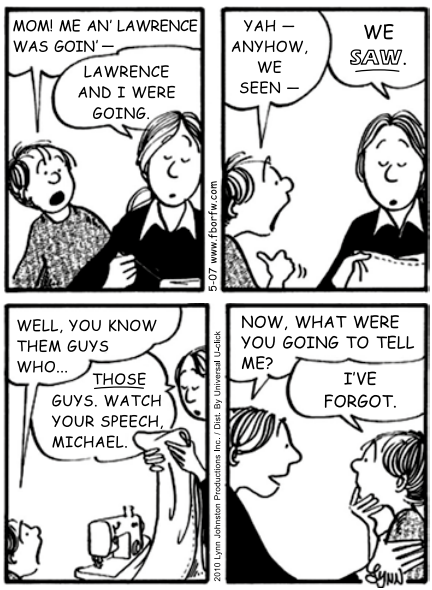
(https://maryannall.weebly.com)
The way Michael’s mother reacts to the boy’s statements reflects the view of the nature of language encountered in
(https://maryannall.weebly.com)
The way Michael’s mother reacts to the boy’s statements reflects the view of the nature of language encountered in
Ano: 2026
Banca:
VUNESP
Órgão:
Prefeitura de Jundiaí - SP
Prova:
VUNESP - 2026 - Prefeitura de Jundiaí - SP - Professor II - Língua Estrangeira - Inglês |
Q4395896
Inglês
Texto associado
Leia o texto a seguir para responder à questão:
Central to an approach or method in language teaching
is a view of the nature of language, and this shapes teaching
goals, the organization of the curriculum, and the emphasis
given in classroom teaching. A lexical approach in language
teaching refers to one derived from the belief that the
building blocks of language learning and communication
are not grammar, functions, notions or some other unit of
planning and teaching but lexis, that is, words and word
combinations. The lexical view holds that only a minority
of spoken sentences are entirely novel creations and that
multiword units functioning as ‘chunks” or memorized
patterns form a high proportion of the fluent stretches of
speech heard in everyday conversations.
Collocations are ‘language chunks’ that form an integral
part of any discourse, written or spoken. The term refers
to the regular occurrence together of words. For example,
compare the following collocations of verbs with nouns:
Do my hair/ the cooking /the laundry/ my work
Make my bed/ a promise/ coffee/ a meal
(RICHARDS, Jack C.; RODGERS, Theodore S. Approaches and methods
in language teaching. 2. ed. Cambridge: Cambridge University Press, 2001.
Adaptado)
A correct collocation with the verb “make” is found in
alternative
Ano: 2026
Banca:
VUNESP
Órgão:
Prefeitura de Jundiaí - SP
Prova:
VUNESP - 2026 - Prefeitura de Jundiaí - SP - Professor II - Língua Estrangeira - Inglês |
Q4395895
Inglês
Texto associado
Leia o texto a seguir para responder à questão:
Central to an approach or method in language teaching
is a view of the nature of language, and this shapes teaching
goals, the organization of the curriculum, and the emphasis
given in classroom teaching. A lexical approach in language
teaching refers to one derived from the belief that the
building blocks of language learning and communication
are not grammar, functions, notions or some other unit of
planning and teaching but lexis, that is, words and word
combinations. The lexical view holds that only a minority
of spoken sentences are entirely novel creations and that
multiword units functioning as ‘chunks” or memorized
patterns form a high proportion of the fluent stretches of
speech heard in everyday conversations.
Collocations are ‘language chunks’ that form an integral
part of any discourse, written or spoken. The term refers
to the regular occurrence together of words. For example,
compare the following collocations of verbs with nouns:
Do my hair/ the cooking /the laundry/ my work
Make my bed/ a promise/ coffee/ a meal
(RICHARDS, Jack C.; RODGERS, Theodore S. Approaches and methods
in language teaching. 2. ed. Cambridge: Cambridge University Press, 2001.
Adaptado)
Lexical approaches stress the teaching of the lexicon
because, under this perspective, words or multiword
lexical chunks
Ano: 2026
Banca:
VUNESP
Órgão:
Prefeitura de Jundiaí - SP
Prova:
VUNESP - 2026 - Prefeitura de Jundiaí - SP - Professor II - Língua Estrangeira - Inglês |
Q4395894
Inglês
Texto associado
Leia o texto a seguir para responder à questão:
Notional-functional syllabuses (hereafter referred to as
NFS) began to be used in the United Kingdom in the 1970’s.
The distinguishing characteristics of the NFS were its attention
to functions as the organizing elements of English language
curriculum, and its contrast with a structural syllabus in which
sequenced grammatical structures served as organizers.
Thus, the NFS focused strongly on the pragmatic purposes to
which we put language. Curricula were then organized around
such functions as identifying, reporting, denying, accepting,
declining, apologizing, etc. Some seventy different language
functions were identified.
The NFS quickly provided popular underpinnings for
the development of communicative textbooks and materials
in English language courses. It is important to emphasize
that the NFS did not necessarily develop communicative
competence in learners because, as a syllabus, it still
presented language as an inventory of units – functional
rather than grammatical units, but units nonetheless.
Communicative competence implies a set of strategies for
getting messages sent and received and for negotiating
meaning as an interactive participant in discourse, whether
spoken or written. It pressuposes the learners’ ability
to “know how to do” things, being able to act in different
situations as they put their constructed knowledge into
practice.
(BROWN, H. Douglas. Teaching by principles: an interactive approach to
language pedagogy. Englewood Cliffs, NJ: Prentice Hall Regents, 1994.
Adaptado)
Grande parte dos aprendizes brasileiros de Inglês percebe o sufixo -ed no passado e particípio passado de
verbos regulares como tendo o mesmo som quando, na
verdade, -ed pode assumir diversos sons. Dos verbos
a seguir, retirados do texto, assinale aquele em que
o -ed final é pronunciado como /id/ e acrescenta uma
sílaba à palavra.
Ano: 2026
Banca:
VUNESP
Órgão:
Prefeitura de Jundiaí - SP
Prova:
VUNESP - 2026 - Prefeitura de Jundiaí - SP - Professor II - Língua Estrangeira - Inglês |
Q4395893
Inglês
Texto associado
Leia o texto a seguir para responder à questão:
Notional-functional syllabuses (hereafter referred to as
NFS) began to be used in the United Kingdom in the 1970’s.
The distinguishing characteristics of the NFS were its attention
to functions as the organizing elements of English language
curriculum, and its contrast with a structural syllabus in which
sequenced grammatical structures served as organizers.
Thus, the NFS focused strongly on the pragmatic purposes to
which we put language. Curricula were then organized around
such functions as identifying, reporting, denying, accepting,
declining, apologizing, etc. Some seventy different language
functions were identified.
The NFS quickly provided popular underpinnings for
the development of communicative textbooks and materials
in English language courses. It is important to emphasize
that the NFS did not necessarily develop communicative
competence in learners because, as a syllabus, it still
presented language as an inventory of units – functional
rather than grammatical units, but units nonetheless.
Communicative competence implies a set of strategies for
getting messages sent and received and for negotiating
meaning as an interactive participant in discourse, whether
spoken or written. It pressuposes the learners’ ability
to “know how to do” things, being able to act in different
situations as they put their constructed knowledge into
practice.
(BROWN, H. Douglas. Teaching by principles: an interactive approach to
language pedagogy. Englewood Cliffs, NJ: Prentice Hall Regents, 1994.
Adaptado)
It is an example of a meaning-focused classroom activity,
fulfilling a genuine communicative purpose:
Ano: 2026
Banca:
VUNESP
Órgão:
Prefeitura de Jundiaí - SP
Prova:
VUNESP - 2026 - Prefeitura de Jundiaí - SP - Professor II - Língua Estrangeira - Inglês |
Q4395892
Inglês
Texto associado
Leia o texto a seguir para responder à questão:
Notional-functional syllabuses (hereafter referred to as
NFS) began to be used in the United Kingdom in the 1970’s.
The distinguishing characteristics of the NFS were its attention
to functions as the organizing elements of English language
curriculum, and its contrast with a structural syllabus in which
sequenced grammatical structures served as organizers.
Thus, the NFS focused strongly on the pragmatic purposes to
which we put language. Curricula were then organized around
such functions as identifying, reporting, denying, accepting,
declining, apologizing, etc. Some seventy different language
functions were identified.
The NFS quickly provided popular underpinnings for
the development of communicative textbooks and materials
in English language courses. It is important to emphasize
that the NFS did not necessarily develop communicative
competence in learners because, as a syllabus, it still
presented language as an inventory of units – functional
rather than grammatical units, but units nonetheless.
Communicative competence implies a set of strategies for
getting messages sent and received and for negotiating
meaning as an interactive participant in discourse, whether
spoken or written. It pressuposes the learners’ ability
to “know how to do” things, being able to act in different
situations as they put their constructed knowledge into
practice.
(BROWN, H. Douglas. Teaching by principles: an interactive approach to
language pedagogy. Englewood Cliffs, NJ: Prentice Hall Regents, 1994.
Adaptado)
Teachers who understand competence as “the learners’
ability to “know how to do” things, being able to act in
different situations as they put their constructed knowledge
into practice” (paragraph 2) will, in their English classes,
Ano: 2026
Banca:
VUNESP
Órgão:
Prefeitura de Jundiaí - SP
Prova:
VUNESP - 2026 - Prefeitura de Jundiaí - SP - Professor II - Língua Estrangeira - Inglês |
Q4395891
Inglês
Texto associado
Leia o texto a seguir para responder à questão:
Notional-functional syllabuses (hereafter referred to as
NFS) began to be used in the United Kingdom in the 1970’s.
The distinguishing characteristics of the NFS were its attention
to functions as the organizing elements of English language
curriculum, and its contrast with a structural syllabus in which
sequenced grammatical structures served as organizers.
Thus, the NFS focused strongly on the pragmatic purposes to
which we put language. Curricula were then organized around
such functions as identifying, reporting, denying, accepting,
declining, apologizing, etc. Some seventy different language
functions were identified.
The NFS quickly provided popular underpinnings for
the development of communicative textbooks and materials
in English language courses. It is important to emphasize
that the NFS did not necessarily develop communicative
competence in learners because, as a syllabus, it still
presented language as an inventory of units – functional
rather than grammatical units, but units nonetheless.
Communicative competence implies a set of strategies for
getting messages sent and received and for negotiating
meaning as an interactive participant in discourse, whether
spoken or written. It pressuposes the learners’ ability
to “know how to do” things, being able to act in different
situations as they put their constructed knowledge into
practice.
(BROWN, H. Douglas. Teaching by principles: an interactive approach to
language pedagogy. Englewood Cliffs, NJ: Prentice Hall Regents, 1994.
Adaptado)
Na frase do primeiro parágrafo “Thus, the NFS focused
strongly on the pragmatic purposes to which we put
language”, o termo destacado pode ser substituído,
respeitando o sentido e o nível de formalidade do
discurso, por
Ano: 2026
Banca:
VUNESP
Órgão:
Prefeitura de Jundiaí - SP
Prova:
VUNESP - 2026 - Prefeitura de Jundiaí - SP - Professor II - Língua Estrangeira - Inglês |
Q4395890
Inglês
Texto associado
Leia o texto a seguir para responder à questão:
Notional-functional syllabuses (hereafter referred to as
NFS) began to be used in the United Kingdom in the 1970’s.
The distinguishing characteristics of the NFS were its attention
to functions as the organizing elements of English language
curriculum, and its contrast with a structural syllabus in which
sequenced grammatical structures served as organizers.
Thus, the NFS focused strongly on the pragmatic purposes to
which we put language. Curricula were then organized around
such functions as identifying, reporting, denying, accepting,
declining, apologizing, etc. Some seventy different language
functions were identified.
The NFS quickly provided popular underpinnings for
the development of communicative textbooks and materials
in English language courses. It is important to emphasize
that the NFS did not necessarily develop communicative
competence in learners because, as a syllabus, it still
presented language as an inventory of units – functional
rather than grammatical units, but units nonetheless.
Communicative competence implies a set of strategies for
getting messages sent and received and for negotiating
meaning as an interactive participant in discourse, whether
spoken or written. It pressuposes the learners’ ability
to “know how to do” things, being able to act in different
situations as they put their constructed knowledge into
practice.
(BROWN, H. Douglas. Teaching by principles: an interactive approach to
language pedagogy. Englewood Cliffs, NJ: Prentice Hall Regents, 1994.
Adaptado)
Academic and scientific English makes regular use of Latin
and Greek words and adopts their plural forms as well, as
we see in “curriculum” and “curricula” (paragraph 1).
Mark the alternative in which a singular noun is correctly followed by its plural form.
Mark the alternative in which a singular noun is correctly followed by its plural form.
Ano: 2026
Banca:
VUNESP
Órgão:
Prefeitura de Jundiaí - SP
Prova:
VUNESP - 2026 - Prefeitura de Jundiaí - SP - Professor II - Língua Estrangeira - Inglês |
Q4395889
Inglês
Texto associado
Leia o texto a seguir para responder à questão:
Notional-functional syllabuses (hereafter referred to as
NFS) began to be used in the United Kingdom in the 1970’s.
The distinguishing characteristics of the NFS were its attention
to functions as the organizing elements of English language
curriculum, and its contrast with a structural syllabus in which
sequenced grammatical structures served as organizers.
Thus, the NFS focused strongly on the pragmatic purposes to
which we put language. Curricula were then organized around
such functions as identifying, reporting, denying, accepting,
declining, apologizing, etc. Some seventy different language
functions were identified.
The NFS quickly provided popular underpinnings for
the development of communicative textbooks and materials
in English language courses. It is important to emphasize
that the NFS did not necessarily develop communicative
competence in learners because, as a syllabus, it still
presented language as an inventory of units – functional
rather than grammatical units, but units nonetheless.
Communicative competence implies a set of strategies for
getting messages sent and received and for negotiating
meaning as an interactive participant in discourse, whether
spoken or written. It pressuposes the learners’ ability
to “know how to do” things, being able to act in different
situations as they put their constructed knowledge into
practice.
(BROWN, H. Douglas. Teaching by principles: an interactive approach to
language pedagogy. Englewood Cliffs, NJ: Prentice Hall Regents, 1994.
Adaptado)
The same function can be performed at different levels
of formality, depending on the context and the intimacy
between speakers.
There is an adequate choice of grammar and vocabulary in the function ‘making a recommendation’ in the situation illustrated in alternative
There is an adequate choice of grammar and vocabulary in the function ‘making a recommendation’ in the situation illustrated in alternative
Ano: 2026
Banca:
VUNESP
Órgão:
Prefeitura de Jundiaí - SP
Prova:
VUNESP - 2026 - Prefeitura de Jundiaí - SP - Professor II - Língua Estrangeira - Inglês |
Q4395888
Inglês
Texto associado
Leia o texto a seguir para responder à questão:
What makes a teacher
The idea that if you know something, you can teach
it, may seem a straight line. For a gifted few, it might be.
But many experts argue that teaching children and young
people requires knowing how to teach the content to achieve
understanding that is useful to actual learning.
Knowing how to teach children and young people means
having in-depth knowledge of pedagogy (varied philosophies
of learning and teaching), assessment, learning styles and
needs — and the varied complex dynamics that dictate the
context for how effective teaching happens. This fundamental
knowledge happens alongside opportunities to practise and
refine one’s teaching skills.
This is the difference between being taught by qualified
teachers and by people who know stuff. Knowing content is
not synonymous with good teaching. Getting teachers into
classrooms faster may fill classrooms, but at what cost?
There is a cautionary tale here worth paying attention to.
Shortening, and in some cases not requiring teacher
education at all, has been tried and failed. Studies have
shown that a major predictor of student achievement is the
preparedness of teachers. For teachers who have entered
into classrooms via expedited pathways, evidence showed
negative impacts for all student groups.
I fear we are on a road of short-term gain for long-term pain.
In any society, a well-trained certified workforce supports
continuity of learning and achievement. We wouldn’t
contemplate having an unqualified doctor treat us any
more than we want an uncertified electrician wiring our
house. So why is an unqualified teacher OK? Our children
deserve better.
(http://theconversation.com, 25.05.2026. Adaptado)
Compare o texto What makes a teacher e a tirinha a seguir:
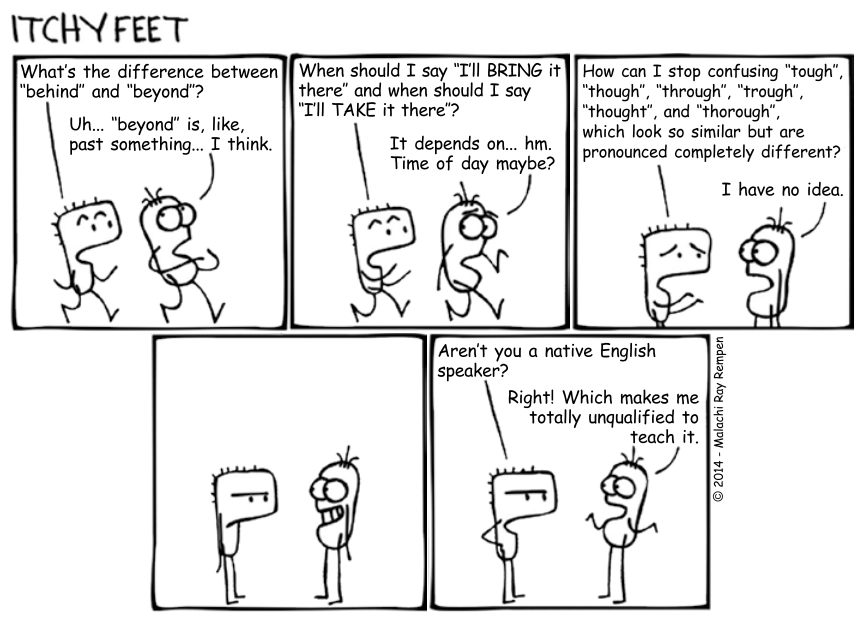
(https://www.itchyfeetcomic.com)
A última fala do quadrinho “Right! Which makes me totally unqualified to teach it”
(https://www.itchyfeetcomic.com)
A última fala do quadrinho “Right! Which makes me totally unqualified to teach it”
Ano: 2026
Banca:
VUNESP
Órgão:
Prefeitura de Jundiaí - SP
Prova:
VUNESP - 2026 - Prefeitura de Jundiaí - SP - Professor II - Língua Estrangeira - Inglês |
Q4395887
Inglês
Texto associado
Leia o texto a seguir para responder à questão:
What makes a teacher
The idea that if you know something, you can teach
it, may seem a straight line. For a gifted few, it might be.
But many experts argue that teaching children and young
people requires knowing how to teach the content to achieve
understanding that is useful to actual learning.
Knowing how to teach children and young people means
having in-depth knowledge of pedagogy (varied philosophies
of learning and teaching), assessment, learning styles and
needs — and the varied complex dynamics that dictate the
context for how effective teaching happens. This fundamental
knowledge happens alongside opportunities to practise and
refine one’s teaching skills.
This is the difference between being taught by qualified
teachers and by people who know stuff. Knowing content is
not synonymous with good teaching. Getting teachers into
classrooms faster may fill classrooms, but at what cost?
There is a cautionary tale here worth paying attention to.
Shortening, and in some cases not requiring teacher
education at all, has been tried and failed. Studies have
shown that a major predictor of student achievement is the
preparedness of teachers. For teachers who have entered
into classrooms via expedited pathways, evidence showed
negative impacts for all student groups.
I fear we are on a road of short-term gain for long-term pain.
In any society, a well-trained certified workforce supports
continuity of learning and achievement. We wouldn’t
contemplate having an unqualified doctor treat us any
more than we want an uncertified electrician wiring our
house. So why is an unqualified teacher OK? Our children
deserve better.
(http://theconversation.com, 25.05.2026. Adaptado)
In the three last paragraphs, the author of the text, mainly,
Ano: 2026
Banca:
VUNESP
Órgão:
Prefeitura de Jundiaí - SP
Prova:
VUNESP - 2026 - Prefeitura de Jundiaí - SP - Professor II - Língua Estrangeira - Inglês |
Q4395886
Inglês
Texto associado
Leia o texto a seguir para responder à questão:
What makes a teacher
The idea that if you know something, you can teach
it, may seem a straight line. For a gifted few, it might be.
But many experts argue that teaching children and young
people requires knowing how to teach the content to achieve
understanding that is useful to actual learning.
Knowing how to teach children and young people means
having in-depth knowledge of pedagogy (varied philosophies
of learning and teaching), assessment, learning styles and
needs — and the varied complex dynamics that dictate the
context for how effective teaching happens. This fundamental
knowledge happens alongside opportunities to practise and
refine one’s teaching skills.
This is the difference between being taught by qualified
teachers and by people who know stuff. Knowing content is
not synonymous with good teaching. Getting teachers into
classrooms faster may fill classrooms, but at what cost?
There is a cautionary tale here worth paying attention to.
Shortening, and in some cases not requiring teacher
education at all, has been tried and failed. Studies have
shown that a major predictor of student achievement is the
preparedness of teachers. For teachers who have entered
into classrooms via expedited pathways, evidence showed
negative impacts for all student groups.
I fear we are on a road of short-term gain for long-term pain.
In any society, a well-trained certified workforce supports
continuity of learning and achievement. We wouldn’t
contemplate having an unqualified doctor treat us any
more than we want an uncertified electrician wiring our
house. So why is an unqualified teacher OK? Our children
deserve better.
(http://theconversation.com, 25.05.2026. Adaptado)
While reading the text, a certain reader comes across
the expression “people who know stuff”, whose meaning
they do not identify at first sight. In order to try to
understand what the expression means, this reader may
pay attention to context and employ the reading strategy
known as
Ano: 2026
Banca:
VUNESP
Órgão:
Prefeitura de Jundiaí - SP
Prova:
VUNESP - 2026 - Prefeitura de Jundiaí - SP - Professor II - Língua Estrangeira - Inglês |
Q4395885
Inglês
Texto associado
Leia o texto a seguir para responder à questão:
What makes a teacher
The idea that if you know something, you can teach
it, may seem a straight line. For a gifted few, it might be.
But many experts argue that teaching children and young
people requires knowing how to teach the content to achieve
understanding that is useful to actual learning.
Knowing how to teach children and young people means
having in-depth knowledge of pedagogy (varied philosophies
of learning and teaching), assessment, learning styles and
needs — and the varied complex dynamics that dictate the
context for how effective teaching happens. This fundamental
knowledge happens alongside opportunities to practise and
refine one’s teaching skills.
This is the difference between being taught by qualified
teachers and by people who know stuff. Knowing content is
not synonymous with good teaching. Getting teachers into
classrooms faster may fill classrooms, but at what cost?
There is a cautionary tale here worth paying attention to.
Shortening, and in some cases not requiring teacher
education at all, has been tried and failed. Studies have
shown that a major predictor of student achievement is the
preparedness of teachers. For teachers who have entered
into classrooms via expedited pathways, evidence showed
negative impacts for all student groups.
I fear we are on a road of short-term gain for long-term pain.
In any society, a well-trained certified workforce supports
continuity of learning and achievement. We wouldn’t
contemplate having an unqualified doctor treat us any
more than we want an uncertified electrician wiring our
house. So why is an unqualified teacher OK? Our children
deserve better.
(http://theconversation.com, 25.05.2026. Adaptado)
The fragment from the third paragraph “people who know
stuff” refers to
Ano: 2026
Banca:
VUNESP
Órgão:
Prefeitura de Jundiaí - SP
Prova:
VUNESP - 2026 - Prefeitura de Jundiaí - SP - Professor II - Língua Estrangeira - Inglês |
Q4395884
Inglês
Texto associado
Leia o texto a seguir para responder à questão:
What makes a teacher
The idea that if you know something, you can teach
it, may seem a straight line. For a gifted few, it might be.
But many experts argue that teaching children and young
people requires knowing how to teach the content to achieve
understanding that is useful to actual learning.
Knowing how to teach children and young people means
having in-depth knowledge of pedagogy (varied philosophies
of learning and teaching), assessment, learning styles and
needs — and the varied complex dynamics that dictate the
context for how effective teaching happens. This fundamental
knowledge happens alongside opportunities to practise and
refine one’s teaching skills.
This is the difference between being taught by qualified
teachers and by people who know stuff. Knowing content is
not synonymous with good teaching. Getting teachers into
classrooms faster may fill classrooms, but at what cost?
There is a cautionary tale here worth paying attention to.
Shortening, and in some cases not requiring teacher
education at all, has been tried and failed. Studies have
shown that a major predictor of student achievement is the
preparedness of teachers. For teachers who have entered
into classrooms via expedited pathways, evidence showed
negative impacts for all student groups.
I fear we are on a road of short-term gain for long-term pain.
In any society, a well-trained certified workforce supports
continuity of learning and achievement. We wouldn’t
contemplate having an unqualified doctor treat us any
more than we want an uncertified electrician wiring our
house. So why is an unqualified teacher OK? Our children
deserve better.
(http://theconversation.com, 25.05.2026. Adaptado)
In the excerpt below (from paragraphs 1 and 2 in the
text), the word which functions as an adjective in
the context is:
…many experts argue that teaching (1) children and young people requires knowing how to teach the content to achieve understanding that is useful to actual learning (2).
Knowing how to teach children and young people means having in-depth knowledge of pedagogy (varied philosophies of learning (3) and teaching, assessment, learning styles and needs — and the varied complex dynamics that dictate the context for how effective teaching (4) happens. This fundamental knowledge happens alongside opportunities to practise and refine one’s teaching (5) skills.
Ano: 2026
Banca:
VUNESP
Órgão:
Prefeitura de Jundiaí - SP
Prova:
VUNESP - 2026 - Prefeitura de Jundiaí - SP - Professor II - Língua Estrangeira - Inglês |
Q4395883
Inglês
Texto associado
Leia o texto a seguir para responder à questão:
What makes a teacher
The idea that if you know something, you can teach
it, may seem a straight line. For a gifted few, it might be.
But many experts argue that teaching children and young
people requires knowing how to teach the content to achieve
understanding that is useful to actual learning.
Knowing how to teach children and young people means
having in-depth knowledge of pedagogy (varied philosophies
of learning and teaching), assessment, learning styles and
needs — and the varied complex dynamics that dictate the
context for how effective teaching happens. This fundamental
knowledge happens alongside opportunities to practise and
refine one’s teaching skills.
This is the difference between being taught by qualified
teachers and by people who know stuff. Knowing content is
not synonymous with good teaching. Getting teachers into
classrooms faster may fill classrooms, but at what cost?
There is a cautionary tale here worth paying attention to.
Shortening, and in some cases not requiring teacher
education at all, has been tried and failed. Studies have
shown that a major predictor of student achievement is the
preparedness of teachers. For teachers who have entered
into classrooms via expedited pathways, evidence showed
negative impacts for all student groups.
I fear we are on a road of short-term gain for long-term pain.
In any society, a well-trained certified workforce supports
continuity of learning and achievement. We wouldn’t
contemplate having an unqualified doctor treat us any
more than we want an uncertified electrician wiring our
house. So why is an unqualified teacher OK? Our children
deserve better.
(http://theconversation.com, 25.05.2026. Adaptado)
The combination of a teacher’s in-depth understanding
of pedagogical theories (as described in the first
sentence of the second paragraph) together with their
experience and awareness acquired through practice in
the classroom has been more recently referred to as a
teacher’s
Ano: 2026
Banca:
VUNESP
Órgão:
Prefeitura de Jundiaí - SP
Prova:
VUNESP - 2026 - Prefeitura de Jundiaí - SP - Professor II - Física |
Q4395882
Física
O gráfico do efeito fotoelétrico a seguir representa a energia cinética máxima do elétron em função da frequência
do fóton incidente.
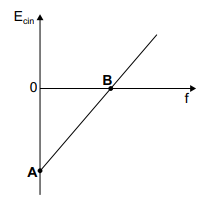
Os pontos A e B em destaque representam, respectivamente,
Os pontos A e B em destaque representam, respectivamente,
Ano: 2026
Banca:
VUNESP
Órgão:
Prefeitura de Jundiaí - SP
Prova:
VUNESP - 2026 - Prefeitura de Jundiaí - SP - Professor II - Física |
Q4395881
Física
Uma nave espacial, de massa 2,0⋅103
kg, viaja pelo espaço
sideral a uma velocidade igual a √3/2 ⋅ c, sendo c a velocidade
da luz no vácuo, de valor igual a 3⋅108
m/s.
A energia cinética relativística dessa nave, em joules, durante esse movimento, é de
A energia cinética relativística dessa nave, em joules, durante esse movimento, é de
Ano: 2026
Banca:
VUNESP
Órgão:
Prefeitura de Jundiaí - SP
Prova:
VUNESP - 2026 - Prefeitura de Jundiaí - SP - Professor II - Física |
Q4395880
Física
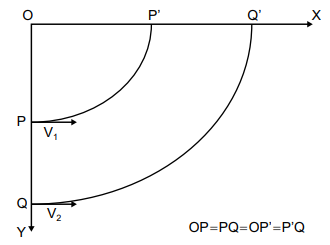
Uma partícula de dimensões desprezíveis, de massa m e carga elétrica q, lançada perpendicularmente à parede OY de um recipiente de fundo horizontal, a uma
velocidade inicial v1, horizontal também, penetra no
recipiente através do ponto P. No interior dele impera
um campo magnético de intensidade B1, de linhas de
indução verticais. Em consequência, a partícula descreve uma curva e sai pelo ponto P’ com velocidade
perpendicular à parede OX.
A experiência é repetida com a partícula entrando no recipiente pelo ponto Q da parede OY a uma velocidade v2 , em condições análogas, saindo através do ponto Q’ da parede OX.
A figura ilustra a situação descrita.
Com base nessa descrição, é correto afirmar que, se a carga da partícula for
A experiência é repetida com a partícula entrando no recipiente pelo ponto Q da parede OY a uma velocidade v2 , em condições análogas, saindo através do ponto Q’ da parede OX.
A figura ilustra a situação descrita.
Com base nessa descrição, é correto afirmar que, se a carga da partícula for
Ano: 2026
Banca:
VUNESP
Órgão:
Prefeitura de Jundiaí - SP
Prova:
VUNESP - 2026 - Prefeitura de Jundiaí - SP - Professor II - Física |
Q4395879
Física
A figura mostra o esquema de uma espira retangular metálica, de lados paralelos L mais extensos do que os lados
paralelos S. A espira encontra-se suspensa por dois fios
metálicos paralelos também, conectados a um gerador E,
de corrente contínua, que permitem que a espira gire em
torno do eixo x. Na região onde o sistema fica imerso, há
um campo magnético uniforme B, cujas linhas de indução
apontam perpendicularmente para fora desta folha. Uma
chave de conexão C permite, quando fechada, a passagem de corrente elétrica.
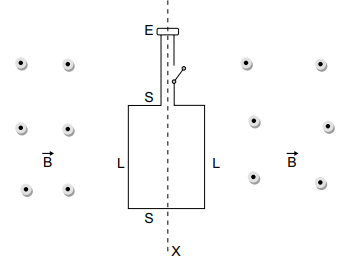
Ao ser ligada a chave, as forças eletromagnéticas atuantes exclusivamente sobre os lados L deverão produzir
Ao ser ligada a chave, as forças eletromagnéticas atuantes exclusivamente sobre os lados L deverão produzir

 Conheça nossos planos