Questões de Concurso
Para professor - inglês
Foram encontradas 31.244 questões
Resolva questões gratuitamente!
Junte-se a mais de 4 milhões de concurseiros!


Ano: 2023
Banca:
OBJETIVA
Órgão:
Prefeitura de Nonoai - RS
Provas:
OBJETIVA - 2023 - Prefeitura de Nonoai - RS - Professor - Português
|
OBJETIVA - 2023 - Prefeitura de Nonoai - RS - Professor - Currículo por Atividade |
OBJETIVA - 2023 - Prefeitura de Nonoai - RS - Professor - Ciências Físicas e Biológicas |
OBJETIVA - 2023 - Prefeitura de Nonoai - RS - Professor - Língua Inglesa |
OBJETIVA - 2023 - Prefeitura de Nonoai - RS - Professor - Matemática |
OBJETIVA - 2023 - Prefeitura de Nonoai - RS - Professor - Educação Infantil |
OBJETIVA - 2023 - Prefeitura de Nonoai - RS - Pedagogo |
Q4226882
História
Osama Bin Laden se tornou inimigo público dos EUA
após os atentados terroristas no dia 11 de setembro de
2001. Na manhã daquele dia, terroristas colidiram
intencionalmente dois aviões contra as Torres Gêmeas do
complexo empresarial do World Trade Center, na cidade de:
Ano: 2023
Banca:
OBJETIVA
Órgão:
Prefeitura de Nonoai - RS
Provas:
OBJETIVA - 2023 - Prefeitura de Nonoai - RS - Professor - Português
|
OBJETIVA - 2023 - Prefeitura de Nonoai - RS - Professor - Currículo por Atividade |
OBJETIVA - 2023 - Prefeitura de Nonoai - RS - Professor - Ciências Físicas e Biológicas |
OBJETIVA - 2023 - Prefeitura de Nonoai - RS - Professor - Língua Inglesa |
OBJETIVA - 2023 - Prefeitura de Nonoai - RS - Professor - Matemática |
OBJETIVA - 2023 - Prefeitura de Nonoai - RS - Professor - Educação Infantil |
OBJETIVA - 2023 - Prefeitura de Nonoai - RS - Pedagogo |
Q4226881
Geografia
Os combustíveis fósseis desempenham um papel crucial
na sociedade moderna, já que são responsáveis por mais de
75% da demanda energética global, sendo amplamente
utilizados em veículos, indústrias e residências. Assinalar a
alternativa que NÃO representa um tipo de combustível
fóssil:
Ano: 2023
Banca:
OBJETIVA
Órgão:
Prefeitura de Nonoai - RS
Provas:
OBJETIVA - 2023 - Prefeitura de Nonoai - RS - Professor - Português
|
OBJETIVA - 2023 - Prefeitura de Nonoai - RS - Professor - Currículo por Atividade |
OBJETIVA - 2023 - Prefeitura de Nonoai - RS - Professor - Ciências Físicas e Biológicas |
OBJETIVA - 2023 - Prefeitura de Nonoai - RS - Professor - Língua Inglesa |
OBJETIVA - 2023 - Prefeitura de Nonoai - RS - Professor - Matemática |
OBJETIVA - 2023 - Prefeitura de Nonoai - RS - Professor - Educação Infantil |
OBJETIVA - 2023 - Prefeitura de Nonoai - RS - Pedagogo |
Q4226880
Relações Humanas
As regras de convivência entre as pessoas são
fundamentais para o bom funcionamento de qualquer
repartição pública. Entre as alternativas abaixo, assinalar a
que descreve uma ação inadequada ao ambiente de
trabalho:
Ano: 2023
Banca:
OBJETIVA
Órgão:
Prefeitura de Nonoai - RS
Provas:
OBJETIVA - 2023 - Prefeitura de Nonoai - RS - Professor - Português
|
OBJETIVA - 2023 - Prefeitura de Nonoai - RS - Professor - Currículo por Atividade |
OBJETIVA - 2023 - Prefeitura de Nonoai - RS - Professor - Ciências Físicas e Biológicas |
OBJETIVA - 2023 - Prefeitura de Nonoai - RS - Professor - Língua Inglesa |
OBJETIVA - 2023 - Prefeitura de Nonoai - RS - Professor - Matemática |
OBJETIVA - 2023 - Prefeitura de Nonoai - RS - Professor - Educação Infantil |
OBJETIVA - 2023 - Prefeitura de Nonoai - RS - Pedagogo |
Q4226879
Português
Texto associado
O câncer que afligiu dinossauros e ainda atinge milhares de
pessoas todos os anos
Em um dia chuvoso ____ cerca de 77 milhões de
anos, no que hoje é o sudeste de Alberta, no Canadá, certo
dinossauro estava passando por momentos difíceis. O
Centrosaurus apertus adulto, um primo herbívoro de
tamanho médio dos Triceratops maiores que viveram ao
lado dos Tyrannosaurus, tinha um câncer ósseo avançado
em sua tíbia. A doença possivelmente se espalhou para
outras partes de seu corpo e era terminal.
O diagnóstico desse dinossauro em particular de
osteossarcoma, um raro câncer ósseo maligno mais
comumente encontrado em crianças e diagnosticado em
cerca de 25.000 pessoas por ano em todo o mundo, só veio
em 2020. Foi ____ primeira vez que um câncer maligno foi
diagnosticado em um dinossauro. ____ confirmação do caso
exigiu uma equipe multidisciplinar.
O osso tinha uma protuberância em uma
extremidade que foi rotulada como calo de fratura, mas
mesmo _____ primeira vista havia vários sinais indicadores
de câncer ósseo: estava visivelmente malformado e tinha
grandes forames não naturais (orifícios abertos) ao redor da
protuberância.
A equipe usou todos os meios de que dispunha para
confirmar o diagnóstico em seu paciente de 77 milhões de
anos. Eles compararam o osso com um osso normal da
canela do Centrosaurus e um osso da panturrilha humana
com um caso confirmado de osteossarcoma.
Eles também usaram raios-X, tomografia
computadorizada (TC) de alta qualidade, juntamente com
ferramentas de reconstrução 3D e histologia para criar
biópsias para que pudessem estudar o tumor no nível
celular.
"Isso nos permitiu fazer um diagnóstico de câncer
positivo que está de acordo com o que os médicos da minha
equipe sugeriram [que fariam] em um paciente humano",
diz Evans. "Na verdade, partimos para seccionar o osso em
série. Conseguimos rastrear o tumor cancerígeno abrindo
caminho através do osso, do joelho ao tornozelo."
(Fonte: BBC - adaptado.)
Assinalar a frase em que a pontuação está INCORRETA:
Ano: 2023
Banca:
OBJETIVA
Órgão:
Prefeitura de Nonoai - RS
Provas:
OBJETIVA - 2023 - Prefeitura de Nonoai - RS - Professor - Português
|
OBJETIVA - 2023 - Prefeitura de Nonoai - RS - Professor - Currículo por Atividade |
OBJETIVA - 2023 - Prefeitura de Nonoai - RS - Professor - Ciências Físicas e Biológicas |
OBJETIVA - 2023 - Prefeitura de Nonoai - RS - Professor - Língua Inglesa |
OBJETIVA - 2023 - Prefeitura de Nonoai - RS - Professor - Matemática |
OBJETIVA - 2023 - Prefeitura de Nonoai - RS - Professor - Educação Infantil |
OBJETIVA - 2023 - Prefeitura de Nonoai - RS - Pedagogo |
Q4226878
Português
Texto associado
O câncer que afligiu dinossauros e ainda atinge milhares de
pessoas todos os anos
Em um dia chuvoso ____ cerca de 77 milhões de
anos, no que hoje é o sudeste de Alberta, no Canadá, certo
dinossauro estava passando por momentos difíceis. O
Centrosaurus apertus adulto, um primo herbívoro de
tamanho médio dos Triceratops maiores que viveram ao
lado dos Tyrannosaurus, tinha um câncer ósseo avançado
em sua tíbia. A doença possivelmente se espalhou para
outras partes de seu corpo e era terminal.
O diagnóstico desse dinossauro em particular de
osteossarcoma, um raro câncer ósseo maligno mais
comumente encontrado em crianças e diagnosticado em
cerca de 25.000 pessoas por ano em todo o mundo, só veio
em 2020. Foi ____ primeira vez que um câncer maligno foi
diagnosticado em um dinossauro. ____ confirmação do caso
exigiu uma equipe multidisciplinar.
O osso tinha uma protuberância em uma
extremidade que foi rotulada como calo de fratura, mas
mesmo _____ primeira vista havia vários sinais indicadores
de câncer ósseo: estava visivelmente malformado e tinha
grandes forames não naturais (orifícios abertos) ao redor da
protuberância.
A equipe usou todos os meios de que dispunha para
confirmar o diagnóstico em seu paciente de 77 milhões de
anos. Eles compararam o osso com um osso normal da
canela do Centrosaurus e um osso da panturrilha humana
com um caso confirmado de osteossarcoma.
Eles também usaram raios-X, tomografia
computadorizada (TC) de alta qualidade, juntamente com
ferramentas de reconstrução 3D e histologia para criar
biópsias para que pudessem estudar o tumor no nível
celular.
"Isso nos permitiu fazer um diagnóstico de câncer
positivo que está de acordo com o que os médicos da minha
equipe sugeriram [que fariam] em um paciente humano",
diz Evans. "Na verdade, partimos para seccionar o osso em
série. Conseguimos rastrear o tumor cancerígeno abrindo
caminho através do osso, do joelho ao tornozelo."
(Fonte: BBC - adaptado.)
Quanto aos usos de “se não” e “senão”, assinalar a
alternativa CORRETA:
Ano: 2023
Banca:
OBJETIVA
Órgão:
Prefeitura de Nonoai - RS
Provas:
OBJETIVA - 2023 - Prefeitura de Nonoai - RS - Professor - Português
|
OBJETIVA - 2023 - Prefeitura de Nonoai - RS - Professor - Currículo por Atividade |
OBJETIVA - 2023 - Prefeitura de Nonoai - RS - Professor - Ciências Físicas e Biológicas |
OBJETIVA - 2023 - Prefeitura de Nonoai - RS - Professor - Língua Inglesa |
OBJETIVA - 2023 - Prefeitura de Nonoai - RS - Professor - Matemática |
OBJETIVA - 2023 - Prefeitura de Nonoai - RS - Professor - Educação Infantil |
OBJETIVA - 2023 - Prefeitura de Nonoai - RS - Pedagogo |
Q4226877
Português
Texto associado
O câncer que afligiu dinossauros e ainda atinge milhares de
pessoas todos os anos
Em um dia chuvoso ____ cerca de 77 milhões de
anos, no que hoje é o sudeste de Alberta, no Canadá, certo
dinossauro estava passando por momentos difíceis. O
Centrosaurus apertus adulto, um primo herbívoro de
tamanho médio dos Triceratops maiores que viveram ao
lado dos Tyrannosaurus, tinha um câncer ósseo avançado
em sua tíbia. A doença possivelmente se espalhou para
outras partes de seu corpo e era terminal.
O diagnóstico desse dinossauro em particular de
osteossarcoma, um raro câncer ósseo maligno mais
comumente encontrado em crianças e diagnosticado em
cerca de 25.000 pessoas por ano em todo o mundo, só veio
em 2020. Foi ____ primeira vez que um câncer maligno foi
diagnosticado em um dinossauro. ____ confirmação do caso
exigiu uma equipe multidisciplinar.
O osso tinha uma protuberância em uma
extremidade que foi rotulada como calo de fratura, mas
mesmo _____ primeira vista havia vários sinais indicadores
de câncer ósseo: estava visivelmente malformado e tinha
grandes forames não naturais (orifícios abertos) ao redor da
protuberância.
A equipe usou todos os meios de que dispunha para
confirmar o diagnóstico em seu paciente de 77 milhões de
anos. Eles compararam o osso com um osso normal da
canela do Centrosaurus e um osso da panturrilha humana
com um caso confirmado de osteossarcoma.
Eles também usaram raios-X, tomografia
computadorizada (TC) de alta qualidade, juntamente com
ferramentas de reconstrução 3D e histologia para criar
biópsias para que pudessem estudar o tumor no nível
celular.
"Isso nos permitiu fazer um diagnóstico de câncer
positivo que está de acordo com o que os médicos da minha
equipe sugeriram [que fariam] em um paciente humano",
diz Evans. "Na verdade, partimos para seccionar o osso em
série. Conseguimos rastrear o tumor cancerígeno abrindo
caminho através do osso, do joelho ao tornozelo."
(Fonte: BBC - adaptado.)
Em relação às palavras que têm o mesmo som, mas
grafias diferentes, como no exemplo a seguir, assinalar a
alternativa CORRETA:
Acento – sinal gráfico Assento – banco
Acento – sinal gráfico Assento – banco
Ano: 2023
Banca:
OBJETIVA
Órgão:
Prefeitura de Nonoai - RS
Provas:
OBJETIVA - 2023 - Prefeitura de Nonoai - RS - Professor - Português
|
OBJETIVA - 2023 - Prefeitura de Nonoai - RS - Professor - Currículo por Atividade |
OBJETIVA - 2023 - Prefeitura de Nonoai - RS - Professor - Ciências Físicas e Biológicas |
OBJETIVA - 2023 - Prefeitura de Nonoai - RS - Professor - Língua Inglesa |
OBJETIVA - 2023 - Prefeitura de Nonoai - RS - Professor - Matemática |
OBJETIVA - 2023 - Prefeitura de Nonoai - RS - Professor - Educação Infantil |
OBJETIVA - 2023 - Prefeitura de Nonoai - RS - Pedagogo |
Q4226876
Português
Texto associado
O câncer que afligiu dinossauros e ainda atinge milhares de
pessoas todos os anos
Em um dia chuvoso ____ cerca de 77 milhões de
anos, no que hoje é o sudeste de Alberta, no Canadá, certo
dinossauro estava passando por momentos difíceis. O
Centrosaurus apertus adulto, um primo herbívoro de
tamanho médio dos Triceratops maiores que viveram ao
lado dos Tyrannosaurus, tinha um câncer ósseo avançado
em sua tíbia. A doença possivelmente se espalhou para
outras partes de seu corpo e era terminal.
O diagnóstico desse dinossauro em particular de
osteossarcoma, um raro câncer ósseo maligno mais
comumente encontrado em crianças e diagnosticado em
cerca de 25.000 pessoas por ano em todo o mundo, só veio
em 2020. Foi ____ primeira vez que um câncer maligno foi
diagnosticado em um dinossauro. ____ confirmação do caso
exigiu uma equipe multidisciplinar.
O osso tinha uma protuberância em uma
extremidade que foi rotulada como calo de fratura, mas
mesmo _____ primeira vista havia vários sinais indicadores
de câncer ósseo: estava visivelmente malformado e tinha
grandes forames não naturais (orifícios abertos) ao redor da
protuberância.
A equipe usou todos os meios de que dispunha para
confirmar o diagnóstico em seu paciente de 77 milhões de
anos. Eles compararam o osso com um osso normal da
canela do Centrosaurus e um osso da panturrilha humana
com um caso confirmado de osteossarcoma.
Eles também usaram raios-X, tomografia
computadorizada (TC) de alta qualidade, juntamente com
ferramentas de reconstrução 3D e histologia para criar
biópsias para que pudessem estudar o tumor no nível
celular.
"Isso nos permitiu fazer um diagnóstico de câncer
positivo que está de acordo com o que os médicos da minha
equipe sugeriram [que fariam] em um paciente humano",
diz Evans. "Na verdade, partimos para seccionar o osso em
série. Conseguimos rastrear o tumor cancerígeno abrindo
caminho através do osso, do joelho ao tornozelo."
(Fonte: BBC - adaptado.)
Considerando-se a formação das palavras, assinalar a
alternativa que apresenta uma palavra que NÃO é formada
por derivação parassintética:
Ano: 2023
Banca:
OBJETIVA
Órgão:
Prefeitura de Nonoai - RS
Provas:
OBJETIVA - 2023 - Prefeitura de Nonoai - RS - Professor - Português
|
OBJETIVA - 2023 - Prefeitura de Nonoai - RS - Professor - Currículo por Atividade |
OBJETIVA - 2023 - Prefeitura de Nonoai - RS - Professor - Ciências Físicas e Biológicas |
OBJETIVA - 2023 - Prefeitura de Nonoai - RS - Professor - Língua Inglesa |
OBJETIVA - 2023 - Prefeitura de Nonoai - RS - Professor - Matemática |
OBJETIVA - 2023 - Prefeitura de Nonoai - RS - Professor - Educação Infantil |
OBJETIVA - 2023 - Prefeitura de Nonoai - RS - Pedagogo |
Q4226875
Português
Texto associado
O câncer que afligiu dinossauros e ainda atinge milhares de
pessoas todos os anos
Em um dia chuvoso ____ cerca de 77 milhões de
anos, no que hoje é o sudeste de Alberta, no Canadá, certo
dinossauro estava passando por momentos difíceis. O
Centrosaurus apertus adulto, um primo herbívoro de
tamanho médio dos Triceratops maiores que viveram ao
lado dos Tyrannosaurus, tinha um câncer ósseo avançado
em sua tíbia. A doença possivelmente se espalhou para
outras partes de seu corpo e era terminal.
O diagnóstico desse dinossauro em particular de
osteossarcoma, um raro câncer ósseo maligno mais
comumente encontrado em crianças e diagnosticado em
cerca de 25.000 pessoas por ano em todo o mundo, só veio
em 2020. Foi ____ primeira vez que um câncer maligno foi
diagnosticado em um dinossauro. ____ confirmação do caso
exigiu uma equipe multidisciplinar.
O osso tinha uma protuberância em uma
extremidade que foi rotulada como calo de fratura, mas
mesmo _____ primeira vista havia vários sinais indicadores
de câncer ósseo: estava visivelmente malformado e tinha
grandes forames não naturais (orifícios abertos) ao redor da
protuberância.
A equipe usou todos os meios de que dispunha para
confirmar o diagnóstico em seu paciente de 77 milhões de
anos. Eles compararam o osso com um osso normal da
canela do Centrosaurus e um osso da panturrilha humana
com um caso confirmado de osteossarcoma.
Eles também usaram raios-X, tomografia
computadorizada (TC) de alta qualidade, juntamente com
ferramentas de reconstrução 3D e histologia para criar
biópsias para que pudessem estudar o tumor no nível
celular.
"Isso nos permitiu fazer um diagnóstico de câncer
positivo que está de acordo com o que os médicos da minha
equipe sugeriram [que fariam] em um paciente humano",
diz Evans. "Na verdade, partimos para seccionar o osso em
série. Conseguimos rastrear o tumor cancerígeno abrindo
caminho através do osso, do joelho ao tornozelo."
(Fonte: BBC - adaptado.)
Assinalar a alternativa CORRETA quanto à acentuação da
palavra:
Ano: 2023
Banca:
OBJETIVA
Órgão:
Prefeitura de Nonoai - RS
Provas:
OBJETIVA - 2023 - Prefeitura de Nonoai - RS - Professor - Português
|
OBJETIVA - 2023 - Prefeitura de Nonoai - RS - Professor - Currículo por Atividade |
OBJETIVA - 2023 - Prefeitura de Nonoai - RS - Professor - Ciências Físicas e Biológicas |
OBJETIVA - 2023 - Prefeitura de Nonoai - RS - Professor - Língua Inglesa |
OBJETIVA - 2023 - Prefeitura de Nonoai - RS - Professor - Matemática |
OBJETIVA - 2023 - Prefeitura de Nonoai - RS - Professor - Educação Infantil |
OBJETIVA - 2023 - Prefeitura de Nonoai - RS - Pedagogo |
Q4226874
Português
Texto associado
O câncer que afligiu dinossauros e ainda atinge milhares de
pessoas todos os anos
Em um dia chuvoso ____ cerca de 77 milhões de
anos, no que hoje é o sudeste de Alberta, no Canadá, certo
dinossauro estava passando por momentos difíceis. O
Centrosaurus apertus adulto, um primo herbívoro de
tamanho médio dos Triceratops maiores que viveram ao
lado dos Tyrannosaurus, tinha um câncer ósseo avançado
em sua tíbia. A doença possivelmente se espalhou para
outras partes de seu corpo e era terminal.
O diagnóstico desse dinossauro em particular de
osteossarcoma, um raro câncer ósseo maligno mais
comumente encontrado em crianças e diagnosticado em
cerca de 25.000 pessoas por ano em todo o mundo, só veio
em 2020. Foi ____ primeira vez que um câncer maligno foi
diagnosticado em um dinossauro. ____ confirmação do caso
exigiu uma equipe multidisciplinar.
O osso tinha uma protuberância em uma
extremidade que foi rotulada como calo de fratura, mas
mesmo _____ primeira vista havia vários sinais indicadores
de câncer ósseo: estava visivelmente malformado e tinha
grandes forames não naturais (orifícios abertos) ao redor da
protuberância.
A equipe usou todos os meios de que dispunha para
confirmar o diagnóstico em seu paciente de 77 milhões de
anos. Eles compararam o osso com um osso normal da
canela do Centrosaurus e um osso da panturrilha humana
com um caso confirmado de osteossarcoma.
Eles também usaram raios-X, tomografia
computadorizada (TC) de alta qualidade, juntamente com
ferramentas de reconstrução 3D e histologia para criar
biópsias para que pudessem estudar o tumor no nível
celular.
"Isso nos permitiu fazer um diagnóstico de câncer
positivo que está de acordo com o que os médicos da minha
equipe sugeriram [que fariam] em um paciente humano",
diz Evans. "Na verdade, partimos para seccionar o osso em
série. Conseguimos rastrear o tumor cancerígeno abrindo
caminho através do osso, do joelho ao tornozelo."
(Fonte: BBC - adaptado.)
Em relação ao uso dos porquês, assinalar a alternativa
que preenche a lacuna abaixo CORRETAMENTE:
Todos choravam quando cheguei, mas ninguém me dizia o _________.
Todos choravam quando cheguei, mas ninguém me dizia o _________.
Ano: 2023
Banca:
OBJETIVA
Órgão:
Prefeitura de Nonoai - RS
Provas:
OBJETIVA - 2023 - Prefeitura de Nonoai - RS - Professor - Português
|
OBJETIVA - 2023 - Prefeitura de Nonoai - RS - Professor - Currículo por Atividade |
OBJETIVA - 2023 - Prefeitura de Nonoai - RS - Professor - Ciências Físicas e Biológicas |
OBJETIVA - 2023 - Prefeitura de Nonoai - RS - Professor - Língua Inglesa |
OBJETIVA - 2023 - Prefeitura de Nonoai - RS - Professor - Matemática |
OBJETIVA - 2023 - Prefeitura de Nonoai - RS - Professor - Educação Infantil |
OBJETIVA - 2023 - Prefeitura de Nonoai - RS - Pedagogo |
Q4226873
Português
Texto associado
O câncer que afligiu dinossauros e ainda atinge milhares de
pessoas todos os anos
Em um dia chuvoso ____ cerca de 77 milhões de
anos, no que hoje é o sudeste de Alberta, no Canadá, certo
dinossauro estava passando por momentos difíceis. O
Centrosaurus apertus adulto, um primo herbívoro de
tamanho médio dos Triceratops maiores que viveram ao
lado dos Tyrannosaurus, tinha um câncer ósseo avançado
em sua tíbia. A doença possivelmente se espalhou para
outras partes de seu corpo e era terminal.
O diagnóstico desse dinossauro em particular de
osteossarcoma, um raro câncer ósseo maligno mais
comumente encontrado em crianças e diagnosticado em
cerca de 25.000 pessoas por ano em todo o mundo, só veio
em 2020. Foi ____ primeira vez que um câncer maligno foi
diagnosticado em um dinossauro. ____ confirmação do caso
exigiu uma equipe multidisciplinar.
O osso tinha uma protuberância em uma
extremidade que foi rotulada como calo de fratura, mas
mesmo _____ primeira vista havia vários sinais indicadores
de câncer ósseo: estava visivelmente malformado e tinha
grandes forames não naturais (orifícios abertos) ao redor da
protuberância.
A equipe usou todos os meios de que dispunha para
confirmar o diagnóstico em seu paciente de 77 milhões de
anos. Eles compararam o osso com um osso normal da
canela do Centrosaurus e um osso da panturrilha humana
com um caso confirmado de osteossarcoma.
Eles também usaram raios-X, tomografia
computadorizada (TC) de alta qualidade, juntamente com
ferramentas de reconstrução 3D e histologia para criar
biópsias para que pudessem estudar o tumor no nível
celular.
"Isso nos permitiu fazer um diagnóstico de câncer
positivo que está de acordo com o que os médicos da minha
equipe sugeriram [que fariam] em um paciente humano",
diz Evans. "Na verdade, partimos para seccionar o osso em
série. Conseguimos rastrear o tumor cancerígeno abrindo
caminho através do osso, do joelho ao tornozelo."
(Fonte: BBC - adaptado.)
Em “A equipe usou todos os meios de que dispunha para
confirmar o diagnóstico [...]”, se o termo sublinhado fosse
pluralizado, quantos outros termos precisariam ser
modificados para que a concordância nominal e verbal se
mantivessem?
Ano: 2023
Banca:
OBJETIVA
Órgão:
Prefeitura de Nonoai - RS
Provas:
OBJETIVA - 2023 - Prefeitura de Nonoai - RS - Professor - Português
|
OBJETIVA - 2023 - Prefeitura de Nonoai - RS - Professor - Currículo por Atividade |
OBJETIVA - 2023 - Prefeitura de Nonoai - RS - Professor - Ciências Físicas e Biológicas |
OBJETIVA - 2023 - Prefeitura de Nonoai - RS - Professor - Língua Inglesa |
OBJETIVA - 2023 - Prefeitura de Nonoai - RS - Professor - Matemática |
OBJETIVA - 2023 - Prefeitura de Nonoai - RS - Professor - Educação Infantil |
OBJETIVA - 2023 - Prefeitura de Nonoai - RS - Pedagogo |
Q4226872
Português
Texto associado
O câncer que afligiu dinossauros e ainda atinge milhares de
pessoas todos os anos
Em um dia chuvoso ____ cerca de 77 milhões de
anos, no que hoje é o sudeste de Alberta, no Canadá, certo
dinossauro estava passando por momentos difíceis. O
Centrosaurus apertus adulto, um primo herbívoro de
tamanho médio dos Triceratops maiores que viveram ao
lado dos Tyrannosaurus, tinha um câncer ósseo avançado
em sua tíbia. A doença possivelmente se espalhou para
outras partes de seu corpo e era terminal.
O diagnóstico desse dinossauro em particular de
osteossarcoma, um raro câncer ósseo maligno mais
comumente encontrado em crianças e diagnosticado em
cerca de 25.000 pessoas por ano em todo o mundo, só veio
em 2020. Foi ____ primeira vez que um câncer maligno foi
diagnosticado em um dinossauro. ____ confirmação do caso
exigiu uma equipe multidisciplinar.
O osso tinha uma protuberância em uma
extremidade que foi rotulada como calo de fratura, mas
mesmo _____ primeira vista havia vários sinais indicadores
de câncer ósseo: estava visivelmente malformado e tinha
grandes forames não naturais (orifícios abertos) ao redor da
protuberância.
A equipe usou todos os meios de que dispunha para
confirmar o diagnóstico em seu paciente de 77 milhões de
anos. Eles compararam o osso com um osso normal da
canela do Centrosaurus e um osso da panturrilha humana
com um caso confirmado de osteossarcoma.
Eles também usaram raios-X, tomografia
computadorizada (TC) de alta qualidade, juntamente com
ferramentas de reconstrução 3D e histologia para criar
biópsias para que pudessem estudar o tumor no nível
celular.
"Isso nos permitiu fazer um diagnóstico de câncer
positivo que está de acordo com o que os médicos da minha
equipe sugeriram [que fariam] em um paciente humano",
diz Evans. "Na verdade, partimos para seccionar o osso em
série. Conseguimos rastrear o tumor cancerígeno abrindo
caminho através do osso, do joelho ao tornozelo."
(Fonte: BBC - adaptado.)
O termo sublinhado em “[...] confirmação do caso exigiu
uma equipe multidisciplinar.” poderia ser substituído, sem
prejuízo de sentido, por:
Ano: 2023
Banca:
OBJETIVA
Órgão:
Prefeitura de Nonoai - RS
Provas:
OBJETIVA - 2023 - Prefeitura de Nonoai - RS - Professor - Português
|
OBJETIVA - 2023 - Prefeitura de Nonoai - RS - Professor - Currículo por Atividade |
OBJETIVA - 2023 - Prefeitura de Nonoai - RS - Professor - Ciências Físicas e Biológicas |
OBJETIVA - 2023 - Prefeitura de Nonoai - RS - Professor - Língua Inglesa |
OBJETIVA - 2023 - Prefeitura de Nonoai - RS - Professor - Matemática |
OBJETIVA - 2023 - Prefeitura de Nonoai - RS - Professor - Educação Infantil |
OBJETIVA - 2023 - Prefeitura de Nonoai - RS - Pedagogo |
Q4226871
Português
Texto associado
O câncer que afligiu dinossauros e ainda atinge milhares de
pessoas todos os anos
Em um dia chuvoso ____ cerca de 77 milhões de
anos, no que hoje é o sudeste de Alberta, no Canadá, certo
dinossauro estava passando por momentos difíceis. O
Centrosaurus apertus adulto, um primo herbívoro de
tamanho médio dos Triceratops maiores que viveram ao
lado dos Tyrannosaurus, tinha um câncer ósseo avançado
em sua tíbia. A doença possivelmente se espalhou para
outras partes de seu corpo e era terminal.
O diagnóstico desse dinossauro em particular de
osteossarcoma, um raro câncer ósseo maligno mais
comumente encontrado em crianças e diagnosticado em
cerca de 25.000 pessoas por ano em todo o mundo, só veio
em 2020. Foi ____ primeira vez que um câncer maligno foi
diagnosticado em um dinossauro. ____ confirmação do caso
exigiu uma equipe multidisciplinar.
O osso tinha uma protuberância em uma
extremidade que foi rotulada como calo de fratura, mas
mesmo _____ primeira vista havia vários sinais indicadores
de câncer ósseo: estava visivelmente malformado e tinha
grandes forames não naturais (orifícios abertos) ao redor da
protuberância.
A equipe usou todos os meios de que dispunha para
confirmar o diagnóstico em seu paciente de 77 milhões de
anos. Eles compararam o osso com um osso normal da
canela do Centrosaurus e um osso da panturrilha humana
com um caso confirmado de osteossarcoma.
Eles também usaram raios-X, tomografia
computadorizada (TC) de alta qualidade, juntamente com
ferramentas de reconstrução 3D e histologia para criar
biópsias para que pudessem estudar o tumor no nível
celular.
"Isso nos permitiu fazer um diagnóstico de câncer
positivo que está de acordo com o que os médicos da minha
equipe sugeriram [que fariam] em um paciente humano",
diz Evans. "Na verdade, partimos para seccionar o osso em
série. Conseguimos rastrear o tumor cancerígeno abrindo
caminho através do osso, do joelho ao tornozelo."
(Fonte: BBC - adaptado.)
Conforme o texto, assinalar a alternativa CORRETA:
Ano: 2023
Banca:
Máxima
Órgão:
Prefeitura de Estiva - MG
Prova:
Máxima - 2023 - Prefeitura de Estiva - MG - Professor de Inglês |
Q4212081
Português
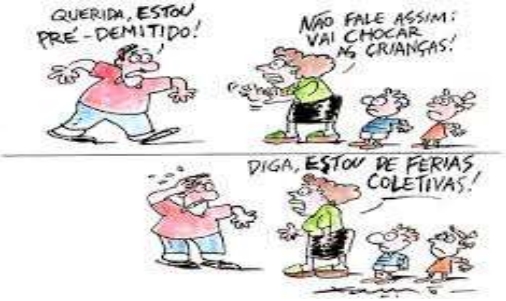
O efeito de sentido do humor está:
Ano: 2023
Banca:
Máxima
Órgão:
Prefeitura de Estiva - MG
Prova:
Máxima - 2023 - Prefeitura de Estiva - MG - Professor de Inglês |
Q4212075
Português
“... uma vez que aprendeu a ninar nos longes da senzala...”.
A crase consiste na junção da preposição “a” com o artigo “a”. Ela é representada pelo acento grave (`). Em alguns casos, o emprego desse acento é obrigatório, em outros, indevido e, em outros, facultativo. No verso acima, a não utilização do emprego da crase se deu pelo mesmo motivo que em:
A crase consiste na junção da preposição “a” com o artigo “a”. Ela é representada pelo acento grave (`). Em alguns casos, o emprego desse acento é obrigatório, em outros, indevido e, em outros, facultativo. No verso acima, a não utilização do emprego da crase se deu pelo mesmo motivo que em:
Ano: 2023
Banca:
Máxima
Órgão:
Prefeitura de Estiva - MG
Prova:
Máxima - 2023 - Prefeitura de Estiva - MG - Professor de Inglês |
Q4212067
Inglês
Choose the CORRECT answer.
“Andrew runs every day with his mate _________ name I can't remember.”
“Andrew runs every day with his mate _________ name I can't remember.”
Ano: 2023
Banca:
Máxima
Órgão:
Prefeitura de Estiva - MG
Prova:
Máxima - 2023 - Prefeitura de Estiva - MG - Professor de Inglês |
Q4212066
Inglês
Choose the CORRECT answer.
“As citizens of a country, we don’t have an option.
We _________ pay taxes to the local and federal government.”
“As citizens of a country, we don’t have an option.
We _________ pay taxes to the local and federal government.”
Ano: 2023
Banca:
Máxima
Órgão:
Prefeitura de Estiva - MG
Prova:
Máxima - 2023 - Prefeitura de Estiva - MG - Professor de Inglês |
Q4212065
Inglês
What type of Conditional is the sentence below? Choose the CORRECT
answer.
“If we earned more money, we would afford expensive holidays.”
“If we earned more money, we would afford expensive holidays.”
Ano: 2023
Banca:
Máxima
Órgão:
Prefeitura de Estiva - MG
Prova:
Máxima - 2023 - Prefeitura de Estiva - MG - Professor de Inglês |
Q4212064
Inglês
Complete the sentence below with the correct verb. Choose the
CORRECT answer.
“My mom: Where is your father? I need to talk to him.
My friend: He __________________ to the supermarket. If it is important, you should call him.”
“My mom: Where is your father? I need to talk to him.
My friend: He __________________ to the supermarket. If it is important, you should call him.”
Ano: 2023
Banca:
Máxima
Órgão:
Prefeitura de Estiva - MG
Prova:
Máxima - 2023 - Prefeitura de Estiva - MG - Professor de Inglês |
Q4212063
Inglês
Complete the sentence below with the correct verb. Choose the
CORRECT answer.
“A baker always _________ early in order to prepare bread and pastries for the day.”
“A baker always _________ early in order to prepare bread and pastries for the day.”
Ano: 2023
Banca:
Máxima
Órgão:
Prefeitura de Estiva - MG
Prova:
Máxima - 2023 - Prefeitura de Estiva - MG - Professor de Inglês |
Q4212062
Inglês
Look at the picture. Based on what you can see, choose the CORRECT
answer.

“She _________ a cake.”
“She _________ a cake.”

 Conheça nossos planos