Questões de Concurso
Para professor - inglês
Foram encontradas 31.229 questões
Resolva questões gratuitamente!
Junte-se a mais de 4 milhões de concurseiros!


Ano: 2025
Banca:
FUNDATEC
Órgão:
Prefeitura de Montenegro - RS
Provas:
FUNDATEC - 2025 - Prefeitura de Montenegro - RS - Professor Área II - Língua Portuguesa
|
FUNDATEC - 2025 - Prefeitura de Montenegro - RS - Professor Área II - Estrangeira/Inglês |
FUNDATEC - 2025 - Prefeitura de Montenegro - RS - Professor Área II - Matemática |
FUNDATEC - 2025 - Prefeitura de Montenegro - RS - Professor Área II - Geografia |
FUNDATEC - 2025 - Prefeitura de Montenegro - RS - Professor Área II - História |
FUNDATEC - 2025 - Prefeitura de Montenegro - RS - Professor Área II - Ciências |
FUNDATEC - 2025 - Prefeitura de Montenegro - RS - Professor Área II - Ensino Religioso |
FUNDATEC - 2025 - Prefeitura de Montenegro - RS - Professor Área II - Educação Física |
FUNDATEC - 2025 - Prefeitura de Montenegro - RS - Professor Área II - Artes Visuais |
FUNDATEC - 2025 - Prefeitura de Montenegro - RS - Professor Área II - Dança |
FUNDATEC - 2025 - Prefeitura de Montenegro - RS - Professor Área II - Música |
FUNDATEC - 2025 - Prefeitura de Montenegro - RS - Professor Área II - Teatro |
FUNDATEC - 2025 - Prefeitura de Montenegro - RS - Professor Área II - Libras |
FUNDATEC - 2025 - Prefeitura de Montenegro - RS - Apoio Pedagógico - Supervisão |
FUNDATEC - 2025 - Prefeitura de Montenegro - RS - Apoio Pedagógico - Orientação |
Q3707257
Pedagogia
A professora Ana vai iniciar um novo conteúdo de matemática com sua turma do
6º ano. Antes de planejar as atividades, ela decide aplicar uma avaliação diagnóstica para identificar
o nível de conhecimento prévio dos alunos sobre frações. Com base nos resultados, Ana percebe que
alguns estudantes não dominam conceitos básicos necessários para acompanhar o novo conteúdo.
Considerando o conceito de avaliação diagnóstica de Bloom (1983) e Luckesi (2002), qual é a ação
mais adequada no caso?
Ano: 2025
Banca:
FUNDATEC
Órgão:
Prefeitura de Montenegro - RS
Provas:
FUNDATEC - 2025 - Prefeitura de Montenegro - RS - Professor Área II - Língua Portuguesa
|
FUNDATEC - 2025 - Prefeitura de Montenegro - RS - Professor Área II - Estrangeira/Inglês |
FUNDATEC - 2025 - Prefeitura de Montenegro - RS - Professor Área II - Matemática |
FUNDATEC - 2025 - Prefeitura de Montenegro - RS - Professor Área II - Geografia |
FUNDATEC - 2025 - Prefeitura de Montenegro - RS - Professor Área II - História |
FUNDATEC - 2025 - Prefeitura de Montenegro - RS - Professor Área II - Ciências |
FUNDATEC - 2025 - Prefeitura de Montenegro - RS - Professor Área II - Ensino Religioso |
FUNDATEC - 2025 - Prefeitura de Montenegro - RS - Professor Área II - Educação Física |
FUNDATEC - 2025 - Prefeitura de Montenegro - RS - Professor Área II - Artes Visuais |
FUNDATEC - 2025 - Prefeitura de Montenegro - RS - Professor Área II - Dança |
FUNDATEC - 2025 - Prefeitura de Montenegro - RS - Professor Área II - Música |
FUNDATEC - 2025 - Prefeitura de Montenegro - RS - Professor Área II - Teatro |
FUNDATEC - 2025 - Prefeitura de Montenegro - RS - Professor Área II - Libras |
FUNDATEC - 2025 - Prefeitura de Montenegro - RS - Apoio Pedagógico - Supervisão |
FUNDATEC - 2025 - Prefeitura de Montenegro - RS - Apoio Pedagógico - Orientação |
Q3707256
Pedagogia
Relacione a Coluna 1 à Coluna 2, associando cada conceito à sua descrição.
Coluna 1
1. Multidisciplinaridade.
2. Pluridisciplinaridade.
3. Interdisciplinaridade.
Coluna 2
( ) Diferentes disciplinas tratam de um mesmo tema, mas cada uma mantém seu foco próprio, sem integração entre si.
( ) As disciplinas colaboram entre si e analisam um mesmo objeto, ainda que sem uma coordenação efetiva.
( ) Ocorre quando há real interação e integração entre os conhecimentos de várias áreas, de forma planejada e articulada.
A ordem correta de preenchimento dos parênteses, de cima para baixo, é:
Coluna 1
1. Multidisciplinaridade.
2. Pluridisciplinaridade.
3. Interdisciplinaridade.
Coluna 2
( ) Diferentes disciplinas tratam de um mesmo tema, mas cada uma mantém seu foco próprio, sem integração entre si.
( ) As disciplinas colaboram entre si e analisam um mesmo objeto, ainda que sem uma coordenação efetiva.
( ) Ocorre quando há real interação e integração entre os conhecimentos de várias áreas, de forma planejada e articulada.
A ordem correta de preenchimento dos parênteses, de cima para baixo, é:
Ano: 2025
Banca:
FUNDATEC
Órgão:
Prefeitura de Montenegro - RS
Provas:
FUNDATEC - 2025 - Prefeitura de Montenegro - RS - Professor Área II - Língua Portuguesa
|
FUNDATEC - 2025 - Prefeitura de Montenegro - RS - Professor Área II - Estrangeira/Inglês |
FUNDATEC - 2025 - Prefeitura de Montenegro - RS - Professor Área II - Matemática |
FUNDATEC - 2025 - Prefeitura de Montenegro - RS - Professor Área II - Geografia |
FUNDATEC - 2025 - Prefeitura de Montenegro - RS - Professor Área II - História |
FUNDATEC - 2025 - Prefeitura de Montenegro - RS - Professor Área II - Ciências |
FUNDATEC - 2025 - Prefeitura de Montenegro - RS - Professor Área II - Ensino Religioso |
FUNDATEC - 2025 - Prefeitura de Montenegro - RS - Professor Área II - Educação Física |
FUNDATEC - 2025 - Prefeitura de Montenegro - RS - Professor Área II - Artes Visuais |
FUNDATEC - 2025 - Prefeitura de Montenegro - RS - Professor Área II - Dança |
FUNDATEC - 2025 - Prefeitura de Montenegro - RS - Professor Área II - Música |
FUNDATEC - 2025 - Prefeitura de Montenegro - RS - Professor Área II - Teatro |
FUNDATEC - 2025 - Prefeitura de Montenegro - RS - Professor Área II - Libras |
FUNDATEC - 2025 - Prefeitura de Montenegro - RS - Apoio Pedagógico - Supervisão |
FUNDATEC - 2025 - Prefeitura de Montenegro - RS - Apoio Pedagógico - Orientação |
Q3707255
Pedagogia
A BNCC do Ensino Fundamental - Anos Iniciais destaca a importância da articulação
com as experiências vivenciadas na Educação Infantil. Considerando essa perspectiva, assinale a
alternativa correta.
Ano: 2025
Banca:
FUNDATEC
Órgão:
Prefeitura de Montenegro - RS
Provas:
FUNDATEC - 2025 - Prefeitura de Montenegro - RS - Professor Área II - Língua Portuguesa
|
FUNDATEC - 2025 - Prefeitura de Montenegro - RS - Professor Área II - Estrangeira/Inglês |
FUNDATEC - 2025 - Prefeitura de Montenegro - RS - Professor Área II - Matemática |
FUNDATEC - 2025 - Prefeitura de Montenegro - RS - Professor Área II - Geografia |
FUNDATEC - 2025 - Prefeitura de Montenegro - RS - Professor Área II - História |
FUNDATEC - 2025 - Prefeitura de Montenegro - RS - Professor Área II - Ciências |
FUNDATEC - 2025 - Prefeitura de Montenegro - RS - Professor Área II - Ensino Religioso |
FUNDATEC - 2025 - Prefeitura de Montenegro - RS - Professor Área II - Educação Física |
FUNDATEC - 2025 - Prefeitura de Montenegro - RS - Professor Área II - Artes Visuais |
FUNDATEC - 2025 - Prefeitura de Montenegro - RS - Professor Área II - Dança |
FUNDATEC - 2025 - Prefeitura de Montenegro - RS - Professor Área II - Música |
FUNDATEC - 2025 - Prefeitura de Montenegro - RS - Professor Área II - Teatro |
FUNDATEC - 2025 - Prefeitura de Montenegro - RS - Professor Área II - Libras |
FUNDATEC - 2025 - Prefeitura de Montenegro - RS - Apoio Pedagógico - Supervisão |
FUNDATEC - 2025 - Prefeitura de Montenegro - RS - Apoio Pedagógico - Orientação |
Q3707254
Pedagogia
Sobre a transição da Educação Infantil para o Ensino Fundamental, de acordo com a
BNCC, é correto afirmar que:
Ano: 2025
Banca:
FUNDATEC
Órgão:
Prefeitura de Montenegro - RS
Provas:
FUNDATEC - 2025 - Prefeitura de Montenegro - RS - Professor Área II - Língua Portuguesa
|
FUNDATEC - 2025 - Prefeitura de Montenegro - RS - Professor Área II - Estrangeira/Inglês |
FUNDATEC - 2025 - Prefeitura de Montenegro - RS - Professor Área II - Matemática |
FUNDATEC - 2025 - Prefeitura de Montenegro - RS - Professor Área II - Geografia |
FUNDATEC - 2025 - Prefeitura de Montenegro - RS - Professor Área II - História |
FUNDATEC - 2025 - Prefeitura de Montenegro - RS - Professor Área II - Ciências |
FUNDATEC - 2025 - Prefeitura de Montenegro - RS - Professor Área II - Ensino Religioso |
FUNDATEC - 2025 - Prefeitura de Montenegro - RS - Professor Área II - Educação Física |
FUNDATEC - 2025 - Prefeitura de Montenegro - RS - Professor Área II - Artes Visuais |
FUNDATEC - 2025 - Prefeitura de Montenegro - RS - Professor Área II - Dança |
FUNDATEC - 2025 - Prefeitura de Montenegro - RS - Professor Área II - Música |
FUNDATEC - 2025 - Prefeitura de Montenegro - RS - Professor Área II - Teatro |
FUNDATEC - 2025 - Prefeitura de Montenegro - RS - Professor Área II - Libras |
FUNDATEC - 2025 - Prefeitura de Montenegro - RS - Apoio Pedagógico - Supervisão |
FUNDATEC - 2025 - Prefeitura de Montenegro - RS - Apoio Pedagógico - Orientação |
Q3707253
Pedagogia
De acordo com a Lei nº 7.853/1989, que trata da Política Nacional para a Integração
da Pessoa com Deficiência, analise as assertivas abaixo conforme as diretrizes para a Educação
Especial:
I. A matrícula em cursos regulares de estabelecimentos públicos e privados deve ser oferecida às pessoas com deficiência que possam se integrar ao sistema regular de ensino, garantindo igualdade de oportunidades.
II. A Educação Especial deve ser ofertada em instituições públicas e privadas, de forma complementar ou suplementar, garantindo atendimento às necessidades específicas de cada aluno.
III. A matrícula de pessoas com deficiência em cursos regulares é facultativa, podendo ser substituída exclusivamente por modalidades de ensino especial.
Quais estão corretas?
I. A matrícula em cursos regulares de estabelecimentos públicos e privados deve ser oferecida às pessoas com deficiência que possam se integrar ao sistema regular de ensino, garantindo igualdade de oportunidades.
II. A Educação Especial deve ser ofertada em instituições públicas e privadas, de forma complementar ou suplementar, garantindo atendimento às necessidades específicas de cada aluno.
III. A matrícula de pessoas com deficiência em cursos regulares é facultativa, podendo ser substituída exclusivamente por modalidades de ensino especial.
Quais estão corretas?
Ano: 2025
Banca:
FUNDATEC
Órgão:
Prefeitura de Montenegro - RS
Provas:
FUNDATEC - 2025 - Prefeitura de Montenegro - RS - Professor Área II - Língua Portuguesa
|
FUNDATEC - 2025 - Prefeitura de Montenegro - RS - Professor Área II - Estrangeira/Inglês |
FUNDATEC - 2025 - Prefeitura de Montenegro - RS - Professor Área II - Matemática |
FUNDATEC - 2025 - Prefeitura de Montenegro - RS - Professor Área II - Geografia |
FUNDATEC - 2025 - Prefeitura de Montenegro - RS - Professor Área II - História |
FUNDATEC - 2025 - Prefeitura de Montenegro - RS - Professor Área II - Ciências |
FUNDATEC - 2025 - Prefeitura de Montenegro - RS - Professor Área II - Ensino Religioso |
FUNDATEC - 2025 - Prefeitura de Montenegro - RS - Professor Área II - Educação Física |
FUNDATEC - 2025 - Prefeitura de Montenegro - RS - Professor Área II - Artes Visuais |
FUNDATEC - 2025 - Prefeitura de Montenegro - RS - Professor Área II - Dança |
FUNDATEC - 2025 - Prefeitura de Montenegro - RS - Professor Área II - Música |
FUNDATEC - 2025 - Prefeitura de Montenegro - RS - Professor Área II - Teatro |
FUNDATEC - 2025 - Prefeitura de Montenegro - RS - Professor Área II - Libras |
FUNDATEC - 2025 - Prefeitura de Montenegro - RS - Apoio Pedagógico - Supervisão |
FUNDATEC - 2025 - Prefeitura de Montenegro - RS - Apoio Pedagógico - Orientação |
Q3707252
Pedagogia
Uma escola da rede pública está implementando um novo projeto pedagógico que
visa integrar o espaço físico e curricular de maneira mais flexível, atendendo às necessidades e aos
interesses dos alunos. A escola decidiu expandir o ambiente de aprendizado, utilizando não apenas as
salas de aula, mas também espaços como bibliotecas, quadras esportivas, e até mesmo praças e
centros culturais da cidade. O objetivo é promover um percurso formativo mais aberto e
contextualizado. Considerando as Diretrizes Curriculares Nacionais para Educação Básica descritas, qual das alternativas abaixo melhor representa a abordagem da escola?
Ano: 2025
Banca:
FUNDATEC
Órgão:
Prefeitura de Montenegro - RS
Provas:
FUNDATEC - 2025 - Prefeitura de Montenegro - RS - Professor Área II - Língua Portuguesa
|
FUNDATEC - 2025 - Prefeitura de Montenegro - RS - Professor Área II - Estrangeira/Inglês |
FUNDATEC - 2025 - Prefeitura de Montenegro - RS - Professor Área II - Matemática |
FUNDATEC - 2025 - Prefeitura de Montenegro - RS - Professor Área II - Geografia |
FUNDATEC - 2025 - Prefeitura de Montenegro - RS - Professor Área II - História |
FUNDATEC - 2025 - Prefeitura de Montenegro - RS - Professor Área II - Ciências |
FUNDATEC - 2025 - Prefeitura de Montenegro - RS - Professor Área II - Ensino Religioso |
FUNDATEC - 2025 - Prefeitura de Montenegro - RS - Professor Área II - Educação Física |
FUNDATEC - 2025 - Prefeitura de Montenegro - RS - Professor Área II - Artes Visuais |
FUNDATEC - 2025 - Prefeitura de Montenegro - RS - Professor Área II - Dança |
FUNDATEC - 2025 - Prefeitura de Montenegro - RS - Professor Área II - Música |
FUNDATEC - 2025 - Prefeitura de Montenegro - RS - Professor Área II - Teatro |
FUNDATEC - 2025 - Prefeitura de Montenegro - RS - Professor Área II - Libras |
FUNDATEC - 2025 - Prefeitura de Montenegro - RS - Apoio Pedagógico - Supervisão |
FUNDATEC - 2025 - Prefeitura de Montenegro - RS - Apoio Pedagógico - Orientação |
Q3707251
Pedagogia
De acordo com as estratégias prioritárias do eixo Educação Digital Escolar, assinale
a alternativa correta.
Ano: 2025
Banca:
FUNDATEC
Órgão:
Prefeitura de Montenegro - RS
Provas:
FUNDATEC - 2025 - Prefeitura de Montenegro - RS - Professor Área II - Língua Portuguesa
|
FUNDATEC - 2025 - Prefeitura de Montenegro - RS - Professor Área II - Estrangeira/Inglês |
FUNDATEC - 2025 - Prefeitura de Montenegro - RS - Professor Área II - Matemática |
FUNDATEC - 2025 - Prefeitura de Montenegro - RS - Professor Área II - Geografia |
FUNDATEC - 2025 - Prefeitura de Montenegro - RS - Professor Área II - História |
FUNDATEC - 2025 - Prefeitura de Montenegro - RS - Professor Área II - Ciências |
FUNDATEC - 2025 - Prefeitura de Montenegro - RS - Professor Área II - Ensino Religioso |
FUNDATEC - 2025 - Prefeitura de Montenegro - RS - Professor Área II - Educação Física |
FUNDATEC - 2025 - Prefeitura de Montenegro - RS - Professor Área II - Artes Visuais |
FUNDATEC - 2025 - Prefeitura de Montenegro - RS - Professor Área II - Dança |
FUNDATEC - 2025 - Prefeitura de Montenegro - RS - Professor Área II - Música |
FUNDATEC - 2025 - Prefeitura de Montenegro - RS - Professor Área II - Teatro |
FUNDATEC - 2025 - Prefeitura de Montenegro - RS - Professor Área II - Libras |
FUNDATEC - 2025 - Prefeitura de Montenegro - RS - Apoio Pedagógico - Supervisão |
FUNDATEC - 2025 - Prefeitura de Montenegro - RS - Apoio Pedagógico - Orientação |
Q3707250
Legislação Federal
O Estatuto da Igualdade Racial, instituído pela Lei nº 12.288/2010, afirma a ___________________que
é tida como toda a toda situação injustificada de diferenciação de acesso e fruição de bens, serviços e oportunidades, nas esferas pública e privada, em virtude de raça, cor,
descendência ou origem nacional ou étnica. Ainda, define como ___________________ assimetria existente no âmbito da sociedade que acentua a distância social entre mulheres negras e
a
os demais segmentos sociais. E caracteriza como __________________ toda distinção, exclusão,
restrição ou preferência baseada em raça, cor, descendência ou origem nacional ou étnica que tenha
por objeto anular ou restringir o reconhecimento, gozo ou exercício, em igualdade de condições, de
direitos humanos e liberdades fundamentais nos campos político, econômico, social, cultural ou em
qualquer outro campo da vida pública ou privada.
Assinale a alternativa que preenche, correta e respectivamente, as lacunas do trecho acima.
Assinale a alternativa que preenche, correta e respectivamente, as lacunas do trecho acima.
Ano: 2025
Banca:
FUNDATEC
Órgão:
Prefeitura de Montenegro - RS
Provas:
FUNDATEC - 2025 - Prefeitura de Montenegro - RS - Professor Área II - Língua Portuguesa
|
FUNDATEC - 2025 - Prefeitura de Montenegro - RS - Professor Área II - Estrangeira/Inglês |
FUNDATEC - 2025 - Prefeitura de Montenegro - RS - Professor Área II - Matemática |
FUNDATEC - 2025 - Prefeitura de Montenegro - RS - Professor Área II - Geografia |
FUNDATEC - 2025 - Prefeitura de Montenegro - RS - Professor Área II - História |
FUNDATEC - 2025 - Prefeitura de Montenegro - RS - Professor Área II - Ciências |
FUNDATEC - 2025 - Prefeitura de Montenegro - RS - Professor Área II - Ensino Religioso |
FUNDATEC - 2025 - Prefeitura de Montenegro - RS - Professor Área II - Educação Física |
FUNDATEC - 2025 - Prefeitura de Montenegro - RS - Professor Área II - Artes Visuais |
FUNDATEC - 2025 - Prefeitura de Montenegro - RS - Professor Área II - Dança |
FUNDATEC - 2025 - Prefeitura de Montenegro - RS - Professor Área II - Música |
FUNDATEC - 2025 - Prefeitura de Montenegro - RS - Professor Área II - Teatro |
FUNDATEC - 2025 - Prefeitura de Montenegro - RS - Professor Área II - Libras |
FUNDATEC - 2025 - Prefeitura de Montenegro - RS - Apoio Pedagógico - Supervisão |
FUNDATEC - 2025 - Prefeitura de Montenegro - RS - Apoio Pedagógico - Orientação |
Q3707249
Direito Administrativo
Relacione a Coluna 1 à Coluna 2, associando tipos de atos de improbidade
administrativa previstos na Lei nº 8.429/1992 às suas descrições.
Coluna 1
1. Atos de Improbidade Administrativa que importam enriquecimento ilícito.
2. Atos de Improbidade Administrativa que causam prejuízo ao erário.
3. Atos de Improbidade Administrativa que atentam contra os princípios da Administração Pública.
Coluna 2
( ) Receber vantagem econômica de qualquer natureza, direta ou indiretamente, para omitir ato de ofício, providência ou declaração a que esteja obrigado.
( ) Revelar fato ou circunstância de que tem ciência em razão das atribuições e que deva permanecer em segredo, propiciando beneficiamento por informação privilegiada ou colocando em risco a segurança da sociedade e do estado.
( ) Ordenar ou permitir a realização de despesas não autorizadas em lei ou regulamento.
A ordem correta de preenchimento dos parênteses, de cima para baixo, é:
Coluna 1
1. Atos de Improbidade Administrativa que importam enriquecimento ilícito.
2. Atos de Improbidade Administrativa que causam prejuízo ao erário.
3. Atos de Improbidade Administrativa que atentam contra os princípios da Administração Pública.
Coluna 2
( ) Receber vantagem econômica de qualquer natureza, direta ou indiretamente, para omitir ato de ofício, providência ou declaração a que esteja obrigado.
( ) Revelar fato ou circunstância de que tem ciência em razão das atribuições e que deva permanecer em segredo, propiciando beneficiamento por informação privilegiada ou colocando em risco a segurança da sociedade e do estado.
( ) Ordenar ou permitir a realização de despesas não autorizadas em lei ou regulamento.
A ordem correta de preenchimento dos parênteses, de cima para baixo, é:
Ano: 2025
Banca:
FUNDATEC
Órgão:
Prefeitura de Montenegro - RS
Provas:
FUNDATEC - 2025 - Prefeitura de Montenegro - RS - Professor Área II - Língua Portuguesa
|
FUNDATEC - 2025 - Prefeitura de Montenegro - RS - Professor Área II - Estrangeira/Inglês |
FUNDATEC - 2025 - Prefeitura de Montenegro - RS - Professor Área II - Matemática |
FUNDATEC - 2025 - Prefeitura de Montenegro - RS - Professor Área II - Geografia |
FUNDATEC - 2025 - Prefeitura de Montenegro - RS - Professor Área II - História |
FUNDATEC - 2025 - Prefeitura de Montenegro - RS - Professor Área II - Ciências |
FUNDATEC - 2025 - Prefeitura de Montenegro - RS - Professor Área II - Ensino Religioso |
FUNDATEC - 2025 - Prefeitura de Montenegro - RS - Professor Área II - Educação Física |
FUNDATEC - 2025 - Prefeitura de Montenegro - RS - Professor Área II - Artes Visuais |
FUNDATEC - 2025 - Prefeitura de Montenegro - RS - Professor Área II - Dança |
FUNDATEC - 2025 - Prefeitura de Montenegro - RS - Professor Área II - Música |
FUNDATEC - 2025 - Prefeitura de Montenegro - RS - Professor Área II - Teatro |
FUNDATEC - 2025 - Prefeitura de Montenegro - RS - Professor Área II - Libras |
FUNDATEC - 2025 - Prefeitura de Montenegro - RS - Apoio Pedagógico - Supervisão |
FUNDATEC - 2025 - Prefeitura de Montenegro - RS - Apoio Pedagógico - Orientação |
Q3707248
Legislação dos Municípios do Estado do Rio Grande do Sul
Sobre o Regime Jurídico Único dos Servidores Públicos do Município de Montenegro,
previsto na Lei Complementar nº 2.635/1990, analise as assertivas abaixo e assinale V, se
verdadeiras, ou F, se falsas.
( ) O valor da função gratificada não será percebido pelo servidor que, sendo seu ocupante, estiver ausente em virtude de férias, luto, casamento, licença para tratamento de saúde, licença à gestante ou paternidade, serviços obrigatórios por lei ou atribuições decorrentes de seu cargo ou função.
( ) O servidor estável somente perderá o cargo em virtude de sentença judicial transitada em julgado, processo administrativo disciplinar em que lhe seja assegurada ampla defesa e em decorrência de procedimento de avaliação periódica de desempenho, na forma de lei complementar, assegurada ampla defesa.
( ) Readaptação é a investidura do servidor em cargo de atribuições e responsabilidades compatíveis com a limitação que tenha sofrido em sua capacidade física ou mental, verificada em inspeção médica.
A ordem correta de preenchimento dos parênteses, de cima para baixo, é:
( ) O valor da função gratificada não será percebido pelo servidor que, sendo seu ocupante, estiver ausente em virtude de férias, luto, casamento, licença para tratamento de saúde, licença à gestante ou paternidade, serviços obrigatórios por lei ou atribuições decorrentes de seu cargo ou função.
( ) O servidor estável somente perderá o cargo em virtude de sentença judicial transitada em julgado, processo administrativo disciplinar em que lhe seja assegurada ampla defesa e em decorrência de procedimento de avaliação periódica de desempenho, na forma de lei complementar, assegurada ampla defesa.
( ) Readaptação é a investidura do servidor em cargo de atribuições e responsabilidades compatíveis com a limitação que tenha sofrido em sua capacidade física ou mental, verificada em inspeção médica.
A ordem correta de preenchimento dos parênteses, de cima para baixo, é:
Ano: 2025
Banca:
FUNDATEC
Órgão:
Prefeitura de Montenegro - RS
Provas:
FUNDATEC - 2025 - Prefeitura de Montenegro - RS - Professor Área II - Língua Portuguesa
|
FUNDATEC - 2025 - Prefeitura de Montenegro - RS - Professor Área II - Estrangeira/Inglês |
FUNDATEC - 2025 - Prefeitura de Montenegro - RS - Professor Área II - Matemática |
FUNDATEC - 2025 - Prefeitura de Montenegro - RS - Professor Área II - Geografia |
FUNDATEC - 2025 - Prefeitura de Montenegro - RS - Professor Área II - História |
FUNDATEC - 2025 - Prefeitura de Montenegro - RS - Professor Área II - Ciências |
FUNDATEC - 2025 - Prefeitura de Montenegro - RS - Professor Área II - Ensino Religioso |
FUNDATEC - 2025 - Prefeitura de Montenegro - RS - Professor Área II - Educação Física |
FUNDATEC - 2025 - Prefeitura de Montenegro - RS - Professor Área II - Artes Visuais |
FUNDATEC - 2025 - Prefeitura de Montenegro - RS - Professor Área II - Dança |
FUNDATEC - 2025 - Prefeitura de Montenegro - RS - Professor Área II - Música |
FUNDATEC - 2025 - Prefeitura de Montenegro - RS - Professor Área II - Teatro |
FUNDATEC - 2025 - Prefeitura de Montenegro - RS - Professor Área II - Libras |
FUNDATEC - 2025 - Prefeitura de Montenegro - RS - Apoio Pedagógico - Supervisão |
FUNDATEC - 2025 - Prefeitura de Montenegro - RS - Apoio Pedagógico - Orientação |
Q3707247
Direito Processual Penal
Com base na Lei Maria da Penha, instituída pela Lei nº 11.340/2006, analise as assertivas abaixo e assinale a alternativa correta.
I. Configura violência doméstica e familiar contra a mulher qualquer ação ou omissão baseada no gênero que lhe cause morte, lesão, sofrimento físico, sexual ou psicológico e dano moral ou patrimonial, em qualquer relação íntima de afeto, na qual o agressor conviva ou tenha convivido com a ofendida, independentemente de coabitação.
II. Uma das formas de violência doméstica e familiar contra a mulher é a violência moral, entendida como qualquer conduta que configure calúnia, difamação ou injúria.
III. No atendimento à mulher em situação de violência doméstica e familiar, a autoridade policial deverá, entre outras providências, garantir proteção policial, quando necessário, comunicando de imediato ao Ministério Público e ao Poder Judiciário.
I. Configura violência doméstica e familiar contra a mulher qualquer ação ou omissão baseada no gênero que lhe cause morte, lesão, sofrimento físico, sexual ou psicológico e dano moral ou patrimonial, em qualquer relação íntima de afeto, na qual o agressor conviva ou tenha convivido com a ofendida, independentemente de coabitação.
II. Uma das formas de violência doméstica e familiar contra a mulher é a violência moral, entendida como qualquer conduta que configure calúnia, difamação ou injúria.
III. No atendimento à mulher em situação de violência doméstica e familiar, a autoridade policial deverá, entre outras providências, garantir proteção policial, quando necessário, comunicando de imediato ao Ministério Público e ao Poder Judiciário.
Ano: 2025
Banca:
FUNDATEC
Órgão:
Prefeitura de Montenegro - RS
Provas:
FUNDATEC - 2025 - Prefeitura de Montenegro - RS - Professor Área II - Língua Portuguesa
|
FUNDATEC - 2025 - Prefeitura de Montenegro - RS - Professor Área II - Estrangeira/Inglês |
FUNDATEC - 2025 - Prefeitura de Montenegro - RS - Professor Área II - Matemática |
FUNDATEC - 2025 - Prefeitura de Montenegro - RS - Professor Área II - Geografia |
FUNDATEC - 2025 - Prefeitura de Montenegro - RS - Professor Área II - História |
FUNDATEC - 2025 - Prefeitura de Montenegro - RS - Professor Área II - Ciências |
FUNDATEC - 2025 - Prefeitura de Montenegro - RS - Professor Área II - Ensino Religioso |
FUNDATEC - 2025 - Prefeitura de Montenegro - RS - Professor Área II - Educação Física |
FUNDATEC - 2025 - Prefeitura de Montenegro - RS - Professor Área II - Artes Visuais |
FUNDATEC - 2025 - Prefeitura de Montenegro - RS - Professor Área II - Dança |
FUNDATEC - 2025 - Prefeitura de Montenegro - RS - Professor Área II - Música |
FUNDATEC - 2025 - Prefeitura de Montenegro - RS - Professor Área II - Teatro |
FUNDATEC - 2025 - Prefeitura de Montenegro - RS - Professor Área II - Libras |
FUNDATEC - 2025 - Prefeitura de Montenegro - RS - Apoio Pedagógico - Supervisão |
FUNDATEC - 2025 - Prefeitura de Montenegro - RS - Apoio Pedagógico - Orientação |
Q3707246
Direito Constitucional
Em relação ao direito à Educação conforme prevê a Constituição Federal de 1988,
assinale a alternativa INCORRETA.
Ano: 2025
Banca:
FUNDATEC
Órgão:
Prefeitura de Montenegro - RS
Provas:
FUNDATEC - 2025 - Prefeitura de Montenegro - RS - Professor Área II - Língua Portuguesa
|
FUNDATEC - 2025 - Prefeitura de Montenegro - RS - Professor Área II - Estrangeira/Inglês |
FUNDATEC - 2025 - Prefeitura de Montenegro - RS - Professor Área II - Matemática |
FUNDATEC - 2025 - Prefeitura de Montenegro - RS - Professor Área II - Geografia |
FUNDATEC - 2025 - Prefeitura de Montenegro - RS - Professor Área II - História |
FUNDATEC - 2025 - Prefeitura de Montenegro - RS - Professor Área II - Ciências |
FUNDATEC - 2025 - Prefeitura de Montenegro - RS - Professor Área II - Ensino Religioso |
FUNDATEC - 2025 - Prefeitura de Montenegro - RS - Professor Área II - Educação Física |
FUNDATEC - 2025 - Prefeitura de Montenegro - RS - Professor Área II - Artes Visuais |
FUNDATEC - 2025 - Prefeitura de Montenegro - RS - Professor Área II - Dança |
FUNDATEC - 2025 - Prefeitura de Montenegro - RS - Professor Área II - Música |
FUNDATEC - 2025 - Prefeitura de Montenegro - RS - Professor Área II - Teatro |
FUNDATEC - 2025 - Prefeitura de Montenegro - RS - Professor Área II - Libras |
FUNDATEC - 2025 - Prefeitura de Montenegro - RS - Apoio Pedagógico - Supervisão |
FUNDATEC - 2025 - Prefeitura de Montenegro - RS - Apoio Pedagógico - Orientação |
Q3707245
Português
Assinale a alternativa que apresenta uma palavra em que o número de letras NÃO
equivale ao número de fonemas.
Ano: 2025
Banca:
FUNDATEC
Órgão:
Prefeitura de Montenegro - RS
Provas:
FUNDATEC - 2025 - Prefeitura de Montenegro - RS - Professor Área II - Língua Portuguesa
|
FUNDATEC - 2025 - Prefeitura de Montenegro - RS - Professor Área II - Estrangeira/Inglês |
FUNDATEC - 2025 - Prefeitura de Montenegro - RS - Professor Área II - Matemática |
FUNDATEC - 2025 - Prefeitura de Montenegro - RS - Professor Área II - Geografia |
FUNDATEC - 2025 - Prefeitura de Montenegro - RS - Professor Área II - História |
FUNDATEC - 2025 - Prefeitura de Montenegro - RS - Professor Área II - Ciências |
FUNDATEC - 2025 - Prefeitura de Montenegro - RS - Professor Área II - Ensino Religioso |
FUNDATEC - 2025 - Prefeitura de Montenegro - RS - Professor Área II - Educação Física |
FUNDATEC - 2025 - Prefeitura de Montenegro - RS - Professor Área II - Artes Visuais |
FUNDATEC - 2025 - Prefeitura de Montenegro - RS - Professor Área II - Dança |
FUNDATEC - 2025 - Prefeitura de Montenegro - RS - Professor Área II - Música |
FUNDATEC - 2025 - Prefeitura de Montenegro - RS - Professor Área II - Teatro |
FUNDATEC - 2025 - Prefeitura de Montenegro - RS - Professor Área II - Libras |
FUNDATEC - 2025 - Prefeitura de Montenegro - RS - Apoio Pedagógico - Supervisão |
FUNDATEC - 2025 - Prefeitura de Montenegro - RS - Apoio Pedagógico - Orientação |
Q3707244
Português
Analise a oração a seguir: "O aluno estudou bastante, _____________ não tenha alcançado a nota mínima para a aprovação".
não tenha
Considerando as regras de coordenação e subordinação, assinale a alternativa que preenche corretamente a lacuna do trecho acima.
Considerando as regras de coordenação e subordinação, assinale a alternativa que preenche corretamente a lacuna do trecho acima.
Ano: 2025
Banca:
FUNDATEC
Órgão:
Prefeitura de Montenegro - RS
Provas:
FUNDATEC - 2025 - Prefeitura de Montenegro - RS - Professor Área II - Língua Portuguesa
|
FUNDATEC - 2025 - Prefeitura de Montenegro - RS - Professor Área II - Estrangeira/Inglês |
FUNDATEC - 2025 - Prefeitura de Montenegro - RS - Professor Área II - Matemática |
FUNDATEC - 2025 - Prefeitura de Montenegro - RS - Professor Área II - Geografia |
FUNDATEC - 2025 - Prefeitura de Montenegro - RS - Professor Área II - História |
FUNDATEC - 2025 - Prefeitura de Montenegro - RS - Professor Área II - Ciências |
FUNDATEC - 2025 - Prefeitura de Montenegro - RS - Professor Área II - Ensino Religioso |
FUNDATEC - 2025 - Prefeitura de Montenegro - RS - Professor Área II - Educação Física |
FUNDATEC - 2025 - Prefeitura de Montenegro - RS - Professor Área II - Artes Visuais |
FUNDATEC - 2025 - Prefeitura de Montenegro - RS - Professor Área II - Dança |
FUNDATEC - 2025 - Prefeitura de Montenegro - RS - Professor Área II - Música |
FUNDATEC - 2025 - Prefeitura de Montenegro - RS - Professor Área II - Teatro |
FUNDATEC - 2025 - Prefeitura de Montenegro - RS - Professor Área II - Libras |
FUNDATEC - 2025 - Prefeitura de Montenegro - RS - Apoio Pedagógico - Supervisão |
FUNDATEC - 2025 - Prefeitura de Montenegro - RS - Apoio Pedagógico - Orientação |
Q3707243
Português
Texto associado
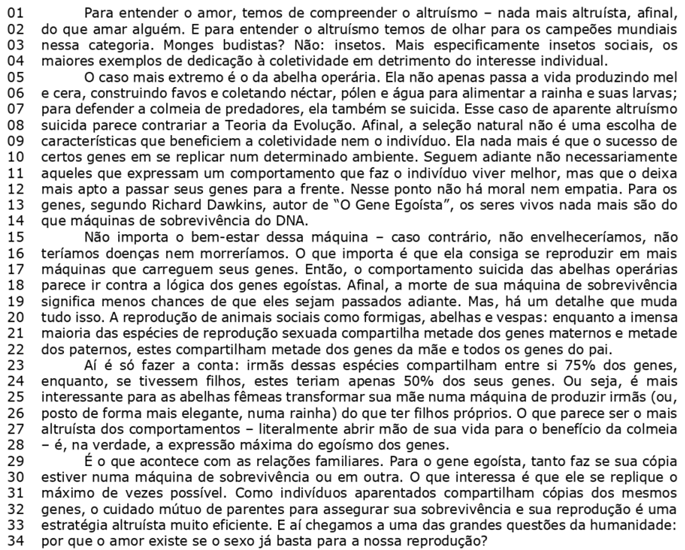
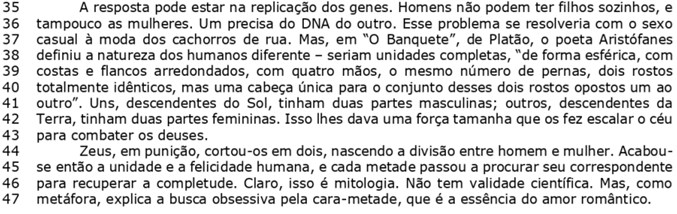
A genética está na raiz do amor
Por Maurício Horta
(Disponível em: https://super.abril.com.br/especiais/a-genetica-do-amor/- texto adaptado especialmente para
esta prova).
Sobre alguns termos e passagens retirados do texto, analise as assertivas a seguir:
I. O substantivo "coletividade" é formado a partir do adjetivo "coletivo" pelo processo de derivação sufixal, sendo que o sufixo -idade é responsável por transformar a qualidade em um nome que designa estado ou qualidade.
II. No trecho "Acabou-se então a unidade e a felicidade humana" (I. 44-45), a рalavra sublinhada é um advérbio de tempo que, morfologicamente, é formada pelo processo de derivação prefixal.
III. O vocábulo "descendentes", ao se referir a "Uns" e "outros" (humanos originados do Sol e da Terra), é classificado no contexto como um adjetivo biforme.
Quais estão corretas?
I. O substantivo "coletividade" é formado a partir do adjetivo "coletivo" pelo processo de derivação sufixal, sendo que o sufixo -idade é responsável por transformar a qualidade em um nome que designa estado ou qualidade.
II. No trecho "Acabou-se então a unidade e a felicidade humana" (I. 44-45), a рalavra sublinhada é um advérbio de tempo que, morfologicamente, é formada pelo processo de derivação prefixal.
III. O vocábulo "descendentes", ao se referir a "Uns" e "outros" (humanos originados do Sol e da Terra), é classificado no contexto como um adjetivo biforme.
Quais estão corretas?
Ano: 2025
Banca:
FUNDATEC
Órgão:
Prefeitura de Montenegro - RS
Provas:
FUNDATEC - 2025 - Prefeitura de Montenegro - RS - Professor Área II - Língua Portuguesa
|
FUNDATEC - 2025 - Prefeitura de Montenegro - RS - Professor Área II - Estrangeira/Inglês |
FUNDATEC - 2025 - Prefeitura de Montenegro - RS - Professor Área II - Matemática |
FUNDATEC - 2025 - Prefeitura de Montenegro - RS - Professor Área II - Geografia |
FUNDATEC - 2025 - Prefeitura de Montenegro - RS - Professor Área II - História |
FUNDATEC - 2025 - Prefeitura de Montenegro - RS - Professor Área II - Ciências |
FUNDATEC - 2025 - Prefeitura de Montenegro - RS - Professor Área II - Ensino Religioso |
FUNDATEC - 2025 - Prefeitura de Montenegro - RS - Professor Área II - Educação Física |
FUNDATEC - 2025 - Prefeitura de Montenegro - RS - Professor Área II - Artes Visuais |
FUNDATEC - 2025 - Prefeitura de Montenegro - RS - Professor Área II - Dança |
FUNDATEC - 2025 - Prefeitura de Montenegro - RS - Professor Área II - Música |
FUNDATEC - 2025 - Prefeitura de Montenegro - RS - Professor Área II - Teatro |
FUNDATEC - 2025 - Prefeitura de Montenegro - RS - Professor Área II - Libras |
FUNDATEC - 2025 - Prefeitura de Montenegro - RS - Apoio Pedagógico - Supervisão |
FUNDATEC - 2025 - Prefeitura de Montenegro - RS - Apoio Pedagógico - Orientação |
Q3707242
Português
Texto associado
A genética está na raiz do amor
Por Maurício Horta
(Disponível em: https://super.abril.com.br/especiais/a-genetica-do-amor/- texto adaptado especialmente para
esta prova).
Considerando a ortografia de acordo com a norma-padrão da Língua Portuguesa,
assinale a alternativa em que todas as palavras estão corretamente grafadas.
Ano: 2025
Banca:
FUNDATEC
Órgão:
Prefeitura de Montenegro - RS
Provas:
FUNDATEC - 2025 - Prefeitura de Montenegro - RS - Professor Área II - Língua Portuguesa
|
FUNDATEC - 2025 - Prefeitura de Montenegro - RS - Professor Área II - Estrangeira/Inglês |
FUNDATEC - 2025 - Prefeitura de Montenegro - RS - Professor Área II - Matemática |
FUNDATEC - 2025 - Prefeitura de Montenegro - RS - Professor Área II - Geografia |
FUNDATEC - 2025 - Prefeitura de Montenegro - RS - Professor Área II - História |
FUNDATEC - 2025 - Prefeitura de Montenegro - RS - Professor Área II - Ciências |
FUNDATEC - 2025 - Prefeitura de Montenegro - RS - Professor Área II - Ensino Religioso |
FUNDATEC - 2025 - Prefeitura de Montenegro - RS - Professor Área II - Educação Física |
FUNDATEC - 2025 - Prefeitura de Montenegro - RS - Professor Área II - Artes Visuais |
FUNDATEC - 2025 - Prefeitura de Montenegro - RS - Professor Área II - Dança |
FUNDATEC - 2025 - Prefeitura de Montenegro - RS - Professor Área II - Música |
FUNDATEC - 2025 - Prefeitura de Montenegro - RS - Professor Área II - Teatro |
FUNDATEC - 2025 - Prefeitura de Montenegro - RS - Professor Área II - Libras |
FUNDATEC - 2025 - Prefeitura de Montenegro - RS - Apoio Pedagógico - Supervisão |
FUNDATEC - 2025 - Prefeitura de Montenegro - RS - Apoio Pedagógico - Orientação |
Q3707241
Português
Texto associado
A genética está na raiz do amor
Por Maurício Horta
(Disponível em: https://super.abril.com.br/especiais/a-genetica-do-amor/- texto adaptado especialmente para
esta prova).
No primeiro parágrafo do texto, ao introduzir o objeto de análise do altruísmo, o
autor emprega uma sequência de pontuação específica: "E para entender o altruísmo temos de olhar
para os campeões mundiais nessa categoria. Monges budistas? Não: insetos". Qual das análises a
seguir melhor interpreta a função da pontuação nesse excerto e aa implicação de sentido que ela
estabelece para a tese do texto?
Ano: 2025
Banca:
FUNDATEC
Órgão:
Prefeitura de Montenegro - RS
Provas:
FUNDATEC - 2025 - Prefeitura de Montenegro - RS - Professor Área II - Língua Portuguesa
|
FUNDATEC - 2025 - Prefeitura de Montenegro - RS - Professor Área II - Estrangeira/Inglês |
FUNDATEC - 2025 - Prefeitura de Montenegro - RS - Professor Área II - Matemática |
FUNDATEC - 2025 - Prefeitura de Montenegro - RS - Professor Área II - Geografia |
FUNDATEC - 2025 - Prefeitura de Montenegro - RS - Professor Área II - História |
FUNDATEC - 2025 - Prefeitura de Montenegro - RS - Professor Área II - Ciências |
FUNDATEC - 2025 - Prefeitura de Montenegro - RS - Professor Área II - Ensino Religioso |
FUNDATEC - 2025 - Prefeitura de Montenegro - RS - Professor Área II - Educação Física |
FUNDATEC - 2025 - Prefeitura de Montenegro - RS - Professor Área II - Artes Visuais |
FUNDATEC - 2025 - Prefeitura de Montenegro - RS - Professor Área II - Dança |
FUNDATEC - 2025 - Prefeitura de Montenegro - RS - Professor Área II - Música |
FUNDATEC - 2025 - Prefeitura de Montenegro - RS - Professor Área II - Teatro |
FUNDATEC - 2025 - Prefeitura de Montenegro - RS - Professor Área II - Libras |
FUNDATEC - 2025 - Prefeitura de Montenegro - RS - Apoio Pedagógico - Supervisão |
FUNDATEC - 2025 - Prefeitura de Montenegro - RS - Apoio Pedagógico - Orientação |
Q3707240
Português
Texto associado
A genética está na raiz do amor
Por Maurício Horta
(Disponível em: https://super.abril.com.br/especiais/a-genetica-do-amor/- texto adaptado especialmente para
esta prova).
Sobre alguns termos e passagens retirados do texto, analise as assertivas a seguir:
I. O termo "egoísta", no contexto da biologia evolutiva apresentada, está relacionado ao sucesso da replicação do DNA.
II. Na frase "o deixa mais apto a passar seus genes para a frente", a palavra destacada poderia ser substituída por "inclinado" sem alterações significativas de sentido no trecho.
III. A expressão "em detrimento do interesse individual" significa que o interesse da coletividade está acima dos interesses do indivíduo.
Quais estão corretas?
I. O termo "egoísta", no contexto da biologia evolutiva apresentada, está relacionado ao sucesso da replicação do DNA.
II. Na frase "o deixa mais apto a passar seus genes para a frente", a palavra destacada poderia ser substituída por "inclinado" sem alterações significativas de sentido no trecho.
III. A expressão "em detrimento do interesse individual" significa que o interesse da coletividade está acima dos interesses do indivíduo.
Quais estão corretas?
Ano: 2025
Banca:
FUNDATEC
Órgão:
Prefeitura de Montenegro - RS
Provas:
FUNDATEC - 2025 - Prefeitura de Montenegro - RS - Professor Área II - Língua Portuguesa
|
FUNDATEC - 2025 - Prefeitura de Montenegro - RS - Professor Área II - Estrangeira/Inglês |
FUNDATEC - 2025 - Prefeitura de Montenegro - RS - Professor Área II - Matemática |
FUNDATEC - 2025 - Prefeitura de Montenegro - RS - Professor Área II - Geografia |
FUNDATEC - 2025 - Prefeitura de Montenegro - RS - Professor Área II - História |
FUNDATEC - 2025 - Prefeitura de Montenegro - RS - Professor Área II - Ciências |
FUNDATEC - 2025 - Prefeitura de Montenegro - RS - Professor Área II - Ensino Religioso |
FUNDATEC - 2025 - Prefeitura de Montenegro - RS - Professor Área II - Educação Física |
FUNDATEC - 2025 - Prefeitura de Montenegro - RS - Professor Área II - Artes Visuais |
FUNDATEC - 2025 - Prefeitura de Montenegro - RS - Professor Área II - Dança |
FUNDATEC - 2025 - Prefeitura de Montenegro - RS - Professor Área II - Música |
FUNDATEC - 2025 - Prefeitura de Montenegro - RS - Professor Área II - Teatro |
FUNDATEC - 2025 - Prefeitura de Montenegro - RS - Professor Área II - Libras |
FUNDATEC - 2025 - Prefeitura de Montenegro - RS - Apoio Pedagógico - Supervisão |
FUNDATEC - 2025 - Prefeitura de Montenegro - RS - Apoio Pedagógico - Orientação |
Q3707239
Português
Texto associado
A genética está na raiz do amor
Por Maurício Horta
(Disponível em: https://super.abril.com.br/especiais/a-genetica-do-amor/- texto adaptado especialmente para
esta prova).
Considerando a norma-padrão da Língua Portuguesa, analise as assertivas a seguir:
I. No trecho "[...] mas que o deixa mais apto a passar seus genes para a frente" (l. 11-12), о emprego da próclise (pronome antes do verbo) é uma exigência gramatical imposta pelo pronome relativo "que", que atua como fator de atração.
II. A regência nominal em "os maiores exemplos de dedicação à coletividade" (l. 03-04) exige o acento grave indicativo de crase.
III. No trecho "irmãs dessas espécies compartilham entre si 75% dos genes" (I. 23), se a frase fosse reescrita como "A maioria das irmãs [...]", o verbo "compartilhar" poderia ser flexionado no singular, para concordar com o núcleo do sujeito partitivo.
Quais estão corretas?
I. No trecho "[...] mas que o deixa mais apto a passar seus genes para a frente" (l. 11-12), о emprego da próclise (pronome antes do verbo) é uma exigência gramatical imposta pelo pronome relativo "que", que atua como fator de atração.
II. A regência nominal em "os maiores exemplos de dedicação à coletividade" (l. 03-04) exige o acento grave indicativo de crase.
III. No trecho "irmãs dessas espécies compartilham entre si 75% dos genes" (I. 23), se a frase fosse reescrita como "A maioria das irmãs [...]", o verbo "compartilhar" poderia ser flexionado no singular, para concordar com o núcleo do sujeito partitivo.
Quais estão corretas?
Ano: 2025
Banca:
FUNDATEC
Órgão:
Prefeitura de Montenegro - RS
Provas:
FUNDATEC - 2025 - Prefeitura de Montenegro - RS - Professor Área II - Língua Portuguesa
|
FUNDATEC - 2025 - Prefeitura de Montenegro - RS - Professor Área II - Estrangeira/Inglês |
FUNDATEC - 2025 - Prefeitura de Montenegro - RS - Professor Área II - Matemática |
FUNDATEC - 2025 - Prefeitura de Montenegro - RS - Professor Área II - Geografia |
FUNDATEC - 2025 - Prefeitura de Montenegro - RS - Professor Área II - História |
FUNDATEC - 2025 - Prefeitura de Montenegro - RS - Professor Área II - Ciências |
FUNDATEC - 2025 - Prefeitura de Montenegro - RS - Professor Área II - Ensino Religioso |
FUNDATEC - 2025 - Prefeitura de Montenegro - RS - Professor Área II - Educação Física |
FUNDATEC - 2025 - Prefeitura de Montenegro - RS - Professor Área II - Artes Visuais |
FUNDATEC - 2025 - Prefeitura de Montenegro - RS - Professor Área II - Dança |
FUNDATEC - 2025 - Prefeitura de Montenegro - RS - Professor Área II - Música |
FUNDATEC - 2025 - Prefeitura de Montenegro - RS - Professor Área II - Teatro |
FUNDATEC - 2025 - Prefeitura de Montenegro - RS - Professor Área II - Libras |
FUNDATEC - 2025 - Prefeitura de Montenegro - RS - Apoio Pedagógico - Supervisão |
FUNDATEC - 2025 - Prefeitura de Montenegro - RS - Apoio Pedagógico - Orientação |
Q3707238
Português
Texto associado
A genética está na raiz do amor
Por Maurício Horta
(Disponível em: https://super.abril.com.br/especiais/a-genetica-do-amor/- texto adaptado especialmente para
esta prova).
O autor insere, nos parágrafos finais do texto, uma referência ao mito apresentado
na obra de Platão para abordar a origem da busca pela "cara-metade". Essa escolha discursiva, que
insere uma narrativa mitológica em um texto predominantemente de divulgação científica e argumentação biológica, configura-se como um recurso estratégico. Qual alternativa melhor descreve
o uso da intertextualidade com Platão no contexto da coerência e do gênero textual, considerando a
situação comunicativa do texto?

 Conheça nossos planos