Questões de Concurso
Para professor - inglês
Foram encontradas 31.209 questões
Resolva questões gratuitamente!
Junte-se a mais de 4 milhões de concurseiros!


Ano: 2025
Banca:
FUNDATEC
Órgão:
Prefeitura de Cordilheira Alta - SC
Provas:
FUNDATEC - 2025 - Prefeitura de Cordilheira Alta - SC - Professor de Artes ou Atividades Artísticas Culturais
|
FUNDATEC - 2025 - Prefeitura de Cordilheira Alta - SC - Professor de Educação Física |
FUNDATEC - 2025 - Prefeitura de Cordilheira Alta - SC - Professor de Educação Infantil - Habilitado |
FUNDATEC - 2025 - Prefeitura de Cordilheira Alta - SC - Professor de Ensino Religioso |
FUNDATEC - 2025 - Prefeitura de Cordilheira Alta - SC - Professor de Inglês |
FUNDATEC - 2025 - Prefeitura de Cordilheira Alta - SC - Professor de Ciências |
Q3816373
Pedagogia
O Projeto Político-Pedagógico (PPP) constitui um dos principais instrumentos de
gestão democrática da escola. Sobre suas características e finalidades, assinale a alternativa correta.
Ano: 2025
Banca:
FUNDATEC
Órgão:
Prefeitura de Cordilheira Alta - SC
Provas:
FUNDATEC - 2025 - Prefeitura de Cordilheira Alta - SC - Professor de Artes ou Atividades Artísticas Culturais
|
FUNDATEC - 2025 - Prefeitura de Cordilheira Alta - SC - Professor de Educação Física |
FUNDATEC - 2025 - Prefeitura de Cordilheira Alta - SC - Professor de Educação Infantil - Habilitado |
FUNDATEC - 2025 - Prefeitura de Cordilheira Alta - SC - Professor de Ensino Religioso |
FUNDATEC - 2025 - Prefeitura de Cordilheira Alta - SC - Professor de Inglês |
FUNDATEC - 2025 - Prefeitura de Cordilheira Alta - SC - Professor de Ciências |
Q3816372
Pedagogia
O Plano Nacional de Educação (PNE), instituído pela Lei nº 13.005/2014, estabelece
metas para serem cumpridas ao longo de 10 anos. Uma de suas metas mais diretamente relacionadas
à melhoria da qualidade do ensino é:
Ano: 2025
Banca:
FUNDATEC
Órgão:
Prefeitura de Cordilheira Alta - SC
Provas:
FUNDATEC - 2025 - Prefeitura de Cordilheira Alta - SC - Professor de Artes ou Atividades Artísticas Culturais
|
FUNDATEC - 2025 - Prefeitura de Cordilheira Alta - SC - Professor de Educação Física |
FUNDATEC - 2025 - Prefeitura de Cordilheira Alta - SC - Professor de Educação Infantil - Habilitado |
FUNDATEC - 2025 - Prefeitura de Cordilheira Alta - SC - Professor de Ensino Religioso |
FUNDATEC - 2025 - Prefeitura de Cordilheira Alta - SC - Professor de Inglês |
FUNDATEC - 2025 - Prefeitura de Cordilheira Alta - SC - Professor de Ciências |
Q3816371
Pedagogia
De acordo com a Lei nº 9.394/1996 (Lei de Diretrizes e Bases da Educação Nacional – LDBEN), a Educação Infantil, primeira etapa da Educação Básica, tem como finalidade
primordial:
Ano: 2025
Banca:
FUNDATEC
Órgão:
Prefeitura de Cordilheira Alta - SC
Provas:
FUNDATEC - 2025 - Prefeitura de Cordilheira Alta - SC - Professor de Artes ou Atividades Artísticas Culturais
|
FUNDATEC - 2025 - Prefeitura de Cordilheira Alta - SC - Professor de Educação Física |
FUNDATEC - 2025 - Prefeitura de Cordilheira Alta - SC - Professor de Educação Infantil - Habilitado |
FUNDATEC - 2025 - Prefeitura de Cordilheira Alta - SC - Professor de Ensino Religioso |
FUNDATEC - 2025 - Prefeitura de Cordilheira Alta - SC - Professor de Inglês |
FUNDATEC - 2025 - Prefeitura de Cordilheira Alta - SC - Professor de Ciências |
Q3816370
Pedagogia
De acordo com o estabelecido pela Lei Federal nº 11.645/2008, o ensino da História
e Cultura Afro-Brasileira e Africana, bem como a dos Povos Indígenas, é um componente curricular
obrigatório que deve ser incluído em qual etapa da educação brasileira?
Ano: 2025
Banca:
FUNDATEC
Órgão:
Prefeitura de Cordilheira Alta - SC
Provas:
FUNDATEC - 2025 - Prefeitura de Cordilheira Alta - SC - Professor de Artes ou Atividades Artísticas Culturais
|
FUNDATEC - 2025 - Prefeitura de Cordilheira Alta - SC - Professor de Educação Física |
FUNDATEC - 2025 - Prefeitura de Cordilheira Alta - SC - Professor de Educação Infantil - Habilitado |
FUNDATEC - 2025 - Prefeitura de Cordilheira Alta - SC - Professor de Ensino Religioso |
FUNDATEC - 2025 - Prefeitura de Cordilheira Alta - SC - Professor de Inglês |
FUNDATEC - 2025 - Prefeitura de Cordilheira Alta - SC - Professor de Ciências |
Q3816369
Direito da Criança e do Adolescente - Estatuto da Criança e do Adolescente (ECA) - Lei nº 8.069 de 1990
Analise as assertivas a seguir sobre o Estatuto da Criança e do Adolescente (ECA):
I. É dever da família, da comunidade, da sociedade em geral e do Poder Público assegurar os direitos da criança e do adolescente.
II. O direito à educação visa ao pleno desenvolvimento da pessoa, ao preparo para o exercício da cidadania e à qualificação para o trabalho.
III. O acesso ao Ensino Fundamental público, obrigatório e gratuito é direito apenas da criança em idade escolar.
Quais estão corretas?
I. É dever da família, da comunidade, da sociedade em geral e do Poder Público assegurar os direitos da criança e do adolescente.
II. O direito à educação visa ao pleno desenvolvimento da pessoa, ao preparo para o exercício da cidadania e à qualificação para o trabalho.
III. O acesso ao Ensino Fundamental público, obrigatório e gratuito é direito apenas da criança em idade escolar.
Quais estão corretas?
Ano: 2025
Banca:
FUNDATEC
Órgão:
Prefeitura de Cordilheira Alta - SC
Provas:
FUNDATEC - 2025 - Prefeitura de Cordilheira Alta - SC - Professor de Artes ou Atividades Artísticas Culturais
|
FUNDATEC - 2025 - Prefeitura de Cordilheira Alta - SC - Professor de Educação Física |
FUNDATEC - 2025 - Prefeitura de Cordilheira Alta - SC - Professor de Educação Infantil - Habilitado |
FUNDATEC - 2025 - Prefeitura de Cordilheira Alta - SC - Professor de Ensino Religioso |
FUNDATEC - 2025 - Prefeitura de Cordilheira Alta - SC - Professor de Inglês |
FUNDATEC - 2025 - Prefeitura de Cordilheira Alta - SC - Professor de Ciências |
Q3816368
Português
Texto associado
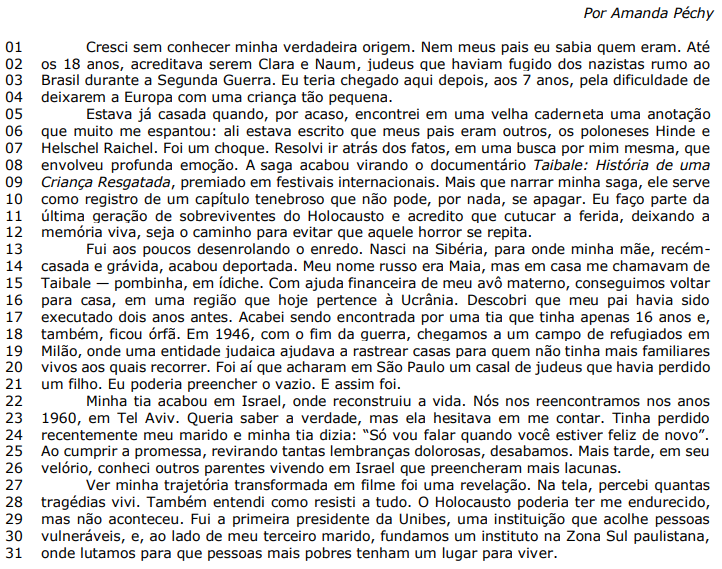
“Que o horror não se repita”, diz Antonieta Felmanas, sobrevivente do Holocausto
(Disponível em: https://veja.abril.com.br/comportamento/que-o-horror-nao-se-repita-diz-sobrevivente-doholocausto/ – texto adaptado especialmente para esta prova).
No trecho retirado do texto “Eu faço parte da última geração de sobreviventes do
Holocausto e acredito que cutucar a ferida, deixando a memória viva, seja o caminho para evitar que
aquele horror se repita” as expressões sublinhadas são, respectivamente, exemplos das figuras de
linguagem:
Ano: 2025
Banca:
FUNDATEC
Órgão:
Prefeitura de Cordilheira Alta - SC
Provas:
FUNDATEC - 2025 - Prefeitura de Cordilheira Alta - SC - Professor de Artes ou Atividades Artísticas Culturais
|
FUNDATEC - 2025 - Prefeitura de Cordilheira Alta - SC - Professor de Educação Física |
FUNDATEC - 2025 - Prefeitura de Cordilheira Alta - SC - Professor de Educação Infantil - Habilitado |
FUNDATEC - 2025 - Prefeitura de Cordilheira Alta - SC - Professor de Ensino Religioso |
FUNDATEC - 2025 - Prefeitura de Cordilheira Alta - SC - Professor de Inglês |
FUNDATEC - 2025 - Prefeitura de Cordilheira Alta - SC - Professor de Ciências |
Q3816367
Português
Texto associado
“Que o horror não se repita”, diz Antonieta Felmanas, sobrevivente do Holocausto
(Disponível em: https://veja.abril.com.br/comportamento/que-o-horror-nao-se-repita-diz-sobrevivente-doholocausto/ – texto adaptado especialmente para esta prova).
Assinale a alternativa em que todas as palavras estão corretamente grafadas,
conforme o Acordo Ortográfico vigente.
Ano: 2025
Banca:
FUNDATEC
Órgão:
Prefeitura de Cordilheira Alta - SC
Provas:
FUNDATEC - 2025 - Prefeitura de Cordilheira Alta - SC - Professor de Artes ou Atividades Artísticas Culturais
|
FUNDATEC - 2025 - Prefeitura de Cordilheira Alta - SC - Professor de Educação Física |
FUNDATEC - 2025 - Prefeitura de Cordilheira Alta - SC - Professor de Educação Infantil - Habilitado |
FUNDATEC - 2025 - Prefeitura de Cordilheira Alta - SC - Professor de Ensino Religioso |
FUNDATEC - 2025 - Prefeitura de Cordilheira Alta - SC - Professor de Inglês |
FUNDATEC - 2025 - Prefeitura de Cordilheira Alta - SC - Professor de Ciências |
Q3816366
Português
Texto associado
“Que o horror não se repita”, diz Antonieta Felmanas, sobrevivente do Holocausto
(Disponível em: https://veja.abril.com.br/comportamento/que-o-horror-nao-se-repita-diz-sobrevivente-doholocausto/ – texto adaptado especialmente para esta prova).
Na passagem “Fui a primeira presidente da Unibes, uma instituição que acolhe
pessoas vulneráveis”, a função sintática do termo sublinhado é:
Ano: 2025
Banca:
FUNDATEC
Órgão:
Prefeitura de Cordilheira Alta - SC
Provas:
FUNDATEC - 2025 - Prefeitura de Cordilheira Alta - SC - Professor de Artes ou Atividades Artísticas Culturais
|
FUNDATEC - 2025 - Prefeitura de Cordilheira Alta - SC - Professor de Educação Física |
FUNDATEC - 2025 - Prefeitura de Cordilheira Alta - SC - Professor de Educação Infantil - Habilitado |
FUNDATEC - 2025 - Prefeitura de Cordilheira Alta - SC - Professor de Ensino Religioso |
FUNDATEC - 2025 - Prefeitura de Cordilheira Alta - SC - Professor de Inglês |
FUNDATEC - 2025 - Prefeitura de Cordilheira Alta - SC - Professor de Ciências |
Q3816365
Português
Texto associado
“Que o horror não se repita”, diz Antonieta Felmanas, sobrevivente do Holocausto
(Disponível em: https://veja.abril.com.br/comportamento/que-o-horror-nao-se-repita-diz-sobrevivente-doholocausto/ – texto adaptado especialmente para esta prova).
Considerando o trecho retirado do texto “Ali estava escrito que meus pais eram
outros”, assinale a alternativa correta sobre o verbo sublinhado.
Ano: 2025
Banca:
FUNDATEC
Órgão:
Prefeitura de Cordilheira Alta - SC
Provas:
FUNDATEC - 2025 - Prefeitura de Cordilheira Alta - SC - Professor de Artes ou Atividades Artísticas Culturais
|
FUNDATEC - 2025 - Prefeitura de Cordilheira Alta - SC - Professor de Educação Física |
FUNDATEC - 2025 - Prefeitura de Cordilheira Alta - SC - Professor de Educação Infantil - Habilitado |
FUNDATEC - 2025 - Prefeitura de Cordilheira Alta - SC - Professor de Ensino Religioso |
FUNDATEC - 2025 - Prefeitura de Cordilheira Alta - SC - Professor de Inglês |
FUNDATEC - 2025 - Prefeitura de Cordilheira Alta - SC - Professor de Ciências |
Q3816364
Português
Texto associado
“Que o horror não se repita”, diz Antonieta Felmanas, sobrevivente do Holocausto
(Disponível em: https://veja.abril.com.br/comportamento/que-o-horror-nao-se-repita-diz-sobrevivente-doholocausto/ – texto adaptado especialmente para esta prova).
A frase retirada do texto “Acabei sendo encontrada por uma tia” apresenta o verbo
na voz passiva analítica. Assinale a alternativa que apresenta a conversão correta da oração para a
voz ativa.
Ano: 2025
Banca:
FUNDATEC
Órgão:
Prefeitura de Cordilheira Alta - SC
Provas:
FUNDATEC - 2025 - Prefeitura de Cordilheira Alta - SC - Professor de Artes ou Atividades Artísticas Culturais
|
FUNDATEC - 2025 - Prefeitura de Cordilheira Alta - SC - Professor de Educação Física |
FUNDATEC - 2025 - Prefeitura de Cordilheira Alta - SC - Professor de Educação Infantil - Habilitado |
FUNDATEC - 2025 - Prefeitura de Cordilheira Alta - SC - Professor de Ensino Religioso |
FUNDATEC - 2025 - Prefeitura de Cordilheira Alta - SC - Professor de Inglês |
FUNDATEC - 2025 - Prefeitura de Cordilheira Alta - SC - Professor de Ciências |
Q3816363
Português
Texto associado
“Que o horror não se repita”, diz Antonieta Felmanas, sobrevivente do Holocausto
(Disponível em: https://veja.abril.com.br/comportamento/que-o-horror-nao-se-repita-diz-sobrevivente-doholocausto/ – texto adaptado especialmente para esta prova).
No trecho retirado do texto “Mais que narrar minha saga, ele serve como registro de
um capítulo tenebroso que não pode, por nada, se apagar”, qual das palavras apresentadas abaixo
mantém o sentido do trecho se usada como substituta para o termo sublinhado?
Ano: 2025
Banca:
FUNDATEC
Órgão:
Prefeitura de Cordilheira Alta - SC
Provas:
FUNDATEC - 2025 - Prefeitura de Cordilheira Alta - SC - Professor de Artes ou Atividades Artísticas Culturais
|
FUNDATEC - 2025 - Prefeitura de Cordilheira Alta - SC - Professor de Educação Física |
FUNDATEC - 2025 - Prefeitura de Cordilheira Alta - SC - Professor de Educação Infantil - Habilitado |
FUNDATEC - 2025 - Prefeitura de Cordilheira Alta - SC - Professor de Ensino Religioso |
FUNDATEC - 2025 - Prefeitura de Cordilheira Alta - SC - Professor de Inglês |
FUNDATEC - 2025 - Prefeitura de Cordilheira Alta - SC - Professor de Ciências |
Q3816362
Português
Texto associado
“Que o horror não se repita”, diz Antonieta Felmanas, sobrevivente do Holocausto
(Disponível em: https://veja.abril.com.br/comportamento/que-o-horror-nao-se-repita-diz-sobrevivente-doholocausto/ – texto adaptado especialmente para esta prova).
Na passagem “Fui a primeira presidente da Unibes, uma instituição que acolhe
pessoas vulneráveis, e, ao lado de meu terceiro marido, fundamos um instituto Zona Sul paulistana”,
qual é a função sintática da expressão sublinhada?
Ano: 2025
Banca:
FUNDATEC
Órgão:
Prefeitura de Cordilheira Alta - SC
Provas:
FUNDATEC - 2025 - Prefeitura de Cordilheira Alta - SC - Professor de Artes ou Atividades Artísticas Culturais
|
FUNDATEC - 2025 - Prefeitura de Cordilheira Alta - SC - Professor de Educação Física |
FUNDATEC - 2025 - Prefeitura de Cordilheira Alta - SC - Professor de Educação Infantil - Habilitado |
FUNDATEC - 2025 - Prefeitura de Cordilheira Alta - SC - Professor de Ensino Religioso |
FUNDATEC - 2025 - Prefeitura de Cordilheira Alta - SC - Professor de Inglês |
FUNDATEC - 2025 - Prefeitura de Cordilheira Alta - SC - Professor de Ciências |
Q3816361
Português
Texto associado
“Que o horror não se repita”, diz Antonieta Felmanas, sobrevivente do Holocausto
(Disponível em: https://veja.abril.com.br/comportamento/que-o-horror-nao-se-repita-diz-sobrevivente-doholocausto/ – texto adaptado especialmente para esta prova).
O texto, que inicia o relato sobre a saga de Antonieta Felmanas, adota
predominantemente características de qual tipo e gênero textual, respectivamente?
Ano: 2025
Banca:
FUNDATEC
Órgão:
Prefeitura de Cordilheira Alta - SC
Provas:
FUNDATEC - 2025 - Prefeitura de Cordilheira Alta - SC - Professor de Artes ou Atividades Artísticas Culturais
|
FUNDATEC - 2025 - Prefeitura de Cordilheira Alta - SC - Professor de Educação Física |
FUNDATEC - 2025 - Prefeitura de Cordilheira Alta - SC - Professor de Educação Infantil - Habilitado |
FUNDATEC - 2025 - Prefeitura de Cordilheira Alta - SC - Professor de Ensino Religioso |
FUNDATEC - 2025 - Prefeitura de Cordilheira Alta - SC - Professor de Inglês |
FUNDATEC - 2025 - Prefeitura de Cordilheira Alta - SC - Professor de Ciências |
Q3816360
Português
Texto associado
“Que o horror não se repita”, diz Antonieta Felmanas, sobrevivente do Holocausto
(Disponível em: https://veja.abril.com.br/comportamento/que-o-horror-nao-se-repita-diz-sobrevivente-doholocausto/ – texto adaptado especialmente para esta prova).
No texto, a autora estabelece uma relação entre seu relato pessoal e um objetivo de
maior alcance. Qual é a principal intencionalidade discursiva explicitada pela autora ao transformar
sua saga no documentário Taibale?
Ano: 2025
Banca:
FUNDATEC
Órgão:
Prefeitura de Cordilheira Alta - SC
Provas:
FUNDATEC - 2025 - Prefeitura de Cordilheira Alta - SC - Professor de Artes ou Atividades Artísticas Culturais
|
FUNDATEC - 2025 - Prefeitura de Cordilheira Alta - SC - Professor de Educação Física |
FUNDATEC - 2025 - Prefeitura de Cordilheira Alta - SC - Professor de Educação Infantil - Habilitado |
FUNDATEC - 2025 - Prefeitura de Cordilheira Alta - SC - Professor de Ensino Religioso |
FUNDATEC - 2025 - Prefeitura de Cordilheira Alta - SC - Professor de Inglês |
FUNDATEC - 2025 - Prefeitura de Cordilheira Alta - SC - Professor de Ciências |
Q3816359
Português
Texto associado
“Que o horror não se repita”, diz Antonieta Felmanas, sobrevivente do Holocausto
(Disponível em: https://veja.abril.com.br/comportamento/que-o-horror-nao-se-repita-diz-sobrevivente-doholocausto/ – texto adaptado especialmente para esta prova).
A trajetória da autora é marcada por uma dupla jornada: a busca por sua identidade
histórica e, posteriormente, o engajamento em causas sociais. De acordo com o exposto no texto,
qual foi o elemento que levou à transição da saga individual de sobrevivência da autora para a sua
luta por um futuro coletivo?
Ano: 2025
Banca:
Prefeitura de Bombinhas - SC
Órgão:
Prefeitura de Bombinhas - SC
Prova:
Prefeitura de Bombinhas - SC - 2025 - Prefeitura de Bombinhas - SC - Professor de Ensino Fundamental II - Inglês - Edital nº 6 |
Q3815058
Inglês
Choose the alternative in which the idiomatic
expression is used appropriately:
Ano: 2025
Banca:
Prefeitura de Bombinhas - SC
Órgão:
Prefeitura de Bombinhas - SC
Prova:
Prefeitura de Bombinhas - SC - 2025 - Prefeitura de Bombinhas - SC - Professor de Ensino Fundamental II - Inglês - Edital nº 6 |
Q3815057
Inglês
Read the comic and answer:
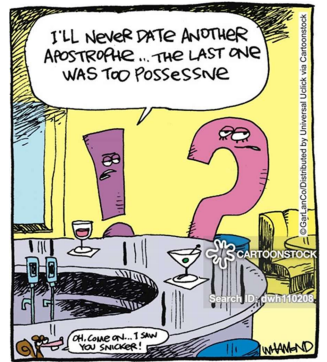
The humor in the comic is based on a play on words. What is the grammatical function of the apostrophe that the character is referring to?
Ano: 2025
Banca:
Prefeitura de Bombinhas - SC
Órgão:
Prefeitura de Bombinhas - SC
Prova:
Prefeitura de Bombinhas - SC - 2025 - Prefeitura de Bombinhas - SC - Professor de Ensino Fundamental II - Inglês - Edital nº 6 |
Q3815056
Pedagogia
According to the BNCC (Brazilian National Common
Core Curriculum) guidelines for English teaching in
Elementary Education, choose the correct statement:
Ano: 2025
Banca:
Prefeitura de Bombinhas - SC
Órgão:
Prefeitura de Bombinhas - SC
Prova:
Prefeitura de Bombinhas - SC - 2025 - Prefeitura de Bombinhas - SC - Professor de Ensino Fundamental II - Inglês - Edital nº 6 |
Q3815055
Inglês
Choose the sentence that correctly uses the
imperative form to give clear instructions:
Ano: 2025
Banca:
Prefeitura de Bombinhas - SC
Órgão:
Prefeitura de Bombinhas - SC
Prova:
Prefeitura de Bombinhas - SC - 2025 - Prefeitura de Bombinhas - SC - Professor de Ensino Fundamental II - Inglês - Edital nº 6 |
Q3815054
Inglês
Complete the sentence below using the correct
prepositions:
Using English effectively means being aware of how language functions _______ different contexts, adapting your speech _______ the audience, choosing words appropriate ________ the situation, and being sensitive ________ cultural differences that may affect communication _________ international settings. Which option correctly fills in all the blanks?
Using English effectively means being aware of how language functions _______ different contexts, adapting your speech _______ the audience, choosing words appropriate ________ the situation, and being sensitive ________ cultural differences that may affect communication _________ international settings. Which option correctly fills in all the blanks?

 Conheça nossos planos