Questões de Concurso
Para prefeitura de mataraca - pb
Foram encontradas 512 questões
Resolva questões gratuitamente!
Junte-se a mais de 4 milhões de concurseiros!


Ano: 2025
Banca:
CPCON
Órgão:
Prefeitura de Mataraca - PB
Prova:
CPCON - 2025 - Prefeitura de Mataraca - PB - Professor C - Língua Inglesa |
Q3662261
Inglês
Texto associado
Read the text 1 to answer the question.
Text 1
In the Digital Era, OurDictionaries Read Us
Merriam-Webster
Peter Sokolowski, editor at large at Merriam-Webster Inc.
By Jennifer Howard MARCH 11, 2013
Merriam-Webster
Peter Sokolowski, editor at large at Merriam-Webster Inc.
For Peter Sokolowski, a high-profile event like the 9/11 attacks or the 2012 vice-presidential debate is not just news. It's a
“vocabulary event” that sends readers racing to their dictionaries.
Sokolowski is editor at large for Merriam-Webster, whose red-and-blue-jacketed Collegiate Dictionary still sits on the desk
of many a student and editor. In a print-only era, it would have been next to impossible for him to track vocabulary events. Samuel
Johnson, the grand old man of the modern dictionary, “could have spent a week or a month writing a given word's definition and could
never have known if anyone read it”, he says.
Today, Sokolowski can and does monitor what visitors to the Merriam-Webster Web site look up—as they're doing it.
With the spread of digital technologies, dictionaries have become a two-way mirror, a record not just of words' meanings but
of what we want to know. Digital dictionaries read us.
The days of displaying a thick Webster's in the parlor may be past, but dictionaries inhabit our daily lives more than we realize.
"There are many more times during a day that you are interacting with a dictionary" now than ever before, says Katherine Connor
Martin, head of U.S. dictionaries for Oxford University Press. Whenever you send a text or an e-mail, or read an e-book on your Nook,
Kindle, or iPad, a dictionary is at your fingertips, whether or not you're aware of it.
For dictionary makers, going electronic opens up all kinds of possibilities. It's not just that digital dictionaries can be
embedded in the operating systems of computers and e-readers so that they're always at hand. They can be updated far more easily and
often than their print cousins, and they can incorporate material like audio pronunciations and thesauruses. Unsuccessful word "lookups," or searches that don't produce satisfying results, can point lexicographers to terms that haven't yet made their way into a particular
dictionary or whose definitions need to be amended or freshened. Online readers can click a button and contribute their own word lore,
extending a tradition that dates back at least as far as the late 19th century, when James Murray and his team compiled the first Oxford
English Dictionary with the help of thousands of word slips sent in by the public.
Source: < https://www.chronicle.com/article/In-the-Digital-Era-Our/137719> Access on 30 April, 2018.Adapted.
Which of the following words from the text is derived by suffixation and functions as a noun?
Ano: 2025
Banca:
CPCON
Órgão:
Prefeitura de Mataraca - PB
Prova:
CPCON - 2025 - Prefeitura de Mataraca - PB - Professor C - Língua Inglesa |
Q3662260
Inglês
Texto associado
Read the text 1 to answer the question.
Text 1
In the Digital Era, OurDictionaries Read Us
Merriam-Webster
Peter Sokolowski, editor at large at Merriam-Webster Inc.
By Jennifer Howard MARCH 11, 2013
Merriam-Webster
Peter Sokolowski, editor at large at Merriam-Webster Inc.
For Peter Sokolowski, a high-profile event like the 9/11 attacks or the 2012 vice-presidential debate is not just news. It's a
“vocabulary event” that sends readers racing to their dictionaries.
Sokolowski is editor at large for Merriam-Webster, whose red-and-blue-jacketed Collegiate Dictionary still sits on the desk
of many a student and editor. In a print-only era, it would have been next to impossible for him to track vocabulary events. Samuel
Johnson, the grand old man of the modern dictionary, “could have spent a week or a month writing a given word's definition and could
never have known if anyone read it”, he says.
Today, Sokolowski can and does monitor what visitors to the Merriam-Webster Web site look up—as they're doing it.
With the spread of digital technologies, dictionaries have become a two-way mirror, a record not just of words' meanings but
of what we want to know. Digital dictionaries read us.
The days of displaying a thick Webster's in the parlor may be past, but dictionaries inhabit our daily lives more than we realize.
"There are many more times during a day that you are interacting with a dictionary" now than ever before, says Katherine Connor
Martin, head of U.S. dictionaries for Oxford University Press. Whenever you send a text or an e-mail, or read an e-book on your Nook,
Kindle, or iPad, a dictionary is at your fingertips, whether or not you're aware of it.
For dictionary makers, going electronic opens up all kinds of possibilities. It's not just that digital dictionaries can be
embedded in the operating systems of computers and e-readers so that they're always at hand. They can be updated far more easily and
often than their print cousins, and they can incorporate material like audio pronunciations and thesauruses. Unsuccessful word "lookups," or searches that don't produce satisfying results, can point lexicographers to terms that haven't yet made their way into a particular
dictionary or whose definitions need to be amended or freshened. Online readers can click a button and contribute their own word lore,
extending a tradition that dates back at least as far as the late 19th century, when James Murray and his team compiled the first Oxford
English Dictionary with the help of thousands of word slips sent in by the public.
Source: < https://www.chronicle.com/article/In-the-Digital-Era-Our/137719> Access on 30 April, 2018.Adapted.
What does the text suggest about the role of unsuccessful word look-ups in digital dictionaries?
Ano: 2025
Banca:
CPCON
Órgão:
Prefeitura de Mataraca - PB
Prova:
CPCON - 2025 - Prefeitura de Mataraca - PB - Professor C - Língua Inglesa |
Q3662259
Inglês
Texto associado
Read the text 1 to answer the question.
Text 1
In the Digital Era, OurDictionaries Read Us
Merriam-Webster
Peter Sokolowski, editor at large at Merriam-Webster Inc.
By Jennifer Howard MARCH 11, 2013
Merriam-Webster
Peter Sokolowski, editor at large at Merriam-Webster Inc.
For Peter Sokolowski, a high-profile event like the 9/11 attacks or the 2012 vice-presidential debate is not just news. It's a
“vocabulary event” that sends readers racing to their dictionaries.
Sokolowski is editor at large for Merriam-Webster, whose red-and-blue-jacketed Collegiate Dictionary still sits on the desk
of many a student and editor. In a print-only era, it would have been next to impossible for him to track vocabulary events. Samuel
Johnson, the grand old man of the modern dictionary, “could have spent a week or a month writing a given word's definition and could
never have known if anyone read it”, he says.
Today, Sokolowski can and does monitor what visitors to the Merriam-Webster Web site look up—as they're doing it.
With the spread of digital technologies, dictionaries have become a two-way mirror, a record not just of words' meanings but
of what we want to know. Digital dictionaries read us.
The days of displaying a thick Webster's in the parlor may be past, but dictionaries inhabit our daily lives more than we realize.
"There are many more times during a day that you are interacting with a dictionary" now than ever before, says Katherine Connor
Martin, head of U.S. dictionaries for Oxford University Press. Whenever you send a text or an e-mail, or read an e-book on your Nook,
Kindle, or iPad, a dictionary is at your fingertips, whether or not you're aware of it.
For dictionary makers, going electronic opens up all kinds of possibilities. It's not just that digital dictionaries can be
embedded in the operating systems of computers and e-readers so that they're always at hand. They can be updated far more easily and
often than their print cousins, and they can incorporate material like audio pronunciations and thesauruses. Unsuccessful word "lookups," or searches that don't produce satisfying results, can point lexicographers to terms that haven't yet made their way into a particular
dictionary or whose definitions need to be amended or freshened. Online readers can click a button and contribute their own word lore,
extending a tradition that dates back at least as far as the late 19th century, when James Murray and his team compiled the first Oxford
English Dictionary with the help of thousands of word slips sent in by the public.
Source: < https://www.chronicle.com/article/In-the-Digital-Era-Our/137719> Access on 30 April, 2018.Adapted.
Which word below is the closest in meaning to “monitor” as used in the sentence “Today, Sokolowski can and does monitor what
visitors to the Merriam-Webster Web site look up”?
Ano: 2025
Banca:
CPCON
Órgão:
Prefeitura de Mataraca - PB
Prova:
CPCON - 2025 - Prefeitura de Mataraca - PB - Professor C - Língua Inglesa |
Q3662258
Inglês
Texto associado
Read the text 1 to answer the question.
Text 1
In the Digital Era, OurDictionaries Read Us
Merriam-Webster
Peter Sokolowski, editor at large at Merriam-Webster Inc.
By Jennifer Howard MARCH 11, 2013
Merriam-Webster
Peter Sokolowski, editor at large at Merriam-Webster Inc.
For Peter Sokolowski, a high-profile event like the 9/11 attacks or the 2012 vice-presidential debate is not just news. It's a
“vocabulary event” that sends readers racing to their dictionaries.
Sokolowski is editor at large for Merriam-Webster, whose red-and-blue-jacketed Collegiate Dictionary still sits on the desk
of many a student and editor. In a print-only era, it would have been next to impossible for him to track vocabulary events. Samuel
Johnson, the grand old man of the modern dictionary, “could have spent a week or a month writing a given word's definition and could
never have known if anyone read it”, he says.
Today, Sokolowski can and does monitor what visitors to the Merriam-Webster Web site look up—as they're doing it.
With the spread of digital technologies, dictionaries have become a two-way mirror, a record not just of words' meanings but
of what we want to know. Digital dictionaries read us.
The days of displaying a thick Webster's in the parlor may be past, but dictionaries inhabit our daily lives more than we realize.
"There are many more times during a day that you are interacting with a dictionary" now than ever before, says Katherine Connor
Martin, head of U.S. dictionaries for Oxford University Press. Whenever you send a text or an e-mail, or read an e-book on your Nook,
Kindle, or iPad, a dictionary is at your fingertips, whether or not you're aware of it.
For dictionary makers, going electronic opens up all kinds of possibilities. It's not just that digital dictionaries can be
embedded in the operating systems of computers and e-readers so that they're always at hand. They can be updated far more easily and
often than their print cousins, and they can incorporate material like audio pronunciations and thesauruses. Unsuccessful word "lookups," or searches that don't produce satisfying results, can point lexicographers to terms that haven't yet made their way into a particular
dictionary or whose definitions need to be amended or freshened. Online readers can click a button and contribute their own word lore,
extending a tradition that dates back at least as far as the late 19th century, when James Murray and his team compiled the first Oxford
English Dictionary with the help of thousands of word slips sent in by the public.
Source: < https://www.chronicle.com/article/In-the-Digital-Era-Our/137719> Access on 30 April, 2018.Adapted.
According to the text, what is one major way digital technology has transformed dictionary use?
Ano: 2025
Banca:
CPCON
Órgão:
Prefeitura de Mataraca - PB
Prova:
CPCON - 2025 - Prefeitura de Mataraca - PB - Professor C - Língua Inglesa |
Q3662257
Inglês
Texto associado
Read the text 1 to answer the question.
Text 1
In the Digital Era, OurDictionaries Read Us
Merriam-Webster
Peter Sokolowski, editor at large at Merriam-Webster Inc.
By Jennifer Howard MARCH 11, 2013
Merriam-Webster
Peter Sokolowski, editor at large at Merriam-Webster Inc.
For Peter Sokolowski, a high-profile event like the 9/11 attacks or the 2012 vice-presidential debate is not just news. It's a
“vocabulary event” that sends readers racing to their dictionaries.
Sokolowski is editor at large for Merriam-Webster, whose red-and-blue-jacketed Collegiate Dictionary still sits on the desk
of many a student and editor. In a print-only era, it would have been next to impossible for him to track vocabulary events. Samuel
Johnson, the grand old man of the modern dictionary, “could have spent a week or a month writing a given word's definition and could
never have known if anyone read it”, he says.
Today, Sokolowski can and does monitor what visitors to the Merriam-Webster Web site look up—as they're doing it.
With the spread of digital technologies, dictionaries have become a two-way mirror, a record not just of words' meanings but
of what we want to know. Digital dictionaries read us.
The days of displaying a thick Webster's in the parlor may be past, but dictionaries inhabit our daily lives more than we realize.
"There are many more times during a day that you are interacting with a dictionary" now than ever before, says Katherine Connor
Martin, head of U.S. dictionaries for Oxford University Press. Whenever you send a text or an e-mail, or read an e-book on your Nook,
Kindle, or iPad, a dictionary is at your fingertips, whether or not you're aware of it.
For dictionary makers, going electronic opens up all kinds of possibilities. It's not just that digital dictionaries can be
embedded in the operating systems of computers and e-readers so that they're always at hand. They can be updated far more easily and
often than their print cousins, and they can incorporate material like audio pronunciations and thesauruses. Unsuccessful word "lookups," or searches that don't produce satisfying results, can point lexicographers to terms that haven't yet made their way into a particular
dictionary or whose definitions need to be amended or freshened. Online readers can click a button and contribute their own word lore,
extending a tradition that dates back at least as far as the late 19th century, when James Murray and his team compiled the first Oxford
English Dictionary with the help of thousands of word slips sent in by the public.
Source: < https://www.chronicle.com/article/In-the-Digital-Era-Our/137719> Access on 30 April, 2018.Adapted.
What is meant by the term “vocabulary event” as used in the text?
Ano: 2025
Banca:
CPCON
Órgão:
Prefeitura de Mataraca - PB
Prova:
CPCON - 2025 - Prefeitura de Mataraca - PB - Professor C - História |
Q3662236
História
Considerando a história dos povos originários no Brasil analise as proposições a seguir.
I- A finalidade específica do descimento era o desenraizamento cultural. O que os missionários queriam efetivamente era desvincular o indígena de seu habitat natural, de sua ligação tribal, de seus costumes ancestrais.
II- Nos aldeamentos, os índios tinham total liberdade para viverem, eram catequisados e aprendiam os costumes dos europeus, tornavam-se cristãos e eram aceitos pelos colonizadores.
III- A vida e a religião dos indígenas foram demonizadas pelo catolicismo e os pajés ou feiticeiros, líderes religiosos dos povos originários, assim foram os que tinham maior influência diabólica, segundo a visão dos missionários.
É CORRETO o que se afirma em:
I- A finalidade específica do descimento era o desenraizamento cultural. O que os missionários queriam efetivamente era desvincular o indígena de seu habitat natural, de sua ligação tribal, de seus costumes ancestrais.
II- Nos aldeamentos, os índios tinham total liberdade para viverem, eram catequisados e aprendiam os costumes dos europeus, tornavam-se cristãos e eram aceitos pelos colonizadores.
III- A vida e a religião dos indígenas foram demonizadas pelo catolicismo e os pajés ou feiticeiros, líderes religiosos dos povos originários, assim foram os que tinham maior influência diabólica, segundo a visão dos missionários.
É CORRETO o que se afirma em:
Ano: 2025
Banca:
CPCON
Órgão:
Prefeitura de Mataraca - PB
Prova:
CPCON - 2025 - Prefeitura de Mataraca - PB - Professor C - História |
Q3662234
História
Os primeiros anos da República, o Brasil foi marcado:
Ano: 2025
Banca:
CPCON
Órgão:
Prefeitura de Mataraca - PB
Prova:
CPCON - 2025 - Prefeitura de Mataraca - PB - Professor C - História |
Q3662233
História
“Aquestão que será objeto de nossa reflexão pode ser formulada e reformulada das seguintes maneiras: o conhecimento histórico pode
oferecer verdade? Que grau de verdade? Até que ponto o conhecimento histórico é capaz de ser objetivo?” (Reis, 2006. p.147)
Fonte: Reis, Jose Carlos. História & Teoria – Historicismo, Modernidade, Temporalidade e Verdade. 3ª edição. RJ. Editora FGV. 2006
Considerando a relação entre história e verdade, analise as afirmativas a seguir.
I- A escola histórica metódica sustenta que o passado é real e que pode e deve ser restaurado em sua integralidade.
II- Para Ricoeur e Marrou, historicistas, a história é capaz de oferecer a verdade do seu objeto, o mundo humano universal.
III- Para Foucault, a verdade histórica não se refere a um real humano universal e exterior ao sujeito do conhecimento; é construção de um sujeito particular e só faz aparecer a particularidade.
IV- Para Certeau, a verdade histórica se refere a um além-filosófico, apreendido de um lugar, de uma instituição.
É CORRETO o que se afirma em:
Fonte: Reis, Jose Carlos. História & Teoria – Historicismo, Modernidade, Temporalidade e Verdade. 3ª edição. RJ. Editora FGV. 2006
Considerando a relação entre história e verdade, analise as afirmativas a seguir.
I- A escola histórica metódica sustenta que o passado é real e que pode e deve ser restaurado em sua integralidade.
II- Para Ricoeur e Marrou, historicistas, a história é capaz de oferecer a verdade do seu objeto, o mundo humano universal.
III- Para Foucault, a verdade histórica não se refere a um real humano universal e exterior ao sujeito do conhecimento; é construção de um sujeito particular e só faz aparecer a particularidade.
IV- Para Certeau, a verdade histórica se refere a um além-filosófico, apreendido de um lugar, de uma instituição.
É CORRETO o que se afirma em:
Ano: 2025
Banca:
CPCON
Órgão:
Prefeitura de Mataraca - PB
Prova:
CPCON - 2025 - Prefeitura de Mataraca - PB - Professor C - História |
Q3662232
História
Considerando as manifestações religiosas na América portuguesa, avalie as asserções a seguir e a relação proposta entre elas.
I- Ela surge da união da Igreja com o reino de Portugal, religião e poder. A religião era uma forma de identidade, de civilidade, de inserção num grupo social. O catolicismo era uma religião oficial.
PORQUE
II- Havia nesta manifestação, já no século XVI, outros credos, crenças e práticas religiosas a exemplos das manifestações religiosas dos povos originários e africanos, do judaísmo e do protestantismo.
A respeito dessas asserções, é CORRETO afirmar que:
I- Ela surge da união da Igreja com o reino de Portugal, religião e poder. A religião era uma forma de identidade, de civilidade, de inserção num grupo social. O catolicismo era uma religião oficial.
PORQUE
II- Havia nesta manifestação, já no século XVI, outros credos, crenças e práticas religiosas a exemplos das manifestações religiosas dos povos originários e africanos, do judaísmo e do protestantismo.
A respeito dessas asserções, é CORRETO afirmar que:
Ano: 2025
Banca:
CPCON
Órgão:
Prefeitura de Mataraca - PB
Prova:
CPCON - 2025 - Prefeitura de Mataraca - PB - Professor C - História |
Q3662230
História
Tendo como premissa a democracia grega no século V antes de Cristo, avalie as asserções a seguir e a relação proposta entre elas.
I- Em uma cidade grega democrática, os cidadãos participavam diretamente da formulação e execução da legislação, bem como de decisões políticas e jurídicas.
PORQUE
II- No governo de Péricles, não houve restrição do direito de cidadania, por isso a Eclésia adquiriu amplos poderes, com funções legislativas e executivas, além da fiscalização dos magistrados. Era uma democracia direta, plena e irrestrita.
A respeito dessas asserções, é CORRETO afirmar que:
I- Em uma cidade grega democrática, os cidadãos participavam diretamente da formulação e execução da legislação, bem como de decisões políticas e jurídicas.
PORQUE
II- No governo de Péricles, não houve restrição do direito de cidadania, por isso a Eclésia adquiriu amplos poderes, com funções legislativas e executivas, além da fiscalização dos magistrados. Era uma democracia direta, plena e irrestrita.
A respeito dessas asserções, é CORRETO afirmar que:
Ano: 2025
Banca:
CPCON
Órgão:
Prefeitura de Mataraca - PB
Prova:
CPCON - 2025 - Prefeitura de Mataraca - PB - Professor C - História |
Q3662224
História
“Quais seriam hoje, neste novo milênio, os atributos e o perfil do Clio, a favorita das Musas? Cremos que, hoje, sua faceta mais recente
e difundida seja aquela chamada História Cultural.” (Pesavento, 2003. p.7)
Fonte: PESAVENTO, Sandra Jatahy. História & História Cultural. Belo Horizonte. Autêntica. 2003
Sobre a História Cultural, é CORRETO afirmar que:
Fonte: PESAVENTO, Sandra Jatahy. História & História Cultural. Belo Horizonte. Autêntica. 2003
Sobre a História Cultural, é CORRETO afirmar que:
Ano: 2025
Banca:
CPCON
Órgão:
Prefeitura de Mataraca - PB
Prova:
CPCON - 2025 - Prefeitura de Mataraca - PB - Professor C - História |
Q3662223
Pedagogia
“Pandemia é um termo utilizado para descrever uma situação em que determinada doença apresenta uma distribuição em grande
escala, espalhando-se por diversos países, em mais de um continente. (...) Longe de sinalizar comparações, optamos por apontar
especificidades e semelhanças entre a Peste Negra, a Gripe Espanhola e a Covid-19.” (Miranda, 2020, p. 186)
Fonte: Miranda, Carlos Alberto Cunha. Especificidades e semelhanças em tempos de pandemias no Brasil. In: FILHO, José Adilson. O Brasil em tempos sombrios. São Paulo: Editora Liber Ars, 2020.
Considerando o fragmento do texto exposto, analise as afirmativas a seguir.
I- Ao trabalhar em sua prática docente com tema como as pandemias, o docente deve considerar as suas especificidades e aos padrões que se repetem durante a sua permanência nas diversas sociedades e temporalidades, a exemplo da explicação de interferência de forças divinas como castigo ou proteção contra a doença.
II- No Brasil, a pandemia da Covid-19, atingiu todos os setores da sociedade, houve centenas de milhares de mortos e resistência do governo em seguir literalmente às orientações da Organização Mundial de Saúde.
III- A Gripe Espanhola, que chegou ao Brasil através de embarcação inglesa não atingiu toda a população, vitimando exclusivamente setores da população mais pobre, não sendo necessário adotar medidas preventivas.
IV- No período da Peste Negra, influenciados pelo poderio da Igreja Católica, muitos clérigos e fiéis propagavam que a doença era um castigo de Deus pelos pecados cometidos pelo homem. Há registros inclusive de autoflagelação.
É CORRETO o que se afirma em:
Fonte: Miranda, Carlos Alberto Cunha. Especificidades e semelhanças em tempos de pandemias no Brasil. In: FILHO, José Adilson. O Brasil em tempos sombrios. São Paulo: Editora Liber Ars, 2020.
Considerando o fragmento do texto exposto, analise as afirmativas a seguir.
I- Ao trabalhar em sua prática docente com tema como as pandemias, o docente deve considerar as suas especificidades e aos padrões que se repetem durante a sua permanência nas diversas sociedades e temporalidades, a exemplo da explicação de interferência de forças divinas como castigo ou proteção contra a doença.
II- No Brasil, a pandemia da Covid-19, atingiu todos os setores da sociedade, houve centenas de milhares de mortos e resistência do governo em seguir literalmente às orientações da Organização Mundial de Saúde.
III- A Gripe Espanhola, que chegou ao Brasil através de embarcação inglesa não atingiu toda a população, vitimando exclusivamente setores da população mais pobre, não sendo necessário adotar medidas preventivas.
IV- No período da Peste Negra, influenciados pelo poderio da Igreja Católica, muitos clérigos e fiéis propagavam que a doença era um castigo de Deus pelos pecados cometidos pelo homem. Há registros inclusive de autoflagelação.
É CORRETO o que se afirma em:
Ano: 2025
Banca:
CPCON
Órgão:
Prefeitura de Mataraca - PB
Prova:
CPCON - 2025 - Prefeitura de Mataraca - PB - Professor C - Geografia |
Q3661849
Geografia
“Procuramos incentivar o aluno a debater ideias, a motivar-se para o estudo da dinâmica entre sociedade e natureza, para o estudo do
espaço produzido pela humanidade, para os problemas socioambientais de seu lugar de moradia, refletindo sobre possíveis soluções
com ajuda dos colegas, contribuindo para o desenvolvimento de (...) e senso de cidadania (...)”
Fonte: VESENTINI, J.W. e VLACH, V. Teláris Geografia 8 ano – 3ª ed. – São Paulo: Ática, 2019. PV.
No texto acima, seus autores apresentam uma proposta para a prática do ensino de geografia na educação básica. Esta proposta está alicerçada na orientação teórica, da seguinte corrente do pensamento geográfico:
Fonte: VESENTINI, J.W. e VLACH, V. Teláris Geografia 8 ano – 3ª ed. – São Paulo: Ática, 2019. PV.
No texto acima, seus autores apresentam uma proposta para a prática do ensino de geografia na educação básica. Esta proposta está alicerçada na orientação teórica, da seguinte corrente do pensamento geográfico:
Ano: 2025
Banca:
CPCON
Órgão:
Prefeitura de Mataraca - PB
Prova:
CPCON - 2025 - Prefeitura de Mataraca - PB - Professor C - Geografia |
Q3661846
Pedagogia
“ABNCC entende que competência é a mobilização de conhecimentos, habilidades, atitudes e valores para resolver demandas da vida
cotidiana, do exercício da cidadania e do mundo do trabalho. Ou seja, competência é mais do que simplesmente acumular
conhecimento, trata-se de aplicar o que se sabe e ser capaz de agir com base nesse conhecimento. A abordagem de competência na
BNCC enfatiza a aplicação prática do conhecimento, visando sua utilização em situações reais.”
Fonte: https://observatorio.movimentopelabase.org.br/qual-a-diferenca-entre-competencias-e-habilidades-na-bncc/. Acesso em 31/07/2025.
Analisando o texto acima sobre o que é competência, conforme a Base Nacional Comum Curricular e considerando as competências indicadas para componentes curriculares do Ensino Fundamental, assinale a alternativa que apresenta CORRETAMENTE uma competência específica da Geografia.
Fonte: https://observatorio.movimentopelabase.org.br/qual-a-diferenca-entre-competencias-e-habilidades-na-bncc/. Acesso em 31/07/2025.
Analisando o texto acima sobre o que é competência, conforme a Base Nacional Comum Curricular e considerando as competências indicadas para componentes curriculares do Ensino Fundamental, assinale a alternativa que apresenta CORRETAMENTE uma competência específica da Geografia.
Ano: 2025
Banca:
CPCON
Órgão:
Prefeitura de Mataraca - PB
Prova:
CPCON - 2025 - Prefeitura de Mataraca - PB - Professor C - Geografia |
Q3661845
Geografia
Observe os dados estatísticos a seguir sobre a população brasileira.
“Conforme os resultados do Censo Demográfico 2022, o número de pessoas com 65 anos ou mais de idade cresceu 57,4% na população do país em 12 anos. O total de pessoas dessa faixa etária chegou a cerca de 22,2 milhões de pessoas (10,9%) em 2022 contra 14 milhões (7,4%) em 2010.”
“Por outro lado, o total de crianças com até 14 anos de idade decresceu 12,6%, mudando de 45,9 milhões (24,1%) em 2010 para 40,1 milhões (19,8%) em 2022.”
“Ao avaliar as proporções desses grupos etários específicos por grandes regiões, a região Norte é a mais jovem entre as demais, com 25,2% de sua população com até 14 anos, seguida pelo Nordeste, com 21,1%. O Sudeste e o Sul têm estruturas mais envelhecidas, com 18% e 18,2% de jovens de 0 a 14 anos, e 12,2% e 12,1% de pessoas com 65 anos ou mais, respectivamente.”
Fonte: https://educa.ibge.gov.br/jovens/conheca-o-brasil/populacao/18318-piramide-etaria.html. Acesso em 29/07/2025.
Analisando os dados sobre as estruturas da população brasileira, do censo de 2022, publicados pelo IBGE, tendo em vista a realidade atual do Brasil e do mundo, é CORRETO afirmar que:
“Conforme os resultados do Censo Demográfico 2022, o número de pessoas com 65 anos ou mais de idade cresceu 57,4% na população do país em 12 anos. O total de pessoas dessa faixa etária chegou a cerca de 22,2 milhões de pessoas (10,9%) em 2022 contra 14 milhões (7,4%) em 2010.”
“Por outro lado, o total de crianças com até 14 anos de idade decresceu 12,6%, mudando de 45,9 milhões (24,1%) em 2010 para 40,1 milhões (19,8%) em 2022.”
“Ao avaliar as proporções desses grupos etários específicos por grandes regiões, a região Norte é a mais jovem entre as demais, com 25,2% de sua população com até 14 anos, seguida pelo Nordeste, com 21,1%. O Sudeste e o Sul têm estruturas mais envelhecidas, com 18% e 18,2% de jovens de 0 a 14 anos, e 12,2% e 12,1% de pessoas com 65 anos ou mais, respectivamente.”
Fonte: https://educa.ibge.gov.br/jovens/conheca-o-brasil/populacao/18318-piramide-etaria.html. Acesso em 29/07/2025.
Analisando os dados sobre as estruturas da população brasileira, do censo de 2022, publicados pelo IBGE, tendo em vista a realidade atual do Brasil e do mundo, é CORRETO afirmar que:
Ano: 2025
Banca:
CPCON
Órgão:
Prefeitura de Mataraca - PB
Prova:
CPCON - 2025 - Prefeitura de Mataraca - PB - Professor C - Geografia |
Q3661844
Pedagogia
Conforme a Base Nacional Comum Curricular, para o ensino de Geografia, o raciocínio geográfico aplica determinados princípios para
compreender aspectos fundamentais da realidade ou para analisar os fenômenos geográficos. Por exemplo, a aplicação do principio da
extensão, para compreender as conexões entre o meio natural e as ações humanas.
Marque a alternativa que explica e que define CORRETAMENTE o princípio da conexão.
Marque a alternativa que explica e que define CORRETAMENTE o princípio da conexão.
Ano: 2025
Banca:
CPCON
Órgão:
Prefeitura de Mataraca - PB
Prova:
CPCON - 2025 - Prefeitura de Mataraca - PB - Professor C - Educação Física |
Q3661733
Pedagogia
A aula é compreendida como espaço intencionalmente organizado para possibilitar a direção da apreensão pelo aluno, do
conhecimento da Educação Física e dos diversos aspectos das suas práticas da realidade social. Ademais, os conteúdos surgem de
temas da cultura corporal. A descrição apresentada diz respeito à seguinte metodologia de ensino:
Ano: 2025
Banca:
CPCON
Órgão:
Prefeitura de Mataraca - PB
Prova:
CPCON - 2025 - Prefeitura de Mataraca - PB - Professor C - Artes |
Q3659769
Educação Artística
Os conflitos recentes ocorridos entre Israel e Palestina são um tema recorrente entre vários artistas. Na música, alguns artistas,
exercendo o seu papel de ativistas políticos e sociais, tomaram partido e expuseram suas opiniões a respeito do assunto. A banda
europeia Portishead, por exemplo, voltou a se reunir em show beneficente, como forma de expressar de qual lado está nessa questão.
Outras bandas de rock, também europeias, como U2 e Radiohead, foram criticadas pelo posicionamento incerto ou pela falta de um
discurso sobre o assunto. Fato é que há a função social da Arte e ela se manifesta de várias formas.
A respeito da função social da Arte, avalie as assertivas abaixo.
I- A arte é uma ferramenta poderosa de inclusão social, pois serve para conectar pessoas, quebrar barreiras sociais e promover a expressão de culturas e sentimentos.
II- Como forma de expressão e afirmação, a Arte permite que indivíduos e grupos expressem suas identidades e experiências, especialmente aqueles com menos acesso a oportunidades culturais.
III- Como forma de conscientização e transformação, a Arte, através de projetos artísticos em comunidades carentes, pode transformar vidas, oferecendo oportunidades, desenvolvendo habilidades e fortalecendo a autoafirmação.
IV- Através da Arte, a humanidade registra e expressa suas crenças, valores e história, oferecendo uma visão das características culturais de uma sociedade em um determinado período, servindo, assim, como forma de comunicação e de registro cultural.
V- A Arte tem a capacidade de provocar emoções, gerar diferentes significados e estimular a percepção, impactando o indivíduo e a coletividade.
É CORRETO o que se afirma em:
A respeito da função social da Arte, avalie as assertivas abaixo.
I- A arte é uma ferramenta poderosa de inclusão social, pois serve para conectar pessoas, quebrar barreiras sociais e promover a expressão de culturas e sentimentos.
II- Como forma de expressão e afirmação, a Arte permite que indivíduos e grupos expressem suas identidades e experiências, especialmente aqueles com menos acesso a oportunidades culturais.
III- Como forma de conscientização e transformação, a Arte, através de projetos artísticos em comunidades carentes, pode transformar vidas, oferecendo oportunidades, desenvolvendo habilidades e fortalecendo a autoafirmação.
IV- Através da Arte, a humanidade registra e expressa suas crenças, valores e história, oferecendo uma visão das características culturais de uma sociedade em um determinado período, servindo, assim, como forma de comunicação e de registro cultural.
V- A Arte tem a capacidade de provocar emoções, gerar diferentes significados e estimular a percepção, impactando o indivíduo e a coletividade.
É CORRETO o que se afirma em:
Ano: 2025
Banca:
CPCON
Órgão:
Prefeitura de Mataraca - PB
Prova:
CPCON - 2025 - Prefeitura de Mataraca - PB - Professor C - Artes |
Q3659768
Artes Visuais
As imagens a seguir pertencem a uma vinheta da TV Cultura.
Imagem 1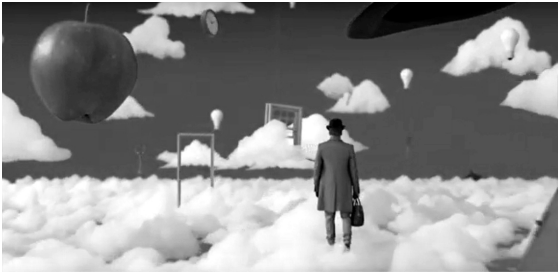
Imagem 2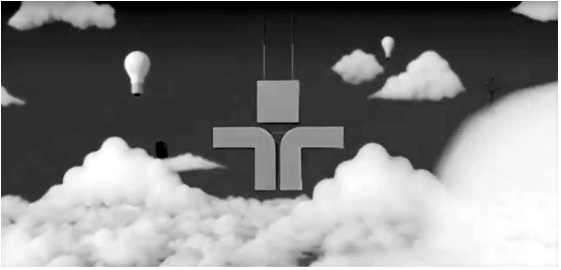
Observe as imagens e marque a assertiva que apresenta conclusões CORRETAS a respeito delas.
Imagem 1
Imagem 2
Observe as imagens e marque a assertiva que apresenta conclusões CORRETAS a respeito delas.
Ano: 2025
Banca:
CPCON
Órgão:
Prefeitura de Mataraca - PB
Prova:
CPCON - 2025 - Prefeitura de Mataraca - PB - Professor C - Artes |
Q3659767
Artes Visuais
Segundo a escritora Marcela Ortiz-Rubio, "AInteligência Artificial (IA) pode ser uma ferramenta valiosa para artistas quando usada da
maneira correta, mas ela definitivamente não substitui a criatividade humana".
Fonte: Extraído de https://forbes.com.br/forbes-tech/2023/10/para-esses-5-artistas-a-ia-se-tornou-uma-aliada-criativa/ em 08/09/2025.
Fato é que alguns artistas, como Mayara Ferrão, estão utilizando a IAcomo colaboradora e parceira. Natural de Salvador/BA, Mayara despertou a atenção do público e do mercado da arte com seu trabalho “Álbuns de Desesquecimentos”.
Abaixo, estão algumas imagens criadas pela artista, com o auxílio da IA:
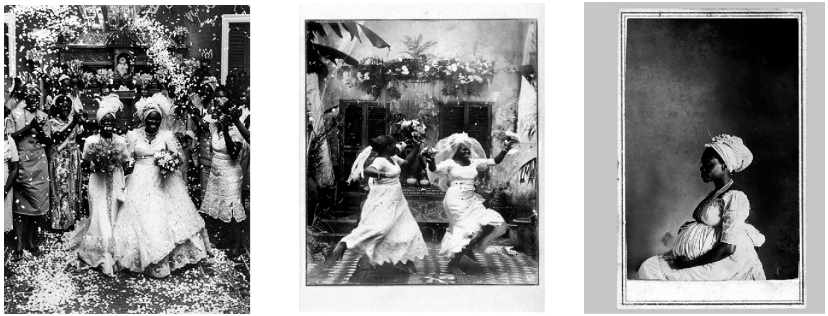
Imagens da série “Álbuns de Desesquecimentos”, de Mayara Ferrão.
A partir do exposto, avalie os itens a seguir.
I- Percebe-se que o uso da IA, nesse caso, origina uma falta de realidade para o que houve na história do Brasil. Essa é uma das formas que prova que o uso da manipulação da Arte pode resultar em imagens falsas, principalmente no que se refere à Fotografia, pois, como se sabe, imagens geradas a partir de dispositivos diferentes de câmeras fotográficas não podem ser chamadas de fotografia.
II- Nota-se, a partir das imagens, que, ao utilizar como título “Álbuns de Desesquecimentos” para a sua série de imagens, a artista Mayara Ferrão procura construir um “passado de memórias” que, por sua vez, sugere mais liberdade e felicidade do que o passado registrado na história das mulheres negras colonizadas no Brasil. Ao mesmo tempo, o trabalho serve como denúncia para o que se sabe que houve de fato.
III- O estilo surrealista de Mayara Ferrão é evidente, pois suas imagens evocam a ideia de sonhos fantasiosos. O recurso utilizado na instrução dos códigos para a geração da imagem (conhecidos como prompt), embora resulte em ótimas imagens, sugere grande variação de estilo artístico, como se nota quando se confronta o resultado obtido nas três imagens exemplificadas.
IV- Embora as imagens exemplificadas sejam geradas por Inteligência Artificial, nota-se, a partir delas, que o estilo de Mayara Ferrão invoca o realismo, pois recriam um passado imaginário com fidedignidade à época (vestuário, cenário e iluminação) em que essas obras poderiam ter sido fotografadas.
É CORRETO o que se afirma apenas em:
Fonte: Extraído de https://forbes.com.br/forbes-tech/2023/10/para-esses-5-artistas-a-ia-se-tornou-uma-aliada-criativa/ em 08/09/2025.
Fato é que alguns artistas, como Mayara Ferrão, estão utilizando a IAcomo colaboradora e parceira. Natural de Salvador/BA, Mayara despertou a atenção do público e do mercado da arte com seu trabalho “Álbuns de Desesquecimentos”.
Abaixo, estão algumas imagens criadas pela artista, com o auxílio da IA:
Imagens da série “Álbuns de Desesquecimentos”, de Mayara Ferrão.
A partir do exposto, avalie os itens a seguir.
I- Percebe-se que o uso da IA, nesse caso, origina uma falta de realidade para o que houve na história do Brasil. Essa é uma das formas que prova que o uso da manipulação da Arte pode resultar em imagens falsas, principalmente no que se refere à Fotografia, pois, como se sabe, imagens geradas a partir de dispositivos diferentes de câmeras fotográficas não podem ser chamadas de fotografia.
II- Nota-se, a partir das imagens, que, ao utilizar como título “Álbuns de Desesquecimentos” para a sua série de imagens, a artista Mayara Ferrão procura construir um “passado de memórias” que, por sua vez, sugere mais liberdade e felicidade do que o passado registrado na história das mulheres negras colonizadas no Brasil. Ao mesmo tempo, o trabalho serve como denúncia para o que se sabe que houve de fato.
III- O estilo surrealista de Mayara Ferrão é evidente, pois suas imagens evocam a ideia de sonhos fantasiosos. O recurso utilizado na instrução dos códigos para a geração da imagem (conhecidos como prompt), embora resulte em ótimas imagens, sugere grande variação de estilo artístico, como se nota quando se confronta o resultado obtido nas três imagens exemplificadas.
IV- Embora as imagens exemplificadas sejam geradas por Inteligência Artificial, nota-se, a partir delas, que o estilo de Mayara Ferrão invoca o realismo, pois recriam um passado imaginário com fidedignidade à época (vestuário, cenário e iluminação) em que essas obras poderiam ter sido fotografadas.
É CORRETO o que se afirma apenas em:

 Conheça nossos planos