Questões de Concurso Público Prefeitura de Iporã do Oeste - SC 2025 para Professor de Inglês
Foram encontradas 35 questões


Ano: 2025
Banca:
AMEOSC
Órgão:
Prefeitura de Iporã do Oeste - SC
Prova:
AMEOSC - 2025 - Prefeitura de Iporã do Oeste - SC - Professor de Inglês |
Q3361762
Tecnologia Educacional
Texto associado
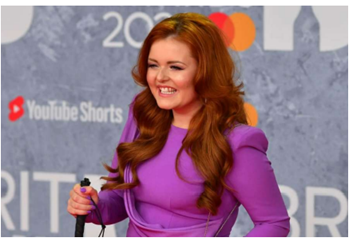
O texto seguinte servirá de base para responder à questão.
'Why I want an IVF baby to screen out gene that
made me go blind'
Blind content creator and TikTok star Lucy Edwards says
she's "so excited" to be on a health kick to undergo IVF,
but reveals the dilemma she faced in deciding to screen
out the very gene that made her blind.
"I'm so broody," the 29-year-old tells the BBC Access All
podcast.
Lucy and her husband Ollie married at Kew Gardens two
years ago and are now ready to start a family - but there
are complications to consider.
Lucy has the rare genetic condition Incontinentia
Pigmenti (IP) and lost her sight due to this aged 17, just
months after meeting Ollie.
The condition runs through the female line - Lucy's mum
has IP although isn't blind, her Grandma did too and her
great-aunt was blind in one eye.
Lucy is totally blind, but, if she had been a boy, she may
not have survived.
The abnormal IP gene is located on the X chromosome.
Women have two X chromosomes, while males have X
and Y, meaning the appearance of the gene can be more
catastrophic in male pregnancies.
"My grandma actually had nine miscarriages," Lucy says.
This is one of the facts that played into the complicated
decision Lucy and Ollie made to opt for pre-implantation
genetic testing, a special type of IVF where embryos are
created outside of the body and screened for the genetic
condition. Only those embryos which are not affected by
the condition are placed back into the womb.
Without medical intervention, Lucy says there would be
four potential outcomes to any pregnancy she carried: A
healthy and unaffected boy or girl, an affected boy she
would likely miscarry or who would be born with severe
brain damage or an affected girl.
She pauses, then laughs: "That sounds horrible, doesn't
it? That's me."
And that's the quandary. IVF will edit out the very thing
that has made Lucy who she is today - a journalist,
advocate, author and broadcaster.
It is an emotive topic of debate. The most well-known
conversation is around Down's syndrome and the
number of women who choose to abort a pregnancy
once their baby is tested and diagnosed as having the
condition. The question is around the value people place
on other peoples' lives which may not look like our own.
In 2021 campaigner Heidi Crowter, who herself has
Down's syndrome, challenged legislation allowing
foetuses with the condition to be aborted up until birth.
She took her case to the High Court arguing the rules were discriminatory to disabled people who could live a
good life. She lost the case and the subsequent
argument she made at the Court of Appeal. The
European Court of Human Rights (ECHR) later rejected it
as well, but Heidi continues to campaign to have the law
overturned.
It is something Lucy is very aware of and she and her
husband have spent a long time considering.
"It's understanding that it is removing that part of me that
makes me, me," Lucy says. "It's such a personal decision
and I know that I'm opening myself up for possible
designer baby discussions, but I know I'm doing it for the
right reasons."
Lucy says first being diagnosed with IP and then losing
her sight as a teenager were both traumatic events and
she wants to minimise the likelihood of miscarriage to
limit any future traumatic load.
She says she found it impossible to "knowingly" consider
having a baby naturally once she knew the science was
available to give a baby the healthiest start possible.
"If I had a baby and, unknowingly, I had a gorgeous,
gorgeous baby with disabilities, I would be so thankful, so
happy and amazed but knowingly having this gene?
That's why we're having IVF."
IP doesn't just cause blindness, it can also cause severe
epilepsy and more difficult outcomes. Lucy says having
the option to ensure complications were not passed on
felt like both a responsibility and a privilege previous
generations did not have.
"Whether we like it or not, we have to be responsible
here. Maybe a responsible issue for you, if you have IP
or another genetic disorder, is to have a child naturally
and we are not judging you in any shape or form, this is
just our decision."
In response to their openness around this decision
comments were overwhelmingly positive from Lucy's fans
which she thinks might be because she is so "disability
positive" in her everyday life - "I love being blind," she
frequently states.
But Lucy says responses have been different around the
world. When she was working in Japan and her content
was reaching audiences unfamiliar with her story, she faced a lot more trolling.
"I got a lot of abusive comments that go into my spam
filter questioning why I would be a mother," she says. "I
know that I'm going to get a lot of abuse, but I'm just
going to block them.
"I'm going to be OK. All I think about is the other mothers
that have come before me who are competent, capable
and resilient."
Lucy, who is known for her How Does A Blind Girl...
series of videos, is overjoyed by the prospect of IVF but
she has also been frank about the fact she currently does
not qualify, owing to her current weight, a sensitive
element of IVF treatment that many keep to themselves.
NHS guidelines specify your Body Mass Index (BMI)
must be 30 or under to qualify - a healthy BMI is
considered to be between 18.5 and 24.9.
"I need to be a BMI of 30 and I'm very open that I need to
lose 9kg," Lucy says. "I've already lost 15kg."
Her health journey has involved swimming, lifting weights
and many runs with Ollie tethered to her as her sighted
guide. She has also found a love for batch cooking
nutritious meals which she posts about on all of her
channels on Instagram, TikTok and YouTube and the
workarounds she has developed as a blind cook.
"I wanted a positive representation of losing weight online
because it's all about this blinking jab," she says,
referring to weight loss injections. "I just wanted to lose it
healthily, have lots of nice food, talk about meal prep and
just smile and run."
Once she hits the required BMI, Lucy will qualify for three
rounds of IVF on the NHS.
She will contact her consultant, after which she has to
"spit in a cup" and offer up her DNA for genetic testing
and analysis.
Over a period of about three months, a genetics team will
"make a bespoke test to find the gene within my eggs,"
Lucy explains.
Meanwhile Lucy will inject herself with trigger shots to
stimulate the follicles within her ovaries to increase the
number of eggs produced which will be retrieved, and
then made into embryos with Ollie's sperm.
The embryos will then be tested so only ones without the
IP gene will be possible candidates. Those embryos will
be "shuffled about" so Lucy and Ollie don't know which
will be selected in terms of gender or other genetic
qualities, and implanted into Lucy, who will carry the baby
to term.
Lucy can't wait for the moment she holds her baby in her
arms.
"It will never stop being a thing within my mind that this
gene is being eradicated," she admits. "But I am very
happy in my decision."
A few days ago Lucy posted on Instagram, her cardigan
tightened at the back with a hairband to make it smaller
and fit.
"I've lost so much [weight] that my clothes are too loose
now so we had to tie it up with a bobble," she tells her
followers.
"Fingers crossed [we're] only a few weeks away from
ringing the clinic."
https://www.bbc.com/news/articles/c5y4v7vj039o
Lucy faced significant trolling online when sharing her IVF
journey, particularly with unfamiliar international
audiences. In modern education, what major challenge
does this highlight?
Ano: 2025
Banca:
AMEOSC
Órgão:
Prefeitura de Iporã do Oeste - SC
Prova:
AMEOSC - 2025 - Prefeitura de Iporã do Oeste - SC - Professor de Inglês |
Q3361763
Inglês
Texto associado
O texto seguinte servirá de base para responder à questão.
'Why I want an IVF baby to screen out gene that
made me go blind'
Blind content creator and TikTok star Lucy Edwards says
she's "so excited" to be on a health kick to undergo IVF,
but reveals the dilemma she faced in deciding to screen
out the very gene that made her blind.
"I'm so broody," the 29-year-old tells the BBC Access All
podcast.
Lucy and her husband Ollie married at Kew Gardens two
years ago and are now ready to start a family - but there
are complications to consider.
Lucy has the rare genetic condition Incontinentia
Pigmenti (IP) and lost her sight due to this aged 17, just
months after meeting Ollie.
The condition runs through the female line - Lucy's mum
has IP although isn't blind, her Grandma did too and her
great-aunt was blind in one eye.
Lucy is totally blind, but, if she had been a boy, she may
not have survived.
The abnormal IP gene is located on the X chromosome.
Women have two X chromosomes, while males have X
and Y, meaning the appearance of the gene can be more
catastrophic in male pregnancies.
"My grandma actually had nine miscarriages," Lucy says.
This is one of the facts that played into the complicated
decision Lucy and Ollie made to opt for pre-implantation
genetic testing, a special type of IVF where embryos are
created outside of the body and screened for the genetic
condition. Only those embryos which are not affected by
the condition are placed back into the womb.
Without medical intervention, Lucy says there would be
four potential outcomes to any pregnancy she carried: A
healthy and unaffected boy or girl, an affected boy she
would likely miscarry or who would be born with severe
brain damage or an affected girl.
She pauses, then laughs: "That sounds horrible, doesn't
it? That's me."
And that's the quandary. IVF will edit out the very thing
that has made Lucy who she is today - a journalist,
advocate, author and broadcaster.
It is an emotive topic of debate. The most well-known
conversation is around Down's syndrome and the
number of women who choose to abort a pregnancy
once their baby is tested and diagnosed as having the
condition. The question is around the value people place
on other peoples' lives which may not look like our own.
In 2021 campaigner Heidi Crowter, who herself has
Down's syndrome, challenged legislation allowing
foetuses with the condition to be aborted up until birth.
She took her case to the High Court arguing the rules were discriminatory to disabled people who could live a
good life. She lost the case and the subsequent
argument she made at the Court of Appeal. The
European Court of Human Rights (ECHR) later rejected it
as well, but Heidi continues to campaign to have the law
overturned.
It is something Lucy is very aware of and she and her
husband have spent a long time considering.
"It's understanding that it is removing that part of me that
makes me, me," Lucy says. "It's such a personal decision
and I know that I'm opening myself up for possible
designer baby discussions, but I know I'm doing it for the
right reasons."
Lucy says first being diagnosed with IP and then losing
her sight as a teenager were both traumatic events and
she wants to minimise the likelihood of miscarriage to
limit any future traumatic load.
She says she found it impossible to "knowingly" consider
having a baby naturally once she knew the science was
available to give a baby the healthiest start possible.
"If I had a baby and, unknowingly, I had a gorgeous,
gorgeous baby with disabilities, I would be so thankful, so
happy and amazed but knowingly having this gene?
That's why we're having IVF."
IP doesn't just cause blindness, it can also cause severe
epilepsy and more difficult outcomes. Lucy says having
the option to ensure complications were not passed on
felt like both a responsibility and a privilege previous
generations did not have.
"Whether we like it or not, we have to be responsible
here. Maybe a responsible issue for you, if you have IP
or another genetic disorder, is to have a child naturally
and we are not judging you in any shape or form, this is
just our decision."
In response to their openness around this decision
comments were overwhelmingly positive from Lucy's fans
which she thinks might be because she is so "disability
positive" in her everyday life - "I love being blind," she
frequently states.
But Lucy says responses have been different around the
world. When she was working in Japan and her content
was reaching audiences unfamiliar with her story, she faced a lot more trolling.
"I got a lot of abusive comments that go into my spam
filter questioning why I would be a mother," she says. "I
know that I'm going to get a lot of abuse, but I'm just
going to block them.
"I'm going to be OK. All I think about is the other mothers
that have come before me who are competent, capable
and resilient."
Lucy, who is known for her How Does A Blind Girl...
series of videos, is overjoyed by the prospect of IVF but
she has also been frank about the fact she currently does
not qualify, owing to her current weight, a sensitive
element of IVF treatment that many keep to themselves.
NHS guidelines specify your Body Mass Index (BMI)
must be 30 or under to qualify - a healthy BMI is
considered to be between 18.5 and 24.9.
"I need to be a BMI of 30 and I'm very open that I need to
lose 9kg," Lucy says. "I've already lost 15kg."
Her health journey has involved swimming, lifting weights
and many runs with Ollie tethered to her as her sighted
guide. She has also found a love for batch cooking
nutritious meals which she posts about on all of her
channels on Instagram, TikTok and YouTube and the
workarounds she has developed as a blind cook.
"I wanted a positive representation of losing weight online
because it's all about this blinking jab," she says,
referring to weight loss injections. "I just wanted to lose it
healthily, have lots of nice food, talk about meal prep and
just smile and run."
Once she hits the required BMI, Lucy will qualify for three
rounds of IVF on the NHS.
She will contact her consultant, after which she has to
"spit in a cup" and offer up her DNA for genetic testing
and analysis.
Over a period of about three months, a genetics team will
"make a bespoke test to find the gene within my eggs,"
Lucy explains.
Meanwhile Lucy will inject herself with trigger shots to
stimulate the follicles within her ovaries to increase the
number of eggs produced which will be retrieved, and
then made into embryos with Ollie's sperm.
The embryos will then be tested so only ones without the
IP gene will be possible candidates. Those embryos will
be "shuffled about" so Lucy and Ollie don't know which
will be selected in terms of gender or other genetic
qualities, and implanted into Lucy, who will carry the baby
to term.
Lucy can't wait for the moment she holds her baby in her
arms.
"It will never stop being a thing within my mind that this
gene is being eradicated," she admits. "But I am very
happy in my decision."
A few days ago Lucy posted on Instagram, her cardigan
tightened at the back with a hairband to make it smaller
and fit.
"I've lost so much [weight] that my clothes are too loose
now so we had to tie it up with a bobble," she tells her
followers.
"Fingers crossed [we're] only a few weeks away from
ringing the clinic."
https://www.bbc.com/news/articles/c5y4v7vj039o
Analyze the sentence from the text: "Lucy says she found
it impossible to 'knowingly' consider having a baby
naturally once she knew the science was available."
Which option maintains the correct tense consistency if rephrased?
Which option maintains the correct tense consistency if rephrased?
Ano: 2025
Banca:
AMEOSC
Órgão:
Prefeitura de Iporã do Oeste - SC
Prova:
AMEOSC - 2025 - Prefeitura de Iporã do Oeste - SC - Professor de Inglês |
Q3361764
Inglês
Texto associado
O texto seguinte servirá de base para responder à questão.
'Why I want an IVF baby to screen out gene that
made me go blind'
Blind content creator and TikTok star Lucy Edwards says
she's "so excited" to be on a health kick to undergo IVF,
but reveals the dilemma she faced in deciding to screen
out the very gene that made her blind.
"I'm so broody," the 29-year-old tells the BBC Access All
podcast.
Lucy and her husband Ollie married at Kew Gardens two
years ago and are now ready to start a family - but there
are complications to consider.
Lucy has the rare genetic condition Incontinentia
Pigmenti (IP) and lost her sight due to this aged 17, just
months after meeting Ollie.
The condition runs through the female line - Lucy's mum
has IP although isn't blind, her Grandma did too and her
great-aunt was blind in one eye.
Lucy is totally blind, but, if she had been a boy, she may
not have survived.
The abnormal IP gene is located on the X chromosome.
Women have two X chromosomes, while males have X
and Y, meaning the appearance of the gene can be more
catastrophic in male pregnancies.
"My grandma actually had nine miscarriages," Lucy says.
This is one of the facts that played into the complicated
decision Lucy and Ollie made to opt for pre-implantation
genetic testing, a special type of IVF where embryos are
created outside of the body and screened for the genetic
condition. Only those embryos which are not affected by
the condition are placed back into the womb.
Without medical intervention, Lucy says there would be
four potential outcomes to any pregnancy she carried: A
healthy and unaffected boy or girl, an affected boy she
would likely miscarry or who would be born with severe
brain damage or an affected girl.
She pauses, then laughs: "That sounds horrible, doesn't
it? That's me."
And that's the quandary. IVF will edit out the very thing
that has made Lucy who she is today - a journalist,
advocate, author and broadcaster.
It is an emotive topic of debate. The most well-known
conversation is around Down's syndrome and the
number of women who choose to abort a pregnancy
once their baby is tested and diagnosed as having the
condition. The question is around the value people place
on other peoples' lives which may not look like our own.
In 2021 campaigner Heidi Crowter, who herself has
Down's syndrome, challenged legislation allowing
foetuses with the condition to be aborted up until birth.
She took her case to the High Court arguing the rules were discriminatory to disabled people who could live a
good life. She lost the case and the subsequent
argument she made at the Court of Appeal. The
European Court of Human Rights (ECHR) later rejected it
as well, but Heidi continues to campaign to have the law
overturned.
It is something Lucy is very aware of and she and her
husband have spent a long time considering.
"It's understanding that it is removing that part of me that
makes me, me," Lucy says. "It's such a personal decision
and I know that I'm opening myself up for possible
designer baby discussions, but I know I'm doing it for the
right reasons."
Lucy says first being diagnosed with IP and then losing
her sight as a teenager were both traumatic events and
she wants to minimise the likelihood of miscarriage to
limit any future traumatic load.
She says she found it impossible to "knowingly" consider
having a baby naturally once she knew the science was
available to give a baby the healthiest start possible.
"If I had a baby and, unknowingly, I had a gorgeous,
gorgeous baby with disabilities, I would be so thankful, so
happy and amazed but knowingly having this gene?
That's why we're having IVF."
IP doesn't just cause blindness, it can also cause severe
epilepsy and more difficult outcomes. Lucy says having
the option to ensure complications were not passed on
felt like both a responsibility and a privilege previous
generations did not have.
"Whether we like it or not, we have to be responsible
here. Maybe a responsible issue for you, if you have IP
or another genetic disorder, is to have a child naturally
and we are not judging you in any shape or form, this is
just our decision."
In response to their openness around this decision
comments were overwhelmingly positive from Lucy's fans
which she thinks might be because she is so "disability
positive" in her everyday life - "I love being blind," she
frequently states.
But Lucy says responses have been different around the
world. When she was working in Japan and her content
was reaching audiences unfamiliar with her story, she faced a lot more trolling.
"I got a lot of abusive comments that go into my spam
filter questioning why I would be a mother," she says. "I
know that I'm going to get a lot of abuse, but I'm just
going to block them.
"I'm going to be OK. All I think about is the other mothers
that have come before me who are competent, capable
and resilient."
Lucy, who is known for her How Does A Blind Girl...
series of videos, is overjoyed by the prospect of IVF but
she has also been frank about the fact she currently does
not qualify, owing to her current weight, a sensitive
element of IVF treatment that many keep to themselves.
NHS guidelines specify your Body Mass Index (BMI)
must be 30 or under to qualify - a healthy BMI is
considered to be between 18.5 and 24.9.
"I need to be a BMI of 30 and I'm very open that I need to
lose 9kg," Lucy says. "I've already lost 15kg."
Her health journey has involved swimming, lifting weights
and many runs with Ollie tethered to her as her sighted
guide. She has also found a love for batch cooking
nutritious meals which she posts about on all of her
channels on Instagram, TikTok and YouTube and the
workarounds she has developed as a blind cook.
"I wanted a positive representation of losing weight online
because it's all about this blinking jab," she says,
referring to weight loss injections. "I just wanted to lose it
healthily, have lots of nice food, talk about meal prep and
just smile and run."
Once she hits the required BMI, Lucy will qualify for three
rounds of IVF on the NHS.
She will contact her consultant, after which she has to
"spit in a cup" and offer up her DNA for genetic testing
and analysis.
Over a period of about three months, a genetics team will
"make a bespoke test to find the gene within my eggs,"
Lucy explains.
Meanwhile Lucy will inject herself with trigger shots to
stimulate the follicles within her ovaries to increase the
number of eggs produced which will be retrieved, and
then made into embryos with Ollie's sperm.
The embryos will then be tested so only ones without the
IP gene will be possible candidates. Those embryos will
be "shuffled about" so Lucy and Ollie don't know which
will be selected in terms of gender or other genetic
qualities, and implanted into Lucy, who will carry the baby
to term.
Lucy can't wait for the moment she holds her baby in her
arms.
"It will never stop being a thing within my mind that this
gene is being eradicated," she admits. "But I am very
happy in my decision."
A few days ago Lucy posted on Instagram, her cardigan
tightened at the back with a hairband to make it smaller
and fit.
"I've lost so much [weight] that my clothes are too loose
now so we had to tie it up with a bobble," she tells her
followers.
"Fingers crossed [we're] only a few weeks away from
ringing the clinic."
https://www.bbc.com/news/articles/c5y4v7vj039o
Throughout the text, Lucy emphasizes both her pride in
her identity as a blind woman and her desire to minimize
the genetic risks for her child. Considering this, what is
the most accurate inference about Lucy's values?
Ano: 2025
Banca:
AMEOSC
Órgão:
Prefeitura de Iporã do Oeste - SC
Prova:
AMEOSC - 2025 - Prefeitura de Iporã do Oeste - SC - Professor de Inglês |
Q3361765
Inglês
Texto associado
O texto seguinte servirá de base para responder à questão.
'Why I want an IVF baby to screen out gene that
made me go blind'
Blind content creator and TikTok star Lucy Edwards says
she's "so excited" to be on a health kick to undergo IVF,
but reveals the dilemma she faced in deciding to screen
out the very gene that made her blind.
"I'm so broody," the 29-year-old tells the BBC Access All
podcast.
Lucy and her husband Ollie married at Kew Gardens two
years ago and are now ready to start a family - but there
are complications to consider.
Lucy has the rare genetic condition Incontinentia
Pigmenti (IP) and lost her sight due to this aged 17, just
months after meeting Ollie.
The condition runs through the female line - Lucy's mum
has IP although isn't blind, her Grandma did too and her
great-aunt was blind in one eye.
Lucy is totally blind, but, if she had been a boy, she may
not have survived.
The abnormal IP gene is located on the X chromosome.
Women have two X chromosomes, while males have X
and Y, meaning the appearance of the gene can be more
catastrophic in male pregnancies.
"My grandma actually had nine miscarriages," Lucy says.
This is one of the facts that played into the complicated
decision Lucy and Ollie made to opt for pre-implantation
genetic testing, a special type of IVF where embryos are
created outside of the body and screened for the genetic
condition. Only those embryos which are not affected by
the condition are placed back into the womb.
Without medical intervention, Lucy says there would be
four potential outcomes to any pregnancy she carried: A
healthy and unaffected boy or girl, an affected boy she
would likely miscarry or who would be born with severe
brain damage or an affected girl.
She pauses, then laughs: "That sounds horrible, doesn't
it? That's me."
And that's the quandary. IVF will edit out the very thing
that has made Lucy who she is today - a journalist,
advocate, author and broadcaster.
It is an emotive topic of debate. The most well-known
conversation is around Down's syndrome and the
number of women who choose to abort a pregnancy
once their baby is tested and diagnosed as having the
condition. The question is around the value people place
on other peoples' lives which may not look like our own.
In 2021 campaigner Heidi Crowter, who herself has
Down's syndrome, challenged legislation allowing
foetuses with the condition to be aborted up until birth.
She took her case to the High Court arguing the rules were discriminatory to disabled people who could live a
good life. She lost the case and the subsequent
argument she made at the Court of Appeal. The
European Court of Human Rights (ECHR) later rejected it
as well, but Heidi continues to campaign to have the law
overturned.
It is something Lucy is very aware of and she and her
husband have spent a long time considering.
"It's understanding that it is removing that part of me that
makes me, me," Lucy says. "It's such a personal decision
and I know that I'm opening myself up for possible
designer baby discussions, but I know I'm doing it for the
right reasons."
Lucy says first being diagnosed with IP and then losing
her sight as a teenager were both traumatic events and
she wants to minimise the likelihood of miscarriage to
limit any future traumatic load.
She says she found it impossible to "knowingly" consider
having a baby naturally once she knew the science was
available to give a baby the healthiest start possible.
"If I had a baby and, unknowingly, I had a gorgeous,
gorgeous baby with disabilities, I would be so thankful, so
happy and amazed but knowingly having this gene?
That's why we're having IVF."
IP doesn't just cause blindness, it can also cause severe
epilepsy and more difficult outcomes. Lucy says having
the option to ensure complications were not passed on
felt like both a responsibility and a privilege previous
generations did not have.
"Whether we like it or not, we have to be responsible
here. Maybe a responsible issue for you, if you have IP
or another genetic disorder, is to have a child naturally
and we are not judging you in any shape or form, this is
just our decision."
In response to their openness around this decision
comments were overwhelmingly positive from Lucy's fans
which she thinks might be because she is so "disability
positive" in her everyday life - "I love being blind," she
frequently states.
But Lucy says responses have been different around the
world. When she was working in Japan and her content
was reaching audiences unfamiliar with her story, she faced a lot more trolling.
"I got a lot of abusive comments that go into my spam
filter questioning why I would be a mother," she says. "I
know that I'm going to get a lot of abuse, but I'm just
going to block them.
"I'm going to be OK. All I think about is the other mothers
that have come before me who are competent, capable
and resilient."
Lucy, who is known for her How Does A Blind Girl...
series of videos, is overjoyed by the prospect of IVF but
she has also been frank about the fact she currently does
not qualify, owing to her current weight, a sensitive
element of IVF treatment that many keep to themselves.
NHS guidelines specify your Body Mass Index (BMI)
must be 30 or under to qualify - a healthy BMI is
considered to be between 18.5 and 24.9.
"I need to be a BMI of 30 and I'm very open that I need to
lose 9kg," Lucy says. "I've already lost 15kg."
Her health journey has involved swimming, lifting weights
and many runs with Ollie tethered to her as her sighted
guide. She has also found a love for batch cooking
nutritious meals which she posts about on all of her
channels on Instagram, TikTok and YouTube and the
workarounds she has developed as a blind cook.
"I wanted a positive representation of losing weight online
because it's all about this blinking jab," she says,
referring to weight loss injections. "I just wanted to lose it
healthily, have lots of nice food, talk about meal prep and
just smile and run."
Once she hits the required BMI, Lucy will qualify for three
rounds of IVF on the NHS.
She will contact her consultant, after which she has to
"spit in a cup" and offer up her DNA for genetic testing
and analysis.
Over a period of about three months, a genetics team will
"make a bespoke test to find the gene within my eggs,"
Lucy explains.
Meanwhile Lucy will inject herself with trigger shots to
stimulate the follicles within her ovaries to increase the
number of eggs produced which will be retrieved, and
then made into embryos with Ollie's sperm.
The embryos will then be tested so only ones without the
IP gene will be possible candidates. Those embryos will
be "shuffled about" so Lucy and Ollie don't know which
will be selected in terms of gender or other genetic
qualities, and implanted into Lucy, who will carry the baby
to term.
Lucy can't wait for the moment she holds her baby in her
arms.
"It will never stop being a thing within my mind that this
gene is being eradicated," she admits. "But I am very
happy in my decision."
A few days ago Lucy posted on Instagram, her cardigan
tightened at the back with a hairband to make it smaller
and fit.
"I've lost so much [weight] that my clothes are too loose
now so we had to tie it up with a bobble," she tells her
followers.
"Fingers crossed [we're] only a few weeks away from
ringing the clinic."
https://www.bbc.com/news/articles/c5y4v7vj039o
Imagine using this text in an English classroom to teach reading comprehension. According to contemporary
methodology, what would be the most effective strategy?
Ano: 2025
Banca:
AMEOSC
Órgão:
Prefeitura de Iporã do Oeste - SC
Prova:
AMEOSC - 2025 - Prefeitura de Iporã do Oeste - SC - Professor de Inglês |
Q3361766
Inglês
Texto associado
O texto seguinte servirá de base para responder à questão.
'Why I want an IVF baby to screen out gene that
made me go blind'
Blind content creator and TikTok star Lucy Edwards says
she's "so excited" to be on a health kick to undergo IVF,
but reveals the dilemma she faced in deciding to screen
out the very gene that made her blind.
"I'm so broody," the 29-year-old tells the BBC Access All
podcast.
Lucy and her husband Ollie married at Kew Gardens two
years ago and are now ready to start a family - but there
are complications to consider.
Lucy has the rare genetic condition Incontinentia
Pigmenti (IP) and lost her sight due to this aged 17, just
months after meeting Ollie.
The condition runs through the female line - Lucy's mum
has IP although isn't blind, her Grandma did too and her
great-aunt was blind in one eye.
Lucy is totally blind, but, if she had been a boy, she may
not have survived.
The abnormal IP gene is located on the X chromosome.
Women have two X chromosomes, while males have X
and Y, meaning the appearance of the gene can be more
catastrophic in male pregnancies.
"My grandma actually had nine miscarriages," Lucy says.
This is one of the facts that played into the complicated
decision Lucy and Ollie made to opt for pre-implantation
genetic testing, a special type of IVF where embryos are
created outside of the body and screened for the genetic
condition. Only those embryos which are not affected by
the condition are placed back into the womb.
Without medical intervention, Lucy says there would be
four potential outcomes to any pregnancy she carried: A
healthy and unaffected boy or girl, an affected boy she
would likely miscarry or who would be born with severe
brain damage or an affected girl.
She pauses, then laughs: "That sounds horrible, doesn't
it? That's me."
And that's the quandary. IVF will edit out the very thing
that has made Lucy who she is today - a journalist,
advocate, author and broadcaster.
It is an emotive topic of debate. The most well-known
conversation is around Down's syndrome and the
number of women who choose to abort a pregnancy
once their baby is tested and diagnosed as having the
condition. The question is around the value people place
on other peoples' lives which may not look like our own.
In 2021 campaigner Heidi Crowter, who herself has
Down's syndrome, challenged legislation allowing
foetuses with the condition to be aborted up until birth.
She took her case to the High Court arguing the rules were discriminatory to disabled people who could live a
good life. She lost the case and the subsequent
argument she made at the Court of Appeal. The
European Court of Human Rights (ECHR) later rejected it
as well, but Heidi continues to campaign to have the law
overturned.
It is something Lucy is very aware of and she and her
husband have spent a long time considering.
"It's understanding that it is removing that part of me that
makes me, me," Lucy says. "It's such a personal decision
and I know that I'm opening myself up for possible
designer baby discussions, but I know I'm doing it for the
right reasons."
Lucy says first being diagnosed with IP and then losing
her sight as a teenager were both traumatic events and
she wants to minimise the likelihood of miscarriage to
limit any future traumatic load.
She says she found it impossible to "knowingly" consider
having a baby naturally once she knew the science was
available to give a baby the healthiest start possible.
"If I had a baby and, unknowingly, I had a gorgeous,
gorgeous baby with disabilities, I would be so thankful, so
happy and amazed but knowingly having this gene?
That's why we're having IVF."
IP doesn't just cause blindness, it can also cause severe
epilepsy and more difficult outcomes. Lucy says having
the option to ensure complications were not passed on
felt like both a responsibility and a privilege previous
generations did not have.
"Whether we like it or not, we have to be responsible
here. Maybe a responsible issue for you, if you have IP
or another genetic disorder, is to have a child naturally
and we are not judging you in any shape or form, this is
just our decision."
In response to their openness around this decision
comments were overwhelmingly positive from Lucy's fans
which she thinks might be because she is so "disability
positive" in her everyday life - "I love being blind," she
frequently states.
But Lucy says responses have been different around the
world. When she was working in Japan and her content
was reaching audiences unfamiliar with her story, she faced a lot more trolling.
"I got a lot of abusive comments that go into my spam
filter questioning why I would be a mother," she says. "I
know that I'm going to get a lot of abuse, but I'm just
going to block them.
"I'm going to be OK. All I think about is the other mothers
that have come before me who are competent, capable
and resilient."
Lucy, who is known for her How Does A Blind Girl...
series of videos, is overjoyed by the prospect of IVF but
she has also been frank about the fact she currently does
not qualify, owing to her current weight, a sensitive
element of IVF treatment that many keep to themselves.
NHS guidelines specify your Body Mass Index (BMI)
must be 30 or under to qualify - a healthy BMI is
considered to be between 18.5 and 24.9.
"I need to be a BMI of 30 and I'm very open that I need to
lose 9kg," Lucy says. "I've already lost 15kg."
Her health journey has involved swimming, lifting weights
and many runs with Ollie tethered to her as her sighted
guide. She has also found a love for batch cooking
nutritious meals which she posts about on all of her
channels on Instagram, TikTok and YouTube and the
workarounds she has developed as a blind cook.
"I wanted a positive representation of losing weight online
because it's all about this blinking jab," she says,
referring to weight loss injections. "I just wanted to lose it
healthily, have lots of nice food, talk about meal prep and
just smile and run."
Once she hits the required BMI, Lucy will qualify for three
rounds of IVF on the NHS.
She will contact her consultant, after which she has to
"spit in a cup" and offer up her DNA for genetic testing
and analysis.
Over a period of about three months, a genetics team will
"make a bespoke test to find the gene within my eggs,"
Lucy explains.
Meanwhile Lucy will inject herself with trigger shots to
stimulate the follicles within her ovaries to increase the
number of eggs produced which will be retrieved, and
then made into embryos with Ollie's sperm.
The embryos will then be tested so only ones without the
IP gene will be possible candidates. Those embryos will
be "shuffled about" so Lucy and Ollie don't know which
will be selected in terms of gender or other genetic
qualities, and implanted into Lucy, who will carry the baby
to term.
Lucy can't wait for the moment she holds her baby in her
arms.
"It will never stop being a thing within my mind that this
gene is being eradicated," she admits. "But I am very
happy in my decision."
A few days ago Lucy posted on Instagram, her cardigan
tightened at the back with a hairband to make it smaller
and fit.
"I've lost so much [weight] that my clothes are too loose
now so we had to tie it up with a bobble," she tells her
followers.
"Fingers crossed [we're] only a few weeks away from
ringing the clinic."
https://www.bbc.com/news/articles/c5y4v7vj039o
In the sentence, "She has found a love for batch cooking
nutritious meals," the term "batch cooking" can best be
understood as:
Ano: 2025
Banca:
AMEOSC
Órgão:
Prefeitura de Iporã do Oeste - SC
Prova:
AMEOSC - 2025 - Prefeitura de Iporã do Oeste - SC - Professor de Inglês |
Q3361767
Inglês
Texto associado
O texto seguinte servirá de base para responder à questão.
'Why I want an IVF baby to screen out gene that
made me go blind'
Blind content creator and TikTok star Lucy Edwards says
she's "so excited" to be on a health kick to undergo IVF,
but reveals the dilemma she faced in deciding to screen
out the very gene that made her blind.
"I'm so broody," the 29-year-old tells the BBC Access All
podcast.
Lucy and her husband Ollie married at Kew Gardens two
years ago and are now ready to start a family - but there
are complications to consider.
Lucy has the rare genetic condition Incontinentia
Pigmenti (IP) and lost her sight due to this aged 17, just
months after meeting Ollie.
The condition runs through the female line - Lucy's mum
has IP although isn't blind, her Grandma did too and her
great-aunt was blind in one eye.
Lucy is totally blind, but, if she had been a boy, she may
not have survived.
The abnormal IP gene is located on the X chromosome.
Women have two X chromosomes, while males have X
and Y, meaning the appearance of the gene can be more
catastrophic in male pregnancies.
"My grandma actually had nine miscarriages," Lucy says.
This is one of the facts that played into the complicated
decision Lucy and Ollie made to opt for pre-implantation
genetic testing, a special type of IVF where embryos are
created outside of the body and screened for the genetic
condition. Only those embryos which are not affected by
the condition are placed back into the womb.
Without medical intervention, Lucy says there would be
four potential outcomes to any pregnancy she carried: A
healthy and unaffected boy or girl, an affected boy she
would likely miscarry or who would be born with severe
brain damage or an affected girl.
She pauses, then laughs: "That sounds horrible, doesn't
it? That's me."
And that's the quandary. IVF will edit out the very thing
that has made Lucy who she is today - a journalist,
advocate, author and broadcaster.
It is an emotive topic of debate. The most well-known
conversation is around Down's syndrome and the
number of women who choose to abort a pregnancy
once their baby is tested and diagnosed as having the
condition. The question is around the value people place
on other peoples' lives which may not look like our own.
In 2021 campaigner Heidi Crowter, who herself has
Down's syndrome, challenged legislation allowing
foetuses with the condition to be aborted up until birth.
She took her case to the High Court arguing the rules were discriminatory to disabled people who could live a
good life. She lost the case and the subsequent
argument she made at the Court of Appeal. The
European Court of Human Rights (ECHR) later rejected it
as well, but Heidi continues to campaign to have the law
overturned.
It is something Lucy is very aware of and she and her
husband have spent a long time considering.
"It's understanding that it is removing that part of me that
makes me, me," Lucy says. "It's such a personal decision
and I know that I'm opening myself up for possible
designer baby discussions, but I know I'm doing it for the
right reasons."
Lucy says first being diagnosed with IP and then losing
her sight as a teenager were both traumatic events and
she wants to minimise the likelihood of miscarriage to
limit any future traumatic load.
She says she found it impossible to "knowingly" consider
having a baby naturally once she knew the science was
available to give a baby the healthiest start possible.
"If I had a baby and, unknowingly, I had a gorgeous,
gorgeous baby with disabilities, I would be so thankful, so
happy and amazed but knowingly having this gene?
That's why we're having IVF."
IP doesn't just cause blindness, it can also cause severe
epilepsy and more difficult outcomes. Lucy says having
the option to ensure complications were not passed on
felt like both a responsibility and a privilege previous
generations did not have.
"Whether we like it or not, we have to be responsible
here. Maybe a responsible issue for you, if you have IP
or another genetic disorder, is to have a child naturally
and we are not judging you in any shape or form, this is
just our decision."
In response to their openness around this decision
comments were overwhelmingly positive from Lucy's fans
which she thinks might be because she is so "disability
positive" in her everyday life - "I love being blind," she
frequently states.
But Lucy says responses have been different around the
world. When she was working in Japan and her content
was reaching audiences unfamiliar with her story, she faced a lot more trolling.
"I got a lot of abusive comments that go into my spam
filter questioning why I would be a mother," she says. "I
know that I'm going to get a lot of abuse, but I'm just
going to block them.
"I'm going to be OK. All I think about is the other mothers
that have come before me who are competent, capable
and resilient."
Lucy, who is known for her How Does A Blind Girl...
series of videos, is overjoyed by the prospect of IVF but
she has also been frank about the fact she currently does
not qualify, owing to her current weight, a sensitive
element of IVF treatment that many keep to themselves.
NHS guidelines specify your Body Mass Index (BMI)
must be 30 or under to qualify - a healthy BMI is
considered to be between 18.5 and 24.9.
"I need to be a BMI of 30 and I'm very open that I need to
lose 9kg," Lucy says. "I've already lost 15kg."
Her health journey has involved swimming, lifting weights
and many runs with Ollie tethered to her as her sighted
guide. She has also found a love for batch cooking
nutritious meals which she posts about on all of her
channels on Instagram, TikTok and YouTube and the
workarounds she has developed as a blind cook.
"I wanted a positive representation of losing weight online
because it's all about this blinking jab," she says,
referring to weight loss injections. "I just wanted to lose it
healthily, have lots of nice food, talk about meal prep and
just smile and run."
Once she hits the required BMI, Lucy will qualify for three
rounds of IVF on the NHS.
She will contact her consultant, after which she has to
"spit in a cup" and offer up her DNA for genetic testing
and analysis.
Over a period of about three months, a genetics team will
"make a bespoke test to find the gene within my eggs,"
Lucy explains.
Meanwhile Lucy will inject herself with trigger shots to
stimulate the follicles within her ovaries to increase the
number of eggs produced which will be retrieved, and
then made into embryos with Ollie's sperm.
The embryos will then be tested so only ones without the
IP gene will be possible candidates. Those embryos will
be "shuffled about" so Lucy and Ollie don't know which
will be selected in terms of gender or other genetic
qualities, and implanted into Lucy, who will carry the baby
to term.
Lucy can't wait for the moment she holds her baby in her
arms.
"It will never stop being a thing within my mind that this
gene is being eradicated," she admits. "But I am very
happy in my decision."
A few days ago Lucy posted on Instagram, her cardigan
tightened at the back with a hairband to make it smaller
and fit.
"I've lost so much [weight] that my clothes are too loose
now so we had to tie it up with a bobble," she tells her
followers.
"Fingers crossed [we're] only a few weeks away from
ringing the clinic."
https://www.bbc.com/news/articles/c5y4v7vj039o
Lucy Edwards faces a profound emotional and ethical
dilemma as she chooses to undergo IVF to screen out a
gene responsible for her blindness. Despite her advocacy
for disability positivity, she wishes to minimize future
trauma related to genetic conditions. What is the primary
motivation behind Lucy's decision to use genetic testing
during IVF?
Ano: 2025
Banca:
AMEOSC
Órgão:
Prefeitura de Iporã do Oeste - SC
Prova:
AMEOSC - 2025 - Prefeitura de Iporã do Oeste - SC - Professor de Inglês |
Q3361768
Inglês
Texto associado
O texto seguinte servirá de base para responder à questão.
'Why I want an IVF baby to screen out gene that
made me go blind'
Blind content creator and TikTok star Lucy Edwards says
she's "so excited" to be on a health kick to undergo IVF,
but reveals the dilemma she faced in deciding to screen
out the very gene that made her blind.
"I'm so broody," the 29-year-old tells the BBC Access All
podcast.
Lucy and her husband Ollie married at Kew Gardens two
years ago and are now ready to start a family - but there
are complications to consider.
Lucy has the rare genetic condition Incontinentia
Pigmenti (IP) and lost her sight due to this aged 17, just
months after meeting Ollie.
The condition runs through the female line - Lucy's mum
has IP although isn't blind, her Grandma did too and her
great-aunt was blind in one eye.
Lucy is totally blind, but, if she had been a boy, she may
not have survived.
The abnormal IP gene is located on the X chromosome.
Women have two X chromosomes, while males have X
and Y, meaning the appearance of the gene can be more
catastrophic in male pregnancies.
"My grandma actually had nine miscarriages," Lucy says.
This is one of the facts that played into the complicated
decision Lucy and Ollie made to opt for pre-implantation
genetic testing, a special type of IVF where embryos are
created outside of the body and screened for the genetic
condition. Only those embryos which are not affected by
the condition are placed back into the womb.
Without medical intervention, Lucy says there would be
four potential outcomes to any pregnancy she carried: A
healthy and unaffected boy or girl, an affected boy she
would likely miscarry or who would be born with severe
brain damage or an affected girl.
She pauses, then laughs: "That sounds horrible, doesn't
it? That's me."
And that's the quandary. IVF will edit out the very thing
that has made Lucy who she is today - a journalist,
advocate, author and broadcaster.
It is an emotive topic of debate. The most well-known
conversation is around Down's syndrome and the
number of women who choose to abort a pregnancy
once their baby is tested and diagnosed as having the
condition. The question is around the value people place
on other peoples' lives which may not look like our own.
In 2021 campaigner Heidi Crowter, who herself has
Down's syndrome, challenged legislation allowing
foetuses with the condition to be aborted up until birth.
She took her case to the High Court arguing the rules were discriminatory to disabled people who could live a
good life. She lost the case and the subsequent
argument she made at the Court of Appeal. The
European Court of Human Rights (ECHR) later rejected it
as well, but Heidi continues to campaign to have the law
overturned.
It is something Lucy is very aware of and she and her
husband have spent a long time considering.
"It's understanding that it is removing that part of me that
makes me, me," Lucy says. "It's such a personal decision
and I know that I'm opening myself up for possible
designer baby discussions, but I know I'm doing it for the
right reasons."
Lucy says first being diagnosed with IP and then losing
her sight as a teenager were both traumatic events and
she wants to minimise the likelihood of miscarriage to
limit any future traumatic load.
She says she found it impossible to "knowingly" consider
having a baby naturally once she knew the science was
available to give a baby the healthiest start possible.
"If I had a baby and, unknowingly, I had a gorgeous,
gorgeous baby with disabilities, I would be so thankful, so
happy and amazed but knowingly having this gene?
That's why we're having IVF."
IP doesn't just cause blindness, it can also cause severe
epilepsy and more difficult outcomes. Lucy says having
the option to ensure complications were not passed on
felt like both a responsibility and a privilege previous
generations did not have.
"Whether we like it or not, we have to be responsible
here. Maybe a responsible issue for you, if you have IP
or another genetic disorder, is to have a child naturally
and we are not judging you in any shape or form, this is
just our decision."
In response to their openness around this decision
comments were overwhelmingly positive from Lucy's fans
which she thinks might be because she is so "disability
positive" in her everyday life - "I love being blind," she
frequently states.
But Lucy says responses have been different around the
world. When she was working in Japan and her content
was reaching audiences unfamiliar with her story, she faced a lot more trolling.
"I got a lot of abusive comments that go into my spam
filter questioning why I would be a mother," she says. "I
know that I'm going to get a lot of abuse, but I'm just
going to block them.
"I'm going to be OK. All I think about is the other mothers
that have come before me who are competent, capable
and resilient."
Lucy, who is known for her How Does A Blind Girl...
series of videos, is overjoyed by the prospect of IVF but
she has also been frank about the fact she currently does
not qualify, owing to her current weight, a sensitive
element of IVF treatment that many keep to themselves.
NHS guidelines specify your Body Mass Index (BMI)
must be 30 or under to qualify - a healthy BMI is
considered to be between 18.5 and 24.9.
"I need to be a BMI of 30 and I'm very open that I need to
lose 9kg," Lucy says. "I've already lost 15kg."
Her health journey has involved swimming, lifting weights
and many runs with Ollie tethered to her as her sighted
guide. She has also found a love for batch cooking
nutritious meals which she posts about on all of her
channels on Instagram, TikTok and YouTube and the
workarounds she has developed as a blind cook.
"I wanted a positive representation of losing weight online
because it's all about this blinking jab," she says,
referring to weight loss injections. "I just wanted to lose it
healthily, have lots of nice food, talk about meal prep and
just smile and run."
Once she hits the required BMI, Lucy will qualify for three
rounds of IVF on the NHS.
She will contact her consultant, after which she has to
"spit in a cup" and offer up her DNA for genetic testing
and analysis.
Over a period of about three months, a genetics team will
"make a bespoke test to find the gene within my eggs,"
Lucy explains.
Meanwhile Lucy will inject herself with trigger shots to
stimulate the follicles within her ovaries to increase the
number of eggs produced which will be retrieved, and
then made into embryos with Ollie's sperm.
The embryos will then be tested so only ones without the
IP gene will be possible candidates. Those embryos will
be "shuffled about" so Lucy and Ollie don't know which
will be selected in terms of gender or other genetic
qualities, and implanted into Lucy, who will carry the baby
to term.
Lucy can't wait for the moment she holds her baby in her
arms.
"It will never stop being a thing within my mind that this
gene is being eradicated," she admits. "But I am very
happy in my decision."
A few days ago Lucy posted on Instagram, her cardigan
tightened at the back with a hairband to make it smaller
and fit.
"I've lost so much [weight] that my clothes are too loose
now so we had to tie it up with a bobble," she tells her
followers.
"Fingers crossed [we're] only a few weeks away from
ringing the clinic."
https://www.bbc.com/news/articles/c5y4v7vj039o
Analyze the following excerpt from the text: "Lucy and her
husband Ollie married at Kew Gardens two years ago
and are now ready to start a family." Which explanation
correctly identifies the concordance between subject and
verb?
Ano: 2025
Banca:
AMEOSC
Órgão:
Prefeitura de Iporã do Oeste - SC
Prova:
AMEOSC - 2025 - Prefeitura de Iporã do Oeste - SC - Professor de Inglês |
Q3361769
Inglês
Texto associado
O texto seguinte servirá de base para responder à questão.
'Why I want an IVF baby to screen out gene that
made me go blind'
Blind content creator and TikTok star Lucy Edwards says
she's "so excited" to be on a health kick to undergo IVF,
but reveals the dilemma she faced in deciding to screen
out the very gene that made her blind.
"I'm so broody," the 29-year-old tells the BBC Access All
podcast.
Lucy and her husband Ollie married at Kew Gardens two
years ago and are now ready to start a family - but there
are complications to consider.
Lucy has the rare genetic condition Incontinentia
Pigmenti (IP) and lost her sight due to this aged 17, just
months after meeting Ollie.
The condition runs through the female line - Lucy's mum
has IP although isn't blind, her Grandma did too and her
great-aunt was blind in one eye.
Lucy is totally blind, but, if she had been a boy, she may
not have survived.
The abnormal IP gene is located on the X chromosome.
Women have two X chromosomes, while males have X
and Y, meaning the appearance of the gene can be more
catastrophic in male pregnancies.
"My grandma actually had nine miscarriages," Lucy says.
This is one of the facts that played into the complicated
decision Lucy and Ollie made to opt for pre-implantation
genetic testing, a special type of IVF where embryos are
created outside of the body and screened for the genetic
condition. Only those embryos which are not affected by
the condition are placed back into the womb.
Without medical intervention, Lucy says there would be
four potential outcomes to any pregnancy she carried: A
healthy and unaffected boy or girl, an affected boy she
would likely miscarry or who would be born with severe
brain damage or an affected girl.
She pauses, then laughs: "That sounds horrible, doesn't
it? That's me."
And that's the quandary. IVF will edit out the very thing
that has made Lucy who she is today - a journalist,
advocate, author and broadcaster.
It is an emotive topic of debate. The most well-known
conversation is around Down's syndrome and the
number of women who choose to abort a pregnancy
once their baby is tested and diagnosed as having the
condition. The question is around the value people place
on other peoples' lives which may not look like our own.
In 2021 campaigner Heidi Crowter, who herself has
Down's syndrome, challenged legislation allowing
foetuses with the condition to be aborted up until birth.
She took her case to the High Court arguing the rules were discriminatory to disabled people who could live a
good life. She lost the case and the subsequent
argument she made at the Court of Appeal. The
European Court of Human Rights (ECHR) later rejected it
as well, but Heidi continues to campaign to have the law
overturned.
It is something Lucy is very aware of and she and her
husband have spent a long time considering.
"It's understanding that it is removing that part of me that
makes me, me," Lucy says. "It's such a personal decision
and I know that I'm opening myself up for possible
designer baby discussions, but I know I'm doing it for the
right reasons."
Lucy says first being diagnosed with IP and then losing
her sight as a teenager were both traumatic events and
she wants to minimise the likelihood of miscarriage to
limit any future traumatic load.
She says she found it impossible to "knowingly" consider
having a baby naturally once she knew the science was
available to give a baby the healthiest start possible.
"If I had a baby and, unknowingly, I had a gorgeous,
gorgeous baby with disabilities, I would be so thankful, so
happy and amazed but knowingly having this gene?
That's why we're having IVF."
IP doesn't just cause blindness, it can also cause severe
epilepsy and more difficult outcomes. Lucy says having
the option to ensure complications were not passed on
felt like both a responsibility and a privilege previous
generations did not have.
"Whether we like it or not, we have to be responsible
here. Maybe a responsible issue for you, if you have IP
or another genetic disorder, is to have a child naturally
and we are not judging you in any shape or form, this is
just our decision."
In response to their openness around this decision
comments were overwhelmingly positive from Lucy's fans
which she thinks might be because she is so "disability
positive" in her everyday life - "I love being blind," she
frequently states.
But Lucy says responses have been different around the
world. When she was working in Japan and her content
was reaching audiences unfamiliar with her story, she faced a lot more trolling.
"I got a lot of abusive comments that go into my spam
filter questioning why I would be a mother," she says. "I
know that I'm going to get a lot of abuse, but I'm just
going to block them.
"I'm going to be OK. All I think about is the other mothers
that have come before me who are competent, capable
and resilient."
Lucy, who is known for her How Does A Blind Girl...
series of videos, is overjoyed by the prospect of IVF but
she has also been frank about the fact she currently does
not qualify, owing to her current weight, a sensitive
element of IVF treatment that many keep to themselves.
NHS guidelines specify your Body Mass Index (BMI)
must be 30 or under to qualify - a healthy BMI is
considered to be between 18.5 and 24.9.
"I need to be a BMI of 30 and I'm very open that I need to
lose 9kg," Lucy says. "I've already lost 15kg."
Her health journey has involved swimming, lifting weights
and many runs with Ollie tethered to her as her sighted
guide. She has also found a love for batch cooking
nutritious meals which she posts about on all of her
channels on Instagram, TikTok and YouTube and the
workarounds she has developed as a blind cook.
"I wanted a positive representation of losing weight online
because it's all about this blinking jab," she says,
referring to weight loss injections. "I just wanted to lose it
healthily, have lots of nice food, talk about meal prep and
just smile and run."
Once she hits the required BMI, Lucy will qualify for three
rounds of IVF on the NHS.
She will contact her consultant, after which she has to
"spit in a cup" and offer up her DNA for genetic testing
and analysis.
Over a period of about three months, a genetics team will
"make a bespoke test to find the gene within my eggs,"
Lucy explains.
Meanwhile Lucy will inject herself with trigger shots to
stimulate the follicles within her ovaries to increase the
number of eggs produced which will be retrieved, and
then made into embryos with Ollie's sperm.
The embryos will then be tested so only ones without the
IP gene will be possible candidates. Those embryos will
be "shuffled about" so Lucy and Ollie don't know which
will be selected in terms of gender or other genetic
qualities, and implanted into Lucy, who will carry the baby
to term.
Lucy can't wait for the moment she holds her baby in her
arms.
"It will never stop being a thing within my mind that this
gene is being eradicated," she admits. "But I am very
happy in my decision."
A few days ago Lucy posted on Instagram, her cardigan
tightened at the back with a hairband to make it smaller
and fit.
"I've lost so much [weight] that my clothes are too loose
now so we had to tie it up with a bobble," she tells her
followers.
"Fingers crossed [we're] only a few weeks away from
ringing the clinic."
https://www.bbc.com/news/articles/c5y4v7vj039o
In the sentence "She has also found a love for batch
cooking nutritious meals which she posts about on all of
her channels," identify the primary role of the preposition
"about."
Ano: 2025
Banca:
AMEOSC
Órgão:
Prefeitura de Iporã do Oeste - SC
Prova:
AMEOSC - 2025 - Prefeitura de Iporã do Oeste - SC - Professor de Inglês |
Q3361770
Inglês
Texto associado
O texto seguinte servirá de base para responder à questão.
'Why I want an IVF baby to screen out gene that
made me go blind'
Blind content creator and TikTok star Lucy Edwards says
she's "so excited" to be on a health kick to undergo IVF,
but reveals the dilemma she faced in deciding to screen
out the very gene that made her blind.
"I'm so broody," the 29-year-old tells the BBC Access All
podcast.
Lucy and her husband Ollie married at Kew Gardens two
years ago and are now ready to start a family - but there
are complications to consider.
Lucy has the rare genetic condition Incontinentia
Pigmenti (IP) and lost her sight due to this aged 17, just
months after meeting Ollie.
The condition runs through the female line - Lucy's mum
has IP although isn't blind, her Grandma did too and her
great-aunt was blind in one eye.
Lucy is totally blind, but, if she had been a boy, she may
not have survived.
The abnormal IP gene is located on the X chromosome.
Women have two X chromosomes, while males have X
and Y, meaning the appearance of the gene can be more
catastrophic in male pregnancies.
"My grandma actually had nine miscarriages," Lucy says.
This is one of the facts that played into the complicated
decision Lucy and Ollie made to opt for pre-implantation
genetic testing, a special type of IVF where embryos are
created outside of the body and screened for the genetic
condition. Only those embryos which are not affected by
the condition are placed back into the womb.
Without medical intervention, Lucy says there would be
four potential outcomes to any pregnancy she carried: A
healthy and unaffected boy or girl, an affected boy she
would likely miscarry or who would be born with severe
brain damage or an affected girl.
She pauses, then laughs: "That sounds horrible, doesn't
it? That's me."
And that's the quandary. IVF will edit out the very thing
that has made Lucy who she is today - a journalist,
advocate, author and broadcaster.
It is an emotive topic of debate. The most well-known
conversation is around Down's syndrome and the
number of women who choose to abort a pregnancy
once their baby is tested and diagnosed as having the
condition. The question is around the value people place
on other peoples' lives which may not look like our own.
In 2021 campaigner Heidi Crowter, who herself has
Down's syndrome, challenged legislation allowing
foetuses with the condition to be aborted up until birth.
She took her case to the High Court arguing the rules were discriminatory to disabled people who could live a
good life. She lost the case and the subsequent
argument she made at the Court of Appeal. The
European Court of Human Rights (ECHR) later rejected it
as well, but Heidi continues to campaign to have the law
overturned.
It is something Lucy is very aware of and she and her
husband have spent a long time considering.
"It's understanding that it is removing that part of me that
makes me, me," Lucy says. "It's such a personal decision
and I know that I'm opening myself up for possible
designer baby discussions, but I know I'm doing it for the
right reasons."
Lucy says first being diagnosed with IP and then losing
her sight as a teenager were both traumatic events and
she wants to minimise the likelihood of miscarriage to
limit any future traumatic load.
She says she found it impossible to "knowingly" consider
having a baby naturally once she knew the science was
available to give a baby the healthiest start possible.
"If I had a baby and, unknowingly, I had a gorgeous,
gorgeous baby with disabilities, I would be so thankful, so
happy and amazed but knowingly having this gene?
That's why we're having IVF."
IP doesn't just cause blindness, it can also cause severe
epilepsy and more difficult outcomes. Lucy says having
the option to ensure complications were not passed on
felt like both a responsibility and a privilege previous
generations did not have.
"Whether we like it or not, we have to be responsible
here. Maybe a responsible issue for you, if you have IP
or another genetic disorder, is to have a child naturally
and we are not judging you in any shape or form, this is
just our decision."
In response to their openness around this decision
comments were overwhelmingly positive from Lucy's fans
which she thinks might be because she is so "disability
positive" in her everyday life - "I love being blind," she
frequently states.
But Lucy says responses have been different around the
world. When she was working in Japan and her content
was reaching audiences unfamiliar with her story, she faced a lot more trolling.
"I got a lot of abusive comments that go into my spam
filter questioning why I would be a mother," she says. "I
know that I'm going to get a lot of abuse, but I'm just
going to block them.
"I'm going to be OK. All I think about is the other mothers
that have come before me who are competent, capable
and resilient."
Lucy, who is known for her How Does A Blind Girl...
series of videos, is overjoyed by the prospect of IVF but
she has also been frank about the fact she currently does
not qualify, owing to her current weight, a sensitive
element of IVF treatment that many keep to themselves.
NHS guidelines specify your Body Mass Index (BMI)
must be 30 or under to qualify - a healthy BMI is
considered to be between 18.5 and 24.9.
"I need to be a BMI of 30 and I'm very open that I need to
lose 9kg," Lucy says. "I've already lost 15kg."
Her health journey has involved swimming, lifting weights
and many runs with Ollie tethered to her as her sighted
guide. She has also found a love for batch cooking
nutritious meals which she posts about on all of her
channels on Instagram, TikTok and YouTube and the
workarounds she has developed as a blind cook.
"I wanted a positive representation of losing weight online
because it's all about this blinking jab," she says,
referring to weight loss injections. "I just wanted to lose it
healthily, have lots of nice food, talk about meal prep and
just smile and run."
Once she hits the required BMI, Lucy will qualify for three
rounds of IVF on the NHS.
She will contact her consultant, after which she has to
"spit in a cup" and offer up her DNA for genetic testing
and analysis.
Over a period of about three months, a genetics team will
"make a bespoke test to find the gene within my eggs,"
Lucy explains.
Meanwhile Lucy will inject herself with trigger shots to
stimulate the follicles within her ovaries to increase the
number of eggs produced which will be retrieved, and
then made into embryos with Ollie's sperm.
The embryos will then be tested so only ones without the
IP gene will be possible candidates. Those embryos will
be "shuffled about" so Lucy and Ollie don't know which
will be selected in terms of gender or other genetic
qualities, and implanted into Lucy, who will carry the baby
to term.
Lucy can't wait for the moment she holds her baby in her
arms.
"It will never stop being a thing within my mind that this
gene is being eradicated," she admits. "But I am very
happy in my decision."
A few days ago Lucy posted on Instagram, her cardigan
tightened at the back with a hairband to make it smaller
and fit.
"I've lost so much [weight] that my clothes are too loose
now so we had to tie it up with a bobble," she tells her
followers.
"Fingers crossed [we're] only a few weeks away from
ringing the clinic."
https://www.bbc.com/news/articles/c5y4v7vj039o
In the text, Lucy is described as "so excited" to undergo
IVF and "very open" about her health journey. Which
statement best explains the grammatical role of "so" and
"very" in these examples?
Ano: 2025
Banca:
AMEOSC
Órgão:
Prefeitura de Iporã do Oeste - SC
Prova:
AMEOSC - 2025 - Prefeitura de Iporã do Oeste - SC - Professor de Inglês |
Q3361771
Pedagogia
Public education policies increasingly aim to promote
bilingual education programs and access to technological
resources for English learning across different social
strata. Which major challenge currently affects the
implementation of these initiatives?
Ano: 2025
Banca:
AMEOSC
Órgão:
Prefeitura de Iporã do Oeste - SC
Prova:
AMEOSC - 2025 - Prefeitura de Iporã do Oeste - SC - Professor de Inglês |
Q3361772
Pedagogia
The teacher-student relationship in language learning
must be based on respect, mutual trust, and effective
communication to foster a positive environment
conducive to learning. Which teacher behavior best
supports a healthy teacher-student dynamic?
Ano: 2025
Banca:
AMEOSC
Órgão:
Prefeitura de Iporã do Oeste - SC
Prova:
AMEOSC - 2025 - Prefeitura de Iporã do Oeste - SC - Professor de Inglês |
Q3361773
Inglês
In cases where students fail to reach expected language
outcomes, recovery strategies must be implemented to
ensure that all learners have a chance to succeed. Which
practice best reflects a recovery strategy in English
teaching?
Ano: 2025
Banca:
AMEOSC
Órgão:
Prefeitura de Iporã do Oeste - SC
Prova:
AMEOSC - 2025 - Prefeitura de Iporã do Oeste - SC - Professor de Inglês |
Q3361774
Pedagogia
Assessment in English teaching serves diagnostic,
formative, and summative purposes, guiding instructional
decisions and monitoring student progress. Which
example represents formative assessment?
Ano: 2025
Banca:
AMEOSC
Órgão:
Prefeitura de Iporã do Oeste - SC
Prova:
AMEOSC - 2025 - Prefeitura de Iporã do Oeste - SC - Professor de Inglês |
Q3361775
Pedagogia
A well-structured lesson plan defines clear learning
objectives, appropriate activities, and methods for
evaluation, ensuring coherence and effectiveness
throughout the class. In planning an English lesson,
which step should come first?
Ano: 2025
Banca:
AMEOSC
Órgão:
Prefeitura de Iporã do Oeste - SC
Prova:
AMEOSC - 2025 - Prefeitura de Iporã do Oeste - SC - Professor de Inglês |
Q3361776
Pedagogia
According to the BNCC (Base Nacional Comum
Curricular) for English teaching, the English language
should be taught not only as a linguistic system but also
as a cultural and communicative tool, promoting
multiliteracies and global citizenship. Which teaching
practice best aligns with the BNCC guidelines for English
learning?
Ano: 2025
Banca:
AMEOSC
Órgão:
Prefeitura de Iporã do Oeste - SC
Prova:
AMEOSC - 2025 - Prefeitura de Iporã do Oeste - SC - Professor de Inglês |
Q3361777
Inglês
When adopting the Communicative Language Teaching
(CLT) approach, teachers prioritize real-world
communication and functional language use. Activities
focus on meaning rather than form.
Which technique best reflects the CLT principles?
Which technique best reflects the CLT principles?
Ano: 2025
Banca:
AMEOSC
Órgão:
Prefeitura de Iporã do Oeste - SC
Prova:
AMEOSC - 2025 - Prefeitura de Iporã do Oeste - SC - Professor de Inglês |
Q3361778
Pedagogia
Imagine a public school that refuses to adapt its
curriculum to local cultural needs, arguing that a "unified"
curriculum is more efficient. Considering the Lei nº
9.394/96 − Lei de Diretrizes e Base da Educação
Nacional (LDB) principles, what would be the correct
legal interpretation?
Ano: 2025
Banca:
AMEOSC
Órgão:
Prefeitura de Iporã do Oeste - SC
Prova:
AMEOSC - 2025 - Prefeitura de Iporã do Oeste - SC - Professor de Inglês |
Q3361779
Pedagogia
Vygotsky's concept of the Zone of Proximal Development
(ZPD) is central to his theory of learning, emphasizing the
role of social interaction in cognitive development. In
English language teaching, applying ZPD would involve:
Ano: 2025
Banca:
AMEOSC
Órgão:
Prefeitura de Iporã do Oeste - SC
Prova:
AMEOSC - 2025 - Prefeitura de Iporã do Oeste - SC - Professor de Inglês |
Q3361780
Inglês
Effective language instruction often incorporates a variety
of materials beyond textbooks to create dynamic learning
environments and foster student engagement. Which
resource best complements textbook-based English
learning?
Ano: 2025
Banca:
AMEOSC
Órgão:
Prefeitura de Iporã do Oeste - SC
Prova:
AMEOSC - 2025 - Prefeitura de Iporã do Oeste - SC - Professor de Inglês |
Q3361781
Pedagogia
A city implements a policy that offers free primary
education but does not guarantee transportation or
accessibility for children with disabilities. According to the
Lei nº 8.069/90 − Estatuto da Criança e do Adolescente
(ECA), what is the correct assessment of this policy?

 Conheça nossos planos