Questões de Concurso Sobre inglês
Foram encontradas 25.999 questões


Observe a imagem a seguir.
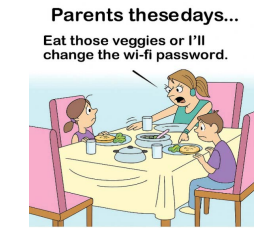
INGLÊS PARA TODOS. Charges. Disponível em: https://ingles-paratodos1.webnode.page/charges/. Acesso em: 11 out. 2025.
A charge apresentada realiza uma crítica a qual aspecto da sociedade contemporânea?
Leia o trecho a seguir, da canção “I Was Here”, interpretada por Beyoncé.
“I did, I've done, everything that I wanted And it was more than I thought it would be.”
Considerando as formas verbais “I did” e “it was”, o tempo verbal predominante no trecho é
Each item presents one type of conditional followed by an example.
Identify which conditionals are grammatically correct and logically coherent.
I.First Conditional: If it rains tomorrow, we will stay at home.
II.Second Conditional: If I will study harder, I would pass the exam.
III.Third Conditional: If she had known about the meeting, she would have come earlier.
It is correct what is stated in:
"The methods and approaches used in foreign language teaching are generally aimed at improving the basic language skills of the language. Speaking, listening, reading and writing are expressed in four basic language skills. In the literature, listening and reading are perceptual skills, speaking and writing are expressed as production skills."
Based on the text, and considering the relationship between skill development and text−context comprehension, which of the statements below is correct?
I.Productive skills (speaking and writing) require integrating linguistic knowledge with context and communicative purpose.
II.The balance between perceptive and productive skills is essential for learners to understand and construct meaning across different contexts.
III.Reading and listening comprehension depend solely on decoding linguistic forms, not on contextual interpretation.
It is correct what is stated in:
Choose the alternative that correctly rewrites the sentence in reported speech:
"Children's literature is a valuable tool to raise intercultural awareness in language classrooms. Through stories, learners can explore differences and similarities between cultures, and challenge stereotypes. Literature helps them develop empathy, curiosity, and respect for others." (Ibrahim, 2021. The role of children's literature in developing intercultural awareness in ELT. Nord University, p. 5).
(__)Children's literature can serve as a medium to challenge stereotypes and promote empathy.
(__)Intercultural awareness is limited to understanding vocabulary and grammar within texts.
(__)Stories that include cultural differences can foster curiosity and respect among learners.
(__)Avoiding cultural content in English stories enhances students' intercultural competence.
(__)The use of literature in ELT connects linguistic learning with emotional and cultural growth.
First column: Phrasal Verbs
1.Turn down
2.Look after
3.Give up
4.Put off
5.Run into
Second column: Meanings
(__)To meet someone unexpectedly.
(__)To postpone or delay something.
(__)To reject or refuse an offer.
(__)To take care of someone.
(__)To stop doing something.
Choose the correct sequence:
(__)CLIL promotes the simultaneous development of subject knowledge and language skills.
(__)In CLIL, language is taught separately from content subjects.
(__)CLIL aims to create meaningful learning situations that connect classroom language to real-life contexts.
(__)In CLIL, the teacher's role is limited to explaining grammar structures in the target language.
Choose the correct sequence:
Identify which statements are true.
I.The pronunciation of a word can always be predicted by its spelling.
II.In English, the same letter can represent different sounds, as in "a" in cat, cake and father.
III.Consonant sounds involve an obstruction of airflow, while vowel sounds are produced with a free flow of air through the mouth.
It is correct what is stated in:
First column: Method/Approach
1.Grammar-Translation Method
2.Audio-Lingual Method
3.Communicative Approach
4.Task-Based Learning
5.CLIL (Content and Language Integrated Learning)
Second column: Definition
(__)Focuses on real communication and interaction, developing learners' fluency.
(__)Integrates subject content and language learning simultaneously.
(__)Emphasizes repetition, drills, and habit formation.
(__)Encourages the use of authentic tasks to promote language use.
(__)Relies heavily on translating texts and memorizing grammar rules.
Choose the correct sequence:
Artificial Intelligence and Language Teaching
Artificial Intelligence (AI) is rapidly changing the way people learn languages. In ______ few years, AI-based tools have become common in classrooms around the world. Teachers, however, argue that technology should never replace ______ human connection that makes learning meaningful. They believe that students need to interact ______ one another to develop confidence and empathy. AI can correct mistakes instantly, but it cannot understand emotions as ______ teachers do. Therefore, educators must learn how to use technology ______ balance — combining efficiency with creativity.
Choose the correct sequence:
Estratégias de ensino e aprendizagem de língua inglesa.
Para que o aprendizado de inglês seja eficaz, integre-o na sua rotina diária, praticando as quatro habilidades (ouvir, falar, ler e escrever) de forma ________________. O uso de recursos ________________, como filmes e podcasts, a prática regular de conversação, a leitura de livros em inglês e o uso de aplicativos de idiomas para a ________________ da língua.
Assinale a alternativa que completa corretamente as lacunas do texto.
Text 1
Smatphones are banned in Brazilian Schools
Brazil’s president has signed a law to limit smartphone use in schools, starting in February. This rule will apply to elementary and high schools across the country. Phones will only be allowed in emergencies, for educational activities, or for students with disabilities. The goal is to help students focus better and reduce distractions caused by phones.
Officials explained that children are using the internet at younger ages, which makes it harder for parents to monitor them. Limiting smartphones at school can help students concentrate on studying. A recent survey found that nearly two-thirds of Brazilians support banning smartphones in schools, and over threequarters believe these devices are harmful for kids.
Some families and students agree with the move, saying it will encourage more interaction and help classmates focus better. However, others believe it won’t solve all school issues, like bullying and harassment.
As of 2023, about two-thirds of Brazilian schools already limit smartphone use, while 28% ban them completely. Some states, such as Rio de Janeiro and Goias, have passed local laws restricting phones in schools, but enforcement has been challenging. In Sao Paulo, discussions are ongoing about banning phones in both public and private schools.
Globally, concerns ______________ smartphone use ______________ children have led to similar measures. Countries ______________ China, France, and parts of the U.S. have introduced restrictions to reduce distractions and protect children’s mental health. A report ______________ UNESCO found that one in four countries has already limited smartphone use in schools.
Adapted from: https://en.islcollective.com
1. The words in bold, paragraphs 2 and 4, nearly and completely are examples of adverbs.
2. The underlined words in Limiting smartphones at school can help students concentrate on studying, are gerund forms.
3. “… but enforcement has been challenging.” The underlined words are being used in the present continuous tense.
4. “The goal is to help students focus better…”, the word in bold is the comparative form of the adjective bad.
Choose the alternative which contains the correct affirmatives.
Text 1
Smatphones are banned in Brazilian Schools
Brazil’s president has signed a law to limit smartphone use in schools, starting in February. This rule will apply to elementary and high schools across the country. Phones will only be allowed in emergencies, for educational activities, or for students with disabilities. The goal is to help students focus better and reduce distractions caused by phones.
Officials explained that children are using the internet at younger ages, which makes it harder for parents to monitor them. Limiting smartphones at school can help students concentrate on studying. A recent survey found that nearly two-thirds of Brazilians support banning smartphones in schools, and over threequarters believe these devices are harmful for kids.
Some families and students agree with the move, saying it will encourage more interaction and help classmates focus better. However, others believe it won’t solve all school issues, like bullying and harassment.
As of 2023, about two-thirds of Brazilian schools already limit smartphone use, while 28% ban them completely. Some states, such as Rio de Janeiro and Goias, have passed local laws restricting phones in schools, but enforcement has been challenging. In Sao Paulo, discussions are ongoing about banning phones in both public and private schools.
Globally, concerns ______________ smartphone use ______________ children have led to similar measures. Countries ______________ China, France, and parts of the U.S. have introduced restrictions to reduce distractions and protect children’s mental health. A report ______________ UNESCO found that one in four countries has already limited smartphone use in schools.
Adapted from: https://en.islcollective.com
Column 1 Words 1. harmful 2. goal 3. law 4. issues 5. banned
Column 2 Meanings ( ) rule ( ) prohibited ( ) topic ( ) cause damage ( ) objective
Choose the alternative which presents the correct sequence, from top to bottom.
Text 1
Smatphones are banned in Brazilian Schools
Brazil’s president has signed a law to limit smartphone use in schools, starting in February. This rule will apply to elementary and high schools across the country. Phones will only be allowed in emergencies, for educational activities, or for students with disabilities. The goal is to help students focus better and reduce distractions caused by phones.
Officials explained that children are using the internet at younger ages, which makes it harder for parents to monitor them. Limiting smartphones at school can help students concentrate on studying. A recent survey found that nearly two-thirds of Brazilians support banning smartphones in schools, and over threequarters believe these devices are harmful for kids.
Some families and students agree with the move, saying it will encourage more interaction and help classmates focus better. However, others believe it won’t solve all school issues, like bullying and harassment.
As of 2023, about two-thirds of Brazilian schools already limit smartphone use, while 28% ban them completely. Some states, such as Rio de Janeiro and Goias, have passed local laws restricting phones in schools, but enforcement has been challenging. In Sao Paulo, discussions are ongoing about banning phones in both public and private schools.
Globally, concerns ______________ smartphone use ______________ children have led to similar measures. Countries ______________ China, France, and parts of the U.S. have introduced restrictions to reduce distractions and protect children’s mental health. A report ______________ UNESCO found that one in four countries has already limited smartphone use in schools.
Adapted from: https://en.islcollective.com
( ) The following underlined words in the sentence (1st paragraph): Brazil’s president has signed a law to limit smartphone use in schools, starting in February., the apostrophe ‘s is the reduced form of the verb to be: is.
( ) The word allowed in : Phones will only be allowed in emergencies, for educational activities, or for students with disabilities (1st paragraph), can be replaced by permitted without changing its meaning.
( ) The number 28% (4th paragraph), refers to the amount of schools which have banned smartphones.
( ) The following verb tenses has signed (1st paragraph) and have passed (4th paragraph) are examples of the past perfect tense.
Choose the alternative which presents the correct sequence, from top to bottom.
Text 1
Smatphones are banned in Brazilian Schools
Brazil’s president has signed a law to limit smartphone use in schools, starting in February. This rule will apply to elementary and high schools across the country. Phones will only be allowed in emergencies, for educational activities, or for students with disabilities. The goal is to help students focus better and reduce distractions caused by phones.
Officials explained that children are using the internet at younger ages, which makes it harder for parents to monitor them. Limiting smartphones at school can help students concentrate on studying. A recent survey found that nearly two-thirds of Brazilians support banning smartphones in schools, and over threequarters believe these devices are harmful for kids.
Some families and students agree with the move, saying it will encourage more interaction and help classmates focus better. However, others believe it won’t solve all school issues, like bullying and harassment.
As of 2023, about two-thirds of Brazilian schools already limit smartphone use, while 28% ban them completely. Some states, such as Rio de Janeiro and Goias, have passed local laws restricting phones in schools, but enforcement has been challenging. In Sao Paulo, discussions are ongoing about banning phones in both public and private schools.
Globally, concerns ______________ smartphone use ______________ children have led to similar measures. Countries ______________ China, France, and parts of the U.S. have introduced restrictions to reduce distractions and protect children’s mental health. A report ______________ UNESCO found that one in four countries has already limited smartphone use in schools.
Adapted from: https://en.islcollective.com
Consider the following sentence:
Officials explained that children are using the internet at younger ages, which makes it harder for parents to monitor them.
In the sentence, the words in bold refer to:
Text 1
Smatphones are banned in Brazilian Schools
Brazil’s president has signed a law to limit smartphone use in schools, starting in February. This rule will apply to elementary and high schools across the country. Phones will only be allowed in emergencies, for educational activities, or for students with disabilities. The goal is to help students focus better and reduce distractions caused by phones.
Officials explained that children are using the internet at younger ages, which makes it harder for parents to monitor them. Limiting smartphones at school can help students concentrate on studying. A recent survey found that nearly two-thirds of Brazilians support banning smartphones in schools, and over threequarters believe these devices are harmful for kids.
Some families and students agree with the move, saying it will encourage more interaction and help classmates focus better. However, others believe it won’t solve all school issues, like bullying and harassment.
As of 2023, about two-thirds of Brazilian schools already limit smartphone use, while 28% ban them completely. Some states, such as Rio de Janeiro and Goias, have passed local laws restricting phones in schools, but enforcement has been challenging. In Sao Paulo, discussions are ongoing about banning phones in both public and private schools.
Globally, concerns ______________ smartphone use ______________ children have led to similar measures. Countries ______________ China, France, and parts of the U.S. have introduced restrictions to reduce distractions and protect children’s mental health. A report ______________ UNESCO found that one in four countries has already limited smartphone use in schools.
Adapted from: https://en.islcollective.com
( ) George realized he had forgotten his wallet so he walked quickly back to the house.
( ) Kim, Mike and the other guys read every morning.
( ) Margaret and Maizon have been friends for a very long time.
( ) The friendship may end, or it may stay the same.
Choose the alternative which presents the correct sequence, from top to bottom.
Text 1
Smatphones are banned in Brazilian Schools
Brazil’s president has signed a law to limit smartphone use in schools, starting in February. This rule will apply to elementary and high schools across the country. Phones will only be allowed in emergencies, for educational activities, or for students with disabilities. The goal is to help students focus better and reduce distractions caused by phones.
Officials explained that children are using the internet at younger ages, which makes it harder for parents to monitor them. Limiting smartphones at school can help students concentrate on studying. A recent survey found that nearly two-thirds of Brazilians support banning smartphones in schools, and over threequarters believe these devices are harmful for kids.
Some families and students agree with the move, saying it will encourage more interaction and help classmates focus better. However, others believe it won’t solve all school issues, like bullying and harassment.
As of 2023, about two-thirds of Brazilian schools already limit smartphone use, while 28% ban them completely. Some states, such as Rio de Janeiro and Goias, have passed local laws restricting phones in schools, but enforcement has been challenging. In Sao Paulo, discussions are ongoing about banning phones in both public and private schools.
Globally, concerns ______________ smartphone use ______________ children have led to similar measures. Countries ______________ China, France, and parts of the U.S. have introduced restrictions to reduce distractions and protect children’s mental health. A report ______________ UNESCO found that one in four countries has already limited smartphone use in schools.
Adapted from: https://en.islcollective.com
“However, others believe it won’t solve all school issues, like bullying and harassment.”
Decide if they are ( T) true or ( F ) false, according to structure and grammar:
( ) like is an adjective which means: in the same way that; as.
( ) However a conjunctive adverb, used to introduce a contrasting idea to the previous statement.
( ) won’t is a contraction for will not.
( ) harassment is a noun that refers to a state of being troubled by such actions.
Choose the alternative which presents the correct sequence, from top to bottom.

 Conheça nossos planos