Questões de Concurso
Sobre interpretação de texto | reading comprehension em inglês
Foram encontradas 12.687 questões


TEXTO PARA A QUESTÃO
Considere a charge de Sarah Kempa:
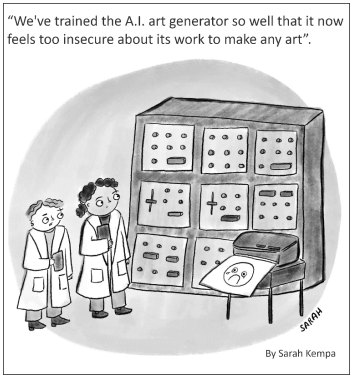
Revista New Yorker. 11/01/ 20
In the opening lines of William Shakespeare's play "Hamlet," the titular character utters the famous phrase, "To be or not to be, that is the question." What existential dilemma is Hamlet contemplating in this soliloquy?
Consider a sentence below:
"Mary always seems to have a chip on her shoulder at work."
What does this idiom mean?
O texto seguinte servirá de base para responder às questões de 11 a 22.
Archaeological Areas of Pompei, Herculaneum and Torre Annunziata
(1º§) The World Heritage property includes three different archaeological areas: the ancient towns of Pompeii and Herculaneum together with the Villa of the Mysteries (to the west of Pompeii) and the Villa of the Papyri (to the west of Herculaneum), and the Villa A (Villa of Poppaea) and Villa B (Villa of Lucius Crassius Tertius) in Torre Annunziata. The vast expanse of the commercial town of Pompeii contrasts with the smaller but better-preserved remains of the smaller Herculaneum, while Villa A in Torre Annunziata gives a vivid impression of the opulent lifestyle enjoyed by the wealthier citizens of the early Roman Empire.
(2º§) When Vesuvius erupted in 79 AD, it engulfed the two flourishing Roman towns of Pompeii and Herculaneum, as well as the many wealthy countryside villas in the area. Pompeii was buried largely by a thick layer of volcanic ash and lapilli and Herculaneum disappeared under pyroclastic surges and flows. These sites have been progressively excavated and made accessible to the public since the mid-18th century. However, in the case of Herculaneum large areas of the ancient town still lie under the modern town and have only been explored and surveyed by the network of 18th-century tunnels that drew the attention of Grand Tour visitors, the basis still today for visiting the Herculaneum's underground ancient theatre. These areas are mostly not currently included in the World Heritage property.
(3º§) Pompeii, with its well-preserved buildings in an excavated area of 44 ha, is the only archaeological site in the world that provides a complete picture of an ancient Roman city. The main forum is flanked by a number of imposing public buildings, such as the Capitolium, the Basilica and temples and within the city there are also many public bath complexes, two theatres and an amphitheatre.
(4º§) In Herculaneum several impressive public buildings are well preserved, including a spacious palaestra accessed through a monumental gateway, two sets of public baths, one of which (Central Thermae) is monumental and vividly decorated, the College of the Priests of Augustus, and a theatre of standard form. The Villa of the Papyri, outside the city walls, is an opulent establishment. The town is also noteworthy for the completeness of its shops, still containing equipment such as enormous wine jars.
(5º§) Herculaneum's urban districts and seafront display a higher level of preservation with noteworthy conservation of upper floors thanks to the pyroclastic material that buried the town. Organic matter was often carbonized by the high temperatures and exceptionally preserved finds include everyday objects such as foodstuffs, architectural elements and wooden furniture.
(6º§) Both Pompeii and Herculaneum are renowned for their remarkable series of residential and commercial buildings, built along well-paved streets. The earliest is the atrium house, entirely inward-looking with a courtyard at its centre: the House of the Surgeon at Pompeii is a good example. Under Hellenistic influences, this type of house was enlarged and decorated with columns and arcades and equipped with large representative rooms. In its highest form, this type of Roman house, known from towns all over the Empire, developed into a veritable mansion, richly decorated and with many rooms, of which the House of the Faun and the House of the Chaste Lovers are outstanding examples.
(7º§) The suburban villas across the Vesuvian area are perhaps even more exceptional in terms of the scale of their buildings and grounds, as well as their lavish decorations. The Villa of the Mysteries is an enormous residence just outside Pompeii's city walls, developed from a modest house built in the 3rd century BC, named from the remarkable wall paintings in the triclinium, which depict the initiation rites ('mysteries') of the cult of Dionysus.
(8º§) The two villas in Torre Annunziata are both extraordinary examples of suburban buildings in the countryside of Pompeii. The villa A, so-called "of Poppaea", is a huge maritime residence built in the middle of the 1st century BCE, enlarged during the Imperial period and under restoration at the moment of the eruption. It is especially well known for its magnificent and well-preserved wall paintings, one of the most important examples of Roman painting with their superb illusionistic frescos of doors, colonnades and garden views. On the other hand, villa B is an excellent example of villa rustica provided with rooms and spaces designated for market activities such as storage of amphoras and trading of locally produced foodstuffs, especially wine.
(9º§) There were many changes to these buildings over time in response to changing circumstances of the owners; these include repairs and adjustments that were a response to the seismic events that led up to the AD 79 eruption and reflect a community living with changing environmental and economic conditions.
(10º§) A special feature of Pompeii is the wealth of graffiti on its walls. An election was imminent at the time of the eruption, and there are many political slogans scrawled on walls, as well as others of a more personal nature, often defamatory. At Herculaneum, the volcanic deposits preserved hundreds of wax tablets, some of which conserve legal documents, and more than 1,800 papyri scrolls containing Greek philosophical texts were found at the Villa of the Papyri.
(11º§) The diverse range of literary sources available in Pompeii and Herculaneum provides a picture of the final decades of these ancient cities and the image of socially complex and dynamic communities, representing exceptional evidence of typical ways of life in Roman society in the first century AD and the importance of texts in political and private life.
(12º§) Other important sources of archaeological evidence are the human remains of those who died in the eruption. Pompeii witnessed an early archaeological experiment when plaster was poured into voids found in the volcanic material and which allowed casts to be made of the forms of the human and animal victims and other organic material. At Herculaneum, on the other hand, about 300 skeletons were discovered along the ancient shoreline. The study of these significant samples of victims from the towns provides insight into their health, lifestyles and death and a chance to compare the two data sets. The casts themselves are important resources as they contain both skeletal remains and evidence of 19th- and 20th-century archaeological practice.
(13º§) Another important legacy of the twentieth century was the presentation of Herculaneum to the public as an 'open-air museum', perhaps Europe's first, with buildings reconstructed based on archaeological evidence and displays of original objects within the archaeological site. This concept of 'open-air museum' had already been adopted in some buildings in Pompeii, as a medium to communicate the meaning of ancient spaces, at the end of the 19th century.
(14º§) The impressive remains of the towns of Pompeii and Herculaneum and their associated villas, destroyed and yet preserved by Mount Vesuvius, provide a complete and vivid picture of society and daily life at a specific moment in the past that is unparalleled elsewhere. The rediscovery and history of these places as archaeological sites has captured the collective imagination century after century, shaping archaeological, art historical, conservation and interpretation practices in Europe and beyond.
(adapted) https://whc.unesco.org/en/list/829/
How are the suburban villas across the Vesuvian area described in terms of their significance?
O texto seguinte servirá de base para responder às questões de 11 a 22.
Archaeological Areas of Pompei, Herculaneum and Torre Annunziata
(1º§) The World Heritage property includes three different archaeological areas: the ancient towns of Pompeii and Herculaneum together with the Villa of the Mysteries (to the west of Pompeii) and the Villa of the Papyri (to the west of Herculaneum), and the Villa A (Villa of Poppaea) and Villa B (Villa of Lucius Crassius Tertius) in Torre Annunziata. The vast expanse of the commercial town of Pompeii contrasts with the smaller but better-preserved remains of the smaller Herculaneum, while Villa A in Torre Annunziata gives a vivid impression of the opulent lifestyle enjoyed by the wealthier citizens of the early Roman Empire.
(2º§) When Vesuvius erupted in 79 AD, it engulfed the two flourishing Roman towns of Pompeii and Herculaneum, as well as the many wealthy countryside villas in the area. Pompeii was buried largely by a thick layer of volcanic ash and lapilli and Herculaneum disappeared under pyroclastic surges and flows. These sites have been progressively excavated and made accessible to the public since the mid-18th century. However, in the case of Herculaneum large areas of the ancient town still lie under the modern town and have only been explored and surveyed by the network of 18th-century tunnels that drew the attention of Grand Tour visitors, the basis still today for visiting the Herculaneum's underground ancient theatre. These areas are mostly not currently included in the World Heritage property.
(3º§) Pompeii, with its well-preserved buildings in an excavated area of 44 ha, is the only archaeological site in the world that provides a complete picture of an ancient Roman city. The main forum is flanked by a number of imposing public buildings, such as the Capitolium, the Basilica and temples and within the city there are also many public bath complexes, two theatres and an amphitheatre.
(4º§) In Herculaneum several impressive public buildings are well preserved, including a spacious palaestra accessed through a monumental gateway, two sets of public baths, one of which (Central Thermae) is monumental and vividly decorated, the College of the Priests of Augustus, and a theatre of standard form. The Villa of the Papyri, outside the city walls, is an opulent establishment. The town is also noteworthy for the completeness of its shops, still containing equipment such as enormous wine jars.
(5º§) Herculaneum's urban districts and seafront display a higher level of preservation with noteworthy conservation of upper floors thanks to the pyroclastic material that buried the town. Organic matter was often carbonized by the high temperatures and exceptionally preserved finds include everyday objects such as foodstuffs, architectural elements and wooden furniture.
(6º§) Both Pompeii and Herculaneum are renowned for their remarkable series of residential and commercial buildings, built along well-paved streets. The earliest is the atrium house, entirely inward-looking with a courtyard at its centre: the House of the Surgeon at Pompeii is a good example. Under Hellenistic influences, this type of house was enlarged and decorated with columns and arcades and equipped with large representative rooms. In its highest form, this type of Roman house, known from towns all over the Empire, developed into a veritable mansion, richly decorated and with many rooms, of which the House of the Faun and the House of the Chaste Lovers are outstanding examples.
(7º§) The suburban villas across the Vesuvian area are perhaps even more exceptional in terms of the scale of their buildings and grounds, as well as their lavish decorations. The Villa of the Mysteries is an enormous residence just outside Pompeii's city walls, developed from a modest house built in the 3rd century BC, named from the remarkable wall paintings in the triclinium, which depict the initiation rites ('mysteries') of the cult of Dionysus.
(8º§) The two villas in Torre Annunziata are both extraordinary examples of suburban buildings in the countryside of Pompeii. The villa A, so-called "of Poppaea", is a huge maritime residence built in the middle of the 1st century BCE, enlarged during the Imperial period and under restoration at the moment of the eruption. It is especially well known for its magnificent and well-preserved wall paintings, one of the most important examples of Roman painting with their superb illusionistic frescos of doors, colonnades and garden views. On the other hand, villa B is an excellent example of villa rustica provided with rooms and spaces designated for market activities such as storage of amphoras and trading of locally produced foodstuffs, especially wine.
(9º§) There were many changes to these buildings over time in response to changing circumstances of the owners; these include repairs and adjustments that were a response to the seismic events that led up to the AD 79 eruption and reflect a community living with changing environmental and economic conditions.
(10º§) A special feature of Pompeii is the wealth of graffiti on its walls. An election was imminent at the time of the eruption, and there are many political slogans scrawled on walls, as well as others of a more personal nature, often defamatory. At Herculaneum, the volcanic deposits preserved hundreds of wax tablets, some of which conserve legal documents, and more than 1,800 papyri scrolls containing Greek philosophical texts were found at the Villa of the Papyri.
(11º§) The diverse range of literary sources available in Pompeii and Herculaneum provides a picture of the final decades of these ancient cities and the image of socially complex and dynamic communities, representing exceptional evidence of typical ways of life in Roman society in the first century AD and the importance of texts in political and private life.
(12º§) Other important sources of archaeological evidence are the human remains of those who died in the eruption. Pompeii witnessed an early archaeological experiment when plaster was poured into voids found in the volcanic material and which allowed casts to be made of the forms of the human and animal victims and other organic material. At Herculaneum, on the other hand, about 300 skeletons were discovered along the ancient shoreline. The study of these significant samples of victims from the towns provides insight into their health, lifestyles and death and a chance to compare the two data sets. The casts themselves are important resources as they contain both skeletal remains and evidence of 19th- and 20th-century archaeological practice.
(13º§) Another important legacy of the twentieth century was the presentation of Herculaneum to the public as an 'open-air museum', perhaps Europe's first, with buildings reconstructed based on archaeological evidence and displays of original objects within the archaeological site. This concept of 'open-air museum' had already been adopted in some buildings in Pompeii, as a medium to communicate the meaning of ancient spaces, at the end of the 19th century.
(14º§) The impressive remains of the towns of Pompeii and Herculaneum and their associated villas, destroyed and yet preserved by Mount Vesuvius, provide a complete and vivid picture of society and daily life at a specific moment in the past that is unparalleled elsewhere. The rediscovery and history of these places as archaeological sites has captured the collective imagination century after century, shaping archaeological, art historical, conservation and interpretation practices in Europe and beyond.
(adapted) https://whc.unesco.org/en/list/829/
In the context of the text, what does the term "veritable" (6º§) mean when describing mansions in Roman towns?
O texto seguinte servirá de base para responder às questões de 11 a 22.
Archaeological Areas of Pompei, Herculaneum and Torre Annunziata
(1º§) The World Heritage property includes three different archaeological areas: the ancient towns of Pompeii and Herculaneum together with the Villa of the Mysteries (to the west of Pompeii) and the Villa of the Papyri (to the west of Herculaneum), and the Villa A (Villa of Poppaea) and Villa B (Villa of Lucius Crassius Tertius) in Torre Annunziata. The vast expanse of the commercial town of Pompeii contrasts with the smaller but better-preserved remains of the smaller Herculaneum, while Villa A in Torre Annunziata gives a vivid impression of the opulent lifestyle enjoyed by the wealthier citizens of the early Roman Empire.
(2º§) When Vesuvius erupted in 79 AD, it engulfed the two flourishing Roman towns of Pompeii and Herculaneum, as well as the many wealthy countryside villas in the area. Pompeii was buried largely by a thick layer of volcanic ash and lapilli and Herculaneum disappeared under pyroclastic surges and flows. These sites have been progressively excavated and made accessible to the public since the mid-18th century. However, in the case of Herculaneum large areas of the ancient town still lie under the modern town and have only been explored and surveyed by the network of 18th-century tunnels that drew the attention of Grand Tour visitors, the basis still today for visiting the Herculaneum's underground ancient theatre. These areas are mostly not currently included in the World Heritage property.
(3º§) Pompeii, with its well-preserved buildings in an excavated area of 44 ha, is the only archaeological site in the world that provides a complete picture of an ancient Roman city. The main forum is flanked by a number of imposing public buildings, such as the Capitolium, the Basilica and temples and within the city there are also many public bath complexes, two theatres and an amphitheatre.
(4º§) In Herculaneum several impressive public buildings are well preserved, including a spacious palaestra accessed through a monumental gateway, two sets of public baths, one of which (Central Thermae) is monumental and vividly decorated, the College of the Priests of Augustus, and a theatre of standard form. The Villa of the Papyri, outside the city walls, is an opulent establishment. The town is also noteworthy for the completeness of its shops, still containing equipment such as enormous wine jars.
(5º§) Herculaneum's urban districts and seafront display a higher level of preservation with noteworthy conservation of upper floors thanks to the pyroclastic material that buried the town. Organic matter was often carbonized by the high temperatures and exceptionally preserved finds include everyday objects such as foodstuffs, architectural elements and wooden furniture.
(6º§) Both Pompeii and Herculaneum are renowned for their remarkable series of residential and commercial buildings, built along well-paved streets. The earliest is the atrium house, entirely inward-looking with a courtyard at its centre: the House of the Surgeon at Pompeii is a good example. Under Hellenistic influences, this type of house was enlarged and decorated with columns and arcades and equipped with large representative rooms. In its highest form, this type of Roman house, known from towns all over the Empire, developed into a veritable mansion, richly decorated and with many rooms, of which the House of the Faun and the House of the Chaste Lovers are outstanding examples.
(7º§) The suburban villas across the Vesuvian area are perhaps even more exceptional in terms of the scale of their buildings and grounds, as well as their lavish decorations. The Villa of the Mysteries is an enormous residence just outside Pompeii's city walls, developed from a modest house built in the 3rd century BC, named from the remarkable wall paintings in the triclinium, which depict the initiation rites ('mysteries') of the cult of Dionysus.
(8º§) The two villas in Torre Annunziata are both extraordinary examples of suburban buildings in the countryside of Pompeii. The villa A, so-called "of Poppaea", is a huge maritime residence built in the middle of the 1st century BCE, enlarged during the Imperial period and under restoration at the moment of the eruption. It is especially well known for its magnificent and well-preserved wall paintings, one of the most important examples of Roman painting with their superb illusionistic frescos of doors, colonnades and garden views. On the other hand, villa B is an excellent example of villa rustica provided with rooms and spaces designated for market activities such as storage of amphoras and trading of locally produced foodstuffs, especially wine.
(9º§) There were many changes to these buildings over time in response to changing circumstances of the owners; these include repairs and adjustments that were a response to the seismic events that led up to the AD 79 eruption and reflect a community living with changing environmental and economic conditions.
(10º§) A special feature of Pompeii is the wealth of graffiti on its walls. An election was imminent at the time of the eruption, and there are many political slogans scrawled on walls, as well as others of a more personal nature, often defamatory. At Herculaneum, the volcanic deposits preserved hundreds of wax tablets, some of which conserve legal documents, and more than 1,800 papyri scrolls containing Greek philosophical texts were found at the Villa of the Papyri.
(11º§) The diverse range of literary sources available in Pompeii and Herculaneum provides a picture of the final decades of these ancient cities and the image of socially complex and dynamic communities, representing exceptional evidence of typical ways of life in Roman society in the first century AD and the importance of texts in political and private life.
(12º§) Other important sources of archaeological evidence are the human remains of those who died in the eruption. Pompeii witnessed an early archaeological experiment when plaster was poured into voids found in the volcanic material and which allowed casts to be made of the forms of the human and animal victims and other organic material. At Herculaneum, on the other hand, about 300 skeletons were discovered along the ancient shoreline. The study of these significant samples of victims from the towns provides insight into their health, lifestyles and death and a chance to compare the two data sets. The casts themselves are important resources as they contain both skeletal remains and evidence of 19th- and 20th-century archaeological practice.
(13º§) Another important legacy of the twentieth century was the presentation of Herculaneum to the public as an 'open-air museum', perhaps Europe's first, with buildings reconstructed based on archaeological evidence and displays of original objects within the archaeological site. This concept of 'open-air museum' had already been adopted in some buildings in Pompeii, as a medium to communicate the meaning of ancient spaces, at the end of the 19th century.
(14º§) The impressive remains of the towns of Pompeii and Herculaneum and their associated villas, destroyed and yet preserved by Mount Vesuvius, provide a complete and vivid picture of society and daily life at a specific moment in the past that is unparalleled elsewhere. The rediscovery and history of these places as archaeological sites has captured the collective imagination century after century, shaping archaeological, art historical, conservation and interpretation practices in Europe and beyond.
(adapted) https://whc.unesco.org/en/list/829/
What is the main focus of the literary sources available in Pompeii and Herculaneum, as mentioned in the text?
O texto seguinte servirá de base para responder às questões de 11 a 22.
Archaeological Areas of Pompei, Herculaneum and Torre Annunziata
(1º§) The World Heritage property includes three different archaeological areas: the ancient towns of Pompeii and Herculaneum together with the Villa of the Mysteries (to the west of Pompeii) and the Villa of the Papyri (to the west of Herculaneum), and the Villa A (Villa of Poppaea) and Villa B (Villa of Lucius Crassius Tertius) in Torre Annunziata. The vast expanse of the commercial town of Pompeii contrasts with the smaller but better-preserved remains of the smaller Herculaneum, while Villa A in Torre Annunziata gives a vivid impression of the opulent lifestyle enjoyed by the wealthier citizens of the early Roman Empire.
(2º§) When Vesuvius erupted in 79 AD, it engulfed the two flourishing Roman towns of Pompeii and Herculaneum, as well as the many wealthy countryside villas in the area. Pompeii was buried largely by a thick layer of volcanic ash and lapilli and Herculaneum disappeared under pyroclastic surges and flows. These sites have been progressively excavated and made accessible to the public since the mid-18th century. However, in the case of Herculaneum large areas of the ancient town still lie under the modern town and have only been explored and surveyed by the network of 18th-century tunnels that drew the attention of Grand Tour visitors, the basis still today for visiting the Herculaneum's underground ancient theatre. These areas are mostly not currently included in the World Heritage property.
(3º§) Pompeii, with its well-preserved buildings in an excavated area of 44 ha, is the only archaeological site in the world that provides a complete picture of an ancient Roman city. The main forum is flanked by a number of imposing public buildings, such as the Capitolium, the Basilica and temples and within the city there are also many public bath complexes, two theatres and an amphitheatre.
(4º§) In Herculaneum several impressive public buildings are well preserved, including a spacious palaestra accessed through a monumental gateway, two sets of public baths, one of which (Central Thermae) is monumental and vividly decorated, the College of the Priests of Augustus, and a theatre of standard form. The Villa of the Papyri, outside the city walls, is an opulent establishment. The town is also noteworthy for the completeness of its shops, still containing equipment such as enormous wine jars.
(5º§) Herculaneum's urban districts and seafront display a higher level of preservation with noteworthy conservation of upper floors thanks to the pyroclastic material that buried the town. Organic matter was often carbonized by the high temperatures and exceptionally preserved finds include everyday objects such as foodstuffs, architectural elements and wooden furniture.
(6º§) Both Pompeii and Herculaneum are renowned for their remarkable series of residential and commercial buildings, built along well-paved streets. The earliest is the atrium house, entirely inward-looking with a courtyard at its centre: the House of the Surgeon at Pompeii is a good example. Under Hellenistic influences, this type of house was enlarged and decorated with columns and arcades and equipped with large representative rooms. In its highest form, this type of Roman house, known from towns all over the Empire, developed into a veritable mansion, richly decorated and with many rooms, of which the House of the Faun and the House of the Chaste Lovers are outstanding examples.
(7º§) The suburban villas across the Vesuvian area are perhaps even more exceptional in terms of the scale of their buildings and grounds, as well as their lavish decorations. The Villa of the Mysteries is an enormous residence just outside Pompeii's city walls, developed from a modest house built in the 3rd century BC, named from the remarkable wall paintings in the triclinium, which depict the initiation rites ('mysteries') of the cult of Dionysus.
(8º§) The two villas in Torre Annunziata are both extraordinary examples of suburban buildings in the countryside of Pompeii. The villa A, so-called "of Poppaea", is a huge maritime residence built in the middle of the 1st century BCE, enlarged during the Imperial period and under restoration at the moment of the eruption. It is especially well known for its magnificent and well-preserved wall paintings, one of the most important examples of Roman painting with their superb illusionistic frescos of doors, colonnades and garden views. On the other hand, villa B is an excellent example of villa rustica provided with rooms and spaces designated for market activities such as storage of amphoras and trading of locally produced foodstuffs, especially wine.
(9º§) There were many changes to these buildings over time in response to changing circumstances of the owners; these include repairs and adjustments that were a response to the seismic events that led up to the AD 79 eruption and reflect a community living with changing environmental and economic conditions.
(10º§) A special feature of Pompeii is the wealth of graffiti on its walls. An election was imminent at the time of the eruption, and there are many political slogans scrawled on walls, as well as others of a more personal nature, often defamatory. At Herculaneum, the volcanic deposits preserved hundreds of wax tablets, some of which conserve legal documents, and more than 1,800 papyri scrolls containing Greek philosophical texts were found at the Villa of the Papyri.
(11º§) The diverse range of literary sources available in Pompeii and Herculaneum provides a picture of the final decades of these ancient cities and the image of socially complex and dynamic communities, representing exceptional evidence of typical ways of life in Roman society in the first century AD and the importance of texts in political and private life.
(12º§) Other important sources of archaeological evidence are the human remains of those who died in the eruption. Pompeii witnessed an early archaeological experiment when plaster was poured into voids found in the volcanic material and which allowed casts to be made of the forms of the human and animal victims and other organic material. At Herculaneum, on the other hand, about 300 skeletons were discovered along the ancient shoreline. The study of these significant samples of victims from the towns provides insight into their health, lifestyles and death and a chance to compare the two data sets. The casts themselves are important resources as they contain both skeletal remains and evidence of 19th- and 20th-century archaeological practice.
(13º§) Another important legacy of the twentieth century was the presentation of Herculaneum to the public as an 'open-air museum', perhaps Europe's first, with buildings reconstructed based on archaeological evidence and displays of original objects within the archaeological site. This concept of 'open-air museum' had already been adopted in some buildings in Pompeii, as a medium to communicate the meaning of ancient spaces, at the end of the 19th century.
(14º§) The impressive remains of the towns of Pompeii and Herculaneum and their associated villas, destroyed and yet preserved by Mount Vesuvius, provide a complete and vivid picture of society and daily life at a specific moment in the past that is unparalleled elsewhere. The rediscovery and history of these places as archaeological sites has captured the collective imagination century after century, shaping archaeological, art historical, conservation and interpretation practices in Europe and beyond.
(adapted) https://whc.unesco.org/en/list/829/
In the sentence "The vast expanse of the commercial town of Pompeii contrasts with the smaller but better-preserved remains of the smaller Herculaneum, [...] (1º§)" what syntactic structure is used to emphasize the difference between Pompeii and Herculaneum?
O texto seguinte servirá de base para responder às questões de 11 a 22.
Archaeological Areas of Pompei, Herculaneum and Torre Annunziata
(1º§) The World Heritage property includes three different archaeological areas: the ancient towns of Pompeii and Herculaneum together with the Villa of the Mysteries (to the west of Pompeii) and the Villa of the Papyri (to the west of Herculaneum), and the Villa A (Villa of Poppaea) and Villa B (Villa of Lucius Crassius Tertius) in Torre Annunziata. The vast expanse of the commercial town of Pompeii contrasts with the smaller but better-preserved remains of the smaller Herculaneum, while Villa A in Torre Annunziata gives a vivid impression of the opulent lifestyle enjoyed by the wealthier citizens of the early Roman Empire.
(2º§) When Vesuvius erupted in 79 AD, it engulfed the two flourishing Roman towns of Pompeii and Herculaneum, as well as the many wealthy countryside villas in the area. Pompeii was buried largely by a thick layer of volcanic ash and lapilli and Herculaneum disappeared under pyroclastic surges and flows. These sites have been progressively excavated and made accessible to the public since the mid-18th century. However, in the case of Herculaneum large areas of the ancient town still lie under the modern town and have only been explored and surveyed by the network of 18th-century tunnels that drew the attention of Grand Tour visitors, the basis still today for visiting the Herculaneum's underground ancient theatre. These areas are mostly not currently included in the World Heritage property.
(3º§) Pompeii, with its well-preserved buildings in an excavated area of 44 ha, is the only archaeological site in the world that provides a complete picture of an ancient Roman city. The main forum is flanked by a number of imposing public buildings, such as the Capitolium, the Basilica and temples and within the city there are also many public bath complexes, two theatres and an amphitheatre.
(4º§) In Herculaneum several impressive public buildings are well preserved, including a spacious palaestra accessed through a monumental gateway, two sets of public baths, one of which (Central Thermae) is monumental and vividly decorated, the College of the Priests of Augustus, and a theatre of standard form. The Villa of the Papyri, outside the city walls, is an opulent establishment. The town is also noteworthy for the completeness of its shops, still containing equipment such as enormous wine jars.
(5º§) Herculaneum's urban districts and seafront display a higher level of preservation with noteworthy conservation of upper floors thanks to the pyroclastic material that buried the town. Organic matter was often carbonized by the high temperatures and exceptionally preserved finds include everyday objects such as foodstuffs, architectural elements and wooden furniture.
(6º§) Both Pompeii and Herculaneum are renowned for their remarkable series of residential and commercial buildings, built along well-paved streets. The earliest is the atrium house, entirely inward-looking with a courtyard at its centre: the House of the Surgeon at Pompeii is a good example. Under Hellenistic influences, this type of house was enlarged and decorated with columns and arcades and equipped with large representative rooms. In its highest form, this type of Roman house, known from towns all over the Empire, developed into a veritable mansion, richly decorated and with many rooms, of which the House of the Faun and the House of the Chaste Lovers are outstanding examples.
(7º§) The suburban villas across the Vesuvian area are perhaps even more exceptional in terms of the scale of their buildings and grounds, as well as their lavish decorations. The Villa of the Mysteries is an enormous residence just outside Pompeii's city walls, developed from a modest house built in the 3rd century BC, named from the remarkable wall paintings in the triclinium, which depict the initiation rites ('mysteries') of the cult of Dionysus.
(8º§) The two villas in Torre Annunziata are both extraordinary examples of suburban buildings in the countryside of Pompeii. The villa A, so-called "of Poppaea", is a huge maritime residence built in the middle of the 1st century BCE, enlarged during the Imperial period and under restoration at the moment of the eruption. It is especially well known for its magnificent and well-preserved wall paintings, one of the most important examples of Roman painting with their superb illusionistic frescos of doors, colonnades and garden views. On the other hand, villa B is an excellent example of villa rustica provided with rooms and spaces designated for market activities such as storage of amphoras and trading of locally produced foodstuffs, especially wine.
(9º§) There were many changes to these buildings over time in response to changing circumstances of the owners; these include repairs and adjustments that were a response to the seismic events that led up to the AD 79 eruption and reflect a community living with changing environmental and economic conditions.
(10º§) A special feature of Pompeii is the wealth of graffiti on its walls. An election was imminent at the time of the eruption, and there are many political slogans scrawled on walls, as well as others of a more personal nature, often defamatory. At Herculaneum, the volcanic deposits preserved hundreds of wax tablets, some of which conserve legal documents, and more than 1,800 papyri scrolls containing Greek philosophical texts were found at the Villa of the Papyri.
(11º§) The diverse range of literary sources available in Pompeii and Herculaneum provides a picture of the final decades of these ancient cities and the image of socially complex and dynamic communities, representing exceptional evidence of typical ways of life in Roman society in the first century AD and the importance of texts in political and private life.
(12º§) Other important sources of archaeological evidence are the human remains of those who died in the eruption. Pompeii witnessed an early archaeological experiment when plaster was poured into voids found in the volcanic material and which allowed casts to be made of the forms of the human and animal victims and other organic material. At Herculaneum, on the other hand, about 300 skeletons were discovered along the ancient shoreline. The study of these significant samples of victims from the towns provides insight into their health, lifestyles and death and a chance to compare the two data sets. The casts themselves are important resources as they contain both skeletal remains and evidence of 19th- and 20th-century archaeological practice.
(13º§) Another important legacy of the twentieth century was the presentation of Herculaneum to the public as an 'open-air museum', perhaps Europe's first, with buildings reconstructed based on archaeological evidence and displays of original objects within the archaeological site. This concept of 'open-air museum' had already been adopted in some buildings in Pompeii, as a medium to communicate the meaning of ancient spaces, at the end of the 19th century.
(14º§) The impressive remains of the towns of Pompeii and Herculaneum and their associated villas, destroyed and yet preserved by Mount Vesuvius, provide a complete and vivid picture of society and daily life at a specific moment in the past that is unparalleled elsewhere. The rediscovery and history of these places as archaeological sites has captured the collective imagination century after century, shaping archaeological, art historical, conservation and interpretation practices in Europe and beyond.
(adapted) https://whc.unesco.org/en/list/829/
In the context of the text, what nuance does the term "opulent" (1º§) carry when describing the lifestyle enjoyed by the wealthier citizens of the early Roman Empire?
O texto seguinte servirá de base para responder às questões de 11 a 22.
Archaeological Areas of Pompei, Herculaneum and Torre Annunziata
(1º§) The World Heritage property includes three different archaeological areas: the ancient towns of Pompeii and Herculaneum together with the Villa of the Mysteries (to the west of Pompeii) and the Villa of the Papyri (to the west of Herculaneum), and the Villa A (Villa of Poppaea) and Villa B (Villa of Lucius Crassius Tertius) in Torre Annunziata. The vast expanse of the commercial town of Pompeii contrasts with the smaller but better-preserved remains of the smaller Herculaneum, while Villa A in Torre Annunziata gives a vivid impression of the opulent lifestyle enjoyed by the wealthier citizens of the early Roman Empire.
(2º§) When Vesuvius erupted in 79 AD, it engulfed the two flourishing Roman towns of Pompeii and Herculaneum, as well as the many wealthy countryside villas in the area. Pompeii was buried largely by a thick layer of volcanic ash and lapilli and Herculaneum disappeared under pyroclastic surges and flows. These sites have been progressively excavated and made accessible to the public since the mid-18th century. However, in the case of Herculaneum large areas of the ancient town still lie under the modern town and have only been explored and surveyed by the network of 18th-century tunnels that drew the attention of Grand Tour visitors, the basis still today for visiting the Herculaneum's underground ancient theatre. These areas are mostly not currently included in the World Heritage property.
(3º§) Pompeii, with its well-preserved buildings in an excavated area of 44 ha, is the only archaeological site in the world that provides a complete picture of an ancient Roman city. The main forum is flanked by a number of imposing public buildings, such as the Capitolium, the Basilica and temples and within the city there are also many public bath complexes, two theatres and an amphitheatre.
(4º§) In Herculaneum several impressive public buildings are well preserved, including a spacious palaestra accessed through a monumental gateway, two sets of public baths, one of which (Central Thermae) is monumental and vividly decorated, the College of the Priests of Augustus, and a theatre of standard form. The Villa of the Papyri, outside the city walls, is an opulent establishment. The town is also noteworthy for the completeness of its shops, still containing equipment such as enormous wine jars.
(5º§) Herculaneum's urban districts and seafront display a higher level of preservation with noteworthy conservation of upper floors thanks to the pyroclastic material that buried the town. Organic matter was often carbonized by the high temperatures and exceptionally preserved finds include everyday objects such as foodstuffs, architectural elements and wooden furniture.
(6º§) Both Pompeii and Herculaneum are renowned for their remarkable series of residential and commercial buildings, built along well-paved streets. The earliest is the atrium house, entirely inward-looking with a courtyard at its centre: the House of the Surgeon at Pompeii is a good example. Under Hellenistic influences, this type of house was enlarged and decorated with columns and arcades and equipped with large representative rooms. In its highest form, this type of Roman house, known from towns all over the Empire, developed into a veritable mansion, richly decorated and with many rooms, of which the House of the Faun and the House of the Chaste Lovers are outstanding examples.
(7º§) The suburban villas across the Vesuvian area are perhaps even more exceptional in terms of the scale of their buildings and grounds, as well as their lavish decorations. The Villa of the Mysteries is an enormous residence just outside Pompeii's city walls, developed from a modest house built in the 3rd century BC, named from the remarkable wall paintings in the triclinium, which depict the initiation rites ('mysteries') of the cult of Dionysus.
(8º§) The two villas in Torre Annunziata are both extraordinary examples of suburban buildings in the countryside of Pompeii. The villa A, so-called "of Poppaea", is a huge maritime residence built in the middle of the 1st century BCE, enlarged during the Imperial period and under restoration at the moment of the eruption. It is especially well known for its magnificent and well-preserved wall paintings, one of the most important examples of Roman painting with their superb illusionistic frescos of doors, colonnades and garden views. On the other hand, villa B is an excellent example of villa rustica provided with rooms and spaces designated for market activities such as storage of amphoras and trading of locally produced foodstuffs, especially wine.
(9º§) There were many changes to these buildings over time in response to changing circumstances of the owners; these include repairs and adjustments that were a response to the seismic events that led up to the AD 79 eruption and reflect a community living with changing environmental and economic conditions.
(10º§) A special feature of Pompeii is the wealth of graffiti on its walls. An election was imminent at the time of the eruption, and there are many political slogans scrawled on walls, as well as others of a more personal nature, often defamatory. At Herculaneum, the volcanic deposits preserved hundreds of wax tablets, some of which conserve legal documents, and more than 1,800 papyri scrolls containing Greek philosophical texts were found at the Villa of the Papyri.
(11º§) The diverse range of literary sources available in Pompeii and Herculaneum provides a picture of the final decades of these ancient cities and the image of socially complex and dynamic communities, representing exceptional evidence of typical ways of life in Roman society in the first century AD and the importance of texts in political and private life.
(12º§) Other important sources of archaeological evidence are the human remains of those who died in the eruption. Pompeii witnessed an early archaeological experiment when plaster was poured into voids found in the volcanic material and which allowed casts to be made of the forms of the human and animal victims and other organic material. At Herculaneum, on the other hand, about 300 skeletons were discovered along the ancient shoreline. The study of these significant samples of victims from the towns provides insight into their health, lifestyles and death and a chance to compare the two data sets. The casts themselves are important resources as they contain both skeletal remains and evidence of 19th- and 20th-century archaeological practice.
(13º§) Another important legacy of the twentieth century was the presentation of Herculaneum to the public as an 'open-air museum', perhaps Europe's first, with buildings reconstructed based on archaeological evidence and displays of original objects within the archaeological site. This concept of 'open-air museum' had already been adopted in some buildings in Pompeii, as a medium to communicate the meaning of ancient spaces, at the end of the 19th century.
(14º§) The impressive remains of the towns of Pompeii and Herculaneum and their associated villas, destroyed and yet preserved by Mount Vesuvius, provide a complete and vivid picture of society and daily life at a specific moment in the past that is unparalleled elsewhere. The rediscovery and history of these places as archaeological sites has captured the collective imagination century after century, shaping archaeological, art historical, conservation and interpretation practices in Europe and beyond.
(adapted) https://whc.unesco.org/en/list/829/
What distinguishes the archaeological areas of Pompeii and Herculaneum in terms of their preservation?
O texto seguinte servirá de base para responder às questões de 11 a 22.
Archaeological Areas of Pompei, Herculaneum and Torre Annunziata
(1º§) The World Heritage property includes three different archaeological areas: the ancient towns of Pompeii and Herculaneum together with the Villa of the Mysteries (to the west of Pompeii) and the Villa of the Papyri (to the west of Herculaneum), and the Villa A (Villa of Poppaea) and Villa B (Villa of Lucius Crassius Tertius) in Torre Annunziata. The vast expanse of the commercial town of Pompeii contrasts with the smaller but better-preserved remains of the smaller Herculaneum, while Villa A in Torre Annunziata gives a vivid impression of the opulent lifestyle enjoyed by the wealthier citizens of the early Roman Empire.
(2º§) When Vesuvius erupted in 79 AD, it engulfed the two flourishing Roman towns of Pompeii and Herculaneum, as well as the many wealthy countryside villas in the area. Pompeii was buried largely by a thick layer of volcanic ash and lapilli and Herculaneum disappeared under pyroclastic surges and flows. These sites have been progressively excavated and made accessible to the public since the mid-18th century. However, in the case of Herculaneum large areas of the ancient town still lie under the modern town and have only been explored and surveyed by the network of 18th-century tunnels that drew the attention of Grand Tour visitors, the basis still today for visiting the Herculaneum's underground ancient theatre. These areas are mostly not currently included in the World Heritage property.
(3º§) Pompeii, with its well-preserved buildings in an excavated area of 44 ha, is the only archaeological site in the world that provides a complete picture of an ancient Roman city. The main forum is flanked by a number of imposing public buildings, such as the Capitolium, the Basilica and temples and within the city there are also many public bath complexes, two theatres and an amphitheatre.
(4º§) In Herculaneum several impressive public buildings are well preserved, including a spacious palaestra accessed through a monumental gateway, two sets of public baths, one of which (Central Thermae) is monumental and vividly decorated, the College of the Priests of Augustus, and a theatre of standard form. The Villa of the Papyri, outside the city walls, is an opulent establishment. The town is also noteworthy for the completeness of its shops, still containing equipment such as enormous wine jars.
(5º§) Herculaneum's urban districts and seafront display a higher level of preservation with noteworthy conservation of upper floors thanks to the pyroclastic material that buried the town. Organic matter was often carbonized by the high temperatures and exceptionally preserved finds include everyday objects such as foodstuffs, architectural elements and wooden furniture.
(6º§) Both Pompeii and Herculaneum are renowned for their remarkable series of residential and commercial buildings, built along well-paved streets. The earliest is the atrium house, entirely inward-looking with a courtyard at its centre: the House of the Surgeon at Pompeii is a good example. Under Hellenistic influences, this type of house was enlarged and decorated with columns and arcades and equipped with large representative rooms. In its highest form, this type of Roman house, known from towns all over the Empire, developed into a veritable mansion, richly decorated and with many rooms, of which the House of the Faun and the House of the Chaste Lovers are outstanding examples.
(7º§) The suburban villas across the Vesuvian area are perhaps even more exceptional in terms of the scale of their buildings and grounds, as well as their lavish decorations. The Villa of the Mysteries is an enormous residence just outside Pompeii's city walls, developed from a modest house built in the 3rd century BC, named from the remarkable wall paintings in the triclinium, which depict the initiation rites ('mysteries') of the cult of Dionysus.
(8º§) The two villas in Torre Annunziata are both extraordinary examples of suburban buildings in the countryside of Pompeii. The villa A, so-called "of Poppaea", is a huge maritime residence built in the middle of the 1st century BCE, enlarged during the Imperial period and under restoration at the moment of the eruption. It is especially well known for its magnificent and well-preserved wall paintings, one of the most important examples of Roman painting with their superb illusionistic frescos of doors, colonnades and garden views. On the other hand, villa B is an excellent example of villa rustica provided with rooms and spaces designated for market activities such as storage of amphoras and trading of locally produced foodstuffs, especially wine.
(9º§) There were many changes to these buildings over time in response to changing circumstances of the owners; these include repairs and adjustments that were a response to the seismic events that led up to the AD 79 eruption and reflect a community living with changing environmental and economic conditions.
(10º§) A special feature of Pompeii is the wealth of graffiti on its walls. An election was imminent at the time of the eruption, and there are many political slogans scrawled on walls, as well as others of a more personal nature, often defamatory. At Herculaneum, the volcanic deposits preserved hundreds of wax tablets, some of which conserve legal documents, and more than 1,800 papyri scrolls containing Greek philosophical texts were found at the Villa of the Papyri.
(11º§) The diverse range of literary sources available in Pompeii and Herculaneum provides a picture of the final decades of these ancient cities and the image of socially complex and dynamic communities, representing exceptional evidence of typical ways of life in Roman society in the first century AD and the importance of texts in political and private life.
(12º§) Other important sources of archaeological evidence are the human remains of those who died in the eruption. Pompeii witnessed an early archaeological experiment when plaster was poured into voids found in the volcanic material and which allowed casts to be made of the forms of the human and animal victims and other organic material. At Herculaneum, on the other hand, about 300 skeletons were discovered along the ancient shoreline. The study of these significant samples of victims from the towns provides insight into their health, lifestyles and death and a chance to compare the two data sets. The casts themselves are important resources as they contain both skeletal remains and evidence of 19th- and 20th-century archaeological practice.
(13º§) Another important legacy of the twentieth century was the presentation of Herculaneum to the public as an 'open-air museum', perhaps Europe's first, with buildings reconstructed based on archaeological evidence and displays of original objects within the archaeological site. This concept of 'open-air museum' had already been adopted in some buildings in Pompeii, as a medium to communicate the meaning of ancient spaces, at the end of the 19th century.
(14º§) The impressive remains of the towns of Pompeii and Herculaneum and their associated villas, destroyed and yet preserved by Mount Vesuvius, provide a complete and vivid picture of society and daily life at a specific moment in the past that is unparalleled elsewhere. The rediscovery and history of these places as archaeological sites has captured the collective imagination century after century, shaping archaeological, art historical, conservation and interpretation practices in Europe and beyond.
(adapted) https://whc.unesco.org/en/list/829/
How do the suburban villas contribute to our understanding of ancient Roman society beyond Pompeii and Herculaneum?
O texto seguinte servirá de base para responder às questões de 11 a 22.
Archaeological Areas of Pompei, Herculaneum and Torre Annunziata
(1º§) The World Heritage property includes three different archaeological areas: the ancient towns of Pompeii and Herculaneum together with the Villa of the Mysteries (to the west of Pompeii) and the Villa of the Papyri (to the west of Herculaneum), and the Villa A (Villa of Poppaea) and Villa B (Villa of Lucius Crassius Tertius) in Torre Annunziata. The vast expanse of the commercial town of Pompeii contrasts with the smaller but better-preserved remains of the smaller Herculaneum, while Villa A in Torre Annunziata gives a vivid impression of the opulent lifestyle enjoyed by the wealthier citizens of the early Roman Empire.
(2º§) When Vesuvius erupted in 79 AD, it engulfed the two flourishing Roman towns of Pompeii and Herculaneum, as well as the many wealthy countryside villas in the area. Pompeii was buried largely by a thick layer of volcanic ash and lapilli and Herculaneum disappeared under pyroclastic surges and flows. These sites have been progressively excavated and made accessible to the public since the mid-18th century. However, in the case of Herculaneum large areas of the ancient town still lie under the modern town and have only been explored and surveyed by the network of 18th-century tunnels that drew the attention of Grand Tour visitors, the basis still today for visiting the Herculaneum's underground ancient theatre. These areas are mostly not currently included in the World Heritage property.
(3º§) Pompeii, with its well-preserved buildings in an excavated area of 44 ha, is the only archaeological site in the world that provides a complete picture of an ancient Roman city. The main forum is flanked by a number of imposing public buildings, such as the Capitolium, the Basilica and temples and within the city there are also many public bath complexes, two theatres and an amphitheatre.
(4º§) In Herculaneum several impressive public buildings are well preserved, including a spacious palaestra accessed through a monumental gateway, two sets of public baths, one of which (Central Thermae) is monumental and vividly decorated, the College of the Priests of Augustus, and a theatre of standard form. The Villa of the Papyri, outside the city walls, is an opulent establishment. The town is also noteworthy for the completeness of its shops, still containing equipment such as enormous wine jars.
(5º§) Herculaneum's urban districts and seafront display a higher level of preservation with noteworthy conservation of upper floors thanks to the pyroclastic material that buried the town. Organic matter was often carbonized by the high temperatures and exceptionally preserved finds include everyday objects such as foodstuffs, architectural elements and wooden furniture.
(6º§) Both Pompeii and Herculaneum are renowned for their remarkable series of residential and commercial buildings, built along well-paved streets. The earliest is the atrium house, entirely inward-looking with a courtyard at its centre: the House of the Surgeon at Pompeii is a good example. Under Hellenistic influences, this type of house was enlarged and decorated with columns and arcades and equipped with large representative rooms. In its highest form, this type of Roman house, known from towns all over the Empire, developed into a veritable mansion, richly decorated and with many rooms, of which the House of the Faun and the House of the Chaste Lovers are outstanding examples.
(7º§) The suburban villas across the Vesuvian area are perhaps even more exceptional in terms of the scale of their buildings and grounds, as well as their lavish decorations. The Villa of the Mysteries is an enormous residence just outside Pompeii's city walls, developed from a modest house built in the 3rd century BC, named from the remarkable wall paintings in the triclinium, which depict the initiation rites ('mysteries') of the cult of Dionysus.
(8º§) The two villas in Torre Annunziata are both extraordinary examples of suburban buildings in the countryside of Pompeii. The villa A, so-called "of Poppaea", is a huge maritime residence built in the middle of the 1st century BCE, enlarged during the Imperial period and under restoration at the moment of the eruption. It is especially well known for its magnificent and well-preserved wall paintings, one of the most important examples of Roman painting with their superb illusionistic frescos of doors, colonnades and garden views. On the other hand, villa B is an excellent example of villa rustica provided with rooms and spaces designated for market activities such as storage of amphoras and trading of locally produced foodstuffs, especially wine.
(9º§) There were many changes to these buildings over time in response to changing circumstances of the owners; these include repairs and adjustments that were a response to the seismic events that led up to the AD 79 eruption and reflect a community living with changing environmental and economic conditions.
(10º§) A special feature of Pompeii is the wealth of graffiti on its walls. An election was imminent at the time of the eruption, and there are many political slogans scrawled on walls, as well as others of a more personal nature, often defamatory. At Herculaneum, the volcanic deposits preserved hundreds of wax tablets, some of which conserve legal documents, and more than 1,800 papyri scrolls containing Greek philosophical texts were found at the Villa of the Papyri.
(11º§) The diverse range of literary sources available in Pompeii and Herculaneum provides a picture of the final decades of these ancient cities and the image of socially complex and dynamic communities, representing exceptional evidence of typical ways of life in Roman society in the first century AD and the importance of texts in political and private life.
(12º§) Other important sources of archaeological evidence are the human remains of those who died in the eruption. Pompeii witnessed an early archaeological experiment when plaster was poured into voids found in the volcanic material and which allowed casts to be made of the forms of the human and animal victims and other organic material. At Herculaneum, on the other hand, about 300 skeletons were discovered along the ancient shoreline. The study of these significant samples of victims from the towns provides insight into their health, lifestyles and death and a chance to compare the two data sets. The casts themselves are important resources as they contain both skeletal remains and evidence of 19th- and 20th-century archaeological practice.
(13º§) Another important legacy of the twentieth century was the presentation of Herculaneum to the public as an 'open-air museum', perhaps Europe's first, with buildings reconstructed based on archaeological evidence and displays of original objects within the archaeological site. This concept of 'open-air museum' had already been adopted in some buildings in Pompeii, as a medium to communicate the meaning of ancient spaces, at the end of the 19th century.
(14º§) The impressive remains of the towns of Pompeii and Herculaneum and their associated villas, destroyed and yet preserved by Mount Vesuvius, provide a complete and vivid picture of society and daily life at a specific moment in the past that is unparalleled elsewhere. The rediscovery and history of these places as archaeological sites has captured the collective imagination century after century, shaping archaeological, art historical, conservation and interpretation practices in Europe and beyond.
(adapted) https://whc.unesco.org/en/list/829/
In the context of the archaeological sites, what inference can be drawn about the relationship between Pompeii and Herculaneum?
O texto seguinte servirá de base para responder às questões de 11 a 22.
Archaeological Areas of Pompei, Herculaneum and Torre Annunziata
(1º§) The World Heritage property includes three different archaeological areas: the ancient towns of Pompeii and Herculaneum together with the Villa of the Mysteries (to the west of Pompeii) and the Villa of the Papyri (to the west of Herculaneum), and the Villa A (Villa of Poppaea) and Villa B (Villa of Lucius Crassius Tertius) in Torre Annunziata. The vast expanse of the commercial town of Pompeii contrasts with the smaller but better-preserved remains of the smaller Herculaneum, while Villa A in Torre Annunziata gives a vivid impression of the opulent lifestyle enjoyed by the wealthier citizens of the early Roman Empire.
(2º§) When Vesuvius erupted in 79 AD, it engulfed the two flourishing Roman towns of Pompeii and Herculaneum, as well as the many wealthy countryside villas in the area. Pompeii was buried largely by a thick layer of volcanic ash and lapilli and Herculaneum disappeared under pyroclastic surges and flows. These sites have been progressively excavated and made accessible to the public since the mid-18th century. However, in the case of Herculaneum large areas of the ancient town still lie under the modern town and have only been explored and surveyed by the network of 18th-century tunnels that drew the attention of Grand Tour visitors, the basis still today for visiting the Herculaneum's underground ancient theatre. These areas are mostly not currently included in the World Heritage property.
(3º§) Pompeii, with its well-preserved buildings in an excavated area of 44 ha, is the only archaeological site in the world that provides a complete picture of an ancient Roman city. The main forum is flanked by a number of imposing public buildings, such as the Capitolium, the Basilica and temples and within the city there are also many public bath complexes, two theatres and an amphitheatre.
(4º§) In Herculaneum several impressive public buildings are well preserved, including a spacious palaestra accessed through a monumental gateway, two sets of public baths, one of which (Central Thermae) is monumental and vividly decorated, the College of the Priests of Augustus, and a theatre of standard form. The Villa of the Papyri, outside the city walls, is an opulent establishment. The town is also noteworthy for the completeness of its shops, still containing equipment such as enormous wine jars.
(5º§) Herculaneum's urban districts and seafront display a higher level of preservation with noteworthy conservation of upper floors thanks to the pyroclastic material that buried the town. Organic matter was often carbonized by the high temperatures and exceptionally preserved finds include everyday objects such as foodstuffs, architectural elements and wooden furniture.
(6º§) Both Pompeii and Herculaneum are renowned for their remarkable series of residential and commercial buildings, built along well-paved streets. The earliest is the atrium house, entirely inward-looking with a courtyard at its centre: the House of the Surgeon at Pompeii is a good example. Under Hellenistic influences, this type of house was enlarged and decorated with columns and arcades and equipped with large representative rooms. In its highest form, this type of Roman house, known from towns all over the Empire, developed into a veritable mansion, richly decorated and with many rooms, of which the House of the Faun and the House of the Chaste Lovers are outstanding examples.
(7º§) The suburban villas across the Vesuvian area are perhaps even more exceptional in terms of the scale of their buildings and grounds, as well as their lavish decorations. The Villa of the Mysteries is an enormous residence just outside Pompeii's city walls, developed from a modest house built in the 3rd century BC, named from the remarkable wall paintings in the triclinium, which depict the initiation rites ('mysteries') of the cult of Dionysus.
(8º§) The two villas in Torre Annunziata are both extraordinary examples of suburban buildings in the countryside of Pompeii. The villa A, so-called "of Poppaea", is a huge maritime residence built in the middle of the 1st century BCE, enlarged during the Imperial period and under restoration at the moment of the eruption. It is especially well known for its magnificent and well-preserved wall paintings, one of the most important examples of Roman painting with their superb illusionistic frescos of doors, colonnades and garden views. On the other hand, villa B is an excellent example of villa rustica provided with rooms and spaces designated for market activities such as storage of amphoras and trading of locally produced foodstuffs, especially wine.
(9º§) There were many changes to these buildings over time in response to changing circumstances of the owners; these include repairs and adjustments that were a response to the seismic events that led up to the AD 79 eruption and reflect a community living with changing environmental and economic conditions.
(10º§) A special feature of Pompeii is the wealth of graffiti on its walls. An election was imminent at the time of the eruption, and there are many political slogans scrawled on walls, as well as others of a more personal nature, often defamatory. At Herculaneum, the volcanic deposits preserved hundreds of wax tablets, some of which conserve legal documents, and more than 1,800 papyri scrolls containing Greek philosophical texts were found at the Villa of the Papyri.
(11º§) The diverse range of literary sources available in Pompeii and Herculaneum provides a picture of the final decades of these ancient cities and the image of socially complex and dynamic communities, representing exceptional evidence of typical ways of life in Roman society in the first century AD and the importance of texts in political and private life.
(12º§) Other important sources of archaeological evidence are the human remains of those who died in the eruption. Pompeii witnessed an early archaeological experiment when plaster was poured into voids found in the volcanic material and which allowed casts to be made of the forms of the human and animal victims and other organic material. At Herculaneum, on the other hand, about 300 skeletons were discovered along the ancient shoreline. The study of these significant samples of victims from the towns provides insight into their health, lifestyles and death and a chance to compare the two data sets. The casts themselves are important resources as they contain both skeletal remains and evidence of 19th- and 20th-century archaeological practice.
(13º§) Another important legacy of the twentieth century was the presentation of Herculaneum to the public as an 'open-air museum', perhaps Europe's first, with buildings reconstructed based on archaeological evidence and displays of original objects within the archaeological site. This concept of 'open-air museum' had already been adopted in some buildings in Pompeii, as a medium to communicate the meaning of ancient spaces, at the end of the 19th century.
(14º§) The impressive remains of the towns of Pompeii and Herculaneum and their associated villas, destroyed and yet preserved by Mount Vesuvius, provide a complete and vivid picture of society and daily life at a specific moment in the past that is unparalleled elsewhere. The rediscovery and history of these places as archaeological sites has captured the collective imagination century after century, shaping archaeological, art historical, conservation and interpretation practices in Europe and beyond.
(adapted) https://whc.unesco.org/en/list/829/
In the sentence "The diverse range of literary sources available in Pompeii and Herculaneum provides a picture of the final decades, [...]" (11º§) what semantic role does the phrase "final decades" play in conveying information about the cities?
O texto seguinte servirá de base para responder às questões de 11 a 22.
Archaeological Areas of Pompei, Herculaneum and Torre Annunziata
(1º§) The World Heritage property includes three different archaeological areas: the ancient towns of Pompeii and Herculaneum together with the Villa of the Mysteries (to the west of Pompeii) and the Villa of the Papyri (to the west of Herculaneum), and the Villa A (Villa of Poppaea) and Villa B (Villa of Lucius Crassius Tertius) in Torre Annunziata. The vast expanse of the commercial town of Pompeii contrasts with the smaller but better-preserved remains of the smaller Herculaneum, while Villa A in Torre Annunziata gives a vivid impression of the opulent lifestyle enjoyed by the wealthier citizens of the early Roman Empire.
(2º§) When Vesuvius erupted in 79 AD, it engulfed the two flourishing Roman towns of Pompeii and Herculaneum, as well as the many wealthy countryside villas in the area. Pompeii was buried largely by a thick layer of volcanic ash and lapilli and Herculaneum disappeared under pyroclastic surges and flows. These sites have been progressively excavated and made accessible to the public since the mid-18th century. However, in the case of Herculaneum large areas of the ancient town still lie under the modern town and have only been explored and surveyed by the network of 18th-century tunnels that drew the attention of Grand Tour visitors, the basis still today for visiting the Herculaneum's underground ancient theatre. These areas are mostly not currently included in the World Heritage property.
(3º§) Pompeii, with its well-preserved buildings in an excavated area of 44 ha, is the only archaeological site in the world that provides a complete picture of an ancient Roman city. The main forum is flanked by a number of imposing public buildings, such as the Capitolium, the Basilica and temples and within the city there are also many public bath complexes, two theatres and an amphitheatre.
(4º§) In Herculaneum several impressive public buildings are well preserved, including a spacious palaestra accessed through a monumental gateway, two sets of public baths, one of which (Central Thermae) is monumental and vividly decorated, the College of the Priests of Augustus, and a theatre of standard form. The Villa of the Papyri, outside the city walls, is an opulent establishment. The town is also noteworthy for the completeness of its shops, still containing equipment such as enormous wine jars.
(5º§) Herculaneum's urban districts and seafront display a higher level of preservation with noteworthy conservation of upper floors thanks to the pyroclastic material that buried the town. Organic matter was often carbonized by the high temperatures and exceptionally preserved finds include everyday objects such as foodstuffs, architectural elements and wooden furniture.
(6º§) Both Pompeii and Herculaneum are renowned for their remarkable series of residential and commercial buildings, built along well-paved streets. The earliest is the atrium house, entirely inward-looking with a courtyard at its centre: the House of the Surgeon at Pompeii is a good example. Under Hellenistic influences, this type of house was enlarged and decorated with columns and arcades and equipped with large representative rooms. In its highest form, this type of Roman house, known from towns all over the Empire, developed into a veritable mansion, richly decorated and with many rooms, of which the House of the Faun and the House of the Chaste Lovers are outstanding examples.
(7º§) The suburban villas across the Vesuvian area are perhaps even more exceptional in terms of the scale of their buildings and grounds, as well as their lavish decorations. The Villa of the Mysteries is an enormous residence just outside Pompeii's city walls, developed from a modest house built in the 3rd century BC, named from the remarkable wall paintings in the triclinium, which depict the initiation rites ('mysteries') of the cult of Dionysus.
(8º§) The two villas in Torre Annunziata are both extraordinary examples of suburban buildings in the countryside of Pompeii. The villa A, so-called "of Poppaea", is a huge maritime residence built in the middle of the 1st century BCE, enlarged during the Imperial period and under restoration at the moment of the eruption. It is especially well known for its magnificent and well-preserved wall paintings, one of the most important examples of Roman painting with their superb illusionistic frescos of doors, colonnades and garden views. On the other hand, villa B is an excellent example of villa rustica provided with rooms and spaces designated for market activities such as storage of amphoras and trading of locally produced foodstuffs, especially wine.
(9º§) There were many changes to these buildings over time in response to changing circumstances of the owners; these include repairs and adjustments that were a response to the seismic events that led up to the AD 79 eruption and reflect a community living with changing environmental and economic conditions.
(10º§) A special feature of Pompeii is the wealth of graffiti on its walls. An election was imminent at the time of the eruption, and there are many political slogans scrawled on walls, as well as others of a more personal nature, often defamatory. At Herculaneum, the volcanic deposits preserved hundreds of wax tablets, some of which conserve legal documents, and more than 1,800 papyri scrolls containing Greek philosophical texts were found at the Villa of the Papyri.
(11º§) The diverse range of literary sources available in Pompeii and Herculaneum provides a picture of the final decades of these ancient cities and the image of socially complex and dynamic communities, representing exceptional evidence of typical ways of life in Roman society in the first century AD and the importance of texts in political and private life.
(12º§) Other important sources of archaeological evidence are the human remains of those who died in the eruption. Pompeii witnessed an early archaeological experiment when plaster was poured into voids found in the volcanic material and which allowed casts to be made of the forms of the human and animal victims and other organic material. At Herculaneum, on the other hand, about 300 skeletons were discovered along the ancient shoreline. The study of these significant samples of victims from the towns provides insight into their health, lifestyles and death and a chance to compare the two data sets. The casts themselves are important resources as they contain both skeletal remains and evidence of 19th- and 20th-century archaeological practice.
(13º§) Another important legacy of the twentieth century was the presentation of Herculaneum to the public as an 'open-air museum', perhaps Europe's first, with buildings reconstructed based on archaeological evidence and displays of original objects within the archaeological site. This concept of 'open-air museum' had already been adopted in some buildings in Pompeii, as a medium to communicate the meaning of ancient spaces, at the end of the 19th century.
(14º§) The impressive remains of the towns of Pompeii and Herculaneum and their associated villas, destroyed and yet preserved by Mount Vesuvius, provide a complete and vivid picture of society and daily life at a specific moment in the past that is unparalleled elsewhere. The rediscovery and history of these places as archaeological sites has captured the collective imagination century after century, shaping archaeological, art historical, conservation and interpretation practices in Europe and beyond.
(adapted) https://whc.unesco.org/en/list/829/
The text mentions the "illusionistic frescos" (8º§) in Villa A. What does the term "illusionistic" imply about these frescoes?
Read the text.
Moral Harassment
What is moral harassment?
Many researchers are now trying to define and understand psychological or moral harassment at work. Among these, we have retained a definition from a renowned expert in the field, French psychiatrist MarieFrance Hirigoyen, here freely translated: "If a person or a group of individuals treats you in a manner that is hostile, whether through actions, words or in writing, and if those actions affect your dignity, your physical or psychological well-being, as well as causing a deterioration in your workplace or even jeopardizing your employment, you are the victim of psychological harassment."
How to recognize moral harassment?
According to German psychologist Dr. Heinz Leymann, the following are some of the effects and behaviours of moral harassment (for which he uses the term "mobbing"):
Effects on the victim's possibilities to communicate (management gives you no possibility to communicate, you are silenced, verbal attack against you regarding work assignments, verbal threats, verbal activities in order to reject you, etc.)
Effects on the victim's possibilities to maintain social contacts (colleagues do not talk with you any longer or you are even forbidden by management to talk to them, you are isolated in a room far away from others, you are "sent to Coventry", etc.)
Effects on the victim's possibilities to maintain his personal reputation (gossiping about you, others ridicule you, others make fun about a handicap or your ethnic heritage, or your way of moving or talking, etc.)
Effects on the victim's occupational situation (you are not given any work assignment at all, you are given meaningless work assignments, etc.)
Effects on the victim's physical health (you are given dangerous work assignments, others threaten you physically or you are attacked physically, you are sexually harassed in an active way, etc.)
What are the consequences of moral harassment at work?
On The Victim And Witnesses
Moral harassment can lead to an untimely end to a career. The following example shows how such a course of events can lead to an abrupt, premature departure:
Emotional instability: anguish, discouragement, frustration, feelings of helplessness, a loss of selfesteem, of ambition, of motivation.
Physical health problems: tiredness, headaches, lack of sleep, intestinal and other physical discomforts.
Mental health problems: depression, professional burn-out, suicidal thoughts.
Loss of credibility: reputation destroyed, victim’s professionalism questioned.
Job loss: disability leave, resignation or dismissal.
Incapacity to go back to regular work: abandoning the job market. Involuntary witnesses may feel uneasy, insecure and powerless. […]
(Source:http://www.prevention-violence.com/en/int-111.asp). Acesso em: 09 de junho de 2023.
O texto “Moral Harassment” trata sobre definições de assédio psicológico ou moral no trabalho segundo alguns especialistas da área de Psicologia e Psiquiatria.
Now read these sentences about the text and classify in true (T) or false (F):
1. ( ) According to German psychologis Dr. Heinz “If a person or a groups of individuals treats you in a manner that is hostile, you are the victim of psychological harassment.
2. ( ) French psychiatrist Marie France Hirigoyenn say that “If a person or a group of individuals treats you in a manner that is hostile, you are the victim of psychological harassment.
3. ( ) The Dr. Heinz Leymann use the term “mobbing” to the classify the following are some of the effects and behaviours os moral harassment.
4. ( ) If others persons ridicule you, others make fun about a handicap or your ethnic heritage, or your way of moving or talking, according Dr. Heinz these are effects on the victim’s possibilities to maintain his personal reputation.
5. ( ) The moral harassment can lead to na untimely end to a career, stated Dr. Heinz.
Now choose the correct alternative:
Plurilingualism and translanguaging: commonalities and divergences
Both plurilingual and translanguaging pedagogical practices in the education of language minoritized students remain controversial, for schools have a monolingual and monoglossic tradition that is hard to disrupt, even when the disrupting stance brings success to learners. At issue is the national identity that schools are supposed to develop in their students, and the Eurocentric system of knowledge, circulated through standardized named languages, that continues to impose what Quijano (2000) has called a coloniality of power.
All theories emerge from a place, an experience, a time, and a position, and in this case, plurilingualism and translanguaging have developed, as we have seen, from different loci of enunciation. But concepts do not remain static in a time and place, as educators and researchers take them up, as they travel, and as educators develop alternative practices. Thus, plurilingual and translanguaging pedagogical practices sometimes look the same, and sometimes they even have the same practical goals. For example, educators who say they use plurilingual pedagogical practices might insist on developing bilingual identities, and not solely use plurilingualism as a scaffold. And educators who claim to use translanguaging pedagogical practices sometimes use them only as a scaffold to the dominant language, not grasping its potential. In the United States, translanguaging pedagogies are often used in English-as-a-Second Language programs only as a scaffold. And although the potential for translanguaging is more likely to be found in bilingual education programs, this is also at times elusive. The potential is curtailed, for example, by the strict language allocation policies that have accompanied the growth of dual language education programs in the last decade in the USA, which come close to the neoliberal understanding of multilingualism espoused in the European Union.
It is important to keep the conceptual distinctions between plurilingualism and translanguaging at the forefront as we develop ways of enacting them in practice, even when pedagogies may turn out to look the same. Because the theoretical stance of translanguaging brings forth and affirms dynamic multilingual realities, it offers the potential to transform minoritized communities sense of self that the concept of plurilingualism may not always do. The purpose of translanguaging could be transformative of socio-political and socio-educational structures that legitimize the language hierarchies that exclude minoritized bilingual students and the epistemological understandings that render them invisible. In its theoretical formulation, translanguaging disrupts the concept of named languages and the power hierarchies in which languages are positioned. But the issue for the future is whether school authorities will allow translanguaging to achieve its potential, or whether it will silence it as simply another kind of scaffold. To the degree that educators act on translanguaging with political intent, it will continue to crack some openings and to open opportunities for bilingual students. Otherwise, the present conceptual differences between plurilingualism and translanguaging will be erased.
Source: GARCÍA, Ofelia; OTHEGUY, Ricardo. Plurilingualism and translanguaging: Commonalities and divergences. International Journal of Bilingual Education and Bilingualism, v. 23, n. 1, p. 17-35, 2020.
Garcia e Otheguy (2020)
In the context of education, CLIL (Content and Language Integrated Learning) is an instructional approach that integrates language learning with content instruction. What is the primary goal of CLIL, and how does it differ from traditional language education?
Plurilingualism and translanguaging: commonalities and divergences
Both plurilingual and translanguaging pedagogical practices in the education of language minoritized students remain controversial, for schools have a monolingual and monoglossic tradition that is hard to disrupt, even when the disrupting stance brings success to learners. At issue is the national identity that schools are supposed to develop in their students, and the Eurocentric system of knowledge, circulated through standardized named languages, that continues to impose what Quijano (2000) has called a coloniality of power.
All theories emerge from a place, an experience, a time, and a position, and in this case, plurilingualism and translanguaging have developed, as we have seen, from different loci of enunciation. But concepts do not remain static in a time and place, as educators and researchers take them up, as they travel, and as educators develop alternative practices. Thus, plurilingual and translanguaging pedagogical practices sometimes look the same, and sometimes they even have the same practical goals. For example, educators who say they use plurilingual pedagogical practices might insist on developing bilingual identities, and not solely use plurilingualism as a scaffold. And educators who claim to use translanguaging pedagogical practices sometimes use them only as a scaffold to the dominant language, not grasping its potential. In the United States, translanguaging pedagogies are often used in English-as-a-Second Language programs only as a scaffold. And although the potential for translanguaging is more likely to be found in bilingual education programs, this is also at times elusive. The potential is curtailed, for example, by the strict language allocation policies that have accompanied the growth of dual language education programs in the last decade in the USA, which come close to the neoliberal understanding of multilingualism espoused in the European Union.
It is important to keep the conceptual distinctions between plurilingualism and translanguaging at the forefront as we develop ways of enacting them in practice, even when pedagogies may turn out to look the same. Because the theoretical stance of translanguaging brings forth and affirms dynamic multilingual realities, it offers the potential to transform minoritized communities sense of self that the concept of plurilingualism may not always do. The purpose of translanguaging could be transformative of socio-political and socio-educational structures that legitimize the language hierarchies that exclude minoritized bilingual students and the epistemological understandings that render them invisible. In its theoretical formulation, translanguaging disrupts the concept of named languages and the power hierarchies in which languages are positioned. But the issue for the future is whether school authorities will allow translanguaging to achieve its potential, or whether it will silence it as simply another kind of scaffold. To the degree that educators act on translanguaging with political intent, it will continue to crack some openings and to open opportunities for bilingual students. Otherwise, the present conceptual differences between plurilingualism and translanguaging will be erased.
Source: GARCÍA, Ofelia; OTHEGUY, Ricardo. Plurilingualism and translanguaging: Commonalities and divergences. International Journal of Bilingual Education and Bilingualism, v. 23, n. 1, p. 17-35, 2020.
Garcia e Otheguy (2020)
Observe the following clauses I and II:
I.If school authorities had allowed translanguaging to achieve its potential,
II.It could have cracked open more opportunities for students to have plurilingual contexts in the education system.
Regarding these statements, select the correct option:
Plurilingualism and translanguaging: commonalities and divergences
Both plurilingual and translanguaging pedagogical practices in the education of language minoritized students remain controversial, for schools have a monolingual and monoglossic tradition that is hard to disrupt, even when the disrupting stance brings success to learners. At issue is the national identity that schools are supposed to develop in their students, and the Eurocentric system of knowledge, circulated through standardized named languages, that continues to impose what Quijano (2000) has called a coloniality of power.
All theories emerge from a place, an experience, a time, and a position, and in this case, plurilingualism and translanguaging have developed, as we have seen, from different loci of enunciation. But concepts do not remain static in a time and place, as educators and researchers take them up, as they travel, and as educators develop alternative practices. Thus, plurilingual and translanguaging pedagogical practices sometimes look the same, and sometimes they even have the same practical goals. For example, educators who say they use plurilingual pedagogical practices might insist on developing bilingual identities, and not solely use plurilingualism as a scaffold. And educators who claim to use translanguaging pedagogical practices sometimes use them only as a scaffold to the dominant language, not grasping its potential. In the United States, translanguaging pedagogies are often used in English-as-a-Second Language programs only as a scaffold. And although the potential for translanguaging is more likely to be found in bilingual education programs, this is also at times elusive. The potential is curtailed, for example, by the strict language allocation policies that have accompanied the growth of dual language education programs in the last decade in the USA, which come close to the neoliberal understanding of multilingualism espoused in the European Union.
It is important to keep the conceptual distinctions between plurilingualism and translanguaging at the forefront as we develop ways of enacting them in practice, even when pedagogies may turn out to look the same. Because the theoretical stance of translanguaging brings forth and affirms dynamic multilingual realities, it offers the potential to transform minoritized communities sense of self that the concept of plurilingualism may not always do. The purpose of translanguaging could be transformative of socio-political and socio-educational structures that legitimize the language hierarchies that exclude minoritized bilingual students and the epistemological understandings that render them invisible. In its theoretical formulation, translanguaging disrupts the concept of named languages and the power hierarchies in which languages are positioned. But the issue for the future is whether school authorities will allow translanguaging to achieve its potential, or whether it will silence it as simply another kind of scaffold. To the degree that educators act on translanguaging with political intent, it will continue to crack some openings and to open opportunities for bilingual students. Otherwise, the present conceptual differences between plurilingualism and translanguaging will be erased.
Source: GARCÍA, Ofelia; OTHEGUY, Ricardo. Plurilingualism and translanguaging: Commonalities and divergences. International Journal of Bilingual Education and Bilingualism, v. 23, n. 1, p. 17-35, 2020.
Garcia e Otheguy (2020)
In TESOL (Teaching English to Speakers of Other Languages) classes, students develop their language skills through various activities: they enhance their listening abilities by engaging in group discussions, practice speaking by participating in oral presentations, refine their writing skills through essay assignments, and strengthen their reading comprehension by analyzing texts in different genres. In the light of that, match the second column according to the first:
First column: skill
1.Reading
2.Listening
3.Writing
4.Speaking
Second column: definition
(__)is the skill of actively perceiving and comprehending spoken language, allowing individuals to understand and interpret oral communication effectively.
(__)is the aptitude to convey thoughts, information, and creativity through the creation of text, using written language to communicate ideas, stories, or messages.
(__)involves the ability to express one's thoughts, ideas, and emotions through coherent and articulate oral communication, contributing to effective dialogue and interpersonal interactions.
(__)is the capacity to decode, interpret, and comprehend written text, enabling individuals to access and extract meaning from written materials, ranging from books and articles to digital content.
Select the option that presents the correct association between the columns:

 Conheça nossos planos