Questões Militares Para aspirante da polícia militar

Foram encontradas 4.651 questões

Resolva questões gratuitamente!

Junte-se a mais de 4 milhões de concurseiros!

Q548639 Sociologia

Leia o texto a seguir.

“E necessário contrapor-se a tal ausência de consciência, é preciso evitar que as pessoas golpeiem para os lados sem refletir a respeito de si próprias.”

(Theodor Adorno. Educação após Auschwitz. Disponível em: https://ead.ufrgs. br/rooda/biblioteca/abrirArquivo.php/.../11142.pdf. Acesso em 18.05.2013)
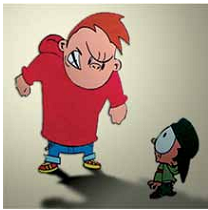

Imagem associada para resolução da questão

(Disponível em: http://commons.wikimedia.org/

wiki/File:Wikibully.jpg?uselang=pt-br. Acesso em 16.06.2013)


A violência é definida como o uso intencional da força física ou do poder contra si mesmo, outra pessoa, um grupo ou uma comunidade. A violência simbólica pode ser definida como


Alternativas
Q548637 Sociologia
As principais instituições sociais responsáveis pela socialização de um indivíduo são a família e a escola. A socialização é um processo que diz respeito à
Alternativas
Q548631 História
A Constituição de 1967 teve como objetivo
Alternativas
Q548630 História

Observe a imagem para responder à questão.
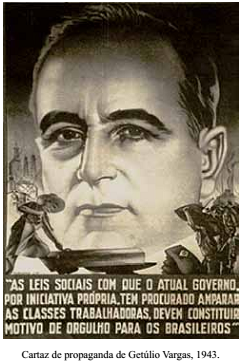
Imagem associada para resolução da questão


Entre as músicas associadas a mensagem política do cartaz, é possível identificar o samba

Alternativas
Q548626 História

Sob qualquer aspecto, a revolução industrial foi provavelmente o mais importante acontecimento na história do mundo, pelo menos desde a invenção da agricultura e das cidades. E foi iniciado pela Grã-Bretanha. É evidente que isto não foi acidental. Qualquer que tenha sido a razão do avanço britânico, ele não se deveu à superioridade tecnológica e científica.

(HOBSBAWM, Eric J. A Era das Revoluções. Rio de Janeiro: Paz e Terra, 1998, p. 45)


Entre as razões para o pioneirismo britânico, é possível citar
Alternativas
Q528744 Matemática
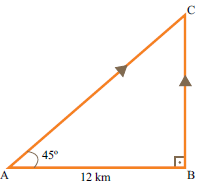
Em um determinado momento, duas viaturas da PM encontram- -se estacionadas nos pontos A e B separados por uma distância de 12 km em linha reta. Acionadas via rádio, ambas partem simultaneamente e se deslocam na direção do ponto C, seguindo o trajeto mostrado na figura.


Imagem associada para resolução da questão


Admita que, nesses trajetos, as velocidades médias desenvolvidas pelas viaturas que estavam nos pontos A e B tenham sido de 60 km/h e 50 km/h, respectivamente. Nesse caso, pode-se afirmar que o intervalo de tempo, em minutos, decorrido entre os momentos de chegada de ambas no ponto C foi, aproximadamente,

Dado: √2 = 1.41


Alternativas
Q528743 Matemática
As retas das equações x +2 y – 4 = 0, 2x + y + 7 = 0 e x + y + k = 0 concorrem em P. O valor de k na equação x + y + k = 0 é
Alternativas
Q528741 Matemática
São Paulo é uma cidade com inúmeros eventos que atraem muitos visitantes estrangeiros. Visando qualificar o atendimento a esses visitantes, a Polícia Militar do Estado de São Paulo promove cursos de aperfeiçoamento em idiomas para membros da corporação. A tabela mostra a distribuição de integrantes de quatro cursos em relação ao sexo:


                             Curso/Idioma       Homem        Mulher      Total
                                     Inglês                  75                40            115
                                     Espanhol            20                25              45
                                     Italiano                15                10              25
                                     Francês              10                  5               15
                                     Total                  120               80             200


Sorteando-se dois nomes desse grupo, com reposição, a probabilidade de que ambos sejam de pessoas do mesmo sexo é de


Alternativas
Q528738 Matemática
Os dados ordenados a seguir referem-se ao tempo (em minutos) decorrido entre o recebimento da chamada pelo Centro de Operações da Polícia Militar e a chegada dos policiais ao local da ocorrência, em 12 casos monitorados:


Imagem associada para resolução da questão


Sabendo que o tempo médio foi de 21,75 minutos e o tempo mediano foi de 22 minutos, pode-se afirmar corretamente que os valores de p e de q são, respectivamente,


Alternativas
Q528736 Matemática
Os números de cadetes em cada uma das 7 filas em que foram posicionados para uma atividade física constituem uma PA crescente de 7 termos, na qual a soma dos dois primeiros é 19 e a soma dos dois últimos é 49. A soma do número de cadetes das outras três filas é igual a
Alternativas
Q528734 Inglês
What is organized crime?

      Organized crime was characterised by the United Nations, in 1994, as: “group organization to commit crime; hierarchical links or personal relationships which permit leaders to control the group: violence, intimidation and corruption used to earn profits or control territories or markets; laundering of illicit proceeds both in furtherance of criminal activity and to infiltrate the legitimate economy; the potential for expansion into any new activities and beyond national borders; and cooperation with other organized transnational criminal groups.”
      It is increasingly global. Although links between, for example, mafia groups in Italy and the USA have existed for decades, new and rapid means of communication have facilitated the development of international networks. Some build on shared linguistic or cultural ties, such as a network trafficking drugs and human organs, which links criminal gangs in Mozambique, Portugal, Brazil, Pakistan, Dubai and South Africa. Others bring together much less likely groups, such as those trafficking arms, drugs and people between South Africa, Nigeria, Pakistan and Russia, or those linking the Russian mafia with Colombian cocaine cartels or North American criminal gangs with the Japanese Yakuza. Trafficked commodities may pass from group to group along the supply chain; for instance heroin in Italy has traditionally been produced in Afghanistan, transported by Turks, distributed by Albanians, and sold by Italians.
      Organized crime exploits profit opportunities wherever they arise. Globalization of financial markets, with free movement of goods and capital, has facilitated smuggling of counterfeit goods (in part a reflection of the creation of global brands), internet fraud, and money-laundering. On the other hand, organized crime also takes advantage of the barriers to free movement of people across national borders and the laws against non-medicinal use of narcotics: accordingly it earns vast profits in smuggling migrants and psychoactive drugs. Briquet and Favarel have identified deregulation and the “rolling back of the state” in some countries as creating lacunae that have been occupied by profiteers. The political changes in Europe in the late 1980s fuelled the growth in criminal networks, often involving former law enforcement officers. Failed states, such as the Democratic Republic of Congo or Sierra Leone, have provided further opportunities as criminal gangs smuggle arms in and commodities out, for example diamonds, gold, and rare earth metals, often generating violence against those involved in the trade and in the surrounding communities. Finally, there are a few states, such as the Democratic Republic of Korea and Burma and Guinea-Bissau (once described as a narco-state) where politicians have been alleged to have played an active role in international crime.
     Organized criminal gangs have strong incentives. Compared with legitimate producers, they have lower costs of production due to the ability to disregard quality and safety standards, tax obligations, minimum wages or employee benefits. Once established, they may threaten or use violence to eliminate competitors, and can obtain favourable treatment by regulatory authorities either through bribes or threats.
(www.globalizationandhealth.com. Adaptado)
According to the text, the country where politicians have been accused of supposed participation in international crime is
Alternativas
Q528733 Inglês
What is organized crime?

      Organized crime was characterised by the United Nations, in 1994, as: “group organization to commit crime; hierarchical links or personal relationships which permit leaders to control the group: violence, intimidation and corruption used to earn profits or control territories or markets; laundering of illicit proceeds both in furtherance of criminal activity and to infiltrate the legitimate economy; the potential for expansion into any new activities and beyond national borders; and cooperation with other organized transnational criminal groups.”
      It is increasingly global. Although links between, for example, mafia groups in Italy and the USA have existed for decades, new and rapid means of communication have facilitated the development of international networks. Some build on shared linguistic or cultural ties, such as a network trafficking drugs and human organs, which links criminal gangs in Mozambique, Portugal, Brazil, Pakistan, Dubai and South Africa. Others bring together much less likely groups, such as those trafficking arms, drugs and people between South Africa, Nigeria, Pakistan and Russia, or those linking the Russian mafia with Colombian cocaine cartels or North American criminal gangs with the Japanese Yakuza. Trafficked commodities may pass from group to group along the supply chain; for instance heroin in Italy has traditionally been produced in Afghanistan, transported by Turks, distributed by Albanians, and sold by Italians.
      Organized crime exploits profit opportunities wherever they arise. Globalization of financial markets, with free movement of goods and capital, has facilitated smuggling of counterfeit goods (in part a reflection of the creation of global brands), internet fraud, and money-laundering. On the other hand, organized crime also takes advantage of the barriers to free movement of people across national borders and the laws against non-medicinal use of narcotics: accordingly it earns vast profits in smuggling migrants and psychoactive drugs. Briquet and Favarel have identified deregulation and the “rolling back of the state” in some countries as creating lacunae that have been occupied by profiteers. The political changes in Europe in the late 1980s fuelled the growth in criminal networks, often involving former law enforcement officers. Failed states, such as the Democratic Republic of Congo or Sierra Leone, have provided further opportunities as criminal gangs smuggle arms in and commodities out, for example diamonds, gold, and rare earth metals, often generating violence against those involved in the trade and in the surrounding communities. Finally, there are a few states, such as the Democratic Republic of Korea and Burma and Guinea-Bissau (once described as a narco-state) where politicians have been alleged to have played an active role in international crime.
     Organized criminal gangs have strong incentives. Compared with legitimate producers, they have lower costs of production due to the ability to disregard quality and safety standards, tax obligations, minimum wages or employee benefits. Once established, they may threaten or use violence to eliminate competitors, and can obtain favourable treatment by regulatory authorities either through bribes or threats.
(www.globalizationandhealth.com. Adaptado)
Segundo o texto, um dos fatores que incentiva o crime organizado é o
Alternativas
Q528732 Inglês
What is organized crime?

      Organized crime was characterised by the United Nations, in 1994, as: “group organization to commit crime; hierarchical links or personal relationships which permit leaders to control the group: violence, intimidation and corruption used to earn profits or control territories or markets; laundering of illicit proceeds both in furtherance of criminal activity and to infiltrate the legitimate economy; the potential for expansion into any new activities and beyond national borders; and cooperation with other organized transnational criminal groups.”
      It is increasingly global. Although links between, for example, mafia groups in Italy and the USA have existed for decades, new and rapid means of communication have facilitated the development of international networks. Some build on shared linguistic or cultural ties, such as a network trafficking drugs and human organs, which links criminal gangs in Mozambique, Portugal, Brazil, Pakistan, Dubai and South Africa. Others bring together much less likely groups, such as those trafficking arms, drugs and people between South Africa, Nigeria, Pakistan and Russia, or those linking the Russian mafia with Colombian cocaine cartels or North American criminal gangs with the Japanese Yakuza. Trafficked commodities may pass from group to group along the supply chain; for instance heroin in Italy has traditionally been produced in Afghanistan, transported by Turks, distributed by Albanians, and sold by Italians.
      Organized crime exploits profit opportunities wherever they arise. Globalization of financial markets, with free movement of goods and capital, has facilitated smuggling of counterfeit goods (in part a reflection of the creation of global brands), internet fraud, and money-laundering. On the other hand, organized crime also takes advantage of the barriers to free movement of people across national borders and the laws against non-medicinal use of narcotics: accordingly it earns vast profits in smuggling migrants and psychoactive drugs. Briquet and Favarel have identified deregulation and the “rolling back of the state” in some countries as creating lacunae that have been occupied by profiteers. The political changes in Europe in the late 1980s fuelled the growth in criminal networks, often involving former law enforcement officers. Failed states, such as the Democratic Republic of Congo or Sierra Leone, have provided further opportunities as criminal gangs smuggle arms in and commodities out, for example diamonds, gold, and rare earth metals, often generating violence against those involved in the trade and in the surrounding communities. Finally, there are a few states, such as the Democratic Republic of Korea and Burma and Guinea-Bissau (once described as a narco-state) where politicians have been alleged to have played an active role in international crime.
     Organized criminal gangs have strong incentives. Compared with legitimate producers, they have lower costs of production due to the ability to disregard quality and safety standards, tax obligations, minimum wages or employee benefits. Once established, they may threaten or use violence to eliminate competitors, and can obtain favourable treatment by regulatory authorities either through bribes or threats.
(www.globalizationandhealth.com. Adaptado)
No trecho do terceiro parágrafo – The political changes in Europe in the late 1980s fuelled the growth in criminal networks, often involving former law enforcement officers. – a palavra fuelled equivale, em português, a
Alternativas
Q528730 Inglês
What is organized crime?

      Organized crime was characterised by the United Nations, in 1994, as: “group organization to commit crime; hierarchical links or personal relationships which permit leaders to control the group: violence, intimidation and corruption used to earn profits or control territories or markets; laundering of illicit proceeds both in furtherance of criminal activity and to infiltrate the legitimate economy; the potential for expansion into any new activities and beyond national borders; and cooperation with other organized transnational criminal groups.”
      It is increasingly global. Although links between, for example, mafia groups in Italy and the USA have existed for decades, new and rapid means of communication have facilitated the development of international networks. Some build on shared linguistic or cultural ties, such as a network trafficking drugs and human organs, which links criminal gangs in Mozambique, Portugal, Brazil, Pakistan, Dubai and South Africa. Others bring together much less likely groups, such as those trafficking arms, drugs and people between South Africa, Nigeria, Pakistan and Russia, or those linking the Russian mafia with Colombian cocaine cartels or North American criminal gangs with the Japanese Yakuza. Trafficked commodities may pass from group to group along the supply chain; for instance heroin in Italy has traditionally been produced in Afghanistan, transported by Turks, distributed by Albanians, and sold by Italians.
      Organized crime exploits profit opportunities wherever they arise. Globalization of financial markets, with free movement of goods and capital, has facilitated smuggling of counterfeit goods (in part a reflection of the creation of global brands), internet fraud, and money-laundering. On the other hand, organized crime also takes advantage of the barriers to free movement of people across national borders and the laws against non-medicinal use of narcotics: accordingly it earns vast profits in smuggling migrants and psychoactive drugs. Briquet and Favarel have identified deregulation and the “rolling back of the state” in some countries as creating lacunae that have been occupied by profiteers. The political changes in Europe in the late 1980s fuelled the growth in criminal networks, often involving former law enforcement officers. Failed states, such as the Democratic Republic of Congo or Sierra Leone, have provided further opportunities as criminal gangs smuggle arms in and commodities out, for example diamonds, gold, and rare earth metals, often generating violence against those involved in the trade and in the surrounding communities. Finally, there are a few states, such as the Democratic Republic of Korea and Burma and Guinea-Bissau (once described as a narco-state) where politicians have been alleged to have played an active role in international crime.
     Organized criminal gangs have strong incentives. Compared with legitimate producers, they have lower costs of production due to the ability to disregard quality and safety standards, tax obligations, minimum wages or employee benefits. Once established, they may threaten or use violence to eliminate competitors, and can obtain favourable treatment by regulatory authorities either through bribes or threats.
(www.globalizationandhealth.com. Adaptado)
No trecho do segundo parágrafo – those linking the Russian mafia with Columbian cocaine cartels or North American criminal gangs with the Japanese Yakuza. – a palavra those refere-se, no texto, a
Alternativas
Q528729 Inglês
What is organized crime?

      Organized crime was characterised by the United Nations, in 1994, as: “group organization to commit crime; hierarchical links or personal relationships which permit leaders to control the group: violence, intimidation and corruption used to earn profits or control territories or markets; laundering of illicit proceeds both in furtherance of criminal activity and to infiltrate the legitimate economy; the potential for expansion into any new activities and beyond national borders; and cooperation with other organized transnational criminal groups.”
      It is increasingly global. Although links between, for example, mafia groups in Italy and the USA have existed for decades, new and rapid means of communication have facilitated the development of international networks. Some build on shared linguistic or cultural ties, such as a network trafficking drugs and human organs, which links criminal gangs in Mozambique, Portugal, Brazil, Pakistan, Dubai and South Africa. Others bring together much less likely groups, such as those trafficking arms, drugs and people between South Africa, Nigeria, Pakistan and Russia, or those linking the Russian mafia with Colombian cocaine cartels or North American criminal gangs with the Japanese Yakuza. Trafficked commodities may pass from group to group along the supply chain; for instance heroin in Italy has traditionally been produced in Afghanistan, transported by Turks, distributed by Albanians, and sold by Italians.
      Organized crime exploits profit opportunities wherever they arise. Globalization of financial markets, with free movement of goods and capital, has facilitated smuggling of counterfeit goods (in part a reflection of the creation of global brands), internet fraud, and money-laundering. On the other hand, organized crime also takes advantage of the barriers to free movement of people across national borders and the laws against non-medicinal use of narcotics: accordingly it earns vast profits in smuggling migrants and psychoactive drugs. Briquet and Favarel have identified deregulation and the “rolling back of the state” in some countries as creating lacunae that have been occupied by profiteers. The political changes in Europe in the late 1980s fuelled the growth in criminal networks, often involving former law enforcement officers. Failed states, such as the Democratic Republic of Congo or Sierra Leone, have provided further opportunities as criminal gangs smuggle arms in and commodities out, for example diamonds, gold, and rare earth metals, often generating violence against those involved in the trade and in the surrounding communities. Finally, there are a few states, such as the Democratic Republic of Korea and Burma and Guinea-Bissau (once described as a narco-state) where politicians have been alleged to have played an active role in international crime.
     Organized criminal gangs have strong incentives. Compared with legitimate producers, they have lower costs of production due to the ability to disregard quality and safety standards, tax obligations, minimum wages or employee benefits. Once established, they may threaten or use violence to eliminate competitors, and can obtain favourable treatment by regulatory authorities either through bribes or threats.
(www.globalizationandhealth.com. Adaptado)
De acordo com o texto, uma das características do crime organizado, segundo a ONU, é
Alternativas
Q528728 Inglês

Violence Prevention Among Young People in Brazil

   Crime and violence have increased dramatically in Brazil in recent decades, particularly in large urban areas, leading to more intense public debate on causes and solutions. The right to life is the most fundamental of all rights. Having security means living without fearing the risk of violation of one’s life, liberty, physical integrity or property. Security means not only to be free from actual risks, but also to be able to enjoy the feeling of security. In this respect, human rights are systematically undermined by violence and insecurity.

      UNESCO expects to play a primary role in supporting actions of social inclusion to help in the prevention of violence, especially among young people. The attributes and resources to be found in the heart of the Organization’s different areas will be grouped around this objective.

     Violence is seen as a violation of fundamental human rights, as a threat to the respect for the principles of liberty and equality. An approach focused on the access to quality education, to decent jobs, to cultural, sports and leisure activities, to digital inclusion and the protection and promotion of human rights and of the environment will be implemented as a response to the challenge of preventing violence among youths. Such approach should also help in creating real opportunities for young people to improve their life conditions and develop their citizenship.

(www.unesco.org. Adaptado)

No segundo parágrafo this objective refere-se, no texto,
Alternativas
Q528727 Inglês

Violence Prevention Among Young People in Brazil

   Crime and violence have increased dramatically in Brazil in recent decades, particularly in large urban areas, leading to more intense public debate on causes and solutions. The right to life is the most fundamental of all rights. Having security means living without fearing the risk of violation of one’s life, liberty, physical integrity or property. Security means not only to be free from actual risks, but also to be able to enjoy the feeling of security. In this respect, human rights are systematically undermined by violence and insecurity.

      UNESCO expects to play a primary role in supporting actions of social inclusion to help in the prevention of violence, especially among young people. The attributes and resources to be found in the heart of the Organization’s different areas will be grouped around this objective.

     Violence is seen as a violation of fundamental human rights, as a threat to the respect for the principles of liberty and equality. An approach focused on the access to quality education, to decent jobs, to cultural, sports and leisure activities, to digital inclusion and the protection and promotion of human rights and of the environment will be implemented as a response to the challenge of preventing violence among youths. Such approach should also help in creating real opportunities for young people to improve their life conditions and develop their citizenship.

(www.unesco.org. Adaptado)

No trecho do primeiro parágrafo – Security means not only to be free from actual risks, but also to be able to enjoy the feeling of security. – a expressão not only …but also indica
Alternativas
Q528726 Inglês

Violence Prevention Among Young People in Brazil

   Crime and violence have increased dramatically in Brazil in recent decades, particularly in large urban areas, leading to more intense public debate on causes and solutions. The right to life is the most fundamental of all rights. Having security means living without fearing the risk of violation of one’s life, liberty, physical integrity or property. Security means not only to be free from actual risks, but also to be able to enjoy the feeling of security. In this respect, human rights are systematically undermined by violence and insecurity.

      UNESCO expects to play a primary role in supporting actions of social inclusion to help in the prevention of violence, especially among young people. The attributes and resources to be found in the heart of the Organization’s different areas will be grouped around this objective.

     Violence is seen as a violation of fundamental human rights, as a threat to the respect for the principles of liberty and equality. An approach focused on the access to quality education, to decent jobs, to cultural, sports and leisure activities, to digital inclusion and the protection and promotion of human rights and of the environment will be implemented as a response to the challenge of preventing violence among youths. Such approach should also help in creating real opportunities for young people to improve their life conditions and develop their citizenship.

(www.unesco.org. Adaptado)

According to the text, the approach aimed at preventing violence among young people should include
Alternativas
Q528724 Português
Para responder à  questão, leia o poema de Camilo Pessanha.
Água morrente Meus olhos apagados, Vede a água cair. Das beiras dos telhados, Cair, sempre cair. Das beiras dos telhados, Cair, quase morrer... Meus olhos apagados, E cansados de ver. Meus olhos, afogai-vos Na vã tristeza ambiente. Caí e derramai-vos Como a água morrente.
(Camilo Pessanha, Clepsidra)
No verso – Na vã tristeza ambiente. –, o adjetivo em destaque significa
Alternativas
Q528723 Português
Para responder à  questão, leia  o pema de  Camilo Pessanha.
Água morrente Meus olhos apagados, Vede a água cair. Das beiras dos telhados, Cair, sempre cair. Das beiras dos telhados, Cair, quase morrer... Meus olhos apagados, E cansados de ver. Meus olhos, afogai-vos Na vã tristeza ambiente. Caí e derramai-vos Como a água morrente.
(Camilo Pessanha, Clepsidra)
Levando em conta as informações textuais, é correto afirmar que está presente no poema

Alternativas
Respostas
3101: B
3102: C
3103: B
3104: C
3105: D
3106: E
3107: C
3108: D
3109: C
3110: A
3111: A
3112: E
3113: E
3114: B
3115: A
3116: E
3117: C
3118: D
3119: E
3120: A