Foram encontradas 75.429 questões
Resolva questões gratuitamente!
Junte-se a mais de 4 milhões de concurseiros!


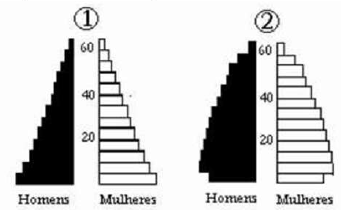
Com relação às questões sociais, assinale a alternativa correta:
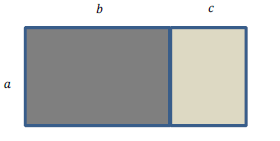
Quanto ao retângulo maior, qual a afirmativa correta?
Abaixo segue um trecho do romance “Ninho de cobras”, do escritor Lêdo Ivo. Leia-o e, depois, responda ao que se pede na questão.
E, num fiapo de tempo, bem menor do que aquele em que um estilhaço de estrela resvala no céu escuro e cego, a raposa conheceu a morte, algo atordoador e fulgente que só poderia ser a morte, caso esta existisse em toda a sua absurda plenitude e dura magnificência, e não fosse apenas uma ficção ou um ponto de referência dos vivos deixados repentinamente de amar e odiar, demitidos de súbito de sua grandeza e miséria. Era a morte que, incandescente e perversa, a alcançava, alterando a sua inconfundível beleza animal, tumultuando-lhe o sangue, destruindo a sua ardente harmonia de movimentos, tornando vítrea a sua visão da manhã cristalina e fantasmagórica.
Desfigurada pelos golpes que os homens lhe haviam vibrado, ela ficou jazendo durante mais de uma hora sobre as pedras da rua. Era um montão de carnes e pelos informes e ensanguentados, e em torno dela se revezava um círculo de curiosos, cambiando os comentários mais variados. Quando o dia já clareava por completo, uma carroça de lixo parou perto do ajuntamento, e o cadáver da raposa foi jogado entre os monturos.
(IVO, Lêdo. Ninho de cobras: uma história mal contada. Maceió:
Imprensa Oficial Graciliano Ramos, 2015, p. 21-22)
Abaixo segue um trecho do romance “Ninho de cobras”, do escritor Lêdo Ivo. Leia-o e, depois, responda ao que se pede na questão.
E, num fiapo de tempo, bem menor do que aquele em que um estilhaço de estrela resvala no céu escuro e cego, a raposa conheceu a morte, algo atordoador e fulgente que só poderia ser a morte, caso esta existisse em toda a sua absurda plenitude e dura magnificência, e não fosse apenas uma ficção ou um ponto de referência dos vivos deixados repentinamente de amar e odiar, demitidos de súbito de sua grandeza e miséria. Era a morte que, incandescente e perversa, a alcançava, alterando a sua inconfundível beleza animal, tumultuando-lhe o sangue, destruindo a sua ardente harmonia de movimentos, tornando vítrea a sua visão da manhã cristalina e fantasmagórica.
Desfigurada pelos golpes que os homens lhe haviam vibrado, ela ficou jazendo durante mais de uma hora sobre as pedras da rua. Era um montão de carnes e pelos informes e ensanguentados, e em torno dela se revezava um círculo de curiosos, cambiando os comentários mais variados. Quando o dia já clareava por completo, uma carroça de lixo parou perto do ajuntamento, e o cadáver da raposa foi jogado entre os monturos.
(IVO, Lêdo. Ninho de cobras: uma história mal contada. Maceió:
Imprensa Oficial Graciliano Ramos, 2015, p. 21-22)
Abaixo segue um trecho do romance “Ninho de cobras”, do escritor Lêdo Ivo. Leia-o e, depois, responda ao que se pede na questão.
E, num fiapo de tempo, bem menor do que aquele em que um estilhaço de estrela resvala no céu escuro e cego, a raposa conheceu a morte, algo atordoador e fulgente que só poderia ser a morte, caso esta existisse em toda a sua absurda plenitude e dura magnificência, e não fosse apenas uma ficção ou um ponto de referência dos vivos deixados repentinamente de amar e odiar, demitidos de súbito de sua grandeza e miséria. Era a morte que, incandescente e perversa, a alcançava, alterando a sua inconfundível beleza animal, tumultuando-lhe o sangue, destruindo a sua ardente harmonia de movimentos, tornando vítrea a sua visão da manhã cristalina e fantasmagórica.
Desfigurada pelos golpes que os homens lhe haviam vibrado, ela ficou jazendo durante mais de uma hora sobre as pedras da rua. Era um montão de carnes e pelos informes e ensanguentados, e em torno dela se revezava um círculo de curiosos, cambiando os comentários mais variados. Quando o dia já clareava por completo, uma carroça de lixo parou perto do ajuntamento, e o cadáver da raposa foi jogado entre os monturos.
(IVO, Lêdo. Ninho de cobras: uma história mal contada. Maceió:
Imprensa Oficial Graciliano Ramos, 2015, p. 21-22)
Tomo sempre um susto danado quando meu interlocutor, com ares de sociólogo, antropólogo, etnólogo ou besteirólogo, invariavelmente posudo e sisudo, assevera-me existir a ironia tipicamente alagoana, a maledicência inconfundivelmente caeté ou o humor característico de quem por aqui nasceu. Não ignoro que há uma diferença nítida e notória entre o humor inglês e o humor italiano; mas o que diferencia o humor de um alagoano do humor de um capixaba ou de um sergipano? Acaso rimos mais graciosamente que esses outros, ou emitimos algum som inconfundível quando gargalhamos?
Haver uma ironia, um humor, uma maledicência, uma violência ou um ressentimento inconfundivelmente alagoanos parece-me um disparate tão considerável quanto haver um futebol alagoano, uma poesia alagoana ou uma cardiologia alagoana. O que há é gente a jogar bola, a compor poemas ou a distrair-se remuneradamente com cateteres nos limites desta modestíssima unidade federativa.
Ocorre-me agora um dilema visceral: opto pela concisão (“as mesmas vinte palavras”) de nosso romancista maior ou pela incontinência verbal de nosso poeta maior, o palmarino Jorge de Lima? Deverei, de imediato, atribuir alguma média ponderada a suas obras e a seus espíritos e obter algum valor que exprima com exatidão e fidedignidade a alma média do homo alagoensis, afogada por inteiro numa mescla de nossos pontos/homens culminantes. Assim, decerto obterei por fim essa tão apregoada quanto fictícia alagoanidade – força vital, espírito motor, éter, suprassumo, élan, quinta-essência – que nos desconfunde e anima.
Que pecado para um alagoano típico preferir o primeiro (“há sempre um copo de mar” – não necessariamente alagoano – “para um homem navegar”) e o quarto cantos de Invenção de Orfeu (“O perigo da vida são os vácuos”), bem como a difícil decifração do Livro de sonetos, ao Jorge de Lima dengoso e aliciante dos Poemas negros e ao devoto fervoroso de A túnica inconsútil. Que ato bárbaro de antialagoanidade – digno talvez de um fim similar ao que obtiveram Zumbi, Julião Tavares, Baleia e Calabar – preferir a viagem ao lado da vaca palustre e bela e do cavalo erudito e em chamas, ao passeio pelo parnasianismo sentencioso e de fácil consagração de “O acendedor de lampiões”!
Advogo, sim, uma alagoanidade esculhambada, disforme, banguela, antropofágica (com direito a sardinhas e Sardinha), macunaímica (“Ai! que preguiça!” desse papo infausto e broncoposudo de identidade cultural etc. e coisa e tal), desbragadamente inclusiva e insaciavelmente cosmofágica. Uma alagoanidade tal a de dona Nise da Silveira, que soube unir os tórridos loucos e os gatos tupiniquins à psicologia dos arquétipos junguianos, oriundos da fria e fleumática Suíça. Uma alagoanidade que acolha o cego Homero e o boêmio Zé do Cavaquinho, os epilépticos Dostoiévski e Machado de Assis e o desassossegado Breno Accioly, a mitologia nórdica e o reisado, a madeleine proustiana e as bolachas Pirauê da padaria de Viçosa, o puteiro do finado Mossoró e as libidinagens de Molly Bloom, os travestis da Pajuçara e os versos de Whitman e Lorca, os labirintos borgianos e os descaminhos da feira do Rato, o mujique russo e o sertanejo de Dois Riachos, os feitiços verbais de Guimarães Rosa e o segredo sagrado do camarão do Bar das Ostras, o decassílabo camoniano e o martelo agalopado dos cantadores de viola da minha já recuada infância.
Uma alagoanidade que me permita ser os trezentos, os trezentos e cinquenta que trago em mim desde a nascença e que se finarão em breve, felizmente, pois viver por vezes é um bocado custoso e prolongado. Ai, que preguiça! e que vontade de adormecer, profundamente, em Viçosa, na confluência dos rios Paraíba, Tejo, Ganges, Mississippi e Eufrates.
Tomo sempre um susto danado quando meu interlocutor, com ares de sociólogo, antropólogo, etnólogo ou besteirólogo, invariavelmente posudo e sisudo, assevera-me existir a ironia tipicamente alagoana, a maledicência inconfundivelmente caeté ou o humor característico de quem por aqui nasceu. Não ignoro que há uma diferença nítida e notória entre o humor inglês e o humor italiano; mas o que diferencia o humor de um alagoano do humor de um capixaba ou de um sergipano? Acaso rimos mais graciosamente que esses outros, ou emitimos algum som inconfundível quando gargalhamos?
Haver uma ironia, um humor, uma maledicência, uma violência ou um ressentimento inconfundivelmente alagoanos parece-me um disparate tão considerável quanto haver um futebol alagoano, uma poesia alagoana ou uma cardiologia alagoana. O que há é gente a jogar bola, a compor poemas ou a distrair-se remuneradamente com cateteres nos limites desta modestíssima unidade federativa.
Ocorre-me agora um dilema visceral: opto pela concisão (“as mesmas vinte palavras”) de nosso romancista maior ou pela incontinência verbal de nosso poeta maior, o palmarino Jorge de Lima? Deverei, de imediato, atribuir alguma média ponderada a suas obras e a seus espíritos e obter algum valor que exprima com exatidão e fidedignidade a alma média do homo alagoensis, afogada por inteiro numa mescla de nossos pontos/homens culminantes. Assim, decerto obterei por fim essa tão apregoada quanto fictícia alagoanidade – força vital, espírito motor, éter, suprassumo, élan, quinta-essência – que nos desconfunde e anima.
Que pecado para um alagoano típico preferir o primeiro (“há sempre um copo de mar” – não necessariamente alagoano – “para um homem navegar”) e o quarto cantos de Invenção de Orfeu (“O perigo da vida são os vácuos”), bem como a difícil decifração do Livro de sonetos, ao Jorge de Lima dengoso e aliciante dos Poemas negros e ao devoto fervoroso de A túnica inconsútil. Que ato bárbaro de antialagoanidade – digno talvez de um fim similar ao que obtiveram Zumbi, Julião Tavares, Baleia e Calabar – preferir a viagem ao lado da vaca palustre e bela e do cavalo erudito e em chamas, ao passeio pelo parnasianismo sentencioso e de fácil consagração de “O acendedor de lampiões”!
Advogo, sim, uma alagoanidade esculhambada, disforme, banguela, antropofágica (com direito a sardinhas e Sardinha), macunaímica (“Ai! que preguiça!” desse papo infausto e broncoposudo de identidade cultural etc. e coisa e tal), desbragadamente inclusiva e insaciavelmente cosmofágica. Uma alagoanidade tal a de dona Nise da Silveira, que soube unir os tórridos loucos e os gatos tupiniquins à psicologia dos arquétipos junguianos, oriundos da fria e fleumática Suíça. Uma alagoanidade que acolha o cego Homero e o boêmio Zé do Cavaquinho, os epilépticos Dostoiévski e Machado de Assis e o desassossegado Breno Accioly, a mitologia nórdica e o reisado, a madeleine proustiana e as bolachas Pirauê da padaria de Viçosa, o puteiro do finado Mossoró e as libidinagens de Molly Bloom, os travestis da Pajuçara e os versos de Whitman e Lorca, os labirintos borgianos e os descaminhos da feira do Rato, o mujique russo e o sertanejo de Dois Riachos, os feitiços verbais de Guimarães Rosa e o segredo sagrado do camarão do Bar das Ostras, o decassílabo camoniano e o martelo agalopado dos cantadores de viola da minha já recuada infância.
Uma alagoanidade que me permita ser os trezentos, os trezentos e cinquenta que trago em mim desde a nascença e que se finarão em breve, felizmente, pois viver por vezes é um bocado custoso e prolongado. Ai, que preguiça! e que vontade de adormecer, profundamente, em Viçosa, na confluência dos rios Paraíba, Tejo, Ganges, Mississippi e Eufrates.
Tomo sempre um susto danado quando meu interlocutor, com ares de sociólogo, antropólogo, etnólogo ou besteirólogo, invariavelmente posudo e sisudo, assevera-me existir a ironia tipicamente alagoana, a maledicência inconfundivelmente caeté ou o humor característico de quem por aqui nasceu. Não ignoro que há uma diferença nítida e notória entre o humor inglês e o humor italiano; mas o que diferencia o humor de um alagoano do humor de um capixaba ou de um sergipano? Acaso rimos mais graciosamente que esses outros, ou emitimos algum som inconfundível quando gargalhamos?
Haver uma ironia, um humor, uma maledicência, uma violência ou um ressentimento inconfundivelmente alagoanos parece-me um disparate tão considerável quanto haver um futebol alagoano, uma poesia alagoana ou uma cardiologia alagoana. O que há é gente a jogar bola, a compor poemas ou a distrair-se remuneradamente com cateteres nos limites desta modestíssima unidade federativa.
Ocorre-me agora um dilema visceral: opto pela concisão (“as mesmas vinte palavras”) de nosso romancista maior ou pela incontinência verbal de nosso poeta maior, o palmarino Jorge de Lima? Deverei, de imediato, atribuir alguma média ponderada a suas obras e a seus espíritos e obter algum valor que exprima com exatidão e fidedignidade a alma média do homo alagoensis, afogada por inteiro numa mescla de nossos pontos/homens culminantes. Assim, decerto obterei por fim essa tão apregoada quanto fictícia alagoanidade – força vital, espírito motor, éter, suprassumo, élan, quinta-essência – que nos desconfunde e anima.
Que pecado para um alagoano típico preferir o primeiro (“há sempre um copo de mar” – não necessariamente alagoano – “para um homem navegar”) e o quarto cantos de Invenção de Orfeu (“O perigo da vida são os vácuos”), bem como a difícil decifração do Livro de sonetos, ao Jorge de Lima dengoso e aliciante dos Poemas negros e ao devoto fervoroso de A túnica inconsútil. Que ato bárbaro de antialagoanidade – digno talvez de um fim similar ao que obtiveram Zumbi, Julião Tavares, Baleia e Calabar – preferir a viagem ao lado da vaca palustre e bela e do cavalo erudito e em chamas, ao passeio pelo parnasianismo sentencioso e de fácil consagração de “O acendedor de lampiões”!
Advogo, sim, uma alagoanidade esculhambada, disforme, banguela, antropofágica (com direito a sardinhas e Sardinha), macunaímica (“Ai! que preguiça!” desse papo infausto e broncoposudo de identidade cultural etc. e coisa e tal), desbragadamente inclusiva e insaciavelmente cosmofágica. Uma alagoanidade tal a de dona Nise da Silveira, que soube unir os tórridos loucos e os gatos tupiniquins à psicologia dos arquétipos junguianos, oriundos da fria e fleumática Suíça. Uma alagoanidade que acolha o cego Homero e o boêmio Zé do Cavaquinho, os epilépticos Dostoiévski e Machado de Assis e o desassossegado Breno Accioly, a mitologia nórdica e o reisado, a madeleine proustiana e as bolachas Pirauê da padaria de Viçosa, o puteiro do finado Mossoró e as libidinagens de Molly Bloom, os travestis da Pajuçara e os versos de Whitman e Lorca, os labirintos borgianos e os descaminhos da feira do Rato, o mujique russo e o sertanejo de Dois Riachos, os feitiços verbais de Guimarães Rosa e o segredo sagrado do camarão do Bar das Ostras, o decassílabo camoniano e o martelo agalopado dos cantadores de viola da minha já recuada infância.
Uma alagoanidade que me permita ser os trezentos, os trezentos e cinquenta que trago em mim desde a nascença e que se finarão em breve, felizmente, pois viver por vezes é um bocado custoso e prolongado. Ai, que preguiça! e que vontade de adormecer, profundamente, em Viçosa, na confluência dos rios Paraíba, Tejo, Ganges, Mississippi e Eufrates.
A infância está perdida.
A mocidade está perdida.
Mas a vida não está perdida.
O segundo amor passou.
O terceiro amor passou.
Mas o coração continua.
Não tentaste qualquer viagem.
Não possuis casa, navio, terra.
Mas tens um cão.
Luz, de acesos e cálidos fulgores,
Como os sorrisos da estação das flores,
Foi passando também tua beleza.
Perdes as ilusões. Vão-se-te as cores
Da face. E entram-te n’alma os dissabores,
Nublam-te o olhar as sombras da tristeza.
Com o brilho extremo... E aí vêm as noites frias,
Aí vem o inverno da velhice escura...
Que o sol poente dessa formosura
Volvesse à aurora dos primeiros dias!
Não levo da existência uma saudade!
E tanta vida que meu peito enchia
Morreu na minha triste mocidade!
À sina doida de um amor sem fruto,
A minh’alma na treva agora dorme
Como um olhar que a morte envolve em luto.
A estrela de meus cândidos amores
Já que não levo no meu peito morto
Um punhado sequer de murchas flores!

 Conheça nossos planos