Questões de Vestibular Comentadas

Foram encontradas 36.785 questões

Resolva questões gratuitamente!

Junte-se a mais de 4 milhões de concurseiros!

Ano: 2017 Banca: UFGD Órgão: UFGD Prova: UFGD - 2017 - UFGD - Vestibular |
Q944567 Geografia

Leia o texto a seguir.


Quase 85 mil pessoas chegaram à Itália, que afirmou na semana passada estar sobrecarregada, e pediu ajuda de outros países europeus. 

Mais de 100 mil migrantes e refugiados chegaram desde janeiro à Europa depois de atravessar o Mar Mediterrâneo, e 2.247 morreram ou são considerados desaparecidos depois que tentaram a travessia [...].

Quase 85 mil chegaram às costas italianas, 9.300 na Grécia e 6.300 desembarcaram na Espanha. No total, a Organização Internacional para as Migrações (OIM) calcula em 101.210 o número de chegadas [...].

No mesmo período de 2016 - entre 1 de janeiro e 3 de julho - o número de chegadas à Europa foi duas vezes superior (231.503). A diferença este ano é que quase 85% dos migrantes desembarcaram na Itália, enquanto em 2016 a maioria chegou à Grécia. Na semana passada, a Itália ameaçou nesta impedir a entrada em seus portos de navios com bandeira estrangeira que transportam migrantes resgatados no Mediterrâneo.

O tema "não pode ser visto como um problema somente para a Itália, e sim como uma questão de toda a Europa", disse o diretor geral da OIM. A Guarda Costeira italiana, que coordena as operações de resgate no Mediterrâneo, explicou que inúmeros barcos estrangeiros, vários deles fretados por organizações não governamentais, participam destas operações.

Os migrantes são transportados a portos italianos, de onde costumam ser divididos nos vários centros de acolhida da península, que estão saturados. Dos 3.000 migrantes que morreram em todo o planeta desde o início do ano, mais de 2.200 perderam a vida quando tentavam chegar à Europa.

Disponível em: <http://g1.globo.com/mundo/noticia/mais-de-100-mil-migrantes-erefugia.ghtml>  Acesso em: 15 set. 2017. (Adaptado)


No que se refere à questão da migração, assinale a alternativa correta.   

Alternativas
Ano: 2017 Banca: UFGD Órgão: UFGD Prova: UFGD - 2017 - UFGD - Vestibular |
Q944565 História
O sociólogo francês Raymond Aron assim se referiu a um determinado período histórico do século passado: "Guerra improvável, paz impossível". Tal frase evidencia o contexto marcado pela
Alternativas
Ano: 2017 Banca: UFGD Órgão: UFGD Prova: UFGD - 2017 - UFGD - Vestibular |
Q944564 História

Ao analisar a relação do Estado com os povos indígenas no Brasil, a antropóloga Manuela Carneiro da Cunha afirma:


[...] A partir da expulsão dos jesuítas por Pombal, em 1759, e sobretudo a partir da chegada de d. João VI ao Brasil, em 1808, a política indigenista viu sua arena reduzida e sua natureza modificada: não havia mais vozes dissonantes quando se tratava de escravizar índios e de ocupar suas terras. A partir de meados do século XIX, com efeito a cobiça se desloca do trabalho para as terra indígenas. Um século mais tarde, deslocarse-á novamente: do solo, passará para o subsolo indígena.

CARNEIRO DA CUNHA, Manuela. Introdução a uma História Indígena. In. __ (Org.). História dos Índios no Brasil. São Paulo: Cia das Letras, 1992. p. 16.


A respeito da política indigenista brasileira, abrangendo desde o período colonial até a atualidade, é correto afirmar que

Alternativas
Ano: 2017 Banca: UFGD Órgão: UFGD Prova: UFGD - 2017 - UFGD - Vestibular |
Q944563 História

Destinada a representar, nos limites de um dado Estado, a totalidade dos interesses do proletariado como classe, em oposição a todos os interesses parciais e de grupo do proletariado, a social-democracia esforça-se naturalmente, em toda parte, por unir todos os grupos nacionais, religiosos e profissionais da classe operária num partido comum, unitário.

LUXEMBURG, Rosa. A Revolução Russa. Petrópolis: Vozes, 1991. p. 41.


A autora reflete sobre a “social-democracia russa”, a partir das ideias do líder revolucionário Vladimir Ilitch Ulianov, Lênin. Considerando o texto citado e a Revolução Russa de 1917, pode se afirmar que

Alternativas
Ano: 2017 Banca: UFGD Órgão: UFGD Prova: UFGD - 2017 - UFGD - Vestibular |
Q944562 História e Geografia de Estados e Municípios

Obviamente, a antiga província de Mato Grosso abrangia uma área muito maior que as atuais fronteiras de Mato Grosso do Sul. No entanto, as fronteiras administrativas, nacionais ou interestaduais, não têm muito sentido quando se trata de povos indígenas. Elas não refletem limites culturais ou linguísticos, não correspondem a antigos territórios étnicos.

CHAMORRO, Graciela; COMBÈS, Isabelle (Orgs.). Povos indígenas em Mato Grosso do Sul: história, cultura e transformações sociais. Dourados, MS: Ed. UFGD, 2015, p. 20.


O estado de Mato Grosso do Sul possui a segunda maior população indígena do Brasil. Nesse sentido, pode-se argumentar que

Alternativas
Ano: 2017 Banca: UFGD Órgão: UFGD Prova: UFGD - 2017 - UFGD - Vestibular |
Q944561 História
De acordo com o historiador Paulo Pereira de Castro, o período regencial brasileiro (1831-1840) teria sido uma “experiência republicana”. Sobre esse contexto, assinale a alternativa correta.
Alternativas
Ano: 2017 Banca: UFGD Órgão: UFGD Prova: UFGD - 2017 - UFGD - Vestibular |
Q944548 Biologia
O reino Protista engloba seres unicelulares eucariontes, autótrofos ou heterótrofos, coloniais ou não. Consideram-se protistas os autótrofos como algas unicelulares e os heterótrofos como protozoários. No entanto, ambos os grupos não representam categorias taxonômicas tais como filo, classe ou ordem, mas apenas uma forma de diferenciar os organismos quanto à capacidade ou não de sintetizar compostos orgânicos a partir de inorgânicos. Os hábitos alimentares também são variados. Quanto ao modo de nutrição, os protozoários são classificados como heterótrofos ou holozoicos. Assinale a alternativa correta.
Alternativas
Ano: 2017 Banca: UFGD Órgão: UFGD Prova: UFGD - 2017 - UFGD - Vestibular |
Q944543 Biologia

Leia o texto a seguir.


Pode-se classificar em cinco os métodos de verificação dos caracteres hereditários existentes nas células sanguíneas, para fins de exclusão de paternidade, quais sejam: determinação de marcadores eritrocitários; séricos e enzimáticos; cromossômicos; leucocitários e de DNA. Tais exames constituem grande contribuição às ações de investigação de paternidade. O famoso sistema ABO foi descoberto no ano de 1900 por Karl Landsteiner, apresentando quatro tipos sanguíneos A, B, O e AB, sendo o mais comum o tipo O. A partir de então, esse sistema passou a integrar o caderno processual das ações investigatórias, sendo comumente conhecido por “exame de sangue”. E na grande maioria das vezes seus resultados se prestam para excluir a paternidade.

No que se refere à herança dessas características, este sistema é determinado por alelos múltiplos, ou seja, existem mais de dois lócus diferentes para o mesmo gene, embora no mesmo genótipo só se apresentem dois deles ao mesmo tempo e como sempre um herdado do pai e outro da mãe. Assim, existem 3 alelos: I a, I b, i, capazes de ocuparem dois a dois um certo lócus gênico.

Machado, C. P. A prova nas ações de investigação de paternidade. 2006. Disponível em:<http://www3.pucrs.br/pucrs/files/ uni/poa/direito /graduacao/tcc/tcc2/trabalhos2006_2/cristina.pdf> Acesso em: 21 set. 2017.


Considerando essas informações, assinale a alternativa correta.

Alternativas
Ano: 2017 Banca: VUNESP Órgão: UNIFESP Prova: VUNESP - 2017 - UNIFESP - Vestibular |
Q944487 Inglês

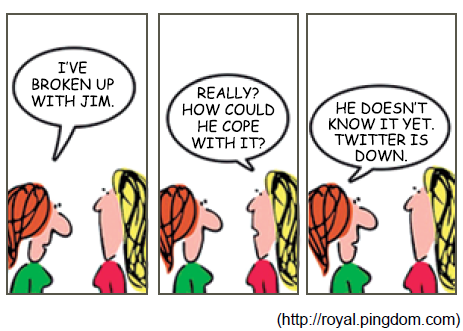
Examine a tira.


Imagem associada para resolução da questão


A tira evidencia que

Alternativas
Ano: 2017 Banca: VUNESP Órgão: UNIFESP Prova: VUNESP - 2017 - UNIFESP - Vestibular |
Q944486 Inglês
Mobile milestones: how your phone
became an essential part of your life


    Has any device changed our lives as much, and as quickly, as the mobile phone? There are people today for whom the world of address books, street atlases and phone boxes seems very far away, lost in the mists of time. Following, there are just some of the big milestones from the past 30 years that have made almost everything we do easier, more public and very, very fast.
• The first phones arrive – and become status symbols Few people got the chance to use the very early mobile phones. The first call was made in New York in 1973, but handsets with a network to use were not available until 1983 in the US, and 1985 in the UK. That first British mobile phone was essentially a heavy briefcase with a receiver attached by a wire. It cost £2,000 (£5,000 in today’s prices), and gave you half an hour’s chat on an overnight charge. Making a call was not something you could do subtly, but that wasn’t the point; the first handsets were there to be seen. They sent a message that you were bold and confident with new technology, that you were busy and important enough to need a mobile phone, and were rich enough to buy one.
• Text messages spawn a whole new language
    The first mobiles worked with analogue signals and could only make phone calls, but the digital ones that followed in the early 1990s could send SMS messages as well. After the first message was sent on 3 December 1992, texting took off like a rocket, even though it was still a pretty cumbersome procedure. Handsets with predictive text would make things easier, but in the 1990s you could save a lot of time by removing all excess letters from a message, often the vowels, and so txtspk ws brn. Today the average mobile phone sends more than 100 texts per month.
• Phones turn us all into photographers...
    There seemed to be no good reason for the first camera phones, which began to appear in 2002, with resolutions of about 0.3 megapixels. They took grainy, blurry pictures on postage stamp-sized screens, and even these filled the phone’s memory in no time. Gradually, though, as the quality improved, the uses followed. As well as the usual photos of friends and family, they were handy for “saving” pieces of paper, and in pubs you could take a picture of the specials board and take it back to your table. Modern camera phones have changed beyond recognition in the past 20 years. The new mobile phones boast the highest resolution dual camera on a smartphone: a 16-megapixel camera and a 20-megapixel camera side-by-side. The dual camera allows users to focus on their subjects, while blurring out the background, producing professional-looking portraits.
• …and we turn ourselves into celebrities
    Twenty years ago people would have thought you a little strange if you took flattering photos of yourself and your lifestyle and then distributed them to your friends – let alone to members of the public. If you used printed photographs rather than a smartphone app, they would still think so today. Yet sharing our lives on social media is now the norm, not the exception – and it was the camera phone that made it all possible. Now, some phones come with an enormous 64GB of memory, so you can capture, share and store an almost countless number of videos and pictures – well, certainly enough to keep up with the Kardashians.

(www.theguardian.com, 07.07.2017. Adaptado.)
No trecho do quinto parágrafo “they would still think so today”, o termo em destaque se refere ao fato de as pessoas considerarem que alguém 
Alternativas
Ano: 2017 Banca: VUNESP Órgão: UNIFESP Prova: VUNESP - 2017 - UNIFESP - Vestibular |
Q944485 Inglês
Mobile milestones: how your phone
became an essential part of your life


    Has any device changed our lives as much, and as quickly, as the mobile phone? There are people today for whom the world of address books, street atlases and phone boxes seems very far away, lost in the mists of time. Following, there are just some of the big milestones from the past 30 years that have made almost everything we do easier, more public and very, very fast.
• The first phones arrive – and become status symbols Few people got the chance to use the very early mobile phones. The first call was made in New York in 1973, but handsets with a network to use were not available until 1983 in the US, and 1985 in the UK. That first British mobile phone was essentially a heavy briefcase with a receiver attached by a wire. It cost £2,000 (£5,000 in today’s prices), and gave you half an hour’s chat on an overnight charge. Making a call was not something you could do subtly, but that wasn’t the point; the first handsets were there to be seen. They sent a message that you were bold and confident with new technology, that you were busy and important enough to need a mobile phone, and were rich enough to buy one.
• Text messages spawn a whole new language
    The first mobiles worked with analogue signals and could only make phone calls, but the digital ones that followed in the early 1990s could send SMS messages as well. After the first message was sent on 3 December 1992, texting took off like a rocket, even though it was still a pretty cumbersome procedure. Handsets with predictive text would make things easier, but in the 1990s you could save a lot of time by removing all excess letters from a message, often the vowels, and so txtspk ws brn. Today the average mobile phone sends more than 100 texts per month.
• Phones turn us all into photographers...
    There seemed to be no good reason for the first camera phones, which began to appear in 2002, with resolutions of about 0.3 megapixels. They took grainy, blurry pictures on postage stamp-sized screens, and even these filled the phone’s memory in no time. Gradually, though, as the quality improved, the uses followed. As well as the usual photos of friends and family, they were handy for “saving” pieces of paper, and in pubs you could take a picture of the specials board and take it back to your table. Modern camera phones have changed beyond recognition in the past 20 years. The new mobile phones boast the highest resolution dual camera on a smartphone: a 16-megapixel camera and a 20-megapixel camera side-by-side. The dual camera allows users to focus on their subjects, while blurring out the background, producing professional-looking portraits.
• …and we turn ourselves into celebrities
    Twenty years ago people would have thought you a little strange if you took flattering photos of yourself and your lifestyle and then distributed them to your friends – let alone to members of the public. If you used printed photographs rather than a smartphone app, they would still think so today. Yet sharing our lives on social media is now the norm, not the exception – and it was the camera phone that made it all possible. Now, some phones come with an enormous 64GB of memory, so you can capture, share and store an almost countless number of videos and pictures – well, certainly enough to keep up with the Kardashians.

(www.theguardian.com, 07.07.2017. Adaptado.)
De acordo com as informações do quinto parágrafo,
Alternativas
Ano: 2017 Banca: VUNESP Órgão: UNIFESP Prova: VUNESP - 2017 - UNIFESP - Vestibular |
Q944484 Inglês
Mobile milestones: how your phone
became an essential part of your life


    Has any device changed our lives as much, and as quickly, as the mobile phone? There are people today for whom the world of address books, street atlases and phone boxes seems very far away, lost in the mists of time. Following, there are just some of the big milestones from the past 30 years that have made almost everything we do easier, more public and very, very fast.
• The first phones arrive – and become status symbols Few people got the chance to use the very early mobile phones. The first call was made in New York in 1973, but handsets with a network to use were not available until 1983 in the US, and 1985 in the UK. That first British mobile phone was essentially a heavy briefcase with a receiver attached by a wire. It cost £2,000 (£5,000 in today’s prices), and gave you half an hour’s chat on an overnight charge. Making a call was not something you could do subtly, but that wasn’t the point; the first handsets were there to be seen. They sent a message that you were bold and confident with new technology, that you were busy and important enough to need a mobile phone, and were rich enough to buy one.
• Text messages spawn a whole new language
    The first mobiles worked with analogue signals and could only make phone calls, but the digital ones that followed in the early 1990s could send SMS messages as well. After the first message was sent on 3 December 1992, texting took off like a rocket, even though it was still a pretty cumbersome procedure. Handsets with predictive text would make things easier, but in the 1990s you could save a lot of time by removing all excess letters from a message, often the vowels, and so txtspk ws brn. Today the average mobile phone sends more than 100 texts per month.
• Phones turn us all into photographers...
    There seemed to be no good reason for the first camera phones, which began to appear in 2002, with resolutions of about 0.3 megapixels. They took grainy, blurry pictures on postage stamp-sized screens, and even these filled the phone’s memory in no time. Gradually, though, as the quality improved, the uses followed. As well as the usual photos of friends and family, they were handy for “saving” pieces of paper, and in pubs you could take a picture of the specials board and take it back to your table. Modern camera phones have changed beyond recognition in the past 20 years. The new mobile phones boast the highest resolution dual camera on a smartphone: a 16-megapixel camera and a 20-megapixel camera side-by-side. The dual camera allows users to focus on their subjects, while blurring out the background, producing professional-looking portraits.
• …and we turn ourselves into celebrities
    Twenty years ago people would have thought you a little strange if you took flattering photos of yourself and your lifestyle and then distributed them to your friends – let alone to members of the public. If you used printed photographs rather than a smartphone app, they would still think so today. Yet sharing our lives on social media is now the norm, not the exception – and it was the camera phone that made it all possible. Now, some phones come with an enormous 64GB of memory, so you can capture, share and store an almost countless number of videos and pictures – well, certainly enough to keep up with the Kardashians.

(www.theguardian.com, 07.07.2017. Adaptado.)
No trecho do quarto parágrafo “The dual camera allows users to focus on their subjects, while blurring out the background”, o termo em destaque indica ideia de
Alternativas
Ano: 2017 Banca: VUNESP Órgão: UNIFESP Prova: VUNESP - 2017 - UNIFESP - Vestibular |
Q944483 Inglês
Mobile milestones: how your phone
became an essential part of your life


    Has any device changed our lives as much, and as quickly, as the mobile phone? There are people today for whom the world of address books, street atlases and phone boxes seems very far away, lost in the mists of time. Following, there are just some of the big milestones from the past 30 years that have made almost everything we do easier, more public and very, very fast.
• The first phones arrive – and become status symbols Few people got the chance to use the very early mobile phones. The first call was made in New York in 1973, but handsets with a network to use were not available until 1983 in the US, and 1985 in the UK. That first British mobile phone was essentially a heavy briefcase with a receiver attached by a wire. It cost £2,000 (£5,000 in today’s prices), and gave you half an hour’s chat on an overnight charge. Making a call was not something you could do subtly, but that wasn’t the point; the first handsets were there to be seen. They sent a message that you were bold and confident with new technology, that you were busy and important enough to need a mobile phone, and were rich enough to buy one.
• Text messages spawn a whole new language
    The first mobiles worked with analogue signals and could only make phone calls, but the digital ones that followed in the early 1990s could send SMS messages as well. After the first message was sent on 3 December 1992, texting took off like a rocket, even though it was still a pretty cumbersome procedure. Handsets with predictive text would make things easier, but in the 1990s you could save a lot of time by removing all excess letters from a message, often the vowels, and so txtspk ws brn. Today the average mobile phone sends more than 100 texts per month.
• Phones turn us all into photographers...
    There seemed to be no good reason for the first camera phones, which began to appear in 2002, with resolutions of about 0.3 megapixels. They took grainy, blurry pictures on postage stamp-sized screens, and even these filled the phone’s memory in no time. Gradually, though, as the quality improved, the uses followed. As well as the usual photos of friends and family, they were handy for “saving” pieces of paper, and in pubs you could take a picture of the specials board and take it back to your table. Modern camera phones have changed beyond recognition in the past 20 years. The new mobile phones boast the highest resolution dual camera on a smartphone: a 16-megapixel camera and a 20-megapixel camera side-by-side. The dual camera allows users to focus on their subjects, while blurring out the background, producing professional-looking portraits.
• …and we turn ourselves into celebrities
    Twenty years ago people would have thought you a little strange if you took flattering photos of yourself and your lifestyle and then distributed them to your friends – let alone to members of the public. If you used printed photographs rather than a smartphone app, they would still think so today. Yet sharing our lives on social media is now the norm, not the exception – and it was the camera phone that made it all possible. Now, some phones come with an enormous 64GB of memory, so you can capture, share and store an almost countless number of videos and pictures – well, certainly enough to keep up with the Kardashians.

(www.theguardian.com, 07.07.2017. Adaptado.)
No trecho do quarto parágrafo “filled the phone’s memory in no time”, a expressão em destaque equivale, em português, a
Alternativas
Ano: 2017 Banca: VUNESP Órgão: UNIFESP Prova: VUNESP - 2017 - UNIFESP - Vestibular |
Q944482 Inglês
Mobile milestones: how your phone
became an essential part of your life


    Has any device changed our lives as much, and as quickly, as the mobile phone? There are people today for whom the world of address books, street atlases and phone boxes seems very far away, lost in the mists of time. Following, there are just some of the big milestones from the past 30 years that have made almost everything we do easier, more public and very, very fast.
• The first phones arrive – and become status symbols Few people got the chance to use the very early mobile phones. The first call was made in New York in 1973, but handsets with a network to use were not available until 1983 in the US, and 1985 in the UK. That first British mobile phone was essentially a heavy briefcase with a receiver attached by a wire. It cost £2,000 (£5,000 in today’s prices), and gave you half an hour’s chat on an overnight charge. Making a call was not something you could do subtly, but that wasn’t the point; the first handsets were there to be seen. They sent a message that you were bold and confident with new technology, that you were busy and important enough to need a mobile phone, and were rich enough to buy one.
• Text messages spawn a whole new language
    The first mobiles worked with analogue signals and could only make phone calls, but the digital ones that followed in the early 1990s could send SMS messages as well. After the first message was sent on 3 December 1992, texting took off like a rocket, even though it was still a pretty cumbersome procedure. Handsets with predictive text would make things easier, but in the 1990s you could save a lot of time by removing all excess letters from a message, often the vowels, and so txtspk ws brn. Today the average mobile phone sends more than 100 texts per month.
• Phones turn us all into photographers...
    There seemed to be no good reason for the first camera phones, which began to appear in 2002, with resolutions of about 0.3 megapixels. They took grainy, blurry pictures on postage stamp-sized screens, and even these filled the phone’s memory in no time. Gradually, though, as the quality improved, the uses followed. As well as the usual photos of friends and family, they were handy for “saving” pieces of paper, and in pubs you could take a picture of the specials board and take it back to your table. Modern camera phones have changed beyond recognition in the past 20 years. The new mobile phones boast the highest resolution dual camera on a smartphone: a 16-megapixel camera and a 20-megapixel camera side-by-side. The dual camera allows users to focus on their subjects, while blurring out the background, producing professional-looking portraits.
• …and we turn ourselves into celebrities
    Twenty years ago people would have thought you a little strange if you took flattering photos of yourself and your lifestyle and then distributed them to your friends – let alone to members of the public. If you used printed photographs rather than a smartphone app, they would still think so today. Yet sharing our lives on social media is now the norm, not the exception – and it was the camera phone that made it all possible. Now, some phones come with an enormous 64GB of memory, so you can capture, share and store an almost countless number of videos and pictures – well, certainly enough to keep up with the Kardashians.

(www.theguardian.com, 07.07.2017. Adaptado.)
No trecho do quarto parágrafo “and even these filled the phone’s memory”, o termo em destaque se refere a
Alternativas
Ano: 2017 Banca: VUNESP Órgão: UNIFESP Prova: VUNESP - 2017 - UNIFESP - Vestibular |
Q944481 Inglês
Mobile milestones: how your phone
became an essential part of your life


    Has any device changed our lives as much, and as quickly, as the mobile phone? There are people today for whom the world of address books, street atlases and phone boxes seems very far away, lost in the mists of time. Following, there are just some of the big milestones from the past 30 years that have made almost everything we do easier, more public and very, very fast.
• The first phones arrive – and become status symbols Few people got the chance to use the very early mobile phones. The first call was made in New York in 1973, but handsets with a network to use were not available until 1983 in the US, and 1985 in the UK. That first British mobile phone was essentially a heavy briefcase with a receiver attached by a wire. It cost £2,000 (£5,000 in today’s prices), and gave you half an hour’s chat on an overnight charge. Making a call was not something you could do subtly, but that wasn’t the point; the first handsets were there to be seen. They sent a message that you were bold and confident with new technology, that you were busy and important enough to need a mobile phone, and were rich enough to buy one.
• Text messages spawn a whole new language
    The first mobiles worked with analogue signals and could only make phone calls, but the digital ones that followed in the early 1990s could send SMS messages as well. After the first message was sent on 3 December 1992, texting took off like a rocket, even though it was still a pretty cumbersome procedure. Handsets with predictive text would make things easier, but in the 1990s you could save a lot of time by removing all excess letters from a message, often the vowels, and so txtspk ws brn. Today the average mobile phone sends more than 100 texts per month.
• Phones turn us all into photographers...
    There seemed to be no good reason for the first camera phones, which began to appear in 2002, with resolutions of about 0.3 megapixels. They took grainy, blurry pictures on postage stamp-sized screens, and even these filled the phone’s memory in no time. Gradually, though, as the quality improved, the uses followed. As well as the usual photos of friends and family, they were handy for “saving” pieces of paper, and in pubs you could take a picture of the specials board and take it back to your table. Modern camera phones have changed beyond recognition in the past 20 years. The new mobile phones boast the highest resolution dual camera on a smartphone: a 16-megapixel camera and a 20-megapixel camera side-by-side. The dual camera allows users to focus on their subjects, while blurring out the background, producing professional-looking portraits.
• …and we turn ourselves into celebrities
    Twenty years ago people would have thought you a little strange if you took flattering photos of yourself and your lifestyle and then distributed them to your friends – let alone to members of the public. If you used printed photographs rather than a smartphone app, they would still think so today. Yet sharing our lives on social media is now the norm, not the exception – and it was the camera phone that made it all possible. Now, some phones come with an enormous 64GB of memory, so you can capture, share and store an almost countless number of videos and pictures – well, certainly enough to keep up with the Kardashians.

(www.theguardian.com, 07.07.2017. Adaptado.)
According to the fourth paragraph,
Alternativas
Ano: 2017 Banca: VUNESP Órgão: UNIFESP Prova: VUNESP - 2017 - UNIFESP - Vestibular |
Q944480 Inglês
Mobile milestones: how your phone
became an essential part of your life


    Has any device changed our lives as much, and as quickly, as the mobile phone? There are people today for whom the world of address books, street atlases and phone boxes seems very far away, lost in the mists of time. Following, there are just some of the big milestones from the past 30 years that have made almost everything we do easier, more public and very, very fast.
• The first phones arrive – and become status symbols Few people got the chance to use the very early mobile phones. The first call was made in New York in 1973, but handsets with a network to use were not available until 1983 in the US, and 1985 in the UK. That first British mobile phone was essentially a heavy briefcase with a receiver attached by a wire. It cost £2,000 (£5,000 in today’s prices), and gave you half an hour’s chat on an overnight charge. Making a call was not something you could do subtly, but that wasn’t the point; the first handsets were there to be seen. They sent a message that you were bold and confident with new technology, that you were busy and important enough to need a mobile phone, and were rich enough to buy one.
• Text messages spawn a whole new language
    The first mobiles worked with analogue signals and could only make phone calls, but the digital ones that followed in the early 1990s could send SMS messages as well. After the first message was sent on 3 December 1992, texting took off like a rocket, even though it was still a pretty cumbersome procedure. Handsets with predictive text would make things easier, but in the 1990s you could save a lot of time by removing all excess letters from a message, often the vowels, and so txtspk ws brn. Today the average mobile phone sends more than 100 texts per month.
• Phones turn us all into photographers...
    There seemed to be no good reason for the first camera phones, which began to appear in 2002, with resolutions of about 0.3 megapixels. They took grainy, blurry pictures on postage stamp-sized screens, and even these filled the phone’s memory in no time. Gradually, though, as the quality improved, the uses followed. As well as the usual photos of friends and family, they were handy for “saving” pieces of paper, and in pubs you could take a picture of the specials board and take it back to your table. Modern camera phones have changed beyond recognition in the past 20 years. The new mobile phones boast the highest resolution dual camera on a smartphone: a 16-megapixel camera and a 20-megapixel camera side-by-side. The dual camera allows users to focus on their subjects, while blurring out the background, producing professional-looking portraits.
• …and we turn ourselves into celebrities
    Twenty years ago people would have thought you a little strange if you took flattering photos of yourself and your lifestyle and then distributed them to your friends – let alone to members of the public. If you used printed photographs rather than a smartphone app, they would still think so today. Yet sharing our lives on social media is now the norm, not the exception – and it was the camera phone that made it all possible. Now, some phones come with an enormous 64GB of memory, so you can capture, share and store an almost countless number of videos and pictures – well, certainly enough to keep up with the Kardashians.

(www.theguardian.com, 07.07.2017. Adaptado.)
No trecho do terceiro parágrafo “by removing all excess letters from a message, often the vowels, and so txtspk ws brn”, o termo em destaque indica ideia de
Alternativas
Ano: 2017 Banca: VUNESP Órgão: UNIFESP Prova: VUNESP - 2017 - UNIFESP - Vestibular |
Q944479 Inglês
Mobile milestones: how your phone
became an essential part of your life


    Has any device changed our lives as much, and as quickly, as the mobile phone? There are people today for whom the world of address books, street atlases and phone boxes seems very far away, lost in the mists of time. Following, there are just some of the big milestones from the past 30 years that have made almost everything we do easier, more public and very, very fast.
• The first phones arrive – and become status symbols Few people got the chance to use the very early mobile phones. The first call was made in New York in 1973, but handsets with a network to use were not available until 1983 in the US, and 1985 in the UK. That first British mobile phone was essentially a heavy briefcase with a receiver attached by a wire. It cost £2,000 (£5,000 in today’s prices), and gave you half an hour’s chat on an overnight charge. Making a call was not something you could do subtly, but that wasn’t the point; the first handsets were there to be seen. They sent a message that you were bold and confident with new technology, that you were busy and important enough to need a mobile phone, and were rich enough to buy one.
• Text messages spawn a whole new language
    The first mobiles worked with analogue signals and could only make phone calls, but the digital ones that followed in the early 1990s could send SMS messages as well. After the first message was sent on 3 December 1992, texting took off like a rocket, even though it was still a pretty cumbersome procedure. Handsets with predictive text would make things easier, but in the 1990s you could save a lot of time by removing all excess letters from a message, often the vowels, and so txtspk ws brn. Today the average mobile phone sends more than 100 texts per month.
• Phones turn us all into photographers...
    There seemed to be no good reason for the first camera phones, which began to appear in 2002, with resolutions of about 0.3 megapixels. They took grainy, blurry pictures on postage stamp-sized screens, and even these filled the phone’s memory in no time. Gradually, though, as the quality improved, the uses followed. As well as the usual photos of friends and family, they were handy for “saving” pieces of paper, and in pubs you could take a picture of the specials board and take it back to your table. Modern camera phones have changed beyond recognition in the past 20 years. The new mobile phones boast the highest resolution dual camera on a smartphone: a 16-megapixel camera and a 20-megapixel camera side-by-side. The dual camera allows users to focus on their subjects, while blurring out the background, producing professional-looking portraits.
• …and we turn ourselves into celebrities
    Twenty years ago people would have thought you a little strange if you took flattering photos of yourself and your lifestyle and then distributed them to your friends – let alone to members of the public. If you used printed photographs rather than a smartphone app, they would still think so today. Yet sharing our lives on social media is now the norm, not the exception – and it was the camera phone that made it all possible. Now, some phones come with an enormous 64GB of memory, so you can capture, share and store an almost countless number of videos and pictures – well, certainly enough to keep up with the Kardashians.

(www.theguardian.com, 07.07.2017. Adaptado.)
According to the third paragraph, people started to shorten words when writing messages by mobile phone because
Alternativas
Ano: 2017 Banca: VUNESP Órgão: UNIFESP Prova: VUNESP - 2017 - UNIFESP - Vestibular |
Q944478 Inglês
Mobile milestones: how your phone
became an essential part of your life


    Has any device changed our lives as much, and as quickly, as the mobile phone? There are people today for whom the world of address books, street atlases and phone boxes seems very far away, lost in the mists of time. Following, there are just some of the big milestones from the past 30 years that have made almost everything we do easier, more public and very, very fast.
• The first phones arrive – and become status symbols Few people got the chance to use the very early mobile phones. The first call was made in New York in 1973, but handsets with a network to use were not available until 1983 in the US, and 1985 in the UK. That first British mobile phone was essentially a heavy briefcase with a receiver attached by a wire. It cost £2,000 (£5,000 in today’s prices), and gave you half an hour’s chat on an overnight charge. Making a call was not something you could do subtly, but that wasn’t the point; the first handsets were there to be seen. They sent a message that you were bold and confident with new technology, that you were busy and important enough to need a mobile phone, and were rich enough to buy one.
• Text messages spawn a whole new language
    The first mobiles worked with analogue signals and could only make phone calls, but the digital ones that followed in the early 1990s could send SMS messages as well. After the first message was sent on 3 December 1992, texting took off like a rocket, even though it was still a pretty cumbersome procedure. Handsets with predictive text would make things easier, but in the 1990s you could save a lot of time by removing all excess letters from a message, often the vowels, and so txtspk ws brn. Today the average mobile phone sends more than 100 texts per month.
• Phones turn us all into photographers...
    There seemed to be no good reason for the first camera phones, which began to appear in 2002, with resolutions of about 0.3 megapixels. They took grainy, blurry pictures on postage stamp-sized screens, and even these filled the phone’s memory in no time. Gradually, though, as the quality improved, the uses followed. As well as the usual photos of friends and family, they were handy for “saving” pieces of paper, and in pubs you could take a picture of the specials board and take it back to your table. Modern camera phones have changed beyond recognition in the past 20 years. The new mobile phones boast the highest resolution dual camera on a smartphone: a 16-megapixel camera and a 20-megapixel camera side-by-side. The dual camera allows users to focus on their subjects, while blurring out the background, producing professional-looking portraits.
• …and we turn ourselves into celebrities
    Twenty years ago people would have thought you a little strange if you took flattering photos of yourself and your lifestyle and then distributed them to your friends – let alone to members of the public. If you used printed photographs rather than a smartphone app, they would still think so today. Yet sharing our lives on social media is now the norm, not the exception – and it was the camera phone that made it all possible. Now, some phones come with an enormous 64GB of memory, so you can capture, share and store an almost countless number of videos and pictures – well, certainly enough to keep up with the Kardashians.

(www.theguardian.com, 07.07.2017. Adaptado.)
The mobile phones connected to a network were first accessible
Alternativas
Ano: 2017 Banca: VUNESP Órgão: UNIFESP Prova: VUNESP - 2017 - UNIFESP - Vestibular |
Q944477 Inglês
Mobile milestones: how your phone
became an essential part of your life


    Has any device changed our lives as much, and as quickly, as the mobile phone? There are people today for whom the world of address books, street atlases and phone boxes seems very far away, lost in the mists of time. Following, there are just some of the big milestones from the past 30 years that have made almost everything we do easier, more public and very, very fast.
• The first phones arrive – and become status symbols Few people got the chance to use the very early mobile phones. The first call was made in New York in 1973, but handsets with a network to use were not available until 1983 in the US, and 1985 in the UK. That first British mobile phone was essentially a heavy briefcase with a receiver attached by a wire. It cost £2,000 (£5,000 in today’s prices), and gave you half an hour’s chat on an overnight charge. Making a call was not something you could do subtly, but that wasn’t the point; the first handsets were there to be seen. They sent a message that you were bold and confident with new technology, that you were busy and important enough to need a mobile phone, and were rich enough to buy one.
• Text messages spawn a whole new language
    The first mobiles worked with analogue signals and could only make phone calls, but the digital ones that followed in the early 1990s could send SMS messages as well. After the first message was sent on 3 December 1992, texting took off like a rocket, even though it was still a pretty cumbersome procedure. Handsets with predictive text would make things easier, but in the 1990s you could save a lot of time by removing all excess letters from a message, often the vowels, and so txtspk ws brn. Today the average mobile phone sends more than 100 texts per month.
• Phones turn us all into photographers...
    There seemed to be no good reason for the first camera phones, which began to appear in 2002, with resolutions of about 0.3 megapixels. They took grainy, blurry pictures on postage stamp-sized screens, and even these filled the phone’s memory in no time. Gradually, though, as the quality improved, the uses followed. As well as the usual photos of friends and family, they were handy for “saving” pieces of paper, and in pubs you could take a picture of the specials board and take it back to your table. Modern camera phones have changed beyond recognition in the past 20 years. The new mobile phones boast the highest resolution dual camera on a smartphone: a 16-megapixel camera and a 20-megapixel camera side-by-side. The dual camera allows users to focus on their subjects, while blurring out the background, producing professional-looking portraits.
• …and we turn ourselves into celebrities
    Twenty years ago people would have thought you a little strange if you took flattering photos of yourself and your lifestyle and then distributed them to your friends – let alone to members of the public. If you used printed photographs rather than a smartphone app, they would still think so today. Yet sharing our lives on social media is now the norm, not the exception – and it was the camera phone that made it all possible. Now, some phones come with an enormous 64GB of memory, so you can capture, share and store an almost countless number of videos and pictures – well, certainly enough to keep up with the Kardashians.

(www.theguardian.com, 07.07.2017. Adaptado.)
No texto, um dos exemplos da expressão “big milestones” (1o parágrafo) é
Alternativas
Ano: 2017 Banca: VUNESP Órgão: UNIFESP Prova: VUNESP - 2017 - UNIFESP - Vestibular |
Q944476 Inglês
Mobile milestones: how your phone
became an essential part of your life


    Has any device changed our lives as much, and as quickly, as the mobile phone? There are people today for whom the world of address books, street atlases and phone boxes seems very far away, lost in the mists of time. Following, there are just some of the big milestones from the past 30 years that have made almost everything we do easier, more public and very, very fast.
• The first phones arrive – and become status symbols Few people got the chance to use the very early mobile phones. The first call was made in New York in 1973, but handsets with a network to use were not available until 1983 in the US, and 1985 in the UK. That first British mobile phone was essentially a heavy briefcase with a receiver attached by a wire. It cost £2,000 (£5,000 in today’s prices), and gave you half an hour’s chat on an overnight charge. Making a call was not something you could do subtly, but that wasn’t the point; the first handsets were there to be seen. They sent a message that you were bold and confident with new technology, that you were busy and important enough to need a mobile phone, and were rich enough to buy one.
• Text messages spawn a whole new language
    The first mobiles worked with analogue signals and could only make phone calls, but the digital ones that followed in the early 1990s could send SMS messages as well. After the first message was sent on 3 December 1992, texting took off like a rocket, even though it was still a pretty cumbersome procedure. Handsets with predictive text would make things easier, but in the 1990s you could save a lot of time by removing all excess letters from a message, often the vowels, and so txtspk ws brn. Today the average mobile phone sends more than 100 texts per month.
• Phones turn us all into photographers...
    There seemed to be no good reason for the first camera phones, which began to appear in 2002, with resolutions of about 0.3 megapixels. They took grainy, blurry pictures on postage stamp-sized screens, and even these filled the phone’s memory in no time. Gradually, though, as the quality improved, the uses followed. As well as the usual photos of friends and family, they were handy for “saving” pieces of paper, and in pubs you could take a picture of the specials board and take it back to your table. Modern camera phones have changed beyond recognition in the past 20 years. The new mobile phones boast the highest resolution dual camera on a smartphone: a 16-megapixel camera and a 20-megapixel camera side-by-side. The dual camera allows users to focus on their subjects, while blurring out the background, producing professional-looking portraits.
• …and we turn ourselves into celebrities
    Twenty years ago people would have thought you a little strange if you took flattering photos of yourself and your lifestyle and then distributed them to your friends – let alone to members of the public. If you used printed photographs rather than a smartphone app, they would still think so today. Yet sharing our lives on social media is now the norm, not the exception – and it was the camera phone that made it all possible. Now, some phones come with an enormous 64GB of memory, so you can capture, share and store an almost countless number of videos and pictures – well, certainly enough to keep up with the Kardashians.

(www.theguardian.com, 07.07.2017. Adaptado.)
De acordo com o texto, um dos aspectos positivos dos telefones celulares é que eles
Alternativas
Respostas
16741: B
16742: B
16743: E
16744: B
16745: E
16746: D
16747: E
16748: E
16749: E
16750: E
16751: E
16752: E
16753: A
16754: A
16755: B
16756: D
16757: C
16758: E
16759: A
16760: D