Questões de Vestibular Sobre inglês
Foram encontradas 6.367 questões


Ano: 2022
Banca:
UECE-CEV
Órgão:
UECE
Prova:
UECE-CEV - 2022 - UECE - Vestibular - Conhecimentos Específicos - 2ª Fase - Língua Inglesa |
Q2064944
Inglês
Texto associado
A Neurologist’s Tips to Protect Your Memory
Adapted from: https://www.nytimes.com/2022/07/06/
Dr. Restak calls attention to the fact that not all
memory lapses are really worrying. Among those that
people should worry about, he mentions forgetting their
Ano: 2022
Banca:
UECE-CEV
Órgão:
UECE
Prova:
UECE-CEV - 2022 - UECE - Vestibular - Conhecimentos Específicos - 2ª Fase - Língua Inglesa |
Q2064943
Inglês
Texto associado
A Neurologist’s Tips to Protect Your Memory
Adapted from: https://www.nytimes.com/2022/07/06/
In his new book, Dr. Restak also approaches the
question of the relationship between technology and
memory. He argues that nowadays the greatest obstacle for
memory is
Ano: 2022
Banca:
UECE-CEV
Órgão:
UECE
Prova:
UECE-CEV - 2022 - UECE - Vestibular - Conhecimentos Específicos - 2ª Fase - Língua Inglesa |
Q2064942
Inglês
Texto associado
A Neurologist’s Tips to Protect Your Memory
Adapted from: https://www.nytimes.com/2022/07/06/
Over his decades of treating patients, Dr. Restak
believes that
Ano: 2022
Banca:
UECE-CEV
Órgão:
UECE
Prova:
UECE-CEV - 2022 - UECE - Vestibular - Conhecimentos Específicos - 2ª Fase - Língua Inglesa |
Q2064941
Inglês
Texto associado
A Neurologist’s Tips to Protect Your Memory
Adapted from: https://www.nytimes.com/2022/07/06/
To help boost memory, besides mental exercises and
sleep habits, Dr. Restak points that
Ano: 2022
Banca:
UECE-CEV
Órgão:
UECE
Prova:
UECE-CEV - 2022 - UECE - Vestibular - Conhecimentos Específicos - 2ª Fase - Língua Inglesa |
Q2064940
Inglês
Texto associado
A Neurologist’s Tips to Protect Your Memory
Adapted from: https://www.nytimes.com/2022/07/06/
According to Dr. Restak, working memory is not only
tied to intelligence, but also to
Ano: 2022
Banca:
UECE-CEV
Órgão:
UECE
Prova:
UECE-CEV - 2022 - UECE - Vestibular - Conhecimentos Específicos - 2ª Fase - Língua Inglesa |
Q2064939
Inglês
Texto associado
A Neurologist’s Tips to Protect Your Memory
Adapted from: https://www.nytimes.com/2022/07/06/
To help our spatial memory, we can
Ano: 2022
Banca:
UECE-CEV
Órgão:
UECE
Prova:
UECE-CEV - 2022 - UECE - Vestibular - Conhecimentos Específicos - 2ª Fase - Língua Inglesa |
Q2064938
Inglês
Texto associado
A Neurologist’s Tips to Protect Your Memory
Adapted from: https://www.nytimes.com/2022/07/06/
One of the memory challenges we can include in our
everyday routine is to
Ano: 2022
Banca:
UECE-CEV
Órgão:
UECE
Prova:
UECE-CEV - 2022 - UECE - Vestibular - Conhecimentos Específicos - 2ª Fase - Língua Inglesa |
Q2064937
Inglês
Texto associado
A Neurologist’s Tips to Protect Your Memory
Adapted from: https://www.nytimes.com/2022/07/06/
As to reading abilities, one of the factors that shows
memory difficulties is that people tend to
Ano: 2022
Banca:
UECE-CEV
Órgão:
UECE
Prova:
UECE-CEV - 2022 - UECE - Vestibular - Conhecimentos Específicos - 2ª Fase - Língua Inglesa |
Q2064936
Inglês
Texto associado
A Neurologist’s Tips to Protect Your Memory
Adapted from: https://www.nytimes.com/2022/07/06/
Among the many games that are good for our
memory, Dr. Restak's favorite is
Ano: 2022
Banca:
UECE-CEV
Órgão:
UECE
Prova:
UECE-CEV - 2022 - UECE - Vestibular - Conhecimentos Específicos - 2ª Fase - Língua Inglesa |
Q2064935
Inglês
Texto associado
A Neurologist’s Tips to Protect Your Memory
Adapted from: https://www.nytimes.com/2022/07/06/
A positive message in Dr. Restak's new book is that
memory decline, as we grow old,
Ano: 2022
Banca:
UECE-CEV
Órgão:
UECE
Prova:
UECE-CEV - 2022 - UECE - Vestibular - Conhecimentos Específicos - 2ª Fase - Língua Inglesa |
Q2064934
Inglês
Texto associado
A Neurologist’s Tips to Protect Your Memory
Adapted from: https://www.nytimes.com/2022/07/06/
In relation to the improvement of working memory,
Dr. Restak suggests a number of challenging exercises and
activities that can generate great benefits. Among these, he
includes the frequent practice of
Ano: 2022
Banca:
UECE-CEV
Órgão:
UECE
Prova:
UECE-CEV - 2022 - UECE - Vestibular - Conhecimentos Específicos - 2ª Fase - Língua Inglesa |
Q2064933
Inglês
Texto associado
A Neurologist’s Tips to Protect Your Memory
Adapted from: https://www.nytimes.com/2022/07/06/
According to Dr. Restak, a good strategy to learn new
things, like words, for example, is to establish an association
with a/an
Q2054670
Inglês
Texto associado
Don’t Look Up: four climate experts on the
polarising disaster film
Critics haven’t been kind to Adam
McKay’s eco-satire, but many climate experts are
lauding it. Here four give their views
Rarely has a film been as divisive as
Adam McKay’s climate satire Don’t Look Up.
Although it has been watched by millions, and is
already Netflix’s third most watched film ever, the
response from critics was largely negative. Many
found its story of scientists who discover an
asteroid heading for Earth a clumsy allegory for
the climate crisis, while others just found it
boring. But many in the climate movement
have praised the film, and audience reviews have
been generally positive.
We asked four climate experts to give
their views on the film. Warning: spoilers ahead.
Ketan Joshi: ‘The main character of
the climate crisis is absent’
[…]
Fiona Harvey: ‘The role of the technoloon, played by Mark Rylance, struck a chord’
[…]
After 17 years of reporting on the climate
crisis, I doubted at first that the film had much to
tell me about the frustrations of communicating a
hypothetical catastrophe. As the film’s scientists
first struggled to clothe their data in sober,
measured terms, then broke into swearing, armwaving shrieks about provable imminent
apocalypse, I nodded along. Yes, that’s what it
feels like, and no, no one listens, not until it is too
late.
Yet it was illuminating in unexpected ways
– something I’ve always struggled with is how
rational people can fail to grasp the scale of
climate breakdown, how we could leave it so late.
As the film shows, it’s partly because vested
interests keep it that way, but it’s also just
because we’re human. Believing in disaster
before it strikes is fundamentally not how we
work.
The role of the techno-loon, played by
Mark Rylance, struck another chord. Cop26 was
not a failure, though on the surface that was the
obvious conclusion – it was more nuanced than
that. Soon after the Cop26 circus left Glasgow,
the danger of painting the outcome in such blackand-white terms became apparent, as wellmeaning experts concluded – in all seriousness –
as talking didn’t work, our best hope would be for
billionaires to bypass the UN and geoengineer
the climate from space. Because obviously the
answer to a vast uncontrolled experiment on the
atmosphere is to conduct a vast uncontrolled
experiment on the atmosphere.
[…]
Nina Lakhani: ‘Jennifer Lawrence’s
character will resonate with many female
climate scientists’
[…]
How Kate Dibiasky, the postgraduate
student played by Jennifer Lawrence who
discovered the comet, is portrayed as an
unhinged hysterical woman, will resonate with
many female climate scientists and activists
whose crucial knowledge has been sidelined.
The scene where her parents declare that they’re
in favour of the jobs the comet will provide will
resonate with millions of people, including me,
trying to deal with relatives who have bought into
political lies.
[…]
Damian Carrington: ‘It highlights the
absurdity of staring disaster in the face, then
looking away’
I loved Don’t Look Up, both as an
entertainment and as a climate crisis parable. But
the movie has been panned by many critics, with
the main charge being that it is heavy-handed,
blunt and too obvious. But that is exactly the
point.
Scientists have been issuing blunt
warnings about obvious dangers of global
heating for years and have been ignored –
carbon emissions are still rising. The film
perfectly skewers the key ways in which they
have been ignored: for short-term political
expediency and short-term corporate profit.
In particular, the movie beautifully
portrays the incredulity of scientists that their
carefully constructed evidence can be dismissed
with bluster such as “we’ll sit tight and assess” by
leaders more concerned about today’s political
weather and a media more interested in the
minutiae of celebrities’ lives.
[…]
The point of the film is savagely
highlighting the absurdity of staring disaster in
the face, then looking away rather than acting. In
that respect, it is a triumph.
Source: https://www.theguardian.com/film/2022/jan/08/dont-look-upfour-climate-experts-on-the-polarising-disaster-film. Access:
08/01/2022.
Considering Damian Carrington’s opinion on
the movie Don’t look up, mark the
INCORRECT option.
Q2054669
Inglês
Texto associado
Don’t Look Up: four climate experts on the
polarising disaster film
Critics haven’t been kind to Adam
McKay’s eco-satire, but many climate experts are
lauding it. Here four give their views
Rarely has a film been as divisive as
Adam McKay’s climate satire Don’t Look Up.
Although it has been watched by millions, and is
already Netflix’s third most watched film ever, the
response from critics was largely negative. Many
found its story of scientists who discover an
asteroid heading for Earth a clumsy allegory for
the climate crisis, while others just found it
boring. But many in the climate movement
have praised the film, and audience reviews have
been generally positive.
We asked four climate experts to give
their views on the film. Warning: spoilers ahead.
Ketan Joshi: ‘The main character of
the climate crisis is absent’
[…]
Fiona Harvey: ‘The role of the technoloon, played by Mark Rylance, struck a chord’
[…]
After 17 years of reporting on the climate
crisis, I doubted at first that the film had much to
tell me about the frustrations of communicating a
hypothetical catastrophe. As the film’s scientists
first struggled to clothe their data in sober,
measured terms, then broke into swearing, armwaving shrieks about provable imminent
apocalypse, I nodded along. Yes, that’s what it
feels like, and no, no one listens, not until it is too
late.
Yet it was illuminating in unexpected ways
– something I’ve always struggled with is how
rational people can fail to grasp the scale of
climate breakdown, how we could leave it so late.
As the film shows, it’s partly because vested
interests keep it that way, but it’s also just
because we’re human. Believing in disaster
before it strikes is fundamentally not how we
work.
The role of the techno-loon, played by
Mark Rylance, struck another chord. Cop26 was
not a failure, though on the surface that was the
obvious conclusion – it was more nuanced than
that. Soon after the Cop26 circus left Glasgow,
the danger of painting the outcome in such blackand-white terms became apparent, as wellmeaning experts concluded – in all seriousness –
as talking didn’t work, our best hope would be for
billionaires to bypass the UN and geoengineer
the climate from space. Because obviously the
answer to a vast uncontrolled experiment on the
atmosphere is to conduct a vast uncontrolled
experiment on the atmosphere.
[…]
Nina Lakhani: ‘Jennifer Lawrence’s
character will resonate with many female
climate scientists’
[…]
How Kate Dibiasky, the postgraduate
student played by Jennifer Lawrence who
discovered the comet, is portrayed as an
unhinged hysterical woman, will resonate with
many female climate scientists and activists
whose crucial knowledge has been sidelined.
The scene where her parents declare that they’re
in favour of the jobs the comet will provide will
resonate with millions of people, including me,
trying to deal with relatives who have bought into
political lies.
[…]
Damian Carrington: ‘It highlights the
absurdity of staring disaster in the face, then
looking away’
I loved Don’t Look Up, both as an
entertainment and as a climate crisis parable. But
the movie has been panned by many critics, with
the main charge being that it is heavy-handed,
blunt and too obvious. But that is exactly the
point.
Scientists have been issuing blunt
warnings about obvious dangers of global
heating for years and have been ignored –
carbon emissions are still rising. The film
perfectly skewers the key ways in which they
have been ignored: for short-term political
expediency and short-term corporate profit.
In particular, the movie beautifully
portrays the incredulity of scientists that their
carefully constructed evidence can be dismissed
with bluster such as “we’ll sit tight and assess” by
leaders more concerned about today’s political
weather and a media more interested in the
minutiae of celebrities’ lives.
[…]
The point of the film is savagely
highlighting the absurdity of staring disaster in
the face, then looking away rather than acting. In
that respect, it is a triumph.
Source: https://www.theguardian.com/film/2022/jan/08/dont-look-upfour-climate-experts-on-the-polarising-disaster-film. Access:
08/01/2022.
The climate expert Nina Lakhani thinks that
“Jennifer Lawrence’s character will resonate
with many female climate scientists”. Mark
the option which best describes the meaning
of Nina’s statement.
Q2054668
Inglês
Texto associado
Don’t Look Up: four climate experts on the
polarising disaster film
Critics haven’t been kind to Adam
McKay’s eco-satire, but many climate experts are
lauding it. Here four give their views
Rarely has a film been as divisive as
Adam McKay’s climate satire Don’t Look Up.
Although it has been watched by millions, and is
already Netflix’s third most watched film ever, the
response from critics was largely negative. Many
found its story of scientists who discover an
asteroid heading for Earth a clumsy allegory for
the climate crisis, while others just found it
boring. But many in the climate movement
have praised the film, and audience reviews have
been generally positive.
We asked four climate experts to give
their views on the film. Warning: spoilers ahead.
Ketan Joshi: ‘The main character of
the climate crisis is absent’
[…]
Fiona Harvey: ‘The role of the technoloon, played by Mark Rylance, struck a chord’
[…]
After 17 years of reporting on the climate
crisis, I doubted at first that the film had much to
tell me about the frustrations of communicating a
hypothetical catastrophe. As the film’s scientists
first struggled to clothe their data in sober,
measured terms, then broke into swearing, armwaving shrieks about provable imminent
apocalypse, I nodded along. Yes, that’s what it
feels like, and no, no one listens, not until it is too
late.
Yet it was illuminating in unexpected ways
– something I’ve always struggled with is how
rational people can fail to grasp the scale of
climate breakdown, how we could leave it so late.
As the film shows, it’s partly because vested
interests keep it that way, but it’s also just
because we’re human. Believing in disaster
before it strikes is fundamentally not how we
work.
The role of the techno-loon, played by
Mark Rylance, struck another chord. Cop26 was
not a failure, though on the surface that was the
obvious conclusion – it was more nuanced than
that. Soon after the Cop26 circus left Glasgow,
the danger of painting the outcome in such blackand-white terms became apparent, as wellmeaning experts concluded – in all seriousness –
as talking didn’t work, our best hope would be for
billionaires to bypass the UN and geoengineer
the climate from space. Because obviously the
answer to a vast uncontrolled experiment on the
atmosphere is to conduct a vast uncontrolled
experiment on the atmosphere.
[…]
Nina Lakhani: ‘Jennifer Lawrence’s
character will resonate with many female
climate scientists’
[…]
How Kate Dibiasky, the postgraduate
student played by Jennifer Lawrence who
discovered the comet, is portrayed as an
unhinged hysterical woman, will resonate with
many female climate scientists and activists
whose crucial knowledge has been sidelined.
The scene where her parents declare that they’re
in favour of the jobs the comet will provide will
resonate with millions of people, including me,
trying to deal with relatives who have bought into
political lies.
[…]
Damian Carrington: ‘It highlights the
absurdity of staring disaster in the face, then
looking away’
I loved Don’t Look Up, both as an
entertainment and as a climate crisis parable. But
the movie has been panned by many critics, with
the main charge being that it is heavy-handed,
blunt and too obvious. But that is exactly the
point.
Scientists have been issuing blunt
warnings about obvious dangers of global
heating for years and have been ignored –
carbon emissions are still rising. The film
perfectly skewers the key ways in which they
have been ignored: for short-term political
expediency and short-term corporate profit.
In particular, the movie beautifully
portrays the incredulity of scientists that their
carefully constructed evidence can be dismissed
with bluster such as “we’ll sit tight and assess” by
leaders more concerned about today’s political
weather and a media more interested in the
minutiae of celebrities’ lives.
[…]
The point of the film is savagely
highlighting the absurdity of staring disaster in
the face, then looking away rather than acting. In
that respect, it is a triumph.
Source: https://www.theguardian.com/film/2022/jan/08/dont-look-upfour-climate-experts-on-the-polarising-disaster-film. Access:
08/01/2022.
Consider the following excerpt: “The role of
the techno-loon, played by Mark Rylance,
struck another chord”. Taking into account
the context the excerpt was taken from, mark
the option which best defines the expression
“to strike a chord”.
Q2054667
Inglês
Texto associado
Don’t Look Up: four climate experts on the
polarising disaster film
Critics haven’t been kind to Adam
McKay’s eco-satire, but many climate experts are
lauding it. Here four give their views
Rarely has a film been as divisive as
Adam McKay’s climate satire Don’t Look Up.
Although it has been watched by millions, and is
already Netflix’s third most watched film ever, the
response from critics was largely negative. Many
found its story of scientists who discover an
asteroid heading for Earth a clumsy allegory for
the climate crisis, while others just found it
boring. But many in the climate movement
have praised the film, and audience reviews have
been generally positive.
We asked four climate experts to give
their views on the film. Warning: spoilers ahead.
Ketan Joshi: ‘The main character of
the climate crisis is absent’
[…]
Fiona Harvey: ‘The role of the technoloon, played by Mark Rylance, struck a chord’
[…]
After 17 years of reporting on the climate
crisis, I doubted at first that the film had much to
tell me about the frustrations of communicating a
hypothetical catastrophe. As the film’s scientists
first struggled to clothe their data in sober,
measured terms, then broke into swearing, armwaving shrieks about provable imminent
apocalypse, I nodded along. Yes, that’s what it
feels like, and no, no one listens, not until it is too
late.
Yet it was illuminating in unexpected ways
– something I’ve always struggled with is how
rational people can fail to grasp the scale of
climate breakdown, how we could leave it so late.
As the film shows, it’s partly because vested
interests keep it that way, but it’s also just
because we’re human. Believing in disaster
before it strikes is fundamentally not how we
work.
The role of the techno-loon, played by
Mark Rylance, struck another chord. Cop26 was
not a failure, though on the surface that was the
obvious conclusion – it was more nuanced than
that. Soon after the Cop26 circus left Glasgow,
the danger of painting the outcome in such blackand-white terms became apparent, as wellmeaning experts concluded – in all seriousness –
as talking didn’t work, our best hope would be for
billionaires to bypass the UN and geoengineer
the climate from space. Because obviously the
answer to a vast uncontrolled experiment on the
atmosphere is to conduct a vast uncontrolled
experiment on the atmosphere.
[…]
Nina Lakhani: ‘Jennifer Lawrence’s
character will resonate with many female
climate scientists’
[…]
How Kate Dibiasky, the postgraduate
student played by Jennifer Lawrence who
discovered the comet, is portrayed as an
unhinged hysterical woman, will resonate with
many female climate scientists and activists
whose crucial knowledge has been sidelined.
The scene where her parents declare that they’re
in favour of the jobs the comet will provide will
resonate with millions of people, including me,
trying to deal with relatives who have bought into
political lies.
[…]
Damian Carrington: ‘It highlights the
absurdity of staring disaster in the face, then
looking away’
I loved Don’t Look Up, both as an
entertainment and as a climate crisis parable. But
the movie has been panned by many critics, with
the main charge being that it is heavy-handed,
blunt and too obvious. But that is exactly the
point.
Scientists have been issuing blunt
warnings about obvious dangers of global
heating for years and have been ignored –
carbon emissions are still rising. The film
perfectly skewers the key ways in which they
have been ignored: for short-term political
expediency and short-term corporate profit.
In particular, the movie beautifully
portrays the incredulity of scientists that their
carefully constructed evidence can be dismissed
with bluster such as “we’ll sit tight and assess” by
leaders more concerned about today’s political
weather and a media more interested in the
minutiae of celebrities’ lives.
[…]
The point of the film is savagely
highlighting the absurdity of staring disaster in
the face, then looking away rather than acting. In
that respect, it is a triumph.
Source: https://www.theguardian.com/film/2022/jan/08/dont-look-upfour-climate-experts-on-the-polarising-disaster-film. Access:
08/01/2022.
Consider the following excerpts taken from
the text and mark the option which presents a
verb form in the passive voice.
Q2054666
Inglês
Texto associado
Don’t Look Up: four climate experts on the
polarising disaster film
Critics haven’t been kind to Adam
McKay’s eco-satire, but many climate experts are
lauding it. Here four give their views
Rarely has a film been as divisive as
Adam McKay’s climate satire Don’t Look Up.
Although it has been watched by millions, and is
already Netflix’s third most watched film ever, the
response from critics was largely negative. Many
found its story of scientists who discover an
asteroid heading for Earth a clumsy allegory for
the climate crisis, while others just found it
boring. But many in the climate movement
have praised the film, and audience reviews have
been generally positive.
We asked four climate experts to give
their views on the film. Warning: spoilers ahead.
Ketan Joshi: ‘The main character of
the climate crisis is absent’
[…]
Fiona Harvey: ‘The role of the technoloon, played by Mark Rylance, struck a chord’
[…]
After 17 years of reporting on the climate
crisis, I doubted at first that the film had much to
tell me about the frustrations of communicating a
hypothetical catastrophe. As the film’s scientists
first struggled to clothe their data in sober,
measured terms, then broke into swearing, armwaving shrieks about provable imminent
apocalypse, I nodded along. Yes, that’s what it
feels like, and no, no one listens, not until it is too
late.
Yet it was illuminating in unexpected ways
– something I’ve always struggled with is how
rational people can fail to grasp the scale of
climate breakdown, how we could leave it so late.
As the film shows, it’s partly because vested
interests keep it that way, but it’s also just
because we’re human. Believing in disaster
before it strikes is fundamentally not how we
work.
The role of the techno-loon, played by
Mark Rylance, struck another chord. Cop26 was
not a failure, though on the surface that was the
obvious conclusion – it was more nuanced than
that. Soon after the Cop26 circus left Glasgow,
the danger of painting the outcome in such blackand-white terms became apparent, as wellmeaning experts concluded – in all seriousness –
as talking didn’t work, our best hope would be for
billionaires to bypass the UN and geoengineer
the climate from space. Because obviously the
answer to a vast uncontrolled experiment on the
atmosphere is to conduct a vast uncontrolled
experiment on the atmosphere.
[…]
Nina Lakhani: ‘Jennifer Lawrence’s
character will resonate with many female
climate scientists’
[…]
How Kate Dibiasky, the postgraduate
student played by Jennifer Lawrence who
discovered the comet, is portrayed as an
unhinged hysterical woman, will resonate with
many female climate scientists and activists
whose crucial knowledge has been sidelined.
The scene where her parents declare that they’re
in favour of the jobs the comet will provide will
resonate with millions of people, including me,
trying to deal with relatives who have bought into
political lies.
[…]
Damian Carrington: ‘It highlights the
absurdity of staring disaster in the face, then
looking away’
I loved Don’t Look Up, both as an
entertainment and as a climate crisis parable. But
the movie has been panned by many critics, with
the main charge being that it is heavy-handed,
blunt and too obvious. But that is exactly the
point.
Scientists have been issuing blunt
warnings about obvious dangers of global
heating for years and have been ignored –
carbon emissions are still rising. The film
perfectly skewers the key ways in which they
have been ignored: for short-term political
expediency and short-term corporate profit.
In particular, the movie beautifully
portrays the incredulity of scientists that their
carefully constructed evidence can be dismissed
with bluster such as “we’ll sit tight and assess” by
leaders more concerned about today’s political
weather and a media more interested in the
minutiae of celebrities’ lives.
[…]
The point of the film is savagely
highlighting the absurdity of staring disaster in
the face, then looking away rather than acting. In
that respect, it is a triumph.
Source: https://www.theguardian.com/film/2022/jan/08/dont-look-upfour-climate-experts-on-the-polarising-disaster-film. Access:
08/01/2022.
Concerning the excerpt: “Critics haven’t been
kind to Adam McKay’s eco-satire, but many
climate experts are lauding it”, and the
context it was taken from, mark the correct
option regarding the usage of the pronoun
“it”.
Q2054665
Inglês
Texto associado
Don’t Look Up: four climate experts on the
polarising disaster film
Critics haven’t been kind to Adam
McKay’s eco-satire, but many climate experts are
lauding it. Here four give their views
Rarely has a film been as divisive as
Adam McKay’s climate satire Don’t Look Up.
Although it has been watched by millions, and is
already Netflix’s third most watched film ever, the
response from critics was largely negative. Many
found its story of scientists who discover an
asteroid heading for Earth a clumsy allegory for
the climate crisis, while others just found it
boring. But many in the climate movement
have praised the film, and audience reviews have
been generally positive.
We asked four climate experts to give
their views on the film. Warning: spoilers ahead.
Ketan Joshi: ‘The main character of
the climate crisis is absent’
[…]
Fiona Harvey: ‘The role of the technoloon, played by Mark Rylance, struck a chord’
[…]
After 17 years of reporting on the climate
crisis, I doubted at first that the film had much to
tell me about the frustrations of communicating a
hypothetical catastrophe. As the film’s scientists
first struggled to clothe their data in sober,
measured terms, then broke into swearing, armwaving shrieks about provable imminent
apocalypse, I nodded along. Yes, that’s what it
feels like, and no, no one listens, not until it is too
late.
Yet it was illuminating in unexpected ways
– something I’ve always struggled with is how
rational people can fail to grasp the scale of
climate breakdown, how we could leave it so late.
As the film shows, it’s partly because vested
interests keep it that way, but it’s also just
because we’re human. Believing in disaster
before it strikes is fundamentally not how we
work.
The role of the techno-loon, played by
Mark Rylance, struck another chord. Cop26 was
not a failure, though on the surface that was the
obvious conclusion – it was more nuanced than
that. Soon after the Cop26 circus left Glasgow,
the danger of painting the outcome in such blackand-white terms became apparent, as wellmeaning experts concluded – in all seriousness –
as talking didn’t work, our best hope would be for
billionaires to bypass the UN and geoengineer
the climate from space. Because obviously the
answer to a vast uncontrolled experiment on the
atmosphere is to conduct a vast uncontrolled
experiment on the atmosphere.
[…]
Nina Lakhani: ‘Jennifer Lawrence’s
character will resonate with many female
climate scientists’
[…]
How Kate Dibiasky, the postgraduate
student played by Jennifer Lawrence who
discovered the comet, is portrayed as an
unhinged hysterical woman, will resonate with
many female climate scientists and activists
whose crucial knowledge has been sidelined.
The scene where her parents declare that they’re
in favour of the jobs the comet will provide will
resonate with millions of people, including me,
trying to deal with relatives who have bought into
political lies.
[…]
Damian Carrington: ‘It highlights the
absurdity of staring disaster in the face, then
looking away’
I loved Don’t Look Up, both as an
entertainment and as a climate crisis parable. But
the movie has been panned by many critics, with
the main charge being that it is heavy-handed,
blunt and too obvious. But that is exactly the
point.
Scientists have been issuing blunt
warnings about obvious dangers of global
heating for years and have been ignored –
carbon emissions are still rising. The film
perfectly skewers the key ways in which they
have been ignored: for short-term political
expediency and short-term corporate profit.
In particular, the movie beautifully
portrays the incredulity of scientists that their
carefully constructed evidence can be dismissed
with bluster such as “we’ll sit tight and assess” by
leaders more concerned about today’s political
weather and a media more interested in the
minutiae of celebrities’ lives.
[…]
The point of the film is savagely
highlighting the absurdity of staring disaster in
the face, then looking away rather than acting. In
that respect, it is a triumph.
Source: https://www.theguardian.com/film/2022/jan/08/dont-look-upfour-climate-experts-on-the-polarising-disaster-film. Access:
08/01/2022.
The text talks about Netflix climate satire
Don’t look up. Mark the correct option
concerning how the movie was received by
critics.
Ano: 2022
Banca:
CESPE / CEBRASPE
Órgão:
UNB
Prova:
CESPE / CEBRASPE - 2022 - UNB - Vestibular - Inglês |
Q2032753
Inglês
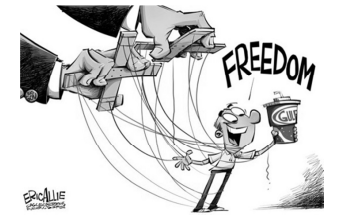
Read the following cartoon.
Internet: <www.baileyaplangandcomp.wordpress.com>.
The cartoon above conveys the idea that, in general, people.
are fooled as to their notion of freedom.
Ano: 2022
Banca:
CESPE / CEBRASPE
Órgão:
UNB
Prova:
CESPE / CEBRASPE - 2022 - UNB - Vestibular - Inglês |
Q2032752
Inglês
Texto associado
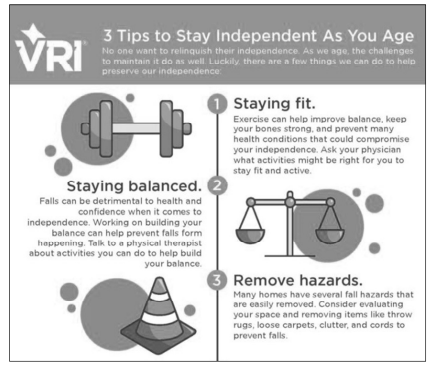
Read the following infographic.
Internet: <www.vricares.com> (adapted)
Based on the infographic presented, judge the follow item.
The text suggests that both professional help and changes at home are important to have better health and keep one’s independence.
The text suggests that both professional help and changes at home are important to have better health and keep one’s independence.

 Conheça nossos planos