Questões de Vestibular Comentadas sobre inglês

Foram encontradas 2.761 questões

Ano: 2016 Banca: IFN-MG Órgão: IFN-MG Prova: IFN-MG - 2016 - IFN-MG - Vestibular - Primeiro Semestre |
Q1275117 Inglês
“Don't be in a hurry to condemn because he doesn't do what you do or think as you think or as fast. There was a time when you didn't know what you know today.” Malcolm X
Disponível em: <http://www.goodreads.com/quotes/281078-don-t-be-in-a-hurry-to-condemn-becausehe-doesn-t>. Acesso em: 12 set. 2016
Citações são passagens curtas retiradas de textos orais ou escritos. Nessa citação, Malcolm X aconselha a:
Alternativas
Ano: 2016 Banca: UFVJM-MG Órgão: UFVJM-MG Prova: UFVJM-MG - 2016 - UFVJM-MG - Vestibular - 2º Etapa |
Q1274721 Inglês

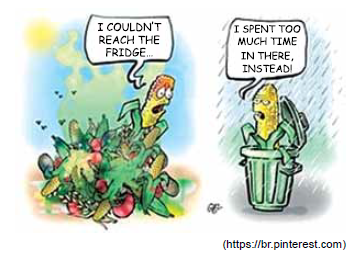
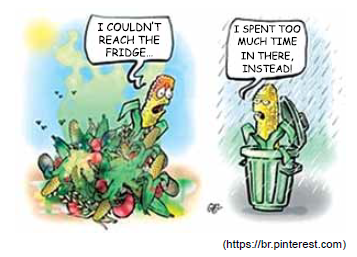
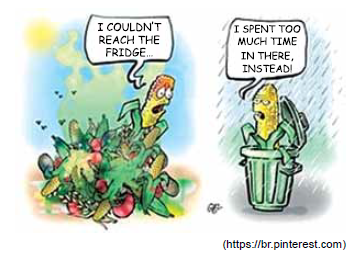
Imagem associada para resolução da questão


No diálogo da tirinha,

Alternativas
Ano: 2016 Banca: IF-RR Órgão: IF-RR Prova: IF-RR - 2016 - IF-RR - Vestibular - Primeiro Semestre |
Q1274278 Inglês
Facebook and Google Are Going To War Against Hate Speech
Offending posts will be deleted within 24 hours

   Facebook, Twitter, Google, and Microsoft have agreed to work with European officials to crack down on hateful speech published on their respective platforms. Each company has agreed to review potentially problematic posts and remove offending content within 24 hours. 
   “The recent terror attacks have reminded us of the urgent need to address illegal online hate speech,” Vĕra Jourová, EU Commissioner for Justice, Consumers and Gender Equality, said in a joint statement from the European Commission and the participating companies. “Social media is unfortunately one of the tools that terrorist groups use to radicalize young people and racist use to spread violence and hatred.”
     The new partnership comes after Facebook, Twitter, and Google agreed to erase hate speech from their platforms within 24 hours in Germany, an attempt to address racism following the refugee crisis. That agreement, which Reuters reported last year, also made it easier for individual users to report hateful speech.
     Under the new code of conduct, technology companies will have clear rules in place for reviewing content that may be deemed malicious or hateful. The document also says the companies should be responsible for educating their users on the types of content that are disallowed.
      Tech companies assure that the recently announced code of conduct won’t interfere with freedom of speech. “We remain committed to letting the Tweets flow,” Karen White, Twitter’s head of public policy for Europe, said in the statement. “However, there is a clear distinction between freedom of expression and conduct that incites violence and hate.”
(Time Magazine, May 31, 2016)

Glossary: hate speech – discurso de ódio; to agree: concordar; to erase: apagar; partnership – parceria. 
As palavras “potentially” e “offending”, ambas na quinta e sexta linhas do texto, são, respectivamente:
Alternativas
Ano: 2016 Banca: IF-RR Órgão: IF-RR Prova: IF-RR - 2016 - IF-RR - Vestibular - Primeiro Semestre |
Q1274277 Inglês
Facebook and Google Are Going To War Against Hate Speech
Offending posts will be deleted within 24 hours

   Facebook, Twitter, Google, and Microsoft have agreed to work with European officials to crack down on hateful speech published on their respective platforms. Each company has agreed to review potentially problematic posts and remove offending content within 24 hours. 
   “The recent terror attacks have reminded us of the urgent need to address illegal online hate speech,” Vĕra Jourová, EU Commissioner for Justice, Consumers and Gender Equality, said in a joint statement from the European Commission and the participating companies. “Social media is unfortunately one of the tools that terrorist groups use to radicalize young people and racist use to spread violence and hatred.”
     The new partnership comes after Facebook, Twitter, and Google agreed to erase hate speech from their platforms within 24 hours in Germany, an attempt to address racism following the refugee crisis. That agreement, which Reuters reported last year, also made it easier for individual users to report hateful speech.
     Under the new code of conduct, technology companies will have clear rules in place for reviewing content that may be deemed malicious or hateful. The document also says the companies should be responsible for educating their users on the types of content that are disallowed.
      Tech companies assure that the recently announced code of conduct won’t interfere with freedom of speech. “We remain committed to letting the Tweets flow,” Karen White, Twitter’s head of public policy for Europe, said in the statement. “However, there is a clear distinction between freedom of expression and conduct that incites violence and hate.”
(Time Magazine, May 31, 2016)

Glossary: hate speech – discurso de ódio; to agree: concordar; to erase: apagar; partnership – parceria. 
Assinale a expressão que se encontra no plural.
Alternativas
Ano: 2016 Banca: IF-RR Órgão: IF-RR Prova: IF-RR - 2016 - IF-RR - Vestibular - Primeiro Semestre |
Q1274276 Inglês
Facebook and Google Are Going To War Against Hate Speech
Offending posts will be deleted within 24 hours

   Facebook, Twitter, Google, and Microsoft have agreed to work with European officials to crack down on hateful speech published on their respective platforms. Each company has agreed to review potentially problematic posts and remove offending content within 24 hours. 
   “The recent terror attacks have reminded us of the urgent need to address illegal online hate speech,” Vĕra Jourová, EU Commissioner for Justice, Consumers and Gender Equality, said in a joint statement from the European Commission and the participating companies. “Social media is unfortunately one of the tools that terrorist groups use to radicalize young people and racist use to spread violence and hatred.”
     The new partnership comes after Facebook, Twitter, and Google agreed to erase hate speech from their platforms within 24 hours in Germany, an attempt to address racism following the refugee crisis. That agreement, which Reuters reported last year, also made it easier for individual users to report hateful speech.
     Under the new code of conduct, technology companies will have clear rules in place for reviewing content that may be deemed malicious or hateful. The document also says the companies should be responsible for educating their users on the types of content that are disallowed.
      Tech companies assure that the recently announced code of conduct won’t interfere with freedom of speech. “We remain committed to letting the Tweets flow,” Karen White, Twitter’s head of public policy for Europe, said in the statement. “However, there is a clear distinction between freedom of expression and conduct that incites violence and hate.”
(Time Magazine, May 31, 2016)

Glossary: hate speech – discurso de ódio; to agree: concordar; to erase: apagar; partnership – parceria. 
O pronome THEIR destacado no terceiro parágrafo refere-se a:
Alternativas
Ano: 2016 Banca: IF-RR Órgão: IF-RR Prova: IF-RR - 2016 - IF-RR - Vestibular - Primeiro Semestre |
Q1274275 Inglês
Facebook and Google Are Going To War Against Hate Speech
Offending posts will be deleted within 24 hours

   Facebook, Twitter, Google, and Microsoft have agreed to work with European officials to crack down on hateful speech published on their respective platforms. Each company has agreed to review potentially problematic posts and remove offending content within 24 hours. 
   “The recent terror attacks have reminded us of the urgent need to address illegal online hate speech,” Vĕra Jourová, EU Commissioner for Justice, Consumers and Gender Equality, said in a joint statement from the European Commission and the participating companies. “Social media is unfortunately one of the tools that terrorist groups use to radicalize young people and racist use to spread violence and hatred.”
     The new partnership comes after Facebook, Twitter, and Google agreed to erase hate speech from their platforms within 24 hours in Germany, an attempt to address racism following the refugee crisis. That agreement, which Reuters reported last year, also made it easier for individual users to report hateful speech.
     Under the new code of conduct, technology companies will have clear rules in place for reviewing content that may be deemed malicious or hateful. The document also says the companies should be responsible for educating their users on the types of content that are disallowed.
      Tech companies assure that the recently announced code of conduct won’t interfere with freedom of speech. “We remain committed to letting the Tweets flow,” Karen White, Twitter’s head of public policy for Europe, said in the statement. “However, there is a clear distinction between freedom of expression and conduct that incites violence and hate.”
(Time Magazine, May 31, 2016)

Glossary: hate speech – discurso de ódio; to agree: concordar; to erase: apagar; partnership – parceria. 
Com base na leitura do texto, pode-se afirmar que:
Alternativas
Ano: 2016 Banca: IF-RR Órgão: IF-RR Prova: IF-RR - 2016 - IF-RR - Vestibular - Primeiro Semestre |
Q1274274 Inglês
Facebook and Google Are Going To War Against Hate Speech
Offending posts will be deleted within 24 hours

   Facebook, Twitter, Google, and Microsoft have agreed to work with European officials to crack down on hateful speech published on their respective platforms. Each company has agreed to review potentially problematic posts and remove offending content within 24 hours. 
   “The recent terror attacks have reminded us of the urgent need to address illegal online hate speech,” Vĕra Jourová, EU Commissioner for Justice, Consumers and Gender Equality, said in a joint statement from the European Commission and the participating companies. “Social media is unfortunately one of the tools that terrorist groups use to radicalize young people and racist use to spread violence and hatred.”
     The new partnership comes after Facebook, Twitter, and Google agreed to erase hate speech from their platforms within 24 hours in Germany, an attempt to address racism following the refugee crisis. That agreement, which Reuters reported last year, also made it easier for individual users to report hateful speech.
     Under the new code of conduct, technology companies will have clear rules in place for reviewing content that may be deemed malicious or hateful. The document also says the companies should be responsible for educating their users on the types of content that are disallowed.
      Tech companies assure that the recently announced code of conduct won’t interfere with freedom of speech. “We remain committed to letting the Tweets flow,” Karen White, Twitter’s head of public policy for Europe, said in the statement. “However, there is a clear distinction between freedom of expression and conduct that incites violence and hate.”
(Time Magazine, May 31, 2016)

Glossary: hate speech – discurso de ódio; to agree: concordar; to erase: apagar; partnership – parceria. 
De acordo com o texto, com o novo código de conduta assinado, as redes sociais terão:
Alternativas
Ano: 2016 Banca: IF-RR Órgão: IF-RR Prova: IF-RR - 2016 - IF-RR - Vestibular - Primeiro Semestre |
Q1274273 Inglês
Facebook and Google Are Going To War Against Hate Speech
Offending posts will be deleted within 24 hours

   Facebook, Twitter, Google, and Microsoft have agreed to work with European officials to crack down on hateful speech published on their respective platforms. Each company has agreed to review potentially problematic posts and remove offending content within 24 hours. 
   “The recent terror attacks have reminded us of the urgent need to address illegal online hate speech,” Vĕra Jourová, EU Commissioner for Justice, Consumers and Gender Equality, said in a joint statement from the European Commission and the participating companies. “Social media is unfortunately one of the tools that terrorist groups use to radicalize young people and racist use to spread violence and hatred.”
     The new partnership comes after Facebook, Twitter, and Google agreed to erase hate speech from their platforms within 24 hours in Germany, an attempt to address racism following the refugee crisis. That agreement, which Reuters reported last year, also made it easier for individual users to report hateful speech.
     Under the new code of conduct, technology companies will have clear rules in place for reviewing content that may be deemed malicious or hateful. The document also says the companies should be responsible for educating their users on the types of content that are disallowed.
      Tech companies assure that the recently announced code of conduct won’t interfere with freedom of speech. “We remain committed to letting the Tweets flow,” Karen White, Twitter’s head of public policy for Europe, said in the statement. “However, there is a clear distinction between freedom of expression and conduct that incites violence and hate.”
(Time Magazine, May 31, 2016)

Glossary: hate speech – discurso de ódio; to agree: concordar; to erase: apagar; partnership – parceria. 
A nova parceria entre as redes sociais surgiu após:
Alternativas
Ano: 2016 Banca: IF-RR Órgão: IF-RR Prova: IF-RR - 2016 - IF-RR - Vestibular - Primeiro Semestre |
Q1274272 Inglês
Facebook and Google Are Going To War Against Hate Speech
Offending posts will be deleted within 24 hours

   Facebook, Twitter, Google, and Microsoft have agreed to work with European officials to crack down on hateful speech published on their respective platforms. Each company has agreed to review potentially problematic posts and remove offending content within 24 hours. 
   “The recent terror attacks have reminded us of the urgent need to address illegal online hate speech,” Vĕra Jourová, EU Commissioner for Justice, Consumers and Gender Equality, said in a joint statement from the European Commission and the participating companies. “Social media is unfortunately one of the tools that terrorist groups use to radicalize young people and racist use to spread violence and hatred.”
     The new partnership comes after Facebook, Twitter, and Google agreed to erase hate speech from their platforms within 24 hours in Germany, an attempt to address racism following the refugee crisis. That agreement, which Reuters reported last year, also made it easier for individual users to report hateful speech.
     Under the new code of conduct, technology companies will have clear rules in place for reviewing content that may be deemed malicious or hateful. The document also says the companies should be responsible for educating their users on the types of content that are disallowed.
      Tech companies assure that the recently announced code of conduct won’t interfere with freedom of speech. “We remain committed to letting the Tweets flow,” Karen White, Twitter’s head of public policy for Europe, said in the statement. “However, there is a clear distinction between freedom of expression and conduct that incites violence and hate.”
(Time Magazine, May 31, 2016)

Glossary: hate speech – discurso de ódio; to agree: concordar; to erase: apagar; partnership – parceria. 
Assinale a alternativa que expressa a ideia principal do texto.
Alternativas
Q1273874 Inglês

Leia o texto para responder a questão. 

Patience is needed for Brazil to come good again

Michael Hasenstab

Dr. Michael Hasenstab is executive

vice-president, portfolio manager

and chief investment officer of

Templeton Global Macro


    The Olympic Games in Rio drew global interest to Brazil, but the country and the rest of South America has been in sharp focus for investors all year. They have flocked to the region as part of a broader migration into emerging market debt, following record low valuations and the hunt for yield in a low interest rate environment. While investors have been presented with a rarely seen buying opportunity in emerging markets like South America, it is a mistake to regard these countries as a homogenous group.

    That leaves the challenge of working out which are the most attractive opportunities – some of our best known investments were not obvious choices.

    We have devised a formula to help us evaluate the fundamental strength of different emerging market countries. It scores a country’s current and projected strength on five factors: how well it has learnt the lessons from past crises; the quality of its policy mix; the structural reform being undertaken to boost productivity; the level of domestic demand; and its ability to resist external shocks. The aim is to pick nations that are fundamentally strong but, for one reason or another, are out of favour with investors. It can take time for the market to catch up to reality. But if you are a long-term investor – and we are certainly in that camp – you have the luxury of being able to wait.

    Brazil, for example, is known as a vulnerable market due to the commodities downturn, the ongoing corruption crisis and ensuing political turmoil, but our work suggests to us that it is poised for a potentially significant rebound in the long term. Its current score is low, but its projected future score tells a different story.

    We believe the country has learnt the lessons from the most recent crisis, which brought home the importance of having a sustainable fiscal policy. It has already adopted a flexible exchange rate, has strong foreign exchange reserves and has limited short-term debt. This is also reflected in the country’s improving resilience to external shocks, with a reliance on commodities, at 60 per cent of exports, being the largest remaining negative.

    It is perhaps no surprise, given Brazil’s deep recession and political instability, that there is much work required in terms of improving policy mix, making structural reforms and boosting domestic demand. However, there are signs things are being turned around, with monetary policy already being tightened aggressively to bring inflation expectations back under control, and the previously excessive levels of governmentsubsidised lending being cut. Once political stability returns, the government will be empowered to do even more.

    Work on structural reform should accelerate too, as Brazil’s middle class has made it clear it wants greater transparency and an economic policy framework that can both boost living standards and improve the environment for businesses.

(www.ft.com. 01.09.2016. Adaptado) 

In the excerpt of the seventh paragraph “Work on structural reform should accelerate too”, the word in bold can be replaced, without meaning change, by
Alternativas
Q1273873 Inglês

Leia o texto para responder a questão. 

Patience is needed for Brazil to come good again

Michael Hasenstab

Dr. Michael Hasenstab is executive

vice-president, portfolio manager

and chief investment officer of

Templeton Global Macro


    The Olympic Games in Rio drew global interest to Brazil, but the country and the rest of South America has been in sharp focus for investors all year. They have flocked to the region as part of a broader migration into emerging market debt, following record low valuations and the hunt for yield in a low interest rate environment. While investors have been presented with a rarely seen buying opportunity in emerging markets like South America, it is a mistake to regard these countries as a homogenous group.

    That leaves the challenge of working out which are the most attractive opportunities – some of our best known investments were not obvious choices.

    We have devised a formula to help us evaluate the fundamental strength of different emerging market countries. It scores a country’s current and projected strength on five factors: how well it has learnt the lessons from past crises; the quality of its policy mix; the structural reform being undertaken to boost productivity; the level of domestic demand; and its ability to resist external shocks. The aim is to pick nations that are fundamentally strong but, for one reason or another, are out of favour with investors. It can take time for the market to catch up to reality. But if you are a long-term investor – and we are certainly in that camp – you have the luxury of being able to wait.

    Brazil, for example, is known as a vulnerable market due to the commodities downturn, the ongoing corruption crisis and ensuing political turmoil, but our work suggests to us that it is poised for a potentially significant rebound in the long term. Its current score is low, but its projected future score tells a different story.

    We believe the country has learnt the lessons from the most recent crisis, which brought home the importance of having a sustainable fiscal policy. It has already adopted a flexible exchange rate, has strong foreign exchange reserves and has limited short-term debt. This is also reflected in the country’s improving resilience to external shocks, with a reliance on commodities, at 60 per cent of exports, being the largest remaining negative.

    It is perhaps no surprise, given Brazil’s deep recession and political instability, that there is much work required in terms of improving policy mix, making structural reforms and boosting domestic demand. However, there are signs things are being turned around, with monetary policy already being tightened aggressively to bring inflation expectations back under control, and the previously excessive levels of governmentsubsidised lending being cut. Once political stability returns, the government will be empowered to do even more.

    Work on structural reform should accelerate too, as Brazil’s middle class has made it clear it wants greater transparency and an economic policy framework that can both boost living standards and improve the environment for businesses.

(www.ft.com. 01.09.2016. Adaptado) 

In the excerpt of the sixth paragraph “Once political stability returns, the government will be empowered to do even more”, the word in bold expresses an idea of
Alternativas
Q1273872 Inglês

Leia o texto para responder a questão. 

Patience is needed for Brazil to come good again

Michael Hasenstab

Dr. Michael Hasenstab is executive

vice-president, portfolio manager

and chief investment officer of

Templeton Global Macro


    The Olympic Games in Rio drew global interest to Brazil, but the country and the rest of South America has been in sharp focus for investors all year. They have flocked to the region as part of a broader migration into emerging market debt, following record low valuations and the hunt for yield in a low interest rate environment. While investors have been presented with a rarely seen buying opportunity in emerging markets like South America, it is a mistake to regard these countries as a homogenous group.

    That leaves the challenge of working out which are the most attractive opportunities – some of our best known investments were not obvious choices.

    We have devised a formula to help us evaluate the fundamental strength of different emerging market countries. It scores a country’s current and projected strength on five factors: how well it has learnt the lessons from past crises; the quality of its policy mix; the structural reform being undertaken to boost productivity; the level of domestic demand; and its ability to resist external shocks. The aim is to pick nations that are fundamentally strong but, for one reason or another, are out of favour with investors. It can take time for the market to catch up to reality. But if you are a long-term investor – and we are certainly in that camp – you have the luxury of being able to wait.

    Brazil, for example, is known as a vulnerable market due to the commodities downturn, the ongoing corruption crisis and ensuing political turmoil, but our work suggests to us that it is poised for a potentially significant rebound in the long term. Its current score is low, but its projected future score tells a different story.

    We believe the country has learnt the lessons from the most recent crisis, which brought home the importance of having a sustainable fiscal policy. It has already adopted a flexible exchange rate, has strong foreign exchange reserves and has limited short-term debt. This is also reflected in the country’s improving resilience to external shocks, with a reliance on commodities, at 60 per cent of exports, being the largest remaining negative.

    It is perhaps no surprise, given Brazil’s deep recession and political instability, that there is much work required in terms of improving policy mix, making structural reforms and boosting domestic demand. However, there are signs things are being turned around, with monetary policy already being tightened aggressively to bring inflation expectations back under control, and the previously excessive levels of governmentsubsidised lending being cut. Once political stability returns, the government will be empowered to do even more.

    Work on structural reform should accelerate too, as Brazil’s middle class has made it clear it wants greater transparency and an economic policy framework that can both boost living standards and improve the environment for businesses.

(www.ft.com. 01.09.2016. Adaptado) 

In the excerpt of the sixth paragraph “However, there are signs things are being turned around” the word in bold can be replaced, without meaning change, by
Alternativas
Q1273871 Inglês

Leia o texto para responder a questão. 

Patience is needed for Brazil to come good again

Michael Hasenstab

Dr. Michael Hasenstab is executive

vice-president, portfolio manager

and chief investment officer of

Templeton Global Macro


    The Olympic Games in Rio drew global interest to Brazil, but the country and the rest of South America has been in sharp focus for investors all year. They have flocked to the region as part of a broader migration into emerging market debt, following record low valuations and the hunt for yield in a low interest rate environment. While investors have been presented with a rarely seen buying opportunity in emerging markets like South America, it is a mistake to regard these countries as a homogenous group.

    That leaves the challenge of working out which are the most attractive opportunities – some of our best known investments were not obvious choices.

    We have devised a formula to help us evaluate the fundamental strength of different emerging market countries. It scores a country’s current and projected strength on five factors: how well it has learnt the lessons from past crises; the quality of its policy mix; the structural reform being undertaken to boost productivity; the level of domestic demand; and its ability to resist external shocks. The aim is to pick nations that are fundamentally strong but, for one reason or another, are out of favour with investors. It can take time for the market to catch up to reality. But if you are a long-term investor – and we are certainly in that camp – you have the luxury of being able to wait.

    Brazil, for example, is known as a vulnerable market due to the commodities downturn, the ongoing corruption crisis and ensuing political turmoil, but our work suggests to us that it is poised for a potentially significant rebound in the long term. Its current score is low, but its projected future score tells a different story.

    We believe the country has learnt the lessons from the most recent crisis, which brought home the importance of having a sustainable fiscal policy. It has already adopted a flexible exchange rate, has strong foreign exchange reserves and has limited short-term debt. This is also reflected in the country’s improving resilience to external shocks, with a reliance on commodities, at 60 per cent of exports, being the largest remaining negative.

    It is perhaps no surprise, given Brazil’s deep recession and political instability, that there is much work required in terms of improving policy mix, making structural reforms and boosting domestic demand. However, there are signs things are being turned around, with monetary policy already being tightened aggressively to bring inflation expectations back under control, and the previously excessive levels of governmentsubsidised lending being cut. Once political stability returns, the government will be empowered to do even more.

    Work on structural reform should accelerate too, as Brazil’s middle class has made it clear it wants greater transparency and an economic policy framework that can both boost living standards and improve the environment for businesses.

(www.ft.com. 01.09.2016. Adaptado) 

In the sixth paragraph, the text indicates Brazil should
Alternativas
Q1273870 Inglês

Leia o texto para responder a questão. 

Patience is needed for Brazil to come good again

Michael Hasenstab

Dr. Michael Hasenstab is executive

vice-president, portfolio manager

and chief investment officer of

Templeton Global Macro


    The Olympic Games in Rio drew global interest to Brazil, but the country and the rest of South America has been in sharp focus for investors all year. They have flocked to the region as part of a broader migration into emerging market debt, following record low valuations and the hunt for yield in a low interest rate environment. While investors have been presented with a rarely seen buying opportunity in emerging markets like South America, it is a mistake to regard these countries as a homogenous group.

    That leaves the challenge of working out which are the most attractive opportunities – some of our best known investments were not obvious choices.

    We have devised a formula to help us evaluate the fundamental strength of different emerging market countries. It scores a country’s current and projected strength on five factors: how well it has learnt the lessons from past crises; the quality of its policy mix; the structural reform being undertaken to boost productivity; the level of domestic demand; and its ability to resist external shocks. The aim is to pick nations that are fundamentally strong but, for one reason or another, are out of favour with investors. It can take time for the market to catch up to reality. But if you are a long-term investor – and we are certainly in that camp – you have the luxury of being able to wait.

    Brazil, for example, is known as a vulnerable market due to the commodities downturn, the ongoing corruption crisis and ensuing political turmoil, but our work suggests to us that it is poised for a potentially significant rebound in the long term. Its current score is low, but its projected future score tells a different story.

    We believe the country has learnt the lessons from the most recent crisis, which brought home the importance of having a sustainable fiscal policy. It has already adopted a flexible exchange rate, has strong foreign exchange reserves and has limited short-term debt. This is also reflected in the country’s improving resilience to external shocks, with a reliance on commodities, at 60 per cent of exports, being the largest remaining negative.

    It is perhaps no surprise, given Brazil’s deep recession and political instability, that there is much work required in terms of improving policy mix, making structural reforms and boosting domestic demand. However, there are signs things are being turned around, with monetary policy already being tightened aggressively to bring inflation expectations back under control, and the previously excessive levels of governmentsubsidised lending being cut. Once political stability returns, the government will be empowered to do even more.

    Work on structural reform should accelerate too, as Brazil’s middle class has made it clear it wants greater transparency and an economic policy framework that can both boost living standards and improve the environment for businesses.

(www.ft.com. 01.09.2016. Adaptado) 

Based on the fourth paragraph, the fifth paragraph presents Brazil as
Alternativas
Q1273869 Inglês

Leia o texto para responder a questão. 

Patience is needed for Brazil to come good again

Michael Hasenstab

Dr. Michael Hasenstab is executive

vice-president, portfolio manager

and chief investment officer of

Templeton Global Macro


    The Olympic Games in Rio drew global interest to Brazil, but the country and the rest of South America has been in sharp focus for investors all year. They have flocked to the region as part of a broader migration into emerging market debt, following record low valuations and the hunt for yield in a low interest rate environment. While investors have been presented with a rarely seen buying opportunity in emerging markets like South America, it is a mistake to regard these countries as a homogenous group.

    That leaves the challenge of working out which are the most attractive opportunities – some of our best known investments were not obvious choices.

    We have devised a formula to help us evaluate the fundamental strength of different emerging market countries. It scores a country’s current and projected strength on five factors: how well it has learnt the lessons from past crises; the quality of its policy mix; the structural reform being undertaken to boost productivity; the level of domestic demand; and its ability to resist external shocks. The aim is to pick nations that are fundamentally strong but, for one reason or another, are out of favour with investors. It can take time for the market to catch up to reality. But if you are a long-term investor – and we are certainly in that camp – you have the luxury of being able to wait.

    Brazil, for example, is known as a vulnerable market due to the commodities downturn, the ongoing corruption crisis and ensuing political turmoil, but our work suggests to us that it is poised for a potentially significant rebound in the long term. Its current score is low, but its projected future score tells a different story.

    We believe the country has learnt the lessons from the most recent crisis, which brought home the importance of having a sustainable fiscal policy. It has already adopted a flexible exchange rate, has strong foreign exchange reserves and has limited short-term debt. This is also reflected in the country’s improving resilience to external shocks, with a reliance on commodities, at 60 per cent of exports, being the largest remaining negative.

    It is perhaps no surprise, given Brazil’s deep recession and political instability, that there is much work required in terms of improving policy mix, making structural reforms and boosting domestic demand. However, there are signs things are being turned around, with monetary policy already being tightened aggressively to bring inflation expectations back under control, and the previously excessive levels of governmentsubsidised lending being cut. Once political stability returns, the government will be empowered to do even more.

    Work on structural reform should accelerate too, as Brazil’s middle class has made it clear it wants greater transparency and an economic policy framework that can both boost living standards and improve the environment for businesses.

(www.ft.com. 01.09.2016. Adaptado) 

In the excerpt of the fourth paragraph “Brazil, for example, is known as a vulnerable market due to the commodities downturn”, the expression in bold introduces a
Alternativas
Q1273868 Inglês

Leia o texto para responder a questão. 

Patience is needed for Brazil to come good again

Michael Hasenstab

Dr. Michael Hasenstab is executive

vice-president, portfolio manager

and chief investment officer of

Templeton Global Macro


    The Olympic Games in Rio drew global interest to Brazil, but the country and the rest of South America has been in sharp focus for investors all year. They have flocked to the region as part of a broader migration into emerging market debt, following record low valuations and the hunt for yield in a low interest rate environment. While investors have been presented with a rarely seen buying opportunity in emerging markets like South America, it is a mistake to regard these countries as a homogenous group.

    That leaves the challenge of working out which are the most attractive opportunities – some of our best known investments were not obvious choices.

    We have devised a formula to help us evaluate the fundamental strength of different emerging market countries. It scores a country’s current and projected strength on five factors: how well it has learnt the lessons from past crises; the quality of its policy mix; the structural reform being undertaken to boost productivity; the level of domestic demand; and its ability to resist external shocks. The aim is to pick nations that are fundamentally strong but, for one reason or another, are out of favour with investors. It can take time for the market to catch up to reality. But if you are a long-term investor – and we are certainly in that camp – you have the luxury of being able to wait.

    Brazil, for example, is known as a vulnerable market due to the commodities downturn, the ongoing corruption crisis and ensuing political turmoil, but our work suggests to us that it is poised for a potentially significant rebound in the long term. Its current score is low, but its projected future score tells a different story.

    We believe the country has learnt the lessons from the most recent crisis, which brought home the importance of having a sustainable fiscal policy. It has already adopted a flexible exchange rate, has strong foreign exchange reserves and has limited short-term debt. This is also reflected in the country’s improving resilience to external shocks, with a reliance on commodities, at 60 per cent of exports, being the largest remaining negative.

    It is perhaps no surprise, given Brazil’s deep recession and political instability, that there is much work required in terms of improving policy mix, making structural reforms and boosting domestic demand. However, there are signs things are being turned around, with monetary policy already being tightened aggressively to bring inflation expectations back under control, and the previously excessive levels of governmentsubsidised lending being cut. Once political stability returns, the government will be empowered to do even more.

    Work on structural reform should accelerate too, as Brazil’s middle class has made it clear it wants greater transparency and an economic policy framework that can both boost living standards and improve the environment for businesses.

(www.ft.com. 01.09.2016. Adaptado) 

In the excerpt of the third paragraph “We have devised a formula to help us evaluate the fundamental strength”, the word in bold refers to
Alternativas
Q1273867 Inglês

Leia o texto para responder a questão. 

Patience is needed for Brazil to come good again

Michael Hasenstab

Dr. Michael Hasenstab is executive

vice-president, portfolio manager

and chief investment officer of

Templeton Global Macro


    The Olympic Games in Rio drew global interest to Brazil, but the country and the rest of South America has been in sharp focus for investors all year. They have flocked to the region as part of a broader migration into emerging market debt, following record low valuations and the hunt for yield in a low interest rate environment. While investors have been presented with a rarely seen buying opportunity in emerging markets like South America, it is a mistake to regard these countries as a homogenous group.

    That leaves the challenge of working out which are the most attractive opportunities – some of our best known investments were not obvious choices.

    We have devised a formula to help us evaluate the fundamental strength of different emerging market countries. It scores a country’s current and projected strength on five factors: how well it has learnt the lessons from past crises; the quality of its policy mix; the structural reform being undertaken to boost productivity; the level of domestic demand; and its ability to resist external shocks. The aim is to pick nations that are fundamentally strong but, for one reason or another, are out of favour with investors. It can take time for the market to catch up to reality. But if you are a long-term investor – and we are certainly in that camp – you have the luxury of being able to wait.

    Brazil, for example, is known as a vulnerable market due to the commodities downturn, the ongoing corruption crisis and ensuing political turmoil, but our work suggests to us that it is poised for a potentially significant rebound in the long term. Its current score is low, but its projected future score tells a different story.

    We believe the country has learnt the lessons from the most recent crisis, which brought home the importance of having a sustainable fiscal policy. It has already adopted a flexible exchange rate, has strong foreign exchange reserves and has limited short-term debt. This is also reflected in the country’s improving resilience to external shocks, with a reliance on commodities, at 60 per cent of exports, being the largest remaining negative.

    It is perhaps no surprise, given Brazil’s deep recession and political instability, that there is much work required in terms of improving policy mix, making structural reforms and boosting domestic demand. However, there are signs things are being turned around, with monetary policy already being tightened aggressively to bring inflation expectations back under control, and the previously excessive levels of governmentsubsidised lending being cut. Once political stability returns, the government will be empowered to do even more.

    Work on structural reform should accelerate too, as Brazil’s middle class has made it clear it wants greater transparency and an economic policy framework that can both boost living standards and improve the environment for businesses.

(www.ft.com. 01.09.2016. Adaptado) 

According to the third paragraph, the objective of the formula is to
Alternativas
Q1273866 Inglês

Leia o texto para responder a questão. 

Patience is needed for Brazil to come good again

Michael Hasenstab

Dr. Michael Hasenstab is executive

vice-president, portfolio manager

and chief investment officer of

Templeton Global Macro


    The Olympic Games in Rio drew global interest to Brazil, but the country and the rest of South America has been in sharp focus for investors all year. They have flocked to the region as part of a broader migration into emerging market debt, following record low valuations and the hunt for yield in a low interest rate environment. While investors have been presented with a rarely seen buying opportunity in emerging markets like South America, it is a mistake to regard these countries as a homogenous group.

    That leaves the challenge of working out which are the most attractive opportunities – some of our best known investments were not obvious choices.

    We have devised a formula to help us evaluate the fundamental strength of different emerging market countries. It scores a country’s current and projected strength on five factors: how well it has learnt the lessons from past crises; the quality of its policy mix; the structural reform being undertaken to boost productivity; the level of domestic demand; and its ability to resist external shocks. The aim is to pick nations that are fundamentally strong but, for one reason or another, are out of favour with investors. It can take time for the market to catch up to reality. But if you are a long-term investor – and we are certainly in that camp – you have the luxury of being able to wait.

    Brazil, for example, is known as a vulnerable market due to the commodities downturn, the ongoing corruption crisis and ensuing political turmoil, but our work suggests to us that it is poised for a potentially significant rebound in the long term. Its current score is low, but its projected future score tells a different story.

    We believe the country has learnt the lessons from the most recent crisis, which brought home the importance of having a sustainable fiscal policy. It has already adopted a flexible exchange rate, has strong foreign exchange reserves and has limited short-term debt. This is also reflected in the country’s improving resilience to external shocks, with a reliance on commodities, at 60 per cent of exports, being the largest remaining negative.

    It is perhaps no surprise, given Brazil’s deep recession and political instability, that there is much work required in terms of improving policy mix, making structural reforms and boosting domestic demand. However, there are signs things are being turned around, with monetary policy already being tightened aggressively to bring inflation expectations back under control, and the previously excessive levels of governmentsubsidised lending being cut. Once political stability returns, the government will be empowered to do even more.

    Work on structural reform should accelerate too, as Brazil’s middle class has made it clear it wants greater transparency and an economic policy framework that can both boost living standards and improve the environment for businesses.

(www.ft.com. 01.09.2016. Adaptado) 

The formula mentioned in the third paragraph
Alternativas
Q1273865 Inglês

Leia o texto para responder a questão. 

Patience is needed for Brazil to come good again

Michael Hasenstab

Dr. Michael Hasenstab is executive

vice-president, portfolio manager

and chief investment officer of

Templeton Global Macro


    The Olympic Games in Rio drew global interest to Brazil, but the country and the rest of South America has been in sharp focus for investors all year. They have flocked to the region as part of a broader migration into emerging market debt, following record low valuations and the hunt for yield in a low interest rate environment. While investors have been presented with a rarely seen buying opportunity in emerging markets like South America, it is a mistake to regard these countries as a homogenous group.

    That leaves the challenge of working out which are the most attractive opportunities – some of our best known investments were not obvious choices.

    We have devised a formula to help us evaluate the fundamental strength of different emerging market countries. It scores a country’s current and projected strength on five factors: how well it has learnt the lessons from past crises; the quality of its policy mix; the structural reform being undertaken to boost productivity; the level of domestic demand; and its ability to resist external shocks. The aim is to pick nations that are fundamentally strong but, for one reason or another, are out of favour with investors. It can take time for the market to catch up to reality. But if you are a long-term investor – and we are certainly in that camp – you have the luxury of being able to wait.

    Brazil, for example, is known as a vulnerable market due to the commodities downturn, the ongoing corruption crisis and ensuing political turmoil, but our work suggests to us that it is poised for a potentially significant rebound in the long term. Its current score is low, but its projected future score tells a different story.

    We believe the country has learnt the lessons from the most recent crisis, which brought home the importance of having a sustainable fiscal policy. It has already adopted a flexible exchange rate, has strong foreign exchange reserves and has limited short-term debt. This is also reflected in the country’s improving resilience to external shocks, with a reliance on commodities, at 60 per cent of exports, being the largest remaining negative.

    It is perhaps no surprise, given Brazil’s deep recession and political instability, that there is much work required in terms of improving policy mix, making structural reforms and boosting domestic demand. However, there are signs things are being turned around, with monetary policy already being tightened aggressively to bring inflation expectations back under control, and the previously excessive levels of governmentsubsidised lending being cut. Once political stability returns, the government will be empowered to do even more.

    Work on structural reform should accelerate too, as Brazil’s middle class has made it clear it wants greater transparency and an economic policy framework that can both boost living standards and improve the environment for businesses.

(www.ft.com. 01.09.2016. Adaptado) 

In the excerpt of the second paragraph “That leaves the challenge of working out which are the most attractive opportunities”, the word in bold refers to the idea that
Alternativas
Q1273864 Inglês

Leia o texto para responder a questão. 

Patience is needed for Brazil to come good again

Michael Hasenstab

Dr. Michael Hasenstab is executive

vice-president, portfolio manager

and chief investment officer of

Templeton Global Macro


    The Olympic Games in Rio drew global interest to Brazil, but the country and the rest of South America has been in sharp focus for investors all year. They have flocked to the region as part of a broader migration into emerging market debt, following record low valuations and the hunt for yield in a low interest rate environment. While investors have been presented with a rarely seen buying opportunity in emerging markets like South America, it is a mistake to regard these countries as a homogenous group.

    That leaves the challenge of working out which are the most attractive opportunities – some of our best known investments were not obvious choices.

    We have devised a formula to help us evaluate the fundamental strength of different emerging market countries. It scores a country’s current and projected strength on five factors: how well it has learnt the lessons from past crises; the quality of its policy mix; the structural reform being undertaken to boost productivity; the level of domestic demand; and its ability to resist external shocks. The aim is to pick nations that are fundamentally strong but, for one reason or another, are out of favour with investors. It can take time for the market to catch up to reality. But if you are a long-term investor – and we are certainly in that camp – you have the luxury of being able to wait.

    Brazil, for example, is known as a vulnerable market due to the commodities downturn, the ongoing corruption crisis and ensuing political turmoil, but our work suggests to us that it is poised for a potentially significant rebound in the long term. Its current score is low, but its projected future score tells a different story.

    We believe the country has learnt the lessons from the most recent crisis, which brought home the importance of having a sustainable fiscal policy. It has already adopted a flexible exchange rate, has strong foreign exchange reserves and has limited short-term debt. This is also reflected in the country’s improving resilience to external shocks, with a reliance on commodities, at 60 per cent of exports, being the largest remaining negative.

    It is perhaps no surprise, given Brazil’s deep recession and political instability, that there is much work required in terms of improving policy mix, making structural reforms and boosting domestic demand. However, there are signs things are being turned around, with monetary policy already being tightened aggressively to bring inflation expectations back under control, and the previously excessive levels of governmentsubsidised lending being cut. Once political stability returns, the government will be empowered to do even more.

    Work on structural reform should accelerate too, as Brazil’s middle class has made it clear it wants greater transparency and an economic policy framework that can both boost living standards and improve the environment for businesses.

(www.ft.com. 01.09.2016. Adaptado) 

In the excerpt of the first paragraph “While investors have been presented with a rarely seen buying opportunity in emerging markets like South America, it is a mistake to regard these countries as a homogenous group”, the word in bold can be correctly replaced by
Alternativas
Respostas
1561: B
1562: D
1563: E
1564: C
1565: B
1566: A
1567: C
1568: E
1569: D
1570: B
1571: C
1572: A
1573: E
1574: B
1575: D
1576: E
1577: B
1578: E
1579: D
1580: A